Mon - Sat : 9:00 AM - 6:00 PM
- +91-8448877746
- sumitneuro@gmail.com
Best Neurosurgeon in Delhi - Dr. (Prof.) Sumiet Snha
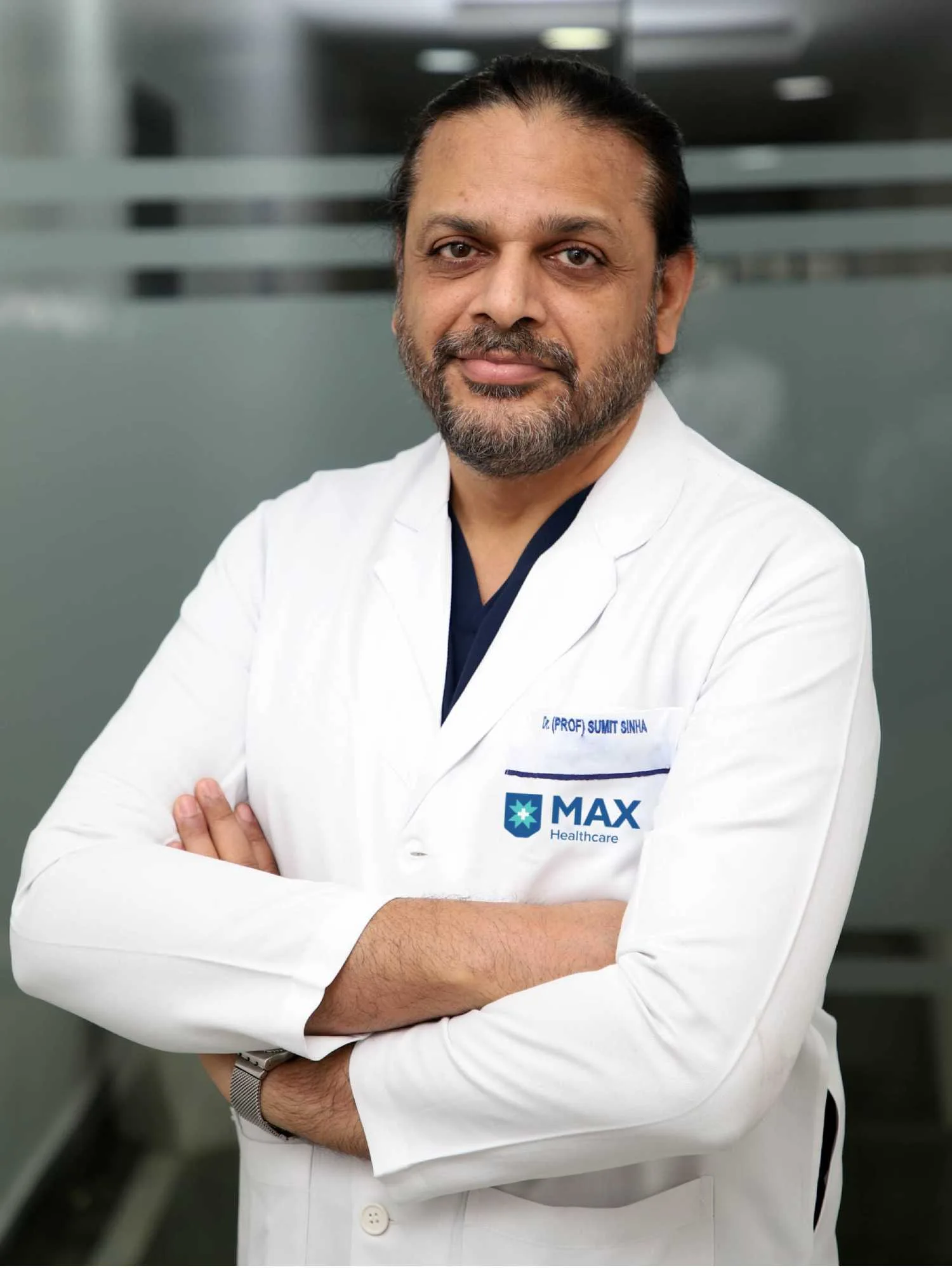
Dr. (Prof.) Sumiet Snha - AIIMS-trained, former AIIMS Professor - offers advanced brain, spine and nerve surgery in Delhi at Max Super Speciality Hospital, Dwarka, with a focus on minimally invasive techniques.
- Vice Chairman, Robotics, Neurosurgery & Spine Services, Max Hospital
- Ex-Professor, JPNA Trauma Center & AIIMS, New Delhi
- MS, DNB, MCh, FACS
- Hon'y President NTSI · President ISPNS
- Keyhole & endoscopic brain and spine surgery
- Honest advice — surgery only when needed
Delhi is home to some of the country's finest hospitals and medical institutions, and patients from across India come to the capital for advanced neurosurgical care. Yet for residents of Delhi themselves, finding the right neurosurgeon can still feel overwhelming. Should you go to a large government institute with long waiting lists, or a private hospital? How do you know whether the surgeon has enough experience with your condition? Will you be pushed into surgery you do not need? These are valid concerns, and the answers begin with understanding who you are consulting and how they approach care.
Dr. (Prof.) Sumiet Snha is one of Delhi's most experienced neurosurgeons, combining the academic depth of more than a decade as faculty at AIIMS, New Delhi - where he rose to the position of Professor of Neurosurgery - with the personalised care and modern infrastructure of a leading private hospital. As Principal Director - Neurosurgery & Spine Surgery at Max Super Speciality Hospital, Dwarka, he treats patients from every part of Delhi - from Dwarka, Janakpuri, Vikaspuri, Uttam Nagar, Palam and Najafgarh in the west, to South, Central, North and East Delhi - as well as the wider NCR. This page explains his expertise, the conditions he treats and what Delhi patients can expect.
For the large and growing population of West and South-West Delhi, having a highly experienced neurosurgeon in Dwarka means that expert brain and spine care is available without a long journey across the city. Max Super Speciality Hospital, Dwarka, is located at Plot No. 1, Sector-10, well connected by the Delhi Metro Blue Line and by road to Janakpuri, Palam, Najafgarh, Uttam Nagar, Vasant Kunj and the airport. For emergencies such as head injuries, strokes and brain haemorrhages, where every minute matters, access to a nearby hospital with a round-the-clock neurosurgical team, neuro-ICU and advanced imaging can be life-saving.
AIIMS-trained
MCh in Neurosurgery from AIIMS, New Delhi; appointed to the AIIMS faculty in 2005 and later Professor of Neurosurgery.
Qualifications
MBBS, MS, DNB, MCh (AIIMS), and Fellow of the American College of Surgeons (FACS).
International training
Worked with Prof. Hiroshi Sano (Japan), Prof. Louis Vialle (Brazil) and Prof. B. Meyer (Germany).
Experience
25+ years; thousands of complex brain, spine and nerve operations through keyhole and endoscopic approaches.
Leadership
President, Neurotrauma Society of India; Founder Secretary, Indian Society of Peripheral Nerve Surgery.
Teaching
AO Spine International and ATLS faculty; founder of the AIIMS cadaver training and research facility.
- Brain tumors - meningiomas, gliomas, metastases, pituitary tumors and skull base tumors, with endoscopic and keyhole surgery where appropriate.
- Acoustic neuroma and other cerebellopontine angle tumors - see acoustic neuroma treatment.
- Brain aneurysms, AVMs and cavernomas - see vascular neurosurgery.
- Moyamoya disease - cerebral bypass surgery.
- Hydrocephalus - endoscopic third ventriculostomy and shunts.
- Epilepsy - surgery for drug-resistant seizures.
- Trigeminal neuralgia and hemifacial spasm - microvascular decompression.
- Head injuries, chronic subdural haematoma and brain haemorrhage.
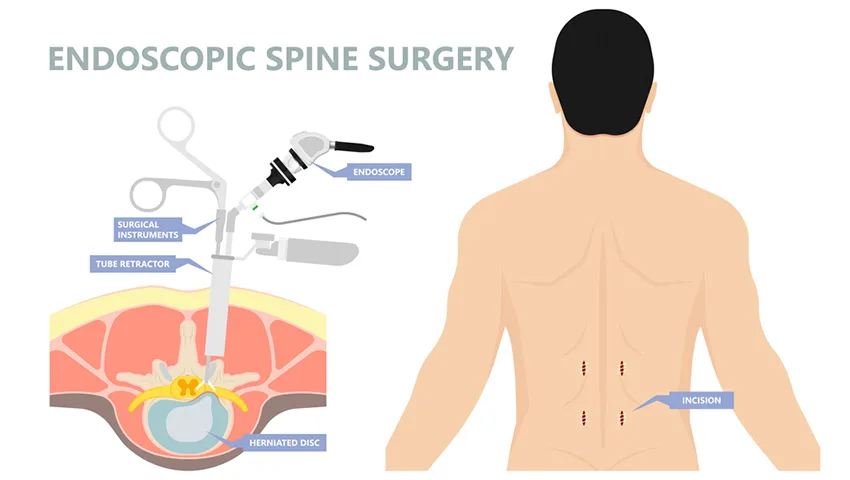
- Slip disc and sciatica - endoscopic discectomy through an incision under a centimetre.
- Cervical disc and neck pain with arm radiation - endoscopic foraminotomy, ACDF or disc replacement.
- Spinal stenosis - endoscopic decompression, especially valuable for elderly patients.
- Spondylolisthesis and instability - minimally invasive fusion.
- Spinal tumors - minimally invasive and complex tumor surgery.
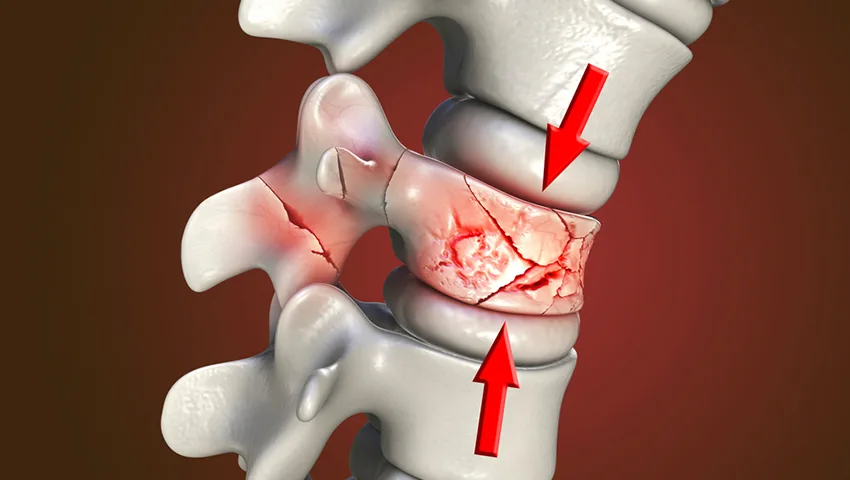
- Spinal fractures - kyphoplasty and percutaneous fixation.
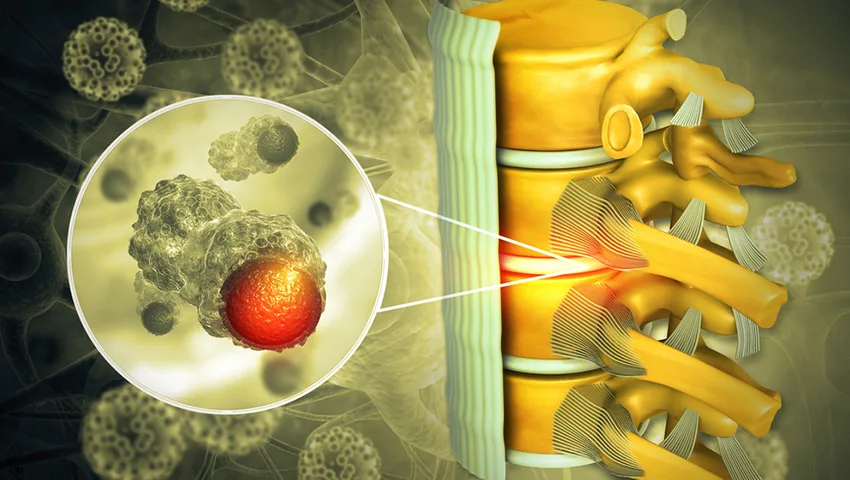
- Spinal tuberculosis - decompression and stabilisation.
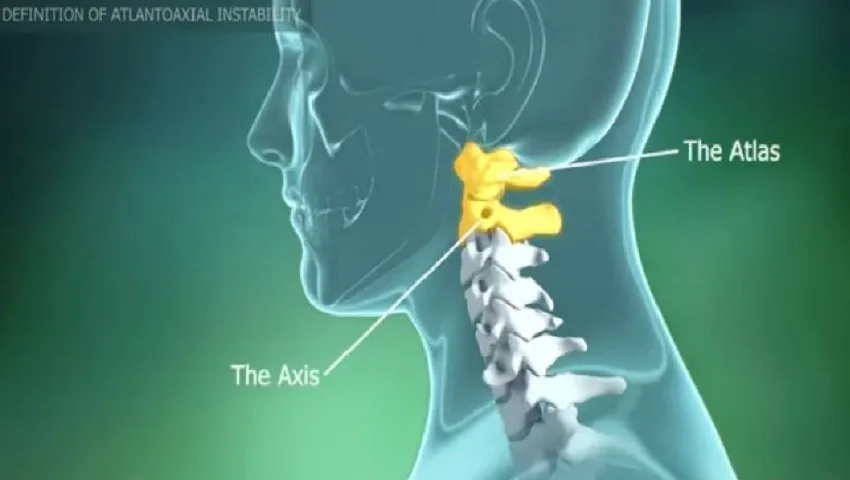
- Craniovertebral junction anomalies - C1-C2 fixation.
- Chronic back and leg pain after surgery - evaluation and spinal cord stimulation.
- Brachial plexus injuries after road accidents and at birth.
- Peripheral nerve injuries - wrist drop, foot drop, cut nerves, entrapments such as carpal tunnel syndrome.
- Nerve tumors and nerve sheath tumors.
- Spasticity after stroke, brain injury, spinal cord injury and cerebral palsy.
- Nerve transfers after spinal cord injury.
Road traffic injuries
Delhi's roads carry millions of vehicles every day, and road traffic accidents remain a leading cause of head and spinal injuries, particularly among young adults and two-wheeler riders. Wearing a helmet (for both rider and pillion) and seat belts dramatically reduces the risk of serious brain injury. When injuries do occur, rapid transfer to a hospital with neurosurgical capability, proper spinal immobilisation, and early CT scanning are critical. Dr. Snha's years at the AIIMS JPNA Apex Trauma Centre - one of the busiest trauma centres in the country - and his leadership of the Neurotrauma Society of India have given him extensive experience in managing the full spectrum of neurotrauma.
Stroke and high blood pressure
High blood pressure is very common among Delhi's adults and is often undiagnosed or poorly controlled. It is the leading risk factor for strokes and brain haemorrhages. Regular blood pressure checks, treatment, a healthy diet with less salt, exercise and avoidance of smoking substantially reduce risk. Knowing the warning signs of stroke - facial droop, arm weakness, speech difficulty - and seeking emergency care immediately can save lives and brain function.
Sedentary lifestyle and spine problems
Long commutes, office work and limited physical activity contribute to back and neck problems at increasingly younger ages. Regular exercise, good posture, ergonomic workstations and maintaining a healthy weight help protect the spine.
An ageing population
As more Delhi residents live into their seventies and eighties, conditions such as spinal stenosis, osteoporotic fractures, chronic subdural haematomas and normal pressure hydrocephalus are becoming more common. Minimally invasive techniques have made treatment safer and recovery faster for older patients.
For busy Delhi residents, a long hospital stay and prolonged recovery can mean lost income, disrupted family routines and considerable stress. Minimally invasive and endoscopic techniques, in which Dr. Snha has special expertise, reduce this burden. Smaller incisions mean less pain, lower blood loss and fewer wound complications. Many spine patients walk within hours and go home the next day. Pituitary tumors can be removed through the nose without any external scar. Hydrocephalus can often be treated endoscopically without a permanent shunt. Of course, not every condition is suitable for minimally invasive surgery - and when a conventional approach is safer or more effective, Dr. Snha will recommend it clearly.
Get an expert opinion before you decide
Share your MRI / CT reports on WhatsApp for a preliminary opinion, or book an in-person / video consultation.
A chronic subdural haematoma is a collection of old blood between the brain and its outer covering. It typically develops in older adults, sometimes after a minor bump to the head that was forgotten, and is more common in those taking blood-thinning medicines such as aspirin, clopidogrel or anticoagulants, and in people who drink alcohol regularly. Over days to weeks, the collection slowly enlarges, causing headache, confusion, drowsiness, personality change, unsteadiness or weakness of one side of the body. Families sometimes mistake these changes for dementia or a stroke. A CT scan makes the diagnosis quickly. Many chronic subdural haematomas can be treated with a relatively simple operation through one or two small burr holes in the skull to drain the fluid, often with rapid improvement. Small, symptom-free collections may be observed. Middle meningeal artery embolisation is an emerging option to reduce recurrence in selected cases. Prompt recognition and treatment lead to excellent recovery in most patients.
It is common for patients in Delhi to receive different advice from different doctors - one recommending surgery, another advising against it. Seeking a second opinion is a sensible step before any major operation. Dr. Snha frequently provides second opinions for patients who have been advised brain or spine surgery elsewhere. After a careful review of the history, examination and imaging, he gives an independent assessment - sometimes confirming the need for surgery, sometimes suggesting a less invasive alternative, and sometimes advising that surgery is not needed at present. Patients value this honest, evidence-based guidance in making decisions about their health.
- Time to listen: understanding the full story, not just the MRI.
- Clear explanations: scans reviewed on screen with the patient and family.
- All options discussed: including non-surgical treatment, observation and different surgical techniques.
- Realistic expectations: honest discussion of benefits, risks and recovery.
- Continuity: the same senior surgeon from consultation to surgery and follow-up.
- Accessibility: WhatsApp and video consultations for follow-ups and report reviews.
Modern operating theatres
Equipped with high-end operating microscopes, HD neuro-endoscopes and ultrasonic aspirators.
Neuro-navigation
For precise, image-guided brain and spine surgery.
Intra-operative neuromonitoring
Continuous monitoring of nerve and spinal cord function during surgery.
Advanced imaging
3T MRI, CT, CT angiography and digital subtraction angiography.
Neuro-ICU
Dedicated critical care for neurosurgical patients.
Rehabilitation
Physiotherapy, occupational therapy and speech therapy.
- Felicitated by Dr. J.P. Nadda, Union Minister of Health & Family Welfare, at the Swasthya Hindustan Conclave (Zee Hindustan) for exceptional contribution to neurosurgery and spine surgery.
- Young Neurosurgeon Award - Times of India Achievers Award 2017.
- Young Neurosurgeon Award to attend the 9th International Conference on Cerebrovascular Surgery, Nagoya, Japan.
- Fellow of the American College of Surgeons (FACS).
- President, Neurotrauma Society of India.
Brain tumors are not common, but they are among the conditions that most frighten patients and families. Awareness of their symptoms helps ensure timely diagnosis. Warning signs include headaches that are new, progressive, or worse in the morning with vomiting; a first seizure in adulthood; gradual weakness or numbness of one side of the body; changes in vision, speech, personality or memory; unsteadiness; hearing loss in one ear; and hormonal changes such as irregular periods, milk discharge or enlarging hands and feet. Many of these symptoms have other, more common explanations, but when they persist or progress, an MRI brain with contrast is the definitive test. The majority of brain tumors treated in adults are benign or can be well controlled with modern surgery and adjuvant therapy. Early diagnosis often allows less extensive surgery and better outcomes.
Many older Delhi residents live with back pain, leg pain and walking difficulties for years because they believe they are "too old" for surgery. Advances in anaesthesia and minimally invasive techniques have changed this picture. Endoscopic decompression for spinal stenosis can be performed through a small incision with minimal blood loss, and patients often walk the same day. Kyphoplasty can relieve the severe pain of osteoporotic fractures within hours. With careful pre-operative assessment and optimisation of heart, lung, kidney and diabetes status, many people in their seventies and eighties undergo spine surgery safely and regain independence. Age is considered, but it is overall health and the potential benefit that guide the decision.
Conditions & Treatments
From the first phone call to the last follow-up visit, the aim is to make the experience as smooth as possible for patients and families. Appointment scheduling is flexible, investigations are coordinated to reduce repeated visits, and the team is available to answer questions before and after surgery. The hospital's patient services assist with admission, insurance and discharge. After surgery, patients receive written instructions, a rehabilitation plan and a clear point of contact for any concerns. This attention to the whole journey - not just the operation - is central to excellent neurosurgical care.
Although Max Super Speciality Hospital is in Dwarka, Dr. Snha's patients come from all over the capital. The hospital's location in Sector-10 makes it one of the more convenient specialist centres for a large part of the city, and good planning makes the journey easier for everyone else. The table below gives a general idea of how patients from different areas usually reach the hospital. Travel times vary considerably with traffic, so allow extra time for your first visit, and try to avoid peak office hours where possible.
| Where you live | How patients usually travel |
|---|---|
| Dwarka, Palam, Uttam Nagar, Janakpuri, Vikaspuri | A short drive or a few stops on the Delhi Metro Blue Line to Dwarka Sector-10. |
| Najafgarh, Bijwasan, Kapashera and rural South-West Delhi | By road via the Dwarka and Najafgarh link roads. |
| Central, North and East Delhi | The Blue Line runs directly to Dwarka, avoiding much of the road traffic. |
| South Delhi, Vasant Kunj, Mahipalpur | By road via the airport area and the Dwarka link roads. |
| Gurugram and New Gurugram | Via the Dwarka Expressway or NH-48. |
| Other states and abroad | Through Indira Gandhi International Airport, which is close to Dwarka. |
For elderly patients or those in severe pain, travelling by car with a companion is usually more comfortable than public transport. If mobility is limited, let the team know in advance so that a wheelchair can be arranged on arrival. For emergencies, do not attempt to travel a long distance - go to the nearest hospital with neurosurgical facilities and call for advice about transfer if needed.
Most people know that a slip disc in the lower back can cause sciatica. Far fewer realise that wear and tear in the neck can slowly squeeze the spinal cord itself, a condition called cervical myelopathy. Because it develops gradually and is usually painless, it is often mistaken for ageing, arthritis, diabetic nerve damage or simple clumsiness. By the time the correct diagnosis is made, some of the damage to the spinal cord may already be permanent.
Symptoms to watch for
- Clumsy hands - difficulty buttoning a shirt, writing, using a phone or picking up coins.
- Numbness or tingling in both hands that does not follow a single nerve pattern.
- An unsteady, stiff or broad-based walk; needing to hold the wall or railing.
- Frequent falls or a feeling that the legs do not respond normally.
- In later stages, urgency or difficulty controlling the bladder.
Why early assessment matters
An MRI of the cervical spine shows whether the spinal cord is compressed and whether there is a signal change within it. Mild cases may be observed carefully with regular review. When symptoms are progressing, surgery aims to relieve the pressure and stop further deterioration; depending on the level and pattern of compression, this may be done from the front of the neck (discectomy and fusion, disc replacement or corpectomy) or from the back (laminoplasty or laminectomy with fixation). The primary goal of surgery is to halt progression, and many patients also experience improvement in hand function and walking. The earlier the operation, the better the chances of recovery - which is why unexplained clumsiness or unsteadiness in an older family member deserves a neurosurgical opinion rather than being dismissed as old age.
Neurosurgical conditions in children are uncommon, but when they occur they are understandably distressing for parents. Children are not simply small adults: their brains and spines are still developing, their tolerance of blood loss is lower, and their long-term growth must be considered in every decision. Dr. Snha provides paediatric neurosurgical care for children from newborns to teenagers, working together with paediatricians, paediatric anaesthetists and the hospital's critical care team.
Hydrocephalus
An increasing head size in an infant, a bulging soft spot, vomiting or a downward gaze of the eyes may indicate excess fluid in the brain. Selected children can be treated with endoscopic third ventriculostomy, avoiding a lifelong shunt.
Spina bifida and tethered cord
A swelling, dimple, tuft of hair or skin mark over the lower back of a baby, or worsening bladder control and leg problems in an older child, deserves a neurosurgical assessment.
Head injuries
Falls from balconies, stairs and beds, and road accidents, are the commonest causes. Most are minor, but persistent vomiting, drowsiness or a seizure need urgent evaluation.
Brain tumors
Morning headaches with vomiting, a change in walking, squint or declining school performance can occasionally signal a tumor and warrant an MRI.
Birth brachial plexus palsy
A newborn who does not move one arm normally after a difficult delivery should be followed closely; if recovery is incomplete in the first months, nerve surgery may help.
Craniovertebral junction anomalies
Neck pain, a short neck or weakness in a child may, rarely, reflect an abnormality where the skull meets the spine, treated with C1-C2 fixation when needed.
For parents, clear communication is as important as surgical skill. Every scan is explained, options are discussed openly, and the family is involved in each decision. When observation is the safest course, parents are told exactly what to watch for and when to return.
Once surgery has been advised and agreed, some preparation helps the admission, the operation and the recovery go smoothly. The team gives each patient specific instructions, but the following general points apply to most planned brain and spine operations.
- Pre-operative tests: blood tests, ECG, chest X-ray and sometimes cardiac or lung evaluation are arranged, often on the day of consultation to save a second trip.
- Medicines: tell the team about every medicine you take. Blood thinners such as aspirin, clopidogrel and anticoagulants usually need to be stopped or adjusted beforehand, but only on medical advice.
- Diabetes and blood pressure: good control before surgery reduces the risk of infection and other complications.
- Smoking: stopping even a few weeks before surgery improves wound and bone healing, particularly after spinal fusion.
- Fasting: follow the fasting instructions exactly; they are given for your safety under anaesthesia.
- Paperwork: carry identity documents, insurance details, all scans and previous reports.
- Home arrangements: plan for a family member to be available in the first days after discharge, and remove loose rugs and clutter to reduce the risk of falls.
Patients who feel anxious before surgery are encouraged to share their concerns. Understanding what will happen on the day - from the pre-operative area to waking up in recovery - helps many people feel calmer and more in control.
Not sure whether you need surgery?
Many patients improve without an operation. Get a clear, honest plan from Dr. (Prof.) Sumiet Snha.
Cost is a genuine concern for most families, and it is best discussed openly before any planned operation. There is no single price for "brain surgery" or "spine surgery", because the total depends on many variables. Once a treatment plan is agreed, the hospital provides a written estimate so that families can plan with confidence.
Factors that influence the cost
- Type of procedure: an endoscopic discectomy is very different in scale from a skull base tumor removal or a multi-level spinal fusion.
- Implants and technology: screws, rods, cages, artificial discs, neuro-navigation, neuromonitoring and specialised endoscopes each add to the cost.
- Length of stay: including days in the neuro-ICU, which depend on the operation and on the patient's recovery.
- Room category: the choice of room can affect several components of the bill.
- Medical conditions: diabetes, heart disease or kidney problems may require additional tests or specialist input.
- Rehabilitation: physiotherapy during and after the hospital stay.
Insurance and payment
Many Delhi residents are covered by individual health insurance, employer group policies or government and public-sector schemes. The hospital's insurance desk helps with pre-authorisation for cashless treatment where the policy allows it, and with documentation for reimbursement claims. Because acceptance of specific schemes and policy terms can change, patients are advised to confirm their coverage with the hospital and their insurer before admission. Asking for a written estimate and clarifying what is and is not included prevents unpleasant surprises at discharge.
A successful operation is only one part of a good outcome. What happens in the days and weeks afterwards - mobilisation, pain control, wound care, physiotherapy and a gradual return to normal activity - strongly influences how well and how quickly a patient recovers. Dr. Snha's team provides every patient with a written discharge plan tailored to their procedure.
After spine surgery
Most patients are encouraged to walk within hours or the next day. Guided exercises gradually strengthen the core and back muscles, while heavy lifting, bending and long drives are introduced step by step.
After brain surgery
Recovery depends on the condition treated. Some patients need physiotherapy, speech therapy or occupational therapy to regain strength, balance, language or daily-living skills.
After nerve surgery
Nerves regenerate slowly - often around a millimetre a day - so recovery after nerve repair or transfer is measured in months, with dedicated physiotherapy and splinting.
Follow-up
Scheduled reviews track progress. For patients living farther away in Delhi or the NCR, some follow-up can be done by video consultation.
Call the team promptly if you notice
Fever, redness, swelling or discharge from the wound; clear fluid leaking from the wound or nose; a severe or worsening headache; new weakness or numbness; difficulty passing urine; or pain in the calf with swelling. Early attention usually allows problems to be managed simply. You can reach the clinic on +91-8448877746.
Families play a central role in recovery. Encouraging gentle activity, helping with medicines and appointments, and watching for warning signs all make a real difference. Patience is important too: while many patients feel better within days, full recovery after major neurosurgery can take weeks to months, and steady progress is more important than speed.
Credentials & Leadership Roles
Dr. (Prof.) Sumiet Snha — Minimally Invasive & Endoscopic Neurosurgeon, Spine Surgeon and Peripheral Nerve Surgeon
Awards & Recognition
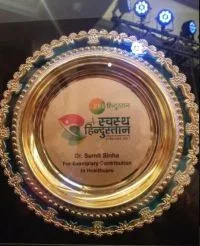
Felicitated by the Union Health Minister
Swasthya Hindustan Conclave, Zee Hindustan
Honoured by Dr. J.P. Nadda, Union Minister of Health & Family Welfare, for exceptional contribution to neurosurgery and spine surgery. Awards were adjudged by a specialised panel on contributions, success rates and patient outcomes.
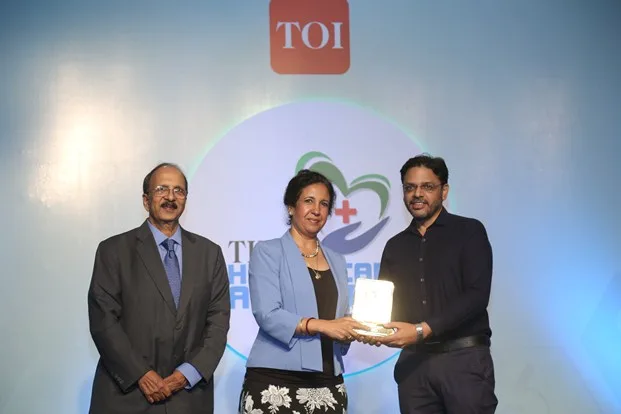
Young Neurosurgeon Award
Times of India Achievers Award
Awarded the Young Neurosurgeon Award by a jury of nationally and internationally reputed doctors.
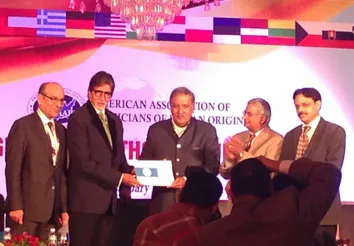
Young Neurosurgeon Award
9th International Conference on Cerebrovascular Surgery, Nagoya, Japan
Selected for the Young Neurosurgeon Award to attend the international conference on cerebrovascular surgery in Nagoya, Japan.
Fellow of the American College of Surgeons (FACS)
American College of Surgeons
Conferred the FACS fellowship - a globally recognised mark of surgical excellence, ethics and quality patient care.
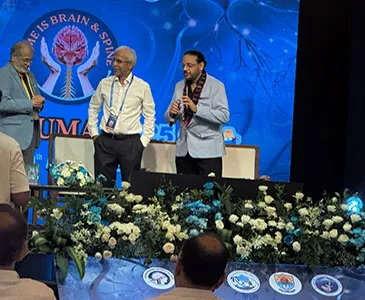
President, Neurotrauma Society of India
33rd Annual Meeting of the Neurotrauma Society of India, Goa
Took over as President of the Neurotrauma Society of India; earlier served as its Secretary.
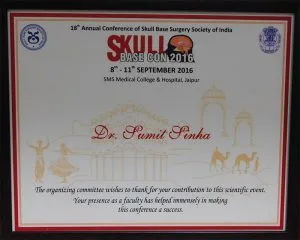
Faculty - Skull Base Surgery Conference
18th Annual Conference of Skull Base Surgery Society of India (Skull Base Con 2016)
Invited faculty for the national skull base surgery conference held at SMS Medical College, Jaipur.
What Patients Say
Congratulations is a small word to wish for Dr. Sumiet Snha for all the hard work you have put into coming so far in life. Your commitment towards become the best neurosurgeon in Delhi & your patients has been always of highest levels. Wish that no height be…
Dr Sumiet Snha for me has been a blessing in-disguise. He explained to me the medical condition in detail along with the treatment options I had. He gave me the right advice and it is because of him today that my slip disc has recovered. He is one of the Top…
My experience with Dr Sumiet Snha has been very pleasant. I have known him for many years and trust him completely. I would highly recommend him for any brain or back problem you may be facing. He always gives the best advice and the right treatment plan for…
Frequently Asked Questions
Dr. (Prof.) Sumiet Snha, former Professor of Neurosurgery at AIIMS, New Delhi, with over 25 years of experience in brain, spine and nerve surgery, is among the most experienced neurosurgeons in Delhi.
At Max Super Speciality Hospital, Plot No. 1, Sector-10, Dwarka, New Delhi-110075, near Dwarka Sector-10 Metro Station.
Monday to Saturday, 9:00 AM to 6:00 PM. Please call or book online in advance.
Yes. Patients come from all parts of Delhi and the NCR, as well as other states and countries.
Yes. Video consultations and report reviews on WhatsApp are available.
No. Most slip discs improve with medicines, physiotherapy and time. Surgery is advised for persistent pain, weakness or emergency signs.
Max Hospital, Dwarka, has 24-hour emergency and neurosurgical services for head injuries, strokes and spinal injuries.
Consult an Experienced Neurosurgeon in Delhi
If you are dealing with a brain, spine or nerve problem - or need a trustworthy second opinion - book a consultation with Dr. (Prof.) Sumiet Snha at Max Hospital, Dwarka. You can also read about spine surgery in Delhi, brain conditions and Dr. Snha's profile.
- Max Super Speciality Hospital, Plot No. 1, Sector-10, Dwarka, New Delhi - 110075
- +91-8448877746
- sumitneuro@gmail.com