Mon - Sat : 9:00 AM - 6:00 PM
- +91-8448877746
- sumitneuro@gmail.com
Best Spine Surgeon in India – Dr. (Prof.) Sumiet Snha
Patients from across India and abroad consult Dr. (Prof.) Sumiet Snha, former AIIMS Professor, for complex, revision and high-risk spine surgery at Max Super Speciality Hospital, Dwarka, New Delhi.
- Vice Chairman, Robotics, Neurosurgery & Spine Services, Max Hospital
- Ex-Professor, JPNA Trauma Center & AIIMS, New Delhi
- MS, DNB, MCh, FACS
- Hon'y President NTSI · President ISPNS
- Keyhole & endoscopic brain and spine surgery
- Honest advice — surgery only when needed
Most spine problems can be treated well close to home. But some cannot. A second or third operation after an earlier surgery has failed, a malformation where the skull meets the neck, a tumour growing inside the spinal canal, tuberculosis that has eaten into the vertebrae, or a spine that has curved or collapsed - these are conditions in which the experience of the surgical team makes a decisive difference. Families facing them often search far beyond their own city, and sometimes beyond their own country, for a surgeon who deals with such problems regularly.
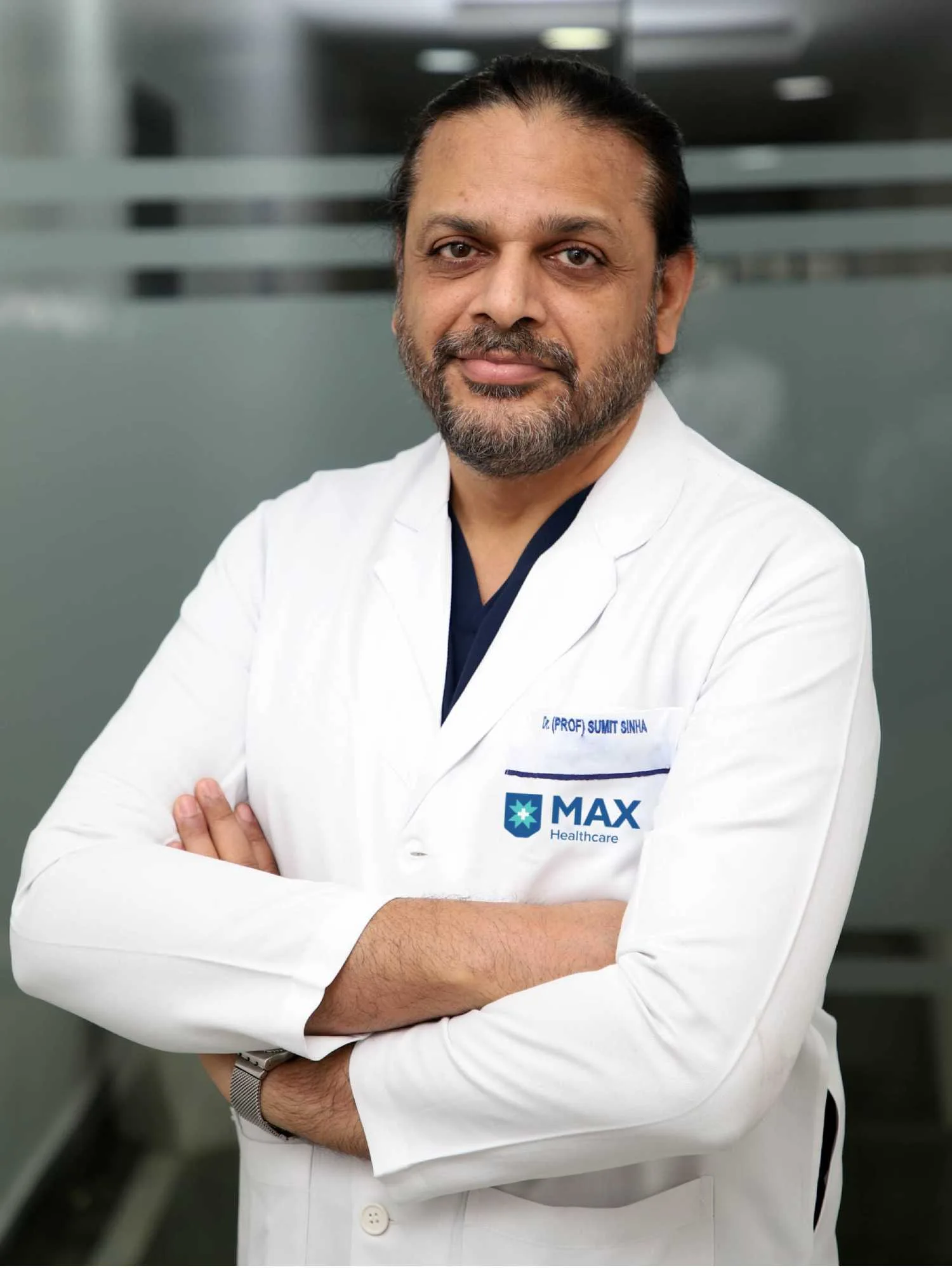
Dr. (Prof.) Sumiet Snha (Dr. Sumit Sinha) spent many years as a faculty member and Professor of Neurosurgery at AIIMS, New Delhi - India's premier referral institution, where complex and neglected spinal disease arrives from every state. Today he is Principal Director - Neurosurgery & Spine Surgery at Max Super Speciality Hospital, Dwarka, New Delhi. With more than 25 years of experience and thousands of brain, spine and nerve operations, he receives patients from across India and from overseas. This page focuses on the complex end of spine surgery and on the practical side of travelling to Delhi for treatment.
Academic foundation
MBBS, MS, DNB and MCh (Neurosurgery) from AIIMS, New Delhi, and former Professor in its Department of Neurosurgery.
Global fellowship
Fellow of the American College of Surgeons (FACS) - a recognition of surgical training, practice and ethics.
Teacher of surgeons
AO Spine International teaching faculty and founder faculty in-charge of the AIIMS cadaver training and research facility.
National leadership
President of the Neurotrauma Society of India and a member of the core committee that formulated national guidelines for traumatic brain injury.
Neurosurgical perspective
As a neurosurgeon, he treats the spinal cord and nerves as well as the bones - important in tumours, CVJ anomalies and cord compression.
Honoured nationally
Felicitated by Union Health Minister Dr. J.P. Nadda at the Swasthya Hindustan Conclave; Times of India Young Neurosurgeon Award 2017.
A spine operation that does not deliver the expected relief is deeply discouraging. Patients may have spent months in pain, taken time off work and invested savings in treatment, only to find that symptoms persist or return. The term "failed back surgery syndrome" is often used, but it is a description rather than a diagnosis. The essential task is to find out why the result was disappointing, because the answer determines whether another operation will help at all.
Common reasons for a disappointing result
- Recurrent disc herniation at the same level, sometimes months or years after a successful first operation.
- Incomplete decompression - a narrowed area or a trapped nerve that was not fully released.
- Adjacent segment disease - wear and narrowing at the level next to a previous fusion.
- Instability that developed after decompression, or a fusion that did not heal (pseudarthrosis).
- Implant problems such as screw loosening, breakage or malposition.
- Wrong or incomplete diagnosis, where the pain was never coming from the level that was operated on.
- Nerve damage or scarring, which may cause pain that surgery cannot correct but other therapies can ease.
How a revision case is evaluated
Evaluation begins with the full history - the original symptoms, what was done, how the patient felt immediately afterwards and when the problem returned. Old operative notes and pre-surgery scans are very helpful. Imaging usually includes an MRI with contrast to distinguish scar from recurrent disc, a CT scan to assess bone and implants, and standing or flexion-extension X-rays to look for instability or imbalance. Blood tests may be needed to rule out a low-grade infection. Only when the findings clearly explain the symptoms is revision surgery recommended.
Options when surgery is needed again
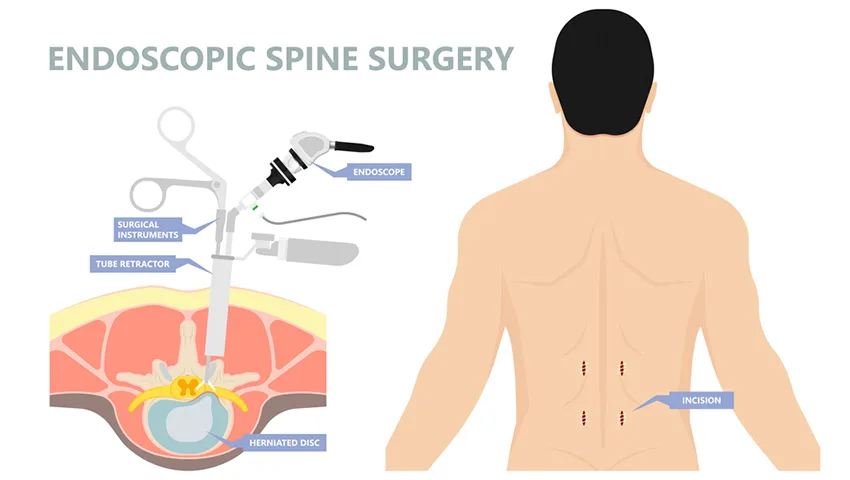
Depending on the cause, revision may involve removing a recurrent disc fragment - sometimes endoscopically, which avoids dissecting through old scar - extending a decompression, replacing loose implants, extending a fusion to an adjacent level, or correcting an alignment problem. When the main issue is persistent nerve pain rather than ongoing compression, further surgery on the bones may not help, and treatments such as spinal cord stimulation may be worth considering.
Setting realistic expectations
Revision surgery generally carries higher risks and less predictable results than a first operation. An honest conversation about what can and cannot be achieved - and about the option of not operating - is an essential part of planning.
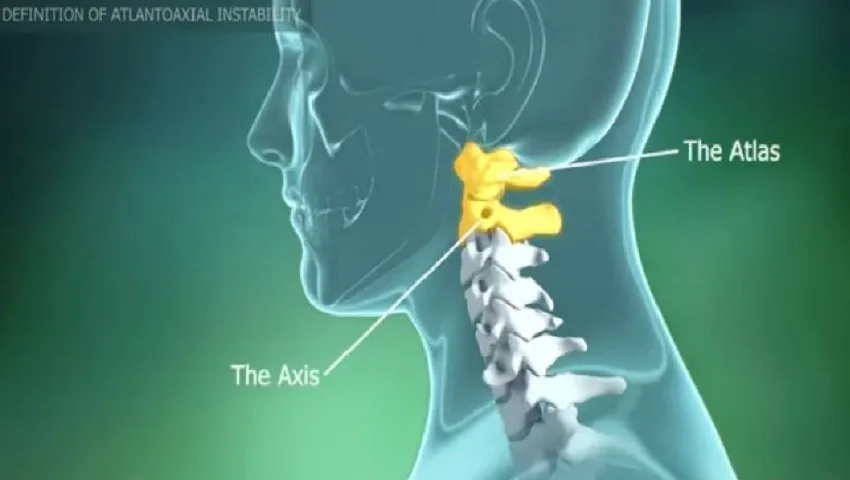
The junction between the skull and the upper neck is one of the most intricate regions of the body. It carries the weight of the head, allows most of the neck's rotation and surrounds the brainstem, the lower cranial nerves and the vertebral arteries. India sees a relatively high number of congenital CVJ anomalies, and many affected patients are referred to specialised neurosurgical centres from far afield.
Conditions in this region
- Atlanto-axial dislocation - abnormal movement between the first and second vertebrae, congenital or following injury.
- Basilar invagination - the tip of the second vertebra pushes upwards into the base of the skull.
- Chiari malformation - the lowest part of the brain extends into the spinal canal, often with a fluid cavity (syrinx) in the cord.
- Os odontoideum and odontoid fractures, and CVJ involvement in rheumatoid arthritis or tuberculosis.
Symptoms can be subtle at first: neck pain, a short neck or head tilt, tingling in the hands, gradual weakness of all four limbs, unsteadiness, or swallowing and breathing difficulty in advanced cases. Surgery aims to relieve compression of the brainstem and cord and to fix the joint in a stable position, using techniques such as C1-C2 joint distraction and fixation or occipito-cervical fusion. Detailed CT angiography is often obtained beforehand to map the vertebral arteries.
Get an expert opinion before you decide
Share your MRI / CT reports on WhatsApp for a preliminary opinion, or book an in-person / video consultation.
Tumours affecting the spine are classified by where they arise, and this classification guides treatment. Some grow from the bones of the spine, others lie inside the dura (the covering of the cord) but outside the cord, and a smaller group grow within the spinal cord itself.
| Location | Typical examples | Usual approach |
|---|---|---|
| Extradural (bone) | Metastases, myeloma, haemangioma, primary bone tumours | Decompression and stabilisation as needed, combined with oncology care |
| Intradural extramedullary | Schwannoma, meningioma, neurofibroma | Microsurgical removal, often complete; keyhole approaches where suitable |
| Intramedullary (inside the cord) | Ependymoma, astrocytoma, haemangioblastoma | Delicate microsurgery with neuromonitoring; extent of removal balanced against function |
Many benign intradural tumours can be removed through small openings, and selected cases are suitable for endoscopic or minimally invasive tumour removal. Tumours arising from nerve roots overlap with Dr. Snha's work in nerve sheath tumour surgery. For malignant disease, surgery is one part of a plan that may include radiotherapy and systemic therapy, and the goals - pain relief, protecting neurological function and stability - are agreed with the patient and family in advance.
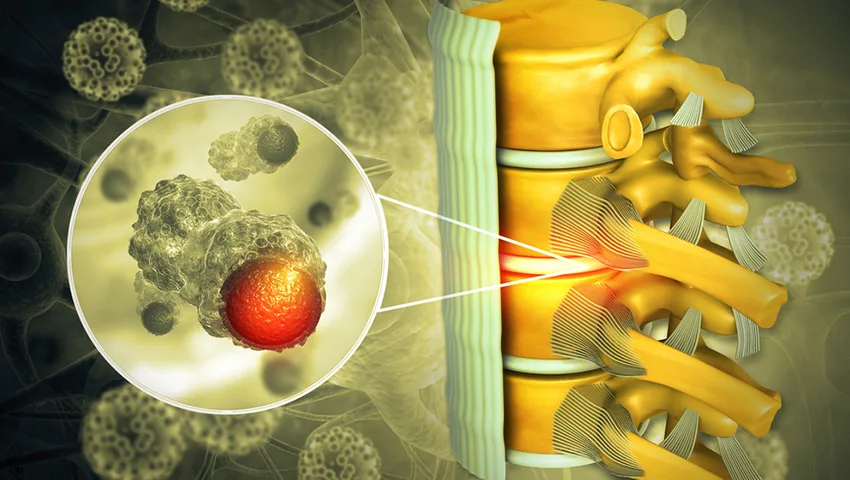
Tuberculosis of the spine, also called Pott's spine, remains an important problem in India and in several neighbouring countries. The infection usually begins in the vertebral body next to a disc, gradually destroying bone and sometimes forming an abscess. Symptoms include persistent back pain, evening fever, loss of appetite and weight, and in some patients a visible hump or weakness in the legs. Because the early signs are non-specific, the diagnosis is sometimes delayed until significant damage has occurred.
Diagnosis relies on MRI, supported by blood tests and, where possible, a biopsy to confirm the organism and test for drug resistance - which is increasingly important. Anti-tubercular treatment for many months is the foundation of care. Surgery is reserved for specific situations: neurological deficit from cord compression, spinal instability, progressive or severe kyphosis, large abscesses, or cases that do not respond to medicines. Operations may involve draining the abscess, removing infected tissue, decompressing the cord and reconstructing the spine with implants. More detail is available on the spinal tuberculosis treatment and tuberculosis of spine pages.
A deformed spine may curve sideways (scoliosis), tilt too far forward (kyphosis), or combine both. In children and teenagers, curves may be idiopathic or linked to congenital vertebral anomalies or neuromuscular conditions. In adults, deformity more often results from degeneration, old fractures, healed tuberculosis or previous surgery. Adults typically complain less of the curve itself and more of back pain, leg pain from associated stenosis, fatigue, and difficulty standing upright.
When is surgery considered?
- A curve that is progressing, particularly in a growing child
- Pain or nerve symptoms not controlled by non-surgical care
- Loss of balance, where the patient cannot stand upright without bending the knees or leaning forward
- Neurological deficit or spinal cord compression, as in some post-tubercular kyphosis
Deformity correction is major surgery. Planning uses full-length standing X-rays to measure global balance, CT for bone anatomy and MRI for the neural structures. Intra-operative neuromonitoring helps protect the cord during correction. Because older patients often have osteoporosis, diabetes or heart disease, medical optimisation before surgery is as important as the operation itself. In some adults, a limited decompression of the most troublesome level may offer substantial relief with far less risk than a long correction, and this option is always considered.
Multidisciplinary support
Complex spine cases often need input from anaesthesia, critical care, infectious disease, oncology, endocrinology and rehabilitation specialists. Working within a large super speciality hospital allows these teams to plan and care for the patient together.
Conditions & Treatments

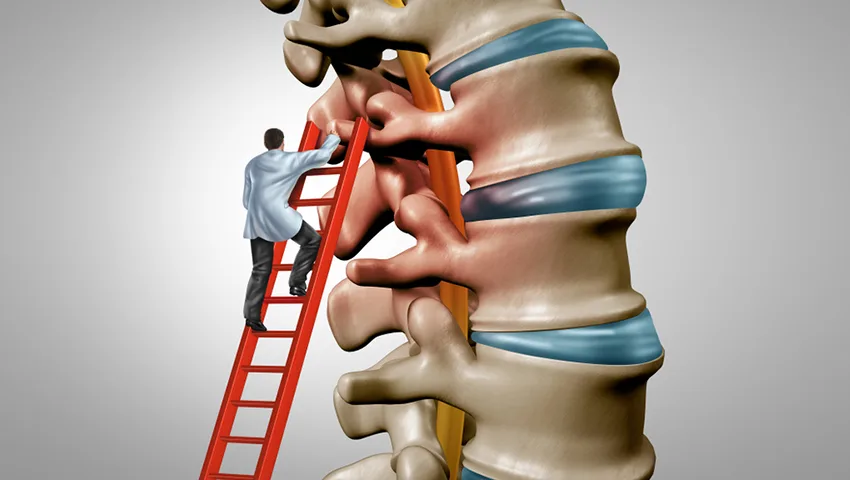
Patients regularly travel to New Delhi for spine care from states such as Uttar Pradesh, Bihar, Jharkhand, Uttarakhand, Haryana, Punjab, Jammu & Kashmir, Rajasthan, Madhya Pradesh and the North-East, as well as from overseas. Careful preparation reduces stress, saves days in the city and ensures that decisions can be made promptly once you arrive. The location of Max Super Speciality Hospital in Dwarka, close to IGI Airport and linked to the metro and the Dwarka Expressway, makes the journey easier for those flying in.
Before you leave home
- Share reports in advance. A preliminary review by WhatsApp or email helps decide whether your case needs urgent attention and which additional tests might be arranged on arrival.
- Collect every document. Carry original MRI and CT films or discs, all reports, previous operation notes, discharge summaries, biopsy slides or blocks where relevant, and a list of current medicines with doses.
- Plan your consultation date. Confirm the OPD appointment before booking tickets; OPD runs Monday to Saturday.
- Check insurance. Confirm whether your policy covers treatment in Delhi and whether cashless pre-authorisation is possible at the hospital.
- Arrange an attendant. One or two family members should accompany you, particularly for surgery.
Travelling safely with a spine problem
If you have severe pain or weakness, choose the shortest and smoothest route - usually a flight or an air-conditioned train berth rather than a long road journey. Walk briefly every hour or two if possible, and carry pain medicines in your hand luggage. If you have been told you have an unstable fracture or significant cord compression, ask your local doctor about a collar or brace and whether you are fit to travel, and seek advice before setting out if symptoms are worsening quickly. Patients who need a wheelchair at the airport should request assistance while booking.
During your stay
Stay at a place within easy reach of Dwarka so that tests and follow-up visits do not involve long journeys across the city. After surgery, most patients are asked to remain nearby for a check-up and wound review before flying home. Your discharge summary will explain wound care, activity limits, medicines and warning signs. Follow-up can continue by video consultation, with scans done locally and shared electronically, so that long return journeys are needed only when an examination is essential.
Budgeting for treatment away from home
Beyond the hospital bill itself, outstation families should budget for travel, accommodation for attendants, local transport, meals and a few extra days in case recovery takes longer than expected. The cost of complex spine surgery depends on the procedure, the implants required, time in intensive care and the length of stay, so a written estimate should be requested once the plan is finalised. Ask clearly what the estimate includes and what might change it. If you hold health insurance, find out before travelling whether your insurer can process a cashless claim at the hospital, or whether you will need to pay first and seek reimbursement with original bills and documents afterwards.
For international patients
Patients from abroad should contact the team early. A medical visa usually requires a letter from the hospital, and the hospital's international patient services can advise on documentation, cost estimates, interpreters and local arrangements. Please bring reports translated into English where possible, and allow extra time in India after complex surgery before undertaking a long-haul flight.
Being told that you need spine surgery can be frightening, and it is natural to want another expert to confirm the advice. A second opinion is not a sign of distrust towards your doctor; it is a standard part of careful decision-making for any major operation. It may confirm that surgery is the right step, suggest a smaller or different procedure, or show that further non-surgical treatment is reasonable first. In each case, you proceed with greater confidence.
When a second opinion is especially worthwhile
- You have been advised a fusion, a multi-level operation or a deformity correction.
- The proposed surgery does not seem to match your symptoms, or the explanation left you unsure.
- You have already had spine surgery and are now advised a revision.
- You have been told that your condition, such as a spinal cord tumour or CVJ anomaly, carries a high surgical risk.
- You have been told nothing more can be done, but symptoms continue to affect your life.
How to make the most of a second opinion
The quality of an opinion depends on the information available. Send the actual images, not only the written reports, because the surgeon needs to see the scans personally. Include the dates of your symptoms, the treatments you have already tried and how you responded, and the exact procedure that has been proposed. Write down your questions beforehand - for example, what happens if you wait, what the realistic benefits are, what the main risks are and how long recovery will take.
Dr. Snha offers preliminary opinions on reports shared by WhatsApp or email, and more detailed video consultations for patients across India and abroad. Where the case is complex, he may recommend an in-person visit, additional imaging or specific tests before giving a definite view. His aim is to give an independent, clearly explained assessment - never to criticise another doctor, but to help you understand your options.
Function first
The goal is to preserve or improve what matters in daily life - walking, hand function, independence and freedom from disabling pain - rather than simply to make the scan look better.
The least surgery that works
Where a smaller operation can achieve the goal safely, it is preferred over a larger one; keyhole approaches are used when they genuinely suit the problem.
Safety safeguards
Careful imaging, neuromonitoring when appropriate and meticulous planning help reduce risk in high-stakes operations.
Shared decisions
Patients and families are given time, information and honest numbers so that the final choice is truly theirs.
You can learn more about the conditions mentioned on this page through the endoscopic spine surgery and spinal fractures pages, see patient experiences on the videos and testimonials page, or explore articles on the blog.
Not sure whether you need surgery?
Many patients improve without an operation. Get a clear, honest plan from Dr. (Prof.) Sumiet Snha.
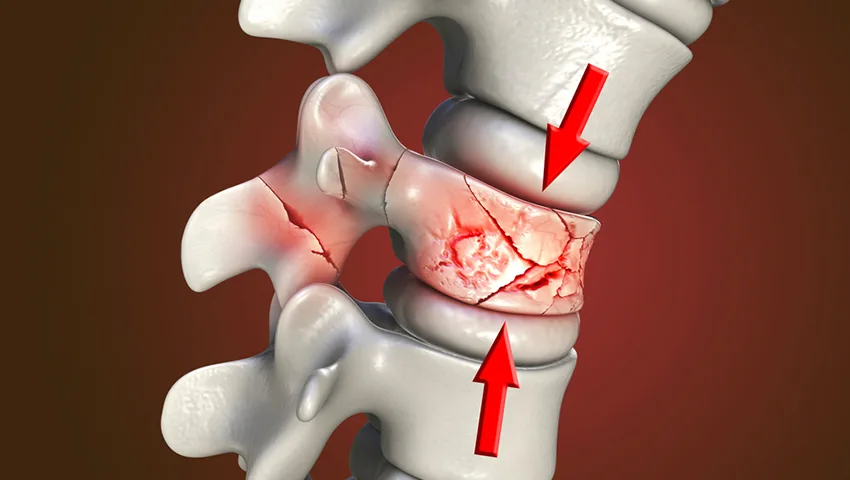
High-energy injuries from highway accidents, falls from rooftops and trees, and diving into shallow water can fracture or dislocate the spine and injure the spinal cord. Many such patients are first treated at a local hospital and later transferred, or referred for definitive care once they are stable. As President of the Neurotrauma Society of India, certified ATLS faculty and a former Professor at AIIMS, Dr. Snha has long experience of both the emergency and the reconstructive phases of spinal trauma care.
Priorities after a serious spinal injury
- Protecting the spine - careful immobilisation and handling from the scene of injury onwards to avoid further damage.
- Early imaging - CT to define the fracture and MRI to assess the cord, ligaments and any disc fragments.
- Timely decompression and fixation - where the cord is compressed or the spine is unstable, surgery restores alignment and allows early mobilisation.
- Preventing complications - pressure sores, chest infections, blood clots and bladder problems are major threats that need attention from the first day.
The extent of recovery depends mainly on the severity of the original cord injury, which surgery cannot reverse. What surgery can do is remove ongoing compression, stabilise the spine and create the best conditions for whatever recovery is possible. For selected patients with injuries of the cervical cord, nerve transfer surgery performed at the right time may help restore some hand and arm function - an area that draws on Dr. Snha's work in peripheral nerve surgery. Associated limb nerve injuries are managed through his peripheral nerve injury service, and stiffness after cord injury may be addressed through spasticity treatment.
For major operations, the days and months after surgery matter as much as the procedure itself. Recovery is usually slower than after a simple keyhole discectomy, and it is worth planning for it from the start, particularly if you will return to a distant city soon after discharge.
In hospital
Early sitting and walking with physiotherapy support, pain control, breathing exercises and wound care, with close monitoring of neurological function.
First weeks at home
A home exercise plan, advice on braces where prescribed, and gradual increase in walking. A local physiotherapist can continue the programme.
Bone health
After fusion or in patients with osteoporosis, calcium, vitamin D and, where advised, specific bone-strengthening treatment support healing.
Remote follow-up
Check-up X-rays and progress can be reviewed by video consultation, keeping travel to a minimum while ensuring the spine is healing as planned.
Patients recovering from spinal cord injury, tumour surgery or major deformity correction may benefit from an intensive rehabilitation programme near home. Your discharge summary and exercise plan are written so that local doctors and therapists can continue care confidently.
Credentials & Leadership Roles
Dr. (Prof.) Sumiet Snha — Minimally Invasive & Endoscopic Neurosurgeon, Spine Surgeon and Peripheral Nerve Surgeon
Awards & Recognition

Felicitated by the Union Health Minister
Swasthya Hindustan Conclave, Zee Hindustan
Honoured by Dr. J.P. Nadda, Union Minister of Health & Family Welfare, for exceptional contribution to neurosurgery and spine surgery. Awards were adjudged by a specialised panel on contributions, success rates and patient outcomes.
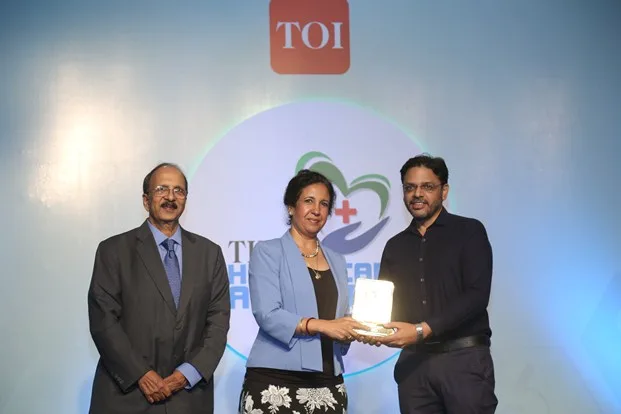
Young Neurosurgeon Award
Times of India Achievers Award
Awarded the Young Neurosurgeon Award by a jury of nationally and internationally reputed doctors.

Young Neurosurgeon Award
9th International Conference on Cerebrovascular Surgery, Nagoya, Japan
Selected for the Young Neurosurgeon Award to attend the international conference on cerebrovascular surgery in Nagoya, Japan.
Fellow of the American College of Surgeons (FACS)
American College of Surgeons
Conferred the FACS fellowship - a globally recognised mark of surgical excellence, ethics and quality patient care.
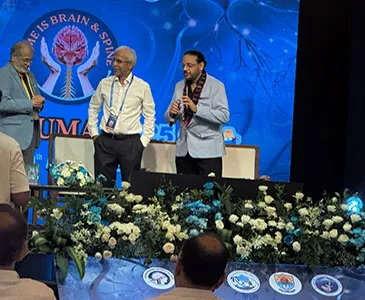
President, Neurotrauma Society of India
33rd Annual Meeting of the Neurotrauma Society of India, Goa
Took over as President of the Neurotrauma Society of India; earlier served as its Secretary.
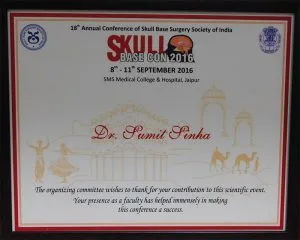
Faculty - Skull Base Surgery Conference
18th Annual Conference of Skull Base Surgery Society of India (Skull Base Con 2016)
Invited faculty for the national skull base surgery conference held at SMS Medical College, Jaipur.
What Patients Say
Congratulations is a small word to wish for Dr. Sumiet Snha for all the hard work you have put into coming so far in life. Your commitment towards become the best neurosurgeon in Delhi & your patients has been always of highest levels. Wish that no height be…
Dr Sumiet Snha for me has been a blessing in-disguise. He explained to me the medical condition in detail along with the treatment options I had. He gave me the right advice and it is because of him today that my slip disc has recovered. He is one of the Top…
My experience with Dr Sumiet Snha has been very pleasant. I have known him for many years and trust him completely. I would highly recommend him for any brain or back problem you may be facing. He always gives the best advice and the right treatment plan for…
Frequently Asked Questions
Yes. Send your MRI and CT reports, scan images or digital links, and a short summary of your symptoms by WhatsApp to +91-8448877746 or by email to sumitneuro@gmail.com. A preliminary opinion or a video consultation can help you decide whether travel is needed and how urgent it is. A final plan is confirmed after an in-person examination.
For a consultation alone, one or two days are usually enough, including time for any additional scans. For surgery, the total stay depends on the procedure: a straightforward keyhole operation may need about a week in Delhi including follow-up, whereas complex reconstruction, tumour surgery or CVJ fixation can require two to three weeks or longer. You will be given an estimate for your specific plan.
Revision surgery is an operation on a part of the spine that has been operated on before - for example because symptoms returned, a new problem developed at a neighbouring level, implants loosened or the original problem was not fully addressed. It is technically more demanding because of scar tissue and altered anatomy, and it needs careful investigation to find the true cause of symptoms.
Many patients with spinal tuberculosis recover with anti-tubercular medicines alone, taken for many months under medical supervision, sometimes with a brace. Surgery is needed when there is significant spinal cord compression with weakness, marked instability or deformity, a large abscess, uncertainty about the diagnosis, or failure to respond to medicines.
No. Many tumours inside the spinal canal, such as schwannomas and meningiomas, are benign. They can still cause serious problems by compressing the cord or nerves, and many can be removed completely with microsurgical techniques. Tumours that spread to the spine from elsewhere are managed together with oncologists.
It is the region where the base of the skull joins the first two neck vertebrae (the atlas and axis). Abnormalities here - present from birth or caused by injury, arthritis or infection - can compress the brainstem and upper spinal cord. Surgery in this area requires specialised training and careful planning.
Absolutely. For any major or complex operation, a second opinion is a sensible step. A good surgeon welcomes questions. Dr. Snha reviews cases referred for second opinions and gives an independent, balanced assessment that may confirm, modify or question the original recommendation.
Max Super Speciality Hospital, Dwarka, is close to IGI Airport, and the hospital's patient services team can guide international patients on practical matters such as medical visa letters, cost estimates and local arrangements. Please contact the team early so that paperwork can be completed in time.
Book a Consultation for Complex Spine Care
Whether you live in another state or another country, the first step is simple: share your reports for a preliminary review, or book an appointment at Max Super Speciality Hospital, Plot No. 1, Sector-10, Dwarka, New Delhi-110075 (OPD Monday to Saturday). Call or WhatsApp +91-8448877746, email sumitneuro@gmail.com, or use the contact page. Video consultation is available for patients who cannot travel immediately.
- Max Super Speciality Hospital, Plot No. 1, Sector-10, Dwarka, New Delhi - 110075
- +91-8448877746
- sumitneuro@gmail.com