Mon - Sat : 9:00 AM - 6:00 PM
- +91-8448877746
- sumitneuro@gmail.com
Best Spine Doctor & Surgeon in India
A practical guide to second opinions and medical travel for spine surgery in India - what reports to send, what to ask, how to plan the journey and how follow-up works once you are home.
- Vice Chairman, Robotics, Neurosurgery & Spine Services, Max Hospital
- Ex-Professor, JPNA Trauma Center & AIIMS, New Delhi
- MS, DNB, MCh, FACS
- Hon'y President NTSI · President ISPNS
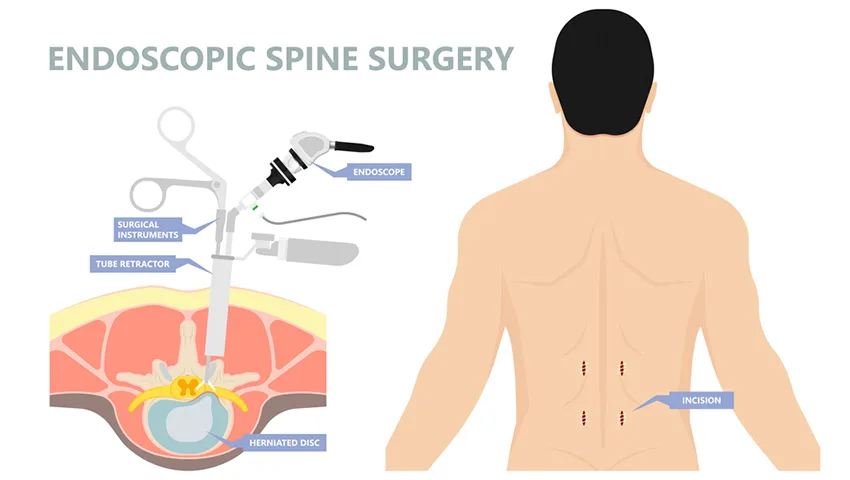
- Keyhole & endoscopic brain and spine surgery
- Honest advice — surgery only when needed
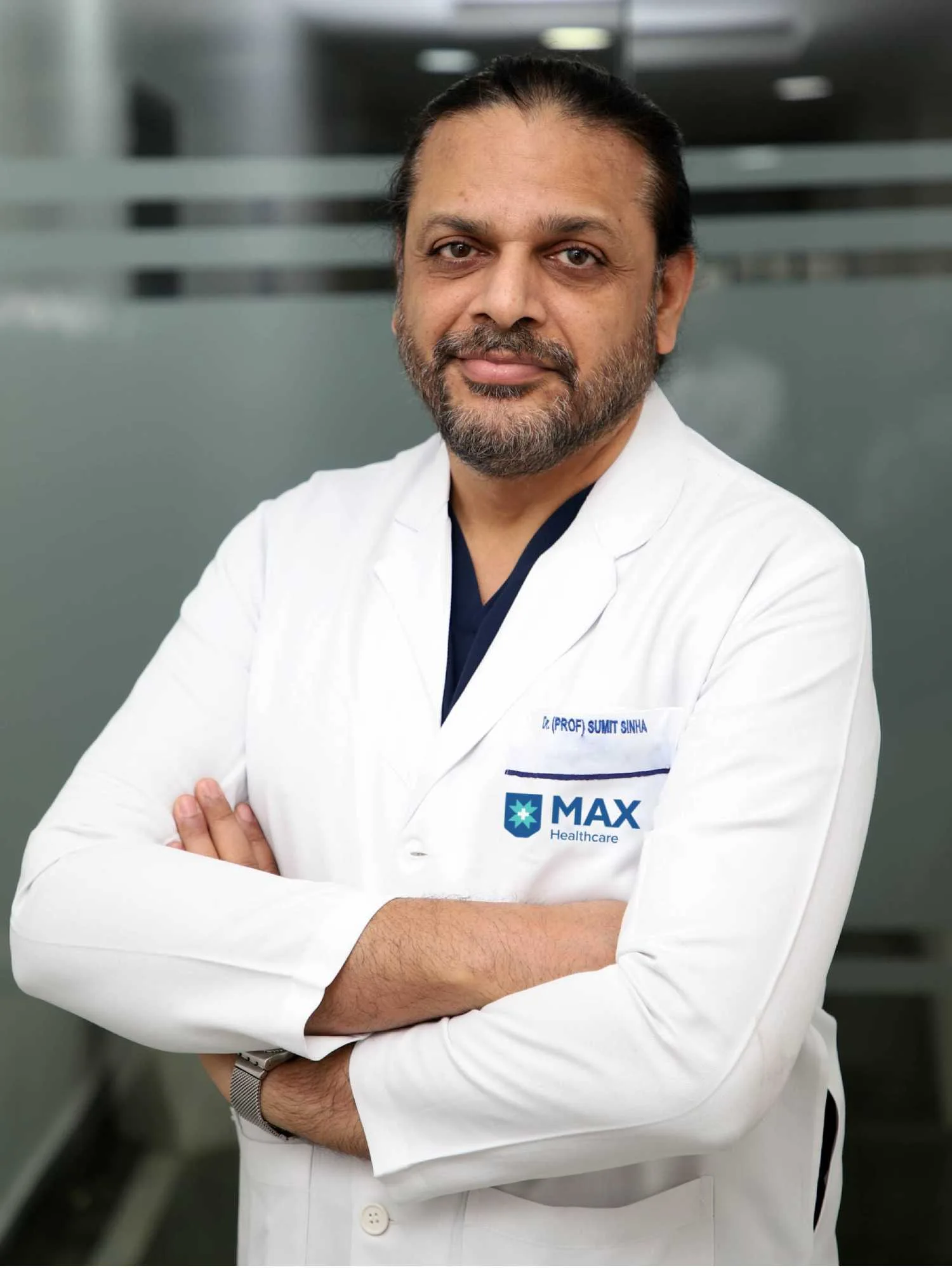
A recommendation for spine surgery is a significant moment. Whether you live in another Indian state, in the Gulf, in Africa, in a neighbouring country or further afield, you want to be sure the operation is necessary, that the proposed technique is the right one, and that the surgeon who performs it has the depth of experience your spine deserves. Increasingly, patients and families begin that process from home - by sharing scans digitally, speaking to a specialist by video and only then deciding whether, when and where to travel.
Dr. (Prof.) Sumiet Snha (also known as Dr. Sumit Sinha) is Principal Director - Neurosurgery & Spine Surgery at Max Super Speciality Hospital, Dwarka, New Delhi. He trained in neurosurgery at AIIMS, New Delhi (MBBS, MS, DNB, MCh), later served as Professor of Neurosurgery there, and is a Fellow of the American College of Surgeons (FACS). He is teaching faculty for AO Spine International, certified ATLS faculty and President of the Neurotrauma Society of India. With more than 25 years of experience and thousands of brain, spine and nerve operations, he is known for minimally invasive, endoscopic and keyhole spine surgery.
This page focuses on the practical side of seeking spine care in India: how to obtain a reliable remote opinion, which reports to send, the questions worth asking before agreeing to any operation, how international patients typically plan their visit, realistic recovery timelines for common procedures, and how follow-up continues by video once you are back home.
Patients told they need surgery
Those who have been advised an operation and would like an independent view before committing.
Patients unsure of their diagnosis
People whose symptoms and scan reports do not seem to match, or who have been given conflicting explanations.
Families of elderly parents
Children living in another city or country who want to understand a parent's condition and options.
Patients after previous surgery
Those whose pain has returned or persisted after an earlier spine operation and who need a careful review.
Patients with rare conditions
People with spinal tumours, infections, deformities or craniovertebral junction problems where specialised experience matters.
Overseas patients planning travel
International patients weighing up treatment in India who want clarity before arranging visas and flights.
Spine surgery is, in most cases, planned rather than emergency surgery. That means there is usually time to pause, gather information and make sure the recommended operation is the right one. The spine is also an area where reasonable specialists sometimes differ: one may advise a fusion where another feels a simpler decompression is enough, or one may recommend surgery now where another suggests a further period of physiotherapy. Hearing a second, independent view is not a sign of distrust - it is a sensible step that good surgeons encourage.
Situations where a second opinion is especially valuable
- You have been advised a fusion (screws and rods) for back pain alone, without clear instability or nerve compression.
- Your symptoms do not seem to match what the MRI report describes.
- You have been offered surgery at several levels of the spine at once.
- You are being considered for repeat surgery after a previous operation that did not help.
- The diagnosis involves a spinal tumour, infection or deformity, where the approach can vary widely.
- You are elderly or have heart, lung or kidney disease and the risk-benefit balance needs careful thought.
What a good second opinion should give you
A useful second opinion does more than say "yes" or "no" to surgery. It should explain in plain language what is causing your symptoms, which findings on the scan are relevant and which are simply age-related changes, what the realistic outcome is with and without an operation, and whether a less extensive or minimally invasive option is suitable. It should also be honest about uncertainty. Sometimes the most valuable advice is that further tests, such as nerve conduction studies or a diagnostic injection, are needed before anyone can recommend surgery responsibly.
Dr. Snha's academic background, including years teaching spine surgery through AO Spine International and training young surgeons at AIIMS, shapes how he approaches second opinions. He reviews the images personally rather than relying only on the written report, compares them with the clinical picture and explains the reasoning behind each recommendation. Where he agrees with the original plan, he says so clearly; where he sees a different path, he explains why.
Keep your treating doctor informed
A second opinion works best as part of a collaborative approach. Many patients share the written opinion with their local surgeon or physician, which helps everyone involved work from the same information, whichever option you choose.
Get an expert opinion before you decide
Share your MRI / CT reports on WhatsApp for a preliminary opinion, or book an in-person / video consultation.
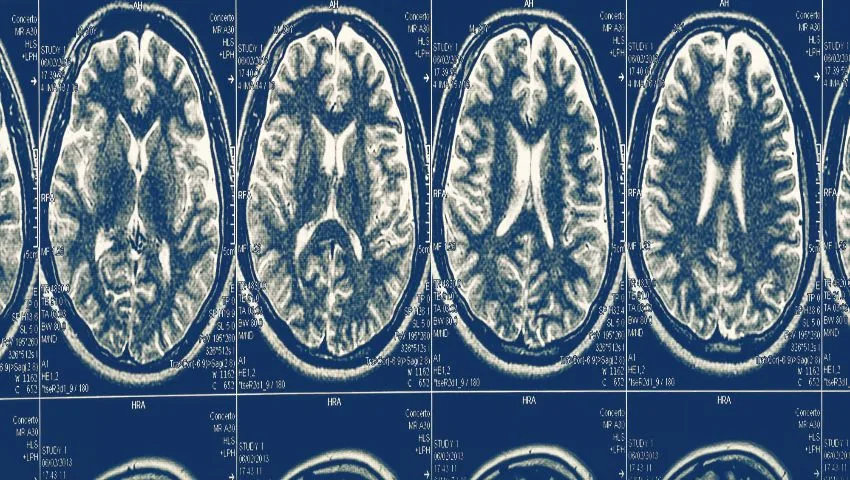
The quality of a remote opinion depends heavily on the quality of the information shared. A few film photographs taken on a phone under a tube light can hide important details, while a complete digital scan allows the surgeon to scroll through every slice, measure the canal and look at the nerves from different angles. Taking a little time to gather the right material saves repeated back-and-forth and leads to clearer advice.
Essential documents
| Item | Why it is needed | Tips |
|---|---|---|
| MRI of the relevant spine region | Shows discs, nerves, spinal cord, ligaments and soft tissues | Send the full DICOM study (CD, pen drive or download link) plus the written report; ideally done within the last few months |
| Standing X-rays | Show alignment and posture under body weight | Include flexion-extension (bending) views if instability or a slipped vertebra is suspected |
| CT scan, if available | Gives fine bony detail, useful for fractures, fusion planning and bone spurs | Especially important after previous surgery with implants |
| Nerve conduction study / EMG | Helps confirm nerve damage and distinguish spine problems from nerve entrapment elsewhere | Only if already done or if requested |
| Previous operation notes and discharge summaries | Explain exactly what was done before, including implants used | Essential for anyone who has had earlier spine surgery |
| Blood tests and medical history | Help assess fitness for anaesthesia and surgery | Include diabetes, heart, kidney and thyroid details, and any bone density (DEXA) report |
A short symptom summary
Alongside the scans, write a brief note - half a page is ideal - covering when the problem began, whether pain is mainly in the back, neck, arm or leg, any numbness, weakness or balance trouble, bladder or bowel changes, how far you can walk, what treatments you have already tried and for how long, and what you have been told so far. List your current medicines, including blood thinners, and mention allergies. A short video of you walking can be surprisingly helpful when gait is affected.
How the process usually works
- Send: share reports and your summary on WhatsApp at +91-8448877746 or by email to sumitneuro@gmail.com. Large DICOM files can be sent as a cloud download link.
- Review: Dr. Snha studies the images and history to form a preliminary view.
- Discuss: a video consultation can be arranged so you and your family can ask questions and see the key images explained.
- Plan: you receive guidance on whether surgery is likely to help, what further tests may be required, and, if travel is advisable, an approximate plan for the visit.
Remote opinions have limits
A remote review cannot replace a hands-on neurological examination. It is a preliminary opinion to guide your next steps, and any decision to operate is confirmed only after an in-person assessment. If you develop sudden weakness, loss of bladder or bowel control or numbness in the saddle area, seek emergency care locally rather than waiting for a remote review.
Patients sometimes leave a consultation realising they forgot to ask what mattered most to them. Writing your questions down in advance - and bringing a family member to take notes - makes the discussion far more productive. The following list can be adapted to your situation, whether you are speaking to Dr. Snha or any other spine surgeon.
About the diagnosis
- What exactly is causing my symptoms, and how certain is that diagnosis?
- Which findings on my scan are important, and which are normal wear for my age?
- What is likely to happen over the next months if I do not have surgery?
- Are there any further tests that would make the decision clearer?
About the operation
- What is the name of the procedure, and what will it involve step by step?
- Is a minimally invasive or endoscopic approach suitable for me, and if not, why?
- Will implants such as screws, rods or cages be used? Why are they needed?
- How many levels of the spine will be operated on?
- Who will perform the key steps of the surgery, and what monitoring or navigation will be used?
About risks and results
- What improvement can I realistically expect in back pain, leg or arm pain, numbness and walking?
- What are the most common risks, and what are the rare but serious ones for this particular operation?
- What is the chance that I may need further surgery in the future?
- How do my other health conditions, such as diabetes or heart disease, affect the risk?
About recovery and logistics
- How long will I stay in hospital, and when can I walk, sit, climb stairs and drive?
- When can I return to work, and does my type of work change that?
- What physiotherapy will I need, and can it be done near my home?
- If I am travelling, when will it be safe to fly, and how will follow-up work?
- What is the estimated cost, and what does it include?
A surgeon who answers these questions patiently and specifically - and who is comfortable saying "we are not certain" where appropriate - is giving you the information you need to consent properly. Honest discussion of risks is a feature of good practice, not a reason for alarm. If an answer is unclear, it is entirely reasonable to ask again or request it in writing.
Bring your questions to the video call
International and out-of-state patients can go through this list during a video consultation before booking travel, so that there are no surprises on arrival.
Conditions & Treatments


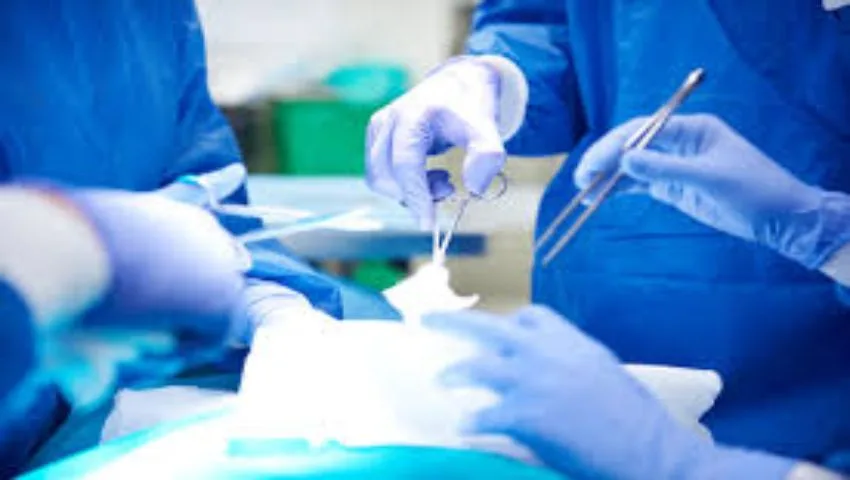
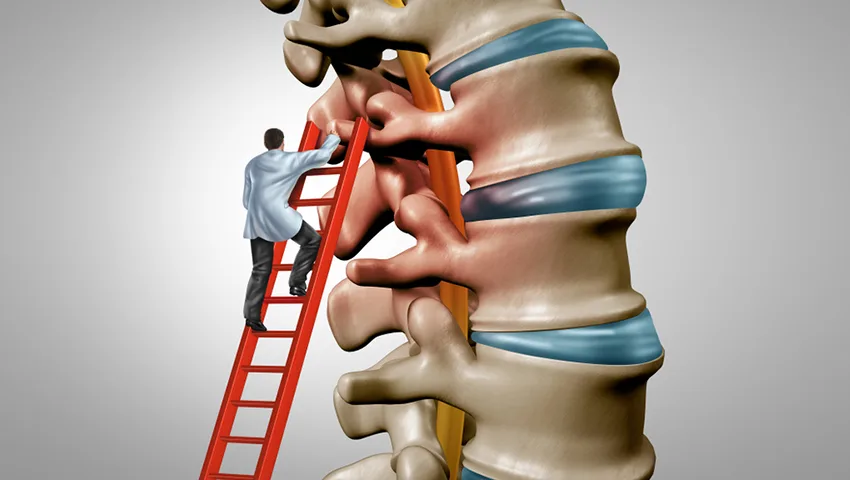

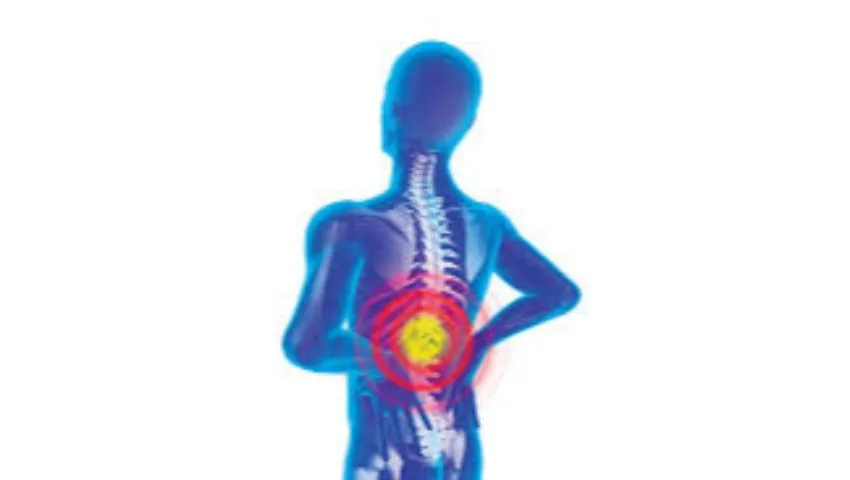

Once a remote review suggests that an in-person assessment or surgery is worthwhile, careful planning makes the journey far less stressful. International patients, and those travelling from distant Indian states, benefit from organising documents, dates and support well before they board a flight.
Visas and documents
Overseas patients generally travel on a medical visa or medical e-visa, and one or two close family members can usually accompany them on an attendant visa. Rules, eligible countries, fees and permitted durations are set by the Government of India and may change, so check the official visa website or your nearest Indian embassy or high commission well in advance. A letter from the hospital outlining the proposed consultation or treatment is commonly required, and the hospital's international patient team can generally help with this. Keep your passport, visa, reports on a pen drive and printed copies, and a list of medicines together in your hand luggage.
Arrival and location
Max Super Speciality Hospital, Dwarka, is close to Indira Gandhi International Airport, which reduces transfer time after a long flight - a real benefit for someone travelling with back or leg pain. Dwarka is connected to central Delhi by the Blue Line metro and to Gurugram by the Dwarka Expressway, and the surrounding area has a range of hotels and serviced apartments suitable for families during a recovery stay.
Practical checklist before you fly
- Confirm consultation dates in advance and allow a few days for tests before any planned surgery.
- Carry all original scans, including DICOM files, and previous operation notes.
- Bring enough of your regular medicines, with prescriptions, for the full stay plus a margin.
- Ask your doctor at home whether blood thinners need to be stopped before travel or surgery - never stop them on your own.
- Request an aisle seat and wheelchair assistance at both airports if walking or sitting is painful.
- Check whether your health insurance covers treatment abroad and what documentation it requires.
- Arrange an international roaming plan or local SIM so the clinic team can reach you.
During your stay
The first visit typically includes a detailed consultation and examination, followed by any additional tests needed to confirm the plan. If surgery goes ahead, Dr. Snha explains the procedure, expected recovery and discharge criteria in detail, and gives an estimate of how long you should remain in Delhi afterwards. Consultations are conducted in English and Hindi, and families are encouraged to participate. Keep in mind that the date of your return flight should remain flexible, because recovery pace varies and it is always safer to travel once your surgeon is satisfied.
Travelling from within India
Patients from other states face similar planning questions. Sharing reports in advance helps avoid unnecessary repeat scans and makes the most of your time in Delhi.
Recovery depends on many factors - age, general health, the severity and duration of nerve compression before surgery, bone quality and how closely the rehabilitation plan is followed. The table below offers general ranges for commonly performed spine procedures to help with planning time off work and travel. They are approximate, not promises, and your own timeline will be discussed individually.
| Procedure | Usual hospital stay | Desk work | Heavier activity |
|---|---|---|---|
| Endoscopic lumbar discectomy | Same day to 1 night | About 1-2 weeks | Gradually over about 6-8 weeks |
| Microdiscectomy (open or tubular) | 1-2 nights | About 2-4 weeks | About 6-12 weeks |
| Endoscopic or minimally invasive lumbar decompression for stenosis | 1-2 nights | About 2-4 weeks | About 6-12 weeks |
| Lumbar fusion (for example, TLIF) | Several days | About 4-8 weeks | Often 3-6 months while the fusion matures |
| Anterior cervical discectomy and fusion (ACDF) or cervical disc replacement | 1-2 nights | About 2-4 weeks | About 6-12 weeks |
| Vertebroplasty or kyphoplasty for a fracture | Same day to 1 night | Depends on overall health; pain often eases early | Guided by bone health and balance |
| Spinal tumour removal or deformity correction | Variable, often longer | Highly individual | Planned case by case, often several months |
When is it safe to fly home?
There is no single rule. After a small keyhole procedure, a short-haul flight may be reasonable within days, whereas after a fusion or major surgery a longer interval is usually advised. Factors such as wound healing, the ability to walk comfortably, the length of the flight and the risk of blood clots are all considered. Dr. Snha examines you before giving clearance, and airlines may ask for a fitness-to-fly letter, which can be provided.
Protecting your recovery on the journey
- Walk in the aisle regularly and flex your ankles while seated to support circulation.
- Drink water and avoid alcohol during the flight.
- Use a small cushion to support your lower back or a travel collar if advised after neck surgery.
- Ask for help lifting luggage into the overhead locker - avoid lifting it yourself.
- Carry your discharge summary, implant details and a copy of your latest X-ray in hand luggage.
Treatment details for specific conditions are available on the endoscopic spine surgery, endoscopic spinal stenosis surgery, spinal fractures and spinal tumour pages.
Not sure whether you need surgery?
Many patients improve without an operation. Get a clear, honest plan from Dr. (Prof.) Sumiet Snha.
For patients who travel for surgery, the weeks after returning home are just as important as the operation itself. A clear plan for continuing care avoids the anxiety of being far from the surgeon who knows your spine best. Before discharge you receive a written summary describing the procedure, any implants used, wound care, medicines, activity restrictions and the schedule for follow-up.
How video follow-up works
Follow-up consultations are arranged by video at agreed intervals, typically in the first few weeks and then at longer gaps as recovery progresses. Before each call, you can share photographs of the wound, a brief update on pain, walking and sleep, and, when requested, fresh X-rays or scans done locally. During the video consultation Dr. Snha reviews your progress, answers questions, adjusts medicines or activity advice and decides when the next review is needed. Where possible, the physical examination can be guided over video, for example by watching you walk or perform simple movements.
Working with your local team
Continuity of care is strongest when your local physician and physiotherapist are involved. With your permission, the discharge summary and rehabilitation guidance can be shared with them so that everyone is working from the same plan. Your local doctor can check blood tests, manage other illnesses and see you quickly if a concern arises, while the spine-specific decisions stay with the operating team. Many patients find this combination reassuring, particularly older parents whose children live in another country.
Seek urgent local care if you notice
Fever or chills, increasing redness, swelling or discharge from the wound, new or worsening weakness or numbness in the arms or legs, loss of bladder or bowel control, severe headache on sitting or standing, calf pain or swelling, or sudden breathlessness. Go to the nearest emergency department first, and then inform the clinic so that information can be shared with the treating doctors.
Long-term spine health after surgery
Surgery treats a specific problem, but the rest of the spine still needs care. Continuing the prescribed exercise programme, maintaining a healthy weight, avoiding smoking, managing diabetes and paying attention to bone health all reduce the likelihood of problems at other levels in the future. Annual or periodic reviews, sometimes with a repeat X-ray, may be recommended, particularly after fusion or tumour surgery. If new symptoms develop months or years later, the same simple route applies: send your reports on WhatsApp or email and arrange a video consultation.
You can learn more about Dr. Snha's background on the about page, watch patient experiences on the videos and testimonials page, or read articles on spine health in the blog.
For patients paying from abroad or through an overseas insurer, understanding costs in advance is an important part of planning. Once your reports have been reviewed and a likely treatment has been identified, the hospital can usually provide a written estimate. It is worth reading this carefully and asking what it includes, because the final bill depends on the actual procedure performed, the implants required, the length of stay and any unexpected needs during recovery.
Points to clarify in any estimate
- Whether surgeon, anaesthesia, operating theatre and room charges are all included.
- Which implants or consumables, such as screws, cages or cement, are assumed, and how a change would alter the cost.
- How many days in hospital, and in which room category, the estimate is based on.
- Whether pre-operative tests, physiotherapy sessions and post-discharge medicines are covered.
- How additional days, an intensive care stay or extra investigations would be charged.
- Accepted payment methods, currency arrangements and the documents needed for insurance claims.
An estimate is only as accurate as the information behind it, which is another reason to send complete scans and medical history at the start. If your condition changes before travel, for instance with new weakness or a fresh scan showing different findings, share the update so that the plan and the estimate can be reviewed. Clear communication at this stage prevents misunderstandings later and lets you focus on recovery rather than paperwork once you arrive.
Credentials & Leadership Roles
Dr. (Prof.) Sumiet Snha — Minimally Invasive & Endoscopic Neurosurgeon, Spine Surgeon and Peripheral Nerve Surgeon
Awards & Recognition

Felicitated by the Union Health Minister
Swasthya Hindustan Conclave, Zee Hindustan
Honoured by Dr. J.P. Nadda, Union Minister of Health & Family Welfare, for exceptional contribution to neurosurgery and spine surgery. Awards were adjudged by a specialised panel on contributions, success rates and patient outcomes.

Young Neurosurgeon Award
Times of India Achievers Award
Awarded the Young Neurosurgeon Award by a jury of nationally and internationally reputed doctors.

Young Neurosurgeon Award
9th International Conference on Cerebrovascular Surgery, Nagoya, Japan
Selected for the Young Neurosurgeon Award to attend the international conference on cerebrovascular surgery in Nagoya, Japan.
Fellow of the American College of Surgeons (FACS)
American College of Surgeons
Conferred the FACS fellowship - a globally recognised mark of surgical excellence, ethics and quality patient care.

President, Neurotrauma Society of India
33rd Annual Meeting of the Neurotrauma Society of India, Goa
Took over as President of the Neurotrauma Society of India; earlier served as its Secretary.
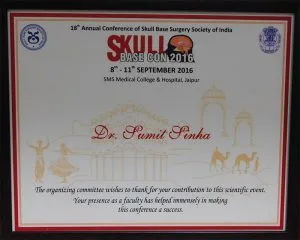
Faculty - Skull Base Surgery Conference
18th Annual Conference of Skull Base Surgery Society of India (Skull Base Con 2016)
Invited faculty for the national skull base surgery conference held at SMS Medical College, Jaipur.
What Patients Say
Congratulations is a small word to wish for Dr. Sumiet Snha for all the hard work you have put into coming so far in life. Your commitment towards become the best neurosurgeon in Delhi & your patients has been always of highest levels. Wish that no height be…
Dr Sumiet Snha for me has been a blessing in-disguise. He explained to me the medical condition in detail along with the treatment options I had. He gave me the right advice and it is because of him today that my slip disc has recovered. He is one of the Top…
My experience with Dr Sumiet Snha has been very pleasant. I have known him for many years and trust him completely. I would highly recommend him for any brain or back problem you may be facing. He always gives the best advice and the right treatment plan for…
Frequently Asked Questions
Yes. You can send your MRI, CT, X-rays and a short summary of your symptoms on WhatsApp at +91-8448877746 or by email to sumitneuro@gmail.com. Dr. Snha reviews them and gives a preliminary opinion, and a video consultation can then be arranged to discuss your case in detail. A physical examination is still needed before surgery is finalised.
Photographs of a few film sheets or a written report alone are rarely sufficient for a considered opinion. Wherever possible, send the complete scan in digital (DICOM) format, usually available on a CD, pen drive or download link from the imaging centre, together with the report.
Not at all. Experienced surgeons expect and welcome it, particularly for elective spine surgery. A second opinion either confirms the plan, giving you confidence, or highlights alternatives worth considering. Either outcome helps you make an informed decision.
Patients travelling to India for treatment generally apply for a medical visa or medical e-visa, and accompanying family members for a corresponding attendant category. Requirements, durations and fees change from time to time, so always check the official Government of India visa portal or the Indian mission in your country. The hospital can usually provide a letter confirming your planned treatment to support the application.
Max Super Speciality Hospital is in Sector 10, Dwarka, which lies close to Indira Gandhi International (IGI) Airport, New Delhi. This short transfer is a practical advantage for patients arriving after long flights or returning home soon after recovery.
It depends on the procedure and your recovery. After a straightforward endoscopic discectomy the stay may be comparatively short, whereas fusion, deformity or tumour surgery usually requires longer. Dr. Snha will advise an approximate duration once your reports have been reviewed, and the final timing of travel home is decided after a check-up.
Yes. Follow-up can be done by video consultation, with wound photographs, updated X-rays or MRI and progress notes shared digitally. Coordination with your local doctor or physiotherapist is encouraged so that care continues smoothly.
No. Many people who seek an opinion are advised that their condition can be managed with medicines, physiotherapy or injections, or that surgery can safely wait. Surgery is recommended only when the expected benefit clearly outweighs the risks.
Book a Consultation or Send Your Reports
If you are considering spine surgery and would like an experienced, independent view, start by sharing your reports. Send your MRI, CT and X-rays with a brief symptom summary on WhatsApp at +91-8448877746 or email sumitneuro@gmail.com, or book an in-person or video appointment. Dr. (Prof.) Sumiet Snha consults at Max Super Speciality Hospital, Plot No. 1, Sector-10, Dwarka, New Delhi-110075, Monday to Saturday. See the contact page for directions, or read more about Dr. Snha.
- Max Super Speciality Hospital, Plot No. 1, Sector-10, Dwarka, New Delhi - 110075
- +91-8448877746
- sumitneuro@gmail.com