Mon - Sat : 9:00 AM - 6:00 PM
- +91-8448877746
- sumitneuro@gmail.com
Best Neurosurgeon in Gurgaon (Gurugram) - Dr. (Prof.) Sumiet Snha
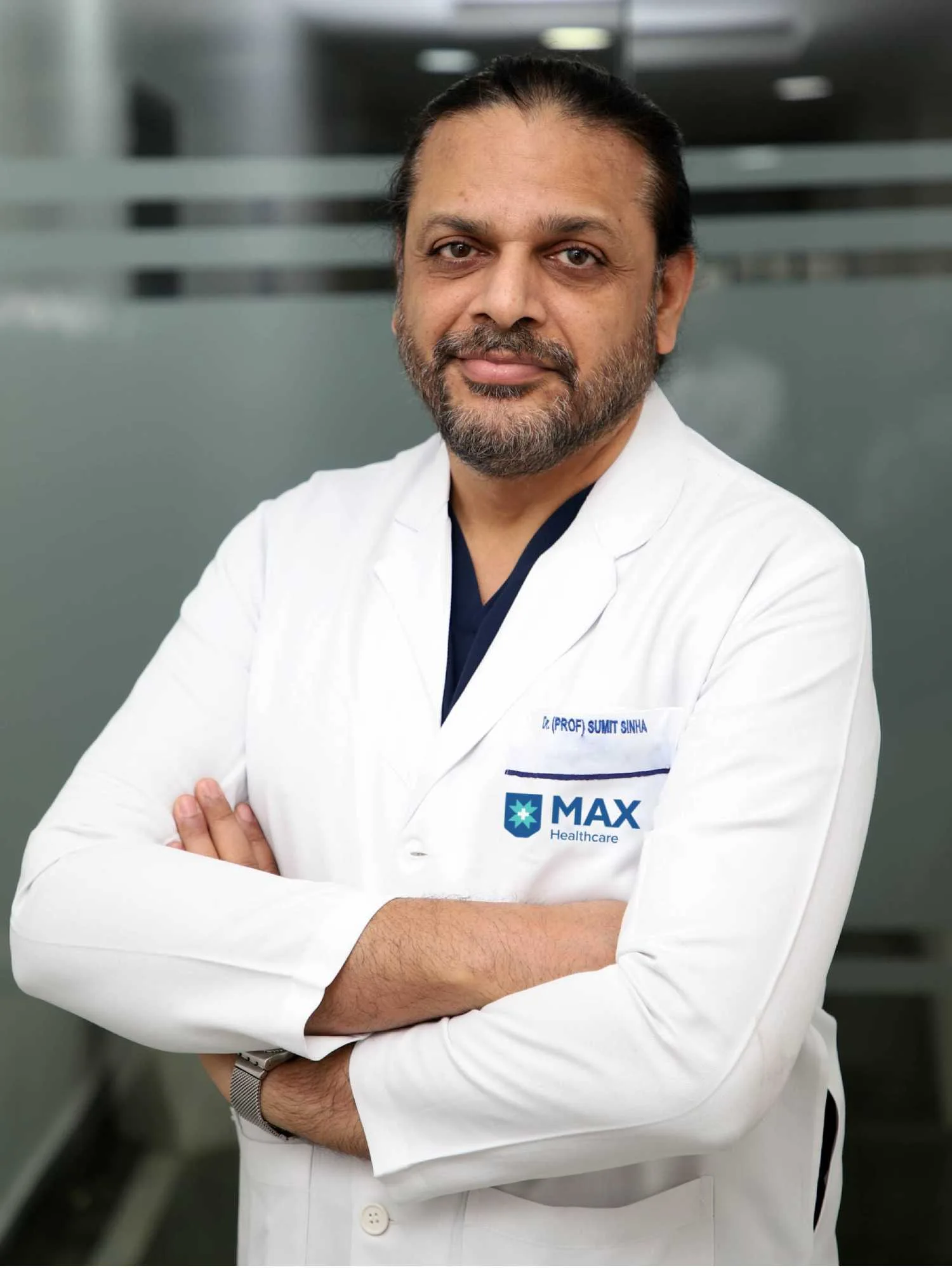
For patients in Gurugram, Dr. (Prof.) Sumiet Snha - former Director of Neurosurgery at a leading Gurugram hospital and ex-AIIMS Professor - offers expert brain, spine and nerve care at Max Hospital, Dwarka.
- Vice Chairman, Robotics, Neurosurgery & Spine Services, Max Hospital
- Ex-Professor, JPNA Trauma Center & AIIMS, New Delhi
- MS, DNB, MCh, FACS
- Hon'y President NTSI · President ISPNS
- Keyhole & endoscopic brain and spine surgery
- Honest advice — surgery only when needed
Gurugram (Gurgaon) has transformed over the past two decades from a quiet town into one of India's largest corporate and residential hubs. With that growth have come new health challenges. Long hours at desks and on laptops have made neck and back pain almost an occupational hazard for young professionals. Busy expressways and construction sites contribute to road accidents and falls that cause head, spine and nerve injuries. Families living in high-rise apartments care for elderly parents with walking difficulties, memory problems or back pain. When these problems require the attention of a neurosurgeon, residents want expert, trustworthy care close to home.
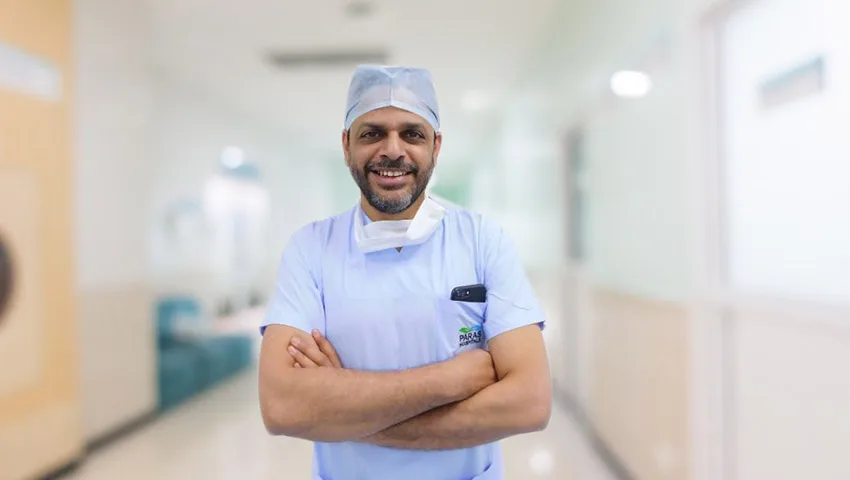
Dr. (Prof.) Sumiet Snha knows Gurugram's patients well. Before taking up his current role as Principal Director - Neurosurgery & Spine Surgery at Max Super Speciality Hospital, Dwarka, he served as Director of Neurosurgery at Paras Health, Gurugram, where he treated thousands of patients from across the city and Haryana. A former Professor of Neurosurgery at AIIMS, New Delhi, with more than 25 years of experience, he continues to be a trusted choice for Gurugram families seeking an experienced brain, spine and nerve surgeon. Max Hospital, Dwarka, is conveniently reached from most parts of Gurugram via the Dwarka Expressway and NH-48.
Familiar and trusted
Years of leading neurosurgery in Gurugram have built strong relationships with patients, families and referring doctors across the city.
AIIMS expertise
AIIMS-trained (MCh) and former AIIMS Professor - bringing academic rigour to everyday patient care.
Minimally invasive focus
Keyhole and endoscopic surgery helps working professionals return to work faster.
Complete neuro care
Brain, spine and peripheral nerve surgery under one expert - no need to visit multiple specialists.
Accessible location
Max Hospital, Dwarka is a short drive from many Gurugram sectors via Dwarka Expressway.
Honest advice
A conservative-first approach - surgery only when it is truly needed.
Desk-job neck and back pain
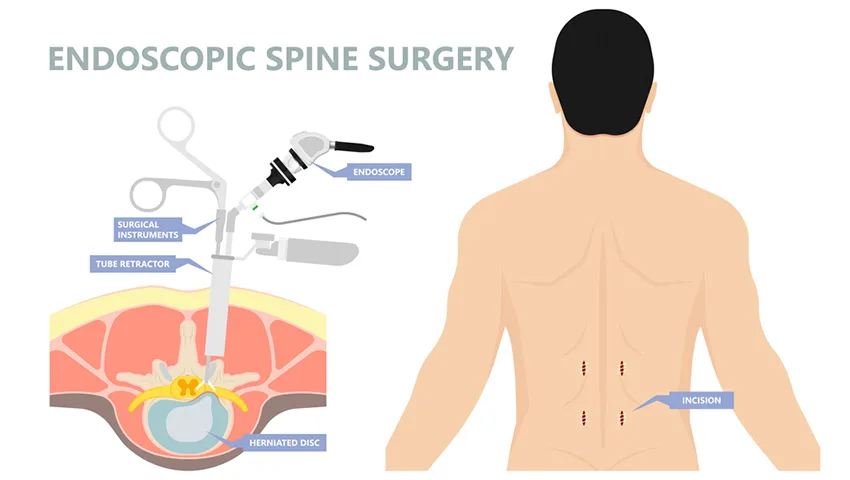
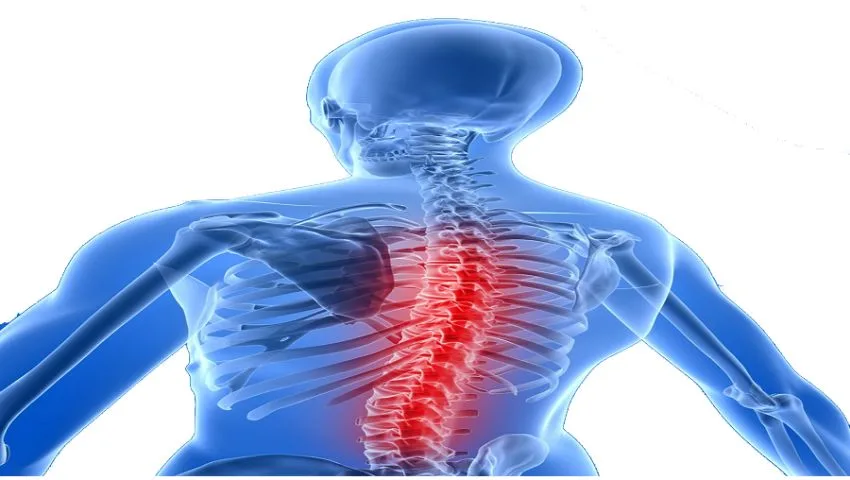
For many of Gurugram's professionals, the workday begins and ends at a screen - in the office, in the cab and at home. Prolonged sitting, poor posture, looking down at phones ("text neck"), lack of exercise and stress all place heavy demands on the spine. Most people experience only muscular aches that improve with posture correction and exercise. But some develop cervical or lumbar disc herniation, with pain radiating into the arm or leg, numbness or weakness. Early, accurate diagnosis and a structured plan - often without surgery - prevent a temporary problem from becoming chronic. When surgery is needed, endoscopic spine surgery through a tiny incision allows many patients to return to desk work within one to two weeks.
Road traffic injuries
Gurugram's expressways, the Delhi-Jaipur highway and busy internal roads unfortunately see frequent accidents involving cars, two-wheelers and pedestrians. Head injuries, spinal fractures and brachial plexus injuries are common consequences. Dr. Snha's background as Professor at the AIIMS JPNA Apex Trauma Centre and as President of the Neurotrauma Society of India makes him particularly experienced in managing these injuries - from emergency surgery to long-term reconstruction such as brachial plexus nerve transfers.
Construction and workplace injuries
Continuous construction across Gurugram means falls from height and machinery injuries among workers. These can cause spinal fractures, spinal cord injuries and peripheral nerve injuries that need specialised care. Timely treatment and rehabilitation make a significant difference to outcomes and the ability to return to work.
Conditions of ageing parents
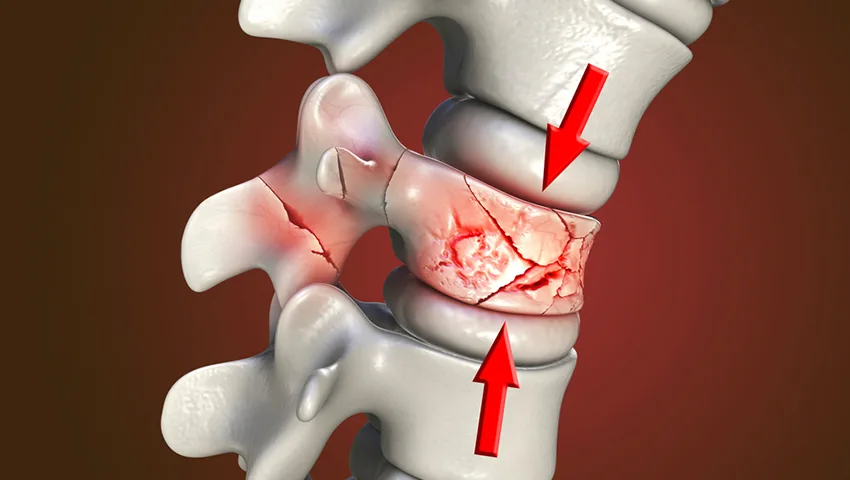
Many Gurugram households include elderly parents, who may develop spinal stenosis with difficulty walking, osteoporotic spinal fractures after minor falls, normal pressure hydrocephalus causing gait and memory problems, trigeminal neuralgia, or brain tumors. Minimally invasive techniques make treatment safer for older adults.
Brain surgery
Dr. Snha treats brain tumors - including meningiomas, gliomas, pituitary tumors and acoustic neuromas - using endoscopic and keyhole approaches where suitable, such as removal of pituitary tumors through the nose without any external incision. His cerebrovascular expertise covers brain aneurysms and arteriovenous malformations, and he offers cerebral bypass for moyamoya disease. For patients with drug-resistant seizures, epilepsy surgery can offer freedom from seizures. Children with hydrocephalus, spina bifida and brain tumors receive comprehensive paediatric neurosurgical care.
Spine surgery
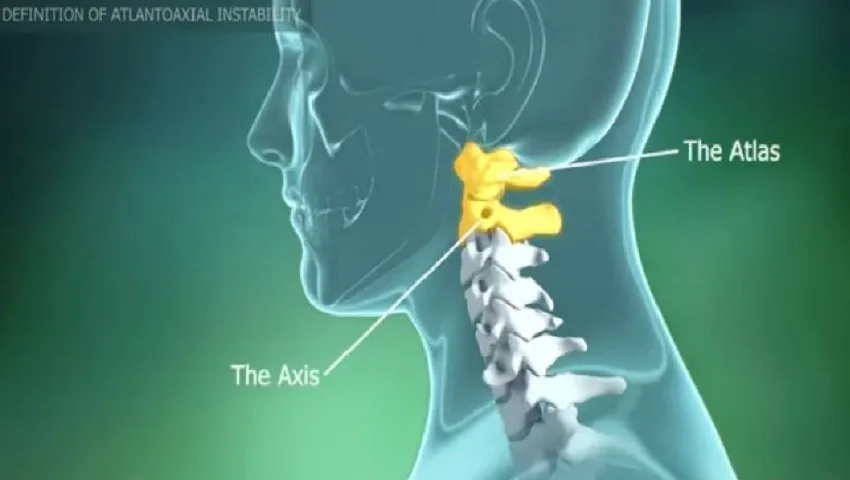
From endoscopic discectomy for slip disc and decompression for spinal stenosis to complex procedures for spinal tumors, spinal tuberculosis, fractures and craniovertebral junction anomalies, Dr. Snha's spine practice spans the full range. As certified AO Spine International faculty, he follows evidence-based principles in every case.
Nerve surgery
As Founder Secretary of the Indian Society of Peripheral Nerve Surgery, Dr. Snha offers specialised care for nerve injuries, brachial plexus injuries, nerve tumors, spasticity and nerve transfers after spinal cord injury - expertise that is rare even in large cities.
Max Super Speciality Hospital is located at Plot No. 1, Sector-10, Dwarka, New Delhi. For Gurugram residents, the Dwarka Expressway has significantly shortened travel between New Gurugram sectors and Dwarka. Patients from central Gurugram, Cyber City and the Golf Course Road area can also reach Dwarka via NH-48 and the Dwarka link roads. Travel time varies with traffic, and patients are advised to plan appointments outside peak hours where possible. For elective surgery, pre-operative tests can often be coordinated on the same day as the consultation to minimise repeated trips. For emergencies, patients should go to the nearest hospital with neurosurgical facilities and contact the team, who can advise on transfer if appropriate.
Seek emergency care immediately for
- A sudden, severe headache - "the worst headache of my life".
- Sudden weakness or numbness of the face, arm or leg, or slurred speech - signs of stroke (think FAST).
- A first seizure, or a seizure lasting more than 5 minutes.
- Head injury followed by loss of consciousness, repeated vomiting, confusion or drowsiness.
- Back pain with sudden leg weakness, numbness in the saddle area or loss of bladder/bowel control.
- Neck or back pain after a road accident or fall - keep the person still and call an ambulance.
In a stroke or brain haemorrhage, every minute counts. Knowing these warning signs and acting quickly can save lives and prevent disability.
Many of the spine problems that bring Gurugram professionals to a neurosurgeon can be prevented or reduced with simple changes. Set up your workstation so that the top of the screen is at eye level and the keyboard allows your elbows to rest at about ninety degrees. Use a chair with lumbar support and keep your feet flat on the floor. When using a laptop for long periods, use a separate keyboard and raise the screen. Take a short break every 30-45 minutes to stand, walk and stretch. Avoid prolonged phone use with the head bent forward. Build regular exercise into your week - walking, swimming, yoga or strength training - with particular attention to core and back muscles. Maintain a healthy weight, sleep on a supportive mattress, and do not ignore persistent pain, numbness or weakness. Early evaluation often allows problems to be managed without surgery.
- Booking: call, WhatsApp or book online. Patients can share MRI/CT reports in advance for a quicker assessment.
- Detailed evaluation: history, neurological examination and personal review of imaging with the patient.
- Explanation: the diagnosis and all treatment options are explained clearly - including non-surgical care.
- Treatment plan: a written plan with next steps, investigations or referrals as needed.
- If surgery is advised: details of the procedure, expected recovery, risks and estimated costs, with help for insurance and corporate cashless approvals.
- Follow-up: post-operative reviews and coordination of physiotherapy, which can often be continued closer to home in Gurugram.
Get an expert opinion before you decide
Share your MRI / CT reports on WhatsApp for a preliminary opinion, or book an in-person / video consultation.
Many Gurugram residents are covered by corporate group health insurance or individual policies. Max Super Speciality Hospital works with major insurers and third-party administrators to facilitate cashless treatment for medically necessary procedures. The hospital's insurance desk assists with pre-authorisation, documentation and queries, making the process smoother for patients and families during a stressful time. Patients are advised to carry their insurance card, employee ID and policy details to the consultation.
- MBBS, MS, DNB, MCh (AIIMS, New Delhi), FACS.
- Principal Director - Neurosurgery & Spine Surgery, Max Super Speciality Hospital, Dwarka, New Delhi.
- Former Director - Neurosurgery, Paras Health, Gurugram.
- Former Professor of Neurosurgery, AIIMS, New Delhi.
- President, Neurotrauma Society of India; Founder Secretary, Indian Society of Peripheral Nerve Surgery.
- Certified AO Spine International and ATLS faculty.
- Awarded the Young Neurosurgeon Award (Times of India Achievers Award 2017) and felicitated by the Union Health Minister at the Swasthya Hindustan Conclave.
Headaches are among the most common reasons Gurugram residents seek medical advice, often attributed to stress, long screen hours, irregular meals and poor sleep. The vast majority of headaches - tension headaches and migraines - are not caused by any serious structural problem and are best managed by a physician or neurologist with lifestyle changes and medicines. However, certain features suggest the need for brain imaging and specialist review: a new headache after the age of 50, a headache that progressively worsens over weeks, headaches that wake you from sleep or are worst in the morning with vomiting, a change in the pattern of long-standing headaches, headaches with weakness, numbness, vision loss, confusion or seizures, and a sudden, explosive headache. In such situations, an MRI or CT scan helps rule out tumors, bleeding or hydrocephalus. Dr. Snha's approach is to reassure patients when imaging is normal and to act promptly when it is not.
Gurugram has a vibrant fitness culture - gyms, running clubs, cycling groups, cricket and football leagues. With this come sports-related spine and nerve injuries: disc herniations from heavy lifting with poor technique, stress fractures of the spine (spondylolysis) in young athletes, neck injuries from contact sports and falls from bicycles. Most sports injuries respond well to rest, physiotherapy and a gradual, supervised return to activity. Persistent pain radiating into the limbs, numbness, weakness or pain after a significant fall should be evaluated. Correct lifting technique, warm-ups, core strengthening and appropriate protective gear reduce the risk of injury.
After surgery, recovery continues at home. For Gurugram patients, the team provides a clear rehabilitation plan that can be followed with a physiotherapist near home, with periodic follow-up visits to Dwarka to monitor progress. Many follow-up questions can be addressed through video consultation, reducing the need for travel. Family members are guided on how to support the patient - from safe mobility at home to wound care and warning signs to watch for. This combination of expert surgery and convenient, coordinated aftercare helps patients recover smoothly and return to their routines.
Among the many conditions treated for Gurugram patients, lumbar and cervical disc herniation - commonly called a slip disc - is the most frequent. The intervertebral discs act as cushions between the vertebrae. Each disc has a tough outer ring and a soft inner core. When the outer ring weakens or tears, part of the inner core can bulge out and press on a nearby nerve. In the lower back, this causes sciatica - pain that travels from the buttock down the back or side of the leg, sometimes to the foot, often with tingling or numbness. In the neck, it causes pain radiating into the shoulder blade, arm and fingers.
The encouraging news is that most slip discs improve without surgery. Over six to twelve weeks, the body often reabsorbs part of the herniated material and the inflammation around the nerve settles. Treatment during this period focuses on controlling pain with appropriate medicines, staying gently active rather than resting in bed, avoiding heavy lifting and prolonged sitting, and starting guided physiotherapy once the acute pain eases. Image-guided nerve root injections can help selected patients through a severe episode.
Surgery is considered when leg or arm pain remains disabling despite good conservative care, when there is significant or worsening weakness (for example, foot drop), or immediately if there are warning signs such as loss of bladder control. For suitable patients, endoscopic discectomy removes the offending fragment through an incision of under a centimetre, often with discharge the same or next day. Many professionals return to desk work within one to two weeks - a major advantage for those balancing health with demanding jobs.
Families in Gurugram often notice that an elderly parent walks more slowly, takes shorter steps, needs to sit down frequently, or has become unsteady. It is tempting to attribute this to age, but several treatable neurosurgical conditions can be responsible. Lumbar spinal stenosis causes leg heaviness and pain after walking a short distance, relieved by sitting or bending forward. Cervical myelopathy - compression of the spinal cord in the neck - causes clumsy hands, numbness and an unsteady, stiff gait. Normal pressure hydrocephalus causes a shuffling walk, urinary urgency and forgetfulness. Chronic subdural haematoma - a slowly accumulating blood collection over the brain, often after a minor fall weeks earlier, especially in people taking blood thinners - can cause headache, confusion and weakness. Each of these conditions has effective treatments, and early diagnosis often restores mobility and independence. A careful neurological examination and appropriate imaging make the difference.
Conditions & Treatments
Minor head bumps are common, especially among children and the elderly. After a minor head injury without loss of consciousness, most people can be observed at home by a responsible adult for the first 24 hours. Rest is advisable, along with simple pain relief such as paracetamol (avoid aspirin or anti-inflammatory painkillers unless advised by a doctor). Return to a hospital immediately if there is increasing drowsiness or difficulty waking, a worsening headache, repeated vomiting, confusion or unusual behaviour, weakness or numbness in any limb, slurred speech, blurred or double vision, a seizure, or clear fluid or blood from the nose or ears. Elderly people and those taking blood thinners should have a lower threshold for getting a CT scan, as bleeding can develop even after trivial injuries. For more significant injuries, prompt assessment in an emergency department with neurosurgical support is essential.
Choosing a neurosurgeon is an act of trust. Dr. Snha's commitment to every patient from Gurugram - and elsewhere - is to listen carefully, explain honestly, recommend only what is truly needed, and deliver care using the most advanced and least invasive methods appropriate. Throughout the journey, patients and families have direct access to the team for questions and concerns. This combination of expertise, transparency and compassion is what has made Dr. Snha a trusted name among Gurugram families for many years.
- Write down your symptoms, when they began and what makes them better or worse.
- List all current medicines, including blood thinners and diabetes medicines.
- Carry MRI/CT films or digital copies, not just the written reports.
- Bring previous prescriptions, discharge summaries and nerve conduction reports if any.
- Note down your questions so you do not forget them during the consultation.
- Bring a family member if possible - two people remember more than one.
- Carry insurance details if surgery or admission may be discussed.
During his years as Director of Neurosurgery at Paras Health, Gurugram, Dr. Snha operated on and followed up a large number of patients from the city and from across Haryana. Many of them still need periodic reviews - for example, surveillance MRI scans after brain tumor surgery, checks on spinal implants, monitoring of a shunt for hydrocephalus, or assessment of nerve recovery after brachial plexus reconstruction. These patients can continue their follow-up with him at Max Super Speciality Hospital, Dwarka.
To make the transition smooth, bring your original operation notes, discharge summary, histopathology report (if a tumor was removed), and the scans taken before and after surgery. Comparing current images with earlier ones is often the single most useful step in follow-up, because it shows whether anything has changed. Where records are incomplete, the team can advise on which details to request from the previous hospital. Reviews that do not need a physical examination can often be carried out by video consultation, which saves Gurugram families a trip.
Gurugram has many hospitals, and it is not unusual for a patient to receive different recommendations from different specialists - one advising immediate surgery, another suggesting physiotherapy, a third proposing a different operation altogether. Faced with conflicting advice, a considered second opinion from an experienced neurosurgeon can bring clarity.
When a second opinion is especially worthwhile
- Before spinal fusion, particularly at more than one level.
- When surgery is recommended for back or neck pain alone, without leg or arm symptoms or weakness.
- Before brain tumor surgery, to understand all options including observation, surgery and radiation.
- When an unruptured aneurysm or small tumor has been found incidentally on a scan.
- After a previous spine operation that has not relieved symptoms.
- For nerve injuries, where the timing of surgery is critical and delays can limit recovery.
A second opinion from Dr. Snha involves a full review of the history, examination and all imaging. The aim is not to contradict or confirm another doctor, but to give an independent, evidence-based view so that the patient can decide with confidence. Reports can be shared on WhatsApp in advance to make the consultation more focused.
Not sure whether you need surgery?
Many patients improve without an operation. Get a clear, honest plan from Dr. (Prof.) Sumiet Snha.
Numbness, tingling and pain in the hands are very common complaints among Gurugram's office workers, drivers and homemakers alike. The symptoms can arise from the neck, where nerve roots leave the spine, or from a nerve being squeezed further down the arm. Distinguishing between the two is important, because the treatment is quite different.
| Condition | Typical features |
|---|---|
| Cervical radiculopathy (pinched nerve root in the neck) | Neck pain spreading to the shoulder blade and down one arm, with tingling in particular fingers; often worse on turning or tilting the head. |
| Cervical myelopathy (compressed spinal cord) | Clumsy hands in both arms, difficulty with buttons or writing, unsteady walking; often little pain. |
| Carpal tunnel syndrome | Tingling in the thumb, index and middle fingers, typically waking the person at night; relieved by shaking the hand. |
| Ulnar nerve entrapment at the elbow | Tingling in the ring and little fingers, worse with the elbow bent for long periods, such as when holding a phone. |
A careful examination, sometimes supported by nerve conduction studies and an MRI of the neck, usually identifies the cause. Many cases of radiculopathy and mild nerve entrapment settle with posture correction, activity changes, splints and physiotherapy. Surgery is considered for persistent symptoms, muscle wasting or weakness, and, in cervical myelopathy, for progressive spinal cord compression. As Founder Secretary of the Indian Society of Peripheral Nerve Surgery, Dr. Snha has particular experience in nerve entrapments and injuries as well as neck surgery, so patients benefit from a single assessment that considers both possibilities.
The newer residential sectors of New Gurugram along the Dwarka Expressway have grown rapidly, bringing many young families and retired parents into high-rise communities. For these residents, Max Hospital, Dwarka, sits along a direct route to the Delhi side of the Expressway, making specialist brain, spine and nerve care more accessible than a journey into central Delhi. Families in these sectors can plan consultations, scans and follow-up visits with relatively predictable travel, and elderly parents can be accompanied for appointments without a long, tiring trip. For planned surgery, relatives can visit more easily during the hospital stay - a real comfort for patients recovering from an operation.
Residents of these newer sectors are also encouraged to save the clinic's number, +91-8448877746, and to note the location of the nearest emergency department with neurosurgical cover, so that the family knows exactly what to do if a sudden neurological problem arises.
Credentials & Leadership Roles
Dr. (Prof.) Sumiet Snha — Minimally Invasive & Endoscopic Neurosurgeon, Spine Surgeon and Peripheral Nerve Surgeon
Awards & Recognition
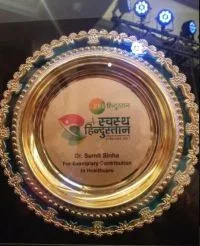
Felicitated by the Union Health Minister
Swasthya Hindustan Conclave, Zee Hindustan
Honoured by Dr. J.P. Nadda, Union Minister of Health & Family Welfare, for exceptional contribution to neurosurgery and spine surgery. Awards were adjudged by a specialised panel on contributions, success rates and patient outcomes.
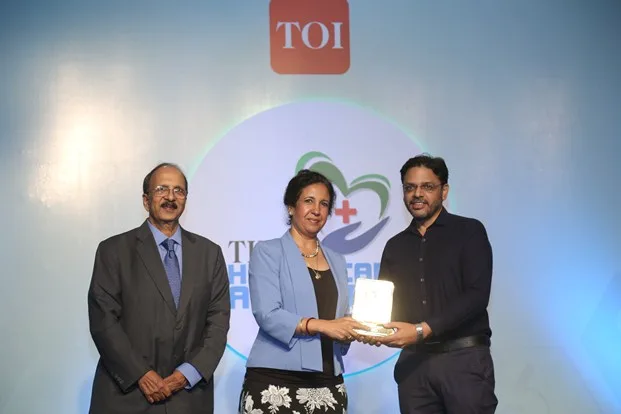
Young Neurosurgeon Award
Times of India Achievers Award
Awarded the Young Neurosurgeon Award by a jury of nationally and internationally reputed doctors.
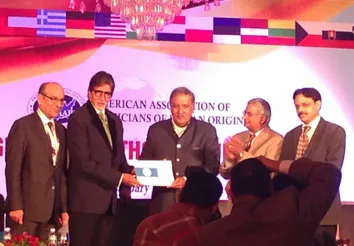
Young Neurosurgeon Award
9th International Conference on Cerebrovascular Surgery, Nagoya, Japan
Selected for the Young Neurosurgeon Award to attend the international conference on cerebrovascular surgery in Nagoya, Japan.
Fellow of the American College of Surgeons (FACS)
American College of Surgeons
Conferred the FACS fellowship - a globally recognised mark of surgical excellence, ethics and quality patient care.
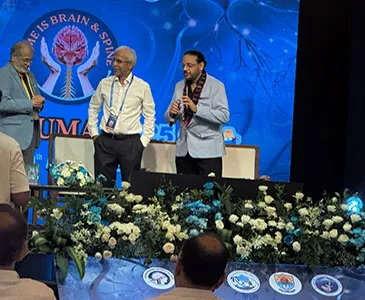
President, Neurotrauma Society of India
33rd Annual Meeting of the Neurotrauma Society of India, Goa
Took over as President of the Neurotrauma Society of India; earlier served as its Secretary.
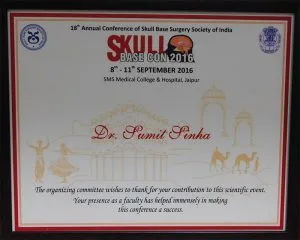
Faculty - Skull Base Surgery Conference
18th Annual Conference of Skull Base Surgery Society of India (Skull Base Con 2016)
Invited faculty for the national skull base surgery conference held at SMS Medical College, Jaipur.
What Patients Say
Congratulations is a small word to wish for Dr. Sumiet Snha for all the hard work you have put into coming so far in life. Your commitment towards become the best neurosurgeon in Delhi & your patients has been always of highest levels. Wish that no height be…
Dr Sumiet Snha for me has been a blessing in-disguise. He explained to me the medical condition in detail along with the treatment options I had. He gave me the right advice and it is because of him today that my slip disc has recovered. He is one of the Top…
My experience with Dr Sumiet Snha has been very pleasant. I have known him for many years and trust him completely. I would highly recommend him for any brain or back problem you may be facing. He always gives the best advice and the right treatment plan for…
Frequently Asked Questions
Dr. (Prof.) Sumiet Snha, former Director of Neurosurgery at a leading Gurugram hospital and ex-AIIMS Professor, is a trusted choice for brain, spine and nerve problems. He now consults at Max Hospital, Dwarka, easily reached from Gurugram.
It is well connected via the Dwarka Expressway and NH-48. Travel time depends on your sector and traffic; many New Gurugram areas are a short drive away.
Yes. Most slip disc patients improve with medicines, physiotherapy and lifestyle changes. Surgery - usually endoscopic - is advised only if symptoms persist or there is weakness.
Yes, for medically necessary treatment under most major insurance policies, subject to insurer approval.
Yes. Video consultation and review of reports on WhatsApp or e-mail are available.
All MRI/CT scans (films or digital), previous reports, prescriptions, discharge summaries and insurance details.
Yes. He treats children with hydrocephalus, spina bifida, brain tumors, head injuries and birth-related brachial plexus injuries.
Book Your Appointment
Whether it is persistent back pain, a worrying headache, a nerve injury after an accident or a family member's walking difficulties, expert care is close to Gurugram. Book a consultation with Dr. (Prof.) Sumiet Snha at Max Hospital, Dwarka, or call the clinic. You may also like to read about spine care for Gurugram residents and non-surgical spine treatment options.
- Max Super Speciality Hospital, Plot No. 1, Sector-10, Dwarka, New Delhi - 110075
- +91-8448877746
- sumitneuro@gmail.com