Mon - Sat : 9:00 AM - 6:00 PM
- +91-8448877746
- sumitneuro@gmail.com
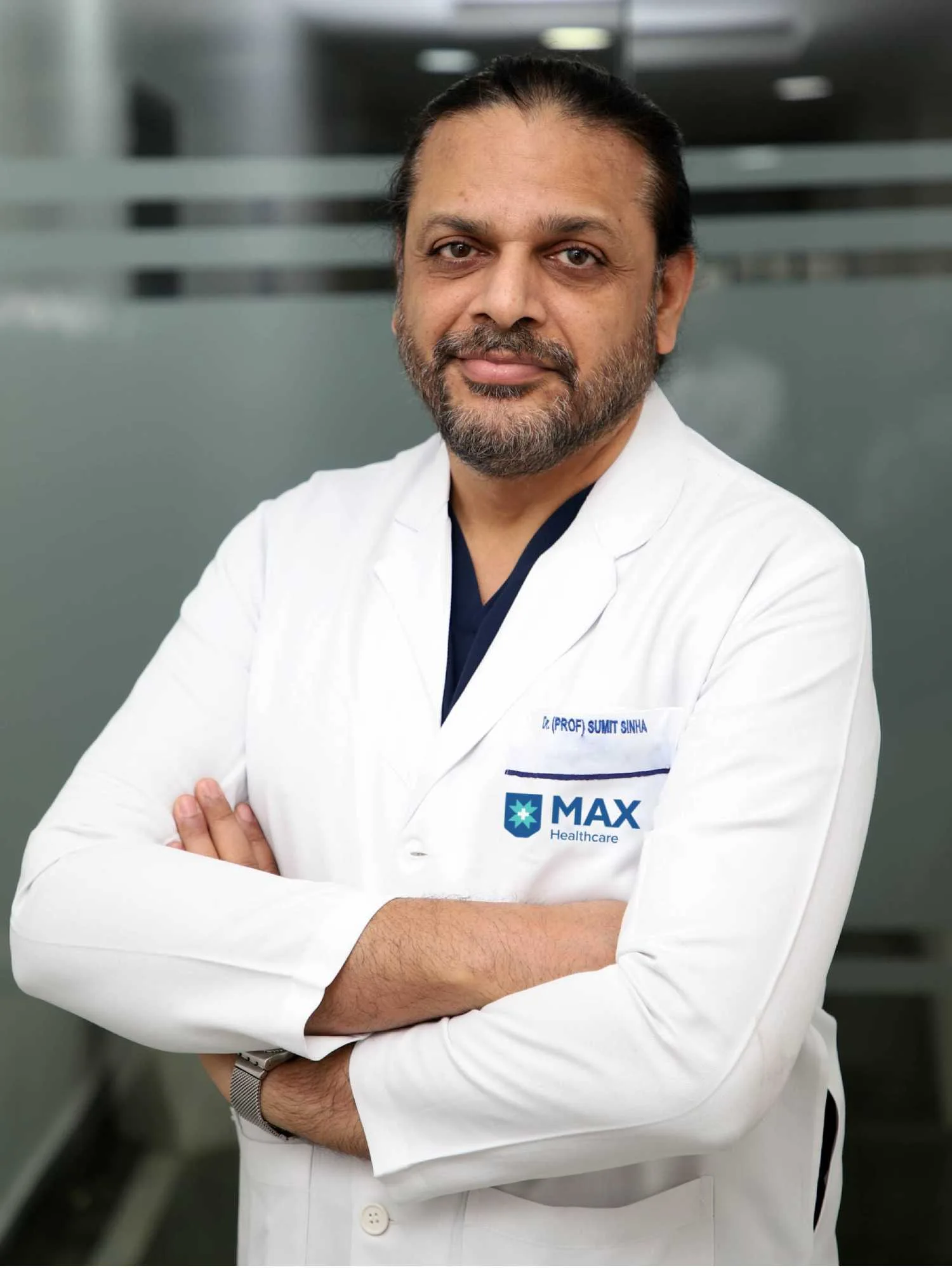
Best Spine Surgeon in Delhi - Dr. (Prof.) Sumiet Snha
Dr. (Prof.) Sumiet Snha, former AIIMS Professor and Principal Director at Max Hospital, Dwarka, treats slip disc, sciatica, stenosis, spondylolisthesis and spine fractures with a conservative-first, minimally invasive approach.
- Vice Chairman, Robotics, Neurosurgery & Spine Services, Max Hospital
- Ex-Professor, JPNA Trauma Center & AIIMS, New Delhi
- MS, DNB, MCh, FACS
- Hon'y President NTSI · President ISPNS
- Keyhole & endoscopic brain and spine surgery
- Honest advice — surgery only when needed
Back and neck pain are among the most common reasons working adults in Delhi visit a doctor. Hours in traffic, long days at a laptop, heavy lifting at home and the natural wear of the spine with age all take their toll. For most people the pain settles with rest, physiotherapy and sensible changes to daily habits. For some, however, pain spreads down a leg or an arm, walking distance shrinks, or numbness and weakness appear. That is the point at which an opinion from an experienced spine surgeon becomes valuable - not necessarily to operate, but to find out exactly what is wrong and what the safest route to recovery looks like.
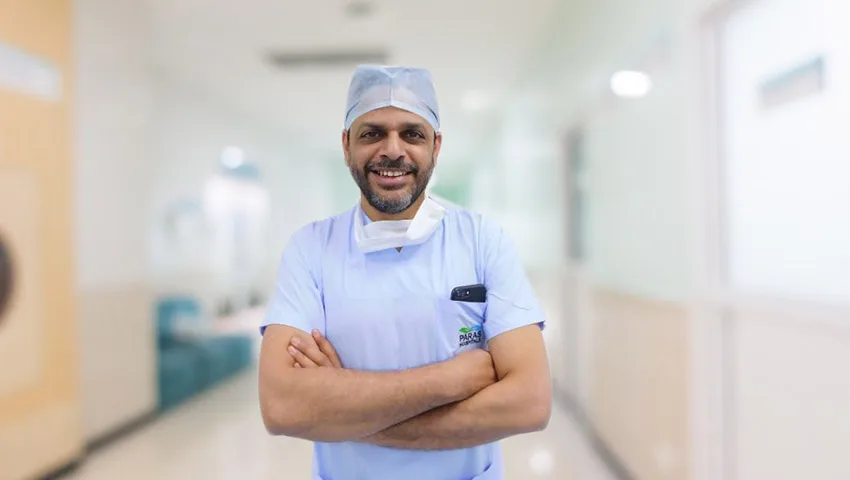
Dr. (Prof.) Sumiet Snha (also known as Dr. Sumit Sinha) is Principal Director - Neurosurgery & Spine Surgery at Max Super Speciality Hospital, Dwarka. A former Professor of Neurosurgery at AIIMS, New Delhi, with more than 25 years of experience, he has performed thousands of brain, spine and nerve operations and is one of the country's experienced surgeons in minimally invasive, endoscopic and keyhole spine surgery. This page explains the spine problems he commonly sees in Delhi, how keyhole surgery compares with open surgery, and what to expect when you consult him.
AIIMS training and teaching
MBBS, MS, DNB and MCh (Neurosurgery) from AIIMS, New Delhi, followed by years on the AIIMS faculty as Professor of Neurosurgery.
Spine-focused expertise
AO Spine International teaching faculty, and founder faculty in-charge of the AIIMS cadaver training and research facility.
Keyhole-first thinking
Wherever it is suitable and safe, he prefers endoscopic and minimally invasive techniques that spare muscle and shorten recovery.
Trauma experience
President of the Neurotrauma Society of India and certified ATLS faculty - valuable when a spine injury needs urgent decisions.
Recognised internationally
Fellow of the American College of Surgeons (FACS), with national awards including the Times of India Young Neurosurgeon Award 2017.
Convenient for Delhi
OPD Monday to Saturday at Max Hospital, Sector-10, Dwarka - reachable by the Blue Line metro and close to IGI Airport.
The spine is built to move, bend and carry loads, but it does not cope well with long periods of sustained, awkward posture or with repeated jolts. Life in a large city such as Delhi often combines both. Understanding where the strain comes from helps you prevent problems, recognise early warning signs and make changes that support recovery after treatment. The patterns below are not a diagnosis, but they are the situations Dr. Snha hears about most often in his Dwarka clinic.
The daily commute
Many Delhiites spend one to three hours a day travelling. Riding a two-wheeler over uneven roads and speed breakers sends repeated shocks through the lower back, while carrying a heavy backpack on one shoulder adds a sideways load. Car commuters sit for long periods with the hips lower than the knees and the head pushed forward to watch the traffic. Standing in a crowded metro coach and bracing against sudden stops also tires the back muscles. None of this causes a slip disc on its own, but combined with other factors it can tip an already worn disc into trouble.
Desk jobs and work from home
Office work across Delhi, Gurugram and Noida - and the kitchen-table workstations many people still use at home - keeps the spine in a flexed position for hours. Laptops encourage a forward-bent neck, which loads the cervical discs and can lead to neck pain, headaches and, occasionally, arm pain from a nerve being pinched. Prolonged sitting also increases pressure inside the lumbar discs. The most useful fixes are simple: raise the screen to eye level, use a separate keyboard, keep the feet supported and stand up to walk for a few minutes every half hour.
Lifting, household work and caregiving
Lifting a water container, a gas cylinder, a heavy suitcase or an elderly relative with a bent back and twisted trunk is a classic trigger for an acute disc herniation. People often describe a sudden "catch" followed, a day or two later, by pain shooting down the leg. Bending the knees, keeping the load close to the body and avoiding twisting while lifting reduce the risk considerably.
Weekend fitness and gym injuries
Many young professionals try to make up for a sedentary week with intense workouts at the weekend. Heavy dead-lifts, squats or unsupervised weight training without proper technique can injure the discs and the small joints of the spine. Regular, graded exercise that builds core strength is far better for the back than occasional bursts of heavy effort.
Small habits that protect your spine
Walk briskly for at least 30 minutes most days, strengthen the core and hip muscles, keep a healthy body weight, stop smoking (it accelerates disc degeneration), check vitamin D levels if advised by your doctor, and take short movement breaks during long drives or desk sessions. These measures help both in preventing back problems and in recovering after treatment.
Get an expert opinion before you decide
Share your MRI / CT reports on WhatsApp for a preliminary opinion, or book an in-person / video consultation.
Dr. Snha's spine practice covers the full range of degenerative, traumatic, infective and tumour-related conditions. The five problems below account for most consultations from Delhi and the NCR. For each, the aim is the same: an accurate diagnosis that matches the scan to your symptoms, followed by the least invasive treatment that is likely to work.
Slip disc (lumbar and cervical disc herniation)
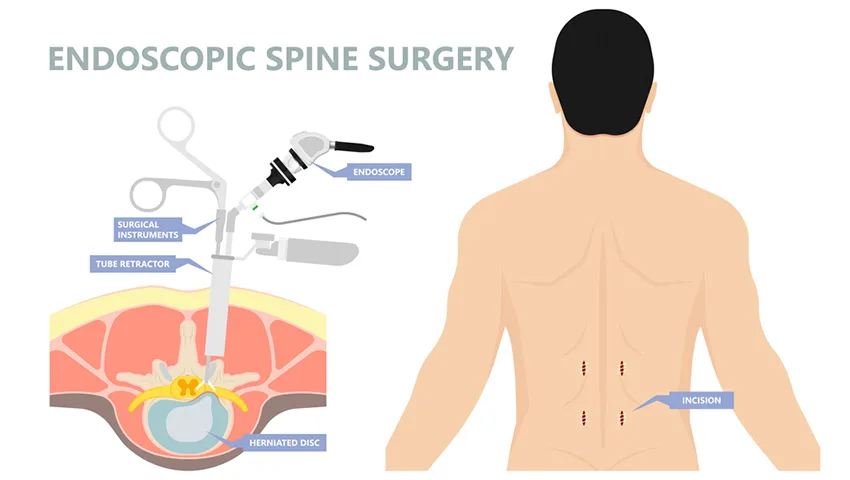
Each disc has a tough outer ring and a softer, gel-like centre. When the ring tears, part of the centre can bulge out and press on a nearby nerve. In the lower back this causes leg pain; in the neck it causes arm pain, tingling or weakness in the hand. Many herniations shrink on their own with time. When pain persists or weakness develops, endoscopic discectomy can remove the fragment through an incision of roughly one centimetre, often with a short hospital stay.
Sciatica
Sciatica is a symptom rather than a disease - a burning, electric or aching pain running down the leg along the path of the sciatic nerve. A slipped disc is the most common cause in younger adults, while narrowing of the canal is more common in older people. Occasionally, the pain comes from the hip, the sacroiliac joint or a nerve being compressed in the buttock, which is why careful examination matters before any procedure is planned.
Lumbar spinal stenosis
With age, thickened ligaments, enlarged joints and bulging discs can narrow the spinal canal. The typical complaint is heaviness, pain or numbness in the legs after walking a short distance, relieved by sitting or bending forward - people often notice they can walk further while leaning on a shopping trolley. When symptoms limit daily life, endoscopic stenosis decompression can widen the canal while preserving the stabilising structures of the spine.
Spondylolisthesis
In spondylolisthesis, one vertebra slips forward over the one below. It may result from degeneration in older adults or from a small stress fracture (spondylolysis) that often dates from adolescence. Symptoms range from back pain to leg pain and stenosis-like walking difficulty. Many cases are managed with exercise and physiotherapy. If the slip is unstable or symptoms are disabling, surgery usually combines decompression with stabilisation, which can often be done using minimally invasive screw placement.
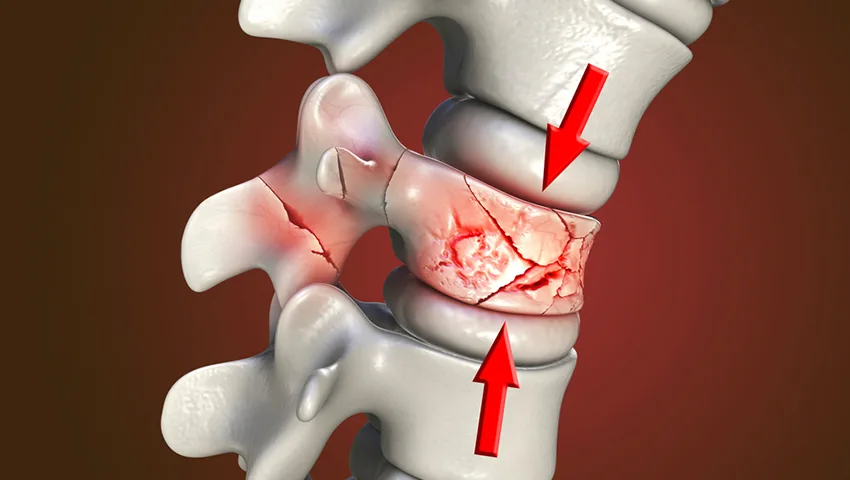
Spine fractures
Fractures follow road accidents, falls from height and, in older adults with osteoporosis, sometimes just a minor fall or even a cough. Stable fractures may heal with a brace and pain relief, whereas unstable fractures or those pressing on the spinal cord need surgical fixation. Osteoporotic compression fractures that remain painful may be suitable for cement augmentation. As President of the Neurotrauma Society of India, Dr. Snha brings extensive trauma experience to the management of spinal fractures.
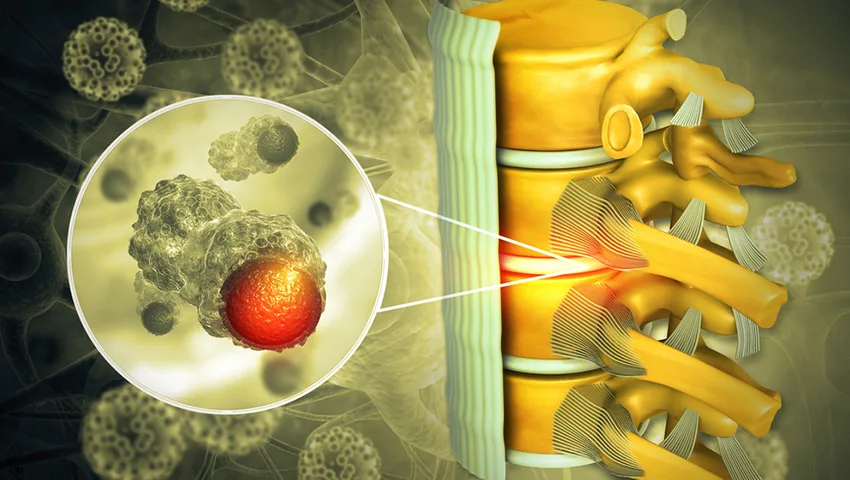
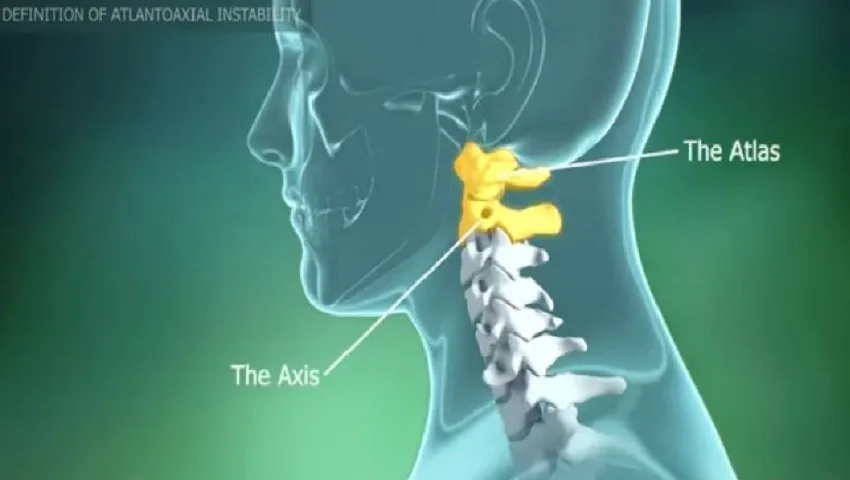
Beyond these, he also treats spinal tumours, spinal tuberculosis, atlanto-axial dislocation and chronic pain suitable for spinal cord stimulation.
Traditional open spine surgery involves an incision several centimetres long and stripping the back muscles away from the bone so that the surgeon can see the problem directly. It remains a reliable, proven technique. Endoscopic spine surgery reaches the same target through a narrow tube and a high-definition camera, gently pushing the muscles aside instead of cutting them. Microscopic and tubular minimally invasive surgery sits between the two. The right choice depends on the condition, not on a preference for one technology.
| Aspect | Endoscopic / keyhole surgery | Conventional open surgery |
|---|---|---|
| Incision | Usually around 1 cm (sometimes two small ports) | Typically several centimetres |
| Muscle damage | Minimal - muscles are dilated, not stripped | Muscles are detached from the bone for exposure |
| Blood loss | Generally very little | Usually more |
| Anaesthesia | General, or in selected cases regional or local with sedation | Usually general anaesthesia |
| Hospital stay | Often same day to 1-2 days | Often several days |
| Early mobilisation | Often walking within hours | Usually within a day or two |
| Return to desk work | Often 1-3 weeks | Often several weeks |
| Best suited to | Disc herniations, many cases of stenosis, selected foraminal problems | Complex deformity, large tumours, severe instability, some revision surgery |
Who is a good candidate for keyhole surgery?
Endoscopic surgery works best when the problem is clearly localised - a single disc fragment, narrowing at one or two levels, or a nerve trapped in its exit foramen. Patients who have diabetes, are older or have other medical conditions may particularly benefit from the smaller wound and faster mobilisation. It is, however, a technically demanding technique with a significant learning curve, and outcomes depend heavily on surgeon experience and careful patient selection.
When open or fusion surgery is still the better answer
Some conditions need wider exposure or mechanical stabilisation: high-grade spondylolisthesis, severe deformity, large or complex tumours, unstable fractures and certain infections. In these situations, forcing a keyhole approach could compromise safety or leave the job incomplete. Dr. Snha performs the whole spectrum of spine surgery, so the recommendation is guided by what your spine needs rather than by the tools available.
A balanced word on risks
All spine surgery, including keyhole surgery, carries some risk - for example infection, a tear in the membrane around the nerves, persistent or recurrent symptoms, or rarely nerve injury. A minimally invasive procedure lowers some risks but does not remove them. You will have the opportunity to discuss the specific risks and expected benefits for your situation before giving consent.
Conditions & Treatments

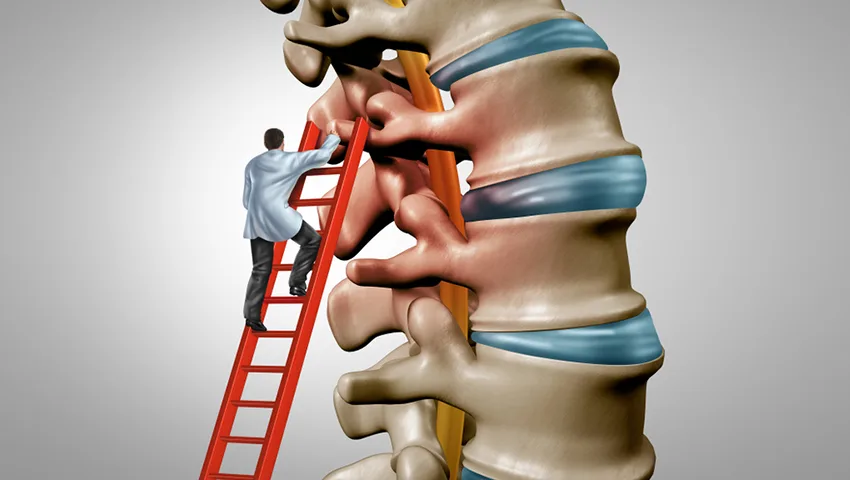
Knowing the steps in advance makes the experience far less stressful. Although every patient's path is different, most spine patients who see Dr. Snha at Max Super Speciality Hospital, Dwarka, move through a similar sequence - and many never go beyond the first two stages, because their problem settles with non-surgical care.
- First consultation. A detailed conversation about when the pain began, what makes it better or worse, how far you can walk and how it affects work and sleep, followed by a neurological examination of power, sensation and reflexes.
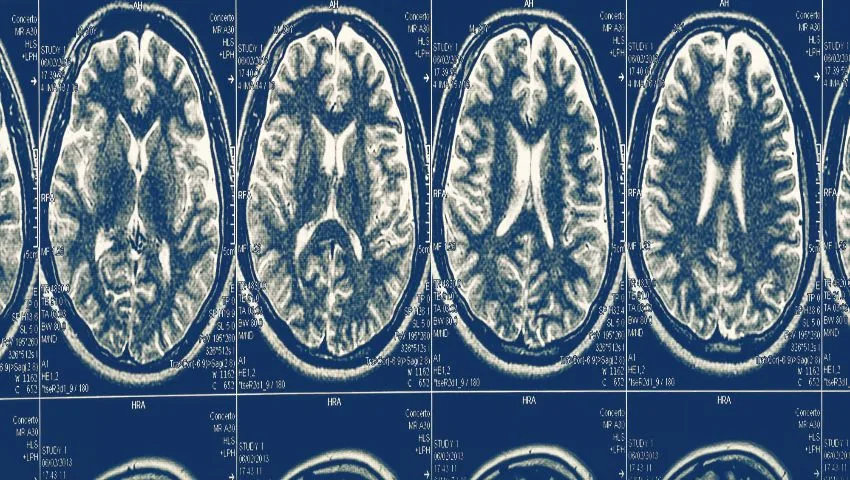
- Matching scans to symptoms. MRI findings such as disc bulges are very common even in people without pain, so the images are interpreted in the light of your examination. Additional tests - dynamic X-rays, CT or nerve conduction studies - are requested only when they will change the plan.
- A written plan. For most people this begins with medication, a structured physiotherapy programme and activity advice. Selected patients may benefit from a guided nerve-root injection.
- Surgical planning, if needed. When surgery is advised, you will be told the procedure, the expected hospital stay, recovery time and risks, and pre-operative tests will be arranged.
- Surgery and early recovery. After keyhole procedures, most patients are helped to stand and walk the same day or the next morning under the supervision of the physiotherapy team.
- Discharge and follow-up. You go home with instructions on wound care, sitting, driving and exercises, and follow-up is arranged in person or by video.
Recovery timeline after a typical keyhole discectomy
In the first week the focus is on walking several times a day and avoiding heavy lifting or prolonged sitting. Many desk workers resume work, often from home first, in the second or third week. A guided exercise programme to strengthen the core usually starts around four to six weeks. Return to the gym, sports or heavy manual work is gradual and is timed individually. Some numbness may take weeks or months to fade, as nerves recover more slowly than pain does.
Reaching the hospital
Max Hospital is at Plot No. 1, Sector-10, Dwarka, and is served by the Blue Line of the Delhi Metro. It is also close to IGI Airport and connected to Gurugram via the Dwarka Expressway, which is convenient for patients from West and South-West Delhi, Gurugram and those flying in from other cities.
The cost of spine treatment in Delhi varies widely, so it is not possible to quote a single figure that applies to everyone. What matters is understanding the factors that shape the final bill, so that you can plan ahead and avoid surprises. The hospital's billing and insurance desk can provide a written estimate once your treatment plan is clear.
What influences the cost?
- Type of procedure - a single-level endoscopic discectomy is very different from a multi-level fusion or fracture fixation.
- Implants and consumables - screws, rods, cages, bone cement and endoscopic equipment each add to the cost when they are needed.
- Length of stay and room category - day-care or short stays cost less; the room category you choose also affects some charges.
- Your overall health - diabetes, heart disease or other conditions may require additional tests, specialist review or monitoring.
- Rehabilitation - physiotherapy sessions after discharge are part of the total cost of recovery.
Health insurance and cashless treatment
Most health insurance policies in India cover medically necessary spine surgery, including minimally invasive and endoscopic procedures, subject to the terms of the policy. Before admission, check your sum insured, any waiting periods for pre-existing conditions, room-rent limits (which can reduce the amount paid on other charges), co-payment clauses and sub-limits on specific procedures. For planned surgery, the hospital's insurance desk can usually submit a pre-authorisation request for cashless treatment; keep copies of your policy, identity documents and the doctor's recommendation ready.
Corporate employees should also check their group policy, which may run alongside a personal policy. If you are paying yourself, ask for an itemised estimate and clarify what is and is not included, such as implants, medicines after discharge and follow-up visits.
Value is about the right decision, not the lowest price
The most economical treatment is the one that works the first time. An unnecessary operation, or the wrong operation, costs far more in the long run - in money, time off work and health. That is why Dr. Snha places so much emphasis on accurate diagnosis and on trying appropriate non-surgical treatment before recommending surgery.
Seeking a second opinion
If you have already been advised to have spine surgery elsewhere and would like another view, you are welcome to share your scans and reports. A second opinion is a normal part of good medical decision-making, and a clear explanation of the options - including the possibility of avoiding surgery - can bring real peace of mind. You can also watch patient experiences on the videos and testimonials page and read spine health articles on the blog.
Not sure whether you need surgery?
Many patients improve without an operation. Get a clear, honest plan from Dr. (Prof.) Sumiet Snha.
Neck problems deserve special mention because the cervical spine protects the spinal cord itself, not just individual nerve roots. Age-related wear, known as cervical spondylosis, is visible on the X-rays of most people over fifty and usually causes nothing more than stiffness and occasional aches. In some people, however, bony spurs, thickened ligaments and bulging discs gradually narrow the canal and squeeze the cord - a condition called cervical myelopathy.
Symptoms that should not be ignored
- Clumsiness of the hands - difficulty buttoning a shirt, writing or picking up coins
- Numbness or tingling in both hands
- Unsteady walking, or a feeling that the legs are stiff or heavy
- Electric-shock sensations down the spine when bending the neck
- In advanced cases, changes in bladder control
These symptoms often develop slowly and are easily blamed on age, but myelopathy tends to progress, and function that is lost may not fully return even after successful surgery. Early assessment with an MRI allows the surgeon to judge whether monitoring is reasonable or whether decompression should be planned before the cord suffers further damage. Depending on the pattern of compression, surgery may be performed from the front of the neck, from the back, or with endoscopic techniques in suitable single-level cases.
Because most spine problems improve without an operation, a large part of Dr. Snha's work is helping patients recover conservatively and knowing when that approach has run its course. A good non-surgical plan is active and structured rather than simply "rest and painkillers".
Medication
Short courses of anti-inflammatory medicines and, for nerve pain, medicines that calm irritated nerves - always with attention to side effects and other conditions.
Physiotherapy
A graded programme of stretching, core strengthening and posture training, supervised at first and then continued at home.
Activity modification
Staying active within comfortable limits, adjusting workstations and avoiding heavy lifting while the disc settles, rather than prolonged bed rest.
Targeted injections
In selected patients, an image-guided nerve-root or epidural injection can reduce inflammation and make rehabilitation possible.
If pain stays severe for more than six to twelve weeks, if weakness increases or if daily life remains badly restricted despite these measures, surgery is discussed as a planned, informed choice - never as a rushed decision made under pressure.
Credentials & Leadership Roles
Dr. (Prof.) Sumiet Snha — Minimally Invasive & Endoscopic Neurosurgeon, Spine Surgeon and Peripheral Nerve Surgeon
Awards & Recognition
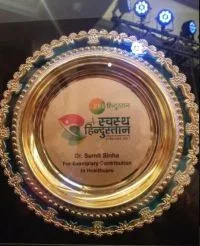
Felicitated by the Union Health Minister
Swasthya Hindustan Conclave, Zee Hindustan
Honoured by Dr. J.P. Nadda, Union Minister of Health & Family Welfare, for exceptional contribution to neurosurgery and spine surgery. Awards were adjudged by a specialised panel on contributions, success rates and patient outcomes.
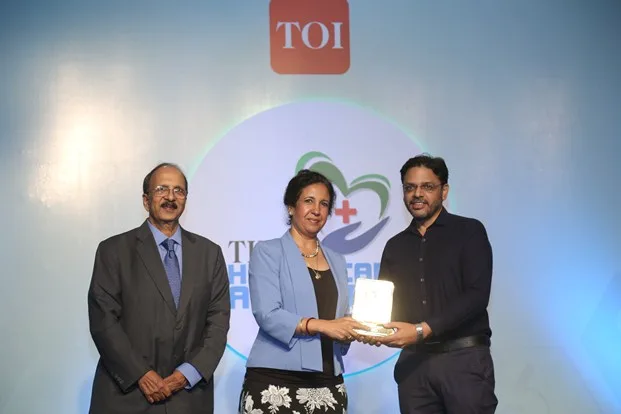
Young Neurosurgeon Award
Times of India Achievers Award
Awarded the Young Neurosurgeon Award by a jury of nationally and internationally reputed doctors.
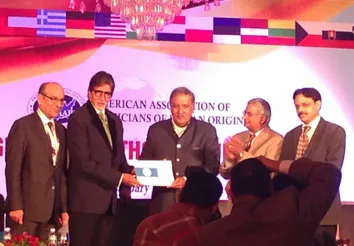
Young Neurosurgeon Award
9th International Conference on Cerebrovascular Surgery, Nagoya, Japan
Selected for the Young Neurosurgeon Award to attend the international conference on cerebrovascular surgery in Nagoya, Japan.
Fellow of the American College of Surgeons (FACS)
American College of Surgeons
Conferred the FACS fellowship - a globally recognised mark of surgical excellence, ethics and quality patient care.
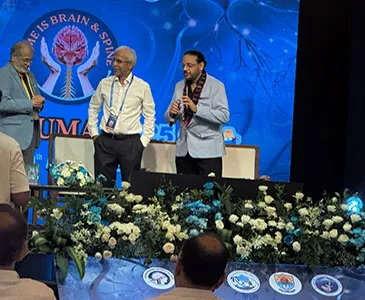
President, Neurotrauma Society of India
33rd Annual Meeting of the Neurotrauma Society of India, Goa
Took over as President of the Neurotrauma Society of India; earlier served as its Secretary.
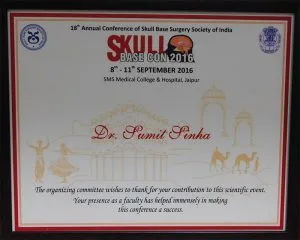
Faculty - Skull Base Surgery Conference
18th Annual Conference of Skull Base Surgery Society of India (Skull Base Con 2016)
Invited faculty for the national skull base surgery conference held at SMS Medical College, Jaipur.
What Patients Say
Congratulations is a small word to wish for Dr. Sumiet Snha for all the hard work you have put into coming so far in life. Your commitment towards become the best neurosurgeon in Delhi & your patients has been always of highest levels. Wish that no height be…
Dr Sumiet Snha for me has been a blessing in-disguise. He explained to me the medical condition in detail along with the treatment options I had. He gave me the right advice and it is because of him today that my slip disc has recovered. He is one of the Top…
My experience with Dr Sumiet Snha has been very pleasant. I have known him for many years and trust him completely. I would highly recommend him for any brain or back problem you may be facing. He always gives the best advice and the right treatment plan for…
Frequently Asked Questions
No. The large majority of people with a slipped (herniated) disc improve without an operation over six to twelve weeks, using a combination of short rest, pain relief, physiotherapy and, in selected cases, a targeted injection. Surgery is considered when leg or arm pain remains severe despite a fair trial of these measures, when weakness is getting worse, or when there are warning signs such as loss of bladder or bowel control. Dr. Snha discusses both options honestly so that you can choose with full information.
Back pain is felt mainly in the lower back and often comes from muscles, ligaments, joints or the disc itself. Sciatica is pain that travels from the buttock down the back or side of the leg, sometimes to the foot, because a nerve root is being pressed or irritated. Sciatica may come with tingling, numbness or weakness. Identifying which one you have matters, because the treatments and the chances of benefiting from surgery are quite different.
After an uncomplicated endoscopic discectomy, many people with desk jobs return to work, often from home at first, within one to three weeks. Those with physically demanding jobs usually need longer. The exact timeline depends on the procedure, your general health and how your nerves recover, so Dr. Snha gives you a personalised plan rather than a fixed date.
Often, yes. Because endoscopic and keyhole procedures involve a small incision, less blood loss and, in some cases, lighter anaesthesia, they can be a good option for older adults with lumbar canal stenosis or disc problems. Suitability depends on the exact pattern of compression, bone quality and general fitness, which are assessed before any recommendation is made.
Please bring any MRI or CT scans (the report and, ideally, the films or a digital copy), X-rays, previous prescriptions, physiotherapy notes and a list of your current medicines. If you have not yet had a scan, Dr. Snha will advise whether one is needed after examining you - not every backache needs an MRI.
Yes. You can share your reports on WhatsApp at +91-8448877746 or by email to sumitneuro@gmail.com for a preliminary opinion, and video consultation is available. A final treatment decision usually needs an in-person examination, but a preliminary review helps you understand how urgent your problem is.
Most disc herniations and many cases of stenosis are treated by decompression alone - removing what is pressing on the nerve - without screws. Fusion is generally reserved for instability, such as certain types of spondylolisthesis, some fractures, deformity or recurrent problems at the same level. When fusion is needed, minimally invasive techniques are used where appropriate.
Seek urgent care if back pain is accompanied by numbness in the saddle area, new difficulty passing urine or controlling bowels, rapidly worsening weakness in the legs, or if it follows a significant fall or accident. Back pain with fever, unexplained weight loss or a history of cancer also needs prompt assessment.
Book a Consultation with Dr. Snha in Delhi
If back or neck pain, sciatica or walking difficulty is limiting your life, a careful assessment is the first step towards the right treatment - which may or may not include surgery. Dr. (Prof.) Sumiet Snha sees patients Monday to Saturday at Max Super Speciality Hospital, Plot No. 1, Sector-10, Dwarka, New Delhi-110075. Please book an appointment online, call +91-8448877746, or send your reports by WhatsApp for a preliminary opinion. You can also read more about Dr. Snha or reach the team through the contact page.
- Max Super Speciality Hospital, Plot No. 1, Sector-10, Dwarka, New Delhi - 110075
- +91-8448877746
- sumitneuro@gmail.com