Mon - Sat : 9:00 AM - 6:00 PM
- +91-8448877746
- sumitneuro@gmail.com
Spine Specialist in India - Dr. (Prof.) Sumiet Snha
A practical guide to choosing the right spine specialist in India - surgeon, pain physician or physiotherapist - and to the step-wise pathway from conservative care to minimally invasive surgery, with Dr. (Prof.) Sumiet Snha.
- Vice Chairman, Robotics, Neurosurgery & Spine Services, Max Hospital
- Ex-Professor, JPNA Trauma Center & AIIMS, New Delhi
- MS, DNB, MCh, FACS
- Hon'y President NTSI · President ISPNS
- Keyhole & endoscopic brain and spine surgery
- Honest advice — surgery only when needed
Almost every adult in India will experience a significant episode of back or neck pain at some point. For most people it settles within a few weeks with rest, sensible activity and simple medicines. For others, the pain keeps returning, spreads into an arm or leg, or begins to affect walking, sleep and work. At that point the natural question is: whom should I see? The term "spine specialist" is used loosely, and patients are often unsure whether they need an orthopaedic surgeon, a neurosurgeon, a pain physician or a physiotherapist. This page is written to answer that question clearly.
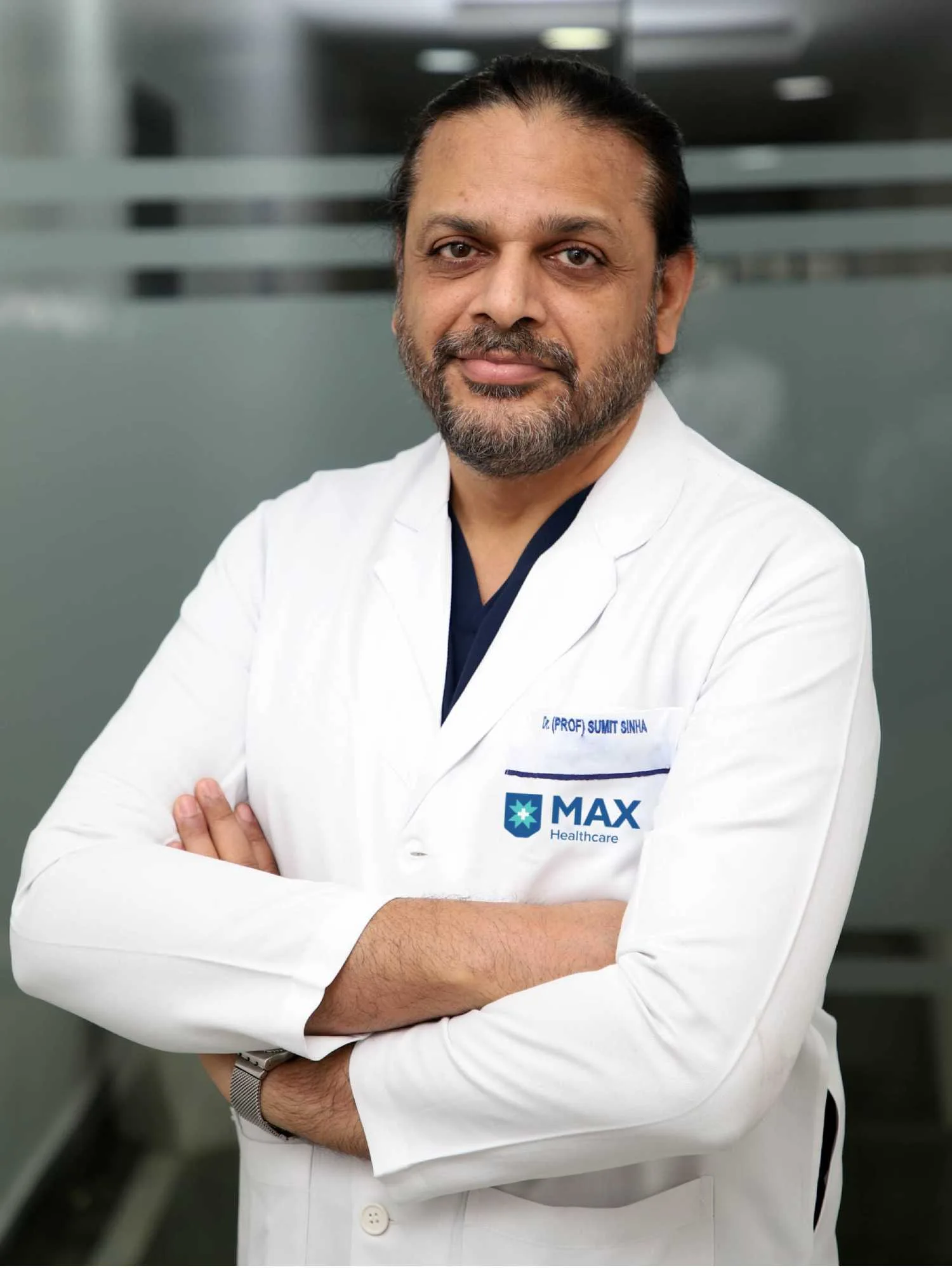
Dr. (Prof.) Sumiet Snha is Principal Director - Neurosurgery & Spine Surgery at Max Super Speciality Hospital, Dwarka, New Delhi, and a former Professor of Neurosurgery at AIIMS, New Delhi. With more than 25 years of experience and an MCh in Neurosurgery from AIIMS, he treats disorders of the spinal column, spinal cord and nerve roots - from a simple slipped disc to spinal tumours, fractures and craniovertebral junction anomalies. He is also AO Spine International teaching faculty, reflecting a long commitment to training other spine surgeons.
Below you will find an explanation of the different kinds of spine specialists, a guide to which one suits which problem, the step-wise pathway that good spine care follows, and the tests that are commonly used to reach a diagnosis. The aim is to help you make an informed decision - whether or not you eventually consult Dr. Snha.
A spine specialist is a doctor or therapist whose practice is focused on the structures of the back and neck: the 33 vertebrae, the intervertebral discs between them, the facet joints, ligaments and muscles, and - most importantly - the spinal cord and nerve roots that run through the spinal canal. Their job begins with working out where the pain is actually coming from. Back pain can arise from a strained muscle, a worn facet joint, a bulging disc pressing on a nerve, a narrowed canal, a fracture, an infection or, rarely, a tumour. Each needs a different plan.
A good spine specialist therefore spends more time listening and examining than prescribing. The pattern of pain, the presence of numbness or weakness, the reflexes and the way you walk often point to the diagnosis before any scan is done. Imaging is then used to confirm the suspicion, not to replace clinical judgement. Many MRI findings, such as mild disc bulges, are common in people with no pain at all, so reports must always be read in the context of your symptoms.
The core responsibilities
- Accurate diagnosis - identifying the pain generator and ruling out serious causes such as infection, tumour or cord compression.
- Choosing the least invasive effective treatment - most patients never need surgery.
- Timing - recognising when waiting is safe and when delay risks permanent nerve damage.
- Coordinating care - working with physiotherapists, pain physicians, endocrinologists and rehabilitation teams.
- Long-term prevention - posture, strengthening, bone health and weight management advice.
In India, four kinds of professionals are commonly described as spine specialists. Each has different training and a different role. Understanding these differences prevents two common problems: patients undergoing surgery they did not need, and patients spending months on therapy when a nerve is being steadily damaged. In a well-run spine service, these specialists work as one team rather than as competitors.
Neurosurgeon with spine specialisation
A neurosurgeon completes MBBS, a postgraduate surgical degree, and then a three-year MCh or DNB in neurosurgery, which covers the brain, spinal cord and peripheral nerves. Spine surgery forms a large part of modern neurosurgical practice. Because neurosurgeons are trained to operate around delicate neural tissue under the microscope and endoscope, they are especially well placed to handle spinal cord compression, intradural tumours, craniovertebral junction problems, syringomyelia and complex nerve root disease. Dr. Snha belongs to this group.
Orthopaedic spine surgeon
An orthopaedic spine surgeon trains in bones and joints (MS or DNB Orthopaedics) and then undertakes fellowship training in spine surgery. Their strengths often lie in spinal deformity such as scoliosis, fractures, alignment correction and instrumentation. For common degenerative problems - slipped disc, stenosis, spondylolisthesis - both neurosurgical and orthopaedic spine surgeons perform the same operations, and results depend far more on individual experience than on the name of the parent specialty.
Pain medicine specialist
Pain physicians usually come from anaesthesiology and have additional training in interventional pain management. They perform image-guided procedures such as epidural steroid injections, selective nerve root blocks, facet joint injections and radiofrequency ablation. They are extremely useful when pain persists despite medicines and physiotherapy, but they do not perform decompression or fusion. A good pain specialist will refer you on if imaging shows significant compression.
Physiotherapist
A qualified physiotherapist (BPT or MPT) is often the most important member of the team for long-term recovery. They assess movement, posture and muscle imbalance, and design exercise programmes to stabilise the spine, relieve pain and prevent recurrence. Physiotherapists do not prescribe medicines or order scans, and anyone with progressive weakness should be assessed by a doctor before continuing therapy.
The table below is a practical starting guide. It is not a substitute for medical advice, and many patients move between specialists as their condition evolves. If you are unsure, starting with a spine surgeon who also believes in conservative care is sensible, because they can rule out serious causes and direct you appropriately.
| Your problem | Sensible first specialist | When to escalate |
|---|---|---|
| Recent back or neck strain, no leg or arm symptoms | Family physician, then physiotherapist | Pain beyond 6 weeks or new symptoms |
| Sciatica or arm pain from a suspected slipped disc | Spine surgeon (neuro or ortho) | Weakness, numbness spreading, bladder change |
| Persistent pain despite therapy, MRI without major compression | Pain medicine specialist | Failure of targeted injections |
| Hand clumsiness, unsteady walking, electric shocks down the spine | Neurosurgeon - urgently | Possible spinal cord compression; do not delay |
| Spinal tumour, cyst or syrinx on MRI | Neurosurgeon | Needs specialist planning |
| Scoliosis or visible deformity | Spine surgeon with deformity experience | Curve progression or pain |
| Fracture after a fall or accident | Emergency department, then spine surgeon | Any neurological deficit |
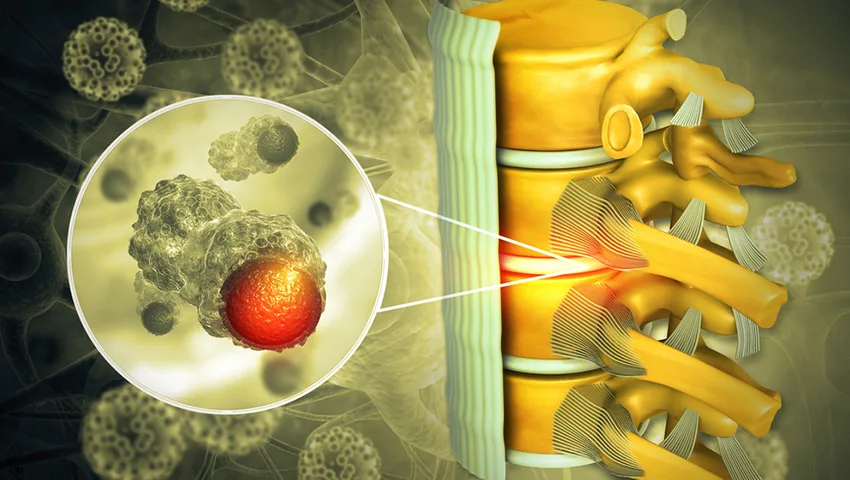
| Back pain with fever, weight loss or night pain | Spine surgeon promptly | Rule out infection such as spinal tuberculosis or tumour |
A simple rule of thumb
Pain alone can usually be managed conservatively for a while. Pain with neurological signs - weakness, numbness, clumsiness or bladder and bowel change - needs a surgeon's opinion without delay.
Get an expert opinion before you decide
Share your MRI / CT reports on WhatsApp for a preliminary opinion, or book an in-person / video consultation.
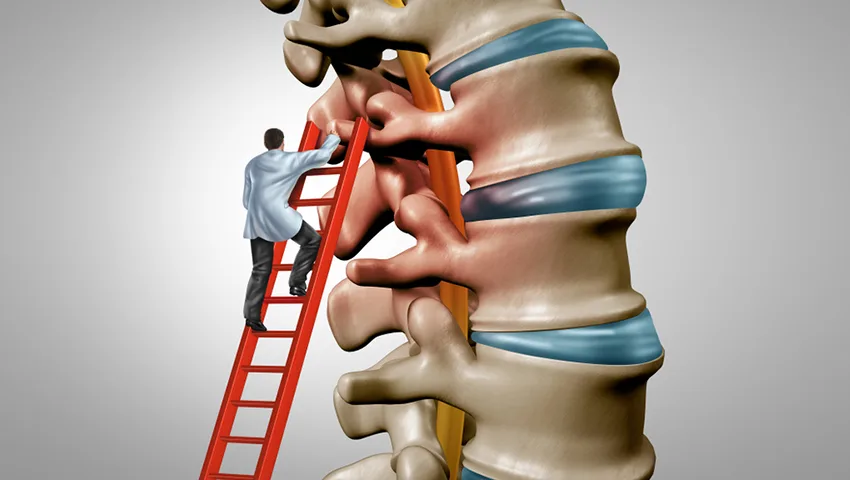
Responsible spine care follows a ladder. Each patient starts on the lowest rung that is safe for them and moves up only if the previous step has not achieved enough, or if the condition itself demands it. This approach protects patients from unnecessary procedures while ensuring that those who genuinely need surgery receive it at the right time. Dr. Snha follows this pathway in his practice, and he is equally comfortable advising a patient to continue exercises as he is performing a complex operation.
Step 1: Conservative care
For most back and neck problems, the first six to twelve weeks focus on conservative treatment. This includes short-term pain relief with carefully chosen medicines, advice to remain gently active rather than resting in bed, a structured physiotherapy programme, and correction of work and sleep posture. Heat, cold and simple nerve-pain medicines may help. Many disc herniations shrink naturally over this period as the body reabsorbs the displaced material, and symptoms settle without any procedure.
Step 2: Targeted injections
If pain continues to limit life despite a proper trial of conservative care, image-guided injections may be offered. A selective nerve root block or transforaminal epidural injection delivers anti-inflammatory medicine precisely around an irritated nerve. Facet joint injections and radiofrequency ablation can help pain arising from arthritic joints. Injections do not remove the underlying cause, but they can calm inflammation enough for physiotherapy to succeed, and they also help confirm which level is responsible for the pain.
Step 3: Minimally invasive and endoscopic surgery
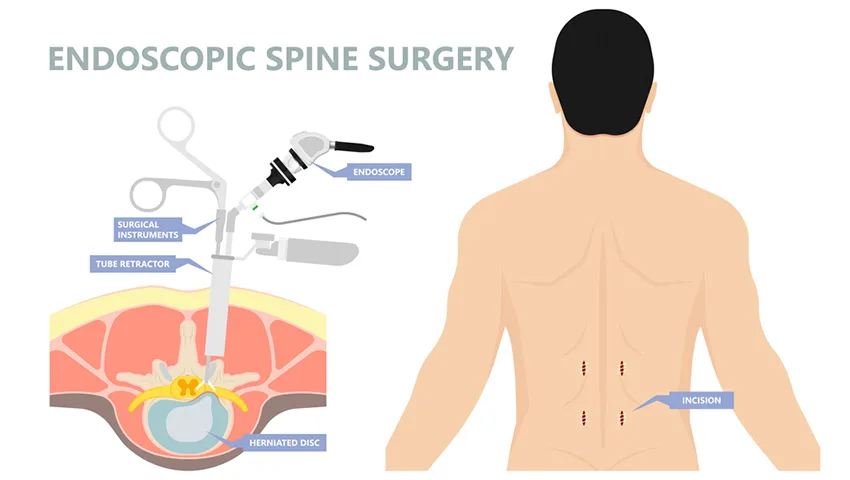
When there is clear nerve compression that has not responded, or when neurological deficit is developing, surgery is considered. Wherever it is suitable, Dr. Snha prefers minimally invasive options. In endoscopic spine surgery, a camera and fine instruments pass through an incision of around 8-10 mm to remove a disc fragment or bony overgrowth while preserving muscles and stability. Endoscopic decompression for stenosis follows the same principle. Benefits typically include less blood loss, less post-operative pain and a quicker return to normal activities.
Step 4: Open or reconstructive surgery
Some conditions require a larger operation: significant instability or slippage of vertebrae, multilevel cord compression, deformity, fractures, infections that have destroyed bone, and many tumours. These may need decompression combined with fixation using screws and rods (fusion), or reconstruction of the vertebral column. Even here, modern techniques such as navigation, neuromonitoring and percutaneous screws have made surgery safer. For carefully selected patients, specialised options such as spinal cord stimulation may be discussed for chronic nerve pain.
When steps must be skipped
The ladder does not apply to emergencies. Sudden leg weakness, numbness in the saddle area, or loss of bladder or bowel control can indicate cauda equina syndrome, and rapid hand clumsiness with unsteady gait can mean cord compression. These need urgent surgical assessment, often the same day.
How progress is judged
At every stage, progress is measured by function, not by scans alone: how far you can walk, whether you sleep through the night, whether you can sit at work, and whether strength and sensation are returning. A follow-up MRI is not always needed if you are clearly improving. Conversely, persisting weakness warrants re-evaluation even if pain has eased, because pain relief can sometimes mask a nerve that is still under pressure.
Spine investigations are tools to answer specific questions, and a thoughtful specialist orders only those that will change your management. Unnecessary scans add cost and can cause anxiety over incidental findings. Below are the tests most commonly used, with an explanation of what each one shows and when it is useful. Bringing previous scans to your consultation often avoids repeating them.
X-rays, including flexion-extension views
Plain X-rays show bone alignment, disc space height, fractures and degenerative changes. Standing images taken while bending forward and backward (dynamic views) reveal whether one vertebra slips abnormally on another, a condition called instability or spondylolisthesis. Full-length standing X-rays are used to measure scoliosis and overall spinal balance. X-rays do not show discs or nerves directly, so they are often combined with MRI.
MRI (Magnetic Resonance Imaging)
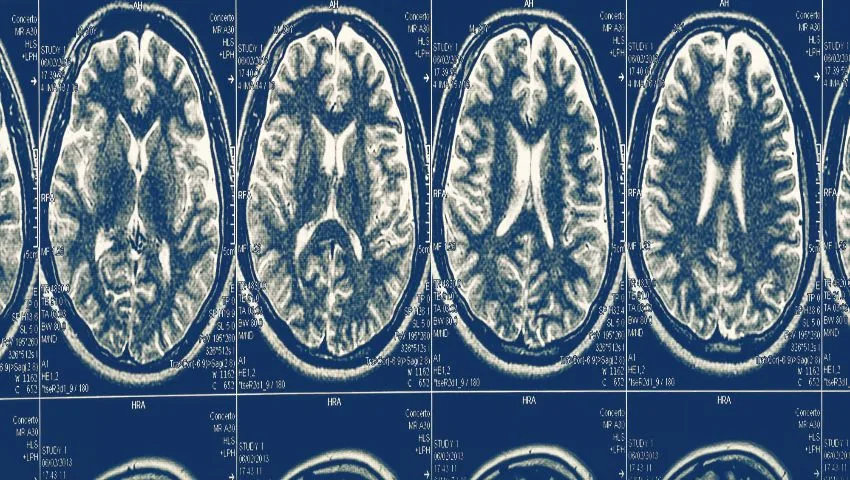
MRI is the principal test for most spine problems. It displays discs, the spinal cord, nerve roots, ligaments and bone marrow without radiation. It identifies disc herniation, canal narrowing, cord signal change, infections, tumours and cysts. Contrast (gadolinium) is added when infection, tumour or previous surgery is being evaluated. Patients with pacemakers or certain implants may need special precautions, so always inform the team beforehand.
CT scan
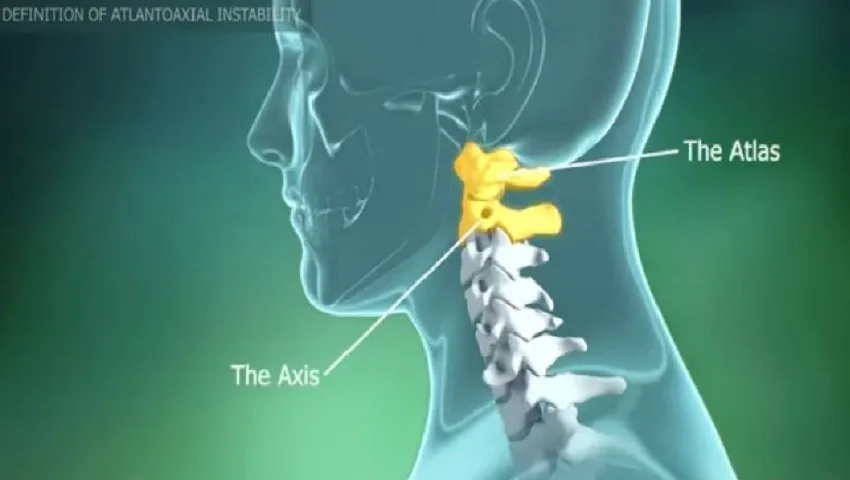
Computed tomography gives the most detailed images of bone. It is invaluable after trauma to assess spinal fractures, for planning screw placement, for evaluating the craniovertebral junction in atlanto-axial dislocation, and for detecting calcified ligaments such as OPLL in the neck. A CT myelogram, in which dye is injected into the spinal fluid, is occasionally used when MRI cannot be performed.
NCV and EMG (nerve conduction and electromyography)
These electrical tests measure how well nerves transmit signals and how muscles respond. They help to distinguish a pinched nerve root in the spine from a problem further out in the limb, such as carpal tunnel syndrome, ulnar neuropathy or diabetic neuropathy, which can produce similar tingling and weakness. They are also valuable in assessing peripheral nerve injuries and in tracking nerve recovery over time.
DEXA scan (bone density)
A DEXA scan measures bone mineral density and diagnoses osteoporosis. It is important in older adults, post-menopausal women and anyone on long-term steroids who presents with back pain, because fragile vertebrae can collapse after trivial strain. It also influences surgical planning, since weak bone may need modified fixation techniques, and it guides medical treatment to prevent further fractures.
Blood tests and other investigations
When infection, inflammatory arthritis or malignancy is suspected, blood tests such as ESR, CRP, blood counts and specific markers are helpful. A biopsy under CT guidance may be needed to confirm tuberculosis or a tumour before treatment begins. Occasionally, diagnostic nerve blocks are used as a test in themselves to pinpoint the painful level.
| Test | Best at showing | Radiation |
|---|---|---|
| X-ray | Alignment, instability, fractures | Low |
| MRI | Discs, nerves, cord, soft tissue | None |
| CT | Detailed bone anatomy | Moderate |
| NCV/EMG | Nerve and muscle function | None |
| DEXA | Bone density | Very low |
Because he trained and taught at AIIMS, one of India's busiest referral centres, Dr. Snha's spine practice covers routine as well as rare and complex conditions. Many patients reach him after treatment elsewhere has not helped or when a condition involves the spinal cord itself. The range includes:
Degenerative disease
Lumbar and cervical disc herniation, lumbar canal stenosis, cervical spondylotic myelopathy, spondylolisthesis and facet arthropathy.
Spinal tumours
Intradural and extradural tumours, nerve sheath tumours and meningiomas, including minimally invasive tumour removal and nerve sheath tumour surgery.
Trauma
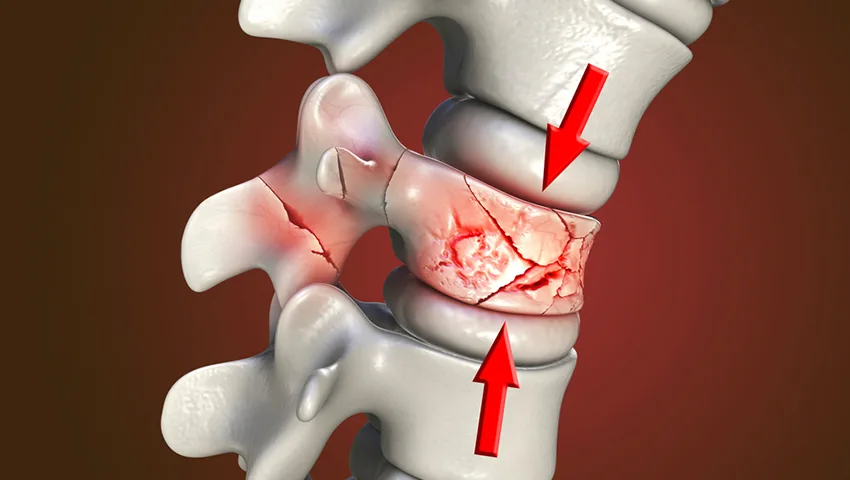
Spinal fractures, spinal cord injury and, where relevant, nerve transfers after spinal cord injury.
Infection
Tuberculosis of the spine and other spinal infections requiring biopsy, drainage or stabilisation.
Craniovertebral junction
Atlanto-axial dislocation, basilar invagination and Chiari malformation.
Spasticity and chronic pain
Spasticity treatment and neuromodulation for selected patients with persistent pain.
Conditions & Treatments

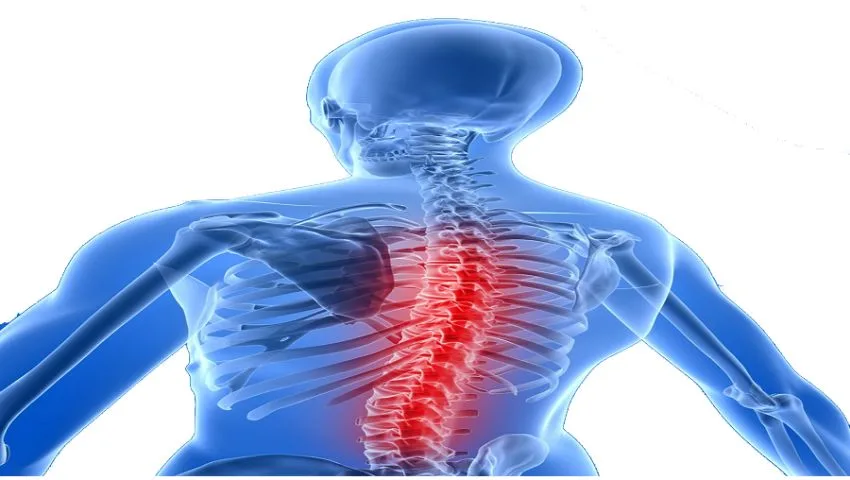
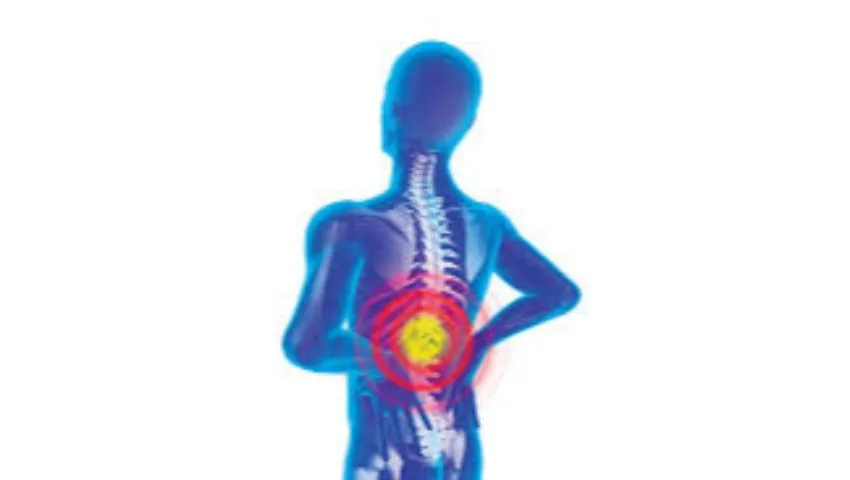
Most back pain is mechanical and benign, but a small proportion signals a condition that should not wait for a routine appointment. Knowing these warning signs allows you to seek help at the right time. If any of the following apply, contact a spine surgeon or visit an emergency department rather than continuing home treatment:
- Numbness around the genitals or buttocks, or new difficulty passing or controlling urine or stool.
- Weakness in a leg or foot that is getting worse, such as foot drop or tripping.
- Clumsy hands, dropping objects, difficulty with buttons, or a new unsteady, wide-based walk.
- Back pain with fever, unexplained weight loss or night sweats.
- Severe pain that is worse at night and not relieved by lying down.
- Pain following a significant fall or accident, or after a minor fall in someone with osteoporosis.
- A past history of cancer with new spinal pain.
Patients from many Indian states and neighbouring countries travel to Delhi for spine treatment. Max Super Speciality Hospital, Dwarka, is well suited to this, being close to the IGI Airport and connected by the Blue Line metro. A practical sequence is to share your MRI and reports first by WhatsApp or email, have a video consultation if needed, and then plan travel only when an in-person assessment or procedure is clearly indicated. This reduces unnecessary journeys and lets you arrive with investigations planned.
When you arrive, it helps to bring every previous scan with images, operative notes if you have had spine surgery before, a list of current medicines (especially blood thinners and diabetes medication), and a family member who can help with discussions and recovery. For those who have been advised surgery elsewhere, a second opinion is always welcome; Dr. Snha believes that an informed patient who understands the reasons for, and alternatives to, an operation is better placed to recover well.
A teaching surgeon's perspective
As AO Spine International faculty and the founder faculty in-charge of the cadaver training and research facility at AIIMS, Dr. Snha has spent years teaching spine anatomy and surgical technique to other surgeons. This academic background shapes his clinical approach: careful explanation, evidence-based decisions and a willingness to recommend the simplest effective treatment. You can see patients speaking about their experiences on the videos and testimonials page, and further reading is available on the blog.
Not sure whether you need surgery?
Many patients improve without an operation. Get a clear, honest plan from Dr. (Prof.) Sumiet Snha.
A consultation is a two-way conversation. Patients who come prepared with questions tend to understand their condition better and make decisions they are comfortable with. Whether you see Dr. Snha or another doctor, the following questions help you judge whether the advice you receive is thorough and balanced. Writing them down beforehand, and noting the answers, is especially useful when a family member will be involved in decisions later.
- What exactly is causing my symptoms, and how sure are you of the diagnosis?
- What happens if I wait and continue non-surgical treatment for a few more weeks?
- Which non-surgical options have not yet been tried in my case?
- If surgery is advised, is a minimally invasive or endoscopic approach suitable for me, and if not, why?
- What are the realistic chances of improvement in pain, numbness and weakness separately?
- What are the specific risks for someone of my age and health?
- How long will I stay in hospital, and when can I return to work, driving and exercise?
- What rehabilitation will I need afterwards?
A specialist who welcomes these questions, explains the answers in plain language and is open about uncertainty is generally one you can trust. Be cautious of any promise of guaranteed results, and of pressure to decide on major surgery at the first visit when there is no emergency.
Whether your symptoms settled with physiotherapy or after an operation, the spine that caused the problem still needs care. Discs and joints continue to age, and the habits that contributed to the first episode can bring on the next. Long-term spine health rests on a few consistent measures rather than expensive gadgets or supplements.
Everyday habits that make a difference
- Core and hip strengthening - a short daily routine taught by your physiotherapist supports the lumbar spine far better than a belt.
- Regular walking - one of the simplest and most effective activities for disc and joint health.
- Healthy body weight - reduces load on the lower back and knees.
- Stopping smoking - smoking impairs disc nutrition and bone healing.
- Bone health - adequate calcium, vitamin D, sunlight and, where needed, osteoporosis treatment.
- Safe lifting - bending the knees, keeping loads close and avoiding twisting while lifting.
Follow-up visits allow your specialist to check that strength has returned and to adjust your exercise plan. If new symptoms appear years later, an early review is always better than waiting until they become severe.
Credentials & Leadership Roles
Dr. (Prof.) Sumiet Snha — Minimally Invasive & Endoscopic Neurosurgeon, Spine Surgeon and Peripheral Nerve Surgeon
Awards & Recognition

Felicitated by the Union Health Minister
Swasthya Hindustan Conclave, Zee Hindustan
Honoured by Dr. J.P. Nadda, Union Minister of Health & Family Welfare, for exceptional contribution to neurosurgery and spine surgery. Awards were adjudged by a specialised panel on contributions, success rates and patient outcomes.
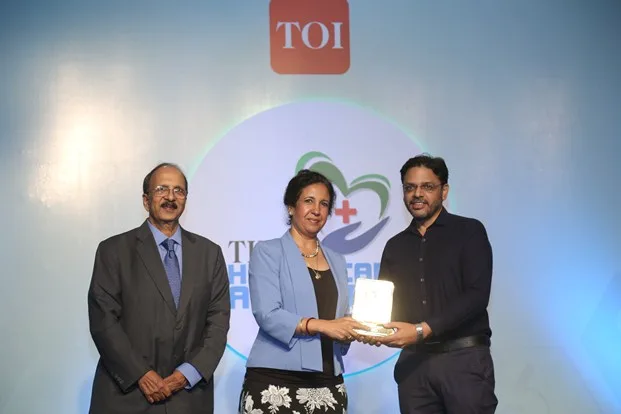
Young Neurosurgeon Award
Times of India Achievers Award
Awarded the Young Neurosurgeon Award by a jury of nationally and internationally reputed doctors.

Young Neurosurgeon Award
9th International Conference on Cerebrovascular Surgery, Nagoya, Japan
Selected for the Young Neurosurgeon Award to attend the international conference on cerebrovascular surgery in Nagoya, Japan.
Fellow of the American College of Surgeons (FACS)
American College of Surgeons
Conferred the FACS fellowship - a globally recognised mark of surgical excellence, ethics and quality patient care.
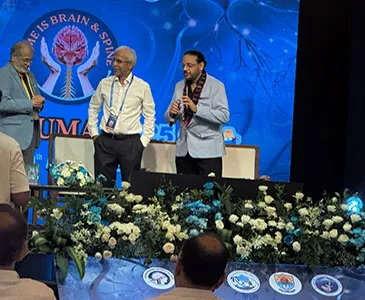
President, Neurotrauma Society of India
33rd Annual Meeting of the Neurotrauma Society of India, Goa
Took over as President of the Neurotrauma Society of India; earlier served as its Secretary.
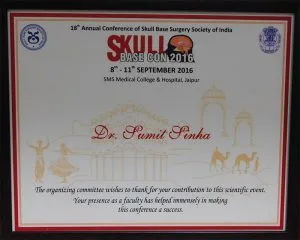
Faculty - Skull Base Surgery Conference
18th Annual Conference of Skull Base Surgery Society of India (Skull Base Con 2016)
Invited faculty for the national skull base surgery conference held at SMS Medical College, Jaipur.
What Patients Say
Congratulations is a small word to wish for Dr. Sumiet Snha for all the hard work you have put into coming so far in life. Your commitment towards become the best neurosurgeon in Delhi & your patients has been always of highest levels. Wish that no height be…
Dr Sumiet Snha for me has been a blessing in-disguise. He explained to me the medical condition in detail along with the treatment options I had. He gave me the right advice and it is because of him today that my slip disc has recovered. He is one of the Top…
My experience with Dr Sumiet Snha has been very pleasant. I have known him for many years and trust him completely. I would highly recommend him for any brain or back problem you may be facing. He always gives the best advice and the right treatment plan for…
Frequently Asked Questions
Both can be excellent spine surgeons; what matters most is the individual surgeon's dedicated spine training and experience. Neurosurgeons bring particular expertise in the spinal cord and nerves, which is valuable in conditions such as cord compression, spinal tumours, craniovertebral junction anomalies and nerve injuries. Orthopaedic spine surgeons have particular depth in bone, alignment and deformity. For common problems such as slipped disc or stenosis, choose a surgeon who performs a high volume of spine procedures and explains your options openly.
No formal referral is required. You can book an appointment directly with Dr. Snha at Max Super Speciality Hospital, Dwarka. It helps, however, to bring any letters from your family physician, as well as your existing scans and reports, so that your previous treatment is taken into account.
No. The large majority of people with back or neck pain improve with conservative treatment - activity modification, medicines, physiotherapy and posture correction. Surgery is considered only when there is progressive weakness, loss of bladder or bowel control, spinal instability, a tumour or infection, or when pain continues to limit life despite a proper trial of non-surgical care.
Not necessarily. For a new episode of back pain without warning signs, an MRI in the first few weeks rarely changes treatment. If you have leg or arm pain with numbness or weakness, or symptoms lasting more than six weeks, an MRI is usually useful. If you already have one, bring the actual images on CD or a digital link, not just the report.
Yes. You can WhatsApp your MRI and reports to +91-8448877746 for a preliminary opinion, or book a video consultation. This helps you decide whether travel is needed. A definitive surgical decision, however, usually requires an in-person examination.
A slipped (herniated) disc is a structural problem in which part of the disc's soft centre pushes out and may press on a nerve root. Sciatica is the symptom - pain radiating from the buttock down the back of the leg - that results when a lumbar nerve root is irritated. A slipped disc is the commonest cause of sciatica, but not the only one; stenosis and other conditions can produce it too.
It depends on the procedure and on your general health. After an endoscopic discectomy many patients walk the same day and go home within a day or so, returning to desk work in two to three weeks. Fusion or tumour surgery requires a longer recovery. Dr. Snha will give you a realistic timeline for your specific operation.
Yes. His practice includes paediatric spinal conditions and congenital anomalies as well as degenerative disease, osteoporotic fractures and stenosis in older adults. Minimally invasive techniques have made surgery a realistic option for many elderly patients who were once considered unsuitable.
Book a Consultation With a Spine Specialist
If back or neck pain is limiting your life, or you have been advised surgery and want a considered second opinion, you can book an appointment with Dr. (Prof.) Sumiet Snha at Max Super Speciality Hospital, Plot No. 1, Sector-10, Dwarka, New Delhi. OPD runs Monday to Saturday. Call +91-8448877746, email sumitneuro@gmail.com, or WhatsApp your reports for a preliminary opinion. Video consultations are available for patients elsewhere in India and abroad. You can also read more about Dr. Snha or visit the contact page for directions.
- Max Super Speciality Hospital, Plot No. 1, Sector-10, Dwarka, New Delhi - 110075
- +91-8448877746
- sumitneuro@gmail.com