Mon - Sat : 9:00 AM - 6:00 PM
- +91-8448877746
- sumitneuro@gmail.com
Top Neurosurgeon in India - Dr. (Prof.) Sumiet Snha
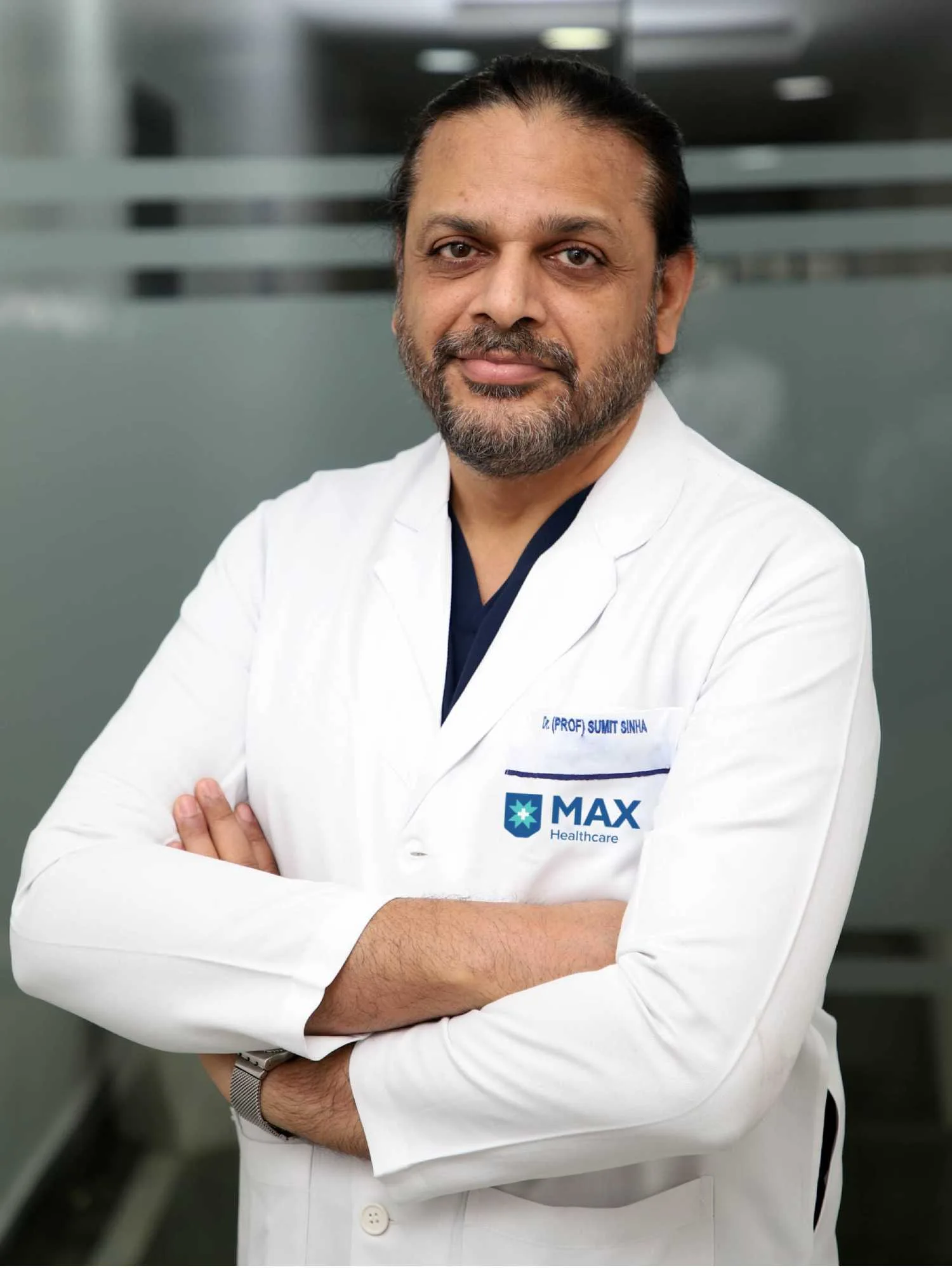
Dr. (Prof.) Sumiet Snha is an AIIMS-trained neurosurgeon and former AIIMS Professor with 25+ years of experience in brain, spine and peripheral nerve surgery, practising at Max Hospital, Dwarka, New Delhi.
- Vice Chairman, Robotics, Neurosurgery & Spine Services, Max Hospital
- Ex-Professor, JPNA Trauma Center & AIIMS, New Delhi
- MS, DNB, MCh, FACS
- Hon'y President NTSI · President ISPNS
- Keyhole & endoscopic brain and spine surgery
- Honest advice — surgery only when needed
When a patient in India is told they need brain or spine surgery, one question dominates every other: who is the right surgeon for me? Families search online for the "top neurosurgeon in India", ask relatives and colleagues for recommendations, and try to compare hospitals and doctors from a distance. It is one of the most important decisions they will ever make, and it deserves careful thought. Neurosurgery is a field where experience, judgement and technical skill directly influence outcomes - and where the right surgeon will also be honest when surgery is not needed at all.
Dr. (Prof.) Sumiet Snha (also known as Dr. Sumit Sinha) is widely regarded as one of India's most experienced minimally invasive and endoscopic neurosurgeons. Trained at the All India Institute of Medical Sciences (AIIMS), New Delhi - the country's apex medical institution - he later served there as Professor of Neurosurgery for many years before taking up his current role as Principal Director - Neurosurgery & Spine Surgery at Max Super Speciality Hospital, Dwarka, New Delhi. With more than 25 years in the specialty, he has performed thousands of complex brain, spine and peripheral nerve operations and has trained a generation of young neurosurgeons. This page introduces his background, expertise and approach, and explains what patients can expect when they consult him.
Dr. Snha completed his MBBS and MS (General Surgery), obtained the Diplomate of National Board (DNB), and then trained in neurosurgery at AIIMS, New Delhi, earning his MCh in Neurosurgery. Immediately after completing his degree at this apex institute, he was appointed to its faculty in 2005 - a recognition of his skill and potential. Over the following years he rose to the position of Professor, teaching and operating at AIIMS and its JPNA Apex Trauma Centre, one of the busiest trauma centres in Asia.
His quest for excellence took him abroad to work alongside world-renowned neurosurgeons, including Prof. Hiroshi Sano in Japan (a pioneer of cerebrovascular surgery), Prof. Louis Vialle in Brazil (a leading spine surgeon) and Prof. B. Meyer in Germany (a leader in spine and neurosurgery). This international exposure, combined with the enormous clinical volume at AIIMS, shaped a surgeon comfortable with the full breadth of neurosurgery - from delicate brain aneurysm and tumour surgery to complex spine reconstruction and microsurgical nerve repair. He has also been conferred the Fellowship of the American College of Surgeons (FACS), a globally recognised mark of surgical excellence and ethical practice.
Qualifications
MBBS, MS, DNB, MCh (Neurosurgery, AIIMS New Delhi), FACS.
Current role
Principal Director - Neurosurgery & Spine Surgery, Max Super Speciality Hospital, Dwarka, New Delhi.
Academic background
Former Professor, Department of Neurosurgery, AIIMS, New Delhi; former Director of Neurosurgery at Paras Health, Gurugram.
Leadership
President, Neurotrauma Society of India; Founder Secretary, Indian Society of Peripheral Nerve Surgery.
Teaching
Certified teaching faculty for AO Spine International and certified ATLS faculty; founder faculty in-charge of the cadaver training and research facility at AIIMS.
National contribution
Member of the core committee that formulated national guidelines for traumatic brain injury.
- Felicitated by Dr. J.P. Nadda, Union Minister of Health and Family Welfare, at the Swasthya Hindustan Conclave organised by Zee Hindustan, for exceptional contribution to neurosurgery and spine surgery.
- Young Neurosurgeon Award at the Times of India Achievers Award 2017, adjudged by a jury of eminent doctors.
- Young Neurosurgeon Award to attend the 9th International Conference on Cerebrovascular Surgery, Nagoya, Japan.
- Invited faculty at national and international conferences, including skull base surgery and peripheral nerve surgery meetings.
Few neurosurgeons work with equal depth across brain, spine and peripheral nerve surgery. Dr. Snha's practice spans all three, allowing patients with complex or overlapping problems to be treated under one expert.
Brain surgery
- Endoscopic and keyhole brain tumor surgery, including pituitary and skull base tumors removed through the nose.
- Acoustic neuroma and cerebellopontine angle tumors with facial nerve preservation.
- Vascular neurosurgery - complex arteriovenous malformations and aneurysms.
- Cerebral bypass surgery for moyamoya disease and complex aneurysms.
- Epilepsy surgery for drug-resistant seizures.
- Endoscopic treatment of hydrocephalus (ETV) and shunt surgery.
- Microvascular decompression for trigeminal neuralgia and hemifacial spasm.
- Paediatric neurosurgery for children of all ages.
Spine surgery
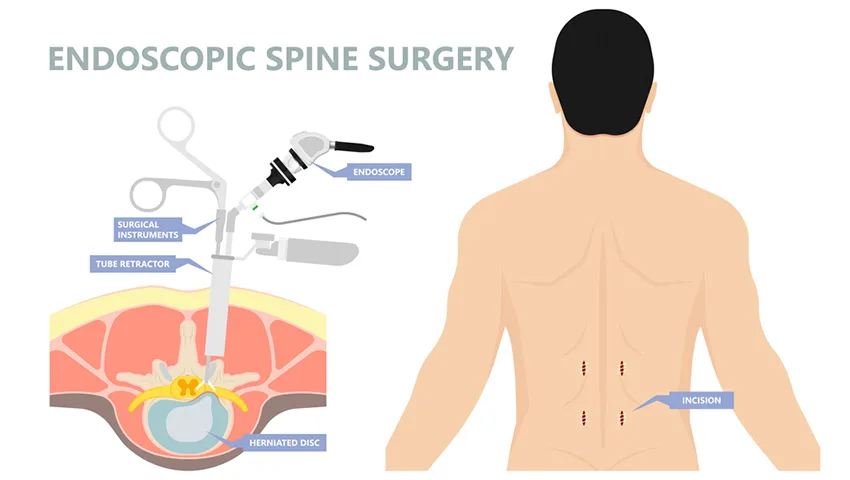
- Endoscopic spine surgery for slip disc and sciatica through incisions under one centimetre.
- Endoscopic decompression for spinal stenosis in the neck and lower back.
- Spinal tumor surgery, including complex en-bloc resections.
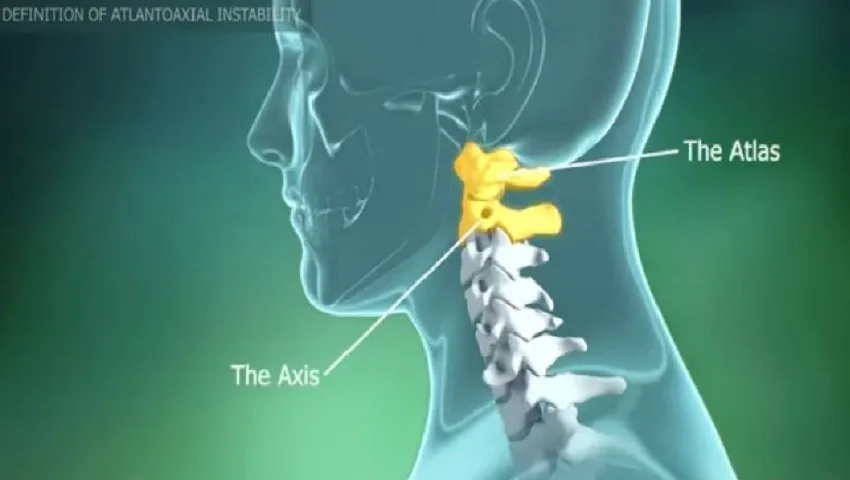
- Craniovertebral junction surgery for atlanto-axial dislocation and basilar invagination.
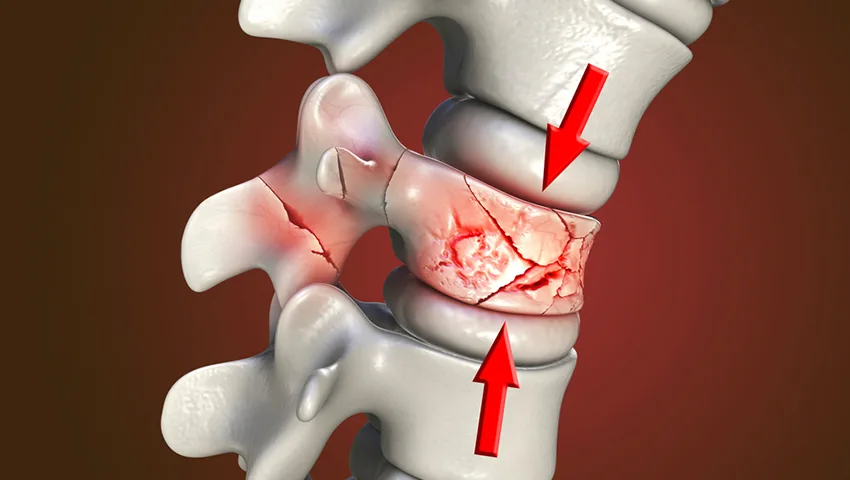
- Spinal fracture care - kyphoplasty, minimally invasive fixation and reconstruction.
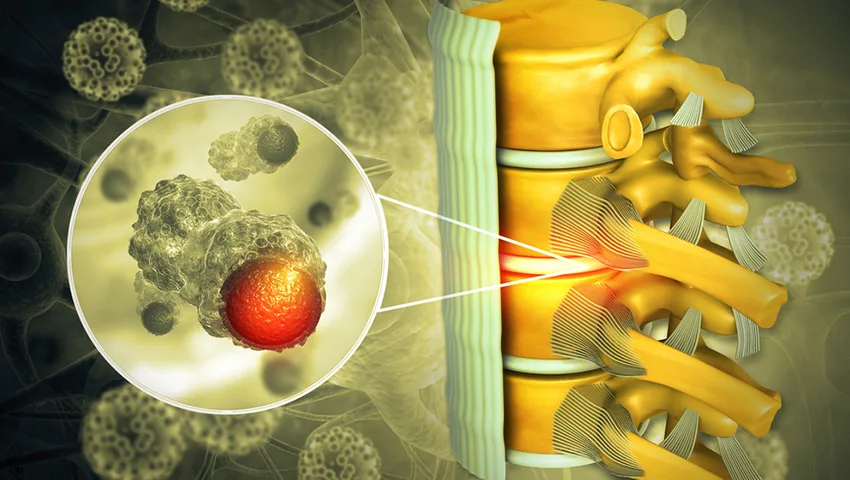
- Spinal tuberculosis - decompression, stabilisation and deformity correction.
- Spinal cord stimulation for chronic neuropathic pain.
Peripheral nerve surgery
- Brachial plexus injuries - nerve grafts, nerve transfers and DREZ for pain; more than 250 complex cases.
- Peripheral nerve injuries and entrapment syndromes.
- Nerve tumors and nerve sheath tumors.
- Spasticity surgery - selective neurotomy and nerve root sectioning.
- Nerve transfers after spinal cord injury to restore hand function.
At the heart of Dr. Snha's practice is a commitment to achieving the best possible result with the least possible disruption to the patient's body. Keyhole and endoscopic techniques allow him to reach deep-seated problems through small openings, sparing healthy muscle, bone and brain tissue. For patients, this translates into smaller scars, less pain, lower blood loss, shorter hospital stays and a faster return to family and work. Yet minimally invasive surgery is never pursued for its own sake. Every technique - endoscopic, microscopic, tubular or open - is chosen according to what is safest and most effective for the individual patient. An experienced surgeon's greatest skill often lies in knowing which approach to use, and when.
Many patients who come to see Dr. Snha are relieved to learn that they do not need surgery at all. The majority of people with back pain, neck pain and even many slip discs improve with medicines, physiotherapy, lifestyle changes and time. Some small brain tumors and aneurysms are best observed rather than treated. Dr. Snha believes that a surgeon's first responsibility is an honest assessment - explaining the diagnosis clearly, outlining all the options including non-surgical ones, and recommending surgery only when the expected benefits clearly outweigh the risks. This conservative-first philosophy has earned the trust of patients and referring doctors alike.
Get an expert opinion before you decide
Share your MRI / CT reports on WhatsApp for a preliminary opinion, or book an in-person / video consultation.
Neurosurgery in India has grown remarkably since the specialty's early pioneers established the first departments in the mid-twentieth century. Today, Indian neurosurgical centres - led by institutions such as AIIMS - handle some of the highest case volumes in the world, including conditions that are relatively rare elsewhere, such as craniovertebral junction anomalies and spinal tuberculosis. Indian neurosurgeons have contributed original techniques and research to the global literature, particularly in the fields of craniovertebral junction surgery, neurotrauma and spinal infections.
At the same time, access to advanced neurosurgical care remains uneven across the country. Patients from smaller towns often travel long distances to metropolitan centres for complex procedures. Private hospitals with modern infrastructure - neuro-navigation, intra-operative neuromonitoring, high-definition endoscopes, advanced imaging and dedicated neuro-intensive care units - have expanded the availability of world-class care. Max Super Speciality Hospital, Dwarka, where Dr. Snha practises, is one such facility, accessible from Delhi, Gurugram, the NCR and via Indira Gandhi International Airport for patients from other states and abroad.
A distinctive aspect of Dr. Snha's career is his contribution to neurosurgical education. As the founder faculty in-charge of the cadaver training and research facility at the AIIMS JPNA Trauma Centre, he conceptualised and established a state-of-the-art facility where surgeons can practise complex approaches on cadavers before performing them on patients - a model that improves safety and skill across the specialty. As certified faculty for AO Spine International and ATLS, he teaches spine surgery and trauma management to surgeons and doctors across India and abroad. Young surgeons from across the country and overseas regularly visit to learn brain and spine surgery under his guidance. Surgeons who teach are constantly refining their own understanding - and their patients benefit from that rigour.
Head and spinal injuries are among the leading causes of death and disability in India, largely due to road traffic accidents and falls. Dr. Snha has devoted a significant part of his career to improving neurotrauma care. He has served as Secretary and later as President of the Neurotrauma Society of India, taking over the presidency at the society's 33rd annual meeting in Goa. He was a member of the core committee that formulated national guidelines for the management of traumatic brain injury - guidance that helps hospitals across India deliver consistent, evidence-based care.
In peripheral nerve surgery, he is the Founder Secretary of the Indian Society of Peripheral Nerve Surgery, an organisation dedicated to advancing the treatment of brachial plexus injuries, nerve injuries and nerve tumors - conditions that were long neglected. His personal experience of more than 250 complex nerve reconstructions has made him one of the country's leading authorities in this field.
Many patients reach Dr. Snha after being told elsewhere that their condition is too complex, too risky or untreatable. Examples of the challenging problems he treats include rare spinal tumors requiring en-bloc removal of an entire vertebra, giant or recurrent brain tumors near critical structures, complex arteriovenous malformations, severe craniovertebral junction anomalies, revision spine surgery after previous failed operations, and brachial plexus injuries with root avulsion. In one documented case, he led a multi-specialty team - including surgical oncology, cardiothoracic and urology surgeons - through a 14-hour, two-stage operation to remove a malignant chordoma of the L2 vertebra in one piece; the patient recovered and returned to her normal life pain-free. Such operations require not only technical ability but also meticulous planning, teamwork and the judgement that comes from years of experience.
- Unhurried consultation: a detailed discussion of symptoms, medical history and concerns, followed by a thorough neurological examination.
- Personal review of imaging: MRI and CT scans are reviewed with the patient on screen, explaining what they show in simple language.
- Clear diagnosis and options: every reasonable treatment option is discussed, from medicines and physiotherapy to minimally invasive or open surgery.
- Written plan: patients leave with a clear understanding of the next steps, including further tests if needed.
- Surgery with the latest technology: neuro-navigation, neuromonitoring, high-definition endoscopes and microscopes, and advanced imaging.
- Continuity of care: follow-up visits to monitor recovery and coordinate rehabilitation.
- Remote opinion: patients from other cities and abroad can share reports on WhatsApp or e-mail for a preliminary opinion, and video consultation is available.
Dr. Snha's patients come not only from Delhi and the National Capital Region but from states across India - Uttar Pradesh, Bihar, Haryana, Punjab, Rajasthan, Uttarakhand, Madhya Pradesh, Jammu & Kashmir and the North-East - as well as from neighbouring countries and further afield. For patients travelling from outside Delhi, the team helps with planning: reviewing reports in advance, advising on the likely length of stay, coordinating investigations so that time in the city is used efficiently, and providing guidance on travel and accommodation near the hospital. International patients receive assistance with medical visas and coordination through the hospital's international patient services.
Conditions & Treatments
Back and neck
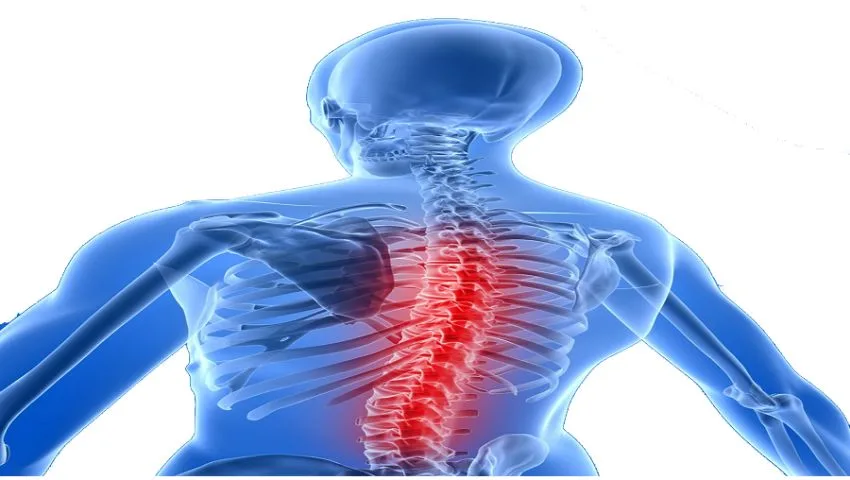
Slip disc, sciatica, cervical radiculopathy, spinal stenosis, spondylolisthesis, spondylosis, degenerative disc disease.
Brain
Brain tumors, pituitary tumors, meningiomas, gliomas, aneurysms, AVMs, hydrocephalus, epilepsy, trigeminal neuralgia.
Trauma
Head injuries, spinal fractures, spinal cord injury, brachial plexus and nerve injuries.
Children
Hydrocephalus, spina bifida, tethered cord, brain tumors, craniosynostosis, birth brachial plexus palsy.
Infections
Spinal tuberculosis, brain abscess, spinal infections.
Nerves and pain
Nerve tumors, entrapment neuropathies, spasticity, chronic neuropathic pain.
Patients treated by Dr. Snha for meningioma, acoustic neuroma, brain tumors and spine conditions have shared their experiences in video testimonials, describing smooth surgery, excellent care and gratitude for their recovery. Written reviews frequently mention his detailed explanations, empathy and honesty. You can watch patient stories on our patient testimonials page.
Choosing a neurosurgeon is a personal decision, and there is no single "best" surgeon for every patient and every condition. However, several factors help families make an informed choice:
- Training and qualifications: look for formal neurosurgical training (MCh or DNB in Neurosurgery) from a recognised institution.
- Experience with your specific condition: ask how often the surgeon treats problems like yours - experience with a particular procedure matters.
- Range of techniques: a surgeon skilled in both minimally invasive and conventional techniques can choose the approach that suits you, rather than fitting you to a single method.
- Hospital infrastructure: neuro-ICU, neuro-navigation, neuromonitoring, advanced imaging and 24-hour emergency support.
- Communication: a good surgeon explains the diagnosis, options, risks and expected recovery clearly and answers questions patiently.
- Honesty about non-surgical options: be cautious if surgery is recommended without discussing alternatives.
- Team and aftercare: rehabilitation, physiotherapy and follow-up are as important as the operation itself.
- Second opinion: for major surgery, seeking a second opinion is entirely reasonable and a confident surgeon will welcome it.
Patients are sometimes unsure whether to consult a neurologist or a neurosurgeon. Both specialists treat diseases of the brain, spinal cord and nerves. Neurologists diagnose and treat these conditions primarily with medicines and other non-surgical therapies - for example, epilepsy, migraine, stroke prevention, Parkinson's disease, neuropathy and multiple sclerosis. Neurosurgeons are trained to evaluate and treat conditions that may require surgery - tumors, bleeding, compression of nerves or the spinal cord, instability, hydrocephalus and certain types of pain or epilepsy. In practice, the two work closely together. A good neurosurgeon also offers non-surgical management where appropriate and refers to neurologists and other specialists when needed, so that each patient receives the right care at the right time.
For a family in Patna, Lucknow, Jaipur, Dehradun, Srinagar or Guwahati, travelling to Delhi for brain or spine surgery is a major undertaking. It involves time away from work, travel costs, accommodation and the stress of being in an unfamiliar city. Much of this burden can be reduced by planning ahead, so that the visit to Delhi is focused and efficient.
- Share reports remotely first: send your MRI or CT images (ideally the full scan, not only the written report), a brief summary of symptoms and any previous discharge summaries by WhatsApp or e-mail to sumitneuro@gmail.com. A preliminary opinion helps decide whether travel is necessary at all.
- Video consultation: where a more detailed discussion is needed, a video consultation allows questions to be answered before anyone books tickets.
- Additional tests: if further investigations are needed, the team advises whether they can be done reliably in your home city or are better done in Delhi.
- Consultation in Dwarka: an in-person examination confirms the diagnosis and treatment plan. Tests and pre-operative assessment are coordinated so that surgery, if needed, can often follow within a short time.
- Admission and surgery: the likely length of stay is explained in advance so that families can plan accommodation and leave from work.
- Discharge and fitness to travel: patients are advised when it is safe to travel home, and by what means, depending on the procedure.
- Follow-up from home: many reviews can take place by video, with local physiotherapy and dressings arranged near home.
Why Dwarka is convenient for travelling patients
Max Super Speciality Hospital, Dwarka, is close to Indira Gandhi International Airport and linked to central Delhi by the Metro Blue Line. Patients arriving by air, rail or road can therefore reach the hospital without crossing the entire city, and families can find accommodation in the surrounding area.
Patients from neighbouring countries and further afield also seek Dr. Snha's opinion, often for complex tumors, spinal deformities, craniovertebral junction problems or nerve injuries. The process for international patients follows the same careful, step-by-step approach, with a few additional considerations.
Before you travel
The first step is a remote review of your scans and medical records. Clear communication at this stage allows the team to give a realistic view of the likely diagnosis, treatment options and approximate length of stay in India. If treatment in Delhi is recommended, the hospital's international patient services can issue the documents needed for a medical visa application and help with coordination. Patients should carry original imaging on disc, all medical reports translated into English where possible, a list of current medicines and details of any allergies.
During your stay
Once in Delhi, the consultation, investigations and any treatment are planned to make efficient use of your time. Families are kept informed at every stage, and questions are answered in plain language. Dr. Snha's experience of teaching surgeons from many countries through AO Spine International and other programmes means he is accustomed to explaining complex problems clearly to people from different backgrounds.
After you return home
Before discharge, patients receive a detailed summary of the diagnosis, the operation performed and the recommended follow-up, which can be shared with their local doctors. Subsequent reviews can often be done by video consultation, with scans performed in the home country and shared electronically.
Not sure whether you need surgery?
Many patients improve without an operation. Get a clear, honest plan from Dr. (Prof.) Sumiet Snha.
Some neurosurgical problems are far more common in India than in many Western countries. A surgeon trained and experienced in the Indian setting sees these conditions frequently and understands both their medical and social dimensions.
Spinal tuberculosis
Tuberculosis can infect the spine, causing back pain, fever, weight loss and, in advanced cases, deformity and weakness of the legs. Most patients recover with a full course of anti-tubercular medicines. Surgery is needed when there is spinal cord compression, instability, significant deformity or doubt about the diagnosis. Early diagnosis, adherence to treatment and timely surgery when indicated can prevent paralysis. More information is available on the tuberculosis of the spine page.
Craniovertebral junction anomalies
Congenital abnormalities where the skull meets the spine - such as atlanto-axial dislocation and basilar invagination - are relatively common in parts of India. They may cause neck pain, weakness, imbalance or breathing difficulty, sometimes after a trivial injury. Surgery at this junction is technically demanding, and AIIMS has been a leading centre in this field, where Dr. Snha gained extensive experience.
Neurotrauma from road accidents
The burden of head injury, spinal cord injury and brachial plexus injury from road accidents is very high in India, particularly among young two-wheeler riders. Beyond emergency care, many of these patients need reconstruction and long-term rehabilitation - areas in which Dr. Snha's work in neurotrauma and peripheral nerve surgery is especially relevant.
Neglected and late-presenting conditions
Because of distance, cost or delayed diagnosis, some patients present with very large tumors, longstanding spinal cord compression or old nerve injuries. Treating such cases requires careful judgement about what can realistically be achieved, and honest discussion with the family.
Well-informed patients make better decisions and feel more confident about their treatment. Whoever you consult, the following questions help ensure you have the information you need. A good surgeon will welcome them.
| Question | Why it matters |
|---|---|
| What exactly is my diagnosis, and what do my scans show? | Understanding the problem is the basis of every decision. |
| What happens if I do not have surgery now? | Some conditions are safely observed; others worsen without treatment. |
| What are the non-surgical options? | Medicines, physiotherapy or injections may be enough for many patients. |
| Which surgical approach do you recommend, and why? | Helps you understand whether a minimally invasive or conventional approach is best in your case. |
| What are the main risks for someone like me? | Risks depend on the procedure, your age and your general health. |
| How long will I stay in hospital, and when can I work or travel? | Essential for planning, especially for patients from other cities. |
| What will rehabilitation involve? | Recovery continues long after discharge. |
| Who do I contact if I have a problem after going home? | A clear point of contact provides reassurance and safety. |
Writing down your questions before the consultation, and bringing a family member to help remember the answers, makes the discussion more productive. If anything remains unclear, it is always reasonable to ask again.
Credentials & Leadership Roles
Dr. (Prof.) Sumiet Snha — Minimally Invasive & Endoscopic Neurosurgeon, Spine Surgeon and Peripheral Nerve Surgeon
Awards & Recognition
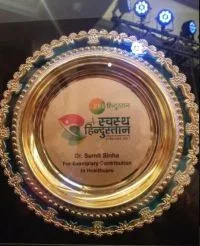
Felicitated by the Union Health Minister
Swasthya Hindustan Conclave, Zee Hindustan
Honoured by Dr. J.P. Nadda, Union Minister of Health & Family Welfare, for exceptional contribution to neurosurgery and spine surgery. Awards were adjudged by a specialised panel on contributions, success rates and patient outcomes.
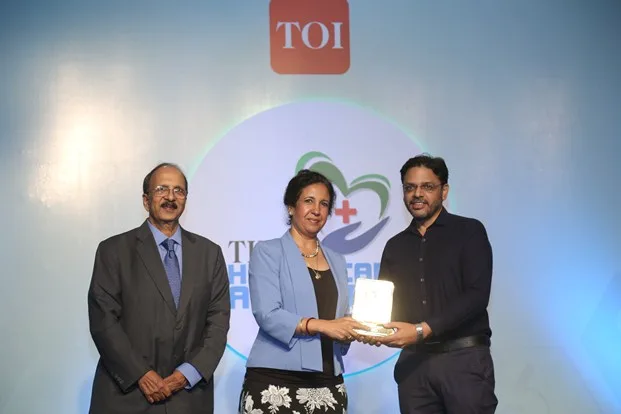
Young Neurosurgeon Award
Times of India Achievers Award
Awarded the Young Neurosurgeon Award by a jury of nationally and internationally reputed doctors.
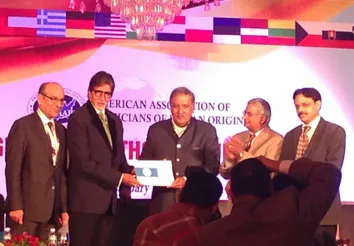
Young Neurosurgeon Award
9th International Conference on Cerebrovascular Surgery, Nagoya, Japan
Selected for the Young Neurosurgeon Award to attend the international conference on cerebrovascular surgery in Nagoya, Japan.
Fellow of the American College of Surgeons (FACS)
American College of Surgeons
Conferred the FACS fellowship - a globally recognised mark of surgical excellence, ethics and quality patient care.
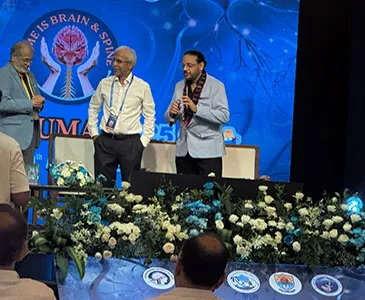
President, Neurotrauma Society of India
33rd Annual Meeting of the Neurotrauma Society of India, Goa
Took over as President of the Neurotrauma Society of India; earlier served as its Secretary.
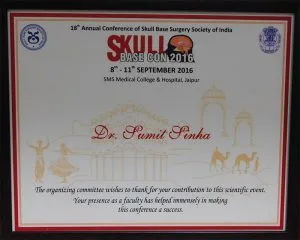
Faculty - Skull Base Surgery Conference
18th Annual Conference of Skull Base Surgery Society of India (Skull Base Con 2016)
Invited faculty for the national skull base surgery conference held at SMS Medical College, Jaipur.
What Patients Say
Congratulations is a small word to wish for Dr. Sumiet Snha for all the hard work you have put into coming so far in life. Your commitment towards become the best neurosurgeon in Delhi & your patients has been always of highest levels. Wish that no height be…
Dr Sumiet Snha for me has been a blessing in-disguise. He explained to me the medical condition in detail along with the treatment options I had. He gave me the right advice and it is because of him today that my slip disc has recovered. He is one of the Top…
My experience with Dr Sumiet Snha has been very pleasant. I have known him for many years and trust him completely. I would highly recommend him for any brain or back problem you may be facing. He always gives the best advice and the right treatment plan for…
Frequently Asked Questions
Dr. (Prof.) Sumiet Snha (Dr. Sumit Sinha) is an AIIMS-trained neurosurgeon and former Professor of Neurosurgery at AIIMS, New Delhi, currently Principal Director - Neurosurgery & Spine Surgery at Max Super Speciality Hospital, Dwarka, with over 25 years of experience.
MBBS, MS, DNB, MCh (Neurosurgery, AIIMS New Delhi) and FACS (Fellow of the American College of Surgeons).
Brain tumors, aneurysms, AVMs, epilepsy, hydrocephalus, slip disc, spinal stenosis, spinal tumors, spinal fractures, spinal TB, craniovertebral junction anomalies, brachial plexus and nerve injuries, nerve tumors, spasticity and chronic nerve pain.
Yes. He is one of the most experienced minimally invasive and endoscopic neurosurgeons in India, performing keyhole and endoscopic brain and spine surgery.
At Max Super Speciality Hospital, Plot No. 1, Sector-10, Dwarka, New Delhi-110075, Monday to Saturday.
Yes. You can share your MRI/CT reports on WhatsApp or e-mail for a preliminary opinion, and video consultations are available.
No. Many patients are treated successfully with medicines and physiotherapy. Surgery is recommended only when it is clearly beneficial.
Book a Consultation
If you or a loved one has a brain, spine or nerve condition, an expert opinion can bring clarity and peace of mind. Book an appointment with Dr. (Prof.) Sumiet Snha at Max Hospital, Dwarka, New Delhi, call the clinic, or send your reports on WhatsApp. Learn more about Dr. Snha or explore his awards and achievements.
- Max Super Speciality Hospital, Plot No. 1, Sector-10, Dwarka, New Delhi - 110075
- +91-8448877746
- sumitneuro@gmail.com