Mon - Sat : 9:00 AM - 6:00 PM
- +91-8448877746
- sumitneuro@gmail.com
Best Spine Specialist in Gurgaon
Spine care for Gurugram's professionals and families - from desk-related neck pain and cervical spondylosis to minimally invasive surgery when truly needed - with Dr. (Prof.) Sumiet Snha at Max Hospital, Dwarka.
- Vice Chairman, Robotics, Neurosurgery & Spine Services, Max Hospital
- Ex-Professor, JPNA Trauma Center & AIIMS, New Delhi
- MS, DNB, MCh, FACS
- Hon'y President NTSI · President ISPNS
- Keyhole & endoscopic brain and spine surgery
- Honest advice — surgery only when needed

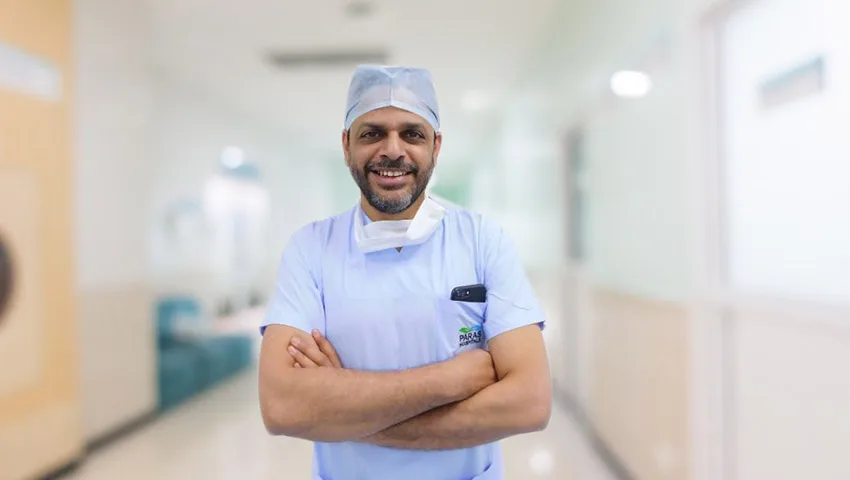
Gurugram's glass towers house hundreds of thousands of people who spend eight, ten or even twelve hours a day in front of a screen. Add a long commute in traffic, evenings on the phone and weekends catching up on sleep, and it is no surprise that neck stiffness, shoulder-blade ache and lower back pain are among the most common complaints heard in the city's clinics. For many, the problem starts as a nagging discomfort that is easy to ignore. For some, it progresses to a trapped nerve, tingling fingers or sciatica that interferes with work and family life.
Dr. (Prof.) Sumiet Snha spent several years as Director of Neurosurgery at Paras Health, Gurugram, treating the city's professionals, their parents and their children. Today he is Principal Director - Neurosurgery & Spine Surgery at Max Super Speciality Hospital, Dwarka, a short drive from much of Gurugram along the Dwarka Expressway. A former Professor of Neurosurgery at AIIMS, New Delhi, with over 25 years of experience, he is known for a measured approach: exhaust sensible non-surgical treatment first, and when surgery is genuinely needed, choose the least invasive technique that will do the job well.
This page focuses on the spine problems most often seen in Gurugram's working population, how to reduce them through better workstation habits, how cervical spondylosis and "text neck" are managed, and how to know when a surgical opinion is the right next step.
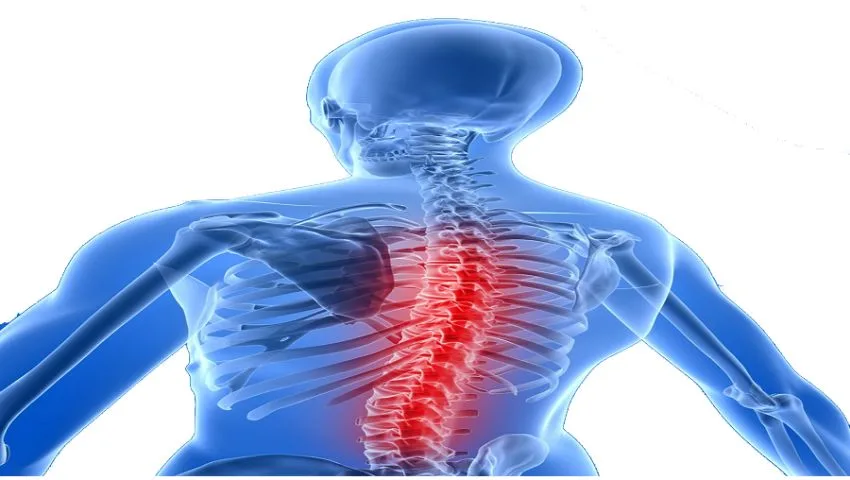
The human spine is designed for movement and variety. Modern office life offers the opposite: prolonged static postures, a head pushed forward towards a screen, rounded shoulders and hips held flexed for hours. Over time this places constant load on the discs and small joints of the neck and lower back, while the muscles meant to support them weaken from disuse. The result is not usually a single injury but gradual overload that eventually shows up as pain.
Contributing factors specific to city life
- Laptop-only working - screens sit too low, forcing the neck to bend forward throughout the day.
- Hybrid work set-ups - dining chairs, sofas and beds used as makeshift offices at home.
- Long commutes - sitting in traffic adds hours of flexed posture and road vibration.
- Back-to-back video calls - fewer natural breaks to stand or walk between meetings.
- Irregular exercise - intense weekend workouts after a sedentary week increase strain.
- Stress and poor sleep - both heighten muscle tension and pain sensitivity.
Young professionals in their late twenties and thirties are increasingly presenting with disc problems that were once seen mainly in older adults. The encouraging news is that most of these problems respond well to early, structured treatment and simple changes in daily habits.
Ergonomics is not about buying an expensive chair; it is about arranging whatever equipment you have so that your spine can stay close to its natural curves with minimal effort. Small adjustments made once can reduce strain every single working day. The principles below apply equally to a corporate office in Cyber City and a spare room at home in a Gurugram apartment.
Screen position
The top of the monitor should be roughly at eye level and about an arm's length away, so that you look straight ahead or slightly down without bending your neck. Laptop users should raise the laptop on a stand or a stack of books and use a separate keyboard and mouse. If you use two monitors, place the one you look at most directly in front of you rather than off to one side, which keeps the neck twisted for hours.
Chair and sitting posture
- Sit well back in the chair with the lower back supported; a small cushion or rolled towel can provide lumbar support.
- Keep feet flat on the floor or on a footrest, with knees roughly level with the hips.
- Elbows should rest close to the body at about ninety degrees, with forearms supported.
- Avoid perching on the front edge of the seat or crossing the legs for long periods.
Keyboard, mouse and phone
Place the keyboard and mouse close enough that you do not reach forward, which pulls the shoulders and upper back into strain. Use a headset for calls instead of cradling a phone between ear and shoulder - a habit that commonly provokes one-sided neck and shoulder pain. Keep frequently used items within easy reach to avoid repeated twisting.
The 30-minute rule
No posture is perfect if held for hours. Aim to change position or stand briefly every 30 minutes, and take a short walk every hour. Taking calls while standing or walking is an easy way to build movement into a meeting-heavy day.
"Text neck" describes neck and upper back strain caused by repeatedly bending the head forward to look at a phone or tablet. The adult head weighs roughly five kilograms in a neutral position, but as it tilts forward the effective load on the neck muscles and discs rises substantially. Held for hours daily - on the metro, in cabs, in bed at night - this leads to muscle fatigue, stiffness, headaches starting at the base of the skull and, over time, may contribute to disc degeneration.
Recognising text neck
- Aching at the back of the neck and between the shoulder blades after phone use.
- Tension headaches, often worse towards evening.
- Rounded shoulders and a head that sits forward of the body when viewed from the side.
- Reduced ability to turn the head fully to either side.
Simple corrections
Bring the phone up towards eye level instead of dropping your head down to it. Limit continuous scrolling, especially lying in bed with the head propped on pillows. Perform chin tucks - gently drawing the chin straight back as if making a double chin - several times a day, along with shoulder-blade squeezes and gentle neck stretches. These exercises strengthen the deep neck muscles that hold the head in a balanced position. If pain spreads into an arm, or you notice tingling or weakness in the hand, the cause may be more than posture and should be assessed.
Get an expert opinion before you decide
Share your MRI / CT reports on WhatsApp for a preliminary opinion, or book an in-person / video consultation.
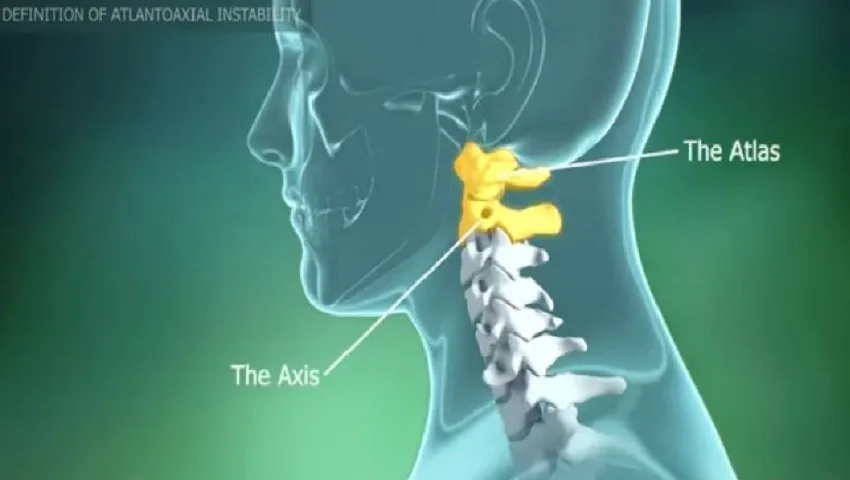
Cervical spondylosis is the medical term for wear-and-tear changes in the neck: discs lose water and height, bony spurs (osteophytes) form at the joint margins, and ligaments thicken. These changes are almost universal with age and appear on many X-rays of people in their forties and beyond, often without causing any symptoms. In Gurugram, however, specialists increasingly see them earlier, in part because of years of sustained forward-head posture at work.
The importance of cervical spondylosis lies not in the X-ray appearance but in whether the degenerative changes irritate a nerve root or narrow the canal around the spinal cord. Doctors therefore describe three broad clinical patterns, each managed differently.
| Pattern | Typical symptoms | Usual approach |
|---|---|---|
| Axial neck pain | Neck stiffness and ache, sometimes headaches and shoulder-blade pain | Physiotherapy, posture correction, short-term medicines |
| Cervical radiculopathy | Pain, tingling or numbness radiating down one arm into specific fingers; sometimes weakness | Conservative care first; nerve root block or surgery if persistent or weak |
| Cervical myelopathy | Clumsy hands, difficulty with buttons or writing, unsteady walking, generalised numbness | Early surgical opinion; decompression is often advised |
Why myelopathy needs particular attention
Cervical myelopathy - compression of the spinal cord in the neck - often develops slowly and painlessly, so patients may attribute clumsiness or poor balance to tiredness or age. Once the cord is damaged, recovery may be incomplete even after successful surgery. For this reason, anyone with hand clumsiness, a change in handwriting, frequent dropping of objects or a new tendency to stagger should see a spine surgeon promptly. A careful neurological examination and an MRI establish the diagnosis.
How cervical spondylosis is treated
For axial pain and most radiculopathy, treatment begins with a structured physiotherapy programme focused on deep neck flexor and upper back strengthening, combined with workstation changes and, where necessary, medicines for pain and nerve irritation. Traction and manipulation should only be performed by trained therapists and are avoided when cord compression is present. Most people improve considerably within six to twelve weeks.
When an arm nerve remains compressed with weakness or disabling pain, or when myelopathy is present, surgery is considered. Options include anterior cervical discectomy with fusion or disc replacement, and posterior procedures such as laminoplasty or foraminotomy, the choice depending on the number of levels and the direction of compression. In suitable patients, a posterior endoscopic foraminotomy can free a pinched nerve through a very small incision while preserving neck movement. Dr. Snha discusses the relative merits of each option openly, including when watchful waiting is reasonable.
Neck pain warning signs
Seek prompt assessment if neck pain is accompanied by weakness in the arms or legs, clumsiness, balance problems, bladder changes, fever, or if it follows a fall or road accident.
A frequent worry among Gurugram patients is that seeing a surgeon means being pushed towards an operation. In Dr. Snha's practice, the opposite is usually true. The majority of people who consult him for neck or back pain are managed without surgery, and many need only a clear diagnosis, reassurance and a well-designed rehabilitation plan. Surgery is reserved for problems that will not settle, or that threaten nerve or spinal cord function.
What a non-surgical plan typically includes
Explanation and reassurance
Understanding that most disc and spondylosis pain improves reduces fear, which itself lowers pain and encourages healthy movement.
Targeted physiotherapy
Exercises tailored to the specific problem - core stability for the lumbar spine, deep neck muscle training for the cervical spine.
Appropriate medicines
Short courses of anti-inflammatory or nerve-pain medicines, chosen with attention to your stomach, kidneys and other health issues.
Work modification
Temporary adjustments such as standing breaks, reduced commute time or working from a properly arranged home desk.
Image-guided injections
Nerve root blocks or facet injections when pain prevents progress with therapy.
Lifestyle measures
Weight management, stopping smoking, better sleep habits and gradual return to fitness.
Progress is reviewed at regular intervals. If pain is steadily improving and there is no neurological deficit, conservative care is continued even if the MRI looks dramatic. Many large disc herniations shrink over months without intervention.
Surgery becomes the right choice when its expected benefit clearly outweighs its risks and the alternative of waiting. Dr. Snha considers an operation in the following situations, and discusses each case individually with the patient and family:
- Progressive neurological deficit - increasing weakness such as foot drop or a weak grip.
- Cauda equina syndrome - saddle numbness or bladder and bowel disturbance, which is an emergency.
- Cervical or thoracic myelopathy - spinal cord compression causing clumsiness or gait problems.
- Persistent disabling pain - typically after six to twelve weeks of adequate conservative treatment, when imaging matches the symptoms.
- Instability or significant slippage - vertebrae moving abnormally and causing pain or nerve compression.
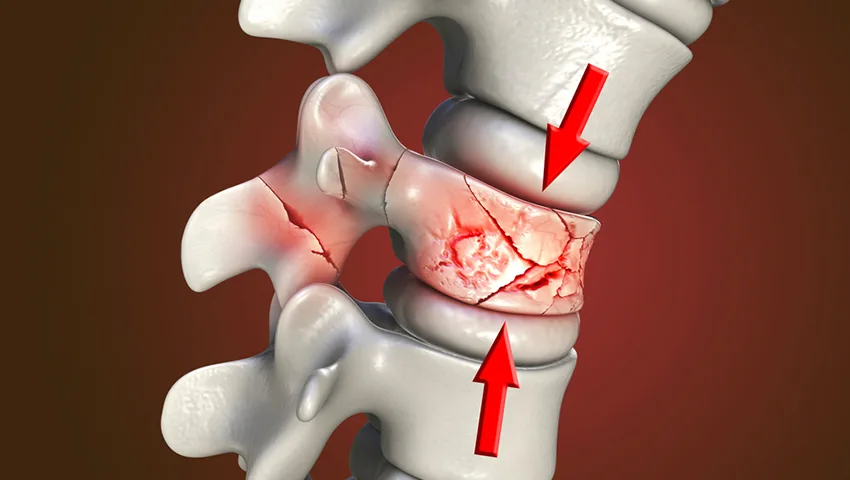
- Tumours, infections and fractures - where surgery may be needed for diagnosis, decompression or stabilisation.
The minimally invasive advantage for working professionals
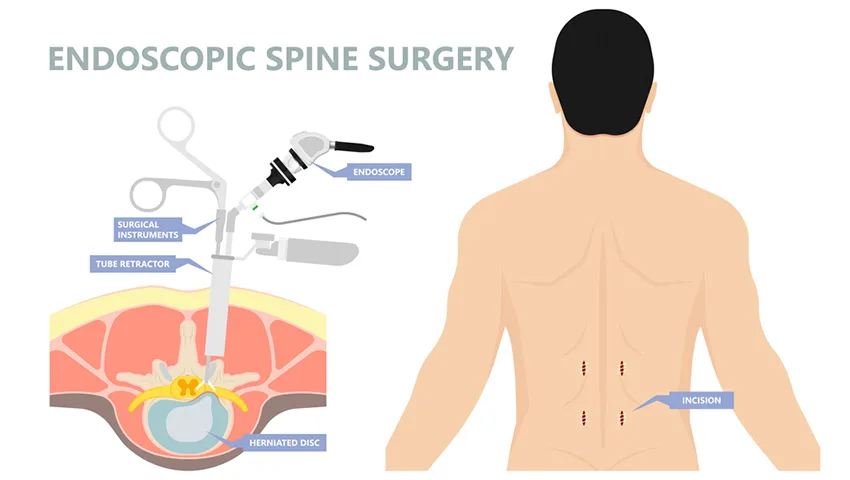
For professionals worried about time away from work, the method of surgery matters. Endoscopic spine surgery allows many disc herniations and some forms of spinal stenosis to be treated through a small incision with minimal muscle disruption. Patients often walk within hours, leave hospital quickly and return to desk-based work sooner than after conventional open surgery. Not every problem is suitable for an endoscopic approach, and Dr. Snha will explain honestly whether it is appropriate in your case or whether another technique would give a more reliable result.
After surgery
Recovery continues well beyond the hospital stay. A graded walking programme, a phased return to sitting and driving, and later a strengthening regimen help protect the operated level and the rest of the spine. Returning to an improved workstation set-up rather than the one that contributed to the problem is an important part of preventing recurrence.
Conditions & Treatments



The opening of the Dwarka Expressway has changed how residents of Gurugram reach West Delhi. For those living in the sectors along the expressway - as well as in areas close to NH-48 and the airport side of the city - Max Super Speciality Hospital in Sector-10, Dwarka, is often more convenient than a trip into central Delhi. Travel time still depends on traffic and the time of day, so early morning or mid-day appointments are usually the easiest.
Practical tips for your visit
- Choose a Saturday OPD slot if taking leave on a weekday is difficult.
- Carry the actual MRI images (CD or digital link) and not only the written report.
- Bring a list of your current medicines and any previous physiotherapy or injection records.
- If walking or sitting for long is painful, plan a comfortable seat in the car and short breaks on the way.
- Consider sending reports on WhatsApp beforehand so that any additional tests can be planned for the same visit.
Patients travelling from other parts of Haryana through Gurugram can also use the expressway, and the hospital's proximity to IGI Airport is helpful for family members flying in to support a relative undergoing surgery.
During his tenure as Director of Neurosurgery at Paras Health, Gurugram, Dr. Snha looked after a wide cross-section of the city: IT and finance professionals with disc problems, construction and factory workers with spinal injuries, and elderly parents with stenosis or osteoporotic fractures. That experience gave him a close understanding of the pressures of life in the city - demanding jobs, long commutes and families juggling care for children and ageing parents - and of the importance of treatment plans that fit around them.
His credentials support that experience. He holds an MCh in Neurosurgery from AIIMS, New Delhi, where he later served as Professor, and he is a Fellow of the American College of Surgeons. He is AO Spine International teaching faculty and President of the Neurotrauma Society of India, and he has been recognised with the Young Neurosurgeon Award in the Times of India Achievers Awards 2017. His practice spans the full spectrum of spinal care, including spinal fractures, spinal tumours, spinal tuberculosis and craniovertebral junction disorders.
What patients can expect
Consultations begin with a detailed history of your symptoms, work pattern and daily activities, followed by a thorough neurological examination. Scans are reviewed together with you so you can see what is causing the problem. You will leave with a clear explanation of the diagnosis, the options available, and a realistic sense of what each option can and cannot achieve. For many working patients, the most valuable outcome of the first visit is simply knowing that the problem is manageable and what to do next. Patient experiences can be seen on the videos and testimonials page.
Once pain has settled, the priority shifts to keeping it away. A realistic routine that fits into a working week is more effective than an ambitious programme abandoned after a fortnight. Consider this simple framework, adapted with your physiotherapist to your own condition:
- Daily: ten minutes of core and neck exercises, posture breaks every half hour, and a 20-30 minute walk.
- Three times a week: a longer session of strengthening or supervised gym work focusing on back, hips and upper back.
- Weekly: a quick check of your workstation and phone habits, and an activity you enjoy such as swimming or cycling.
- Ongoing: attention to sleep, weight and stress, all of which influence how the spine feels.
Not sure whether you need surgery?
Many patients improve without an operation. Get a clear, honest plan from Dr. (Prof.) Sumiet Snha.
While the neck bears the brunt of screen use, the lower back carries the load of prolonged sitting. When we sit, pressure inside the lumbar discs is higher than when standing, particularly if we slump forward. Over months and years, this steady pressure can weaken the outer ring of a disc until a small tear allows the soft centre to bulge out. The first sign is often a vague lower back ache after a long day, followed one morning - perhaps after bending to lift a bag or a child - by sharp pain shooting down one leg.
How sciatica differs from ordinary back pain
Ordinary mechanical back pain stays mainly in the back and buttocks and tends to ease with movement. Sciatica, by contrast, follows the path of a nerve: from the buttock down the back or side of the thigh, often below the knee into the calf or foot, and may be accompanied by tingling, numbness or a sense of heaviness. Leg pain that is worse than the back pain, and that increases on sitting, coughing or sneezing, points towards a disc pressing on a nerve root.
Early steps that help
- Stay gently active; short, frequent walks are better than bed rest.
- Avoid long unbroken periods of sitting, including in the car; stand and stretch regularly.
- Use a lumbar roll when sitting and keep the hips slightly higher than the knees.
- Postpone heavy lifting, gym deadlifts and high-impact sport until assessed.
- Seek assessment if leg pain is severe, persists beyond a few weeks, or comes with weakness or numbness.
For many Gurugram residents, a daily drive of an hour or more in stop-start traffic is unavoidable, and it can aggravate both neck and back symptoms. Adjusting the driving position is a simple but frequently overlooked step. Move the seat close enough that you can press the clutch or brake fully without stretching, set the backrest nearly upright rather than reclined, and position the headrest so that its centre is level with the back of your head. A small cushion behind the lower back maintains the natural curve.
When travelling by cab, sit fully back in the seat instead of perching forward with a phone or laptop on your lap - a posture that combines the worst of text neck and slumped sitting. On longer journeys, a brief stop to walk around every hour helps. After spine surgery, your surgeon will advise when you can resume driving; this usually depends on pain control, the ability to turn and brake safely, and freedom from sedating medicines, rather than on a fixed number of days.
For employers and HR teams
Simple measures such as ergonomic assessments, adjustable monitor stands, sit-stand options and encouragement of walking meetings can reduce spine-related absence. Early access to assessment for employees with persistent symptoms often shortens time off work.
Credentials & Leadership Roles
Dr. (Prof.) Sumiet Snha — Minimally Invasive & Endoscopic Neurosurgeon, Spine Surgeon and Peripheral Nerve Surgeon
Awards & Recognition
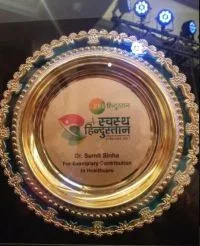
Felicitated by the Union Health Minister
Swasthya Hindustan Conclave, Zee Hindustan
Honoured by Dr. J.P. Nadda, Union Minister of Health & Family Welfare, for exceptional contribution to neurosurgery and spine surgery. Awards were adjudged by a specialised panel on contributions, success rates and patient outcomes.
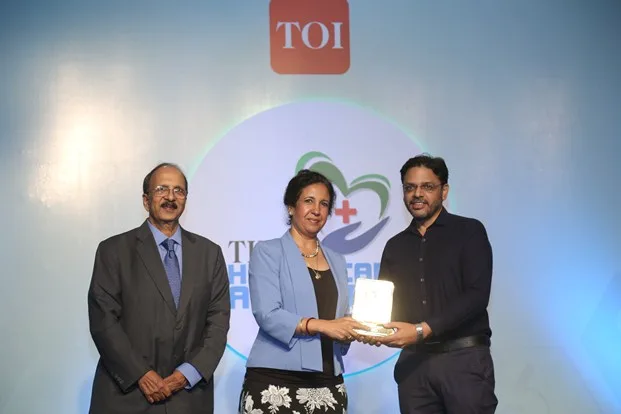
Young Neurosurgeon Award
Times of India Achievers Award
Awarded the Young Neurosurgeon Award by a jury of nationally and internationally reputed doctors.

Young Neurosurgeon Award
9th International Conference on Cerebrovascular Surgery, Nagoya, Japan
Selected for the Young Neurosurgeon Award to attend the international conference on cerebrovascular surgery in Nagoya, Japan.
Fellow of the American College of Surgeons (FACS)
American College of Surgeons
Conferred the FACS fellowship - a globally recognised mark of surgical excellence, ethics and quality patient care.
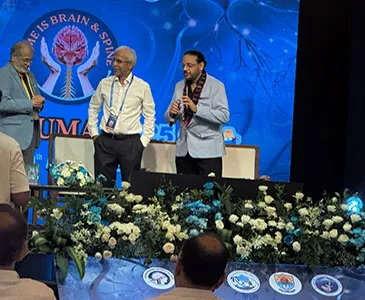
President, Neurotrauma Society of India
33rd Annual Meeting of the Neurotrauma Society of India, Goa
Took over as President of the Neurotrauma Society of India; earlier served as its Secretary.
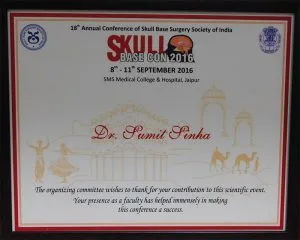
Faculty - Skull Base Surgery Conference
18th Annual Conference of Skull Base Surgery Society of India (Skull Base Con 2016)
Invited faculty for the national skull base surgery conference held at SMS Medical College, Jaipur.
What Patients Say
Congratulations is a small word to wish for Dr. Sumiet Snha for all the hard work you have put into coming so far in life. Your commitment towards become the best neurosurgeon in Delhi & your patients has been always of highest levels. Wish that no height be…
Dr Sumiet Snha for me has been a blessing in-disguise. He explained to me the medical condition in detail along with the treatment options I had. He gave me the right advice and it is because of him today that my slip disc has recovered. He is one of the Top…
My experience with Dr Sumiet Snha has been very pleasant. I have known him for many years and trust him completely. I would highly recommend him for any brain or back problem you may be facing. He always gives the best advice and the right treatment plan for…
Frequently Asked Questions
If the pain eases overnight and there is no arm pain, numbness or weakness, start with workstation changes, regular breaks and neck exercises for two to four weeks. If pain persists, keeps returning, spreads into the arm, or is accompanied by tingling in the fingers, a spine specialist's assessment is worthwhile to rule out a disc or nerve problem.
Cervical spondylosis describes age-related wear of the neck discs and joints, and the changes themselves do not reverse. However, the symptoms usually settle very well with physiotherapy, posture correction and short courses of medicine. Only a small proportion of people develop nerve or spinal cord compression that requires surgery.
A supportive pillow can make sleep more comfortable, and a soft collar may help briefly during an acute spasm. Neither treats the cause, and prolonged collar use weakens neck muscles. Active exercise and posture correction are far more effective in the long term.
Max Super Speciality Hospital is in Sector-10, Dwarka. From many parts of Gurugram - particularly the newer sectors along the Dwarka Expressway and areas near NH-48 - it is a relatively short drive, though travel time varies with traffic. The hospital is also close to IGI Airport and the Blue Line metro.
Yes. You can WhatsApp your MRI images and report to +91-8448877746 for a preliminary opinion, or book a video consultation. OPD is available Monday to Saturday, and a Saturday appointment often suits working professionals.
Most people do not. The majority of disc herniations improve within weeks to a few months with conservative care. Surgery is advised for progressive weakness, spinal cord compression, bladder or bowel involvement, or pain that remains disabling despite adequate non-surgical treatment.
After an uncomplicated endoscopic discectomy, many patients return to desk work in about two to three weeks, with a gradual build-up of sitting time. Recovery after cervical surgery or fusion takes longer. Your exact timeline depends on the procedure and your general fitness.
Dr. Snha now consults and operates at Max Super Speciality Hospital, Dwarka, New Delhi. Many of his Gurugram patients continue their care with him there, and the Dwarka Expressway has made the journey more convenient.
Book a Consultation With a Spine Specialist Near Gurugram
Do not let neck or back pain quietly take over your working life. To book an appointment with Dr. (Prof.) Sumiet Snha at Max Super Speciality Hospital, Dwarka, call +91-8448877746 or email sumitneuro@gmail.com. You may also WhatsApp your reports for a preliminary opinion or request a video consultation. For directions from Gurugram, visit the contact page, and learn more about Dr. Snha.
- Max Super Speciality Hospital, Plot No. 1, Sector-10, Dwarka, New Delhi - 110075
- +91-8448877746
- sumitneuro@gmail.com