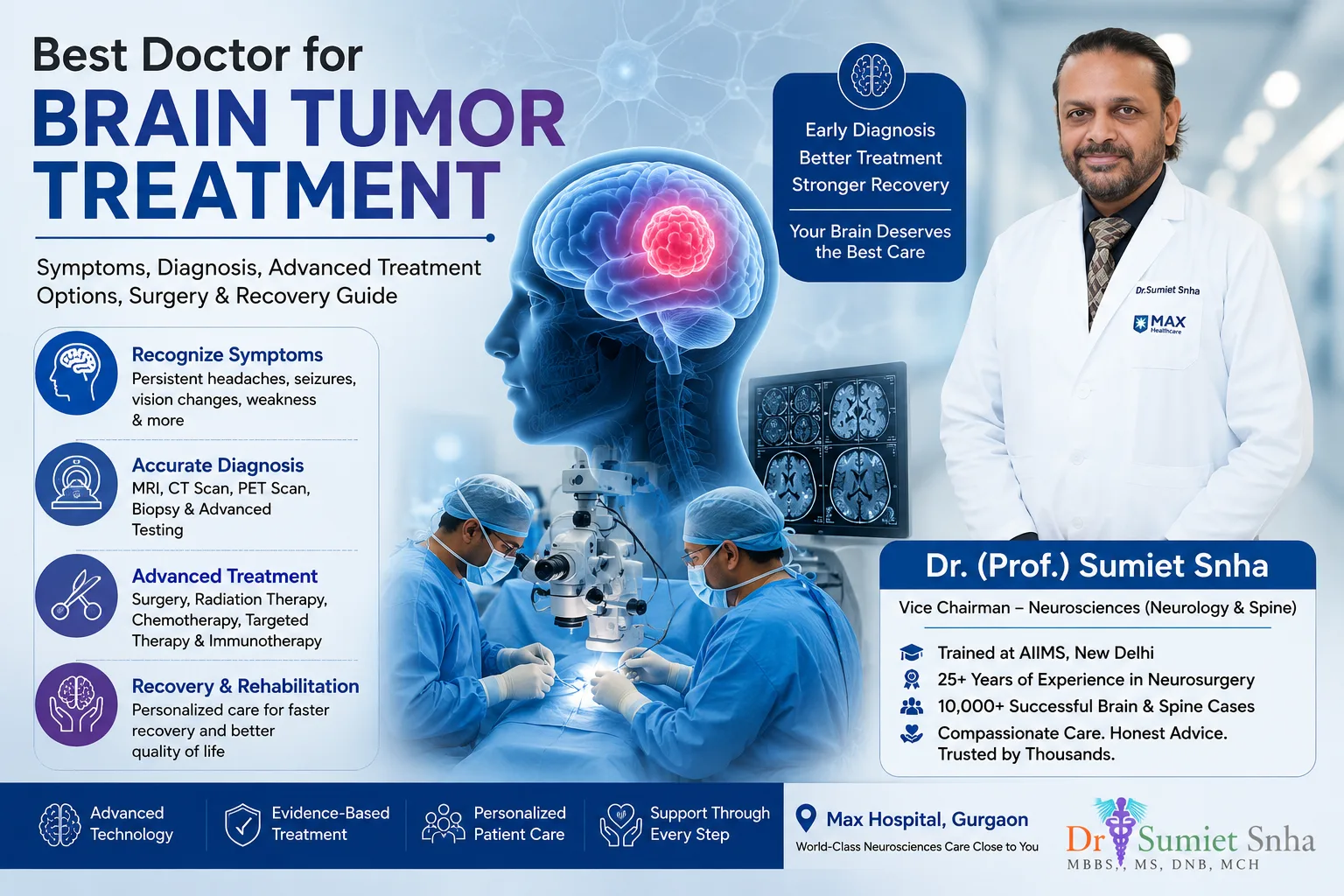
A brain tumor is an abnormal growth of cells that develops within the brain or its surrounding tissues. These tumors may be benign (non-cancerous) or malignant (cancerous), and their impact depends on factors such as size, location, and growth rate. Choosing theBest Doctor for Brain Tumor Treatment is an important step toward obtaining an accurate diagnosis, understanding available treatment options, and receiving care that is tailored to the patient's specific condition. Early medical evaluation can help reduce the risk of neurological complications and improve long-term outcomes.
Modern Brain Tumor Treatment has advanced significantly through high-resolution imaging, molecular diagnostics, minimally invasive Brain Tumor Surgery, precision-guided techniques, and personalized treatment planning. Depending on the type and stage of the tumor, treatment may include surgery, radiation therapy, chemotherapy, targeted therapy, or careful monitoring. Understanding the warning signs, diagnostic process, and current treatment approaches empowers patients and their families to make informed healthcare decisions and seek timely specialist care when neurological symptoms arise.
What Is a Brain Tumor?
Understanding Brain Tumors
A brain tumor is an abnormal collection of cells that grows inside the brain or nearby structures, disrupting the normal function of brain tissue. These growths develop when cells multiply uncontrollably instead of following the body's natural growth cycle. Primary brain tumors originate within the brain or its surrounding tissues, whereas metastatic (secondary) brain tumors begin in another part of the body and later spread to the brain through the bloodstream.
Types of Brain Tumors
Brain tumors are broadly classified as benign or malignant. Benign brain tumors usually grow more slowly and are less likely to spread, although they can still cause serious symptoms by putting pressure on important brain structures. Malignant brain tumors tend to grow more aggressively and often require prompt treatment. Common examples include glioma, meningioma, pituitary tumor, and acoustic neuroma, each differing in origin, behavior, and treatment approach.
Common Causes and Risk Factors of Brain Tumors
Possible Causes
The exact cause of many brain tumors remains uncertain, but researchers have identified several factors that may contribute to their development. Genetic mutations can alter normal cell growth, leading to uncontrolled cell division. A family history of certain neurological conditions or rare inherited syndromes, such as neurofibromatosis or Li-Fraumeni syndrome, may increase susceptibility. Radiation exposure, particularly to the head during previous medical treatment, has also been associated with a higher risk. In some cases, previous cancers may spread to the brain, resulting in secondary (metastatic) brain tumors.
Risk Factors
Certain factors may increase the likelihood of developing a brain tumor, including advancing age, prolonged environmental exposure to harmful substances, a weakened immune system, and specific occupational risks involving long-term exposure to industrial chemicals. While these factors do not guarantee that a tumor will develop, recognizing them can support earlier evaluation when neurological symptoms appear.
Brain Tumor Symptoms You Should Never Ignore
The symptoms of a brain tumor vary depending on its size, location, and growth rate. Some signs develop gradually, while others may appear suddenly as pressure inside the skull increases. Recognizing these symptoms early can support timely medical evaluation and improve the effectiveness of Brain Tumor Treatment.
Common Symptoms
- Persistent headaches that become more frequent or severe
- Morning headaches that may improve later in the day
- Nausea and vomiting without a clear digestive cause
- New-onset or recurrent seizures
- Blurred vision, double vision, or loss of vision
- Hearing loss or persistent ringing in the ears
- Difficulty with balance, coordination, or walking
- Weakness or numbness in the face, arms, or legs
- Speech difficulties or trouble understanding language
- Memory problems, confusion, or noticeable personality changes
Emergency Symptoms
Seek immediate medical attention if you experience:
- Sudden unconsciousness
- Severe or prolonged seizures
- Rapid neurological decline, including sudden weakness, confusion, or difficulty speaking
How Brain Tumors Are Diagnosed
An accurate diagnosis is essential for selecting the most appropriate Brain Tumor Treatment and understanding the nature of the tumor. Doctors combine clinical assessment with advanced diagnostic technologies to determine the tumor's location, size, type, and potential impact on brain function.
Medical Evaluation
The diagnostic process begins with a detailed medical history, including symptoms, their duration, family history, and previous health conditions. A comprehensive neurological examination is then performed to evaluate reflexes, muscle strength, coordination, balance, sensation, vision, speech, and cognitive function.
Imaging Tests
Advanced imaging techniques such as MRI, CT Scan, Functional MRI (fMRI), and PET Scan provide detailed information about the brain and help identify abnormal tissue, tumor boundaries, and nearby functional areas.
Advanced Diagnostic Tests
When additional confirmation is needed, specialists may recommend a biopsy, molecular testing, and genetic profiling to accurately classify the tumor and support personalized treatment planning.
Advanced Brain Tumor Treatment Options
The most appropriate Brain Tumor Treatment depends on the tumor's type, size, location, growth pattern, and the patient's overall health. Modern treatment strategies focus on preserving neurological function while achieving the best possible clinical outcome through evidence-based and personalized care.
Non-Surgical Treatments
Not every brain tumor requires immediate surgery. In selected cases, doctors may recommend active observation with regular imaging, especially for slow-growing tumors. Medications, including steroids, help reduce brain swelling and relieve symptoms, while anti-seizure medicines are prescribed for patients who experience seizures.
Radiation Therapy
Radiation may be used after surgery or as a primary treatment in specific cases. Common approaches include External Beam Radiation, highly precise Stereotactic Radiosurgery, and Proton Therapy, which can minimize radiation exposure to nearby healthy brain tissue.
Chemotherapy
Depending on the tumor type, treatment may include oral chemotherapy, targeted therapy that acts on specific cancer-related pathways, or immunotherapy, which supports the body's immune response against certain tumors.
Personalized Treatment Planning
Effective care often involves a multidisciplinary team of neurosurgeons, neurologists, oncologists, radiologists, pathologists, and rehabilitation specialists. Using precision medicine, treatment plans are tailored according to imaging findings, molecular characteristics, and each patient's individual needs.
When Is Brain Tumor Surgery Recommended?
Brain Tumor Surgery is recommended when the expected benefits of removing or diagnosing the tumor outweigh the potential risks. The decision is based on detailed clinical evaluation, imaging findings, the tumor's location, and the patient's overall neurological condition. While not every brain tumor requires surgery, timely surgical intervention can help relieve symptoms, confirm the diagnosis, and improve treatment planning.
Surgery may be considered in the following situations:
- Large tumors that compress surrounding brain tissue.
- Increased pressure inside the skull, causing severe headaches, vomiting, or vision changes.
- Progressive neurological symptoms, such as worsening weakness, seizures, speech difficulties, or balance problems.
- Suspicion of a malignant tumor that requires prompt treatment.
- Need for tissue diagnosis through biopsy to determine the exact tumor type.
- Failure of conservative treatment, when symptoms continue despite medication or observation.
The final treatment decision should always be individualized after consultation with an experienced neurosurgical team.
Types of Brain Tumor Surgery
The choice of Brain TumorSurgery depends on the tumor's size, location, type, and its relationship with important brain structures. Advances in neurosurgical technology have made many procedures safer and more precise, helping preserve healthy brain tissue while achieving effective tumor management.
Common Surgical Procedures
- Craniotomy: A temporary opening is created in the skull to remove all or part of the tumor while protecting nearby brain structures.
- Endoscopic Brain Surgery: Uses a thin camera and specialized instruments through a small opening, making it suitable for selected deep-seated or ventricular tumors.
- Awake Brain Surgery: Performed while the patient is awake during specific stages to monitor speech, movement, and other critical brain functions.
- Stereotactic Brain Biopsy: A minimally invasive technique that collects a small tissue sample for accurate laboratory diagnosis.
- Minimally Invasive Brain Surgery: Uses smaller incisions and advanced imaging guidance, which may reduce tissue disruption and support faster recovery in appropriate patients.
|
Procedure |
Best Used For |
Main Benefit |
|
Craniotomy |
Large or accessible tumors |
Maximum tumor removal |
|
Endoscopic Brain Surgery |
Selected deep or ventricular tumors |
Smaller incision and quicker recovery |
|
Awake Brain Surgery |
Tumors near functional brain areas |
Preserves speech and movement |
|
Stereotactic Brain Biopsy |
Diagnosis of difficult-to-reach tumors |
Accurate tissue diagnosis |
|
Minimally Invasive Brain Surgery |
Carefully selected patients |
Less tissue damage and shorter hospital stay |
Recovery After Brain Tumor Treatment
Recovery after Brain Tumor Treatment varies depending on the tumor type, treatment method, overall health, and individual healing response. A structured recovery plan, regular follow-up care, and rehabilitation can help patients regain independence and improve their quality of life.
Recovery Timeline
- Hospital stay: Close monitoring after surgery or other treatments.
- First week: Focus on pain management, wound healing, and gentle movement.
- First month: Gradual return to routine activities with medical guidance.
- Long-term recovery: Ongoing neurological assessment and rehabilitation, when needed.
Rehabilitation
- Physiotherapy to improve strength and balance.
- Occupational therapy for daily living skills.
- Speech therapy to address communication or swallowing difficulties.
- Cognitive rehabilitation to enhance memory, concentration, and problem-solving.
Lifestyle Tips
- Eat a healthy, balanced diet.
- Attend regular follow-up appointments.
- Get adequate sleep and manage stress.
- Resume physical activity gradually as advised by your healthcare team.
Can Brain Tumors Be Prevented?
Although brain tumors cannot always be prevented because many develop without a clearly identifiable cause, adopting healthy habits may support overall brain health and reduce certain risk factors. Helpful preventive measures include:
- Maintain a healthy lifestyle with a balanced diet and regular physical activity.
- Avoid unnecessary radiation exposure, particularly to the head, unless medically required.
- Manage chronic health conditions by following your healthcare provider's recommendations.
- Schedule regular health checkups, especially if you have a family history of neurological disorders.
- Recognize early neurological symptoms such as persistent headaches, seizures, vision changes, or unexplained weakness, and seek prompt medical evaluation.
Early recognition and timely medical assessment remain the most effective strategies for improving treatment outcomes
When Should You Consult the Best Doctor for Brain Tumor Treatment?
You should consult the Best Doctor for Brain Tumor Treatment if you experience persistent neurological symptoms that do not improve or gradually become worse. Early specialist evaluation can help identify the underlying cause and determine the most appropriate treatment plan before complications develop. Seek medical attention if you notice:
- Persistent or unexplained headaches
- Recurrent seizures
- Sudden vision or speech changes
- Weakness, numbness, or balance problems
- Abnormal findings on an MRI or CT scan
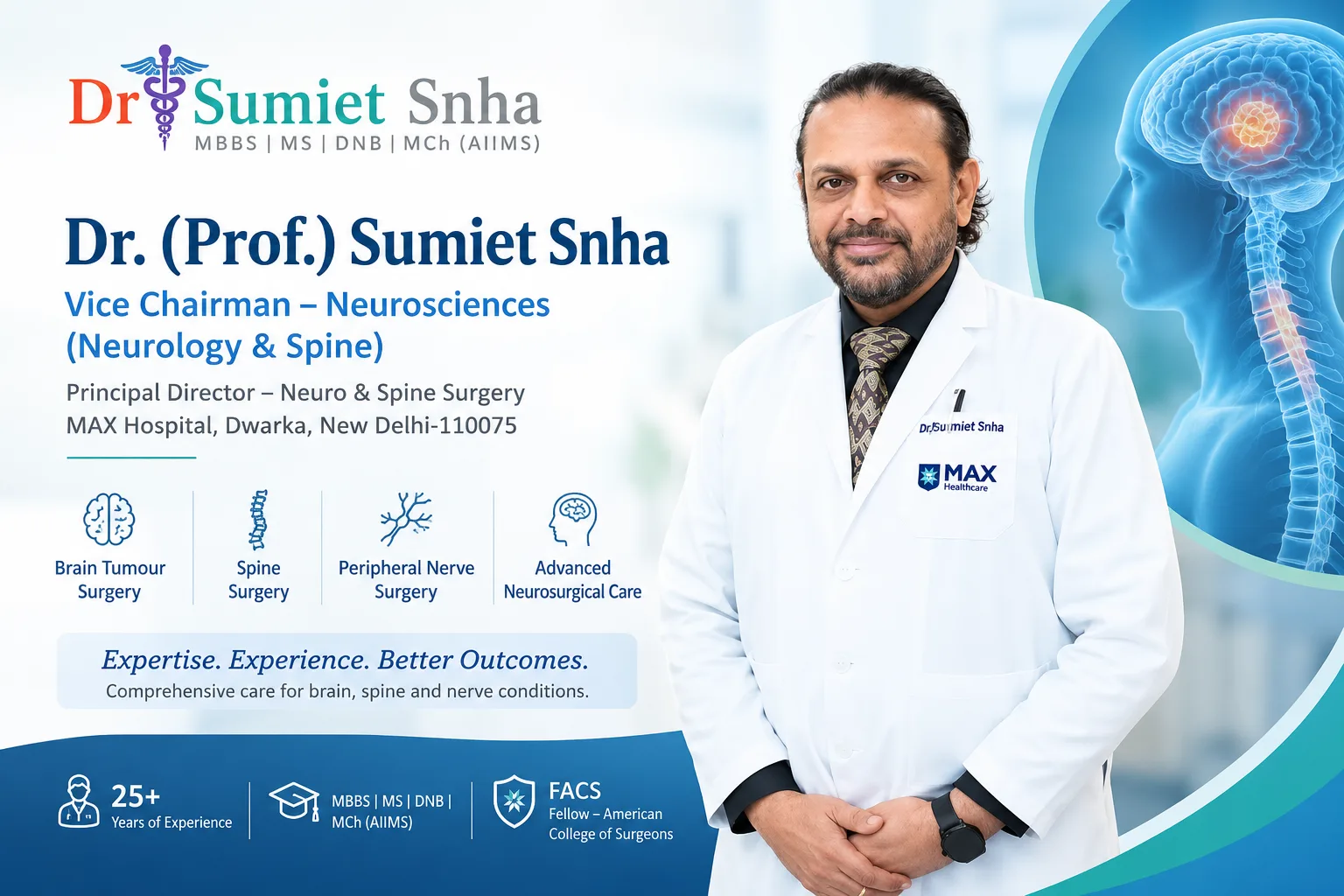
Timely consultation with an experienced neurosurgeon can improve diagnostic accuracy and support better treatment outcomes. Dr. (Prof.) Sumiet Snha, based in Gurgaon, completed his neurosurgery training at the All India Institute of Medical Sciences (AIIMS), New Delhi. With 25+ years of experience in neurosurgery and more than 10,000 successfully treated brain and spine cases, he is known for providing evidence-based treatment, carefully listening to patients' concerns, and offering honest, patient-centered guidance throughout the treatment journey.
Frequently Asked Questions
1. What are the first signs of a brain tumor?
Early symptoms may include persistent headaches, seizures, vision changes, balance problems, memory issues, or unexplained weakness. Symptoms vary depending on the tumor's size and location.
2. Are all brain tumors cancerous?
No. Brain tumors can be benign (non-cancerous) or malignant (cancerous). Even benign tumors may require treatment if they affect important areas of the brain.
3. Can brain tumors be treated without surgery?
Yes. Some brain tumors can be managed with observation, radiation therapy, chemotherapy, targeted therapy, or medications, depending on the tumor type, size, growth rate, and symptoms.
4. How successful is brain tumor surgery?
The success of Brain Tumor Surgery depends on several factors, including the tumor's location, type, size, and the patient's overall health. Advances in neurosurgical techniques have significantly improved treatment outcomes.
5. What is the recovery time after brain tumor surgery?
Recovery varies from person to person. While many patients begin recovering within a few weeks, complete recovery may take several months, depending on the complexity of surgery and rehabilitation needs.
6. Is minimally invasive brain surgery suitable for everyone?
No. Minimally Invasive Brain Surgery is recommended only for selected patients. The suitability depends on the tumor's location, size, and accessibility, as determined through detailed medical evaluation.
7. Can a brain tumor return after treatment?
Yes. Some brain tumors may recur even after successful treatment. Regular follow-up appointments and periodic MRI scans are important for monitoring long-term health.
8. Which imaging test is most commonly used to diagnose a brain tumor?
An MRI scan is generally the preferred imaging test because it provides detailed images of brain structures. CT scans and other advanced imaging techniques may also be used when appropriate.
9. How do doctors decide the most appropriate treatment?
Treatment decisions are based on multiple factors, including the tumor type, size, location, growth pattern, biopsy findings, overall health, age, and the patient's neurological condition.
10. When should I consult a brain tumor specialist?
You should seek specialist evaluation if you experience persistent headaches, seizures, vision or speech changes, balance problems, unexplained weakness, or abnormal findings on brain imaging.
11. What lifestyle changes can support recovery after brain tumor treatment?
A balanced diet, adequate sleep, gradual physical activity, prescribed rehabilitation, stress management, and regular follow-up visits can help support recovery and improve overall well-being.
12. Why is early diagnosis important in brain tumor treatment?
Early diagnosis allows doctors to identify the condition before significant neurological damage occurs, providing more treatment options and improving the likelihood of better functional recovery.
Conclusion
A brain tumor requires timely evaluation because early diagnosis can significantly improve treatment planning and long-term outcomes. The most suitable treatment depends on the tumor's type, size, location, growth pattern, and overall neurological condition. Advances in Brain Tumor Treatment, modern Brain Tumor Surgery, precision imaging, and personalized treatment strategies have made care safer and more effective than ever before. Choosing the Best Doctor for Brain Tumor Treatment ensures access to accurate diagnosis, evidence-based recommendations, and individualized care. If you experience persistent neurological symptoms, consulting an experienced specialist without delay can help protect brain function, improve recovery, and support better long-term quality of life.

0 Comments