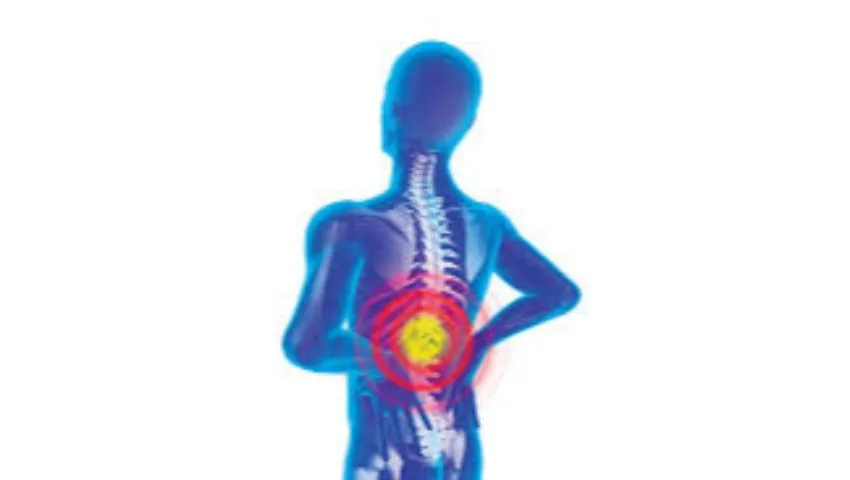
For most people, pain is a temporary warning signal that fades as an injury heals. For some, however, pain persists for months or years after the original cause has been treated - burning, shooting or aching pain in the back, legs or arms that disturbs sleep, work, relationships and mood. This is chronic neuropathic pain, pain arising from damaged or malfunctioning nerves. It often responds poorly to ordinary painkillers, and repeated surgery rarely helps. For carefully selected patients, spinal cord stimulation (SCS) offers a different approach: instead of cutting or removing tissue, it modulates the nerve signals that carry pain to the brain.
Dr. (Prof.) Sumiet Snha, AIIMS-trained neurosurgeon and Principal Director - Neurosurgery & Spine Surgery at Max Hospital, Dwarka, New Delhi, evaluates and treats patients with complex chronic pain and spasticity, including neuromodulation therapies such as spinal cord stimulation and ablative procedures such as the DREZ operation for post-traumatic nerve pain. This page explains how spinal cord stimulation works, who may benefit, how the trial and implant are done, and what results patients can realistically expect.
What Is a Spinal Cord Stimulator?
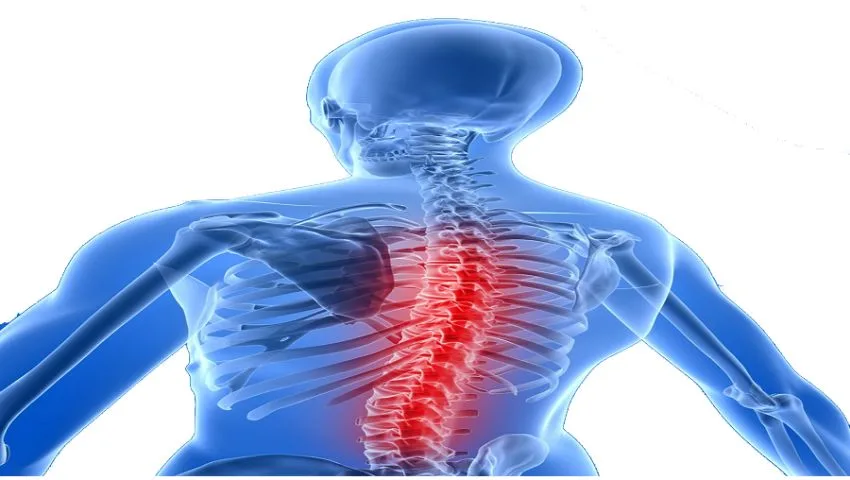
A spinal cord stimulator is a small, implantable medical device, similar in concept to a cardiac pacemaker. It has three main parts:
Leads (electrodes)
Thin wires or flat paddles placed in the epidural space just behind the spinal cord, over the segments that carry pain signals from the painful area.
Pulse generator (battery)
A small device placed under the skin of the buttock or abdomen that generates the electrical pulses. It may be rechargeable or non-rechargeable.
Patient programmer
A handheld remote that lets the patient switch between programmes, adjust intensity within set limits, and turn the device on or off.
Clinician programmer
Used by the medical team to set and fine-tune stimulation parameters for the best relief.
How Does Spinal Cord Stimulation Relieve Pain?
Pain signals travel from the body through nerves to the spinal cord, and then up to the brain, where they are perceived as pain. In the 1960s, the "gate control theory" proposed that stimulating certain nerve fibres in the spinal cord could "close the gate" to pain signals. Spinal cord stimulation grew from this idea. Mild electrical pulses delivered to the dorsal columns of the spinal cord alter the way pain signals are processed, reducing the perception of pain.
Older, conventional stimulation produces a gentle tingling sensation called paraesthesia that covers the painful area and masks the pain. Newer stimulation modes - such as high-frequency, burst and other advanced waveforms - can relieve pain with little or no tingling sensation. The choice of waveform is individualised, and many modern devices can deliver several types so the programme can be adjusted over time.
It is important to understand that SCS does not cure the underlying condition or eliminate pain completely. Its goal is to reduce pain substantially - often by half or more in patients who respond - so that they can reduce medicines, sleep better, be more active and improve their quality of life.
Conditions That May Benefit From Spinal Cord Stimulation
- Failed back surgery syndrome (persistent spinal pain syndrome) - chronic back and leg pain that continues after one or more spine operations, particularly when leg pain (radiculopathy) predominates.
- Chronic radicular pain - persistent sciatica or arm pain from nerve root damage when further surgery is not indicated.
- Complex regional pain syndrome (CRPS) - severe burning pain, swelling and skin changes in a limb, often after an injury or surgery.
- Painful diabetic peripheral neuropathy - burning pain in the feet not controlled by medicines; high-frequency SCS has shown benefit in selected patients.
- Peripheral neuropathic pain after nerve injury.
- Chronic pain after spinal cord injury in selected cases.
- Refractory angina and peripheral vascular disease pain - in some specialised settings.
- Spasticity - in selected patients with spinal cord injury or other conditions, spinal cord stimulation has been used as part of a comprehensive spasticity management programme, alongside medicines, therapy and other surgical options.
SCS is generally not the first choice for mechanical back pain caused by instability, active nerve compression that can be relieved surgically, or pain without a clear neuropathic component. Correct diagnosis and patient selection are the most important determinants of success.
Who Is a Good Candidate?
Patients are usually considered for spinal cord stimulation when:
- They have had chronic neuropathic pain for at least six months.
- Conservative treatments - medicines, physiotherapy, injections and psychological approaches - have been tried without adequate relief.
- There is no correctable structural problem (such as a compressed nerve or unstable spine) that would be better treated with surgery.
- They do not have untreated severe depression, substance misuse or unrealistic expectations, which can reduce the benefit of any pain therapy.
- They are medically fit for a minor procedure and do not have an active infection or uncorrected bleeding disorder.
- They are willing to engage with follow-up, programming and rehabilitation.
- They have a successful trial of stimulation (see below).
A comprehensive assessment often includes review of previous scans and operations, new imaging if needed, nerve studies, and evaluation by a pain psychologist. This is not to question whether the pain is "real" - chronic pain is always real - but because emotional wellbeing strongly influences how pain is experienced and how well any treatment works.
Understanding Neuropathic Pain
Neuropathic pain has a distinctive character. Patients describe it as burning, electric, shooting, stabbing, pins and needles, or a feeling of ants crawling under the skin. Light touch - even clothing or bedsheets - may feel painful (allodynia), and normally painful stimuli may feel exaggerated (hyperalgesia). The pain may be accompanied by numbness in the same area, which seems paradoxical but reflects damage to the sensory pathways. Unlike pain from a sprain or a fracture, neuropathic pain arises from a problem in the nervous system itself, where damaged nerves fire abnormally and the spinal cord and brain become "sensitised", amplifying the signals.
Because of these mechanisms, conventional painkillers such as paracetamol and anti-inflammatory drugs have limited effect. Medicines that calm nerve activity - certain anticonvulsants and antidepressants used in low doses for pain - are more effective, but may not provide enough relief or may cause side effects such as drowsiness, dizziness or weight gain at higher doses. Neuromodulation targets the same abnormal signalling directly and can be an effective option when medicines fall short.
The Two-Step Process: Trial and Permanent Implant
One of the unique advantages of spinal cord stimulation is that patients can test it before committing to a permanent implant.
Step 1: The trial
- Under local anaesthesia with light sedation, one or two thin leads are inserted through a needle into the epidural space under X-ray guidance.
- With the patient awake and able to give feedback, the leads are positioned and tested so that the stimulation covers the painful area (for paraesthesia-based programmes).
- The leads are secured and connected to an external stimulator worn on a belt.
- For several days, the patient goes about their normal activities and keeps a diary of pain levels, sleep, activity and medicine use.
- At the end of the trial, the leads are removed in the clinic.
The trial is generally considered successful if pain is reduced by around 50% or more, with meaningful improvements in function and satisfaction. If the trial is not successful, the leads are simply removed, and the patient has lost little.
Step 2: The permanent implant
- If the trial succeeds, permanent leads are implanted - either percutaneously through a needle or, for paddle leads, through a small laminotomy incision.
- The leads are tunnelled under the skin to a small pocket, usually in the buttock or flank, where the pulse generator is placed.
- The procedure usually takes one to two hours, and most patients go home the same day or the next day.
- The device is programmed before discharge, and the patient is trained to use the handheld controller.
Recovery After Spinal Cord Stimulator Implantation
General guidance
- First 6 weeks: avoid bending, twisting, lifting above shoulder level and heavy lifting, so the leads can settle in position and scar tissue can anchor them.
- Wound care: keep incisions clean and dry; watch for redness, swelling or discharge.
- Driving: switch the stimulator off while driving or operating machinery unless advised otherwise.
- Programming visits: fine-tuning sessions in the first weeks and months to optimise relief.
- Return to activity: most people return to light work within one to two weeks and gradually increase activity.
Many patients find they can reduce their use of pain medicines over time, though this should always be done gradually under medical supervision.
Benefits of Spinal Cord Stimulation
- Reversible and adjustable - the therapy can be reprogrammed, switched off or removed if needed.
- Trial before implant - patients experience the effect before a permanent decision.
- Minimally invasive - most implants are done through small incisions.
- Reduced reliance on medicines, including strong opioids with their side effects.
- Improved sleep, mobility and quality of life in patients who respond.
- Modern devices include MRI-conditional options (allowing MRI scans under specific conditions), rechargeable batteries with long lifespans and multiple programme options.
Risks and Limitations
Spinal cord stimulation is generally safe, but patients should understand its possible downsides:
- Lead migration - a lead can shift from its ideal position, reducing pain coverage and sometimes requiring repositioning.
- Infection at the lead or battery site, occasionally requiring removal of the device.
- Hardware issues - lead fracture, battery depletion or discomfort at the battery site.
- Loss of effectiveness over time in some patients, which may be improved with reprogramming or newer waveforms.
- Spinal fluid leak causing headache - uncommon.
- Nerve injury or bleeding in the epidural space - rare but serious.
Not everyone responds, which is why the trial is so valuable. Realistic expectations - a significant reduction of pain rather than a complete cure - are important for satisfaction with the therapy.
Other Surgical Options for Chronic Pain and Spasticity
Spinal cord stimulation is one of several tools available to neurosurgeons for managing difficult pain and spasticity. The right choice depends on the exact cause of symptoms:
DREZ lesioning
The Dorsal Root Entry Zone operation is a precise, ablative procedure for severe pain after brachial plexus avulsion or spinal cord injury - often very effective for this specific type of pain.
Selective dorsal rhizotomy
Cutting selected sensory nerve rootlets to reduce spasticity, especially in children with cerebral palsy.
Intrathecal drug pumps
An implanted pump delivers baclofen (for spasticity) or pain medicines directly into the spinal fluid at very low doses.
Peripheral nerve stimulation
Stimulation of a specific peripheral nerve for localised neuropathic pain.
Microvascular decompression
For trigeminal neuralgia caused by a blood vessel pressing on the nerve - see our MVD page.
Nerve root sectioning
Selective neurotomy procedures for focal spasticity after brain or spinal cord injury.
Dr. Snha has special expertise in peripheral nerve and brachial plexus surgery, including the DREZ operation for post-traumatic neuralgic pain, and in nerve root sectioning for spasticity after brain and spinal cord injury. Learn more on our spasticity treatment and brachial plexus pages.
Failed Back Surgery Syndrome - Why It Happens and What Helps
"Failed back surgery syndrome", now often called persistent spinal pain syndrome, describes ongoing back and/or leg pain after spine surgery. It does not necessarily mean the operation was performed poorly. Causes include recurrent disc herniation, stenosis at another level, instability, scar tissue around nerve roots (epidural fibrosis), nerve damage that occurred before surgery, incorrect initial diagnosis, and sensitisation of the nervous system after long-standing pain.
The first step is a thorough re-evaluation to identify any correctable structural problem - such as recurrent compression or instability - that may benefit from further surgery. When no such problem exists, and the pain is predominantly neuropathic leg pain, spinal cord stimulation is one of the best-studied treatments. Clinical trials have shown that in selected patients with persistent radicular pain after back surgery, SCS provides better pain relief and function than re-operation or conventional medical management alone. A multidisciplinary programme including physiotherapy and psychological support gives the best results.
Complex Regional Pain Syndrome (CRPS)
CRPS is a chronic pain condition, usually affecting an arm or leg, that typically develops after an injury such as a fracture, sprain or surgery. The pain is out of proportion to the original injury and is accompanied by changes in skin colour, temperature and swelling, sweating abnormalities, stiffness, and sometimes changes in hair and nail growth. Early treatment with physiotherapy, medicines and nerve blocks can help; in persistent cases, spinal cord stimulation (or dorsal root ganglion stimulation) can significantly reduce pain and improve the ability to use the limb.
Living With a Spinal Cord Stimulator
Modern stimulators are designed to fit into everyday life. Most patients forget the device is there once they are used to it. Some practical points:
- Travel: carry the device identification card; airport security scanners may detect the implant, and the card helps explain it. Switch the device off before walking through security gates if advised by the manufacturer.
- MRI scans: many newer systems are MRI-conditional, allowing scans under specific settings. Always inform the radiology team and follow the device guidelines.
- Other medical procedures: inform doctors before surgery, diathermy or other treatments that use electrical energy.
- Recharging: rechargeable systems need regular charging - typically a short session every few days - using a wireless charger held over the skin.
- Exercise: after the healing period, walking, swimming and most gentle sports are encouraged; avoid contact sports or activities with extreme spinal movement unless cleared by your doctor.
- Battery replacement: non-rechargeable batteries last several years and are replaced through a minor procedure; rechargeable ones typically last longer.
The Role of Rehabilitation and Mind-Body Care
Chronic pain affects the whole person. Even when stimulation substantially reduces pain, patients often need help rebuilding fitness, confidence and routines that have been lost over years of pain. A physiotherapist designs a graded activity programme; an occupational therapist helps with work and daily tasks; and a psychologist can teach coping strategies such as pacing, relaxation, cognitive behavioural techniques and sleep hygiene. These approaches are not "instead of" medical treatment - they amplify its benefits. Patients who engage with rehabilitation tend to report greater and more lasting improvements.
Why Consult Dr. (Prof.) Sumiet Snha?
- AIIMS-trained neurosurgeon - MBBS, MS, DNB, MCh (AIIMS, New Delhi), FACS - with over 25 years of experience.
- Former Professor of Neurosurgery at AIIMS, New Delhi.
- Special expertise in neuropathic pain and spasticity surgery, including the DREZ operation, nerve root sectioning and neuromodulation.
- Founder Secretary of the Indian Society of Peripheral Nerve Surgery, with more than 250 complex nerve injury cases treated.
- Thorough evaluation to identify and correct structural causes of pain before recommending neuromodulation.
- Advanced facilities and a multidisciplinary pain and rehabilitation team at Max Super Speciality Hospital, Dwarka.
Cost Factors for Spinal Cord Stimulation
- Type of device - conventional or advanced waveform, rechargeable or non-rechargeable, MRI-conditional features.
- Percutaneous leads or surgical paddle leads.
- Trial procedure and permanent implant (two stages).
- Hospital stay and programming sessions.
- Insurance coverage, which varies between policies for neuromodulation devices.
Because the device represents a significant part of the cost, the trial stage is especially valuable - it helps ensure that the investment is made only when benefit is likely.
A Brief History and the Evidence Behind SCS
The first spinal cord stimulator was implanted in 1967, shortly after the gate control theory of pain was proposed. Early devices were simple, single-channel systems with limited programming. Over the following decades, technology advanced dramatically: multi-contact leads allow precise targeting, rechargeable batteries extend device life, and sophisticated software offers many stimulation patterns. Hundreds of thousands of patients worldwide have been treated with SCS.
The evidence base has grown alongside the technology. Randomised controlled trials in failed back surgery syndrome have shown that SCS provides superior pain relief compared with repeat surgery or conventional medical management in selected patients. Trials of high-frequency stimulation have reported meaningful relief of both back and leg pain in many patients, and studies in painful diabetic neuropathy have shown improvements in pain and, in some cases, sensation. As with any therapy, results vary between individuals, which is why careful selection and a trial period remain central to good practice.
Dorsal Root Ganglion (DRG) Stimulation
A related technique targets the dorsal root ganglion - a cluster of sensory nerve cell bodies located just outside the spinal cord at each level. Because each ganglion serves a specific region of the body, DRG stimulation can deliver highly focused relief to areas that are difficult to cover with conventional SCS, such as the foot, knee, groin or chest wall. It has shown particular benefit in complex regional pain syndrome of the lower limb and in certain types of focal neuropathic pain after surgery or injury. The procedure is similar to SCS, including a trial phase.
Spinal Cord Stimulation and Spinal Cord Injury - An Evolving Field
In recent years, research groups around the world have explored epidural spinal cord stimulation, combined with intensive rehabilitation, to help some people with spinal cord injury regain voluntary movement, standing and even stepping. These results have attracted much attention and represent an exciting frontier in neuroscience. It is important to note, however, that such applications are still largely investigational, available mainly in research programmes, and not yet a standard treatment. Patients and families interested in these developments can discuss them with their neurosurgeon, who can explain what is currently established, what is experimental and which proven treatments - such as nerve transfers for hand function or spasticity management - may help now.
Questions to Ask Before Considering SCS
- Has every correctable cause of my pain been identified and treated?
- Is my pain mainly neuropathic, and is it the type that responds well to stimulation?
- What kind of device and stimulation mode would suit me, and why?
- What are the criteria for a successful trial?
- How will the device affect future MRI scans?
- How often will I need programming visits, and who will I contact if the relief decreases?
- What activities should I avoid after the implant, and for how long?
Preparing for Your Stimulator Trial - A Practical Checklist
A spinal cord stimulator trial gives the most useful information when the patient arrives well prepared. Because the trial usually lasts only a few days, time lost to an avoidable problem - an uncontrolled blood sugar, a skin infection near the lead site or confusion about medicines - can make the results harder to interpret. Dr. Snha's team goes through a short preparation plan with every patient during the pre-trial visit, so that the days with the temporary leads in place reflect everyday life as closely as possible.
Medical preparation
- Blood-thinning medicines: aspirin, clopidogrel and other anticoagulants may need to be paused for a set number of days - only as advised by your surgeon and the doctor who prescribed them.
- Diabetes control: a reasonable blood sugar level reduces the risk of wound infection; your physician may adjust treatment beforehand.
- Skin check: any boil, rash or broken skin on the back should be treated before leads are inserted.
- Medicine list: bring a written list of all pain medicines, with doses and timings, so changes during the trial can be recorded accurately.
Practical preparation
- Wear loose, front-opening clothing that does not rub against the dressing.
- Plan to avoid bathing the back, bending, twisting and lifting during the trial, as advised.
- Arrange for someone to drive you home and help with household tasks for the first day or two.
- Carry a notebook or use a phone app to record pain, activity and sleep several times a day.
Setting personal goals
Pain scores alone rarely tell the whole story. Before the trial, patients are encouraged to write down two or three specific activities that pain currently prevents - for example walking to the local market, sitting through a family meal, or sleeping for four hours without waking. During the trial these goals are tested honestly. If they become possible, that is strong evidence that a permanent implant could make a real difference; if they do not, it is equally valuable to learn this before a permanent device is placed.
Involving Family and Carers in the Decision
Chronic pain affects the whole household, not just the person who feels it. Family members often notice changes in mood, sleep and activity that the patient may not mention, and their observations during the trial can be very helpful. Relatives are welcome to attend consultations, ask questions about how the device works and learn how to use the handheld remote, including how to switch the stimulator off if needed. Understanding the realistic aims of treatment - meaningful pain reduction and better function rather than complete cure - helps families offer the right encouragement and avoids disappointment.
Sharing reports before you travel
Patients from outside Delhi can send previous scans, surgical notes and a summary of treatments tried on WhatsApp at +91-8448877746 for a preliminary opinion, and a video consultation can be arranged before planning a visit to Max Super Speciality Hospital, Dwarka.
Frequently Asked Questions
Is spinal cord stimulation a cure for chronic pain?
No. It is a treatment that reduces pain in patients who respond - often by around half or more - and improves function and quality of life. It does not cure the underlying condition.
Why is a trial done first?
The trial lets you experience stimulation for several days before a permanent implant. Only patients who get meaningful relief proceed, which improves long-term success.
Does spinal cord stimulation hurt?
The procedures are done under local or general anaesthesia. Afterwards there is some soreness at the incision sites for a few days. The stimulation itself is either a mild tingling or, with newer modes, may not be felt at all.
Can I have an MRI with a spinal cord stimulator?
Many modern systems are MRI-conditional, meaning MRI can be performed under specific conditions. Always check your device type with your doctor.
Can the stimulator be removed?
Yes. SCS is reversible - the system can be switched off or removed if it is no longer needed or helpful.
Will I be able to stop my pain medicines?
Many patients are able to reduce their medicines significantly. Any reduction should be gradual and supervised by your doctor.
Can spinal cord stimulation help spasticity?
In selected patients, particularly after spinal cord injury, stimulation may help reduce spasticity. Other options like medicines, intrathecal baclofen or selective nerve procedures are also considered.
Take Control of Chronic Pain
If chronic nerve pain continues to limit your life despite treatment, a specialist evaluation can clarify whether neuromodulation or another procedure could help. Book a consultation with Dr. (Prof.) Sumiet Snha at Max Hospital, Dwarka, New Delhi. Related reading: spasticity treatment, peripheral nerve injuries and endoscopic spine surgery.