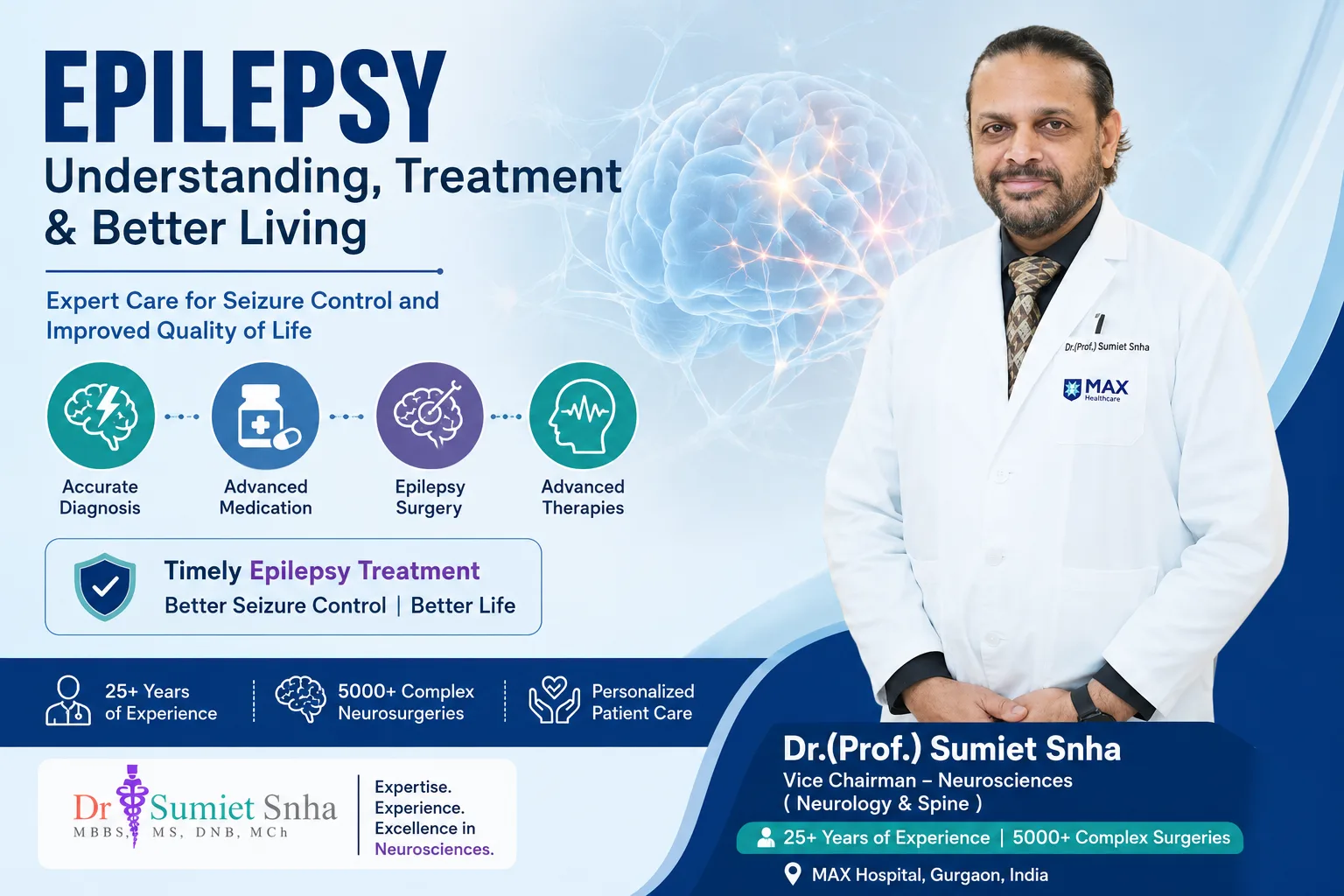
Epilepsy is a chronic neurological disorder that causes recurring seizures due to abnormal electrical activity in the brain.
Epilepsy Treatment has advanced significantly over the years, giving millions of people the opportunity to manage seizures effectively and lead active, fulfilling lives. While a seizure can be frightening, early diagnosis and the right treatment plan can greatly improve long-term outcomes. Recognizing Epilepsy symptoms such as sudden loss of awareness, uncontrolled movements, staring spells, or brief episodes of confusion is essential for seeking timely medical care.
Today, modern Seizure treatment includes anti-seizure medications, advanced diagnostic techniques, lifestyle modifications, and surgical options for patients who do not respond to medication. This comprehensive guide explains the causes, symptoms, diagnosis, and the latest treatment options, helping patients and families better understand epilepsy and make informed decisions about their neurological health.
What Is Epilepsy?
Understanding Epilepsy
Epilepsy is a long-term neurological disorder in which a person experiences repeated, unprovoked seizures caused by sudden bursts of abnormal electrical activity in the brain. These electrical disturbances can temporarily affect movement, awareness, memory, emotions, or behavior, depending on the area of the brain involved. A single seizure does not necessarily mean that a person has epilepsy. Doctors usually diagnose epilepsy when an individual has two or more unprovoked seizures or when there is a high likelihood of recurrent seizures based on clinical evaluation and diagnostic findings.
The effects of epilepsy vary from person to person. Some individuals experience brief staring spells, while others may have muscle stiffness, involuntary movements, or temporary loss of consciousness. Identifying Epilepsy symptoms early is important because timely diagnosis allows specialists to recommend the most appropriate Epilepsy Treatment, reducing seizure frequency and improving overall quality of life. Advances in neurological care have also made Seizure disorder treatment more personalized, enabling many patients to achieve long-term seizure control.
Common Types of Epilepsy
Epilepsy is classified according to where seizures begin in the brain and how they affect the body. Understanding the type of epilepsy is essential for selecting the most effective Epilepsy Treatment.
Focal Epilepsy
Focal epilepsy begins in one specific area of the brain. Symptoms may include unusual sensations, sudden emotional changes, involuntary movements of one side of the body, or temporary loss of awareness. In some cases, focal seizures can spread to involve both sides of the brain.
Generalized Epilepsy
Generalized epilepsy involves abnormal electrical activity affecting both sides of the brain from the beginning of the seizure. People may experience absence seizures, tonic-clonic seizures, myoclonic seizures, or atonic seizures. These seizure types often result in loss of consciousness, muscle stiffness, jerking movements, or sudden falls.
Unknown-Onset Epilepsy
Unknown-onset epilepsy is diagnosed when healthcare providers cannot immediately determine where a seizure starts. Additional investigations, including electroencephalography (EEG) and advanced brain imaging, often help clarify the seizure type and guide appropriate Seizure disorder treatment.
Accurate classification of epilepsy plays a vital role in choosing medications, evaluating the need for surgery, and developing a long-term treatment strategy. Because every patient has unique clinical features, treatment should always be based on a thorough neurological assessment and evidence-based medical recommendations.
Trusted Medical Sources
- World Health Organization (WHO) – Information on epilepsy, its burden, and public health recommendations.
- International League Against Epilepsy (ILAE) – International classification of epilepsy and clinical guidelines.
- National Institute of Neurological Disorders and Stroke (NINDS) – Research-based information on epilepsy, diagnosis, and treatment.
Common Causes and Risk Factors of Epilepsy
Understanding Epilepsy causes is an important step toward early diagnosis and effective Epilepsy Treatment. Epilepsy is not a single disease but a neurological condition that can develop for many different reasons. In some people, the exact cause remains unknown, while others develop epilepsy because of structural changes in the brain, inherited conditions, or medical illnesses that affect normal brain function. Identifying the underlying cause helps neurologists recommend the most appropriate treatment plan and improve long-term seizure control.
Causes of Epilepsy
Several medical conditions can disrupt the brain's normal electrical activity and increase the likelihood of recurrent seizures. Common causes include:
- Genetic factors: Certain inherited genetic mutations can increase the risk of developing epilepsy, especially when there is a family history of seizure disorders.
- Brain injury: Traumatic brain injuries caused by accidents, sports injuries, or falls may damage brain tissue and trigger seizures months or even years later.
- Stroke: Reduced blood flow or bleeding in the brain can damage nerve cells, making stroke one of the leading causes of epilepsy in older adults.
- Brain infections: Conditions such as meningitis, encephalitis, and other infections affecting the brain can cause inflammation that increases seizure risk.
- Brain tumors: Both benign and malignant brain tumors may interfere with normal brain activity and lead to recurrent seizures.
- Developmental disorders: Neurological conditions present from birth, including certain developmental and genetic syndromes, may increase the likelihood of epilepsy.
Risk Factors for Epilepsy
Although epilepsy can affect anyone, several factors may increase the risk of developing the condition over time:
- Family history of epilepsy or inherited neurological disorders.
- Head trauma resulting from road accidents, falls, or sports-related injuries.
- Birth complications, including oxygen deprivation, premature birth, or brain injury during delivery.
- Neurological disorders such as cerebral palsy, Alzheimer's disease, and other conditions that affect normal brain function.
Recognizing these Epilepsy causes and risk factors can encourage earlier medical evaluation, allowing timely Epilepsy Treatment that may reduce seizure frequency, prevent complications, and improve overall quality of life. While some causes cannot be prevented, managing underlying medical conditions, protecting the brain from injury, and seeking prompt neurological care after a first seizure can significantly improve long-term outcomes.
Signs and Symptoms of Epilepsy
Recognizing Epilepsy symptoms at an early stage is essential for timely diagnosis and effective Seizure treatment. The symptoms of epilepsy vary depending on the type of seizure and the area of the brain involved. While some seizures are obvious and involve uncontrolled body movements, others may be so brief or subtle that they are mistaken for daydreaming or temporary confusion. Because epilepsy affects each person differently, persistent or recurrent neurological symptoms should never be ignored.
Common Symptoms
People with epilepsy may experience one or more of the following symptoms:
- Recurrent seizures: Repeated unprovoked seizures are the hallmark sign of epilepsy and may occur days, weeks, or months apart.
- Loss of awareness: Some individuals suddenly become unresponsive, lose awareness of their surroundings, or have no memory of the event afterward.
- Muscle stiffness or jerking: Sudden stiffening of the body, rhythmic jerking of the arms and legs, or uncontrolled muscle movements can occur during certain seizure types.
- Confusion: Temporary confusion, disorientation, or difficulty speaking may persist for several minutes after a seizure.
- Staring spells: Brief episodes of blank staring or reduced responsiveness are common, particularly in absence seizures.
- Sudden falls: A sudden loss of muscle tone may cause unexpected falls, increasing the risk of injury.
When to Seek Medical Care
Immediate medical evaluation is recommended if a person experiences a first-time seizure, repeated seizures without recovery between episodes, a seizure lasting longer than five minutes, difficulty breathing after a seizure, or a seizure that occurs following a head injury, fever, or during pregnancy. Prompt assessment by a neurologist allows accurate diagnosis and early Seizure treatment, helping reduce future seizures, prevent complications, and improve long-term neurological health. Early recognition of Epilepsy symptoms remains one of the most important steps toward successful seizure management
How Is Epilepsy Diagnosed?
An accurate Epilepsy diagnosis is the foundation of successful seizure management. Because seizures can result from various neurological and medical conditions, specialists perform a detailed evaluation to identify the underlying cause and determine the most appropriate treatment plan. A Neurologist for epilepsy carefully reviews the patient's symptoms, seizure pattern, medical history, and diagnostic test results before confirming the diagnosis. Early and precise diagnosis helps reduce the risk of recurrent seizures while guiding personalized treatment decisions.
Medical Evaluation
The diagnostic process usually begins with a comprehensive clinical assessment, which includes:
- Medical history: The neurologist reviews the patient's seizure episodes, previous illnesses, medications, family history of epilepsy, and possible seizure triggers. Information from family members or witnesses can also help describe what occurred during a seizure.
- Neurological examination: A detailed examination is performed to assess memory, speech, coordination, muscle strength, reflexes, sensation, balance, and other neurological functions that may indicate an underlying brain disorder.
Diagnostic Tests
To confirm an Epilepsy diagnosis and identify its cause, one or more diagnostic tests may be recommended:
- Electroencephalogram (EEG): Records the brain's electrical activity and helps detect abnormal brain wave patterns associated with epilepsy.
- Magnetic Resonance Imaging (MRI): Produces detailed images of the brain to identify structural abnormalities such as tumors, scars, developmental abnormalities, or previous brain injuries.
- Computed Tomography (CT) Scan: Often used in emergency situations to detect bleeding, stroke, fractures, or other brain abnormalities that may trigger seizures.
- Blood tests: Help identify infections, metabolic disorders, electrolyte imbalances, genetic conditions, or other medical problems that can contribute to seizures.
A thorough evaluation by an experienced Neurologist for epilepsy, combined with advanced diagnostic testing, ensures an accurate diagnosis and allows treatment to be tailored to each patient's individual condition, improving the chances of long-term seizure control and a better quality of life.
Epilepsy Treatment Options
Modern Epilepsy Treatment focuses on reducing seizure frequency, improving quality of life, and helping individuals maintain their daily activities safely. The most appropriate treatment depends on the type of epilepsy, seizure frequency, age, overall health, and the underlying cause. Many people achieve excellent seizure control with medication alone, while others with drug-resistant epilepsy may benefit from advanced therapies or surgical intervention. A personalized treatment plan developed by an experienced neurologist provides the best chance for long-term seizure control.
Anti-Seizure Medications
For most patients, Epilepsy medication is the first-line treatment. Anti-seizure medicines work by stabilizing abnormal electrical activity in the brain, reducing the likelihood of future seizures. Since different medications are effective for different seizure types, neurologists carefully select the most suitable option based on the patient's diagnosis and medical history.
Successful treatment also depends on medication adherence. Patients should:
- Take medicines exactly as prescribed.
- Avoid skipping or stopping medication without medical advice.
- Attend regular follow-up appointments to monitor effectiveness and side effects.
- Inform their doctor about any new symptoms or other medications they are taking.
Lifestyle Modifications
Healthy lifestyle habits play an important role in supporting Seizure treatment and reducing seizure triggers. Although lifestyle changes cannot replace medication, they can improve overall seizure control.
Important recommendations include:
- Getting adequate sleep every night, as sleep deprivation can trigger seizures.
- Managing stress through meditation, yoga, deep breathing, or regular physical activity.
- Identifying and avoiding individual seizure triggers, such as flashing lights, excessive alcohol, or missed medications.
- Following a balanced diet and maintaining proper hydration to support overall brain health.
Epilepsy Surgery
Epilepsy surgery may be recommended for people with drug-resistant epilepsy, particularly when seizures continue despite trying two or more appropriate anti-seizure medications. Before surgery, patients undergo comprehensive evaluations, including EEG monitoring, MRI, neuropsychological testing, and other specialized assessments to determine whether surgery is a suitable option.
Surgical treatment is generally considered for patients whose seizures originate from a well-defined area of the brain that can be treated safely without significantly affecting essential functions such as speech, movement, or memory. For carefully selected individuals, epilepsy surgery can significantly reduce seizure frequency or, in some cases, achieve complete seizure freedom.
Advanced Therapies
When medication alone does not provide adequate seizure control, neurologists may recommend advanced treatment options tailored to the patient's condition.
- Vagus Nerve Stimulation (VNS): A small implanted device sends regular electrical impulses to the vagus nerve, helping reduce seizure frequency.
- Responsive Neurostimulation (RNS): This implant continuously monitors brain activity and delivers targeted stimulation when abnormal electrical patterns are detected, helping prevent seizures before they develop.
- Deep Brain Stimulation (DBS): Electrodes implanted in specific areas of the brain provide controlled electrical stimulation to reduce seizures in selected patients.
- Ketogenic diet: A medically supervised high-fat, low-carbohydrate diet that may help decrease seizures, particularly in some children and selected adults with difficult-to-control epilepsy.
Advances in Epilepsy Treatment have created more personalized options than ever before. By combining appropriate Epilepsy medication, healthy lifestyle practices, advanced neuromodulation therapies, or Epilepsy surgery when indicated, many people can achieve better seizure control and enjoy a safer, more independent life.
Living with Epilepsy
Daily Life Tips
Living with epilepsy involves more than controlling seizures—it also means adopting healthy habits, understanding personal limitations, and following a treatment plan consistently. With timely Epilepsy Treatment, regular medical follow-ups, and lifestyle adjustments, many people with epilepsy can study, work, travel, and enjoy an active life. Family support, patient education, and awareness of seizure triggers also play an important role in improving confidence and long-term well-being.
|
Area of Daily Life |
Practical Tips |
|
Driving |
Follow your country's driving regulations and only drive after receiving medical clearance from your neurologist. |
|
Exercise |
Stay physically active with safe activities such as walking, swimming (with supervision), yoga, or cycling while taking appropriate precautions. |
|
Work |
Inform employers when necessary, follow workplace safety measures, and take medications as prescribed to reduce seizure risks. |
|
School |
Teachers and caregivers should understand the condition, recognize seizure first aid, and provide appropriate academic support when required. |
|
Pregnancy |
Women planning pregnancy should consult their neurologist before conception to ensure safe medication management and regular prenatal care. |
|
Mental Health |
Anxiety, stress, and depression can affect seizure control. Counseling, support groups, mindfulness practices, and open communication with healthcare professionals can improve emotional well-being. |
With consistent Epilepsy Treatment, healthy lifestyle choices, and ongoing medical guidance, Living with epilepsy becomes more manageable, allowing many individuals to lead productive, independent, and fulfilling lives.
Can Epilepsy Be Prevented?
Although not all Epilepsy causes can be prevented, certain healthy habits and medical precautions may reduce the risk of developing seizures. Protecting the head by wearing helmets and seat belts helps prevent traumatic brain injuries. Managing blood pressure, diabetes, and cholesterol lowers the risk of stroke-related epilepsy. Prompt treatment of brain infections, maintaining recommended vaccinations, and practicing good hygiene can also protect brain health. A balanced diet, regular exercise, adequate sleep, and avoiding excessive alcohol or recreational drugs support overall neurological health and complement ongoing Epilepsy Treatment for those already diagnosed with the condition.
When Should You Consult a Neurologist?
Consulting a Neurologist for epilepsy is essential after a first unprovoked seizure, repeated seizures, or when seizures continue despite taking prescribed medications. Medical advice should also be sought if anti-seizure medicines cause significant side effects or if warning signs such as prolonged seizures, loss of consciousness, difficulty breathing, severe head injury, or repeated seizures without recovery occur. An early Epilepsy diagnosis allows timely treatment and helps reduce the risk of long-term complications.
Dr. (Prof.) Sumiet Snha, Vice Chairman – Neurosciences (Neurology & Spine), is currently working at MAX Hospital, Gurgaon, India. With more than 25+ years of experience in neurosurgery and advanced clinical expertise developed since 2005, he emphasizes the importance of early neurological evaluation, accurate diagnosis, and individualized treatment planning to achieve better seizure control and improve patients' long-term neurological health.
Frequently Asked Questions (FAQs)
1. What is the best epilepsy treatment?
The best Epilepsy Treatment depends on the type of epilepsy, seizure frequency, age, overall health, and the underlying cause. Most people respond well to anti-seizure medications, while others may require surgery or advanced therapies.
2. Can epilepsy be cured permanently?
Some individuals become seizure-free with treatment, but epilepsy is not always permanently curable. Long-term seizure control is often possible with proper medical care.
3. Is epilepsy hereditary?
Certain forms of epilepsy have a genetic component, but not everyone with a family history will develop the condition.
4. What triggers seizures?
Common seizure triggers include sleep deprivation, stress, missed medications, alcohol consumption, flashing lights in susceptible individuals, fever, and certain illnesses.
5. Is epilepsy surgery safe?
Epilepsy surgery is generally considered safe for carefully selected patients. Comprehensive evaluation helps determine whether surgery is appropriate and beneficial.
6. Can children outgrow epilepsy?
Yes. Some childhood epilepsy syndromes improve with age, while others require long-term treatment and regular neurological follow-up.
7. Can people with epilepsy exercise?
Yes. Regular physical activity is encouraged because it supports overall health. High-risk activities should only be performed after consulting a neurologist.
8. What foods help people with epilepsy?
A balanced diet rich in fruits, vegetables, whole grains, lean proteins, and healthy fats supports brain health. In selected patients, a medically supervised ketogenic diet may help reduce seizures.
9. What should I do if someone is having a seizure?
Keep the person safe by moving dangerous objects away, gently turning them onto one side after the seizure if possible, avoiding anything in their mouth, and seeking emergency medical help if the seizure lasts longer than five minutes or repeats without recovery.
10. When should I see a neurologist?
Consult a neurologist after a first seizure, repeated seizures, worsening symptoms, medication side effects, or if seizures remain uncontrolled despite treatment.
11. Can epilepsy affect pregnancy?
Most women with epilepsy can have healthy pregnancies with proper planning and medical supervision. Medication adjustments should only be made under the guidance of a neurologist and obstetrician.
12. Can stress make epilepsy worse?
Yes. Emotional stress and lack of sleep may increase seizure risk in some individuals. Stress management techniques, regular sleep, and adherence to treatment can help improve seizure control.
Conclusion
Epilepsy Treatment has advanced significantly, providing effective options that help individuals manage seizures and live healthier, more independent lives. Early diagnosis is crucial, as it allows neurologists to identify the exact type and cause of epilepsy and create a personalized treatment plan. Treatment may include anti-seizure medications, lifestyle changes, dietary therapy, neuromodulation techniques, or epilepsy surgery depending on the patient’s condition.
For long-term success, it is important to follow medications regularly, attend routine check-ups, and avoid known seizure triggers such as stress and lack of sleep. Recognizing warning signs early and seeking timely medical care can prevent complications and improve outcomes. If you or someone you know experiences repeated seizures or unusual episodes, consulting an experienced neurologist without delay is essential for proper diagnosis and effective management.


0 Comments