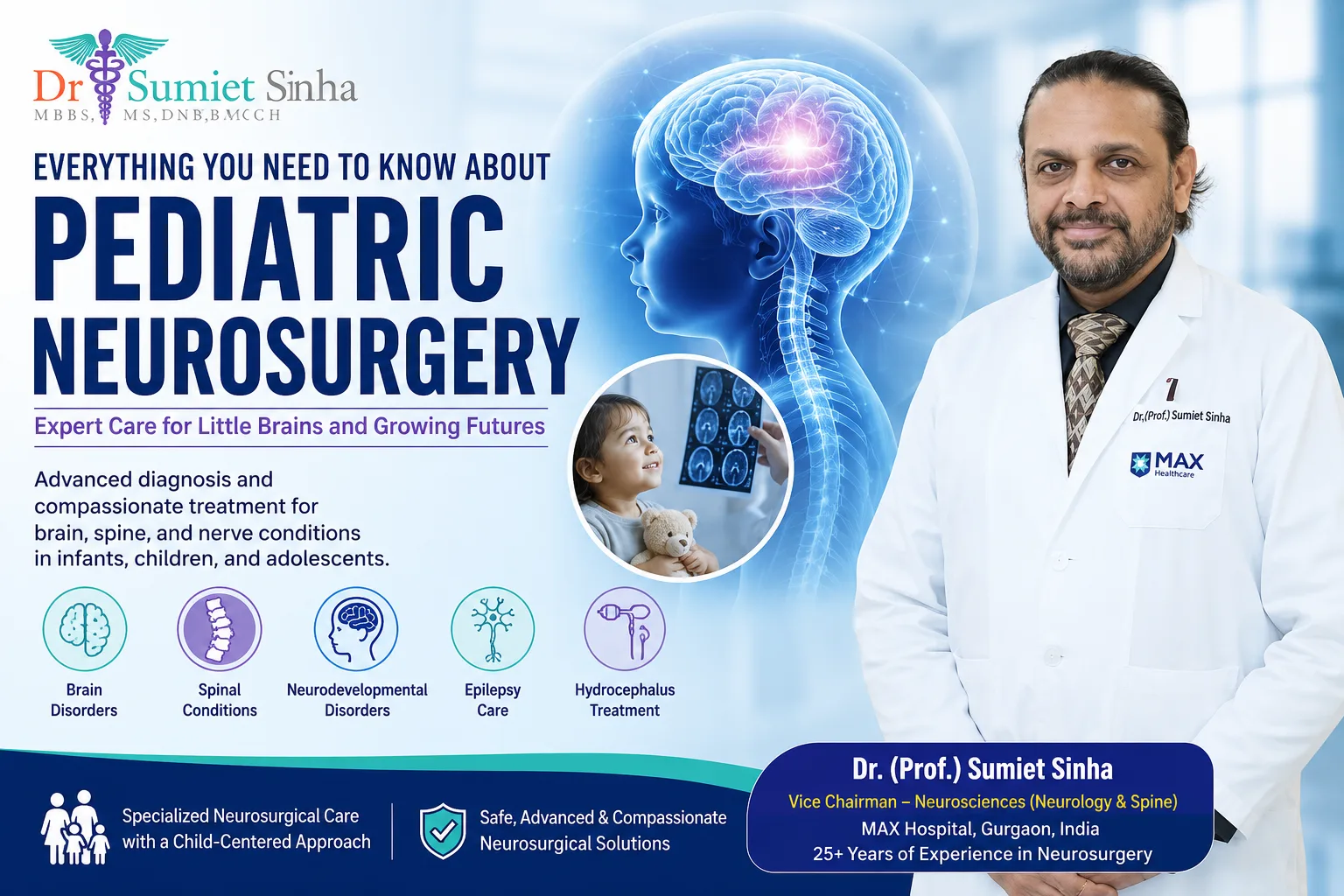
The brain and nervous system play a vital role in a child s growth, learning, movement, and overall development. Pediatric Neurosurgery is a specialized medical field that diagnoses and treats disorders affecting the brain, spinal cord, spine, and peripheral nerves in infants, children, and adolescents. Since a child s nervous system is still developing, neurological conditions require specialized care that differs from adult treatment.
Conditions such as brain tumors, hydrocephalus, epilepsy, congenital brain abnormalities, and spinal disorders can affect a child s long-term health if left untreated. An experienced Pediatric Neurosurgeon evaluates these conditions using advanced diagnostic techniques and recommends personalized treatment, which may include observation, medication, rehabilitation, or surgery. Early diagnosis and timely treatment help improve outcomes, support healthy neurological development, and enhance a child s quality of life.
What Is Pediatric Neurosurgery?
Definition
Pediatric Neurosurgery is a specialized field of medicine focused on diagnosing, treating, and managing disorders that affect the brain, spine, spinal cord, and peripheral nerves in infants, children, and teenagers. Because a child s nervous system is still developing, neurological conditions often require treatment strategies that differ significantly from those used for adults. Some children are born with congenital abnormalities, while others may develop neurological conditions due to trauma, infections, tumors, or vascular disorders. Depending on the diagnosis, treatment may include careful monitoring, medication, rehabilitation, or advanced Pediatric Brain Surgery designed to restore neurological function while protecting healthy brain development.
Why Children Need Specialized Neurosurgical Care
Children require specialized neurosurgical care because their brains, spinal structures, and nervous systems continue to grow throughout childhood. A condition that appears minor in an adult may affect learning, movement, speech, or overall development in a child if left untreated. Modern Pediatric Spine Surgery and other neurosurgical procedures are carefully planned to preserve normal growth, minimize tissue damage, and promote faster recovery. Today s Pediatric Neuro Care also relies on a multidisciplinary approach in which pediatric neurosurgeons work closely with neurologists, pediatricians, anesthesiologists, radiologists, rehabilitation specialists, and critical care teams. This collaborative model ensures that every child receives personalized treatment focused not only on resolving the neurological condition but also on supporting long-term physical, cognitive, and emotional development.
Common Conditions Treated with Pediatric Neurosurgery
Children may require Pediatric Neurosurgery for neurological conditions present at birth or those that develop later due to trauma, infections, tumors, vascular abnormalities, or developmental disorders. Early diagnosis is essential because many neurological conditions can affect a child s physical growth, learning, movement, and overall quality of life. Advances in pediatric neurosurgical techniques now allow many disorders to be treated with greater precision while protecting the developing brain and nervous system.
Brain Tumors in Children
A Pediatric Brain Tumor may be benign or malignant and can affect brain function by increasing pressure within the skull. Depending on the tumor s location and size, treatment may involve surgery, chemotherapy, radiation therapy, or a combination of these approaches.
Hydrocephalus
Hydrocephalus occurs when excess cerebrospinal fluid accumulates within the brain, increasing intracranial pressure. Pediatric Hydrocephalus Treatment often includes shunt placement or endoscopic procedures to restore normal fluid circulation and protect brain development.
Spina Bifida
Spina bifida is a congenital condition in which the spinal column does not close completely before birth. Early surgical intervention and ongoing rehabilitation help improve mobility and reduce complications associated with this type of Pediatric Spinal Disorder.
Chiari Malformation
Chiari malformation develops when part of the brain extends into the spinal canal, potentially causing headaches, balance problems, swallowing difficulties, and weakness. Surgery may be recommended when symptoms interfere with normal neurological function.
Craniosynostosis
Craniosynostosis occurs when one or more skull sutures fuse too early, restricting normal skull growth. Corrective surgery helps create adequate space for healthy brain development while improving skull shape.
Pediatric Epilepsy
Children with seizures that do not respond to medication may benefit from Pediatric Epilepsy Surgery after comprehensive neurological evaluation. Surgery aims to reduce seizure frequency and improve long-term neurological outcomes.
Congenital Brain Disorders
Some babies are born with structural abnormalities affecting the brain or nervous system. These conditions often require long-term monitoring, specialized treatment, and individualized neurosurgical care.
Brain and Spinal Cord Injuries
Head injuries, spinal trauma, and accidents can cause serious neurological damage requiring emergency assessment and treatment. Depending on the severity, care may include surgery, intensive monitoring, and rehabilitation.
Common neurological conditions managed through Pediatric Neurosurgery include:
- Pediatric brain tumors
- Hydrocephalus and cerebrospinal fluid disorders
- Spina bifida and other congenital spinal abnormalities
- Chiari malformation
- Craniosynostosis
- Drug-resistant epilepsy
- Congenital brain disorders
- Brain and spinal cord injuries
Symptoms That May Require Evaluation by a Pediatric Neurosurgeon
Recognizing the early signs of Pediatric Neurological Disorders can help prevent serious complications and improve treatment outcomes. While some symptoms may be caused by less serious illnesses, persistent or progressive neurological changes should never be ignored. A timely evaluation by a Pediatric Neurosurgeon can identify the underlying cause and determine whether specialized treatment is needed.
Parents should seek medical attention if a child experiences:
- Persistent or severe headaches, especially if they become more frequent or intense.
- Recurrent vomiting without an obvious stomach-related illness.
- Seizures or unexplained episodes of loss of consciousness.
- Developmental delays, including delayed speech, movement, or learning milestones.
- Weakness in the arms or legs or reduced muscle strength.
- Difficulty walking, frequent falls, or poor balance and coordination.
- Vision problems, such as double vision or unexplained vision loss.
- An enlarged head in infants, which may indicate increased pressure inside the brain.
- Back swelling at birth, which may suggest congenital spinal abnormalities.
- Persistent neck pain accompanied by stiffness or neurological symptoms.
- Loss of bladder or bowel control, particularly when associated with leg weakness or numbness.
Immediate emergency medical care is essential if a child develops sudden paralysis, repeated seizures, severe head injury, loss of consciousness, difficulty speaking, persistent confusion, or sudden changes in vision or coordination. Prompt diagnosis and treatment can significantly reduce the risk of permanent neurological damage and support healthier long-term development.
How Pediatric Neurological Disorders Are Diagnosed
Diagnosing Pediatric Neurological Disorders requires a thorough and systematic evaluation to identify the underlying cause and develop the most appropriate Pediatric Neurosurgery Treatment plan. Since children are still growing, specialists carefully assess neurological function, physical development, and medical history before recommending any intervention. An accurate diagnosis not only confirms the condition but also helps determine whether surgery, medication, rehabilitation, or ongoing observation is the most suitable approach.
The diagnostic process may include:
- Medical history to understand symptoms, birth history, family history, previous illnesses, and developmental milestones.
- Physical examination to assess overall health, growth, and physical abnormalities.
- Neurological examination to evaluate muscle strength, reflexes, sensation, coordination, balance, and cranial nerve function.
- Developmental assessment to measure cognitive, speech, motor, and behavioral development according to the child s age.
- MRI (Magnetic Resonance Imaging) to produce detailed images of the brain and spinal cord.
- CT Scan for rapid evaluation of injuries, bleeding, fractures, or other structural abnormalities.
- Ultrasound for infants, especially before the skull bones have completely fused.
- EEG (Electroencephalogram) to detect abnormal electrical activity associated with seizures or epilepsy.
- Genetic testing, when inherited neurological conditions or congenital disorders are suspected.
By combining clinical evaluation with advanced diagnostic technology, specialists can accurately identify neurological conditions and create a personalized treatment strategy. Early and precise diagnosis plays a vital role in improving outcomes, minimizing complications, and supporting healthy neurological development throughout childhood.
Pediatric Neurosurgery Treatment Options
Not every child diagnosed with a neurological condition requires immediate surgery. The most appropriate Pediatric Neurosurgery Treatment depends on the child s age, diagnosis, symptom severity, and overall neurological health. In many cases, specialists begin with conservative treatment and recommend surgery only when it offers the best chance of improving neurological function or preventing further complications. Advances in technology have made Pediatric Brain Surgery and Pediatric Spine Surgery safer, more precise, and less invasive than ever before.
|
Treatment Option |
Purpose |
|
Observation and Monitoring |
Mild or stable neurological conditions may only require regular follow-up visits, neurological examinations, and imaging studies to monitor progression before considering surgery. |
|
Medication Management |
Medicines may help control seizures, reduce inflammation, manage pain, or relieve symptoms associated with certain neurological disorders. |
|
Minimally Invasive Pediatric Brain Surgery |
Uses smaller incisions and specialized instruments to reduce tissue damage, blood loss, postoperative pain, and recovery time. |
|
Endoscopic Procedures |
A thin camera and specialized surgical tools allow surgeons to treat selected brain conditions through small openings with greater precision. |
|
Microsurgery |
High-powered surgical microscopes enable delicate operations involving tiny nerves, blood vessels, and complex brain structures while preserving healthy tissue. |
|
Pediatric Spine Surgery |
Performed to treat congenital spinal abnormalities, spinal tumors, spinal cord compression, and traumatic spinal injuries while protecting spinal growth and function. |
|
Pediatric Epilepsy Surgery |
Recommended for carefully selected children whose seizures cannot be adequately controlled with medication, aiming to reduce seizure frequency and improve quality of life. |
|
Brain Tumor Surgery |
Removes or reduces brain tumors while preserving surrounding healthy brain tissue whenever possible. |
|
Shunt Surgery for Hydrocephalus |
Places a shunt system to divert excess cerebrospinal fluid and relieve pressure on the developing brain. |
Modern pediatric neurosurgery is supported by advanced technology that enhances surgical precision and patient safety. Tools such as surgical microscopes, neuro-navigation systems, intraoperative neurological monitoring, endoscopic equipment, and advanced imaging techniques help surgeons accurately identify critical brain and spinal structures, minimize damage to healthy tissue, and improve surgical outcomes. These innovations contribute to safer procedures, shorter hospital stays, faster recovery, and better long-term neurological health for children.
Recovery After Pediatric Neurosurgery
Immediate Post-Surgery Care
Pediatric Neurosurgery Recovery is a gradual process that varies for every child and depends on factors such as age, the underlying diagnosis, overall health, and the type and complexity of surgery performed. Immediately after surgery, children are closely monitored in the Intensive Care Unit (ICU) or a specialized recovery unit, where doctors observe neurological function, vital signs, and any early signs of complications. The length of the hospital stay differs according to the procedure and the child s progress.
Rehabilitation and Long-Term Recovery
Effective pain management, proper wound care, and adequate nutrition support the healing process during the early recovery period. Many children also benefit from a personalized rehabilitation program that may include physical therapy to improve strength and mobility, occupational therapy to regain daily living skills, and speech therapy when communication or swallowing has been affected. Regular follow-up visits and long-term neurological monitoring allow specialists to assess recovery, monitor brain and spinal development, and make timely adjustments to the treatment plan, helping children achieve the best possible long-term outcomes.
Tips for Parents Before and After Pediatric Neurosurgery
Parents play a vital role in supporting their child s recovery before and after Pediatric Neurosurgery. Carefully following the treatment plan can improve healing and reduce the risk of complications. Keep these practical recommendations in mind:
- Follow the doctor s instructions regarding medications, wound care, activity levels, and diet.
- Attend all scheduled follow-up appointments to monitor recovery and neurological progress.
- Monitor symptoms such as fever, worsening headaches, seizures, unusual drowsiness, vomiting, or changes in behavior, and report concerns promptly.
- Encourage a healthy, balanced diet and adequate hydration to support healing.
- Ensure your child gets enough restful sleep, which is essential for brain recovery.
- Support prescribed rehabilitation exercises, including physical, occupational, or speech therapy, if recommended.
- Provide emotional reassurance and encouragement to help your child feel safe and confident throughout recovery.
- The administrator prescribed medications exactly as directed without missing doses.
- Avoid strenuous activities, heavy lifting, and contact sports until the healthcare team confirms it is safe to resume normal activities.
Frequently Asked Questions (FAQs)
1. What is Pediatric Neurosurgery?
Pediatric Neurosurgery is the medical specialty that diagnoses and treats disorders affecting the brain, spine, spinal cord, and nerves in infants, children, and adolescents.
2. When should my child see a Pediatric Neurosurgeon?
Consult a specialist if your child has persistent headaches, seizures, developmental delays, weakness, balance problems, or congenital abnormalities affecting the brain or spine.
3. Which conditions require Pediatric Brain Surgery?
Conditions such as brain tumors, hydrocephalus, epilepsy, Chiari malformation, craniosynostosis, traumatic brain injuries, and certain congenital brain disorders may require surgery.
4. Is Pediatric Neurosurgery Safe?
Modern pediatric neurosurgical procedures are performed using advanced technology and specialized techniques, making them safer and more precise than ever when carried out by experienced teams.
5. How long does recovery take after Pediatric Neurosurgery?
Recovery varies depending on the child s age, overall health, diagnosis, and the type of procedure. Some children recover within weeks, while others require longer rehabilitation.
6. Can hydrocephalus be treated permanently?
Although hydrocephalus often requires long-term follow-up, treatments such as shunt placement or endoscopic procedures can effectively control the condition for many children.
7. What is Pediatric Epilepsy Surgery?
It is a treatment option for children whose seizures cannot be adequately controlled with medication. The goal is to reduce or eliminate seizures while preserving normal brain function.
8. Are minimally invasive procedures available for children?
Yes. Selected neurological conditions can be treated using minimally invasive and endoscopic techniques, which may reduce pain, shorten hospital stays, and support faster recovery.
9. How are brain tumors diagnosed in children?
Doctors use neurological examinations along with imaging studies such as MRI or CT scans, and in some cases additional laboratory or genetic testing, to confirm the diagnosis.
10. What should parents expect before surgery?
Children undergo detailed medical evaluations, imaging tests, anesthesia assessment, and discussions about the procedure, expected benefits, possible risks, and postoperative care.
11. Does every neurological disorder require surgery?
No. Many pediatric neurological conditions can be managed with observation, medication, rehabilitation, or other non-surgical treatments. Surgery is recommended only when it offers the greatest benefit.
12. How can parents support recovery after Pediatric Neurosurgery?
Parents can support recovery by following medical advice, giving prescribed medications, encouraging rehabilitation, maintaining a healthy routine, and attending all follow-up appointments.
Conclusion
Early recognition of neurological symptoms and prompt medical evaluation are essential for protecting a child s brain and spinal health. Modern Pediatric Neurosurgery offers advanced diagnostic techniques and personalized treatment options that help children with complex neurological conditions achieve better outcomes. Innovations in Pediatric Brain Surgery and Pediatric Spine Surgery, including minimally invasive procedures and advanced surgical technology, have significantly improved safety, precision, and recovery.
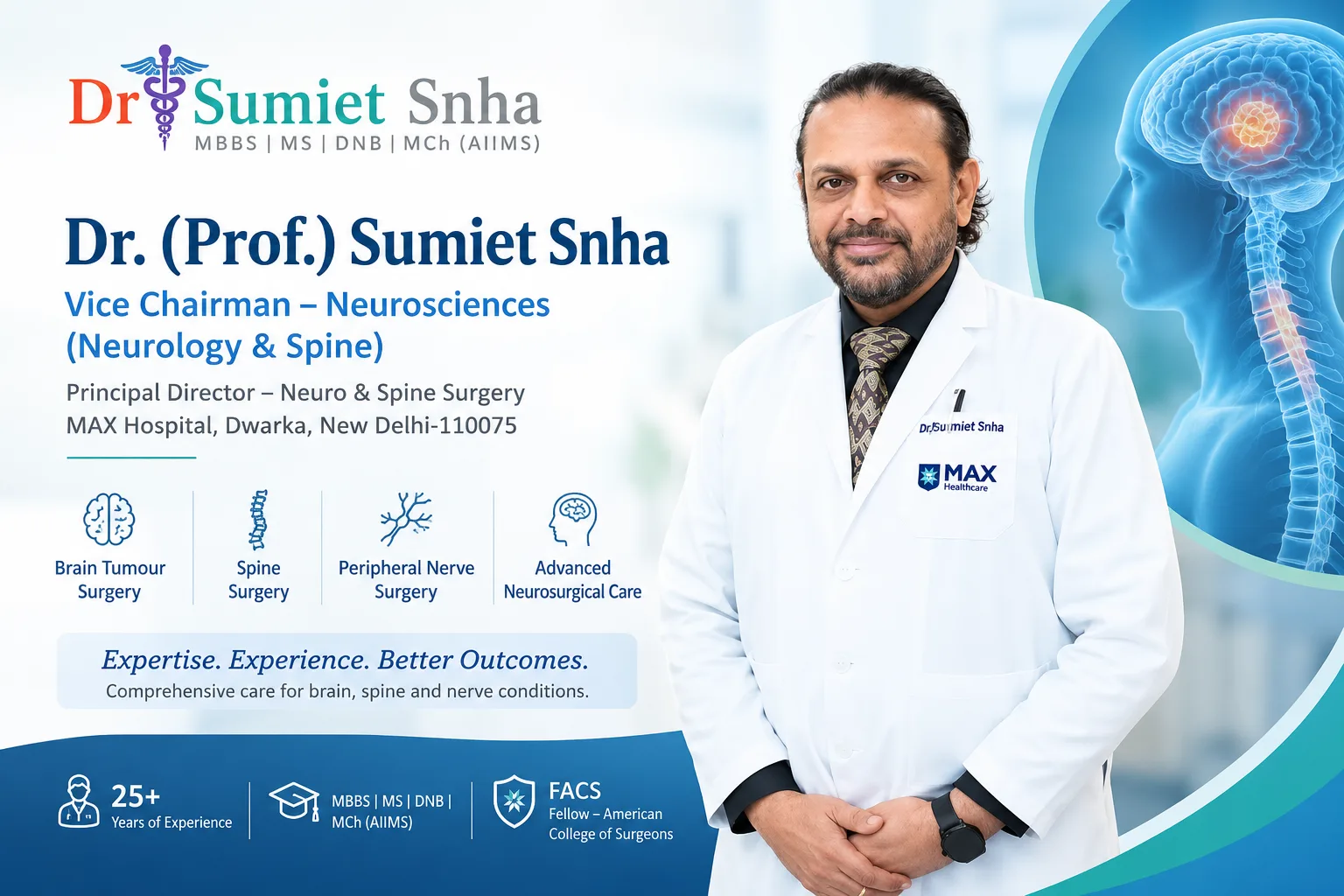
Choosing an experienced Pediatric Neurosurgeon is an important step in ensuring comprehensive, child-centered neurological care. Dr. (Prof.) Sumiet Snha, Vice Chairman – Neurosciences (Neurology & Spine), is currently working at MAX Hospital, Gurgaon, India and has more than 25 years of experience in neurosurgery. Since 2005, he has been involved in treating a wide range of complex neurological and neurosurgical conditions using evidence-based, patient-focused approaches. Parents should never ignore persistent neurological symptoms, as timely diagnosis and appropriate treatment can improve long-term outcomes and support healthy growth, development, and quality of life.


0 Comments