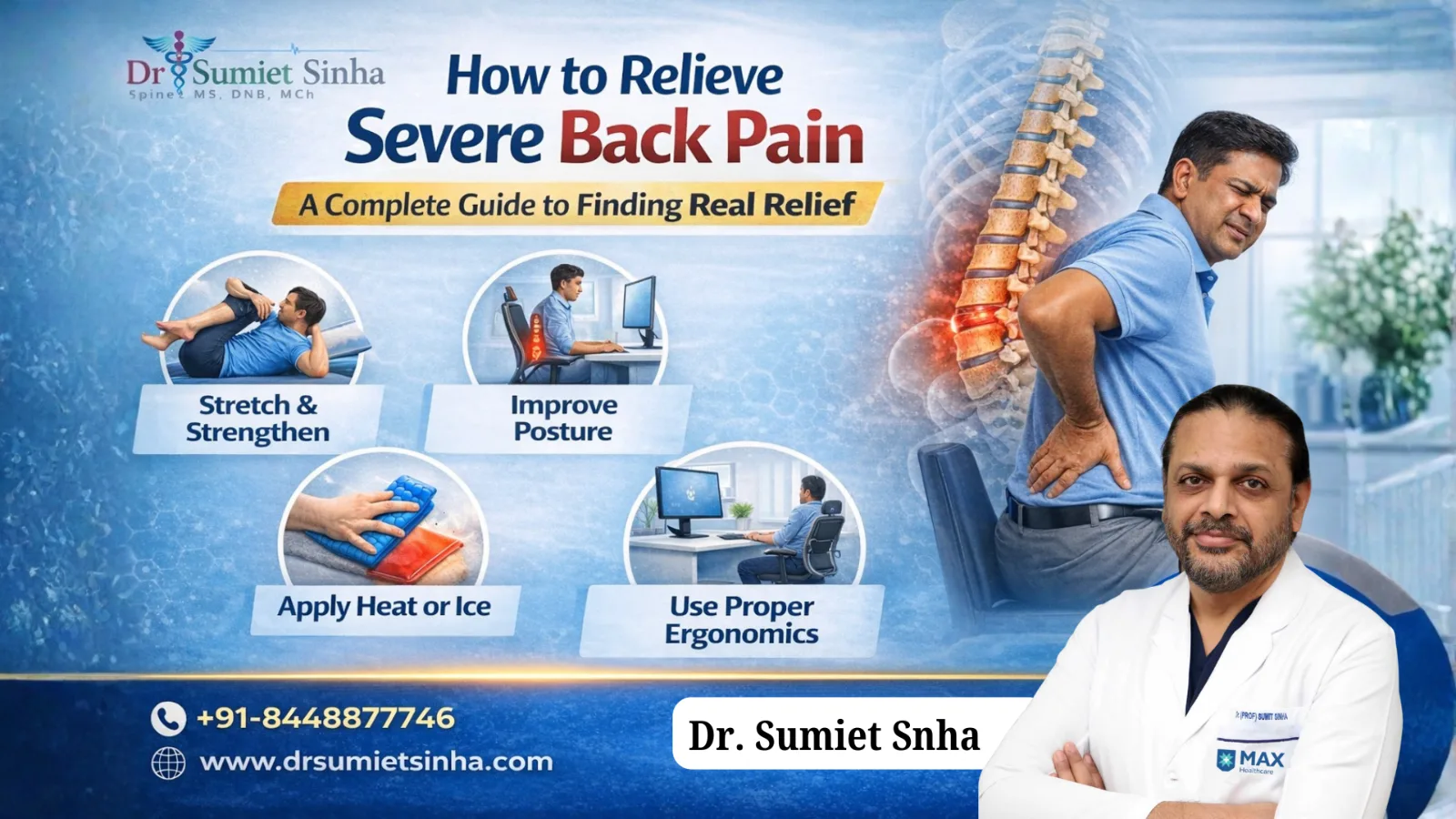
Severe back pain often happens when you sit in one place for too long or follow the wrong posture without realizing it. To avoid this, you need to stay a little active every day—take short walks, stretch your body, and pay attention to how you sit. Simple habits like doing yoga and sitting straight can slowly make your back stronger and reduce pain over time.
If you’re wondering How to Relieve Severe Back Pain, the first step is to understand your daily routine. Most people ignore small signs until the pain becomes serious, but your body always gives early signals. Try to avoid sitting for long hours, keep your posture correct, and give your body proper rest. These small changes can make a big difference. And if the pain feels too strong or keeps coming back, it’s always better to consult a doctor instead of ignoring it. Taking care of your back daily can help you live more comfortably without constant pain.
Understanding Why Your Back Hurts So Much
Before we dive into relief strategies, let's talk about what's actually happening in your back. Severe back pain doesn't just appear out of nowhere—there's always an underlying cause, even if it's not immediately obvious.
Your spine is an incredible structure made up of 33 vertebrae, cushioned by discs, supported by muscles, and connected by a complex network of nerves. When any part of this system gets stressed, injured, or inflamed, pain signals shoot through your body.
According to Dr. Sumiet Snha , a renowned spine surgeon with 25 years of neurosurgical experience, "Most people don't realize that severe back pain often stems from a combination of factors—poor posture, muscle weakness, inflammation, and sometimes structural issues that have been developing for years."
The most common culprits include:
- Herniated or bulging discs pressing on nerves
- Muscle strains from overexertion or sudden movements
- Arthritis causing inflammation in spine joints
- Sciatica where nerve compression creates shooting pain
- Spinal stenosis or narrowing of the spinal canal
Immediate Relief Strategies: What to Do Right Now
When severe pain strikes, you need solutions that work fast. Here's how to relieve severe back pain in those critical first hours and days:
The Ice and Heat Protocol
This might sound basic, but timing matters tremendously. For the first 48-72 hours after a back injury, use ice. Apply an ice pack wrapped in a thin towel for 15-20 minutes every 2-3 hours. This reduces inflammation and numbs the immediate pain.
After the initial inflammatory period passes, switch to heat therapy. A heating pad, warm bath, or hot water bottle helps relax tight muscles and increases blood flow to the injured area. Never apply heat directly to your skin—always use a barrier.
Finding Your Comfort Position
Different back conditions respond to different positions. Experiment to find what works for you:
For lower back pain: Lie on your back with a pillow under your knees. This reduces pressure on your lower spine.
For sciatica: Try lying on the side opposite your pain with a pillow between your knees.
For general relief: The fetal position—lying on your side with knees drawn toward your chest—often provides significant comfort.
Over-the-Counter Medication Strategy
Non-prescription pain relievers can be lifesavers when used correctly. Ibuprofen (Advil, Motrin) reduces both pain and inflammation, making it particularly effective for back issues. Acetaminophen (Tylenol) helps with pain but doesn't address inflammation.
Dr. Sumiet Snha often advises patients: "Follow the dosing instructions carefully, and don't exceed recommended amounts. These medications are tools for managing pain while your body heals, not long-term solutions."
Movement-Based Relief: The Gentle Approach
Here's something that surprises most people: complete bed rest usually makes back pain worse. Your body needs gentle movement to promote healing and prevent stiffness.
Walking: Your Secret Weapon
Simple walking is one of the best things you can do. Start with just 5-10 minutes if that's all you can manage. Walking increases blood flow, keeps muscles active, and releases natural pain-relieving endorphins. Plus, it's low-impact enough that it won't aggravate most back conditions.
Stretches That Actually Help
The Cat-Cow Stretch: Get on your hands and knees. Arch your back like a cat, then dip your belly toward the floor like a cow. This gentle movement mobilizes your entire spine.
Knee-to-Chest Stretch: Lie on your back, pull one knee gently toward your chest, hold for 20-30 seconds, then switch. This releases lower back tension.
Child's Pose: Kneel on the floor, sit back on your heels, and stretch your arms forward on the ground. This stretches your entire back and is incredibly soothing.
Important note: If any stretch increases your pain, stop immediately. Stretching should create mild tension, never sharp pain.
Professional Treatment Options That Work
Sometimes home remedies aren't enough. Knowing when to seek professional help is crucial for learning how to relieve severe back pain effectively.
Physical Therapy: More Than Just Exercise
A skilled physical therapist does much more than guide you through exercises. They assess your specific condition, identify muscle imbalances, teach proper body mechanics, and create a customized treatment plan. Most people see significant improvement within 4-6 weeks of consistent physical therapy.
Chiropractic Care
Chiropractors use spinal adjustments to improve alignment and reduce nerve pressure. This approach works particularly well for certain types of back pain, though it's not suitable for everyone. Always consult with your doctor first, especially if you have osteoporosis or a herniated disc.
Massage Therapy
Therapeutic massage releases muscle tension, improves circulation, and can provide significant pain relief. Look for a massage therapist experienced in treating back pain—this isn't about relaxation spa massage, but targeted therapeutic work.
When Surgery Becomes an Option
Dr. Sumiet Snha emphasizes that surgery is typically a last resort: "With 25 years of neurosurgical experience, I've seen that the vast majority of back pain cases respond well to conservative treatment. Surgery becomes necessary when there's nerve damage progressing, loss of bowel or bladder control, or severe structural problems that don't respond to other treatments."
Lifestyle Changes That Prevent Future Pain
Understanding how to relieve severe back pain also means preventing it from returning. These lifestyle adjustments make a real difference:
Your Workspace Setup Matters
If you work at a desk, your setup might be sabotaging your back. Your monitor should be at eye level, your feet flat on the floor, and your lower back supported. Take a 5-minute break every hour to stand, stretch, and walk around.
Sleep Position and Mattress Quality
You spend a third of your life sleeping—make it count. A mattress that's too soft or too old (more than 7-8 years) can wreak havoc on your back. Medium-firm mattresses typically provide the best support for most people.
Core Strength: Your Natural Back Brace
Strong core muscles—including your abs, obliques, and lower back muscles—support your spine better than any brace you can buy. Incorporate planks, bird dogs, and gentle core exercises into your routine 3-4 times weekly.
Weight Management
Every extra pound you carry puts additional stress on your spine. Losing even 5-10 pounds can significantly reduce back pain for many people. This isn't about perfection—it's about reducing the load on your already-stressed back.
Natural and Alternative Remedies
Beyond conventional medicine, several natural approaches show promise for back pain relief:
Topical Treatments
Capsaicin cream (derived from chili peppers) creates a warming sensation that can relieve pain when applied to the affected area. CBD creams and arnica gel also show pain-relieving properties for some people.
Anti-Inflammatory Foods
What you eat affects inflammation in your body. Increase your intake of omega-3 fatty acids (found in fish, walnuts, flaxseeds), turmeric, ginger, and leafy greens. Reduce processed foods, excess sugar, and trans fats that promote inflammation.
Mind-Body Techniques
Chronic pain has a psychological component. Techniques like meditation, deep breathing exercises, and progressive muscle relaxation help manage pain perception and reduce muscle tension. Apps like Headspace or Calm offer guided pain management programs.
Acupuncture
This ancient Chinese practice involves inserting thin needles at specific points on your body. Research shows it can be effective for chronic back pain, though results vary from person to person.
Red Flags: When to Seek Immediate Medical Attention
While most back pain improves with self-care, certain symptoms require immediate medical evaluation:
- Numbness or tingling in your legs or groin area
- Loss of bowel or bladder control
- Severe pain following a fall or accident
- Pain accompanied by unexplained weight loss or fever
- Weakness in one or both legs
- Pain that's progressively getting worse despite treatment
These symptoms could indicate serious conditions like cauda equina syndrome, spinal infection, or fracture that need urgent attention.
Creating Your Personalized Pain Relief Plan
Everyone's back pain is different, which means how to relieve severe back pain varies from person to person. Here's how to create your own effective plan:
Week 1-2: Focus on immediate relief. Use ice/heat therapy, take appropriate medication, find comfortable positions, and incorporate gentle walking.
Week 3-4: Add stretching and light exercises. Consider booking an appointment with a physical therapist or chiropractor if pain persists.
Week 5-8: Focus on strengthening exercises and addressing lifestyle factors like workspace ergonomics and sleep quality.
Beyond 8 weeks: If you're still experiencing significant pain, consult with a spine specialist like Dr. Sumiet Snha who can perform advanced diagnostic imaging and recommend more targeted treatments.
The Psychological Side of Back Pain
Living with severe pain affects your mental health. It's normal to feel frustrated, anxious, or even depressed when pain limits your daily activities. Don't ignore this aspect—your mental state affects your physical recovery.
Consider joining a support group (online or in-person) where you can connect with others experiencing similar challenges. Talking with a therapist who specializes in chronic pain can provide valuable coping strategies.
Prevention: Your Best Long-Term Strategy
Once you've found relief, the goal is keeping pain from returning. Make these habits part of your daily routine:
- Lift properly: Bend at the knees, not the waist. Keep objects close to your body.
- Stay active: Regular exercise keeps muscles strong and flexible.
- Maintain good posture: Whether sitting, standing, or walking, proper alignment reduces spine stress.
- Manage stress: Tension accumulates in your back muscles. Find healthy stress outlets.
- Stay hydrated: Your spinal discs need water to maintain their cushioning ability.
Moving Forward with Confidence
Learning how to relieve severe back pain is a journey, not a destination. What works perfectly for your neighbor might not work for you, and that's okay. The key is staying patient, consistent, and willing to try different approaches.
Remember what Dr. Sumiet Snha tells his patients: "Your back pain didn't develop overnight, and it won't disappear overnight either. But with the right approach, consistent effort, and professional guidance when needed, most people find significant relief and return to the activities they love."
Start with the immediate relief strategies outlined here, incorporate gentle movement, and make the lifestyle changes that support long-term back health. If pain persists beyond a few weeks despite your best efforts, don't hesitate to seek professional evaluation. You deserve to live without debilitating pain.
Your back supports everything you do—now it's time to support your back




0 Comments