A spinal fracture is a serious injury that occurs when one or more bones (vertebrae) in the spine break or collapse, potentially affecting spinal stability and, in severe cases, the spinal cord. Spinal Fracture Treatment in India has advanced significantly with modern diagnostic tools and personalized treatment approaches, helping patients receive timely and effective care. Spinal fractures may result from road accidents, falls from height, osteoporosis, sports injuries, or other high-impact trauma. Seeking early medical attention is essential to reduce the risk of long-term complications and support a better recovery.
This article explains the common causes, warning symptoms, diagnostic methods, available treatment options, and recovery process for spinal fractures in a clear and patient-friendly manner. It also highlights preventive measures, when to consult a spine specialist, and what patients can expect during rehabilitation. Understanding these important aspects can help individuals make informed healthcare decisions and improve their chances of achieving a safe and successful recovery.
What Is a Spinal Fracture?
Definition
A spinal fracture is a break or crack in one or more of the vertebrae, the small bones that form the spinal column. These fractures can range from minor compression injuries to severe breaks that affect the alignment of the spine and may place pressure on nearby nerves or the spinal cord. Depending on the location and severity, a spinal fracture can cause pain, reduced mobility, and neurological symptoms, making timely evaluation essential for appropriate Spinal Fracture Treatment in India.
Why the Spine Is Vulnerable
The spine supports body weight, enables movement, and protects the delicate spinal cord that carries signals between the brain and the rest of the body. Because it absorbs daily stress and is exposed to high-impact injuries, the vertebrae can become vulnerable to fractures caused by trauma, weakened bones, or age-related conditions. Maintaining spinal stability is essential to preserve posture, movement, and normal nerve function.
Commonly Affected Areas
Spinal fractures can occur in different regions of the spine, including the cervical spine (neck), thoracic spine (upper and mid-back), lumbar spine (lower back), and sacral region (base of the spine). Each area has unique functions, and the symptoms and treatment approach vary depending on the location and extent of the injury.
Common Causes of Spinal Fractures
Traumatic Injuries
A spinal fracture most commonly occurs after a sudden, high-impact injury that places excessive force on the vertebrae. Road traffic accidents, falls from significant heights, sports-related trauma, and workplace accidents are among the leading causes. These injuries can compress, crack, or displace the vertebrae, and in severe cases, may also damage nearby nerves or the spinal cord. Prompt evaluation is important to determine the severity of the injury and plan the most appropriate Spinal Fracture Treatment in India.
Medical Conditions
Not all spinal fractures are caused by accidents. Certain medical conditions can gradually weaken the vertebrae, making them more likely to break during routine activities. Osteoporosis is the most common cause of fragile bones, while bone tumors, spinal infections, and age-related loss of bone density can also increase the risk of vertebral fractures. Early diagnosis and proper management of these conditions can help reduce the likelihood of serious spinal injuries.
Other Risk Factors
Several lifestyle and health factors may further increase the risk of developing a spinal fracture, including:
- Poor bone health due to inadequate nutrition or chronic illness.
- Vitamin D deficiency, which reduces calcium absorption and weakens bones.
- Previous spinal injuries that make the spine more susceptible to future fractures.
- High-impact activities or contact sports without proper protective measures.
- Smoking and a sedentary lifestyle, which may contribute to reduced bone strength and delayed healing.
Recognizing these risk factors and adopting preventive measures can help protect spinal health and lower the chances of sustaining a fracture.
Types of Spinal Fractures
Compression Fracture
A compression fracture occurs when a vertebra collapses due to excessive pressure. It is commonly associated with osteoporosis, minor falls, or weakened bones in older adults. Typical symptoms include sudden back pain, reduced height, limited mobility, and pain that worsens while standing or walking.
Burst Fracture
A burst fracture is a more severe injury in which the vertebra breaks into multiple fragments, usually after a high-impact accident such as a road traffic collision or a fall from height. Bone fragments may move toward the spinal canal, increasing the risk of nerve damage, numbness, weakness, or, in severe cases, paralysis. Immediate medical evaluation is essential for appropriate Spinal Fracture Treatment in India.
Flexion-Distraction Fracture
A flexion-distraction fracture is often linked to seatbelt injuries during motor vehicle accidents. This type of injury occurs when the spine is forcefully bent forward, causing damage to the vertebrae and supporting ligaments. It can lead to spinal instability and may require surgical treatment if the injury is severe.
Fracture-Dislocation
A fracture-dislocation is one of the most serious spinal injuries, involving both a broken vertebra and displacement of the spinal bones. It usually results from high-energy trauma and is considered a medical emergency because of the significant risk of spinal cord injury and permanent neurological complications.
Symptoms of a Spinal Fracture
The symptoms of a spinal fracture can vary depending on the location and severity of the injury, but they should never be ignored. Many people experience severe back pain or neck pain immediately after a fall, road accident, sports injury, or other traumatic event. The pain may worsen with movement and make everyday activities difficult. Some patients also develop difficulty walking, trouble standing upright, loss of balance, muscle weakness, tingling sensations, or numbness in the arms or legs due to pressure on nearby nerves or the spinal cord. In more serious cases, a visible spinal deformity may be present, indicating significant damage to the vertebrae.
Certain symptoms require urgent medical evaluation. Loss of bladder or bowel control, rapidly increasing weakness, progressive numbness, or an inability to walk may indicate spinal cord involvement and should be treated as a medical emergency. Early diagnosis and timely Spinal Fracture Treatment in India can help reduce the risk of permanent nerve damage, improve recovery, and restore spinal stability. If these warning signs develop after any spinal injury, seek immediate medical attention without delay.
How Is a Spinal Fracture Diagnosed?
Medical History
The diagnostic process begins with a detailed review of the patient's medical history. The doctor asks about the cause of the injury, the onset of symptoms, previous spinal conditions, osteoporosis, and any underlying medical problems that may have weakened the bones.
Physical Examination
A comprehensive physical examination is performed to identify areas of tenderness, swelling, spinal alignment, and restricted movement. This helps assess the severity of the injury and detect signs of spinal instability.
Neurological Assessment
A neurological examination evaluates muscle strength, sensation, reflexes, and coordination to determine whether the spinal cord or surrounding nerves have been affected by the fracture.
Imaging Tests
Imaging plays a crucial role in confirming the diagnosis. An X-ray helps detect broken vertebrae, a CT scan provides detailed images of the bone structure, and an MRI identifies damage to the spinal cord, nerves, ligaments, or soft tissues.
Bone Density Test
If osteoporosis is suspected, a bone density test may be recommended to assess bone strength and identify the underlying cause of the fracture.
An accurate diagnosis is essential because it helps specialists choose the most appropriate Spinal Fracture Treatment in India, whether it involves conservative care, minimally invasive procedures, or surgical intervention based on the type, location, and severity of the injury.
Spinal Fracture Treatment in India
The approach to Spinal Fracture Treatment in India depends on the type of fracture, its severity, the patient's overall health, and whether the spinal cord or nerves have been affected. Many stable fractures can be managed without surgery, while complex or unstable injuries may require advanced surgical intervention. The primary goals of treatment are to relieve pain, restore spinal stability, protect nerve function, and help patients return to their normal daily activities as safely as possible.
Non-Surgical Treatment
For stable spinal fractures without significant nerve compression, conservative treatment is often the first choice. Common non-surgical options include:
- Pain medications to reduce pain and inflammation.
- Back brace to support the spine and limit movement during healing.
- Short-term bed rest followed by gradual mobilization.
- Physiotherapy to improve strength, flexibility, and posture.
- Activity modification to avoid heavy lifting and high-impact activities.
- Calcium and Vitamin D supplements to promote bone healing and improve bone health.
Surgical Treatment
Surgery may be recommended when the fracture is unstable or associated with spinal cord or nerve injury. Depending on the condition, treatment options may include:
- Vertebroplasty to stabilize certain compression fractures.
- Kyphoplasty to restore vertebral height and relieve pain.
- Spinal fixation using screws and rods to stabilize the spine.
- Decompression surgery to relieve pressure on the spinal cord or nerves.
- Minimally invasive spine surgery for selected patients, offering smaller incisions, less tissue damage, and faster recovery.
When Is Surgery Recommended?
A spine specialist may recommend surgery in the following situations:
- Unstable spinal fractures that cannot heal properly with conservative care.
- Spinal cord compression causing neurological deficits.
- Progressive neurological symptoms, including increasing weakness or numbness.
- Severe spinal deformity affecting posture and stability.
- Failure of conservative treatment to relieve symptoms or maintain spinal alignment.
Early evaluation and an individualized treatment plan can significantly improve recovery, reduce complications, and help patients regain mobility and quality of life.
Recovery After a Spinal Fracture
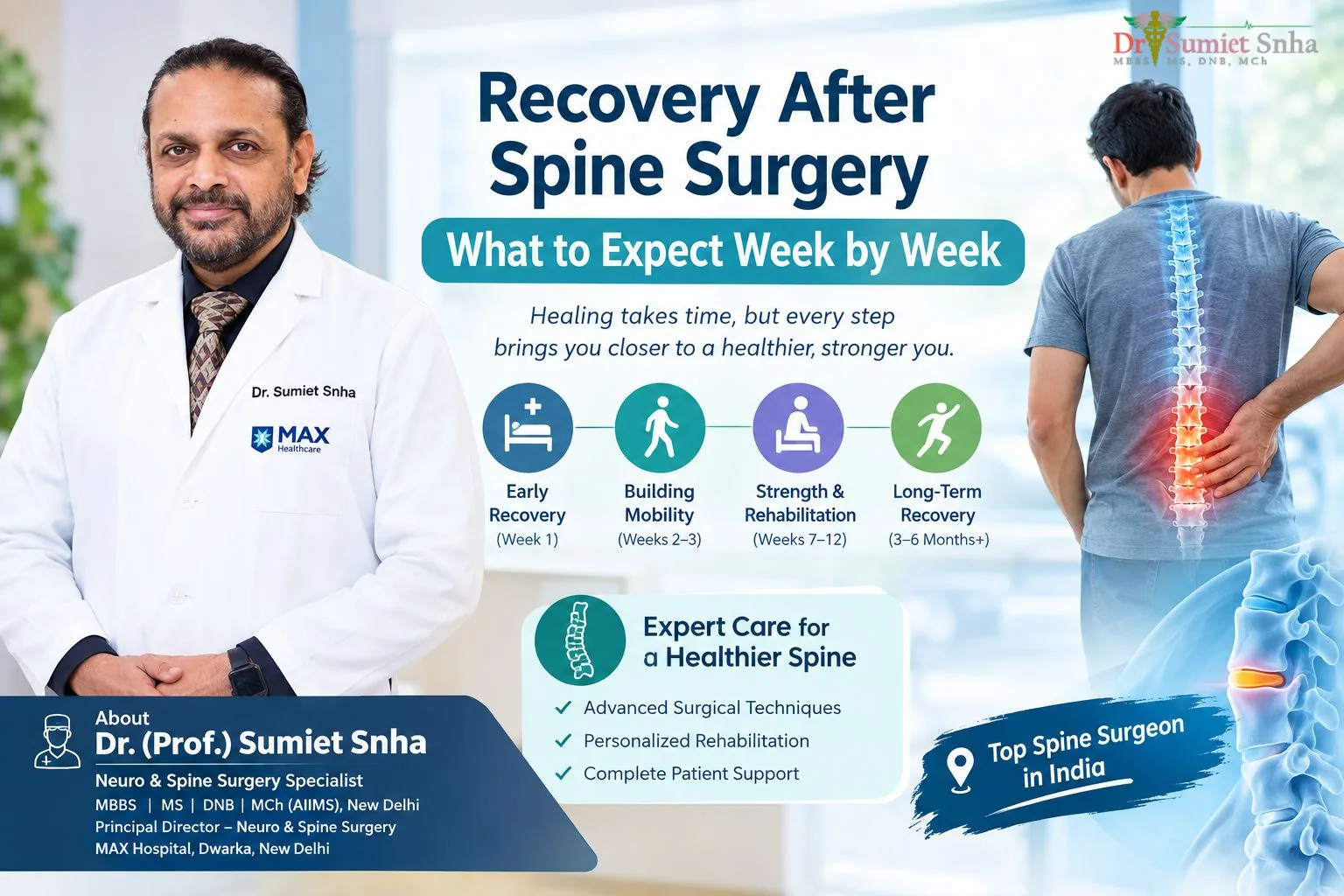
Recovery after a spinal fracture varies depending on the type of injury, its severity, the patient's overall health, and the treatment received. Most stable fractures begin to heal within 6–12 weeks, while more complex injuries requiring surgery may take several months for complete recovery. Effective pain management, along with guidance from a healthcare professional, helps patients stay comfortable and participate in rehabilitation. Physiotherapy plays a vital role in improving muscle strength, flexibility, posture, and spinal stability, allowing patients to regain confidence in their movements.
A gradual return to daily activities is recommended to avoid placing unnecessary stress on the healing spine. A structured spine rehabilitation program, regular follow-up appointments, and imaging studies help monitor healing progress and detect any complications early. Adopting healthy lifestyle modifications, such as maintaining good posture, following a balanced calcium-rich diet, staying physically active, avoiding smoking, and performing spine-strengthening exercises, can support long-term recovery and reduce the risk of future spinal injuries.
Tips to Prevent Spinal Fractures
Although not every spinal fracture can be prevented, adopting healthy lifestyle habits can significantly reduce the risk of bone injuries and improve long-term spinal health. Strong bones, good balance, and proper body mechanics help protect the spine from fractures caused by falls, accidents, and age-related bone loss. The following preventive measures can help lower the risk:
- Maintain strong bones through proper nutrition and regular health check-ups.
- Exercise regularly, including weight-bearing and muscle-strengthening activities.
- Practice good posture while sitting, standing, and lifting heavy objects.
- Follow fall prevention strategies, especially for older adults, by keeping living spaces safe.
- Maintain a healthy body weight to reduce unnecessary stress on the spine.
- Eat a calcium-rich diet to support bone strength and healing.
- Ensure adequate Vitamin D intake for better calcium absorption and bone health.
- Avoid smoking, as it weakens bones and delays the healing process.
- Wear protective gear during sports and high-risk activities to reduce the chance of spinal injuries.
Following these simple preventive measures can help maintain a healthy spine and decrease the likelihood of fractures throughout life.
When Should You Consult a Spine Specialist?
Consulting a spine specialist without delay is important if you experience persistent severe back pain, especially after an accident, fall, or sports-related injury. Medical evaluation is also recommended if you develop numbness or tingling, weakness in the arms or legs, difficulty walking, or signs of suspected spinal instability, such as severe pain with movement or an inability to maintain normal posture. Loss of bladder or bowel control is a medical emergency and requires immediate attention, as it may indicate significant spinal cord compression.
Early assessment allows for an accurate diagnosis and timely Spinal Fracture Treatment in India, helping prevent further damage to the spine and surrounding nerves. Prompt treatment can improve recovery, restore spinal stability, reduce the risk of permanent neurological complications, and increase the likelihood of returning safely to normal daily activities.
Frequently Asked Questions
1. What is a spinal fracture?
A spinal fracture is a break or crack in one or more vertebrae of the spine. It may occur due to trauma, falls, osteoporosis, or other conditions that weaken the bones. The severity can range from a minor compression fracture to a complex injury involving the spinal cord.
2. What are the common symptoms of a spinal fracture?
Common symptoms include severe back or neck pain, pain after an accident or fall, numbness, tingling, muscle weakness, difficulty walking, loss of balance, and, in severe cases, loss of bladder or bowel control.
3. Can a spinal fracture heal without surgery?
Yes. Many stable spinal fractures heal successfully with non-surgical treatment such as pain medications, spinal bracing, physiotherapy, activity modification, and regular follow-up. Surgery is generally reserved for unstable fractures or those causing neurological problems.
4. How long does a spinal fracture take to heal?
Most uncomplicated spinal fractures heal within 6 to 12 weeks. Recovery may take longer if the fracture is severe, requires surgery, or is associated with osteoporosis or other underlying medical conditions.
5. What is the best Spinal Fracture Treatment in India?
The most appropriate Spinal Fracture Treatment in India depends on the type, location, and severity of the fracture. Treatment may include conservative care, minimally invasive procedures, or surgery, based on an individual patient's clinical condition and imaging findings.
6. Is surgery necessary for every spinal fracture?
No. Surgery is not required for every patient. It is usually recommended when there is spinal instability, spinal cord compression, progressive nerve damage, severe deformity, or when conservative treatment fails to provide adequate relief.
7. What is the difference between a compression fracture and a burst fracture?
A compression fracture usually involves the collapse of the front part of a vertebra and is commonly linked to osteoporosis. A burst fracture is more severe, with the vertebra breaking into multiple fragments that may compress the spinal cord or nerves.
8. Can osteoporosis cause spinal fractures?
Yes. Osteoporosis weakens the bones, making the vertebrae more susceptible to fractures, even after minor falls or routine daily activities. Early diagnosis and bone-strengthening treatment can reduce this risk.
9. How can spinal fractures be prevented?
Maintaining strong bones through a calcium-rich diet, adequate Vitamin D intake, regular exercise, good posture, fall prevention, avoiding smoking, and wearing protective equipment during sports can help reduce the risk of spinal fractures.
10. When should I see a spine specialist after a back injury?
You should seek medical attention immediately if back pain follows a fall, road accident, or sports injury, especially if it is associated with numbness, weakness, difficulty walking, or bladder and bowel problems.
11. Can minimally invasive spine surgery be used for spinal fractures?
In selected patients, minimally invasive spine surgery may be recommended to stabilize the spine while minimizing muscle damage, blood loss, and recovery time. The decision depends on the fracture pattern and overall spinal stability.
12. Who should evaluate and treat a spinal fracture?
Spinal fractures should be assessed by a qualified spine specialist or neurosurgeon with experience in diagnosing and managing spinal trauma. Dr. Sumiet Snha, Vice Chairman – Neurosciences (Neurology & Spine), Max Hospital, Gurgaon, has more than 25+ years of experience in neurosurgery and spine care. An experienced specialist can recommend the most appropriate treatment plan based on the patient's symptoms, neurological examination, and imaging findings.
Conclusion
A spinal fracture should never be ignored, as early recognition and timely medical evaluation can help prevent serious complications and improve long-term outcomes. The most appropriate treatment depends on the type, location, and severity of the fracture, as well as the patient's overall health and neurological status. Spinal Fracture Treatment in India includes advanced non-surgical therapies, minimally invasive procedures, and surgical techniques that are selected according to each patient's individual needs. If you experience severe back pain or sustain a significant spinal injury, seeking prompt assessment from an experienced spine specialist is essential. Dr. Sumiet Snha, Vice Chairman – Neurosciences (Neurology & Spine), Max Hospital, Gurgaon, has over 25+ years of experience in the evaluation and management of complex spinal conditions. Early diagnosis, appropriate treatment, and guided rehabilitation play a key role in restoring mobility, protecting nerve function, and supporting a safe recovery.



0 Comments