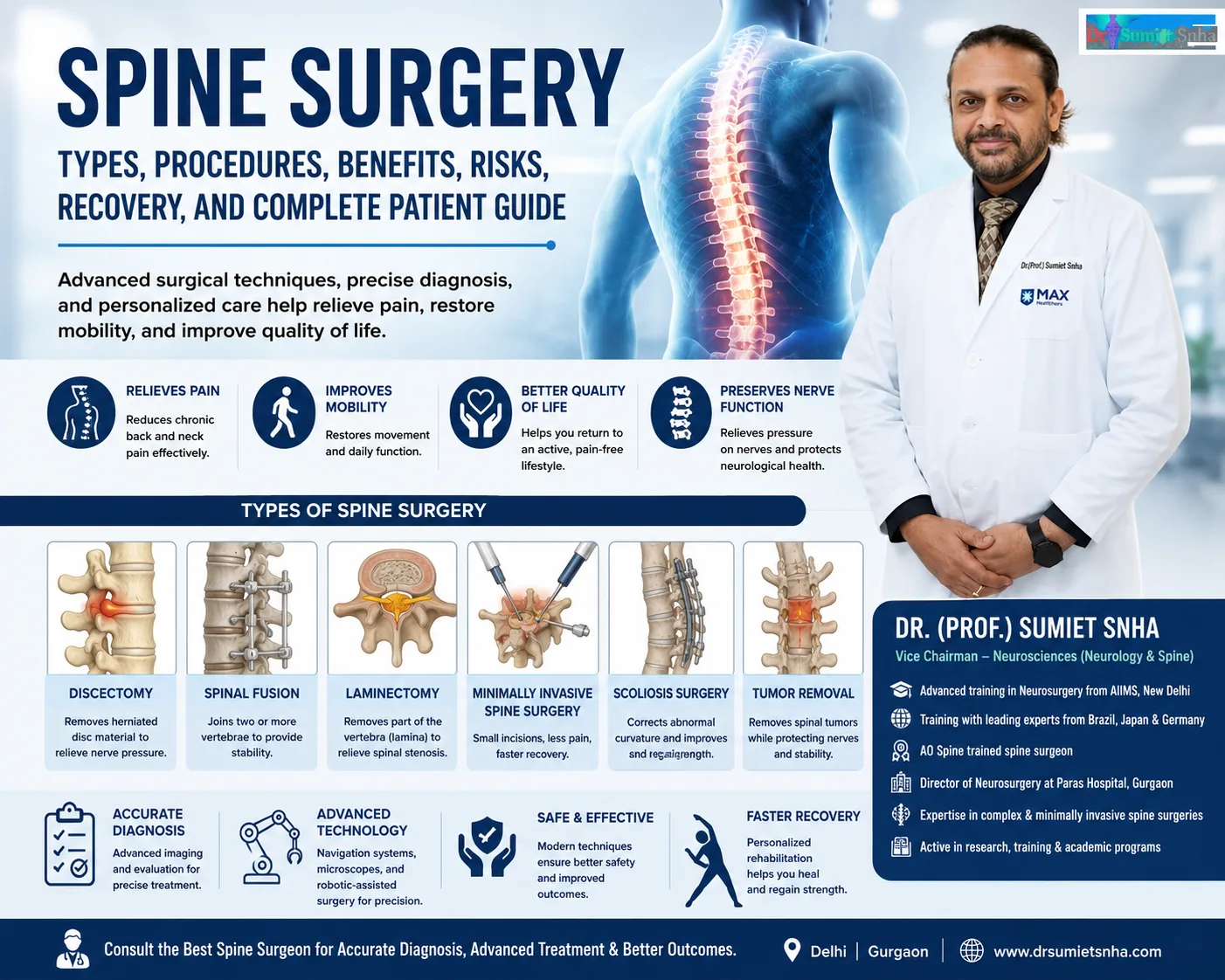
The spine provides structural support, protects the spinal cord, and enables smooth movement, making it essential for overall health and daily activities. Consulting the Best Spine Surgeon becomes important when persistent back or neck problems begin to affect mobility, nerve function, or quality of life. Conditions such as herniated discs, spinal stenosis, degenerative disc disease, spinal fractures, scoliosis, and spinal tumors may sometimes require Spine Surgery after conservative treatments fail.
Modern surgical techniques, including Minimally Invasive Spine Surgery, advanced imaging, neuronavigation, and robotic-assisted procedures, have improved surgical precision while helping reduce recovery time for many patients. This comprehensive guide explains the different types of spine surgery, when surgery is recommended, available procedures, potential benefits and risks, recovery expectations, and practical tips to help patients make informed healthcare decisions with confidence.
What Is Spine Surgery?
Understanding Spine Surgery
Spine surgery is a specialized medical procedure performed to treat disorders affecting the spinal column, spinal cord, or surrounding nerves when non-surgical treatments such as medication, physiotherapy, or lifestyle modifications do not provide sufficient relief. The primary purpose of surgery is to reduce pain, relieve pressure on compressed nerves, restore spinal stability, correct structural abnormalities, and improve overall function. Depending on the condition, surgeons may remove damaged tissue, stabilize vertebrae, repair fractures, or correct spinal deformities using advanced surgical techniques. Modern spine surgery is carefully planned using detailed imaging and patient-specific treatment strategies, with the goal of improving mobility, protecting neurological function, and helping patients safely return to their daily activities.
Conditions That May Require Spine Surgery
Several spinal conditions may require surgical treatment when symptoms become severe or progressively worsen. Common examples include herniated disc, spinal stenosis, degenerative disc disease, scoliosis, spinal fractures, spine tumors, and spinal infections. While many of these conditions can initially be managed with conservative care, surgery may be recommended when there is persistent pain, nerve compression, progressive weakness, spinal instability, or a risk of permanent neurological damage. An accurate diagnosis and individualized treatment plan are essential to determine whether surgery is the most appropriate option for each patient.
Common Symptoms That May Indicate the Need for Spine Surgery
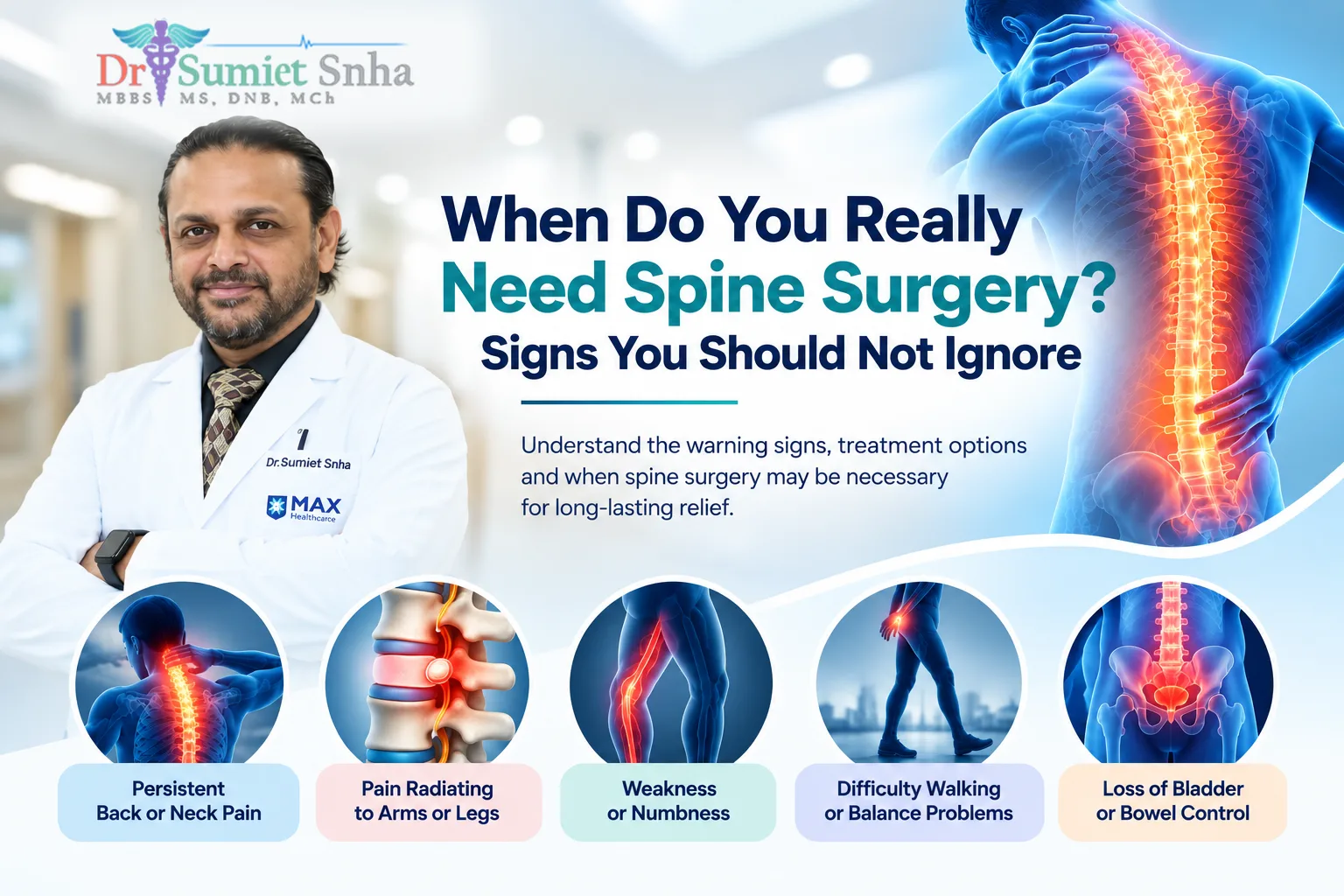
Spinal disorders can produce a wide range of symptoms depending on the affected vertebrae, spinal cord, or nerve roots. While many cases improve with medication, physiotherapy, and lifestyle changes, persistent or worsening symptoms may indicate a more serious condition that requires specialist evaluation. Recognizing these warning signs early can help prevent further nerve damage and improve treatment outcomes.
Common symptoms include:
- Persistent back pain that does not improve with conservative treatment
- Chronic neck pain that limits movement or daily activities
- Leg pain (sciatica) caused by nerve compression
- Numbness or reduced sensation in the arms, hands, legs, or feet
- Tingling or burning sensations that radiate along the affected nerve
- Muscle weakness affecting grip strength or leg movement
- Difficulty walking or standing for extended periods
- Loss of balance or poor coordination during movement
- Bowel or bladder dysfunction, which may indicate a serious spinal emergency
Emergency Warning Signs: Seek immediate medical attention if you experience sudden paralysis, rapidly worsening weakness, complete loss of bladder or bowel control, severe numbness around the groin or inner thighs, or intense back pain following a major injury, as these symptoms may require urgent spinal assessment and treatment.
Causes and Risk Factors for Spine Disorders
Common Causes
Spine disorders can develop due to a combination of age-related changes, physical stress, injuries, and underlying medical conditions. As people age, the spinal discs gradually lose hydration and flexibility, increasing the likelihood of degenerative changes. Traumatic injuries from road accidents or falls may damage the vertebrae, discs, or ligaments. Poor posture during prolonged sitting, incorrect lifting techniques, and repetitive movements can place excessive strain on the spine over time. Sports-related injuries, particularly those involving high-impact activities or repeated twisting motions, may also contribute to spinal damage. In addition, obesity increases pressure on the spinal column, accelerating wear and tear while increasing the risk of chronic back and neck problems.
Risk Factors
Several factors can increase the likelihood of developing spine disorders. Smoking reduces blood flow to spinal tissues and may delay healing, while diabetes can contribute to nerve-related complications. A sedentary lifestyle weakens the muscles that support the spine, making injuries more likely. Genetic factors may predispose some individuals to inherited spinal conditions or early disc degeneration. Osteoporosis increases the risk of vertebral compression fractures by weakening bones, and occupational strain from repetitive bending, prolonged sitting, heavy lifting, or vibration exposure can significantly increase the risk of long-term spinal problems.
How Spine Problems Are Diagnosed Before Surgery
Before recommending Spine Surgery, doctors perform a detailed evaluation to identify the exact cause of symptoms and determine whether surgery is the most appropriate treatment. A comprehensive diagnosis helps distinguish surgical conditions from problems that can be managed with non-surgical therapies, ensuring that every patient receives an individualized treatment plan.
Diagnostic Evaluation May Include:
- Clinical Evaluation: A detailed review of medical history, current symptoms, previous injuries, lifestyle factors, and response to earlier treatments.
- Neurological Examination: Assessment of muscle strength, reflexes, sensation, coordination, balance, and walking pattern to identify possible nerve or spinal cord involvement.
- Imaging Tests:
- MRI (Magnetic Resonance Imaging): Provides detailed images of spinal discs, nerves, ligaments, and the spinal cord.
- CT Scan: Offers clear visualization of vertebrae and complex bone abnormalities.
- X-ray: Helps evaluate spinal alignment, fractures, instability, and degenerative changes.
- Advanced Diagnostic Tests:
- Electromyography (EMG): Measures muscle activity to detect nerve or muscle disorders.
- Nerve Conduction Study (NCS): Evaluates how efficiently electrical signals travel through peripheral nerves.
- Bone Scan (when indicated): May be recommended to identify infections, tumors, stress fractures, or abnormal bone metabolism.
Accurate diagnosis allows healthcare specialists to recommend the safest and most effective treatment approach while reducing the risk of unnecessary surgical intervention.
When Is Spine Surgery Recommended?
Spine surgery is generally considered only after a thorough evaluation and when non-surgical treatments are unlikely to provide lasting relief. Many spinal conditions can be managed with medications, physiotherapy, activity modification, or pain management techniques. However, surgery may become the most appropriate option when symptoms persist, neurological function declines, or structural damage threatens long-term spinal health.
Spine surgery may be recommended in the following situations:
- Failure of conservative treatment: Persistent symptoms despite several weeks or months of appropriate non-surgical care.
- Progressive neurological deficits: Increasing muscle weakness, numbness, tingling, or loss of sensation caused by nerve compression.
- Severe spinal instability: Excessive movement between vertebrae that affects spinal alignment and function.
- Spinal fractures: Unstable or severe fractures resulting from trauma or osteoporosis that require surgical stabilization.
- Spine tumors: Benign or malignant tumors causing pain, nerve compression, or spinal cord involvement.
- Chronic pain affecting quality of life: Ongoing back or neck pain that significantly limits daily activities, work, or mobility.
- Emergency situations: Sudden loss of bowel or bladder control, rapidly worsening weakness, or symptoms of spinal cord compression requiring immediate medical attention.
The decision to proceed with surgery is based on the patient's diagnosis, overall health, imaging findings, and expected benefits, with the goal of improving function, relieving pain, and protecting neurological health.
Types of Spine Surgery
The choice of spine surgery depends on the underlying condition, the severity of symptoms, the patient's overall health, and diagnostic findings. Modern spinal procedures are designed to relieve pain, reduce nerve compression, restore spinal stability, and improve mobility while preserving as much normal function as possible.
Microdiscectomy
Microdiscectomy is commonly performed to remove the portion of a herniated disc that is compressing a spinal nerve. It is often recommended for patients with persistent sciatica or leg pain that does not improve with conservative treatment.
Laminectomy
A laminectomy involves removing a small section of bone called the lamina to create more space within the spinal canal. This procedure is frequently used to treat spinal stenosis and reduce pressure on the spinal cord or nerves.
Spinal Fusion
Spinal fusion permanently joins two or more vertebrae to improve spinal stability. It is commonly performed for spinal instability, certain fractures, severe degenerative changes, or spinal deformities.
Artificial Disc Replacement
This procedure replaces a damaged spinal disc with an artificial implant, helping preserve motion at the affected spinal level while relieving pain caused by degenerative disc disease.
Endoscopic Spine Surgery
Endoscopic spine surgery uses specialized instruments and a small camera inserted through a tiny incision. It is suitable for selected disc disorders and offers reduced tissue disruption with faster recovery for many patients.
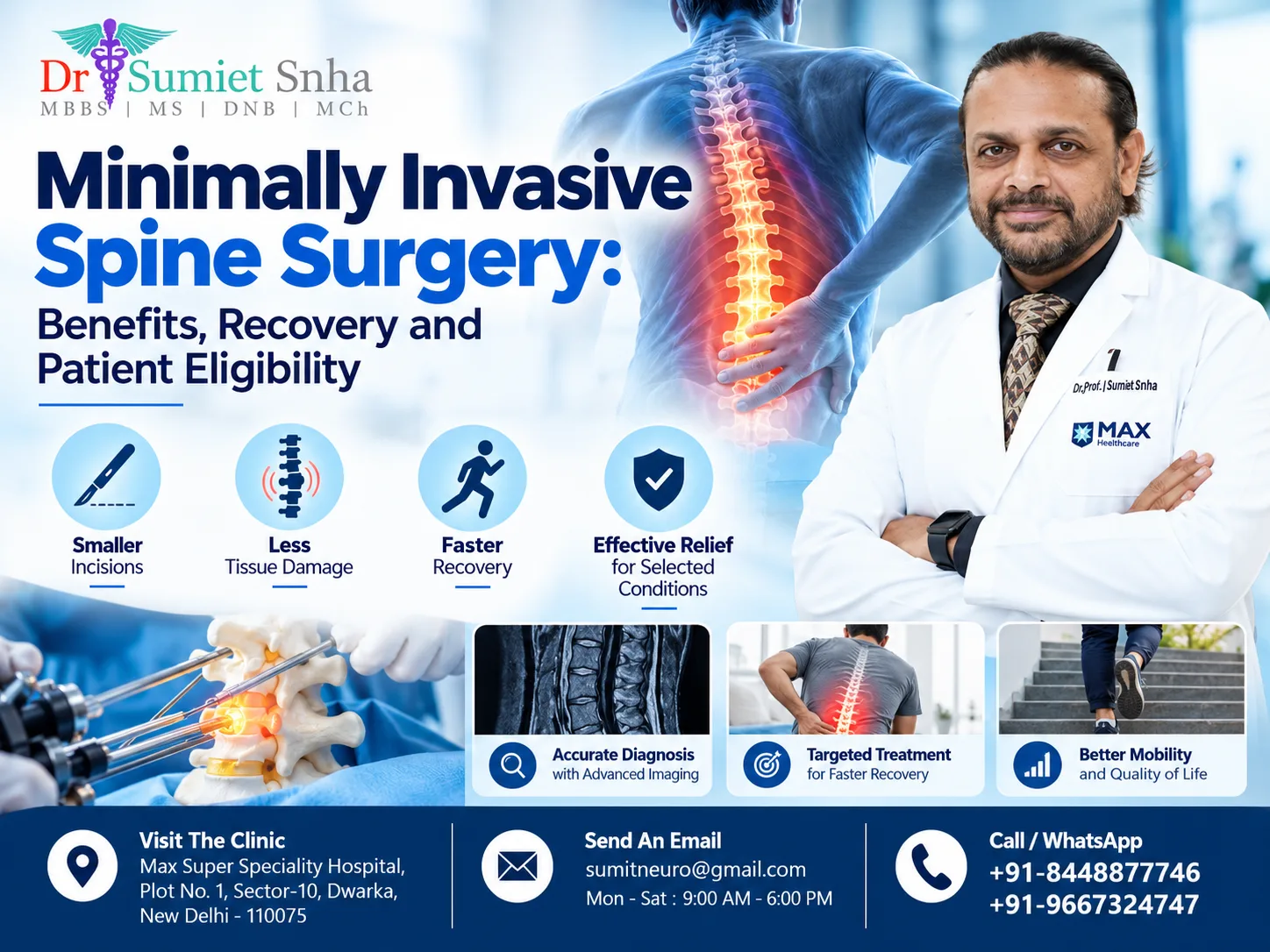
Minimally Invasive Spine Surgery
Minimally invasive techniques use smaller incisions and advanced surgical technology to treat various spinal conditions while minimizing muscle injury, blood loss, postoperative pain, and recovery time.
Vertebroplasty and Kyphoplasty
These procedures are primarily used to treat painful vertebral compression fractures, often caused by osteoporosis. Medical-grade bone cement is used to stabilize the fractured vertebra and improve pain control.
Comparison of Common Spine Surgery Procedures
|
Procedure |
Best Used For |
Main Benefit |
|
Microdiscectomy |
Herniated Disc |
Relieves nerve pressure |
|
Laminectomy |
Spinal Stenosis |
Creates more space for nerves |
|
Spinal Fusion |
Spinal Instability |
Stabilizes the spine |
|
Artificial Disc Replacement |
Degenerative Disc Disease |
Preserves spinal movement |
|
Endoscopic Spine Surgery |
Selected Disc Disorders |
Small incision and faster recovery |
|
Minimally Invasive Spine Surgery |
Various Spine Conditions |
Less tissue damage and quicker rehabilitation |
|
Vertebroplasty / Kyphoplasty |
Compression Fractures |
Pain relief and improved spinal stability |
How Spine Surgery Is Performed
Spine surgery is carefully planned to maximize safety and treatment success. Although the exact procedure varies depending on the spinal condition and surgical technique, most operations follow a structured process designed to achieve the best possible outcome while minimizing complications.
The procedure generally includes the following steps:
- Pre-operative Preparation: Before surgery, the patient undergoes a detailed medical evaluation, blood tests, imaging studies, and anesthesia assessment. The surgical team reviews the treatment plan and provides instructions regarding medications and fasting.
- Anesthesia: General anesthesia is commonly administered to ensure the patient remains comfortable and pain-free throughout the procedure.
- Surgical Approach: The surgeon makes an incision based on the location and type of spinal disorder. Depending on the condition, either a traditional open approach or a minimally invasive technique may be used.
- Advanced Technology: Modern spine surgery may utilize navigation systems, a surgical microscope, intraoperative imaging, and, where appropriate, robotic-assisted surgery to improve precision and protect nearby nerves and spinal structures.
- Closing the Incision: After completing the procedure, the incision is carefully closed using sutures or surgical staples, and a sterile dressing is applied.
- Recovery Room: Following surgery, the patient is closely monitored as the anesthesia wears off. Pain management, neurological assessment, and early mobilization are initiated before transfer to the hospital ward or discharge, depending on the procedure performed.
Benefits of Spine Surgery
When recommended for the right patient, spine surgery can help relieve symptoms that significantly affect daily life and overall well-being. While results vary depending on the underlying condition, the procedure aims to restore spinal function, reduce nerve compression, and improve long-term quality of life. Following successful surgery and a structured rehabilitation program, many patients experience meaningful improvements in mobility, comfort, and independence.
Potential benefits of spine surgery include:
- Pain relief by addressing the underlying cause of chronic back, neck, or leg pain.
- Improved mobility, allowing easier movement and greater participation in daily activities.
- Better quality of life through reduced physical limitations and increased independence.
- Enhanced nerve function by relieving pressure on compressed spinal nerves.
- Improved posture and spinal stability, particularly in selected structural disorders.
- Faster return to daily activities, depending on the procedure performed and recovery progress.
- Reduced dependence on pain medication, especially when surgery successfully treats the source of persistent symptoms.
The overall benefits depend on the patient's diagnosis, general health, timely treatment, and commitment to post-operative rehabilitation and follow-up care.
Risks and Possible Complications of Spine Surgery
Like any major medical procedure, Spine Surgery carries certain risks, although significant complications are relatively uncommon when the operation is performed for the right indications and followed by appropriate post-operative care. Understanding these potential risks allows patients to make informed decisions and prepare for recovery. The likelihood of complications depends on several factors, including the patient's overall health, age, underlying spinal condition, and the type of Spine Surgery Procedure being performed.
Possible risks and complications include:
- Infection at the surgical site
- Bleeding during or after surgery
- Blood clots, particularly in the legs
- Nerve injury, which may cause weakness, numbness, or altered sensation
- Cerebrospinal Fluid (CSF) leak if the protective covering of the spinal cord is affected
- Implant complications, such as loosening or movement of screws, rods, or cages
- Adjacent segment disease, where nearby spinal levels undergo increased stress over time
- Persistent pain despite treatment, depending on the underlying condition
- Need for revision surgery if symptoms recur or additional spinal problems develop
Although these risks should be carefully considered, advances in Minimally Invasive Spine Surgery, improved surgical techniques, and modern perioperative care have enhanced the safety of many spinal procedures. An individualized treatment plan and careful follow-up help reduce complications and support the best possible recovery.
Recovery After Spine Surgery
Recovery after Spine Surgery varies depending on the type of procedure performed, the patient's overall health, and adherence to the rehabilitation plan. A structured recovery program plays an important role in reducing complications, restoring mobility, and supporting long-term spinal health. Following your healthcare team's instructions can help promote a smoother and safer recovery.
Hospital Stay
Most patients are encouraged to begin walking with assistance within 24 hours of surgery, depending on the procedure. Early mobilization helps improve circulation, reduce the risk of blood clots, and support the healing process. Pain management, wound care, and neurological monitoring are also important during the hospital stay.
First Week
During the first week, patients gradually increase their daily activities while avoiding heavy lifting and excessive bending or twisting. Proper nutrition, adequate hydration, and prescribed medications support tissue healing. Gentle movements and short walks are usually encouraged.
First Month
A personalized physiotherapy program often begins or progresses during this stage to improve flexibility, muscle strength, posture, and balance. Regular follow-up visits allow the surgeon to assess healing and monitor recovery.
Long-Term Recovery
Most patients can return to work based on their recovery progress and the physical demands of their occupation. Driving may be resumed only after medical clearance and when pain is well controlled. Gradual exercise progression, including low-impact activities and core-strengthening exercises, helps restore function, improve spinal stability, and reduce the risk of future spine problems.
Tips for a Faster Recovery After Spine Surgery
Recovering from Spine Surgery requires patience, consistency, and a commitment to healthy lifestyle habits. While healing timelines vary from person to person, following your surgeon's recommendations and maintaining a structured rehabilitation plan can support a smoother recovery and improve long-term spinal function.
Helpful tips for a faster recovery include:
- Follow medical advice and take prescribed medications as directed.
- Attend physiotherapy sessions regularly to restore strength, flexibility, and mobility.
- Maintain a healthy weight to reduce unnecessary stress on the spine.
- Avoid smoking, as it can delay bone healing and increase the risk of complications.
- Eat a protein-rich, balanced diet with essential vitamins and minerals to support tissue repair.
- Practice proper posture while sitting, standing, and lifting objects.
- Avoid heavy lifting, bending, or twisting until your healthcare provider advises it is safe.
- Stay active safely by gradually increasing walking and other low-impact activities according to your recovery plan.
Following these recommendations can help improve healing, reduce complications, and support a safe return to everyday activities.
Can Spine Problems Be Prevented?
Although not all spinal conditions can be prevented, adopting healthy lifestyle habits can significantly reduce the risk of developing many common spine disorders. Maintaining regular exercise and performing core-strengthening activities help support the spine and improve overall stability. Creating an ergonomic workplace, practicing good posture, and using safe lifting techniques can minimize unnecessary strain on the back and neck. Maintaining a healthy weight reduces pressure on the spinal joints and discs, while adequate intake of calcium and vitamin D supports strong bones and helps lower the risk of osteoporosis-related fractures. In addition, routine medical check-ups allow early identification of spinal problems, making timely treatment possible and helping preserve long-term spine health and mobility.
When Should You Consult the Best Spine Surgeon?
Consulting the Best Spine Surgeon is important when spinal symptoms become persistent, progressively worsen, or begin to interfere with daily activities. Early specialist evaluation can help identify the underlying cause and determine whether non-surgical treatment or surgery is the most appropriate option. You should seek medical attention if you experience persistent back or neck pain, progressive muscle weakness, numbness, difficulty walking, loss of balance, loss of bladder or bowel control, spinal trauma, visible spinal deformity, or symptoms that continue despite appropriate non-surgical treatment.
For patients requiring specialized spine care, Dr. (Prof.) Sumiet Snha, Vice Chairman – Neurosciences (Neurology & Spine), is an experienced spine specialist based in Delhi. He completed his advanced Neurosurgery training at AIIMS, New Delhi, followed by additional fellowship training with renowned spine experts from Brazil, Japan, and Germany. He has also completed specialized spinal surgery training through AO Spine. With extensive experience in managing complex spinal disorders, he is recognized for his expertise in minimally invasive spine surgery, evidence-based treatment planning, and a patient-centered approach. His involvement in clinical research, professional education, and advanced neurosurgical training reflects his commitment to delivering high-quality spine care and helping patients make informed treatment decisions.
Frequently Asked Questions
1. What is spine surgery?
Spine surgery refers to a group of procedures performed to treat conditions affecting the spine, spinal cord, or nerves when non-surgical treatments are not effective.
2. When is spine surgery necessary?
It may be recommended for persistent pain, spinal instability, nerve compression, progressive weakness, fractures, tumors, or when conservative treatment fails to provide adequate relief.
3. Is spine surgery safe?
Modern spine surgery is generally considered safe when performed for the right medical condition using appropriate surgical techniques and experienced healthcare teams.
4. How long does spine surgery take?
The duration depends on the type and complexity of the procedure. Most surgeries take between one and several hours.
5. What is the recovery time after spine surgery?
Recovery varies according to the procedure performed and the patient's overall health. Some patients recover within a few weeks, while others may require several months of rehabilitation.
6. What are the risks of spine surgery?
Potential risks include infection, bleeding, blood clots, nerve injury, cerebrospinal fluid leakage, implant-related problems, and the possibility of additional surgery in selected cases.
7. Can minimally invasive spine surgery reduce recovery time?
For suitable patients, Minimally Invasive Spine Surgery may reduce muscle damage, postoperative pain, hospital stay, and overall recovery time compared with traditional open procedures.
8. Will I need physiotherapy after spine surgery?
In many cases, physiotherapy is an important part of recovery, helping improve strength, flexibility, posture, balance, and mobility.
9. Can spine surgery relieve chronic back pain?
If chronic pain is caused by a condition that can be corrected surgically, spine surgery may provide significant symptom relief and improve daily function.
10. How successful is spine surgery?
Success rates vary depending on the diagnosis, surgical procedure, overall health, and adherence to the recommended rehabilitation program.
11. Can I return to work after spine surgery?
Many patients are able to return to work after recovery. The timeline depends on the type of surgery performed and whether the job involves light duties or heavy physical activity.
12. When should I consult the Best Spine Surgeon?
You should seek specialist evaluation if you have persistent back or neck pain, worsening numbness or weakness, difficulty walking, spinal deformity, or loss of bladder or bowel control, or if symptoms continue despite appropriate non-surgical treatment.
Conclusion
Spinal disorders can significantly affect mobility, independence, and overall quality of life, but timely diagnosis and appropriate treatment can help prevent long-term complications. While many spine conditions improve with medication, physiotherapy, and lifestyle modifications, some patients may benefit from Spine Surgery when conservative treatments are no longer effective or when neurological symptoms continue to progress. Advances in surgical techniques, including Minimally Invasive Spine Surgery, have improved precision, safety, and recovery for many patients. Consulting the Best Spine Surgeon at the right time ensures a comprehensive evaluation and an individualized treatment plan based on the patient's specific condition. Understanding the available treatment options and making informed healthcare decisions are essential steps toward achieving better spinal health and long-term recovery.

0 Comments