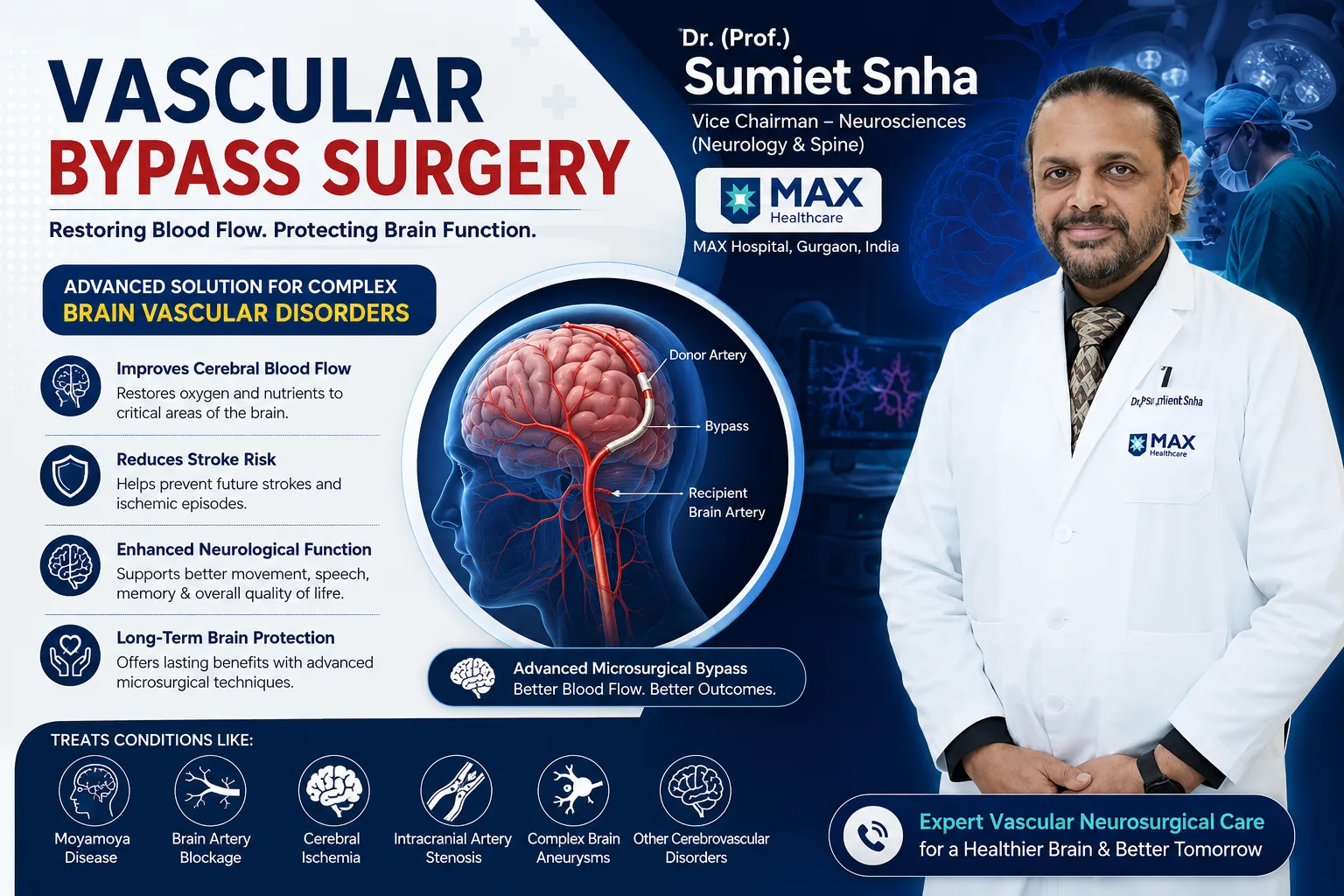
Restoring proper blood circulation to the brain is critical for maintaining neurological health and preventing serious complications such as stroke.
Vascular Bypass Surgery is an advanced microsurgical procedure designed to restore healthy blood flow to the brain when narrowed or blocked arteries reduce oxygen and nutrient supply. Adequate cerebral blood flow is essential for maintaining normal brain function, and conditions such as Moyamoya disease, brain artery blockage, cerebral ischemia, and other brain blood vessel disorders can significantly increase the risk of stroke and permanent neurological damage. Modern advances in vascular neurosurgery, including EC-IC bypass surgery and blood vessel reconstruction, have improved surgical precision, safety, and long-term patient outcomes. Understanding when this procedure is recommended and what recovery involves can help patients make informed healthcare decisions. In this comprehensive guide, you'll learn how Vascular Bypass Surgery is performed, the medical conditions it treats, its benefits, potential risks, recovery timeline, success rate, and the latest treatment approaches used to improve brain perfusion and protect long-term neurological health.
What Is Vascular Bypass Surgery?
Overview of the Procedure
Vascular Bypass Surgery is a highly specialized microsurgical procedure that restores blood flow to the brain when one or more cerebral arteries become narrowed, blocked, or damaged. Instead of attempting to reopen the affected artery directly, the surgeon creates a new pathway by connecting a healthy blood vessel from outside the skull to a blood vessel inside the brain. This process, known as cerebral revascularization, helps improve cerebral blood flow, ensuring that brain tissue receives the oxygen and nutrients required for normal function.
How It Differs from Other Treatments
Unlike conventional vascular procedures such as angioplasty or stent placement, which widen blocked arteries from within, Vascular Bypass Surgery establishes an alternative route for blood circulation. This approach is particularly beneficial when blockages are too complex for endovascular treatment or when conditions affecting the cerebral arteries require long-term restoration of blood supply.
Importance of Brain Blood Flow
The brain depends on an extensive network of arteries that continuously deliver oxygen-rich blood. Any interruption in this brain circulation can lead to cerebral ischemia, stroke, or permanent neurological damage. Maintaining healthy brain perfusion is therefore essential for preserving movement, speech, memory, vision, and other vital brain functions.
Types of Vascular Bypass Surgery
One of the most common forms of this procedure is EC-IC (Extracranial-to-Intracranial) bypass surgery. In this technique, a healthy artery located outside the skull is carefully connected to an artery inside the brain using advanced microsurgical bypass techniques. The newly created connection improves blood flow beyond the blocked segment and helps reduce the risk of future stroke.
Who May Need This Surgery
Vascular Bypass Surgery may be recommended for patients with Moyamoya disease, severe brain artery blockage, intracranial artery stenosis, selected complex brain aneurysms, or other cerebrovascular diseases that reduce the brain's blood supply. Careful patient evaluation with advanced imaging allows vascular neurosurgery specialists to determine whether this procedure is the most appropriate treatment for restoring healthy cerebral circulation and improving long-term neurological outcomes.
When Is Vascular Bypass Surgery Recommended?
Overview of the Procedure
Vascular Bypass Surgery is recommended when the brain does not receive enough blood because of severe narrowing, blockage, or damage to the cerebral arteries. The primary goal of this procedure is to restore healthy cerebral blood flow, improve brain perfusion, and reduce the risk of stroke or permanent neurological injury. Before recommending surgery, specialists in vascular neurosurgery perform a detailed evaluation using neurological examinations and advanced imaging studies to determine the severity of the condition and whether cerebral revascularization offers the greatest long-term benefit.
Conditions That May Require Surgery
One of the most common indications for Vascular Bypass Surgery is Moyamoya disease, a progressive disorder that causes narrowing of the brain's major arteries and significantly limits blood supply. The procedure may also be advised for patients with:
- Severe brain artery blockage
- Cerebral ischemia
- Intracranial artery stenosis
- Complex brain aneurysms requiring vessel reconstruction
- Skull base tumors involving critical arteries
- Other cerebrovascular diseases where standard treatments are insufficient
In these situations, EC-IC bypass surgery and other microsurgical bypass techniques create a new pathway for blood flow, helping protect healthy brain tissue.
Symptoms That May Indicate the Need for Surgery
Patients who require Vascular Bypass Surgery often experience symptoms caused by reduced oxygen delivery to the brain. Common warning signs include:
- Recurrent stroke
- Transient ischemic attacks (TIA)
- Weakness or numbness on one side of the body
- Difficulty speaking
- Blurred or double vision
- Persistent headaches
- Dizziness and poor balance
- Coordination problems
- Memory or concentration difficulties
Although these symptoms may develop gradually or appear suddenly, they should never be ignored because they can indicate serious brain blood vessel disorders. Early diagnosis and timely neurosurgical treatment can improve brain circulation, reduce future stroke risk, and support better long-term neurological outcomes while preserving quality of life.
How Is Vascular Bypass Surgery Performed?
Preoperative Evaluation
Before Vascular Bypass Surgery, patients undergo a comprehensive evaluation to determine the cause of reduced cerebral blood flow and to confirm whether surgery is the most appropriate treatment. The assessment begins with a detailed medical history, physical examination, and neurological evaluation to identify symptoms, previous strokes, and existing medical conditions. Advanced imaging tests such as MRI, CT Scan, CT Angiography, MR Angiography, and Digital Subtraction Angiography (DSA) provide detailed images of the cerebral arteries, helping surgeons locate areas of narrowing or blockage and assess overall brain circulation. Blood investigations evaluate general health, while a pre-anesthesia assessment ensures the patient is medically fit for surgery and helps minimize potential risks.
Key Points:
- Detailed medical history and neurological examination
- Advanced imaging to assess cerebral arteries and blood flow
- Blood tests to evaluate overall health
- Pre-anesthesia assessment for surgical readiness
During the Procedure
Vascular Bypass Surgery is performed under general anesthesia using advanced microsurgical bypass techniques. After carefully exposing the surgical area, the neurosurgeon selects a healthy donor artery, most commonly the superficial temporal artery located outside the skull, and identifies a suitable recipient artery inside the brain. Using high-powered surgical microscopes and specialized microsurgical instruments, the surgeon performs precise blood vessel reconstruction by connecting these arteries with extremely fine sutures. This connection creates a new pathway that bypasses the blocked or narrowed vessel, restoring healthy brain perfusion and improving oxygen delivery to the affected brain tissue. Throughout the operation, sophisticated intraoperative monitoring systems continuously assess neurological function and blood flow to maximize surgical safety. Depending on the complexity of the condition, including Moyamoya disease, brain artery blockage, or intracranial artery stenosis, the procedure generally takes several hours to complete.
Key Points:
- Performed under general anesthesia
- Use of microsurgical techniques and specialized instruments
- Creation of a new blood flow pathway (bypass)
- Continuous monitoring of brain function and blood flow
- Duration varies based on complexity
After Surgery
Following Vascular Bypass Surgery, patients are closely monitored in the intensive care unit (ICU), where neurological status, blood pressure, oxygen levels, and overall recovery are carefully observed. Additional imaging studies may be performed to confirm successful restoration of cerebral blood flow and verify the function of the bypass graft. Pain management, early mobilization, and continuous neurological assessments are important components of postoperative care. Most patients remain in the hospital for several days, depending on their recovery and overall health. Before discharge, the medical team provides detailed guidance regarding medications, follow-up appointments, activity restrictions, and lifestyle modifications to support long-term recovery and reduce the risk of future cerebrovascular disease or stroke.
Key Points:
- Close monitoring in ICU after surgery
- Imaging to confirm successful bypass function
- Pain management and early rehabilitation
- Hospital stay typically lasts several days
- Post-discharge care includes medications and lifestyle guidance
Benefits, Risks, and Success Rate of Vascular Bypass Surgery
Benefits of Vascular Bypass Surgery
The primary objective of Vascular Bypass Surgery is to restore healthy cerebral blood flow to areas of the brain affected by narrowed or blocked arteries. By improving brain perfusion, the procedure delivers a consistent supply of oxygen and nutrients, helping protect brain tissue from further damage. Patients with Moyamoya disease, brain artery blockage, cerebral ischemia, and other cerebrovascular diseases may experience a significant reduction in the risk of recurrent stroke or transient ischemic attacks (TIA). Improved circulation can also enhance neurological function, supporting better movement, speech, memory, balance, and cognitive performance. In many cases, successful cerebral revascularization provides long-term brain protection, improves daily functioning, and enhances overall quality of life by reducing future ischemic events.
Key Benefits:
- Restores healthy cerebral blood flow
- Reduces the risk of stroke and TIA
- Improves oxygen delivery to brain tissue
- Enhances neurological and cognitive function
- Helps prevent future ischemic episodes
- Supports long-term brain health and quality of life
Possible Risks
Like all major neurosurgical procedures, Vascular Bypass Surgery carries certain risks, although modern vascular neurosurgery techniques and careful patient selection have significantly improved safety. Potential complications may include bleeding, infection, stroke, blood clot formation, seizures, wound healing problems, or temporary neurological deficits such as weakness or speech difficulties. In rare situations, the bypass graft may not function as intended and could require additional evaluation or treatment. Comprehensive preoperative assessment, meticulous microsurgical bypass techniques, and close postoperative monitoring help minimize these risks and improve patient outcomes.
Success Rate
The success of Vascular Bypass Surgery depends on several important factors, including early diagnosis, the underlying condition being treated, overall patient health, and the expertise of the neurosurgical team. Favorable outcomes are more likely when surgery is performed at experienced centers equipped with advanced imaging, modern operating microscopes, and specialized postoperative care. Appropriate patient selection, accurate surgical planning, and structured rehabilitation further contribute to successful blood vessel reconstruction and long-term improvement in brain circulation. Regular follow-up visits, imaging studies, medication adherence, and healthy lifestyle habits are essential for maintaining the benefits of surgery and supporting positive long-term neurological outcomes.
Recovery After Vascular Bypass Surgery
Recovery after Vascular Bypass Surgery is a gradual process that focuses on restoring neurological function, improving cerebral blood flow, and preventing future complications. The recovery timeline varies depending on the patient's age, overall health, the underlying cerebrovascular disease, and the complexity of the procedure. Patients who undergo EC-IC bypass surgery, blood vessel reconstruction, or other microsurgical bypass procedures require regular follow-up with their vascular neurosurgery team to ensure optimal healing and long-term improvement in brain perfusion. Following medical advice, taking prescribed medications, and adopting a healthy lifestyle play a vital role in achieving the best possible outcome.
|
Recovery Stage |
What Patients Can Expect |
|
First 24 Hours |
After Vascular Bypass Surgery, patients are closely monitored in the ICU. Doctors continuously assess neurological function, blood pressure, heart rate, oxygen levels, and the restored cerebral blood flow. Pain management, fluid balance, and early detection of complications are priorities during this period. |
|
First Week |
Patients gradually begin walking with assistance and continue prescribed medications. Regular wound care helps prevent infection, while follow-up imaging may be performed to confirm successful brain circulation through the bypass graft. The healthcare team also monitors recovery from anesthesia and neurological improvement. |
|
First Month |
Most patients progressively return to routine daily activities based on their recovery. Lifestyle modifications, physical rehabilitation, and guided exercises help improve strength, balance, and overall neurological function. Heavy lifting and strenuous physical activity should be avoided until cleared by the treating specialist. |
|
Long-Term Recovery |
Long-term success depends on regular neurological follow-up, periodic MRI or angiography when recommended, medication adherence, and effective control of risk factors such as hypertension, diabetes, and high cholesterol. Maintaining a healthy diet, engaging in regular exercise, avoiding smoking, and following stroke prevention strategies help preserve brain perfusion and reduce the risk of future brain blood vessel disorders. |
A successful recovery from Vascular Bypass Surgery extends beyond the operation itself. Consistent follow-up care, healthy lifestyle choices, and early reporting of new neurological symptoms help maximize the long-term benefits of cerebral revascularization, support lasting brain circulation, and improve overall quality of life.
Choosing the Right Vascular Neurosurgeon and Preventing Future Brain Vascular Problems
Selecting the right specialist is one of the most important factors influencing the success of Vascular Bypass Surgery. Since this procedure involves delicate blood vessel reconstruction and restoration of cerebral blood flow, patients should seek treatment from an experienced vascular neurosurgery team with expertise in advanced microsurgical bypass techniques. A qualified neurosurgeon should have extensive experience managing complex conditions such as Moyamoya disease, brain artery blockage, cerebral ischemia, intracranial artery stenosis, and other brain blood vessel disorders. Access to advanced imaging technologies, modern operating microscopes, hybrid operating rooms, comprehensive intensive care facilities, and a multidisciplinary team significantly improves surgical planning, patient safety, and long-term neurological outcomes.
Patients should also consider the surgeon's clinical experience, surgical success rates, patient-centered treatment approach, emergency support services, and commitment to long-term follow-up care. Dr. (Prof.) Sumiet Snha, Vice Chairman – Neurosciences (Neurology & Spine), is currently working at MAX Hospital, Gurgaon, India. With more than 25+ years of experience in neurosurgery, he has extensive expertise in managing complex cerebrovascular disorders and advanced brain vascular procedures. Since 2005, he has been actively involved in treating patients with challenging neurological and vascular conditions using modern microsurgical techniques and evidence-based treatment approaches.
Key Factors to Consider When Choosing a Vascular Neurosurgeon
- Extensive experience in vascular neurosurgery and cerebral revascularization procedures
- Expertise in microsurgical bypass techniques
- Availability of advanced MRI, CT Angiography, MR Angiography, and DSA facilities
- Modern hospital infrastructure with dedicated neurocritical care services
- Multidisciplinary team involving neurosurgeons, neurologists, neuroradiologists, and rehabilitation specialists
- Strong patient-centered treatment planning and postoperative care
- Consistently good surgical outcomes and long-term follow-up
- Availability of emergency stroke and neurosurgical support
Preventing Future Brain Vascular Problems
Even after successful Vascular Bypass Surgery, maintaining healthy brain circulation requires long-term lifestyle management. Patients should control high blood pressure, manage diabetes and cholesterol levels, avoid smoking and tobacco use, exercise regularly, maintain a healthy body weight, follow a heart-healthy diet, manage stress effectively, attend routine neurological check-ups, and recognize early warning signs of stroke such as sudden weakness, speech difficulty, vision changes, or loss of balance. These preventive measures help protect brain perfusion, reduce the risk of future cerebrovascular disease, and support long-term neurological health.
Frequently Asked Questions (FAQs)
1. What is vascular bypass surgery?
Vascular Bypass Surgery is a specialized microsurgical procedure that creates a new pathway for blood flow when a brain artery is severely narrowed or blocked. It helps restore healthy cerebral blood flow and reduces the risk of stroke.
2. Who needs vascular bypass surgery?
The procedure is recommended for selected patients with Moyamoya disease, severe brain artery blockage, cerebral ischemia, intracranial artery stenosis, complex aneurysms, or other cerebrovascular diseases that reduce blood supply to the brain.
3. Is vascular bypass surgery safe?
Yes. When performed by an experienced vascular neurosurgery team using modern microsurgical techniques, the procedure is generally considered safe. Every surgery, however, carries some risks that your surgeon will discuss beforehand.
4. How long does vascular bypass surgery take?
Most procedures take approximately 4 to 8 hours, depending on the complexity of the condition and the type of bypass being performed.
5. What conditions can be treated with vascular bypass surgery?
It is commonly used to treat Moyamoya disease, cerebral ischemia, brain artery blockage, selected complex aneurysms, and certain skull base tumors involving major blood vessels.
6. What is the recovery time after vascular bypass surgery?
Most patients recover over several weeks, while complete neurological recovery and return to normal activities may take a few months, depending on the individual's condition and rehabilitation progress.
7. What are the risks of vascular bypass surgery?
Potential risks include bleeding, infection, stroke, seizures, blood clots, temporary neurological deficits, wound complications, and, in rare cases, bypass graft failure.
8. What is the success rate of vascular bypass surgery?
Success depends on the underlying condition, early diagnosis, surgical expertise, hospital facilities, and postoperative care. Carefully selected patients often experience significant improvement in cerebral blood flow and reduced stroke risk.
9. Can vascular bypass surgery prevent stroke?
For appropriate candidates, the procedure can significantly lower the risk of future strokes by improving blood flow to brain tissue that was previously receiving inadequate circulation.
10. Will I need lifelong medication after vascular bypass surgery?
Many patients continue medications such as antiplatelet therapy or treatments for blood pressure, diabetes, or cholesterol. Your neurosurgeon will recommend a personalized long-term treatment plan.
11. How do doctors determine whether I need vascular bypass surgery?
Doctors evaluate symptoms, neurological examination findings, MRI, CT Angiography, MR Angiography, Digital Subtraction Angiography (DSA), and overall brain circulation before recommending surgery.
12. When should I contact my doctor after surgery?
Seek immediate medical attention if you develop severe headache, sudden weakness, difficulty speaking, seizures, confusion, persistent fever, wound redness, excessive swelling, or any new neurological symptoms.
Conclusion
Vascular Bypass Surgery is an advanced treatment designed to restore healthy cerebral blood flow in patients with complex brain blood vessel disorders that cannot be managed effectively with conventional therapies alone. By creating a new pathway for blood circulation, this procedure helps reduce the risk of stroke, improve brain perfusion, and preserve long-term neurological function. Conditions such as Moyamoya disease, brain artery blockage, cerebral ischemia, and other cerebrovascular diseases can often be managed more effectively when diagnosed early and treated by an experienced vascular neurosurgery team.
Advances in microsurgical bypass techniques, high-resolution imaging, intraoperative monitoring, and comprehensive postoperative care have significantly improved the safety and success of Vascular Bypass Surgery. However, achieving the best outcome also depends on early diagnosis, careful patient selection, regular follow-up, medication adherence, and maintaining a healthy lifestyle.
If you experience symptoms such as recurrent stroke-like episodes, persistent weakness, speech difficulty, severe headaches, or vision changes, seek prompt neurological evaluation without delay. Early intervention can protect brain function and improve treatment options. With informed decision-making, expert surgical care, and long-term preventive strategies, patients can achieve better neurological health, reduce future complications, and enjoy an improved quality of life.



0 Comments