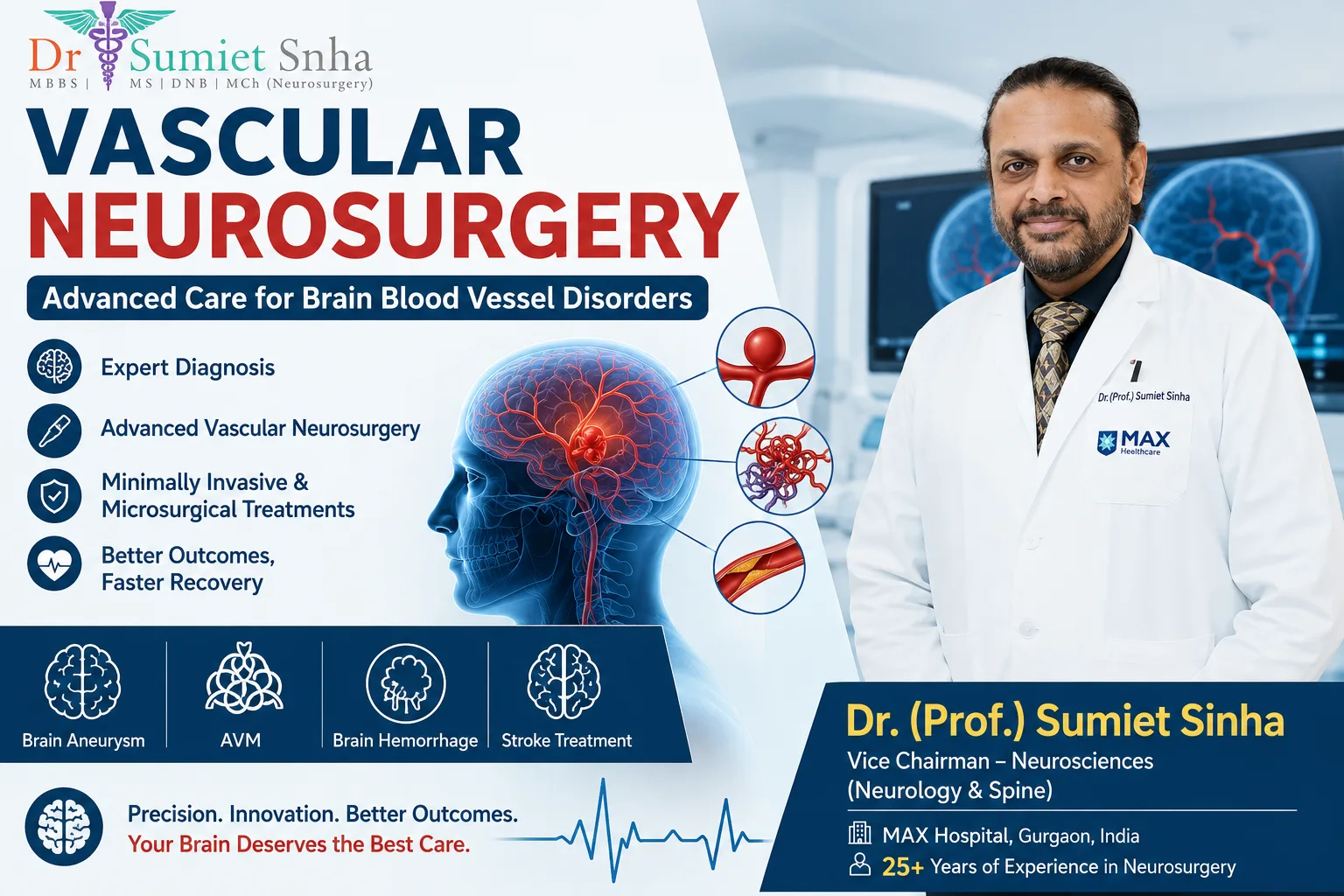
The human brain relies on a constant supply of oxygen-rich blood to regulate movement, memory, speech, and essential body functions. Vascular Neurosurgery is a specialized branch of neurosurgery focused on diagnosing and treating disorders affecting the brain’s blood vessels, helping prevent serious complications and protect neurological health. With the rising global incidence of brain blood vessel disorders, including brain aneurysms, arteriovenous malformations (AVMs), and stroke-related conditions, early diagnosis and timely treatment have become increasingly important.
Healthy blood vessels ensure proper circulation, delivering nutrients and removing waste from brain tissue. Any disruption, such as blockage or rupture, can lead to severe damage or disability. Advances in endovascular neurosurgery, brain aneurysm surgery, and techniques like microsurgical clipping and endovascular coiling have significantly improved patient outcomes. This guide explores common brain vascular disorders, their causes, symptoms, diagnosis, and modern treatment approaches.
Understanding Brain Blood Vessel Disorders
Healthy blood circulation is essential for every brain function, from thinking and memory to movement and speech. Vascular Neurosurgery plays a vital role in diagnosing and treating conditions that affect the brain's complex network of blood vessels. Understanding how blood reaches the brain and recognizing common brain blood vessel disorders can help patients seek medical care before serious neurological complications develop.
How the Brain Receives Blood Through Arteries and Veins
The brain receives oxygen-rich blood through major arteries that branch into smaller vessels, supplying every region with the nutrients needed for normal function. After oxygen is delivered, veins carry oxygen-depleted blood back to the heart. This continuous circulation maintains healthy brain activity and supports millions of nerve cells. Any blockage, rupture, or abnormal connection within these vessels can disrupt blood flow, damage brain tissue, and require specialized Vascular Neurosurgery or endovascular neurosurgery to restore circulation.
What Are Brain Blood Vessel Disorders?
Brain blood vessel disorders, also known as cerebrovascular disorders, are conditions that affect the arteries, veins, or capillaries of the brain. These disorders may develop because of weakened vessel walls, congenital abnormalities, high blood pressure, or age-related changes. Common conditions include brain aneurysm, cerebral aneurysm, arteriovenous malformation (AVM), cavernous malformations, dural arteriovenous fistula (DAVF), brain hemorrhage, and stroke caused by blocked or ruptured blood vessels. Depending on the condition, treatment may involve medication, close monitoring, brain aneurysm surgery, microsurgical clipping, endovascular coiling, or other advanced cerebrovascular surgery techniques.
Common Cerebrovascular Conditions
The most frequently diagnosed brain vascular disorders include aneurysms, AVMs, cavernous malformations, dural arteriovenous fistulas, brain hemorrhages, and ischemic or hemorrhagic strokes. Each condition affects blood flow differently, but all require accurate diagnosis and individualized treatment to reduce the risk of permanent neurological injury.
Why Brain Blood Vessel Disorders Can Become Life-Threatening
Untreated cerebrovascular diseases can interrupt the brain's oxygen supply or cause sudden bleeding inside the skull, leading to irreversible brain damage, paralysis, seizures, cognitive impairment, or death. Early diagnosis, prompt medical attention, and advances in Vascular Neurosurgery have greatly improved the ability to manage these conditions safely and preserve long-term neurological function.
Causes, Risk Factors, and Symptoms of Brain Vascular Disorders
Brain blood vessel disorders can develop gradually or occur suddenly, depending on the underlying condition. Many brain vascular disorders are associated with lifestyle habits, inherited conditions, or structural abnormalities of the blood vessels. Understanding these causes and recognizing early warning signs can help patients receive timely evaluation and appropriate Vascular Neurosurgery or other specialized treatments before serious neurological damage occurs.
Common Causes of Brain Blood Vessel Disorders
Several factors can weaken or damage the blood vessels supplying the brain, increasing the risk of brain aneurysm, brain hemorrhage, and other cerebrovascular diseases. Common causes include:
- High blood pressure (hypertension) that places continuous stress on artery walls.
- Smoking, which damages blood vessels and accelerates atherosclerosis.
- Diabetes and high cholesterol, both of which contribute to narrowing and hardening of the arteries.
- Aging, which naturally reduces the strength and elasticity of blood vessels.
- Genetic factors and inherited conditions that increase the likelihood of vascular abnormalities.
- Head trauma, which may injure blood vessels and lead to bleeding or vessel damage.
- Congenital vascular abnormalities, such as arteriovenous malformations (AVMs) and other developmental defects present from birth.
Major Risk Factors for Cerebrovascular Diseases
Individuals with uncontrolled hypertension, obesity, heart disease, a family history of cerebrovascular disorders, smoking habits, excessive alcohol consumption, or a sedentary lifestyle have a greater risk of developing brain blood vessel disorders. Regular health checkups and early neurological assessment can help reduce complications and improve treatment outcomes.
Early Warning Signs and Symptoms
Symptoms vary depending on the affected blood vessel and the severity of the condition, but common warning signs include sudden severe headache, vision changes, weakness or numbness on one side of the body, difficulty speaking, loss of balance, seizures, confusion, altered mental status, and sudden loss of consciousness. These symptoms may indicate a brain aneurysm, brain hemorrhage, or stroke and should never be ignored.
When to Seek Emergency Medical Attention
Seek immediate emergency care if neurological symptoms appear suddenly, rapidly worsen, or are accompanied by loss of consciousness, severe headache, paralysis, or difficulty speaking. Prompt diagnosis, advanced imaging, and timely Vascular Neurosurgery or endovascular neurosurgery can significantly improve survival, reduce permanent brain injury, and support better long-term recovery.
Diagnosis and Advanced Vascular Neurosurgery Treatment Options
Accurate diagnosis is the foundation of successful Vascular Neurosurgery. Modern imaging technologies allow specialists to identify brain blood vessel disorders with exceptional precision, helping determine the most effective treatment for conditions such as brain aneurysm, arteriovenous malformation (AVM), brain hemorrhage, and stroke. Early diagnosis not only improves treatment planning but also reduces the risk of permanent neurological damage.
Comprehensive Diagnosis of Brain Blood Vessel Disorders
A thorough neurological evaluation is usually combined with advanced imaging tests to assess the structure and function of the brain's blood vessels. Common diagnostic methods include:
- Neurological examination to assess strength, sensation, reflexes, coordination, speech, and cognitive function.
- Magnetic Resonance Imaging (MRI) to produce detailed images of the brain and surrounding tissues.
- Computed Tomography (CT) Scan for rapid detection of bleeding, stroke, or traumatic brain injury.
- CT Angiography (CTA) to visualize arteries and identify aneurysms or blocked blood vessels.
- MR Angiography (MRA) to evaluate blood flow without exposing patients to ionizing radiation.
- Digital Subtraction Angiography (DSA), considered the gold standard for detailed assessment of complex cerebrovascular abnormalities.
Modern Vascular Neurosurgery Treatment Options
Treatment is tailored to the patient's condition, symptoms, and overall health. Advanced Vascular Neurosurgery may include:
- Brain aneurysm surgery, including microsurgical clipping and endovascular coiling, to isolate aneurysms and prevent rupture.
- Arteriovenous malformation (AVM) surgery to eliminate abnormal vessel connections and reduce the risk of bleeding.
- Endovascular neurosurgery, a minimally invasive approach using catheters to treat aneurysms, vascular malformations, and narrowed arteries.
- Cerebrovascular surgery to restore healthy blood flow and manage complex vascular disorders.
- Brain hemorrhage surgery to remove accumulated blood, relieve pressure, and prevent further brain injury.
- Stroke neurosurgery for carefully selected patients to improve circulation or relieve life-threatening brain swelling.
- Hybrid neurovascular procedures, combining microsurgical and endovascular techniques for complex cases.
Key benefits include precise treatment, reduced complications, preservation of neurological function, and faster recovery in appropriately selected patients. Potential limitations vary according to the location of the lesion, overall patient health, procedural risks, and the complexity of the underlying vascular disorder, making individualized treatment planning essential.
Recovery After Vascular Neurosurgery
Recovery after Vascular Neurosurgery depends on the patient’s overall health, the type of brain blood vessel disorder, and the complexity of the procedure. Whether the treatment involves brain aneurysm surgery, endovascular neurosurgery, or cerebrovascular surgery, a well-planned recovery process is essential for healing and restoring neurological function. Regular follow-up with the neurosurgical team ensures proper monitoring and reduces the risk of complications.
Hospital Stay After Vascular Neurosurgery
Patients typically stay in the hospital for several days after surgery for close observation. During this time, healthcare providers monitor:
- Neurological function and brain activity
- Blood pressure and heart rate
- Surgical wound healing and infection signs
- Fluid balance and medication effectiveness
Intensive Care Unit (ICU) Monitoring
Patients undergoing complex brain hemorrhage surgery or emergency procedures may require ICU care initially. Continuous monitoring helps detect early signs of complications such as swelling, bleeding, or neurological changes, allowing prompt intervention.
Pain Management After Surgery
Pain after surgery is managed with prescribed medications, hydration, and gradual movement. Proper pain control improves comfort, encourages early mobility, and supports faster healing.
Rehabilitation Following Brain Vascular Surgery
Rehabilitation plays a key role in recovery and is tailored to individual needs. It may include:
- Physical therapy to regain strength and coordination
- Speech therapy for communication or swallowing issues
- Occupational therapy to restore daily living skills
Lifestyle Changes for Long-Term Brain Health
Adopting healthy habits is crucial for preventing future brain vascular disorders. Patients are advised to maintain normal blood pressure, eat a balanced diet, exercise regularly, avoid smoking, and manage conditions like diabetes and high cholesterol.
Recovery Timeline After Vascular Neurosurgery
Recovery can take weeks to months, depending on the condition and treatment. Regular check-ups help track progress and ensure a safe return to daily activities.
Possible Risks and Complications
Although Vascular Neurosurgery is advanced, risks may include infection, bleeding, stroke, seizures, or temporary neurological issues. Early detection improves outcomes.
Tips for Faster Recovery and Better Outcomes
Following medical advice, staying active in rehabilitation, maintaining a healthy lifestyle, and attending follow-up visits can significantly improve recovery and long-term results.
Preventing Brain Blood Vessel Disorders and Protecting Brain Health
Modern Vascular Neurosurgery can effectively treat many brain blood vessel disorders, but prevention remains the most reliable way to protect long-term brain health. Everyday lifestyle choices play a crucial role in maintaining strong and flexible blood vessels. By managing existing health conditions and adopting healthy habits, the risk of brain aneurysm, brain hemorrhage, stroke, and other brain vascular disorders can be greatly reduced.
|
Preventive Measure |
Key Benefit |
|
Control blood pressure |
Lowers stroke and aneurysm risk |
|
Eat a healthy diet |
Supports brain circulation |
|
Exercise regularly |
Improves heart and brain function |
|
Avoid smoking |
Protects blood vessels |
|
Manage diabetes & cholesterol |
Maintains healthy blood flow |
|
Regular health checkups |
Helps early detection |
Key Lifestyle Strategies for Brain Health
Keep Blood Pressure Under Control
High blood pressure weakens arteries and increases the risk of serious brain conditions. Regular monitoring, taking prescribed medications, reducing salt intake, and maintaining a healthy weight are essential.
Follow a Brain-Healthy Diet
A balanced diet rich in fruits, vegetables, whole grains, lean proteins, and healthy fats supports proper blood flow. Nutrients like omega-3 fatty acids and antioxidants help protect brain cells.
Exercise Regularly
Physical activity improves heart health and enhances blood circulation to the brain. Aim for at least 150 minutes of moderate exercise each week.
Quit Smoking and Avoid Tobacco Products
Smoking damages blood vessels and increases the risk of stroke and aneurysm. Quitting helps improve circulation and overall vascular health.
Manage Diabetes Effectively
Uncontrolled diabetes can damage blood vessels. Maintaining stable blood sugar levels through diet, medication, and exercise reduces complications.
Control Cholesterol Levels
High cholesterol can block arteries and restrict blood flow. Healthy eating and regular exercise help maintain proper levels.
Reduce Stress for Better Brain Health
Stress can raise blood pressure and affect brain health. Practices like meditation, yoga, and proper sleep help manage stress effectively.
Schedule Regular Brain Health Checkups
Routine checkups help detect risk factors early and prevent serious complications.
Importance of Early Screening for High-Risk Individuals
Individuals with a family history or existing health conditions should consider early screening for timely diagnosis and treatment.
Choosing the Right Vascular Neurosurgery Specialist
Selecting the right specialist is crucial for patients diagnosed with brain blood vessel disorders. Successful Vascular Neurosurgery depends on a combination of surgical expertise, advanced technology, and comprehensive patient care. An experienced neurovascular team can significantly improve safety, reduce complications, and enhance long-term neurological outcomes.
Why Experience Matters in Vascular Neurosurgery
Conditions such as brain aneurysm, arteriovenous malformation (AVM), brain hemorrhage, and stroke require precise diagnosis and specialized surgical skills. An experienced vascular neurosurgeon can determine the most suitable treatment approach, whether it involves brain aneurysm surgery, endovascular neurosurgery, or cerebrovascular surgery, ensuring better patient outcomes.
Importance of Advanced Hospital Infrastructure
Hospitals equipped with modern neurosurgical operating rooms, advanced intensive care units, and rehabilitation services provide comprehensive care throughout the treatment journey. These facilities play a vital role in improving patient safety and recovery after surgery.
Role of Advanced Imaging and Technology
Accurate diagnosis and treatment planning rely on advanced imaging technologies such as MRI, CT Angiography, MR Angiography, and Digital Subtraction Angiography (DSA). Additionally, hybrid operating rooms allow surgeons to combine minimally invasive and open surgical techniques, improving precision and flexibility in complex cases.
Emergency Stroke Care and Multidisciplinary Approach
Access to 24/7 emergency stroke care is essential, as timely intervention can save brain function and lives. A multidisciplinary team—including neurosurgeons, neurologists, radiologists, and rehabilitation specialists—ensures coordinated and personalized care for each patient.
Personalized Treatment Planning
Every patient requires an individualized treatment plan based on their condition, age, and overall health. Dr. (Prof.) Sumiet Snha, Vice Chairman – Neurosciences at MAX Hospital, Gurgaon, brings over 25 years of experience in managing complex brain and spine disorders, focusing on evidence-based care and advanced vascular neurosurgery techniques to achieve optimal outcomes.
Frequently Asked Questions
1. What is Vascular Neurosurgery?
Vascular Neurosurgery is a specialized field that focuses on diagnosing and treating disorders of the brain’s blood vessels. It includes conditions such as aneurysms, AVMs, and brain hemorrhages that require advanced surgical care.
2. Which conditions are treated in Vascular Neurosurgery?
This specialty treats brain aneurysms, arteriovenous malformations (AVMs), brain hemorrhage, and carotid artery disease. It also manages various cerebrovascular disorders affecting blood flow in the brain.
3. What is a brain aneurysm?
A brain aneurysm is a bulging or ballooning in the wall of a blood vessel in the brain. If it ruptures, it can lead to serious bleeding and requires immediate medical attention.
4. What causes brain aneurysms?
Brain aneurysms can develop due to high blood pressure, smoking, genetic factors, and aging. Weakness in blood vessel walls also plays a major role in their formation.
5. What is an AVM?
An AVM is an abnormal connection between arteries and veins that disrupts normal blood circulation. It can increase the risk of bleeding in the brain if left untreated.
6. How are these conditions diagnosed?
Doctors use advanced imaging techniques such as MRI, CT scan, CTA, MRA, and angiography. These tests help in accurately identifying and evaluating brain blood vessel disorders.
7. What is microsurgical clipping?
Microsurgical clipping is a procedure where a small clip is placed on an aneurysm to stop blood flow into it. This helps prevent rupture and protects the brain from bleeding.
8. What is endovascular coiling?
Endovascular coiling is a minimally invasive procedure where tiny coils are inserted into an aneurysm. These coils block blood flow and reduce the risk of rupture.
9. Is Vascular Neurosurgery safe?
With modern technology and experienced specialists, Vascular Neurosurgery has become much safer. However, the level of risk depends on the patient’s condition and complexity of the disorder.
10. How long is recovery after surgery?
Recovery time varies depending on the type of condition and treatment performed. Some patients recover within weeks, while others may need several months for full recovery.
11. Can these disorders be prevented?
While not all conditions can be prevented, maintaining a healthy lifestyle can reduce risk. Controlling blood pressure, avoiding smoking, and regular checkups are important preventive steps.
12. When should I see a specialist?
You should seek immediate medical attention if you experience severe headache, weakness, or speech problems. Symptoms like vision changes or signs of stroke also require urgent evaluation.
Vascular Neurosurgery plays a vital role in treating complex brain blood vessel disorders with precision and advanced care. Early diagnosis and timely treatment significantly improve outcomes and reduce complications. Modern techniques like microsurgical clipping and endovascular coiling have made procedures safer and more effective. Each patient requires personalized evaluation to determine the best treatment approach. Maintaining a healthy lifestyle and recognizing warning signs are essential for prevention. If you experience symptoms such as sudden headache, weakness, or vision problems, consult a specialist immediately.
For expert consultation and advanced neurovascular care, you can contact Dr. Sumiet Snha, a highly experienced neurosurgeon specializing in vascular neurosurgery. Dr. Sinha is known for his expertise in treating brain aneurysms, AVMs, and complex cerebrovascular conditions using modern surgical and minimally invasive techniques.


0 Comments