A young man is thrown from his motorcycle, lands on his shoulder, and wakes up in hospital unable to lift his arm. A newborn baby after a difficult delivery lies with one arm limp by her side. Both have suffered an injury to the brachial plexus - the network of nerves that controls every movement and sensation of the shoulder, arm and hand. For many years, such injuries were considered untreatable, and patients were told to accept a paralysed arm. Today, thanks to advances in microsurgery and particularly nerve transfer surgery, a great deal of function can be restored - provided the patient reaches an experienced nerve surgeon in time.
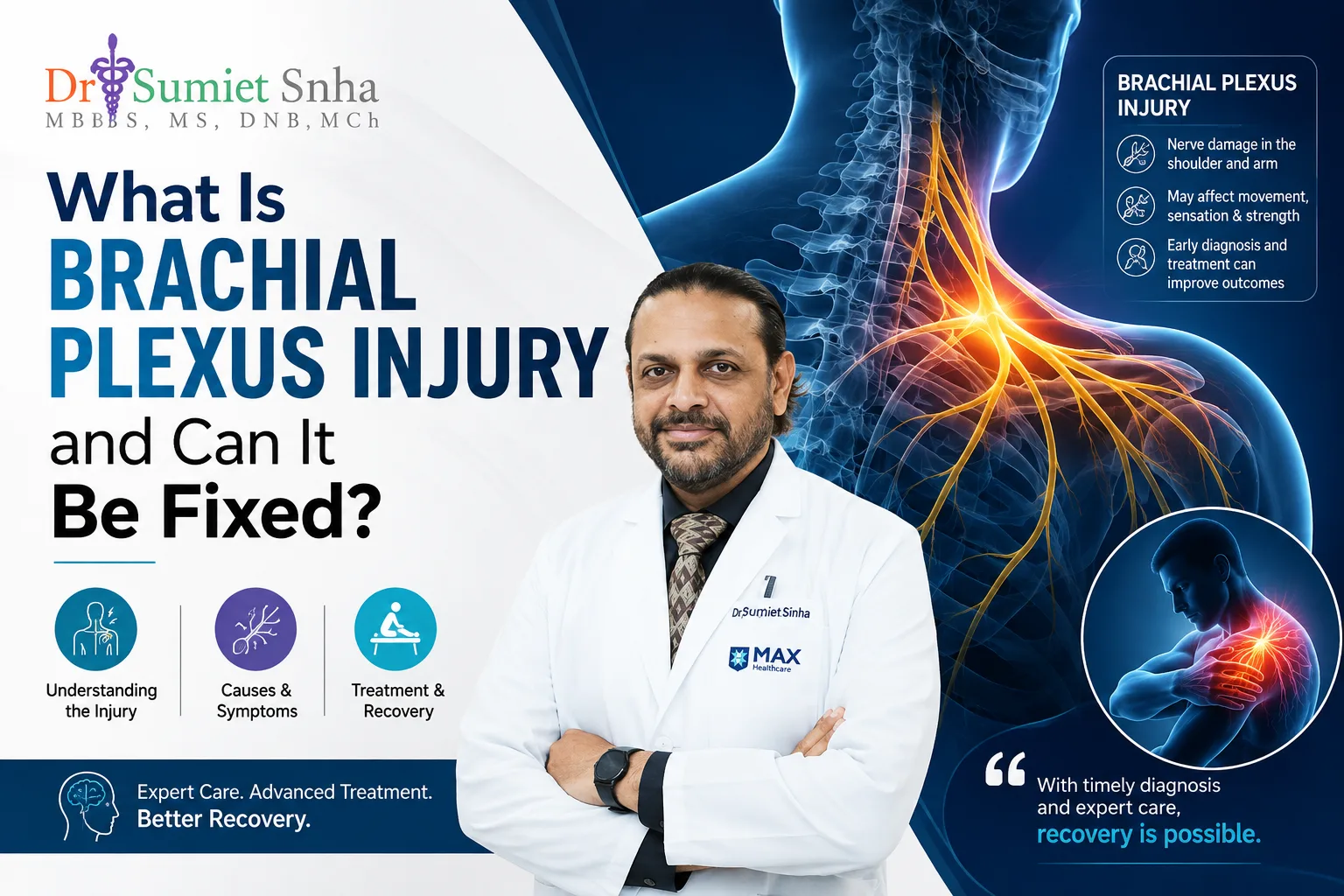
Dr. (Prof.) Sumiet Snha is one of India's foremost brachial plexus and peripheral nerve surgeons. He is the Founder Secretary of the Indian Society of Peripheral Nerve Surgery, has performed more than 250 complicated brachial plexus and nerve injury operations with high success rates, and was a former Professor of Neurosurgery at AIIMS, New Delhi, including at the JPNA Apex Trauma Centre, where many such injuries are treated. At Max Hospital, Dwarka, he offers comprehensive care for adult and paediatric brachial plexus injuries, including nerve grafting, nerve transfers and the DREZ operation for severe post-traumatic pain.
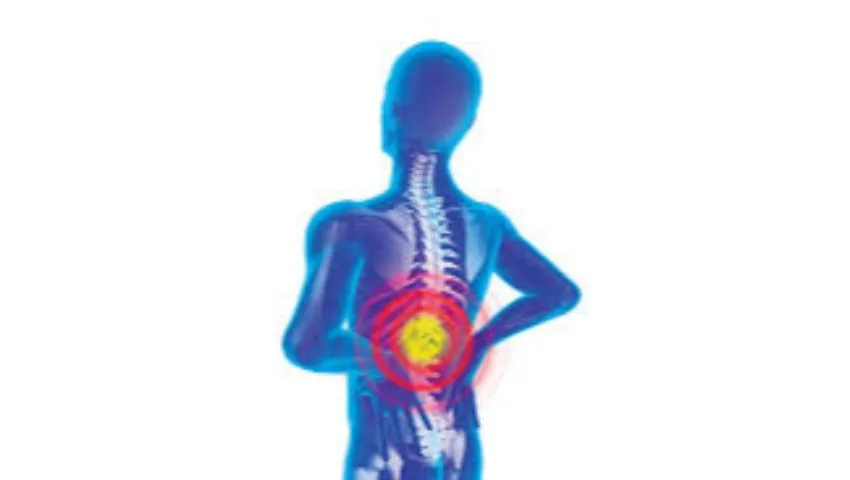
What Is the Brachial Plexus?
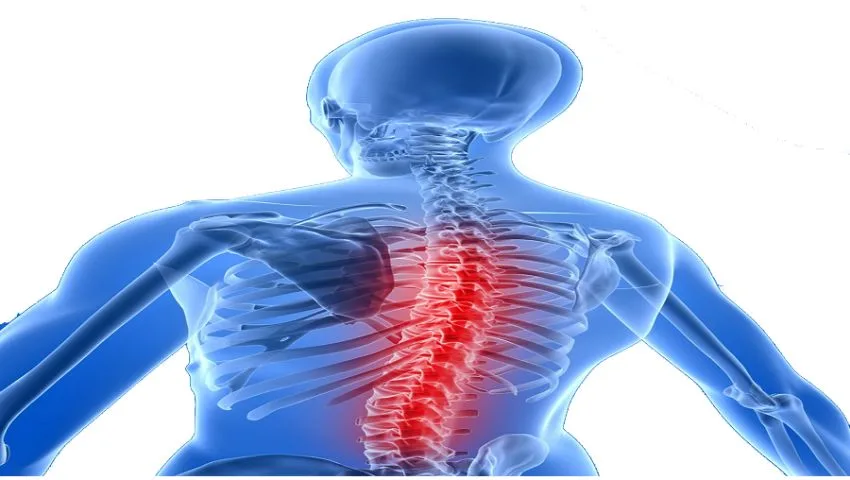
The brachial plexus is a complex network of nerves formed by five nerve roots - C5, C6, C7, C8 and T1 - that emerge from the spinal cord in the neck. As they travel through the neck and under the collarbone towards the armpit, these roots join, divide and recombine into trunks, divisions, cords and finally the major nerves of the arm: the musculocutaneous, axillary, radial, median and ulnar nerves. Broadly speaking:
Upper roots (C5, C6)
Control shoulder movements and elbow bending, and provide sensation to the outer arm and thumb.
Middle root (C7)
Contributes to elbow, wrist and finger straightening.
Lower roots (C8, T1)
Control the small muscles of the hand and finger flexion, and sensation of the inner forearm and little finger.
Whole plexus
Injury to all roots results in a flail, insensate arm - the most severe pattern.
How Do Brachial Plexus Injuries Happen?
Traumatic injuries in adults
The most common cause in India is a two-wheeler accident, in which the rider falls on the shoulder and the head is forced away from it, violently stretching the nerves between the neck and shoulder. Other causes include falls from height, industrial accidents where the arm is pulled into machinery, sports injuries, gunshot or knife wounds, and injuries associated with fractures or dislocations of the shoulder and collarbone.
Birth injuries (obstetric brachial plexus palsy)
During a difficult delivery - particularly with a large baby, shoulder dystocia or breech delivery - the baby's neck and shoulder may be stretched, injuring the plexus. This most often affects the upper roots (Erb's palsy), but may involve the whole plexus.
Other causes
Tumors of the nerves (such as schwannomas), radiation injury after cancer treatment, inflammatory conditions (brachial neuritis) and thoracic outlet syndrome can also affect the plexus.
Types of Nerve Injury
Nerve injuries vary greatly in severity, which determines whether they will recover on their own:
- Neurapraxia - a temporary conduction block with the nerve intact; recovers fully, usually within weeks.
- Axonotmesis - the nerve fibres are damaged but the supporting tissue is intact; the nerve can regenerate at about 1 mm per day, often with good recovery.
- Neurotmesis (rupture) - the nerve is torn apart; it will not recover without surgical repair.
- Avulsion - the nerve roots are torn out of the spinal cord itself. This is the most severe injury; the roots cannot be reattached, so function must be restored by nerve transfers from other sources.
Most severe adult plexus injuries involve a mixture of these types at different levels, which is why detailed evaluation is needed.
Symptoms of Brachial Plexus Injury
- Weakness or paralysis of the shoulder, elbow, wrist or hand - depending on which roots are injured.
- A limp or "flail" arm hanging by the side in severe injuries.
- Numbness or loss of sensation in parts of the arm and hand.
- Severe burning, crushing or electric pain in the arm or hand - particularly after root avulsion, often felt in a limb that has no sensation.
- Drooping eyelid and small pupil on the same side (Horner's syndrome) - a sign of lower root avulsion.
- Shoulder dislocation or inability to hold the shoulder in place.
- In babies: an arm that does not move, is held turned inwards with the wrist bent ("waiter's tip" position), or weak grasp.
Why Timing Is Critical
The single most important message about brachial plexus injuries is that time matters. After a nerve is injured, the muscles it supplies begin to waste. The motor end plates - the connections through which nerves activate muscles - gradually deteriorate, and after about 12 to 18 months without nerve supply they are largely lost for good. Once this happens, even if a nerve is successfully repaired, the muscle cannot respond. Nerves regenerate slowly - about a millimetre a day, or roughly an inch a month - so the regenerating fibres need time to reach their targets.
For these reasons, the best results are usually achieved when surgery is performed within 3 to 6 months of injury for closed traction injuries. Sharp, open injuries - such as knife wounds - should ideally be repaired immediately or within days. In clear root avulsions, early surgery may be recommended. Patients who reach a specialist late still have options - such as tendon transfers and free functioning muscle transfers - but the range and quality of recovery is generally better with early nerve reconstruction. Anyone with a weak arm after an injury should be evaluated by a brachial plexus specialist without delay rather than waiting "to see if it gets better".
How Brachial Plexus Injuries Are Evaluated
- Detailed clinical examination - systematic testing of every muscle and area of sensation to map which nerves are injured, repeated over time to track recovery.
- X-rays - of the neck, shoulder, collarbone and chest, looking for fractures, and a raised diaphragm on the injured side suggesting phrenic nerve involvement.
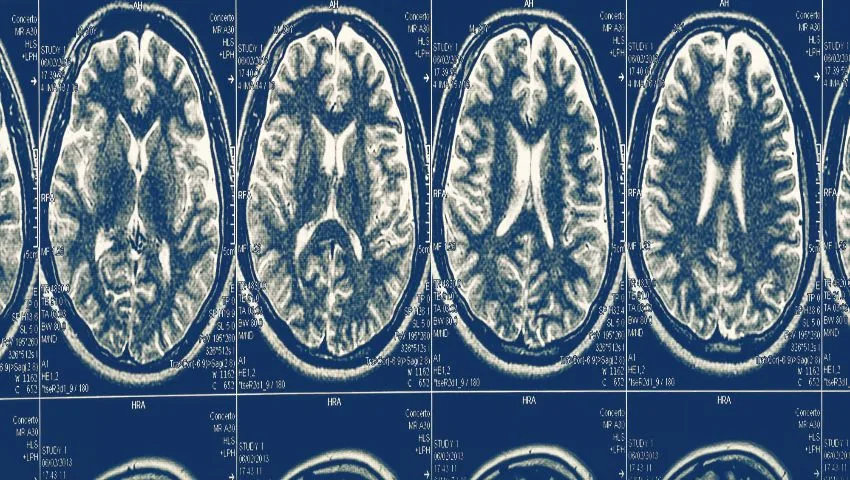
- MRI / CT myelography - to detect root avulsions, seen as pseudomeningoceles (fluid pouches) where roots have been torn from the spinal cord.
- Nerve conduction studies and EMG - usually performed around 3-4 weeks after injury and repeated, to assess the degree of injury and signs of recovery.
- High-resolution ultrasound and MR neurography - in selected cases, to visualise nerves.
- Vascular assessment - since major blood vessels run alongside the plexus and may also be injured.
Surgical Treatment Options
Nerve exploration and neurolysis
The plexus is exposed through incisions in the neck and/or below the collarbone. Scar tissue compressing the nerves is released (neurolysis), and intra-operative nerve stimulation helps determine which segments are functioning.
Nerve repair and grafting
When a nerve is ruptured but the root is still attached to the spinal cord, the damaged segment is removed and the gap bridged with nerve grafts, typically taken from the sural nerve in the leg (causing only a small area of numbness on the outer foot). Under the microscope, the grafts are carefully aligned and joined with fine sutures or fibrin glue.
Nerve transfers - a revolution in plexus surgery
When roots are avulsed from the spinal cord, or when a faster, more reliable recovery is desired, the surgeon takes a healthy, less important nerve (or a part of one) and connects it to the nerve supplying a paralysed, more important muscle - close to that muscle. Because the connection is near the target, regeneration distance is short and recovery faster. Common nerve transfers include:
Oberlin transfer
A fascicle of the ulnar nerve is transferred to the biceps branch to restore elbow bending.
Spinal accessory to suprascapular nerve
To restore shoulder abduction and external rotation.
Radial nerve (triceps branch) to axillary nerve
To restore shoulder lifting through the deltoid muscle.
Intercostal nerve transfers
Nerves from between the ribs are used to power elbow flexion or other functions in pan-plexus injuries.
Phrenic nerve transfer
Used in selected cases of severe injury.
Contralateral C7 transfer
Part of the C7 root from the uninjured side is used to reinnervate the injured arm in complete avulsions.
Priorities of Reconstruction
In severe injuries, not all functions can be restored at once, and there are only a limited number of donor nerves. Surgeons therefore prioritise the functions that matter most for daily life. The usual order of priority is:
- Elbow flexion - the ability to bend the elbow and bring the hand to the mouth, which makes the arm useful as a helper.
- Shoulder stability and abduction - lifting the arm away from the body and preventing painful shoulder dislocation.
- Sensation in the hand, particularly the thumb and index finger, to protect against injury and burns.
- Hand function - grasp and release, which is the most difficult to restore in adults with lower root injuries but may be possible in selected cases or through secondary procedures.
Secondary Reconstruction
When patients present late, or when nerve surgery has not restored enough function, other procedures can still help:
Tendon transfers
A working muscle's tendon is rerouted to perform the function of a paralysed one - for example, to restore wrist extension.
Free functioning muscle transfer
A muscle, usually the gracilis from the thigh, is transplanted to the arm with its blood vessels and nerve, and connected to a donor nerve to restore elbow flexion or finger movement.
Shoulder arthrodesis
Fusion of the shoulder joint to provide stability when muscles cannot be restored.
Wrist fusion and other procedures
To position the hand for better function.
Pain After Brachial Plexus Injury - The DREZ Operation
Many patients with root avulsion injuries develop severe, relentless neuropathic pain - often described as burning, crushing or shooting pain in the hand, sometimes with electric shock-like attacks. This deafferentation pain arises because the avulsion damages the spinal cord where the roots were attached, causing the pain-processing neurons there to fire abnormally. It can be far more disabling than the paralysis itself and often responds poorly to medicines.
For such patients, the Dorsal Root Entry Zone (DREZ) lesioning operation can be remarkably effective. Through an operation on the neck, the surgeon makes precise, controlled lesions along the zone of the spinal cord where the avulsed roots once entered, destroying the abnormally firing neurons. A large proportion of carefully selected patients experience substantial and lasting pain relief. Dr. Snha has special expertise in the DREZ operation for post-traumatic neuralgic pain. Nerve reconstruction itself can also reduce pain in some patients.
Brachial Plexus Birth Injury - What Parents Should Know
Most babies with birth-related brachial plexus palsy recover substantially on their own, often within the first few months, because the injury is frequently a stretch rather than a tear. However, a significant minority do not recover adequately and may be left with lifelong weakness, shortened limb, shoulder deformity and contractures if not treated in time.
Babies should be assessed early by a specialist and followed closely. Parents are taught gentle range-of-motion exercises to prevent joint stiffness. A key milestone is the recovery of elbow flexion and shoulder movement by around 3 to 6 months of age. If recovery is inadequate by this time, or if there are signs of severe injury such as a completely flaccid arm with Horner's syndrome, nerve reconstruction surgery - grafting or nerve transfers - is recommended, usually between 3 and 9 months of age. Children who undergo timely surgery often achieve very useful arm function. Later, secondary procedures such as tendon transfers or shoulder releases may further improve function.
Recovery and Rehabilitation
What to expect after nerve surgery
- Immobilisation: the arm and neck are usually protected in a sling or splint for about 3 weeks to protect the repairs.
- Hospital stay: typically a few days.
- Physiotherapy: gentle range-of-motion exercises to keep joints supple while nerves regenerate.
- Timeline of recovery: the first signs of muscle activity after nerve transfers usually appear after 3-6 months; after grafts from the neck, recovery may take 12-24 months or longer.
- Motor re-education: after nerve transfers, patients learn to activate the new muscle by initially "thinking" of the donor function, gradually making it automatic.
- Electrical stimulation and strengthening as muscles begin to recover.
- Regular follow-up to track recovery and plan any secondary procedures.
Nerve recovery requires patience and commitment. The rehabilitation phase lasts many months, and consistent physiotherapy is essential for the best outcome.
What Results Can Be Expected?
Outcomes depend on the type and extent of injury, the time from injury to surgery, the patient's age and the reconstruction performed. In general:
- Upper plexus injuries (C5-C6) treated early have the best outcomes - elbow flexion and useful shoulder function can be restored in a large majority of patients, often through nerve transfers.
- Complete (pan-plexus) injuries are more challenging; the aim is usually to restore elbow flexion, shoulder stability and protective sensation so that the arm can act as a useful helper.
- Children generally recover better than adults because their nerves regenerate faster and their brains adapt more easily.
- Pain often improves after reconstruction, and the DREZ operation can relieve severe deafferentation pain.
Realistic goals are discussed openly before surgery. Even partial recovery - such as being able to bend the elbow to hold a bag, stabilise objects, or lift the arm - can make a major difference to independence and quality of life.
Why Choose Dr. (Prof.) Sumiet Snha for Brachial Plexus Surgery?
- Founder Secretary, Indian Society of Peripheral Nerve Surgery.
- An accomplished brachial plexus and peripheral nerve surgeon with more than 250 complicated cases performed with high success rates.
- Former Professor of Neurosurgery at AIIMS, New Delhi, including at the JPNA Apex Trauma Centre, one of India's busiest trauma centres.
- Expertise in nerve grafting, the full range of nerve transfers, and the DREZ operation for post-traumatic pain.
- Experience with both adult traumatic and paediatric birth-related plexus injuries.
- Regular faculty at national peripheral nerve surgery meetings, including the biennial conference of the Indian Society of Peripheral Nerve Surgery.
- Comprehensive care with physiotherapy and rehabilitation at Max Super Speciality Hospital, Dwarka, New Delhi.
Factors That Affect the Cost of Brachial Plexus Surgery
- Extent of injury and number of nerves reconstructed.
- Type of procedure - neurolysis, grafting, nerve transfers, free muscle transfer or DREZ.
- Duration of surgery and hospital stay.
- Investigations such as MRI/CT myelography and nerve studies.
- Rehabilitation requirements.
- Insurance or accident claim coverage.
Associated Injuries and the Bigger Picture
Brachial plexus injuries after road accidents rarely occur in isolation. Patients may also have head injuries, fractures of the collarbone, shoulder blade, upper arm or cervical spine, dislocations of the shoulder, chest injuries, and damage to the subclavian or axillary artery. The initial priority is always life-saving trauma care and stabilisation of fractures. Vascular injuries may need urgent repair to save the limb. Once the patient is stable, the nerve injury is assessed systematically. In cases where exploration is required for vascular or bony injuries, the plexus can sometimes be evaluated at the same time. Coordination between trauma, orthopaedic, vascular and nerve surgeons ensures that the plexus injury is not overlooked amid other urgent problems - which unfortunately still happens, leading to delayed referrals.
Living With a Brachial Plexus Injury
A brachial plexus injury usually strikes young, active people, often the main earners of their families, and can change life overnight. Beyond the physical loss, patients face pain, loss of work, dependence on others and emotional distress. Rehabilitation therefore addresses the whole person. Occupational therapists teach one-handed techniques and adaptive tools for dressing, eating and work. Vocational counselling helps patients return to employment, sometimes in a modified role. Pain management combines medicines, physical measures and, where needed, surgical options. Psychological support and peer support from others who have been through similar injuries can be invaluable. Families should be involved throughout, as their encouragement sustains the long rehabilitation process.
Protecting the arm is also important. An arm with reduced sensation is prone to burns, cuts and pressure sores that the patient may not feel. Patients should check the skin regularly, test water temperature with the unaffected hand, and avoid resting the arm on hot surfaces. Keeping joints mobile with daily exercises prevents stiffness that would limit function even after nerves recover.
Understanding Nerve Regeneration
When a nerve fibre is cut or crushed, the part beyond the injury degenerates. The nerve cell body, located in or near the spinal cord, survives and sends out new sprouts from the injured end. If these sprouts find their way into the empty tubes of the distal nerve - which surgical repair, grafting or transfer aims to guide - they grow along them at about a millimetre a day until they reach the muscle or skin. The muscle then has to be "re-educated" to work with its new nerve supply. This biology explains why nerve recovery is slow, why timing is so important, and why the shorter distances of nerve transfers often lead to better results than long grafts from the neck to the hand.
Brachial Plexus Problems Without an Accident
Although road accidents and difficult births cause most brachial plexus injuries, the plexus can also be affected by conditions that develop without any obvious trauma. These are easily missed, because the arm weakness or pain may be blamed on a cervical disc, a frozen shoulder or a pinched nerve at the elbow. Recognising them matters, because each has a different course and a different treatment. A careful history, a thorough examination and targeted investigations - nerve studies, MRI of the plexus and sometimes ultrasound - help distinguish these conditions from each other and from problems in the neck.
Neuralgic amyotrophy (brachial neuritis)
This inflammatory condition, also known as Parsonage-Turner syndrome, typically begins with sudden, severe pain around the shoulder, often after an infection, vaccination, surgery or strenuous exertion. As the pain eases over days to weeks, weakness and wasting of shoulder or arm muscles become apparent. Many patients recover gradually over months with physiotherapy and pain management. A small number with persistent paralysis are found to have focal constrictions of the nerves on high-resolution imaging, and in selected cases surgical exploration or nerve transfer may be considered.
Thoracic outlet syndrome
Here the lower plexus is compressed as it passes between the collarbone and the first rib, sometimes by an extra cervical rib or a tight fibrous band. Patients may notice tingling in the little and ring fingers, aching of the arm when it is raised, and in long-standing cases, wasting of the small hand muscles. Postural exercises help milder cases, while true neurogenic compression with muscle wasting may need surgical decompression.
Radiation-related and tumour-related plexopathy
People who have received radiotherapy to the neck, breast or armpit may develop slowly progressive plexus damage years later. Tumours arising from the nerves themselves, such as schwannomas, can also involve the plexus and are often removable while preserving the nerve. More information is available on our nerve tumour treatment and nerve sheath tumour pages.
When a "neck problem" may be a plexus problem
Arm weakness that does not match a single nerve root on the MRI of the neck, marked muscle wasting around the shoulder blade, or weakness that followed an episode of severe shoulder pain should prompt evaluation for a brachial plexus condition by a peripheral nerve specialist.
Preparing for Your First Visit
A first consultation for a brachial plexus injury is detailed, because the surgeon needs to map every muscle and area of sensation and understand exactly how the injury happened. Bringing the right information makes this visit far more productive and can avoid repeated tests. If you are travelling from outside Delhi, you can first send reports by WhatsApp on +91-8448877746 for a preliminary opinion, and a video consultation can help decide on the timing of an in-person visit - an important consideration given how time-sensitive nerve surgery is.
- All X-rays, CT, MRI or CT myelography scans - ideally the images on disc as well as the written reports.
- Nerve conduction and EMG reports, with dates, since serial studies show whether recovery is occurring.
- Discharge summaries and operation notes from any earlier surgery, including fracture fixation or vascular repair.
- Short smartphone videos showing the arm movements you can and cannot do, recorded at intervals since the injury.
- For babies, the birth record and notes on which movements have appeared and when.
- A list of current medicines, particularly those taken for nerve pain.
Consultations are held at Max Super Speciality Hospital, Dwarka, from Monday to Saturday. To plan your visit, book an appointment or read more about related conditions on our peripheral nerve injuries page.
Frequently Asked Questions
Can a brachial plexus injury heal on its own?
Mild stretch injuries often recover without surgery. Ruptures and root avulsions do not recover on their own and require surgical reconstruction. Close monitoring by a specialist helps decide which injuries need surgery.
When is the best time for brachial plexus surgery?
For closed injuries, surgery is usually best performed within 3 to 6 months. Sharp, open injuries should be repaired as early as possible. Delays beyond a year reduce the chance of nerve recovery.
What is nerve transfer surgery?
It is a procedure in which a working nerve of lesser importance is connected to a paralysed nerve close to its muscle, restoring function more quickly and reliably than long nerve grafts.
How long does recovery take?
The first movements often appear 3 to 6 months after nerve transfers, with continued improvement over 1 to 2 years or more with physiotherapy.
My baby's arm is weak after birth - what should I do?
See a brachial plexus specialist early. Many babies recover naturally, but those who have not recovered key movements by 3 to 6 months may benefit from nerve surgery.
Can the pain after brachial plexus injury be treated?
Yes. Medicines, nerve reconstruction and, for severe avulsion pain, the DREZ operation can provide significant relief.
Is it ever too late for treatment?
Even if nerve surgery is no longer possible, tendon transfers, free muscle transfers and other procedures can still improve function.
Don't Wait - Time Is Nerve
If you or your child has weakness in the arm after an accident or birth, the sooner you see a specialist, the better the chances of recovery. Book a consultation with Dr. (Prof.) Sumiet Snha at Max Hospital, Dwarka, New Delhi. Related pages: peripheral nerve injuries, nerve transfers after spinal cord injury and chronic nerve pain treatment.