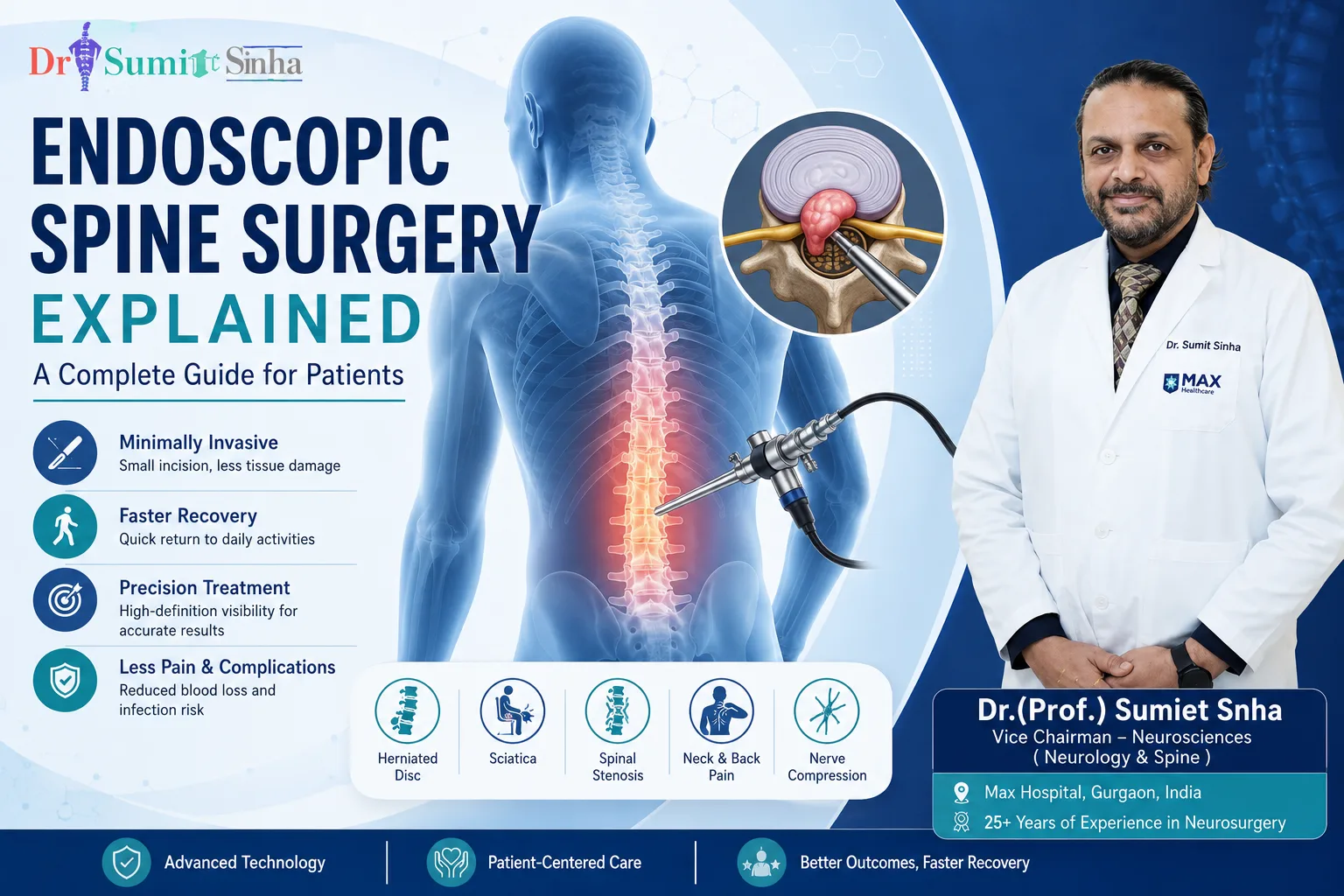
Back pain that shoots down the leg, neck pain that travels into the arm, numbness that refuses to settle - these are among the most common reasons people visit a spine surgeon. For many of them, the thought of "back surgery" brings images of long scars, weeks in bed and a slow, painful recovery. Endoscopic spine surgery has changed that picture. Using a high-definition camera and specially designed instruments passed through an incision often smaller than a centimetre, the surgeon can remove the disc fragment or bony overgrowth pressing on a nerve while leaving most of the healthy muscle, ligament and bone untouched.
Dr. (Prof.) Sumiet Snha, Principal Director - Neurosurgery & Spine Surgery at Max Hospital, Dwarka, New Delhi, and a former Professor of Neurosurgery at AIIMS, New Delhi, has performed thousands of complex spine operations through keyhole and endoscopic approaches. This page explains what endoscopic spine surgery is, who it is suitable for, how the procedure is done, what recovery looks like and how to decide whether it is the right option for you.
What Is Endoscopic Spine Surgery?
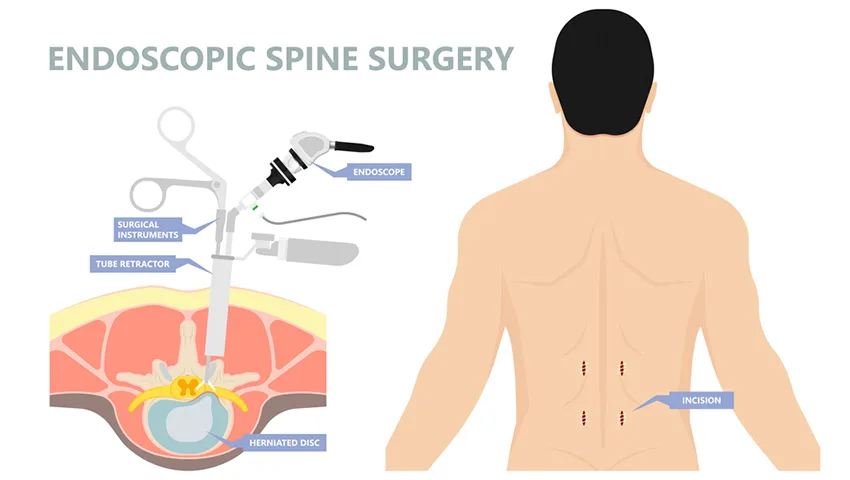
Endoscopic spine surgery is a form of minimally invasive spine surgery (MISS) in which the operation is performed through a narrow tubular channel, or "working portal", using an endoscope - a thin tube carrying a light source and a high-resolution camera. The magnified image is displayed on a monitor, allowing the surgeon to see the nerve, disc and surrounding structures in far greater detail than with the naked eye. Continuous saline irrigation keeps the field clear and helps reduce bleeding.
In traditional open spine surgery, the back muscles are stripped away from the bone and held apart with retractors so that the surgeon can see the spine directly. That muscle damage is responsible for much of the pain, blood loss and slow recovery after open surgery. In endoscopic surgery, the muscles are gently separated along their natural planes rather than cut, and only the tissue that is actually causing the problem is removed.
Full-endoscopic (uniportal)
A single small incision through which the endoscope and instruments work together. Commonly used for lumbar and cervical disc herniations.
Biportal endoscopic (UBE)
Two small portals - one for the camera, one for instruments - giving the surgeon additional freedom of movement, useful in canal stenosis and selected fusion cases.
Transforaminal approach
The spine is reached from the side through the natural opening (foramen) where the nerve root exits, often avoiding removal of bone.
Interlaminar approach
The spine is reached from the back between two laminae - frequently preferred at the L5-S1 level and for central disc problems.
Understanding the Spine and Why Nerves Get Compressed
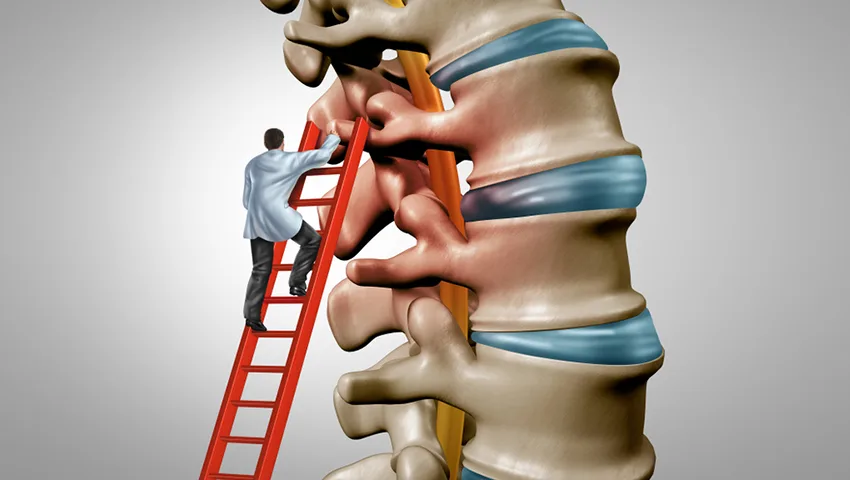
The spine is made up of 33 vertebrae stacked on top of one another. Between them lie the intervertebral discs - shock absorbers with a tough outer ring (annulus fibrosus) and a soft, jelly-like centre (nucleus pulposus). Behind the discs runs the spinal canal, which protects the spinal cord in the neck and upper back and the bundle of nerve roots (cauda equina) in the lower back. At every level, a pair of nerve roots leaves the canal to supply the arms, trunk or legs.
With age, repetitive strain, poor posture, heavy lifting or injury, the disc can weaken. When the outer ring tears, the inner material can bulge or herniate backwards and press on a nerve root - the classic slip disc. At the same time, joints may thicken, ligaments may buckle and bone spurs may form, gradually narrowing the canal (spinal stenosis). A compressed nerve becomes inflamed and produces pain, tingling, numbness or weakness along the area it supplies. Because the problem is mechanical, removing the source of pressure often provides relief that medicines alone cannot.
Conditions Treated With Endoscopic Spine Surgery
With careful patient selection, endoscopic techniques can be used for a wide range of degenerative spine problems in the lower back (lumbar spine), the neck (cervical spine) and, in selected cases, the mid-back (thoracic spine):
- Lumbar disc herniation (slip disc) with sciatica - leg pain, numbness or weakness caused by a disc pressing on a nerve root.
- Recurrent disc herniation - a repeat herniation at a previously operated level, where endoscopy avoids dissecting through old scar tissue widely.
- Foraminal and far-lateral disc herniation - fragments lying outside the canal that are awkward to reach through open surgery.
- Lumbar canal stenosis - narrowing causing leg pain, heaviness or cramping on walking (neurogenic claudication).
- Lateral recess and foraminal stenosis - nerve root compression from thickened ligament, joint overgrowth or bone spurs.
- Cervical disc herniation and cervical radiculopathy - neck pain radiating to the shoulder, arm and hand.
- Synovial (facet) cysts pressing on nerve roots.
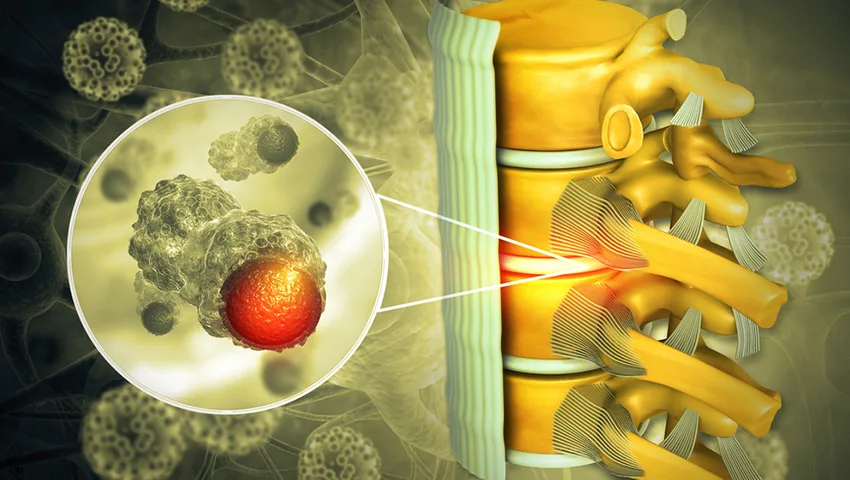
- Selected cases of spinal infection requiring drainage and tissue sampling.
Not every spine problem is suitable for endoscopic treatment. Significant instability, major deformity (such as severe scoliosis), some spinal tumours and complex fractures may need other minimally invasive or open techniques. An honest assessment of which approach gives the best long-term result is the most important part of the consultation.
Symptoms That May Need Evaluation
Most episodes of back and neck pain improve within a few weeks with rest, activity modification, medicines and physiotherapy. You should consider a specialist evaluation if you experience:
- Pain radiating from the lower back into the buttock, thigh, calf or foot (sciatica) that persists for more than 6 weeks.
- Neck pain radiating into the shoulder blade, arm or fingers.
- Numbness, tingling or a "pins and needles" feeling in a leg or arm.
- Weakness - difficulty lifting the foot, standing on the toes, gripping objects or raising the arm.
- Pain or heaviness in the legs that comes on after walking a short distance and is relieved by sitting or bending forward.
- Pain that disturbs sleep or prevents you from working and carrying out daily activities despite adequate treatment.
Seek urgent medical attention if you have
- New difficulty passing urine, loss of bladder or bowel control.
- Numbness around the genitals or the inner thighs ("saddle anaesthesia").
- Rapidly progressive weakness in one or both legs.
- Back pain with fever, unexplained weight loss, a history of cancer or a major injury.
These can be signs of cauda equina syndrome, infection, tumour or fracture and need emergency assessment.
How the Diagnosis Is Made
A good outcome starts with an accurate diagnosis. The spine surgeon matches your symptoms with the clinical examination and imaging to pinpoint exactly which nerve is compressed and why.
- Detailed history - onset, pattern of pain, aggravating and relieving factors, previous treatment, occupation and general health.
- Neurological examination - muscle power, reflexes, sensation and nerve tension tests such as the straight leg raise.
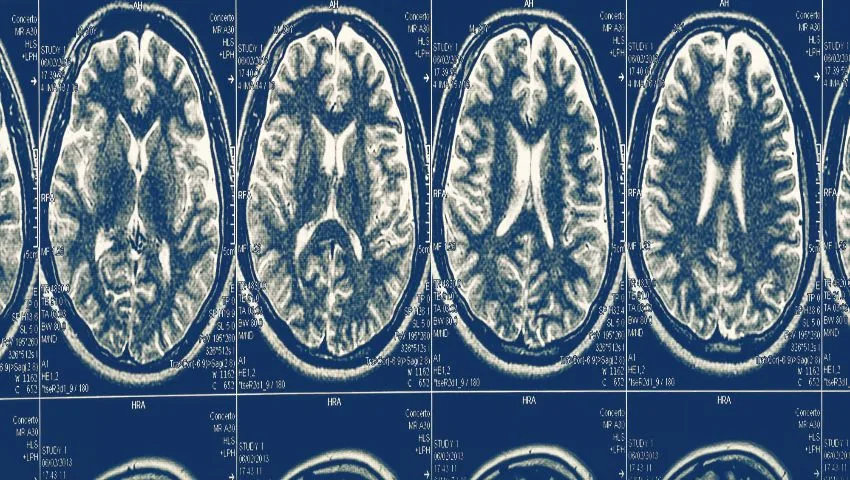
- MRI of the spine - the key investigation showing discs, nerves, the spinal cord and soft tissues.
- X-rays with flexion-extension views - to check alignment and look for instability that might change the surgical plan.
- CT scan - when bone detail matters, for example calcified discs or bony stenosis.
- Nerve conduction studies / EMG - in selected cases, to distinguish spinal nerve compression from peripheral nerve problems such as carpal tunnel syndrome or neuropathy.
It is common for MRI scans to show disc bulges that are not responsible for any symptoms. Surgery is planned only when the imaging findings clearly correlate with what the patient feels and what the examination shows.
Non-Surgical Treatment Comes First
The majority of patients with a slip disc improve without surgery. Over weeks to months, herniated disc material often shrinks and the inflammation around the nerve settles. Conservative treatment typically includes:
Medicines
Anti-inflammatory painkillers, nerve pain medicines and short courses of muscle relaxants, prescribed and monitored by your doctor.
Physiotherapy
Core strengthening, flexibility work, posture correction and graded return to activity to reduce the chance of recurrence.
Activity modification
Avoiding heavy lifting and prolonged sitting in the acute phase - but staying gently active rather than strict bed rest.
Injections
Image-guided epidural or selective nerve root blocks can reduce inflammation and pain in selected patients.
Surgery is usually considered when disabling pain persists despite 6 to 12 weeks of good conservative treatment, when there is significant or worsening weakness, or immediately when there are emergency features such as bladder or bowel involvement.
The Endoscopic Spine Surgery Procedure - Step by Step
Every operation is tailored to the patient, but a typical endoscopic lumbar discectomy follows these steps:
- Pre-operative preparation - blood tests, fitness assessment by the anaesthesia team and a review of medicines, especially blood thinners.
- Anaesthesia - depending on the level and approach, the surgery may be done under general anaesthesia or, in some cases, under regional/local anaesthesia with sedation.
- Positioning and X-ray guidance - the patient lies face-down on a special frame. Real-time fluoroscopy (X-ray) is used to mark the exact level and the entry point.
- Small incision - a skin incision of about 7-10 mm is made and a series of dilators gently spreads the muscle fibres.
- Working channel and endoscope - a tubular channel is placed and the endoscope is introduced. The surgeon works while watching a magnified HD image with continuous saline irrigation.
- Decompression - the herniated disc fragment, thickened ligament or bone spur is removed with micro-instruments, and the nerve root is freed. A radiofrequency probe helps control small bleeding points.
- Confirmation - the surgeon confirms that the nerve is free and pulsating normally before withdrawing the instruments.
- Closure - usually a single stitch or skin glue and a small dressing.
The operation for a single-level disc typically takes around one to two hours, depending on complexity. Many patients walk within a few hours after surgery.
Benefits of Endoscopic Spine Surgery
- Very small incision - often less than one centimetre, with a cosmetically minimal scar.
- Muscle-sparing - muscles are dilated, not stripped, which reduces post-operative pain and preserves spinal stability.
- Minimal blood loss - transfusion is rarely needed.
- Short hospital stay - many patients go home the same day or the next day.
- Faster return to routine activities - desk-based work can often be resumed within one to two weeks, subject to the surgeon's advice.
- Less need for strong painkillers after surgery.
- Useful in elderly or medically fragile patients in whom a large open operation carries higher risk.
- Preserves future options - because little bone and tissue is removed, future treatment, if ever needed, is not compromised.
Risks and Limitations - An Honest Look
Endoscopic spine surgery is safe in experienced hands, but like any surgery it carries some risks. These are discussed in detail before consent and include:
- Temporary numbness, burning or tingling in the leg (dysaesthesia), which usually settles over weeks.
- Recurrent disc herniation at the same level - a possibility after any type of discectomy.
- Dural tear (a small leak of spinal fluid), infection, bleeding or nerve injury - uncommon.
- Incomplete relief, particularly if the nerve has been compressed for a very long time.
- Need to convert to a different technique if the anatomy is unfavourable.
Endoscopic surgery also has a learning curve. Outcomes depend strongly on the surgeon's training, case volume and judgement about which patients are suitable. Choosing an experienced spine surgeon who performs both endoscopic and open procedures ensures you are offered the technique that genuinely suits your condition.
Endoscopic vs Microscopic vs Open Spine Surgery
Open surgery
Larger incision and muscle dissection. Still the right choice for major instability, deformity and some tumours or fractures.
Microdiscectomy
A small open incision with an operating microscope. A proven, reliable technique for disc herniation.
Endoscopic discectomy
The smallest access with HD magnification and irrigation. Less muscle trauma and typically quicker early recovery.
MIS fusion
When the spine is unstable, screws and a cage can be placed through small incisions to stabilise the segment.
Long-term results of endoscopic discectomy and microdiscectomy are broadly comparable for suitable patients. The advantages of endoscopy are mainly in less tissue trauma, less early pain and a quicker return to activity. The decision is individual and is made jointly with the patient.
Recovery After Endoscopic Spine Surgery
Recovery is usually quicker than after conventional surgery, but the healing disc still needs time and protection. A typical timeline looks like this:
Recovery timeline (general guide)
- Day of surgery: walking with support within a few hours; leg pain often improves significantly.
- Days 1-2: discharge home; short walks several times a day; avoid bending, lifting and twisting.
- Week 1-2: wound check; return to light desk work; gradually increase walking distance.
- Week 3-6: guided physiotherapy for core strength and flexibility; resume driving when pain-free and able to brake safely.
- Week 6-12: progressive return to most normal activities; heavy lifting and high-impact sport only when cleared.
Numbness may take longer to recover than pain, and nerves that were weak before surgery can continue to improve for several months. Maintaining a healthy weight, staying active, not smoking and using correct lifting technique all reduce the risk of future problems.
Cervical (Neck) Endoscopic Surgery
For carefully selected patients with a soft disc herniation or foraminal narrowing causing arm pain, a posterior endoscopic cervical foraminotomy can relieve the compressed nerve root through a small incision at the back of the neck without the need for fusion. This preserves motion at the operated level. When the spinal cord itself is compressed (cervical myelopathy) or there is significant central canal narrowing, other procedures such as anterior cervical discectomy and fusion, disc replacement or laminoplasty may be more appropriate. The choice depends on the MRI findings, alignment of the neck and the patient's symptoms.
Who Is a Good Candidate?
You may be a suitable candidate for endoscopic spine surgery if:
- Your symptoms clearly match a disc herniation or nerve root compression seen on MRI.
- Leg or arm pain is the dominant complaint rather than back pain alone.
- Conservative treatment has not provided adequate relief, or there is progressive weakness.
- There is no major instability or deformity requiring fusion or correction.
Age alone is not a barrier. Many elderly patients benefit from endoscopic decompression because it avoids the physiological stress of a large operation. Diabetes, heart disease and other conditions are optimised before surgery in coordination with the relevant specialists.
Endoscopic Surgery for Elderly and Diabetic Patients
Older adults and people with diabetes, heart disease or lung problems often face higher risks with large open operations - more blood loss, longer anaesthesia, slower wound healing and a greater chance of infection. Because endoscopic surgery works through a tiny portal with continuous irrigation, it causes much less tissue trauma, and in selected cases it can be performed under lighter anaesthesia. This makes it an attractive option for patients who have been told they are "too old" or "too high-risk" for spine surgery. Careful pre-operative optimisation of blood sugar, blood pressure and heart function is still essential, and the anaesthesia and medical teams work closely with the surgeon to keep the patient safe throughout.
Why Choose Dr. (Prof.) Sumiet Snha for Endoscopic Spine Surgery?
- AIIMS-trained neurosurgeon - MBBS, MS, DNB, MCh (AIIMS, New Delhi) and FACS, with 25+ years of experience in brain and spine surgery.
- Former Professor of Neurosurgery at AIIMS, New Delhi and founder faculty in-charge of the cadaver training and research facility at the AIIMS JPNA Trauma Centre.
- Certified teaching faculty for AO Spine International - a global organisation dedicated to education in spinal surgery.
- International training with leading neurosurgeons including Prof. Hiroshi Sano (Japan), Prof. Louis Vialle (Brazil) and Prof. B. Meyer (Germany).
- Thousands of complex neurosurgical and spine operations performed through keyhole and endoscopic approaches.
- Patient-first approach - surgery is recommended only when truly needed, after conservative options have been considered.
- Practising at Max Super Speciality Hospital, Dwarka, New Delhi with advanced operating rooms, neuro-navigation and intra-operative imaging.
Factors That Influence the Cost of Endoscopic Spine Surgery
The cost of endoscopic spine surgery in Delhi varies from patient to patient. The main factors are:
- The number of spinal levels treated and the complexity of the problem.
- Whether the surgery is a discectomy alone or combined with decompression of bony stenosis or stabilisation.
- Type of anaesthesia and length of hospital stay.
- Room category chosen at the hospital.
- Pre-operative investigations and associated medical conditions.
- Insurance coverage and cashless facility (most major insurers cover medically necessary spine surgery).
After the consultation and review of your MRI, the hospital team provides a transparent estimate tailored to your treatment plan.
Living Well After Surgery - Preventing Recurrence
Surgery removes the part of the disc pressing on the nerve, but the rest of the disc and the spine continue to age. Simple habits make a real difference:
- Keep the core muscles strong with the exercises taught by your physiotherapist.
- Lift with the knees bent and the load close to the body; avoid twisting while lifting.
- Take short breaks every 30-45 minutes during long periods of sitting or driving.
- Maintain a healthy body weight and stay active with walking, swimming or cycling.
- Stop smoking - nicotine accelerates disc degeneration and slows healing.
- Use a supportive chair and keep screens at eye level to protect the neck.
Myths and Facts About Endoscopic Spine Surgery
Myth: Spine surgery always means months in bed.
Fact: After endoscopic surgery most patients walk the same day and return to light work within weeks. Early, gentle movement is actually encouraged because it helps healing.
Myth: Keyhole surgery is a "laser" treatment.
Fact: Endoscopic surgery physically removes the disc fragment or bone pressing on the nerve using micro-instruments under camera vision. Lasers or radiofrequency probes are only helpers, not the treatment itself.
Myth: Once operated, the back is never the same.
Fact: Because muscles and bone are preserved, the spine's natural stability is maintained. Many patients return to walking, yoga, swimming and sport after rehabilitation.
Myth: Surgery can cause paralysis.
Fact: Serious nerve injury is rare in experienced hands. In fact, the aim of surgery is to relieve nerve compression that could otherwise cause permanent weakness.
What to Expect at Your Consultation
Your first visit is about understanding your problem fully - not about rushing into surgery. Dr. Snha begins by listening to your story: when the pain started, how it has changed, what makes it better or worse, and how it affects your work, sleep and family life. A focused neurological examination follows, testing strength, reflexes and sensation in the arms or legs. Your MRI is then reviewed together with you on screen, so you can see exactly which disc or nerve is involved and why it is causing symptoms.
At the end of the consultation you will receive a clear explanation of the diagnosis and a written treatment plan. For many patients this means medicines, physiotherapy and follow-up. When surgery is advised, the reasons, the expected benefits, the realistic risks and the recovery plan are all discussed openly so that you and your family can make an informed decision without pressure. Patients from outside Delhi can share their MRI and reports on WhatsApp for a preliminary opinion before travelling, and video consultation is available where appropriate.
Please bring the actual MRI films or a CD/online link of the scan, not only the written report, along with a list of your current medicines. If you take blood thinners, diabetes medicines or medicines for blood pressure, mention them clearly - some may need to be adjusted before any procedure. A family member or friend accompanying you is always welcome, as it helps to have a second person hear the explanation and ask questions.
Endoscopic Surgery After a Previous Spine Operation
Patients who have already had spine surgery sometimes develop new or recurrent symptoms months or years later. Common reasons include a fresh disc herniation at the same level, narrowing at a neighbouring level, or a nerve root trapped by bone or scar. A second operation through the old route can be more demanding, because scar tissue alters normal anatomy and bonds to the nerve and its covering (dura). In carefully selected cases, endoscopic surgery offers a way to reach the problem with minimal additional disruption.
How endoscopy can help in revision cases
- Working around scar: a transforaminal approach from the side can reach a recurrent disc through untouched tissue, avoiding much of the old scar at the back.
- Magnified view: high-definition, close-up visualisation helps distinguish nerve from scar and reduces the risk of a dural tear.
- Less muscle damage: repeated open exposures weaken back muscles; a small portal limits this.
When a different approach is needed
Endoscopic revision is not suitable for everyone. If the segment has become unstable, if there is a significant slip or deformity, or if the disc has collapsed with severe foraminal narrowing, stabilisation or fusion may be the better choice. Persistent pain without a clear compressive cause may be better managed with non-surgical options or, in selected patients, spinal cord stimulation. Bringing previous operation notes, old and new MRI scans and details of the earlier recovery helps Dr. Snha decide which option offers the best balance of benefit and risk.
Frequently Asked Questions
Is endoscopic spine surgery safe?
Yes. In experienced hands it is a safe and well-established technique. Because tissue trauma is minimal, blood loss and wound problems are uncommon. Like any surgery, it carries some risks, which your surgeon will explain before the procedure.
How long does endoscopic spine surgery take?
A single-level endoscopic discectomy typically takes about one to two hours. Multi-level or complex decompressions may take longer.
Will I be awake during the surgery?
Depending on the approach and the level, surgery may be done under general anaesthesia or under regional/local anaesthesia with sedation. The anaesthesia team will discuss the best option for you.
How soon can I walk after endoscopic spine surgery?
Most patients walk within a few hours of surgery and are discharged the same day or the next day.
When can I return to work?
People with desk jobs can often return within one to two weeks. Jobs involving heavy lifting or physical labour usually need six to twelve weeks, as advised by your surgeon.
Can the disc slip again after surgery?
Recurrent herniation can occur after any type of disc surgery. Following the recovery advice, strengthening the core and using correct lifting technique reduce this risk.
Is endoscopic spine surgery covered by insurance?
Medically necessary spine surgery is generally covered by health insurance in India. The hospital's insurance desk can help with pre-authorisation and cashless processing.
Does everyone with a slip disc need surgery?
No. Most people improve with medicines, physiotherapy and time. Surgery is considered for persistent disabling pain, progressive weakness or emergency features such as loss of bladder control.
Take the Next Step
If back or neck pain radiating into your leg or arm is affecting your quality of life, a detailed assessment can clarify the cause and the full range of options available to you - from physiotherapy to endoscopic surgery. Bring your MRI and previous reports, and book a consultation with Dr. (Prof.) Sumiet Snha at Max Hospital, Dwarka, New Delhi. You can also read about endoscopic spinal stenosis surgery and spinal fracture treatment, or share your reports on WhatsApp for an initial opinion.