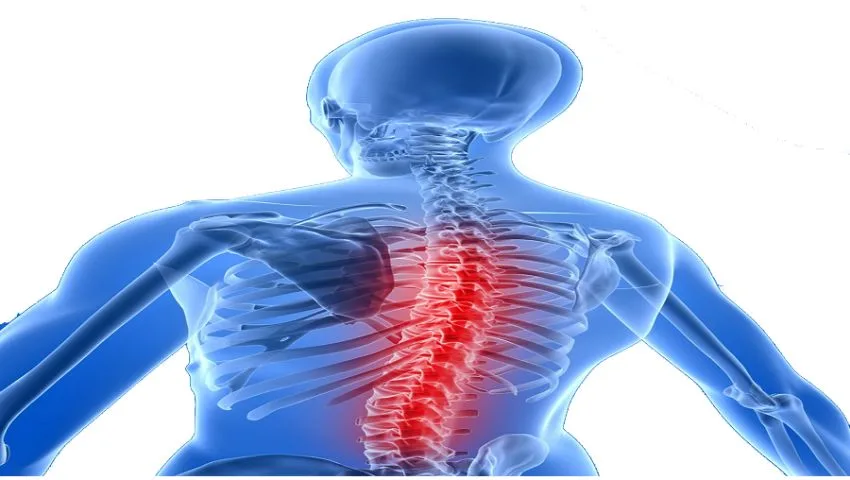
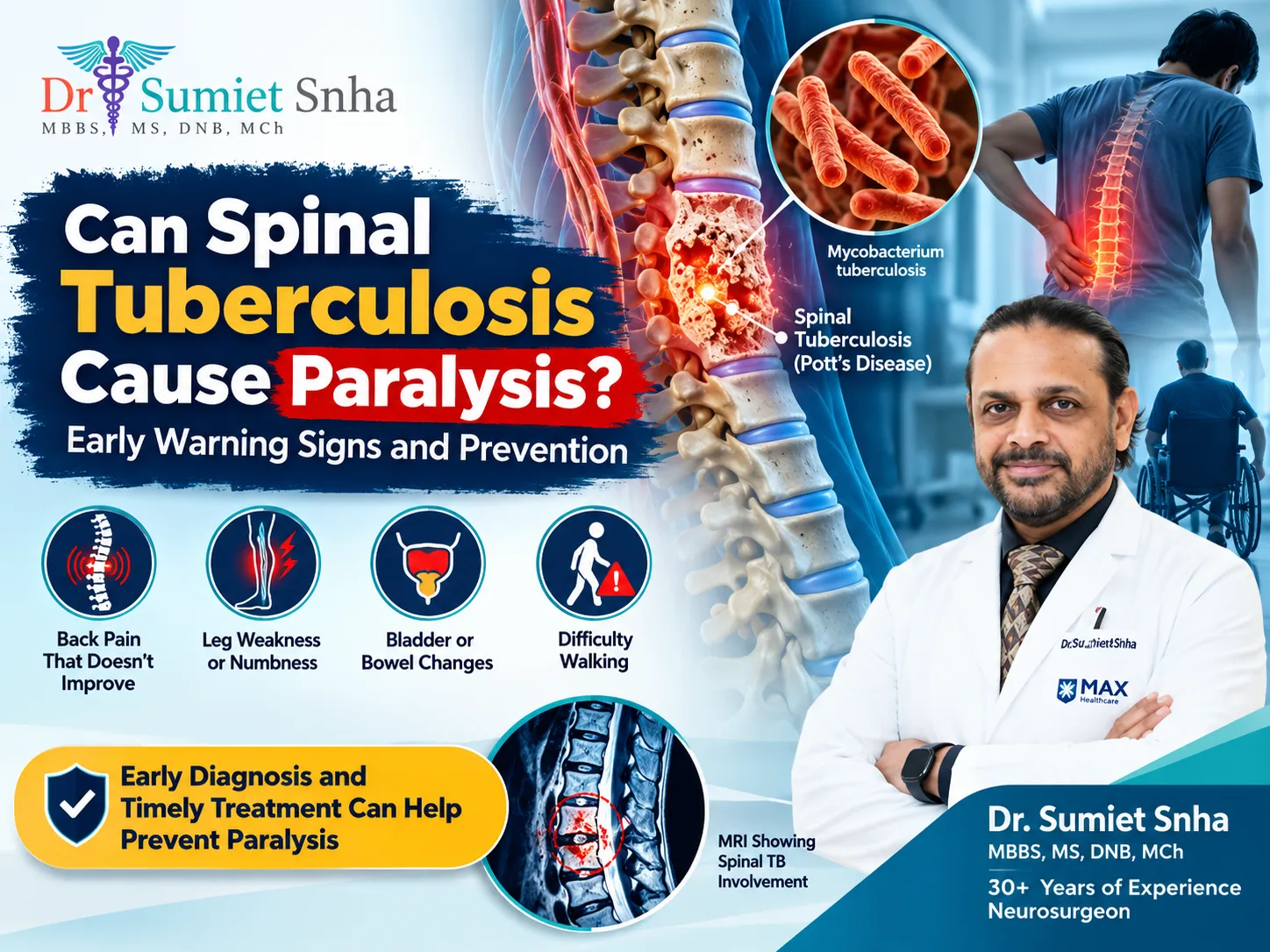
Tuberculosis is often thought of as a lung disease, but the bacteria that cause it - Mycobacterium tuberculosis - can travel through the bloodstream and settle in almost any organ. The spine is the most common site of bone and joint tuberculosis, accounting for roughly half of all such cases. Tuberculosis of the spine, also known as Pott's disease after the 18th-century English surgeon Percivall Pott who described it, is a slow, insidious infection that can quietly destroy vertebrae and discs over weeks to months before it is recognised.
In India, where tuberculosis remains common, spine TB is a condition every family should know about. Early diagnosis makes all the difference: when it is caught in the initial stages, spinal TB is fully curable with medicines in most people, without surgery and without lasting deformity. When it is missed, it can lead to a hunched back (gibbus), chronic pain and even paralysis. This page explains how the disease develops, the symptoms to watch for, its stages and how doctors confirm the diagnosis. For treatment details, visit our page on spinal tuberculosis treatment.
How Does Tuberculosis Reach the Spine?
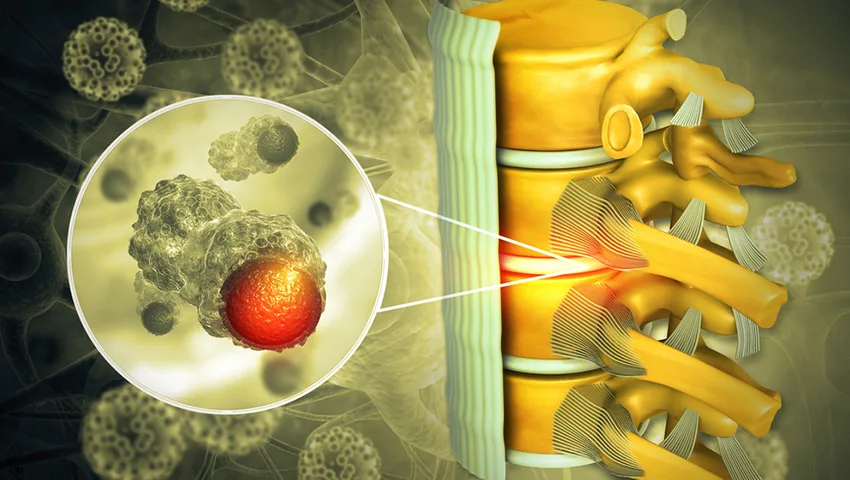
In most cases, spinal TB is secondary - the bacteria first infect another part of the body, usually the lungs or lymph nodes, sometimes years earlier and often without causing noticeable illness. From there, they spread through the blood to the vertebrae, which have a rich blood supply, particularly near the discs. Spread can also occur through the network of veins around the spine (Batson's plexus) or directly from nearby infected lymph nodes.
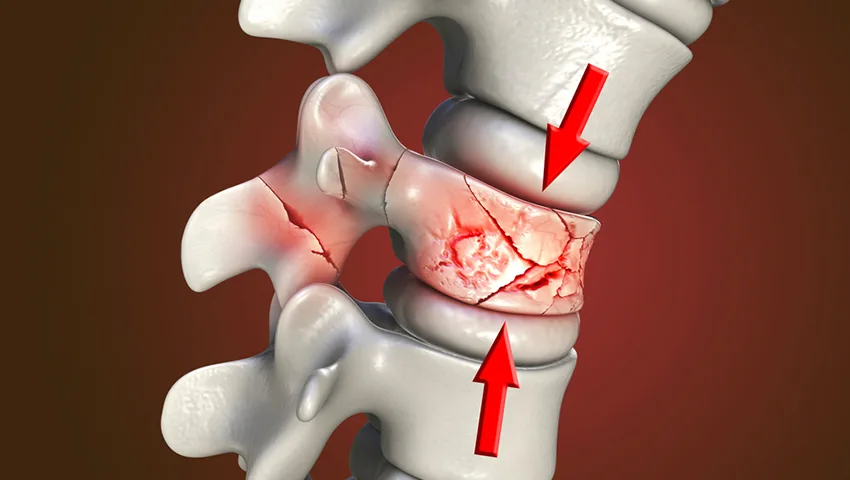
Once in the bone, the bacteria trigger a chronic inflammatory reaction. Granulomas form, bone is destroyed and a soft, cheese-like material (caseation) develops. Unlike many bacterial infections that attack the disc first, TB typically begins in the front part of the vertebral body next to the disc, then spreads beneath the ligaments to the neighbouring vertebra. Over time, the disc between them is destroyed and the weakened vertebral bodies collapse forwards, producing an angular kyphosis. Pus and debris may collect as a "cold abscess" - called cold because it lacks the heat and redness of a typical abscess - which can track along muscle planes far from the spine, even appearing as a swelling in the groin or thigh.
Which Parts of the Spine Are Affected?
Thoracic spine (mid-back)
The most commonly affected region. Because the spinal canal here is narrow, cord compression and paralysis are more likely.
Thoracolumbar and lumbar spine
Frequently involved; psoas abscesses may cause pain in the groin or a limp with the hip held bent.
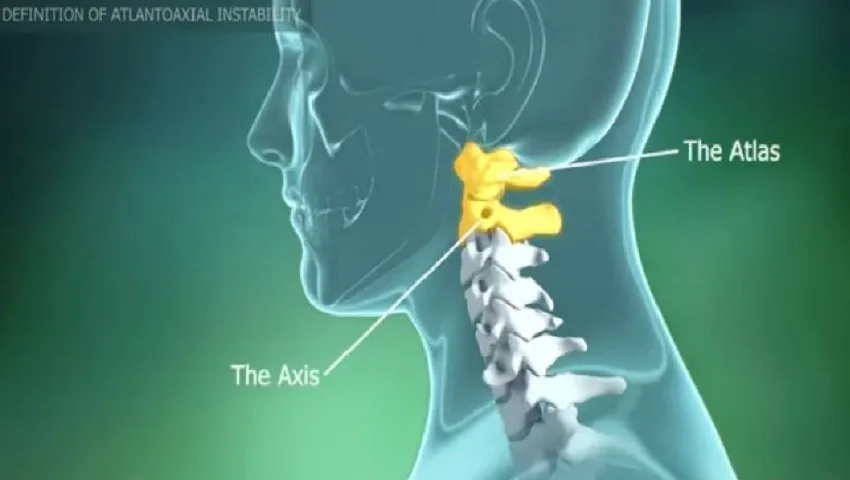
Cervical spine (neck)
Less common but potentially serious; a retropharyngeal abscess may cause difficulty in swallowing or breathing.
Craniovertebral junction and sacrum
Rare sites that need specialised assessment and treatment.
Sometimes more than one, non-adjacent area of the spine is affected at the same time (skip lesions). This is why MRI of the whole spine is often recommended when spinal TB is suspected.
Who Is at Risk of Spinal Tuberculosis?
- People with past or current TB in the lungs or lymph nodes, or close contact with a TB patient.
- People with weakened immunity - HIV infection, diabetes, chronic kidney disease, cancer, organ transplantation, or long-term steroid and immune-suppressing medicines.
- Undernourished individuals and those living in crowded, poorly ventilated conditions.
- Smokers and people with alcohol dependence.
- Children and young adults in regions where TB is common, and elderly people with declining immunity.
However, spinal TB can occur in healthy, well-nourished people from any background. A high index of suspicion is needed in anyone with persistent back pain and systemic symptoms.
Early Symptoms of Tuberculosis of the Spine
The early phase of spine TB is often subtle and easily mistaken for ordinary back pain, muscle strain or a slip disc. Pay attention to the following:
- Persistent back or neck pain lasting more than two to three weeks, gradually increasing, often localised to one area.
- Pain at night or pain that does not settle with rest.
- Evening rise of temperature - low-grade fever, typically in the evening.
- Night sweats.
- Loss of appetite and weight loss.
- Fatigue and general weakness.
- Stiffness of the back - patients avoid bending and may squat rather than bend to pick things up.
- In children: irritability, crying at night ("night cries"), refusal to walk or play, and a stiff posture.
Not every patient has fever or weight loss - some present with back pain alone, which is why persistent, unexplained back pain deserves evaluation, particularly if it is progressive.
Later Signs and Complications
As the disease advances, more obvious signs appear:
- Visible deformity - a prominent, angular bump on the back (gibbus or knuckle deformity) as vertebrae collapse.
- Cold abscess - a painless swelling in the back, flank, groin or neck.
- Limp or hip flexion due to a psoas abscess irritating the muscle that bends the hip.
- Tingling, numbness and weakness in the legs, a sense of heaviness or stiffness while walking.
- Difficulty in walking, frequent falls, and eventually inability to stand.
- Bladder and bowel disturbance - urgency, retention or incontinence.
- In neck TB: difficulty swallowing, change in voice, neck stiffness and weakness of the arms.
Do not ignore these warning signs
Weakness or numbness in the legs, difficulty walking, or any change in bladder control in a person with back pain may indicate spinal cord compression. This needs urgent evaluation by a spine specialist - early treatment greatly improves the chance of full recovery.
Stages of Spinal Tuberculosis
Clinicians often describe the progression of spinal TB in stages, which helps in choosing treatment and predicting outcome:
- Stage of pre-destruction - pain, stiffness and systemic symptoms; X-rays may be normal, but MRI shows marrow changes.
- Stage of early destruction - narrowing of the disc space and erosion of the vertebral margins with minimal collapse.
- Stage of collapse - destruction and collapse of vertebral bodies with visible kyphosis; abscesses are common.
- Stage of neurological involvement - compression of the spinal cord causing weakness and sensory loss (Pott's paraplegia).
- Stage of healed disease with residual deformity - the infection is controlled, but the spine is left angulated; late complications may arise.
Treatment at the first two stages often results in near-complete healing without deformity. Later stages may require surgery in addition to medicines.
How Tuberculosis of the Spine Is Diagnosed
Clinical examination
The doctor looks for localised tenderness, muscle spasm, restricted movement, deformity, abscesses and signs of nerve compression. A detailed neurological examination establishes whether the spinal cord is affected. General examination may reveal lymph node enlargement or signs of TB elsewhere.
Blood tests
ESR and CRP are often raised and are useful for monitoring response, though they are not specific. A complete blood count may show anaemia. HIV testing and blood sugar are routinely checked. Interferon-gamma release assays and the tuberculin skin test indicate TB exposure but cannot confirm active spinal disease on their own.
X-rays
Plain X-rays may show narrowing of the disc space, erosion of vertebral margins, collapse, kyphosis and a paravertebral shadow from an abscess. However, changes appear only after significant bone loss - often weeks to months into the disease - so a normal X-ray does not rule out early spinal TB.
MRI - the key investigation
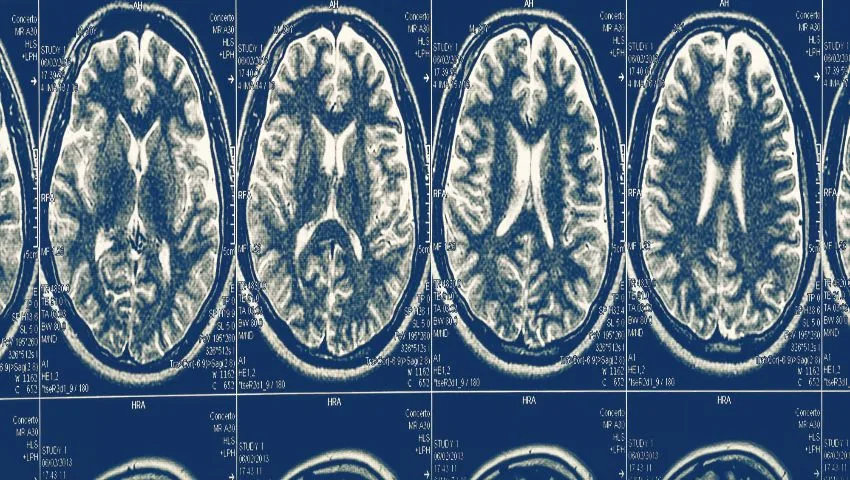
MRI with contrast is the most sensitive test for early spinal TB. Typical features include involvement of two or more adjacent vertebrae with relative preservation of the disc in early stages, spread of infection under the anterior longitudinal ligament to multiple levels, thin-walled paravertebral or epidural abscesses, and involvement of the posterior elements in some cases. MRI also shows the degree of spinal cord compression, which is critical for deciding on surgery. Whole-spine screening helps detect skip lesions.
CT scan
CT gives excellent detail of bone destruction, fragments and calcification within abscesses, and is used to plan biopsies and surgery.
Biopsy and microbiology
Because other conditions can look similar on imaging, obtaining a tissue sample is strongly recommended. A CT-guided needle biopsy from the vertebra or abscess, or tissue taken during surgery, is sent for:
- Histopathology - granulomas with caseous necrosis.
- Acid-fast bacilli stain and culture - culture takes several weeks but allows full drug sensitivity testing.
- CBNAAT / GeneXpert - a rapid molecular test that detects TB DNA and rifampicin resistance within hours.
- Line probe assay - identifies resistance to other key drugs.
Confirming the diagnosis and identifying drug resistance at the start avoids months of ineffective treatment and reduces the risk of relapse.
Conditions That Can Look Like Spinal TB
Several diseases can mimic tuberculosis of the spine on symptoms and scans. Differentiating them is essential because their treatments are completely different:
Pyogenic (bacterial) spondylodiscitis
Infection by bacteria such as Staphylococcus - usually more acute, with high fever and early disc destruction. Needs specific antibiotics.
Metastatic cancer
Cancer spread to the spine may cause vertebral collapse, but typically spares the disc. Missing it by treating as TB can be dangerous.
Multiple myeloma and lymphoma
Blood cancers that can involve multiple vertebrae; diagnosed with blood tests and biopsy.
Brucellosis and fungal infection
Less common infections, particularly in specific exposures or immune-compromised people.
Osteoporotic fractures
Collapse of vertebrae in elderly people without infection; MRI patterns usually differ.
Degenerative changes
Modic changes around degenerated discs can sometimes be confused with early infection on MRI.
This is why an experienced spine specialist reviews the imaging carefully and recommends biopsy when there is any doubt.
Is Spinal TB Contagious?
Tuberculosis spreads through the air when a person with active TB of the lungs or throat coughs, sneezes or talks. Spinal TB by itself does not spread through the air, so a person with only spinal TB is generally not infectious to family members or colleagues. However, because many patients with spinal TB also have lung involvement, a chest X-ray and, if needed, sputum tests are done. If lung TB is present, simple precautions - covering the mouth when coughing, good ventilation and, in the initial weeks of treatment, wearing a mask - protect others, and close contacts may be screened. Draining sinuses from cold abscesses should be kept covered with clean dressings.
Spinal TB in Children and the Elderly
Children
Children may present with back pain, fever, irritability, reluctance to walk, a stooped posture, or a visible bump on the back. Because their spines are growing, deformity can progress even after the infection is cured, so long-term follow-up until growth is complete is essential. Parents should seek medical attention if a child has persistent back pain, especially with fever or weight loss - back pain in young children is uncommon and should always be evaluated.
Elderly people
In older adults, spinal TB may be mistaken for osteoporotic fracture or degenerative back pain. Systemic symptoms may be mild, and other illnesses such as diabetes may mask the picture. Careful MRI assessment and biopsy are particularly important in this age group to distinguish TB from cancer.
Why Early Diagnosis Matters So Much
The difference between early and late diagnosis of spinal TB can be the difference between a course of medicines and full recovery, versus major surgery, a permanent hump or paralysis. Early disease involves limited bone destruction, which heals well with medicines and bracing, often with the vertebrae fusing in a near-normal position. Late disease, by contrast, may have destroyed several vertebrae, created large abscesses and compressed the spinal cord. Awareness of the early symptoms - persistent back pain with evening fever, night sweats and weight loss - and prompt MRI can prevent these consequences.
Myths and Facts About Spine TB
- Myth: TB only affects the lungs. Fact: TB can affect bones, lymph nodes, brain, kidneys and other organs; the spine is the most common bone site.
- Myth: Spinal TB always needs surgery. Fact: Most patients are treated successfully with medicines alone; surgery is for specific indications.
- Myth: Once the pain is gone, medicines can be stopped. Fact: Stopping early leads to relapse and drug resistance - the full course must be completed.
- Myth: Spinal TB means lifelong disability. Fact: With early treatment, most patients return to completely normal lives.
- Myth: Spinal TB patients should be isolated. Fact: Spinal TB alone is generally not contagious.
An Overview of Treatment
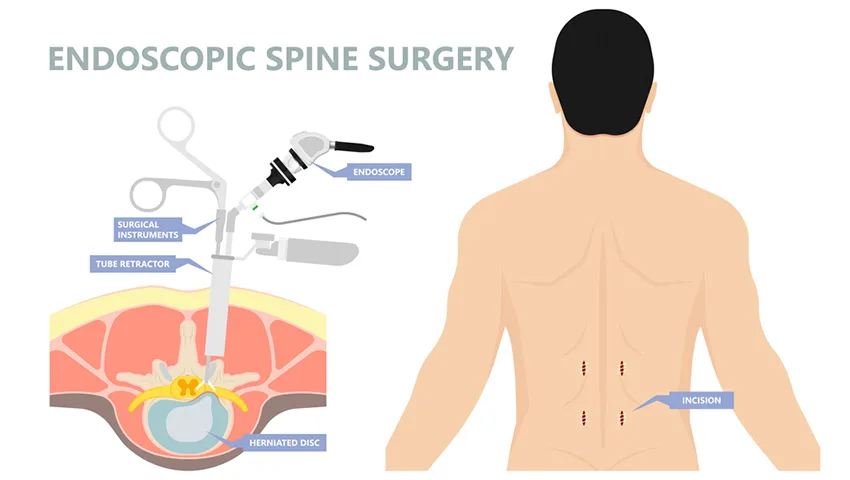
Once the diagnosis is confirmed, treatment is based on a full course of anti-tubercular therapy (ATT) - usually lasting 9 to 12 months or longer for spinal disease - combined with bracing, nutrition and physiotherapy. Surgery is added when there is spinal cord compression, instability, severe or progressive deformity, a large abscess, or failure to respond to medicines. Modern surgical techniques, including posterior-only decompression and fixation, allow infected tissue to be removed and the spine stabilised with a relatively quick recovery. Detailed information about medicines, surgery and recovery is available on our spinal tuberculosis treatment page.
Why Consult Dr. (Prof.) Sumiet Snha?
- AIIMS-trained neurosurgeon with over 25 years of experience in spinal disorders, including infections and deformity.
- Former Professor of Neurosurgery at AIIMS, New Delhi - one of the country's largest centres for spinal tuberculosis.
- Expert interpretation of MRI and CT to distinguish TB from cancer and other infections, with image-guided biopsy when needed.
- Full range of treatment from medical management and bracing to advanced decompression, stabilisation and deformity correction.
- Coordinated care with infectious disease specialists and rehabilitation teams at Max Super Speciality Hospital, Dwarka, New Delhi.
What Affects the Cost of Diagnosis and Treatment?
- Imaging needed - MRI of the affected region or whole spine, CT scan.
- Biopsy technique and laboratory tests such as CBNAAT, culture and sensitivity.
- Whether treatment is medical only or includes surgery.
- Duration of hospital stay and rehabilitation.
- Presence of drug resistance or other illnesses.
- Insurance coverage; free diagnostic and treatment support is available under India's National TB Elimination Programme.
Living Well During and After Treatment
Recovery from spinal TB takes patience. Most people notice their pain easing and their appetite returning within the first few weeks of medicines, but the bone takes many months to heal fully. During this time, wear your brace as advised, walk regularly, follow your physiotherapy programme and eat a protein-rich, nourishing diet. Avoid lifting heavy weights and bending forward sharply until your doctor confirms healing. Keep a simple chart or phone reminder to ensure you never miss a dose. Attend all follow-up visits - your doctor will review your symptoms, blood tests and scans to decide how long treatment should continue. After cure, most people return fully to work, study, sport and family life, and many never experience any further spinal problems.
Emotional wellbeing matters as well. A diagnosis of TB can bring worries about stigma, finances and the future. Talking openly with your doctor, involving family and, if needed, speaking with a counsellor can ease these concerns. Remember that spinal TB is a common, treatable illness - with the right care, the outlook is excellent.
Understanding Your MRI Report for Spinal TB
MRI reports for suspected spinal tuberculosis use specific terms. Knowing what they mean helps you follow the discussion with your doctor:
- Spondylodiscitis: infection involving the vertebral bodies and the disc between them.
- Marrow oedema / altered signal: swelling of the bone marrow due to inflammation, seen early in the disease.
- Paravertebral abscess: a collection of pus alongside the spine; in TB it often has a thin, smooth wall.
- Epidural abscess or collection: pus or granulation tissue within the spinal canal, which can compress the cord or nerves.
- Subligamentous spread: extension of infection under the ligament at the front of the spine to vertebrae above and below - a characteristic TB feature.
- Cord compression / myelopathic changes: pressure on the spinal cord, sometimes with a bright signal indicating cord swelling or damage.
- Kyphosis / wedge collapse: collapse of the front of the vertebrae producing a forward angulation.
- Skip lesion: a separate area of involvement at a distant level of the spine.
The report guides treatment, but it must always be interpreted together with your symptoms, examination and laboratory results. Dr. Snha reviews the images personally and explains them in plain language.
Spinal TB and Diabetes - A Common Combination
Diabetes roughly triples the risk of developing active tuberculosis, and India has a large population living with both conditions. High blood sugar weakens the immune response, may make TB more extensive, slows the response to medicines and increases the risk of relapse. Some TB medicines, particularly rifampicin, can also affect the levels of certain diabetes medicines. For patients with both conditions, controlling blood sugar is an essential part of TB treatment. This may require adjusting diabetes medicines or starting insulin for a period, regular monitoring of sugar levels and dietary guidance. Coordinated care between the spine surgeon, the physician or endocrinologist and the TB specialist gives the best outcome.
Returning to Normal Life
People often ask when they can go back to work, school or their usual activities. Once pain is controlled, many patients - especially those treated without surgery - can resume light work or study within weeks, wearing their brace as advised. Physically demanding work and sports are reintroduced gradually after the doctor confirms that the bone is healing. After surgery, recovery depends on the extent of the operation and the patient's neurological condition. Most people, even those who had significant weakness at diagnosis, are able to return to an active and fulfilling life after a period of rehabilitation. Long-term follow-up with occasional X-rays ensures that any deformity remains stable, particularly in children.
Drug-Resistant Tuberculosis of the Spine
Most spinal TB responds well to standard first-line medicines. However, some strains of the TB bacterium have become resistant to one or more of these drugs, most importantly rifampicin and isoniazid. When both are ineffective, the disease is called multidrug-resistant TB (MDR-TB). Drug resistance may be present from the start, if the infection was acquired from someone with resistant TB, or it may develop when a previous course of treatment was irregular or stopped early. Resistant spinal TB does not look different on MRI, which is one of the main reasons why obtaining tissue for molecular testing before starting treatment is so strongly recommended.
Clues that resistance may be present
- A previous episode of TB anywhere in the body, especially if treatment was interrupted.
- Close contact with a person known to have drug-resistant TB.
- Pain, fever or abscesses that fail to improve, or that worsen, after several weeks of regular treatment.
- New lesions appearing on follow-up scans despite good adherence to medicines.
Drug-resistant TB is treatable, but it requires a different combination of medicines, often for a longer period, and closer monitoring for side effects. Treatment is guided by drug-sensitivity results and coordinated with TB specialists under the national programme. Occasionally, a repeat biopsy is needed in patients who are not responding, both to look for resistance and to make sure that another condition has not been missed.
Paradoxical Worsening During Treatment
A situation that understandably alarms patients is when symptoms or scans appear to get worse after treatment has begun, even though the medicines are working. This is known as a paradoxical reaction. As the bacteria are killed, the immune system responds vigorously to the released material, and an abscess may enlarge or new areas of inflammation may appear on MRI. It is more common in people with low immunity when their immune function recovers, for example after HIV treatment is started.
A paradoxical reaction does not usually mean that the treatment has failed, and medicines should never be stopped on one's own. However, it has to be carefully distinguished from drug resistance, poor adherence or an alternative diagnosis. Management depends on its effects: many cases settle with continued treatment and observation, some benefit from a short course of steroids, and an enlarging abscess that presses on the spinal cord may need drainage. Any new weakness, numbness or bladder change during treatment must be reported immediately.
Never stop anti-TB medicines without advice
Feeling better, developing side effects, or seeing a scan that looks worse are all reasons to contact your doctor - not to stop treatment. Stopping on your own is the most common route to relapse and drug resistance.
Getting the Most From Your Consultation
Because spinal TB is often diagnosed after weeks of consultations and tests in different places, patients frequently arrive with a large file of reports. Organising these in date order makes it much easier to see how the disease has evolved. Please bring all MRI and CT images on disc along with their reports, earlier X-rays, blood tests such as ESR and CRP, biopsy, culture and CBNAAT results, and a list of every TB medicine taken, including doses and the dates started. Patients living outside Delhi can share reports by WhatsApp on +91-8448877746 for a preliminary opinion, and video consultation is available.
Consultations are held from Monday to Saturday at Max Super Speciality Hospital, Dwarka, which is close to IGI Airport and linked to Gurugram by the Dwarka Expressway. You can book an appointment online. For detailed information on medicines, bracing and surgery, see our spinal tuberculosis treatment page.
Frequently Asked Questions
What are the first symptoms of spine TB?
Persistent back or neck pain that gradually increases, often with evening fever, night sweats, loss of appetite and weight loss. Stiffness and pain at night are also common.
Can an X-ray detect spinal TB?
X-rays may be normal in early spinal TB because visible bone changes take weeks to months to appear. MRI is the most sensitive test for early diagnosis.
Why is a biopsy needed if the MRI suggests TB?
Other conditions such as bacterial infection and cancer can look similar on MRI. A biopsy confirms TB and identifies drug resistance so the correct medicines can be used.
Can spinal TB cause paralysis?
Yes, if the infection or abscess compresses the spinal cord. Early treatment greatly reduces this risk, and paralysis that develops during active disease often recovers with timely treatment.
Is tuberculosis of the spine curable?
Yes. With a complete course of anti-TB medicines and surgery when needed, most patients are cured.
Can spinal TB come back?
Relapse is uncommon when the full course of treatment is completed. It is more likely if medicines are stopped early or drug resistance is not identified.
Should family members be tested?
Spinal TB alone is not usually contagious, but if the patient also has lung TB, close contacts may be advised to undergo screening.
Early Evaluation Can Prevent Deformity and Paralysis
If you or a family member has back pain that has lasted for weeks along with fever, sweats or weight loss, do not wait for it to get worse. Book a consultation with Dr. (Prof.) Sumiet Snha at Max Hospital, Dwarka, New Delhi, for an expert assessment. Related pages: spinal TB treatment, spinal fractures and spinal tumors.