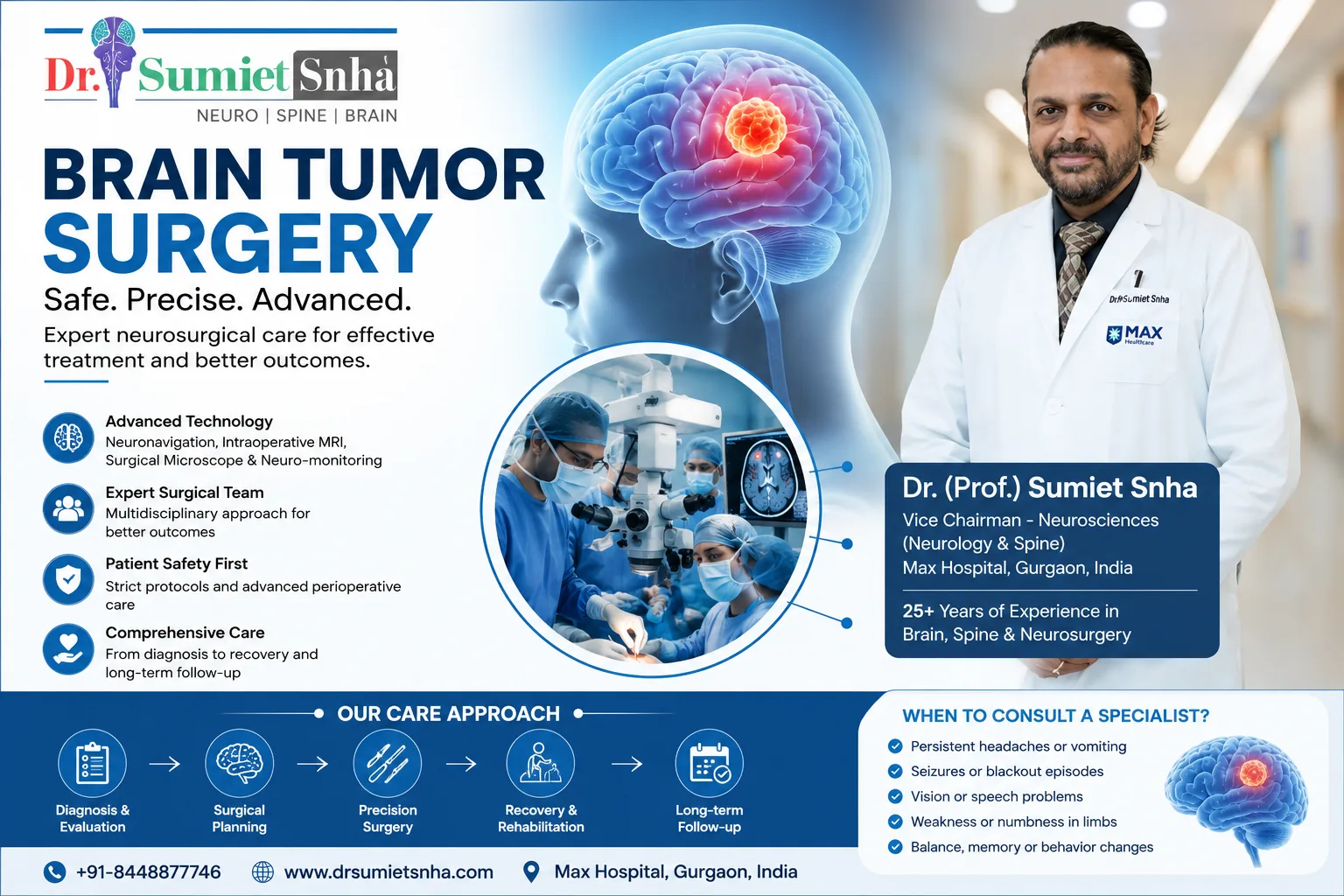
Brain Tumor Surgery is an important treatment option for certain brain tumors and is performed with the goal of removing or reducing the tumor while preserving healthy brain function. Patients searching for the Best Brain Tumor Surgery in Delhi should understand that modern neurosurgical care combines advanced imaging, precise surgical planning, and multidisciplinary expertise to improve safety and treatment outcomes. Early evaluation of persistent neurological symptoms can help doctors diagnose brain tumors at a stage when more treatment options may be available.
Not every brain tumor requires surgery. The decision to operate depends on several factors, including the type, size, location, growth pattern, symptoms, and the patient's overall health. Some tumors can be monitored through regular imaging, while others may be treated with medications, radiation therapy, chemotherapy, or a combination of approaches. This guide explains the different types of brain tumor surgery, preoperative preparation, surgical procedures, potential risks, recovery expectations, and follow-up care to help patients and their families make informed healthcare decisions.
What Is Brain Tumor Surgery?
Brain Tumor Surgery is a specialized neurosurgical procedure performed to remove all or part of a tumor located within the brain while protecting nearby healthy tissue and critical neurological functions. The primary goals of surgery are to confirm the diagnosis through tissue analysis, relieve pressure inside the skull, reduce symptoms such as headaches or seizures, and create the best possible conditions for further Brain Tumor Treatment when required. Brain tumors are broadly classified as benign (non-cancerous) or malignant (cancerous). Benign tumors generally grow more slowly and are less likely to spread, whereas malignant tumors tend to grow faster and may invade surrounding brain tissue.
Surgery is recommended when the tumor is causing significant symptoms, increasing in size, compressing important brain structures, or when a tissue sample is needed to guide treatment planning. However, not every brain tumor requires immediate surgery, as some small or slow-growing tumors can be monitored with regular imaging and neurological evaluations. Modern neurosurgical techniques focus on preserving healthy brain tissue to maintain functions such as movement, speech, memory, and vision, helping improve recovery and overall quality of life while minimizing the risk of neurological complications.
When Is Brain Tumor Surgery Needed?
Brain tumor surgery is considered when a tumor causes significant neurological symptoms, continues to grow, or places pressure on important areas of the brain. The decision is based on several factors, including the tumor's type, size, location, growth rate, imaging findings, symptoms, and the patient's overall health. While some slow-growing tumors can be monitored through regular MRI scans, surgery may be recommended to remove the tumor, reduce pressure inside the skull, obtain a tissue sample for diagnosis, or improve the effectiveness of additional treatments such as radiation therapy or chemotherapy.
Common Conditions That May Require Surgery
Brain tumor surgery may be recommended for several types of brain tumors, including:
- Benign brain tumors that continue to grow or produce neurological symptoms.
- Malignant brain tumors that require surgical removal as part of comprehensive treatment.
- Meningioma, especially when it compresses nearby brain tissue or nerves.
- Glioma, depending on its grade, size, and location within the brain.
- Pituitary tumors causing hormonal imbalance or pressure on the optic nerves.
- Acoustic neuroma affecting hearing, balance, or facial nerve function.
- Metastatic brain tumors that have spread from cancers in other parts of the body and require symptom relief or tissue diagnosis.
Common warning signs that may indicate the need for specialist evaluation include persistent headaches, seizures, vision changes, weakness in the arms or legs, balance problems, speech difficulty, memory issues, and personality or behavioral changes. Early assessment by a neurosurgeon helps determine whether surgery or another treatment approach is the most appropriate option.
Types of Brain Tumor Surgery
The choice of Brain Tumor Surgery depends on the tumor's size, location, type, and its relationship to important brain structures. Advances in neurosurgical technology have made many procedures more precise, helping surgeons remove or treat tumors while preserving normal brain function. The following are the most commonly performed surgical techniques for brain tumors.
Craniotomy
Craniotomy for Brain Tumor is the most common surgical procedure. A temporary section of the skull is removed to allow the neurosurgeon to access and remove as much of the tumor as safely possible before replacing the bone flap. It is commonly used for both benign and malignant brain tumors.
Awake Brain Surgery
This procedure is performed while the patient is awake during specific parts of the operation. It allows the surgical team to monitor speech, movement, memory, and other critical brain functions, making it especially useful for tumors located near functional areas of the brain.
Endoscopic Brain Surgery
Endoscopic surgery uses a thin camera and specialized instruments inserted through a small opening or natural pathway, such as the nose for selected pituitary tumors. This approach minimizes tissue disruption and may support a faster recovery in suitable patients.
Minimally Invasive Brain Surgery
Minimally Invasive Brain Surgery involves smaller incisions and advanced image-guided technology to access certain tumors with less damage to surrounding tissues. It may reduce postoperative pain, blood loss, hospital stay, and recovery time in carefully selected cases.
Stereotactic Brain Biopsy
A stereotactic brain biopsy uses computer-guided imaging to obtain a small tissue sample from a brain lesion. It is often recommended when complete tumor removal is not safe or when a definitive diagnosis is needed before planning treatment.
Laser Interstitial Thermal Therapy (LITT)
Laser Interstitial Thermal Therapy (LITT) is a minimally invasive technique that uses laser-generated heat to destroy selected brain tumors through a small incision. It may be considered for deep-seated or recurrent tumors that are difficult to treat with conventional surgery.
Comparison of Common Brain Tumor Surgery Types
|
Surgery Type |
Best Used For |
Main Benefit |
|
Craniotomy |
Large, accessible benign or malignant brain tumors |
Maximum safe tumor removal |
|
Awake Brain Surgery |
Tumors near speech, movement, or memory centers |
Preserves critical neurological functions |
|
Endoscopic Brain Surgery |
Pituitary and selected skull base tumors |
Smaller incision and reduced tissue disruption |
|
Minimally Invasive Brain Surgery |
Selected small or deep brain tumors |
Faster recovery with less postoperative discomfort |
|
Stereotactic Brain Biopsy |
Tumors requiring tissue diagnosis |
Accurate diagnosis with minimal surgical trauma |
|
Laser Interstitial Thermal Therapy (LITT) |
Deep-seated or recurrent brain tumors |
Precise tumor ablation through a minimally invasive approach |
Preparing for Brain Tumor Surgery
Proper preparation plays a vital role in improving the safety and success of Brain Tumor Surgery. Before the procedure, the neurosurgical team performs a comprehensive medical evaluation that includes reviewing the patient's medical history, neurological examination, and overall physical health. Diagnostic tests such as MRI and CT scans help determine the tumor's exact size, location, and relationship to surrounding brain structures, while blood tests assess general health and identify any conditions that may affect surgery. A detailed medication review is also performed, and patients may be advised to temporarily stop certain medicines, such as blood thinners, under medical supervision.
An anesthesia assessment is conducted to ensure the patient is fit for surgery and to discuss the safest anesthesia plan. Patients are usually instructed to fast for several hours before the procedure and receive detailed guidance about hospital admission and postoperative expectations. Before surgery, the healthcare team explains the benefits, possible risks, and alternative treatment options, allowing patients to provide informed consent. Family counseling is also encouraged to help loved ones understand the surgical process, expected recovery, and the support the patient may need during rehabilitation.
Brain Tumor Surgery Procedure: Step-by-Step
Every Brain Tumor Surgery is carefully planned to maximize tumor removal while protecting healthy brain tissue and critical neurological functions. Although the exact procedure varies depending on the tumor's type and location, most operations follow a structured sequence. Modern neurosurgical technologies help improve surgical precision, reduce complications, and support better patient outcomes.
- Admission and Preoperative Preparation: The patient is admitted to the hospital, vital signs are checked, and the surgical team reviews imaging studies, laboratory reports, and the treatment plan.
- Anesthesia: General anesthesia is administered to ensure the patient remains comfortable throughout the procedure. In selected cases, awake brain surgery may be performed to monitor specific brain functions.
- Positioning: The patient's head is carefully positioned and stabilized to provide the safest surgical access to the affected area.
- Surgical Incision: The neurosurgeon makes a carefully planned incision and, when required, performs a craniotomy to reach the brain.
- Tumor Removal: Using advanced surgical techniques, the surgeon removes as much of the tumor as safely possible while preserving surrounding healthy tissue.
- Brain Monitoring: Throughout the procedure, technologies such as Neuronavigation, Intraoperative MRI, Surgical Microscope, and Neuro-monitoring help accurately locate the tumor, guide surgery in real time, and protect important brain functions.
- Closure: After completing the procedure, the surgical site is carefully closed, and the bone flap is secured if a craniotomy was performed.
- Recovery Room: The patient is transferred to the recovery room or intensive care unit (ICU), where neurological status, breathing, and vital signs are closely monitored before further postoperative care begins.
Benefits of Brain Tumor Surgery
When recommended for the right patient, Brain Tumor Surgery can provide significant medical and functional benefits. The outcomes depend on the tumor's type, location, size, and the patient's overall health.
- Removes or reduces the tumor, helping control disease progression when feasible.
- Relieves symptoms such as persistent headaches, seizures, weakness, or vision problems caused by the tumor.
- Reduces pressure on the brain, which may improve neurological function and decrease discomfort.
- Provides a tissue diagnosis through laboratory examination, helping identify the exact type and grade of the tumor.
- Supports improved treatment planning, allowing doctors to determine whether radiation therapy, chemotherapy, or targeted therapy is needed.
- Enhances quality of life by improving daily functioning and reducing neurological symptoms in many patients.
- May increase survival in selected cases, particularly when maximum safe tumor removal is achieved as part of a comprehensive treatment plan.
Risks and Possible Complications
Like any major neurosurgical procedure, Brain Tumor Surgery carries certain risks, although advances in surgical techniques and perioperative care have improved patient safety. The likelihood of complications varies depending on the tumor's size, location, type, surgical complexity, and the patient's overall health. Potential risks may include:
- Bleeding during or after surgery
- Infection at the surgical site
- Stroke due to interruption of blood supply
- Brain swelling (edema) requiring additional treatment
- Seizures before or after surgery
- Cerebrospinal fluid (CSF) leak
- Temporary weakness or numbness
- Speech or language difficulties
- Memory or cognitive changes
- Need for additional treatment, such as repeat surgery, radiation therapy, or chemotherapy
It is important to remember that not every patient experiences these complications. Neurosurgeons carefully evaluate the potential benefits and risks before recommending surgery and take multiple precautions to minimize complications while preserving normal brain function.
Recovery After Brain Tumor Surgery
Brain Tumor Recovery varies from person to person and depends on the type of surgery performed, the location of the tumor, the patient's overall health, and the extent of tumor removal. Most patients recover gradually with a personalized rehabilitation plan designed to restore neurological function and improve daily activities.
First Week
- Patients are usually monitored in the Intensive Care Unit (ICU) for 24–48 hours before being transferred to a regular hospital room.
- Hospital discharge generally occurs within a few days, depending on recovery and neurological stability.
- Doctors monitor wound healing, pain control, and any early postoperative complications.
First Month
- Many patients begin physiotherapy to improve strength, balance, and mobility.
- Occupational therapy helps patients regain independence in everyday activities.
- Speech therapy may be recommended if surgery has affected communication or swallowing.
Long-Term Recovery
- Recovery may continue for several months with regular follow-up appointments and MRI scans.
- The timing of returning to work depends on the patient's recovery, job requirements, and medical advice.
- Driving restrictions are often recommended for a period, particularly for patients who have experienced seizures or ongoing neurological symptoms. Following the neurosurgeon's guidance and rehabilitation plan is essential for achieving the best possible long-term outcome.
Follow-Up Care After Brain Tumor Surgery
Follow-up care is an essential part of recovery after Brain Tumor Surgery, helping doctors monitor healing, detect any signs of tumor recurrence, and manage long-term neurological health. Patients are typically scheduled for regular MRI scans and neurological examinations to evaluate recovery and assess brain function. Depending on individual needs, rehabilitation may include physiotherapy, occupational therapy, or speech therapy to improve strength, mobility, and communication. Doctors may prescribe medications, including anti-seizure medicines, to control symptoms and reduce the risk of complications. For certain malignant or high-grade tumors, radiation therapy and chemotherapy may be recommended as part of ongoing treatment. Adopting healthy lifestyle modifications, such as balanced nutrition, regular physical activity, adequate sleep, and avoiding tobacco, along with long-term monitoring, helps support recovery and overall quality of life.
When Should You Consult a Brain Tumor Specialist?
Early consultation with a brain tumor specialist is important when neurological symptoms are persistent, progressive, or unexplained. Warning signs that require prompt medical attention include persistent headaches, sudden seizures, vision loss or blurred vision, weakness or numbness in the arms or legs, difficulty speaking, confusion, balance or coordination problems, and noticeable behavioral or personality changes. While these symptoms are not always caused by a brain tumor, they should never be ignored, as early diagnosis often leads to more treatment options and better outcomes. Individuals seeking the Best Brain Tumor Surgery in Delhi should choose a qualified neurosurgeon who can perform a thorough evaluation, recommend appropriate imaging, and develop a personalized treatment plan based on the patient's specific condition.
Why Choosing an Experienced Neurosurgeon Matters
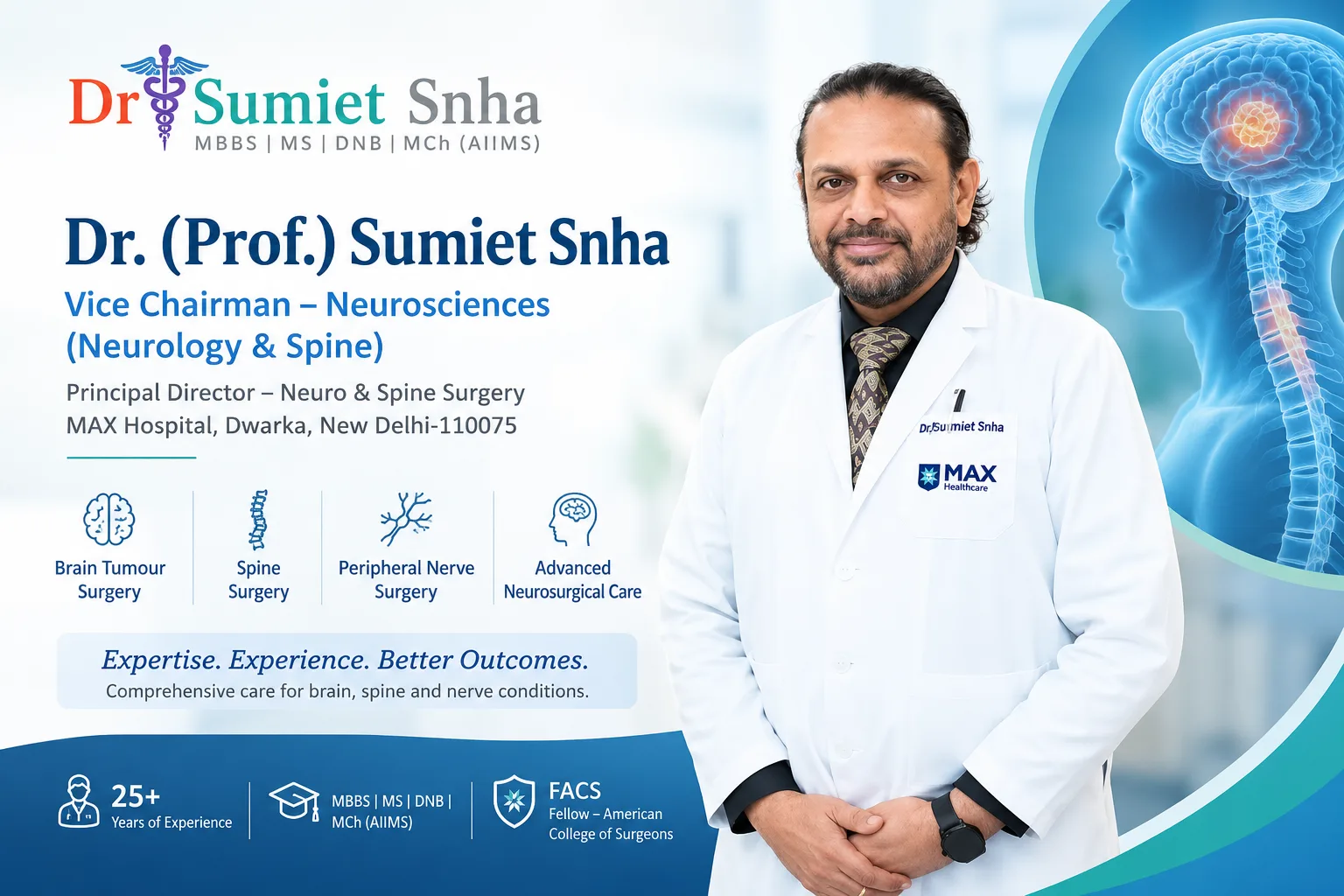
Choosing an experienced neurosurgeon is an important part of achieving safe and effective treatment for a brain tumor. Expertise in complex brain tumor procedures, the use of advanced surgical technology, and access to multidisciplinary care help support accurate diagnosis, personalized treatment planning, better clinical decision-making, and improved patient safety. Dr. (Prof.) Sumiet Snha is a senior neurosurgeon with over 25+ years of experience in brain and spine surgery. He serves as Vice Chairman – Neurosciences (Neurology & Spine) at Max Hospital, Gurgaon, where he manages a wide range of brain tumor cases using evidence-based surgical techniques and a multidisciplinary approach tailored to each patient's individual needs.
Frequently Asked Questions
1. What is brain tumor surgery?
Brain tumor surgery is a neurosurgical procedure performed to remove all or part of a brain tumor, relieve pressure on the brain, obtain tissue for diagnosis, and improve neurological function while preserving healthy brain tissue whenever possible.
2. Is every brain tumor treated with surgery?
No. Not every brain tumor requires surgery. Some small, slow-growing, or asymptomatic tumors can be monitored with regular MRI scans, while others may be managed with medications, radiation therapy, chemotherapy, or a combination of treatments depending on the patient's condition.
3. How long does brain tumor surgery take?
The duration of brain tumor surgery varies depending on the tumor's size, location, and complexity. Most procedures take 3 to 8 hours, although more complex cases may require additional operating time.
4. Is brain tumor surgery safe?
Modern brain tumor surgery is generally safer than in the past due to advances in imaging, neuronavigation, microsurgical techniques, and intraoperative monitoring. However, like any major surgery, it carries certain risks that are carefully evaluated before treatment.
5. What are the risks of brain tumor surgery?
Possible risks include bleeding, infection, brain swelling, seizures, stroke, cerebrospinal fluid (CSF) leakage, temporary or permanent neurological deficits, speech or memory changes, and the need for additional treatment. The overall risk depends on the tumor's location and the patient's general health.
6. How long is the hospital stay after surgery?
Most patients remain in the hospital for 3 to 7 days, although the length of stay may vary depending on the type of surgery performed, recovery progress, and whether rehabilitation is required.
7. When can I return to work after brain tumor surgery?
Many patients return to work within 4 to 12 weeks, depending on the nature of their job, neurological recovery, and their neurosurgeon's recommendations. Some individuals may need a longer rehabilitation period.
8. Can a brain tumor come back after surgery?
Yes. Some brain tumors can recur even after successful surgery, particularly malignant or aggressive tumors. Regular follow-up appointments and MRI scans are essential for early detection and ongoing management.
9. Will I need radiation or chemotherapy after surgery?
It depends on the type and grade of the brain tumor. Patients with malignant or high-grade tumors may require radiation therapy, chemotherapy, targeted therapy, or other treatments after surgery to reduce the risk of recurrence.
10. How do I choose the right neurosurgeon for brain tumor surgery?
Choose a neurosurgeon with experience in treating brain tumors, access to advanced surgical technologies, and a multidisciplinary treatment approach. For example, Dr. (Prof.) Sumiet Snha, Vice Chairman – Neurosciences (Neurology & Spine) at Max Hospital, Gurgaon, has over 25+years of experience managing complex brain and spine disorders using evidence-based treatment strategies. Consulting an experienced specialist helps patients understand all available treatment options and make informed decisions.
Conclusion
Early diagnosis plays a crucial role in improving the management and outcomes of brain tumors, making it important to seek medical evaluation when persistent neurological symptoms develop. It is equally important to understand that not all brain tumors require surgery; treatment decisions are based on the tumor's type, size, location, symptoms, and the patient's overall health. Advances in neuronavigation, intraoperative imaging, minimally invasive surgical techniques, and improved perioperative care have made modern brain tumor surgery more precise and safer for many patients. Individuals considering the Best Brain Tumor Surgery in Delhi should focus on timely consultation with an experienced neurosurgeon who can recommend a personalized, evidence-based treatment plan and guide them through every stage of care.


0 Comments