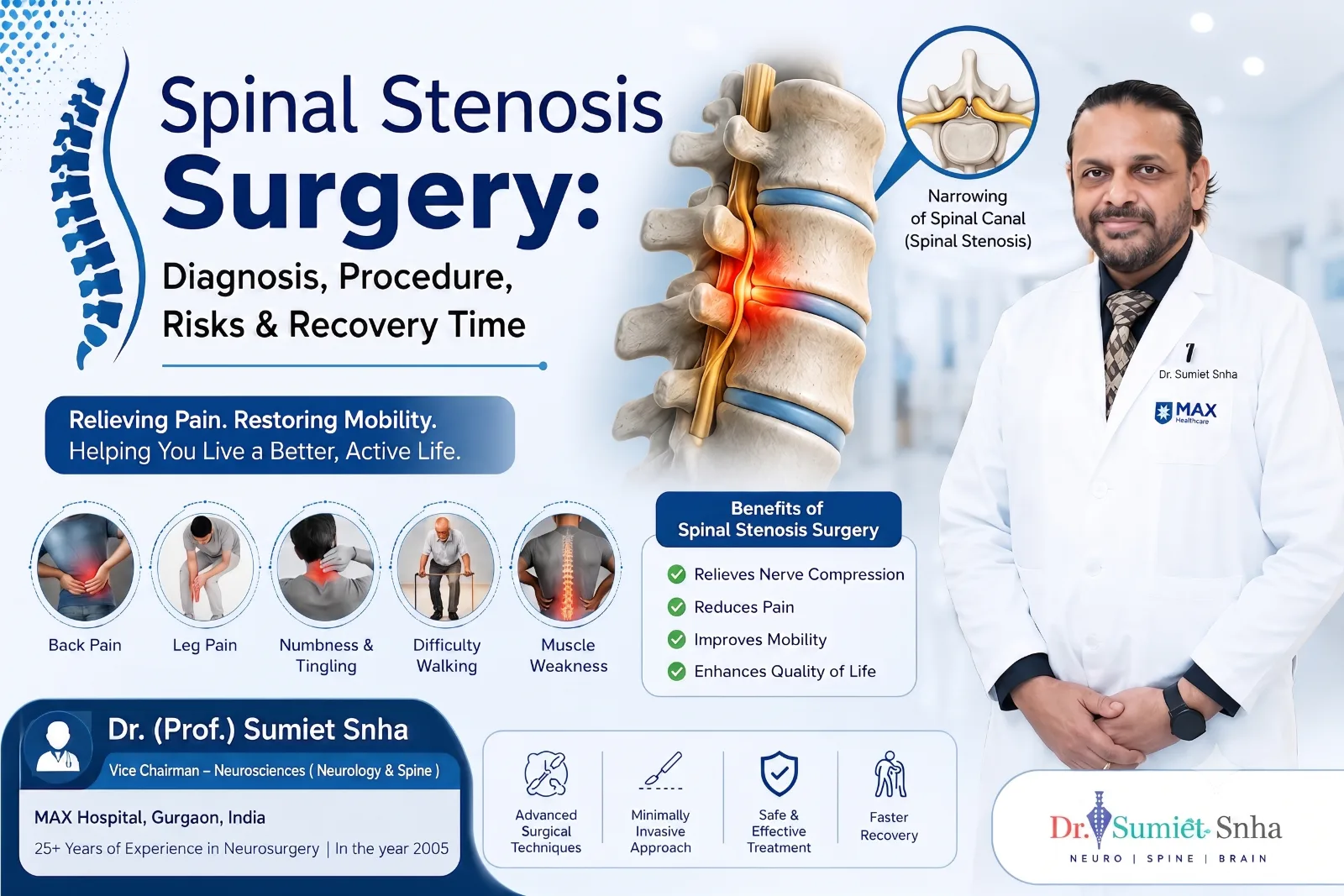
Back and neck problems can significantly affect mobility, productivity, and overall quality of life, making timely diagnosis and appropriate treatment essential. Endoscopic Spine Surgery has emerged as one of the most advanced minimally invasive spine surgery techniques, offering an effective treatment option for selected patients with spinal disorders while reducing damage to surrounding muscles and tissues. As medical technology continues to evolve, many patients and spine specialists are choosing this modern approach because it is associated with smaller incisions, reduced postoperative discomfort, shorter hospital stays, and faster recovery compared with many traditional surgical techniques.
Endoscopic Spine Surgery is commonly recommended for conditions such as herniated discs, sciatica, spinal stenosis, nerve compression, and certain degenerative spine disorders when conservative treatments like medication, physical therapy, or lifestyle modifications do not provide adequate relief. The procedure uses a specialized endoscope equipped with a high-definition camera, allowing the surgeon to visualize the affected area with precision while preserving healthy tissue.
Early diagnosis plays a crucial role in achieving the best possible outcomes. Persistent back pain, leg pain, numbness, tingling, or muscle weakness should never be ignored, as delayed treatment may allow spinal conditions to progress. Consulting a qualified spine specialist helps determine whether Endoscopic Spine Surgery or another evidence-based treatment option is the most appropriate choice based on the patient's diagnosis, symptoms, medical history, and overall health.
Understanding Endoscopic Spine Surgery
What Is Endoscopic Spine Surgery?
Endoscopic Spine Surgery is an advanced form of minimally invasive spine surgery designed to diagnose and treat selected spinal conditions through a very small incision. The procedure uses a specialized endoscope—a thin tube equipped with a high-definition camera and surgical instruments—to provide a clear, magnified view of the affected area. This enhanced visualization allows the surgeon to access the spine with precision while preserving healthy muscles, ligaments, and surrounding soft tissues. Compared with many conventional surgical approaches, Endoscopic Spine Surgery aims to reduce tissue disruption, postoperative pain, and recovery time without compromising treatment effectiveness.
How Does the Procedure Work?
Before surgery, the patient undergoes a detailed clinical evaluation, including a physical examination and imaging studies such as MRI or CT scans, to accurately identify the source of symptoms. During the procedure, the surgeon creates a small skin incision and carefully inserts the endoscope to reach the affected spinal structure. Using specialized instruments under continuous camera guidance, the surgeon removes or relieves the tissue causing nerve compression while minimizing trauma to nearby healthy structures. Once the procedure is completed, the instruments are withdrawn, and the small incision is closed. Depending on the patient's condition and the complexity of the surgery, many individuals can return home the same day or after a short hospital stay.
Endoscopic Spine Surgery vs. Traditional Open Spine Surgery
One of the most significant advantages of Endoscopic Spine Surgery is its tissue-preserving approach. Traditional open spine surgery generally requires a larger incision and greater separation of muscles to expose the spine, which may result in increased postoperative discomfort and a longer rehabilitation period. In contrast, keyhole spine surgery focuses on reaching the affected area through a much smaller access point, helping reduce blood loss, postoperative pain, and the risk of certain wound-related complications. However, the choice between endoscopic and open surgery depends on the patient's diagnosis, spinal anatomy, and the complexity of the condition. Not every spinal disorder is suitable for an endoscopic approach, making specialist evaluation essential.
Types of Endoscopic Spine Surgery
The type of Endoscopic Spine Surgery recommended depends on the location and nature of the spinal problem. Common approaches include:
- Lumbar Endoscopic Spine Surgery for conditions affecting the lower back.
- Cervical Endoscopic Spine Surgery for selected disorders involving the neck.
- Transforaminal Endoscopic Surgery, which accesses the spine through the natural opening where nerves exit.
- Interlaminar Endoscopic Surgery, commonly used for specific lumbar disc disorders and nerve compression.
Each technique is selected based on imaging findings, symptoms, and the patient's overall health to achieve the safest and most effective outcome.
Conditions Treated with Endoscopic Spine Surgery
Endoscopic Spine Surgery is commonly considered for carefully selected patients with spinal disorders that do not improve with non-surgical treatments such as medication, physiotherapy, or activity modification. Conditions that may be treated using this advanced spine surgery technique include:
- Herniated or slipped disc
- Sciatica caused by nerve compression
- Lumbar spinal stenosis
- Cervical or lumbar nerve root compression
- Degenerative disc disease in selected cases
- Certain spinal cysts and other compressive spinal conditions
A comprehensive evaluation by an experienced spine specialist is necessary to determine whether Endoscopic Spine Surgery is the most appropriate treatment option. Treatment decisions should always be individualized based on the patient's symptoms, imaging findings, medical history, and overall functional goals.
When Is Endoscopic Spine Surgery Recommended?
Endoscopic Spine Surgery is generally recommended for patients with specific spinal conditions that continue to cause pain, numbness, weakness, or reduced mobility despite receiving appropriate non-surgical treatment. Most spine specialists advise considering surgery only after conservative measures—such as medications, physiotherapy, lifestyle modifications, and image-guided injections—have not provided sufficient relief over an appropriate period. The decision to proceed with minimally invasive spine surgery is based on a careful assessment of the patient's symptoms, neurological examination, imaging findings, and overall health.
Herniated (Slipped) Disc
A herniated disc, also known as a slipped or prolapsed disc, occurs when the soft inner portion of a spinal disc pushes through its outer layer and compresses a nearby nerve. This can lead to severe back pain, radiating leg pain, numbness, tingling, or muscle weakness. Endoscopic Spine Surgery is often considered when symptoms persist despite conservative treatment or when neurological deficits begin to develop. Using a keyhole spine surgery approach, the surgeon can precisely remove the portion of the disc pressing on the nerve while preserving surrounding healthy tissue.
Sciatica
Sciatica is one of the most common reasons patients seek evaluation for Endoscopic Spine Surgery. It develops when the sciatic nerve becomes irritated or compressed, usually due to a herniated disc or spinal narrowing. Typical symptoms include sharp pain radiating from the lower back into the buttock, thigh, calf, or foot, often accompanied by numbness or tingling. When persistent sciatica significantly limits daily activities and fails to improve with non-surgical care, endoscopic decompression surgery may help relieve pressure on the affected nerve.
Spinal Stenosis
Spinal stenosis refers to narrowing of the spinal canal or nerve passageways, reducing the available space for the spinal cord or nerve roots. This condition commonly causes back pain, leg pain, numbness, balance problems, and difficulty walking. In carefully selected patients, Endoscopic Spine Surgery can remove the structures responsible for nerve compression while minimizing disruption to muscles and spinal stability. The suitability of this approach depends on the severity and location of the stenosis.
Degenerative Disc Disease
As people age, spinal discs naturally lose hydration and flexibility. In some individuals, this process results in degenerative disc disease, causing chronic pain and reduced spinal function. Although many patients respond well to conservative treatment, surgery may be considered when symptoms remain severe and imaging findings correlate with clinical complaints. Minimally invasive spine surgery, including selected endoscopic techniques, may provide relief for appropriate candidates after a thorough evaluation.
Nerve Compression
Compression of a spinal nerve can occur due to a herniated disc, bone spurs, thickened ligaments, or other spinal changes. Symptoms may include persistent pain, numbness, tingling, reduced sensation, or muscle weakness affecting the arms or legs. The primary goal of Endoscopic Spine Surgery is to accurately decompress the affected nerve while preserving normal spinal anatomy as much as possible, helping reduce symptoms and improve function.
Chronic Back Pain and Leg Pain
Persistent back pain or leg pain lasting several weeks or months should not be ignored, especially when it interferes with work, sleep, or everyday activities. While not every case requires surgery, patients with pain caused by a clearly identified structural spinal problem that has not improved with comprehensive non-surgical treatment may benefit from further evaluation. Advanced imaging and a detailed clinical assessment help determine whether Endoscopic Spine Surgery is an appropriate treatment option.
Who Is an Ideal Candidate?
An ideal candidate for Endoscopic Spine Surgery is someone whose symptoms and imaging findings clearly indicate a treatable spinal condition and who has not achieved adequate improvement through conservative management. Candidates generally have:
- Persistent back or leg pain despite appropriate non-surgical treatment.
- Confirmed nerve compression on MRI or CT imaging.
- Symptoms such as numbness, tingling, or muscle weakness related to the affected nerve.
- A spinal disorder that can be effectively treated using an endoscopic spine procedure.
- Overall health that allows safe anesthesia and surgery.
The decision to perform Endoscopic Spine Surgery should always be individualized. A comprehensive evaluation by an experienced spine specialist is essential to confirm the diagnosis, discuss expected benefits and potential risks, and determine whether this advanced minimally invasivespine surgery technique is the most appropriate treatment for the patient's condition.
Procedure of Endoscopic Spine Surgery: Step-by-Step
Endoscopic Spine Surgery follows a carefully planned and evidence-based process to ensure patient safety, accurate diagnosis, and effective treatment. Before recommending surgery, the spine specialist confirms that the patient's symptoms, physical examination findings, and imaging results are consistent with a condition that can benefit from this minimally invasive spine surgery technique. Every stage—from evaluation to recovery—is designed to maximize precision while minimizing disruption to healthy tissues.
Pre-operative Evaluation and Diagnosis
The first step in Endoscopic Spine Surgery is a comprehensive medical assessment. The spine surgeon reviews the patient's medical history, current symptoms, previous treatments, and overall health. A detailed neurological examination is performed to evaluate muscle strength, sensation, reflexes, balance, and nerve function. Patients are often advised to try conservative treatments such as medications, physiotherapy, or spinal injections before surgery is considered. Blood tests, cardiac evaluation, and anesthesia clearance may also be recommended to ensure the patient is medically fit for the procedure.
Imaging Tests and Surgical Planning
Accurate diagnosis is essential for successful Endoscopic Spine Surgery. Advanced imaging studies such as Magnetic Resonance Imaging (MRI) and Computed Tomography (CT) scans help identify the exact location and severity of the spinal problem. In some cases, digital X-rays or nerve conduction studies may also be used to provide additional information.
Using these imaging results, the surgeon develops a personalized surgical plan that identifies the safest access route, the affected spinal level, and the structures causing nerve compression. Careful planning improves surgical precision while helping preserve healthy muscles, ligaments, and surrounding tissues.
How the Surgery Is Performed
On the day of surgery, the patient is positioned according to the area of the spine being treated. After preparing the surgical site, the surgeon makes a very small skin incision, usually much smaller than that required for conventional spine surgery. A specialized endoscope with a high-definition camera is then inserted to provide a magnified view of the spinal structures.
Using dedicated microsurgical instruments through the endoscope, the surgeon carefully removes the tissue responsible for compressing the spinal nerve, such as a herniated disc fragment or thickened ligament. Throughout the procedure, continuous visualization allows precise treatment while minimizing injury to healthy tissues. Once the decompression is complete, the instruments are removed and the incision is closed with minimal suturing or surgical adhesive.
Type of Anesthesia Used
The type of anesthesia used during Endoscopic Spine Surgery depends on the patient's medical condition, the complexity of the procedure, and the spinal level being treated. Many procedures are successfully performed under local anesthesia with sedation, allowing the patient to remain comfortable while reducing the recovery time associated with general anesthesia. In more complex situations or when clinically appropriate, general anesthesia may be recommended. The anesthesiologist determines the safest option after reviewing the patient's medical history and overall health.
Duration of the Procedure
The duration of Endoscopic Spine Surgery varies depending on the condition being treated and the complexity of the surgery. In many cases, the procedure takes approximately 45 minutes to 2 hours. More complex spinal disorders may require additional operating time. Since the technique is minimally invasive, many patients experience shorter hospital stays, and selected individuals may be discharged on the same day if they meet the appropriate recovery criteria.
What Happens Immediately After Surgery?
Following Endoscopic Spine Surgery, the patient is transferred to the recovery area where medical staff closely monitor vital signs, pain levels, neurological function, and overall condition. Once fully awake, patients are usually encouraged to begin gentle movement under supervision, as early mobilization can support recovery and reduce the risk of complications.
Before discharge, the healthcare team provides detailed instructions regarding wound care, medications, activity restrictions, walking, follow-up appointments, and rehabilitation exercises. Most patients gradually resume light daily activities within a short period, although complete recovery varies depending on the underlying spinal condition, the extent of surgery, and individual healing. Regular follow-up with the spine specialist is essential to monitor progress and ensure optimal long-term outcomes after Endoscopic Spine Surgery.
Benefits and Risks of Endoscopic Spine Surgery
Endoscopic Spine Surgery has become an important advancement in minimally invasive spine surgery, offering effective treatment for carefully selected patients with spinal disorders while reducing damage to healthy tissues. Compared with many conventional surgical techniques, this procedure uses a high-definition endoscope and specialized instruments to access the affected area through a small incision. Although Endoscopic Spine Surgery offers several potential advantages, every surgical procedure also carries certain risks. Understanding both the benefits and possible complications helps patients make informed decisions in consultation with their spine specialist.
Benefits of Endoscopic Spine Surgery
One of the primary goals of Endoscopic Spine Surgery is to relieve nerve compression while preserving normal muscles, ligaments, and surrounding structures. Because the procedure requires only a small incision and precise surgical access, many patients experience a smoother recovery than with traditional open spine surgery. However, individual outcomes depend on the patient's diagnosis, overall health, and the complexity of the spinal condition.
Benefits Overview
|
Benefit |
How It Helps Patients |
|
Smaller Incision |
Uses a tiny skin incision, resulting in less tissue disruption and a smaller scar. |
|
Minimal Muscle Damage |
Preserves surrounding muscles and soft tissues, supporting better spinal function after surgery. |
|
Less Blood Loss |
The minimally invasive approach generally reduces bleeding during the procedure. |
|
Reduced Pain After Surgery |
Limited tissue injury may contribute to lower postoperative discomfort and reduced pain medication requirements. |
|
Faster Recovery |
Many patients regain mobility sooner and progress more quickly through rehabilitation. |
|
Shorter Hospital Stay |
Selected patients may be discharged on the same day or after a brief hospital stay, depending on clinical recovery. |
|
Lower Infection Risk |
Smaller incisions and reduced tissue exposure may lower the likelihood of wound-related complications. |
|
Earlier Return to Daily Activities |
Many individuals resume routine activities and work earlier than after conventional open spine surgery, based on medical advice. |
Potential Risks of Endoscopic Spine Surgery
Although Endoscopic Spine Surgery is considered a safe and effective treatment for appropriately selected patients, no surgical procedure is completely free of risk. The likelihood of complications varies depending on the patient's health, spinal anatomy, underlying diagnosis, and surgical complexity. Careful patient selection, thorough preoperative planning, and experienced surgical technique are essential for minimizing risks.
Potential Risks Overview
|
Potential Risk |
Description |
|
Infection |
Although uncommon, infections can occur at the surgical site or in deeper tissues and may require antibiotics or further treatment. |
|
Bleeding |
Blood loss is generally limited, but bleeding remains a possible surgical complication. |
|
Nerve Injury |
Rarely, nearby spinal nerves may be irritated or injured, resulting in temporary or permanent neurological symptoms. |
|
Recurrence of Disc Herniation |
In some patients, a treated disc may herniate again months or years after surgery, requiring further evaluation. |
|
Temporary Numbness or Weakness |
Some patients may experience temporary nerve-related symptoms during the healing process, which often improve over time. |
|
Need for Additional Treatment |
Certain spinal disorders may require additional procedures or revision surgery if symptoms persist or new spinal problems develop. |
Balancing Benefits and Risks
The decision to undergo Endoscopic Spine Surgery should always be based on a comprehensive medical evaluation rather than symptoms alone. A spine specialist considers the patient's diagnosis, imaging findings, neurological examination, medical history, and response to conservative treatment before recommending surgery. For carefully selected patients, advanced spine surgery using endoscopic techniques can provide significant symptom relief, improve mobility, and support a faster return to daily life while maintaining a favorable safety profile. Discussing expected outcomes, potential complications, and realistic recovery goals with the treating surgeon is an essential part of making an informed treatment decision
Recovery After Endoscopic Spine Surgery
Recovery after Endoscopic Spine Surgery is generally faster than recovery following many traditional open spine procedures because the technique is designed to minimize disruption to muscles, ligaments, and surrounding soft tissues. However, recovery varies from person to person and depends on factors such as the underlying spinal condition, overall health, age, and adherence to post-operative instructions. Following the surgeon's recommendations and participating in a structured rehabilitation program can help improve healing and support long-term spinal health after minimally invasive spine surgery.
Recovery Timeline
The recovery process begins immediately after Endoscopic Spine Surgery. Many patients are encouraged to stand and walk with assistance within a few hours of the procedure, depending on their medical condition. Patients undergoing uncomplicated surgery may return home the same day or after a short hospital stay. Light daily activities are often resumed within a few days, while more physically demanding tasks may require several weeks. Complete healing and return to unrestricted activities depend on the type of spinal disorder treated and the individual's recovery progress.
Pain Management
Some discomfort around the surgical site is expected during the early stages of recovery, but it is usually manageable with medications prescribed by the treating physician. Applying ice packs when recommended, maintaining proper posture, and avoiding sudden twisting or bending movements may also help reduce discomfort. Patients should take medications only as directed and avoid self-medicating, as appropriate pain control supports safe recovery and early mobility after Endoscopic Spine Surgery.
Physical Therapy and Rehabilitation
Physical therapy is an important part of recovery for many patients following Endoscopic Spine Surgery. A personalized rehabilitation program focuses on restoring flexibility, improving muscle strength, enhancing spinal stability, and promoting safe movement patterns. Initially, therapy may include gentle stretching and walking exercises, followed by core-strengthening and posture-correction exercises as healing progresses. Consistent rehabilitation can improve functional recovery and help reduce the likelihood of future spinal problems.
Activity Restrictions
Protecting the healing spine is essential during the first few weeks after surgery. Patients are generally advised to avoid heavy lifting, repetitive bending, sudden twisting movements, prolonged sitting, and high-impact physical activities until approved by their spine specialist. Driving should only be resumed when pain is well controlled, movement is comfortable, and the treating physician confirms it is safe. Gradually increasing activity levels under medical supervision helps promote a safe and successful recovery.
Lifestyle Modifications
Long-term success after Endoscopic Spine Surgery depends not only on the procedure itself but also on maintaining healthy lifestyle habits. Maintaining an appropriate body weight, performing regular low-impact exercises, following an ergonomic sitting posture, quitting smoking, eating a balanced diet rich in protein and essential nutrients, and staying physically active all contribute to better spinal health. These healthy habits may reduce stress on the spine and support long-term treatment outcomes.
Warning Signs During Recovery
Although most patients recover without significant complications, certain symptoms require prompt medical attention. Patients should contact their healthcare provider immediately if they experience persistent high fever, increasing redness or drainage from the surgical incision, severe or worsening pain that does not improve with prescribed medication, progressive numbness or weakness, difficulty walking, or new loss of bladder or bowel control. Early recognition of these warning signs allows timely evaluation and appropriate treatment if needed.
Tips for Faster Healing
A smooth recovery after Endoscopic Spine Surgery depends on following evidence-based post-operative care. Patients can support healing by walking regularly as advised, attending all scheduled follow-up appointments, completing prescribed physiotherapy sessions, taking medications exactly as directed, maintaining proper spinal posture, staying well hydrated, eating a nutritious diet, and getting adequate sleep. Avoiding tobacco products and gradually returning to normal activities under medical guidance also promotes healthy healing. Consistent communication with the treating spine specialist ensures that recovery remains on track and any concerns are addressed promptly, helping patients safely return to their daily routines with improved comfort and mobility.
How to Prepare for Endoscopic Spine Surgery
Proper preparation is an essential part of achieving the best possible outcome from Endoscopic Spine Surgery. Careful planning before surgery helps reduce potential risks, supports a smoother recovery, and allows the surgical team to provide personalized care based on each patient's medical condition. Preparation involves a thorough medical evaluation, reviewing medications, following dietary instructions, organizing your home for recovery, and understanding post-operative expectations. Patients who actively participate in the preparation process are often better equipped for a successful recovery after minimally invasive spine surgery.
Medical Evaluation Before Surgery
Before scheduling Endoscopic Spine Surgery, your spine specialist performs a comprehensive assessment to confirm that surgery is the most appropriate treatment option.
The pre-operative evaluation may include:
- Detailed review of your medical history and current symptoms.
- Physical and neurological examination.
- MRI, CT scan, or digital X-rays to identify the affected spinal level.
- Blood investigations and other routine laboratory tests.
- Electrocardiogram (ECG) or cardiac evaluation when clinically indicated.
- Review of previous spine treatments, medications, allergies, and existing medical conditions.
- Anesthesia assessment to determine the safest anesthesia plan.
This detailed evaluation ensures that the diagnosis is accurate and helps the surgical team develop an individualized treatment strategy.
Medications to Avoid
Certain medications and supplements may increase the risk of bleeding or interfere with anesthesia during Endoscopic Spine Surgery. Never stop or change any medication without consulting your surgeon or prescribing physician.
Your healthcare team may advise you to:
- Temporarily stop blood-thinning medications if medically appropriate.
- Avoid certain anti-inflammatory medications before surgery.
- Inform the surgeon about all prescription medicines, over-the-counter drugs, vitamins, and herbal supplements.
- Continue only those medications specifically approved by your doctor.
- Follow all medication instructions exactly as provided by the surgical team.
Diet and Fasting Instructions
Following the recommended dietary and fasting guidelines is important for patient safety during anesthesia.
Patients are commonly advised to:
- Avoid eating or drinking for the recommended period before surgery.
- Drink adequate fluids in the days leading up to the procedure unless otherwise instructed.
- Avoid alcohol before surgery as advised by the medical team.
- Eat a balanced diet rich in protein, vitamins, and minerals during the weeks before surgery to support healing.
- Follow any individualized nutrition instructions provided by the surgeon or anesthesiologist.
Always follow the fasting schedule provided by your hospital, as instructions may vary depending on the type of anesthesia and your medical condition.
Preparing Your Home for Recovery
Planning your recovery environment before Endoscopic Spine Surgery can make returning home safer and more comfortable.
Helpful preparation tips include:
- Arrange a comfortable sleeping area that is easy to access.
- Keep frequently used items within easy reach to avoid excessive bending or stretching.
- Remove loose rugs, electrical cords, and other tripping hazards.
- Prepare simple meals in advance or arrange for assistance with cooking.
- Ask a family member or caregiver to help during the first few days after surgery.
- Wear comfortable clothing and supportive footwear during recovery.
Creating a safe home environment helps reduce unnecessary strain on the healing spine.
Questions to Ask Your Spine Surgeon
Having an open discussion with your surgeon helps you understand the procedure and set realistic expectations.
Consider asking questions such as:
- Am I an appropriate candidate for Endoscopic Spine Surgery?
- What benefits can I realistically expect from the procedure?
- What are the possible risks or complications in my specific case?
- How long will my recovery and rehabilitation take?
- When can I return to work, exercise, and driving?
- Will I require physical therapy after surgery?
- What symptoms should prompt me to contact the hospital after discharge?
Clear communication allows patients to make informed decisions regarding their treatment.
Importance of Following Post-Operative Instructions
Successful recovery does not end when the procedure is completed. Following all post-operative recommendations is one of the most important factors influencing long-term outcomes after Endoscopic Spine Surgery.
Patients should carefully follow instructions regarding:
- Medication schedules.
- Wound care and incision hygiene.
- Walking and activity progression.
- Physical therapy and rehabilitation exercises.
- Lifting restrictions and posture guidelines.
- Follow-up appointments with the spine specialist.
- Reporting any warning signs such as fever, increasing pain, wound drainage, or new neurological symptoms.
Careful preparation before surgery and strict adherence to post-operative instructions can improve healing, reduce complications, and help patients achieve the best possible results from advanced minimally invasive spine surgery.
Choosing the Right Spine Surgeon and Hospital
Importance of Selecting the Right Specialist
Selecting the right specialist and hospital is one of the most important decisions for anyone considering Endoscopic Spine Surgery. While modern minimally invasive spine surgery offers several advantages, the success of the procedure depends not only on the surgical technique but also on the expertise of the surgeon, the quality of the hospital, and the availability of advanced diagnostic and rehabilitation services. An evidence-based treatment plan, accurate diagnosis, and individualized patient care all contribute to safer surgery and better long-term outcomes.
Evaluating the Spine Surgeon
When evaluating a spine surgeon, patients should consider professional qualifications, specialized training in spinal disorders, and extensive experience in performing Endoscopic Spine Surgery and other advanced spine procedures. A surgeon should be able to accurately diagnose the cause of spinal symptoms, explain all available treatment options, discuss the expected benefits and possible risks, and recommend surgery only when it is clinically appropriate. Experience with complex spinal conditions and familiarity with modern surgical techniques are valuable factors that can support safe and effective patient care.
Role of Advanced Technology
Advanced technology also plays an essential role in successful Endoscopic Spine Surgery. Hospitals equipped with high-definition endoscopic imaging systems, modern operating theatres, advanced MRI and CT imaging, intraoperative navigation when required, and comprehensive anesthesia support can improve surgical precision and patient safety. These technologies allow surgeons to visualize spinal structures clearly, perform targeted decompression, and preserve healthy tissues, which may contribute to a smoother recovery for carefully selected patients.
Hospital Infrastructure and Rehabilitation
Equally important is the hospital's overall infrastructure and rehabilitation services. A well-equipped spine center should provide multidisciplinary care that includes experienced anesthesiologists, nursing staff, physiotherapists, pain management specialists, rehabilitation experts, and diagnostic support. Comprehensive rehabilitation after Endoscopic Spine Surgery helps patients restore strength, improve mobility, and safely return to daily activities while reducing the risk of future spinal problems.
Importance of Patient-Surgeon Communication
Before undergoing surgery, patients should have an open discussion with their spine surgeon regarding the diagnosis, the reason surgery is recommended, available non-surgical alternatives, expected recovery time, possible complications, rehabilitation requirements, and realistic treatment outcomes. Clear communication helps patients understand every stage of the treatment process and enables them to make informed decisions based on medical evidence rather than assumptions.
Making an Informed Decision
An informed treatment decision is one of the strongest predictors of patient satisfaction. Understanding the diagnosis, the planned surgical approach, the expected recovery process, and the potential benefits and limitations of Endoscopic Spine Surgery allows patients to actively participate in their care and follow post-operative recommendations more effectively. This collaborative approach supports better clinical outcomes and long-term spinal health.
Expert Consultation
Patients seeking expert evaluation for complex spinal disorders may benefit from consultation with experienced specialists in the field of neurosurgery and spine care. Dr. (Prof.) Sumiet Snha, Vice Chairman – Neurosciences (Neurology & Spine), has more than 25 years of experience in the diagnosis and surgical management of neurological and spinal conditions and is currently working at MAX Hospital, Gurgaon, India. His clinical practice focuses on evidence-based patient care, advanced spinal procedures, and individualized treatment planning, ensuring that each patient receives a management approach tailored to their specific condition and overall health.
Frequently Asked Questions (FAQs)
1. What is Endoscopic Spine Surgery?
Endoscopic Spine Surgery is a minimally invasive procedure that uses a small camera (endoscope) to treat spinal problems through a tiny incision. It helps relieve nerve pressure with minimal damage to surrounding tissues.
2. Who is a good candidate for Endoscopic Spine Surgery?
Patients with herniated discs, sciatica, spinal stenosis, or nerve compression not relieved by medications or physiotherapy may be suitable. Proper evaluation with imaging is required.
3. Is Endoscopic Spine Surgery Safe?
Yes, it is generally safe when performed by an experienced surgeon. Like any surgery, it carries some risks, but careful planning reduces complications.
4. What conditions can be treated with Endoscopic Spine Surgery?
It can treat herniated discs, sciatica, spinal stenosis, nerve compression, and some degenerative spine conditions. Suitability depends on diagnosis.
5. How long does Endoscopic Spine Surgery take?
The procedure usually takes between 45 minutes to 2 hours. Duration depends on the complexity of the condition.
6. How long is the recovery period after Endoscopic Spine Surgery?
Most patients resume light activities within a few days. Full recovery may take a few weeks depending on health and rehabilitation.
7. Is Endoscopic Spine Surgery painful?
Pain is usually less compared to open surgery due to smaller incisions. Mild discomfort can be managed with medications.
8. What are the benefits of Endoscopic Spine Surgery compared to traditional spine surgery?
Benefits include smaller incision, less pain, minimal blood loss, faster recovery, and shorter hospital stay. It allows quicker return to daily life.
9. Are there any risks or complications associated with Endoscopic Spine Surgery?
Possible risks include infection, bleeding, nerve injury, or recurrence. These are uncommon when performed by skilled surgeons.
10. When can I return to work and normal activities after Endoscopic Spine Surgery?
Many patients return to desk jobs within a few weeks. Physically demanding work may take longer based on recovery.
11. Can Endoscopic Spine Surgery completely cure back pain?
It treats specific causes like nerve compression. Results vary depending on the condition and overall health.
12. How do I choose the right surgeon for Endoscopic Spine Surgery?
Choose a qualified and experienced spine specialist with expertise in minimally invasive techniques. Patients may consult Dr. (Prof.) Sumiet Snha, Vice Chairman – Neurosciences, with over 25 years of experience at MAX Hospital, Gurgaon.
Conclusion
Endoscopic Spine Surgery is a modern and effective minimally invasive technique that has significantly improved the treatment of various spinal conditions. By using advanced technology and small incisions, it helps reduce tissue damage, minimize pain, and promote faster recovery compared to traditional open surgery. This approach is especially beneficial for patients suffering from conditions like herniated discs, sciatica, and spinal stenosis who have not responded to conservative treatments.
However, the success of the procedure depends on accurate diagnosis, proper patient selection, and expert surgical care. Early consultation is important if you experience persistent back pain, leg pain, numbness, or weakness, as timely treatment can prevent complications and improve outcomes. Choosing an experienced spine specialist ensures better safety and results.
Patients seeking expert care can consult Dr. (Prof.) Sumiet Snha, Vice Chairman – Neurosciences, with over 25 years of experience at MAX Hospital, Gurgaon. With the right guidance, treatment, and rehabilitation, patients can achieve pain relief, improved mobility, and a better quality of life.


0 Comments