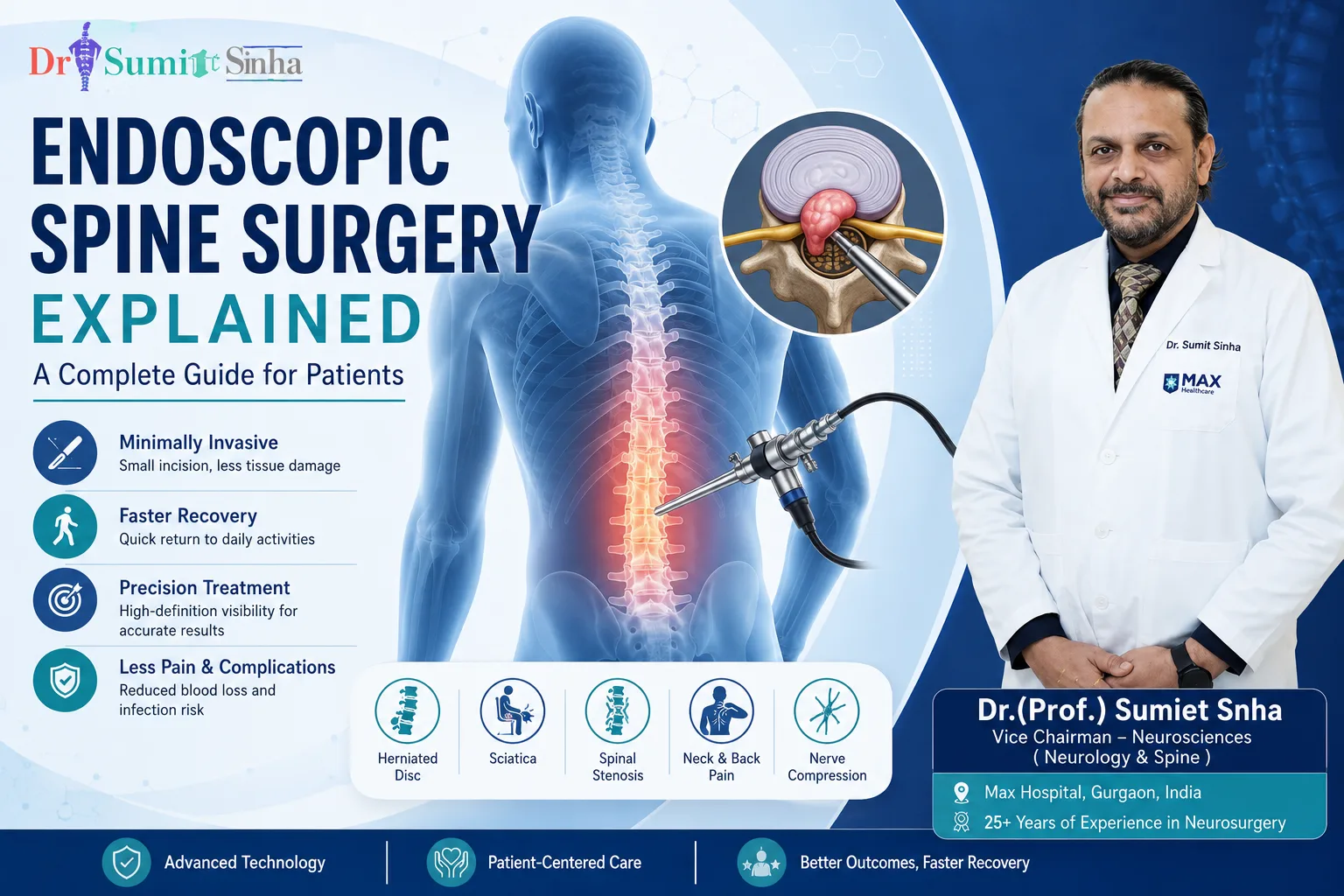
Back and neck problems can significantly affect mobility, work, and overall quality of life, making timely treatment essential. Endoscopic Spine Surgery has emerged as an advanced form of minimally invasive spine surgery that offers an effective solution for selected spinal conditions while minimizing damage to surrounding muscles and tissues. As medical technology continues to evolve, more patients are exploring this modern approach for conditions such as herniated disc treatment, sciatica treatment, and nerve compression because it focuses on precision, safety, and quicker recovery.
Unlike traditional open procedures, Endoscopic Spine Surgery is performed through a small incision using a high-definition endoscope and specialized surgical instruments. This technique often results in less postoperative pain, reduced blood loss, shorter hospital stays, and a faster return to daily activities. In this comprehensive guide, you will learn how the procedure works, who may benefit from it, its advantages, possible risks, the recovery process, and what to expect before and after surgery, helping you make informed decisions about your spine health with confidence.
What Is Endoscopic Spine Surgery?
Definition and Overview
Endoscopic Spine Surgery is an advanced form of minimally invasive spine surgery designed to treat a variety of spinal disorders through a very small incision. Instead of making a large cut and separating significant amounts of muscle, the surgeon inserts a thin tube equipped with a high-definition camera, known as an endoscope, along with specialized surgical instruments. The camera provides a magnified, real-time view of the affected area, allowing the surgeon to identify and treat the source of pain with exceptional precision while preserving healthy muscles, ligaments, and surrounding tissues.
Difference from Traditional Open Surgery
One of the biggest differences between Endoscopic Spine Surgery and traditional open spine surgery is the surgical approach. Conventional procedures typically require larger incisions and greater muscle dissection to access the spine, which may lead to increased postoperative discomfort and a longer recovery period. In contrast, the endoscopic technique minimizes tissue disruption, reduces blood loss, lowers the risk of infection, and often enables patients to return to normal activities more quickly. For many individuals, this modern approach offers an effective treatment option with less physical trauma.
Conditions Treated with Endoscopic Spine Surgery
Endoscopic Spine Surgery is commonly recommended for carefully selected patients experiencing conditions such as herniated disc treatment, sciatica treatment, lumbar or cervical disc herniation, spinal stenosis, nerve root compression, and certain cases of degenerative disc disease. However, not every spine condition can be managed with this technique. A thorough clinical evaluation, physical examination, and imaging studies such as MRI or CT scans help determine whether a patient is a suitable candidate. When performed by an experienced spine specialist, this procedure can provide significant pain relief, restore mobility, and improve overall quality of life while supporting a faster endoscopic spine surgery recovery.
Who Needs Endoscopic Spine Surgery?
Not everyone with back or neck pain requires surgery. Endoscopic Spine Surgery is generally considered when conservative treatments such as medications, physiotherapy, lifestyle modifications, and pain management fail to provide lasting relief. This advanced minimally invasive spine surgery technique is most beneficial for patients whose symptoms are caused by specific spinal conditions that can be treated through a targeted surgical approach. A detailed clinical examination, neurological assessment, and imaging tests help a spine specialist determine whether this procedure is the most appropriate treatment option.
Common Conditions
Endoscopic Spine Surgery may be recommended for patients with the following conditions:
- Herniated disc causing persistent nerve irritation
- Sciatica with radiating pain extending into the leg
- Lumbar disc prolapse leading to lower back pain and reduced mobility
- Cervical disc problems resulting in neck pain and arm symptoms
- Spinal stenosis causing narrowing of the spinal canal
- Degenerative disc disease affecting spinal stability and function
- Nerve compression due to bone spurs or damaged spinal discs
Common Symptoms
Patients may be evaluated for Endoscopic Spine Surgery if they experience one or more of the following symptoms:
- Persistent back pain that does not improve with non-surgical treatment
- Chronic neck pain affecting daily activities
- Radiating leg pain or arm pain
- Tingling or numbness in the arms, hands, legs, or feet
- Muscle weakness that limits movement
- Difficulty walking, standing, or maintaining balance
Early evaluation is essential because these symptoms may indicate ongoing nerve compression. Timely diagnosis and appropriate herniated disc treatment or sciatica treatment can help prevent permanent nerve damage, improve mobility, and support a faster endoscopic spine surgery recovery when surgery becomes necessary.
How Is Endoscopic Spine Surgery Performed?
Step-by-Step Process
Endoscopic Spine Surgery is a carefully planned procedure that combines advanced imaging, specialized instruments, and minimally invasive techniques to treat the source of spinal pain with precision. Before surgery, a spine specialist performs a comprehensive evaluation, including a physical examination, medical history review, and imaging studies such as MRI or CT scans. These diagnostic tests help identify conditions requiring herniated disc treatment, sciatica treatment, or other targeted spinal procedures while confirming whether the patient is a suitable candidate for minimally invasive spine surgery.
The procedure generally follows these essential steps:
- Patient evaluation: Medical assessment and review of symptoms and overall health.
- MRI and diagnostic tests: Locate the exact area of nerve compression or disc damage.
- Anesthesia: Local or general anesthesia is administered based on the patient's condition and surgical plan.
- Small incision: A tiny incision is made to access the affected spinal region with minimal tissue disruption.
- Endoscope insertion: A high-definition endoscope and specialized instruments are guided to the treatment area.
- Removing compressed tissue: The surgeon carefully removes the damaged disc material or bone causing nerve compression.
- Protecting surrounding muscles: Healthy muscles and ligaments are preserved throughout the procedure.
- Closing the incision: The small incision is closed with minimal sutures or surgical strips.
- Recovery room: Patients are monitored before beginning their endoscopic spine surgery recovery, with many returning home the same day or within 24 hours, depending on their condition.
Benefits of Endoscopic Spine Surgery
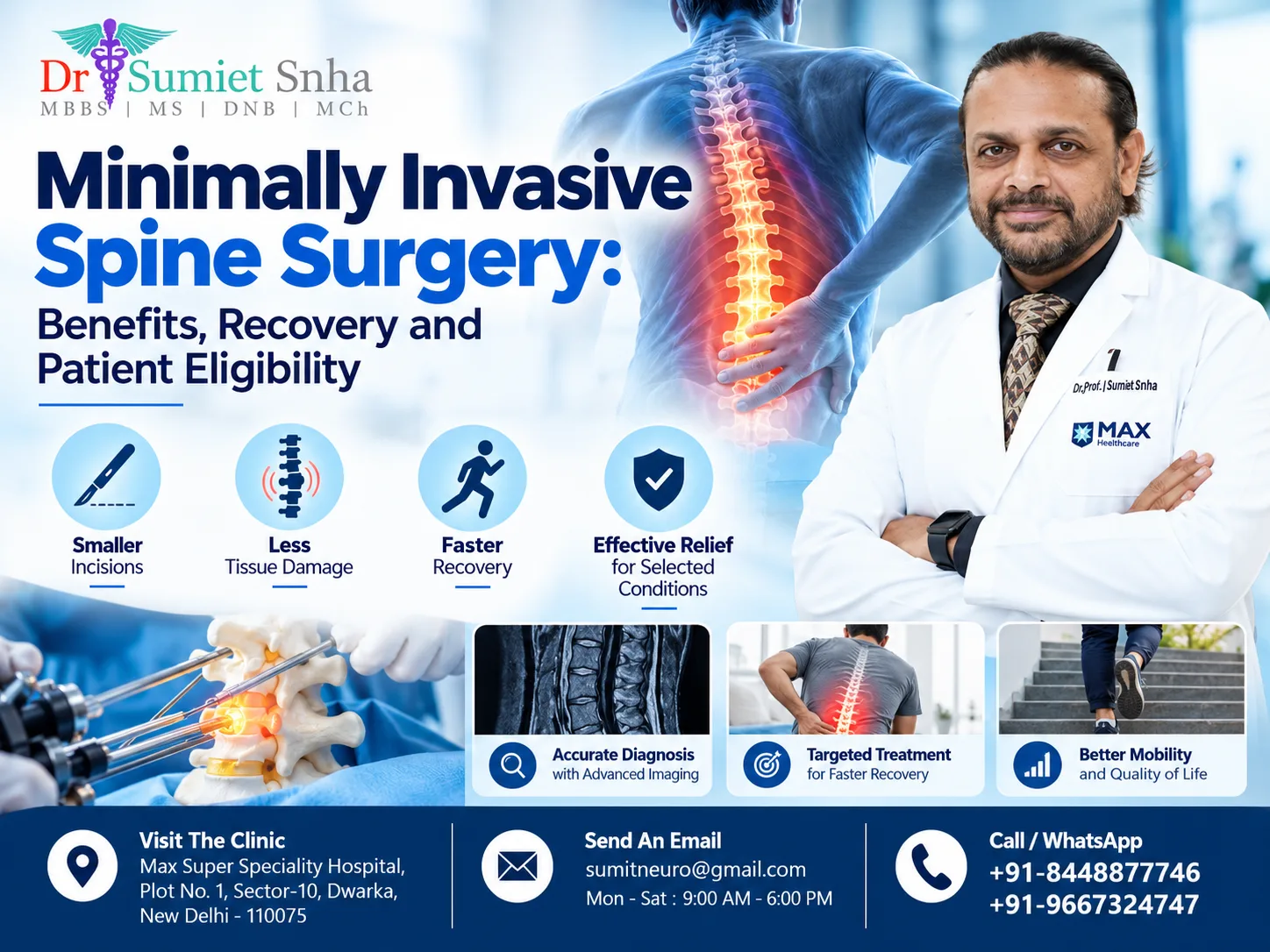
Endoscopic Spine Surgery has become a preferred treatment option for many patients because it combines surgical precision with the advantages of minimally invasive spine surgery. By using a high-definition endoscope and specialized instruments through a small incision, the procedure minimizes disruption to healthy tissues while effectively treating the underlying spinal condition. For appropriately selected patients, this approach can improve comfort during recovery and support a quicker return to everyday activities.
Some of the key benefits of Endoscopic Spine Surgery include:
- Smaller incision, resulting in minimal tissue trauma and reduced scarring.
- Less blood loss during the procedure compared to many traditional open surgeries.
- Less muscle damage, as surrounding muscles and ligaments are preserved whenever possible.
- Reduced postoperative pain, often decreasing the need for prolonged pain medication.
- Faster recovery and earlier participation in daily routines and rehabilitation.
- Shorter hospital stay, with many patients discharged on the same day or within 24 hours.
- Lower infection risk due to the minimally invasive surgical approach.
- Faster return to work and normal physical activities, depending on the individual's condition and occupation.
- Better cosmetic outcome, as the small incision typically leaves a less noticeable scar.
Although these advantages are significant, the results of Endoscopic Spine Surgery depend on accurate patient selection, the underlying spinal condition, and treatment by an experienced spine specialist
Conditions Treated with Endoscopic Spine Surgery
Endoscopic Spine Surgery is an advanced minimally invasive spine surgery technique used to treat several spinal conditions that cause persistent pain, nerve compression, and reduced mobility. It is particularly effective for carefully selected patients whose symptoms have not improved with medications, physiotherapy, or other conservative treatments. By using a small incision and specialized instruments, the procedure targets the affected area while preserving healthy surrounding tissues.
Common conditions treated with Endoscopic Spine Surgery include:
- Herniated disc causing nerve root compression and severe back or leg pain.
- Bulging disc that irritates nearby spinal nerves.
- Sciatica, characterized by pain radiating from the lower back into the leg.
- Foraminal stenosis, where narrowing of the nerve passage causes chronic pain and numbness.
- Lumbar spinal stenosis leading to lower back pain, leg weakness, and difficulty walking.
- Cervical disc prolapse resulting in neck pain, arm pain, or tingling sensations.
- Pinched nerve caused by disc material or bone spurs compressing spinal nerves.
- Recurrent disc herniation, where symptoms return after previous disc treatment.
A thorough evaluation by an experienced spine specialist is essential to determine whether Endoscopic Spine Surgery is the most appropriate treatment for these conditions
Who Is an Ideal Candidate?
Endoscopic Spine Surgery is most suitable for patients with clearly identified spinal conditions that have not responded to medications, physiotherapy, or other non-surgical treatments. Ideal candidates often have a herniated disc, sciatica, nerve compression, or selected cases of spinal stenosis confirmed through MRI or CT scans. Before recommending this minimally invasive spine surgery, a spine specialist performs a detailed medical evaluation, neurological examination, and reviews imaging findings to ensure the procedure is appropriate. However, patients with severe spinal instability, extensive deformities, advanced infections, certain tumors, or complex multi-level spinal disorders may require alternative surgical approaches. Overall health, existing medical conditions, and fitness for anesthesia are also carefully assessed to maximize safety, improve surgical outcomes, and support a smooth endoscopic spine surgery recovery
Risks and Possible Complications
Like any surgical procedure, Endoscopic Spine Surgery carries certain risks, although serious complications are uncommon. Advances in minimally invasive spine surgery, improved surgical techniques, and careful patient selection have significantly enhanced the safety of this procedure. Before surgery, a spine specialist evaluates each patient's medical condition and discusses the potential benefits and risks to help them make an informed decision.
|
Possible Complication |
Description |
|
Infection |
A small risk of infection at the incision site or deeper tissues, usually managed with appropriate treatment. |
|
Bleeding |
Blood loss is generally minimal but can occur in rare cases. |
|
Nerve Injury |
Temporary or, very rarely, permanent nerve irritation or damage may affect sensation or muscle strength. |
|
Dural Tear |
An accidental tear in the protective covering of the spinal cord may cause leakage of spinal fluid and may require additional treatment. |
|
Persistent Pain |
Some patients may continue to experience pain if the underlying spinal condition is complex or advanced. |
|
Recurrence |
A herniated disc or similar condition can occasionally recur after successful treatment. |
|
Need for Additional Surgery |
A small number of patients may require another procedure if symptoms return or new spinal problems develop. |
Overall, the complication rates of Endoscopic Spine Surgery are generally low when the procedure is performed by an experienced spine specialist using appropriate patient selection and modern surgical techniques. Following postoperative instructions and attending regular follow-up visits can further reduce risks and support a successful endoscopic spine surgery recovery.
Recovery After Endoscopic Spine Surgery
Recovery after Endoscopic Spine Surgery is generally faster than traditional open procedures because this minimally invasive spine surgery causes less tissue damage. The recovery process typically progresses in stages:
- First 24 Hours:
- Patients are encouraged to begin gentle walking to improve circulation.
- Helps reduce stiffness and supports early mobility.
- First Week:
- Light daily activities can usually be resumed.
- Avoid bending, twisting, and heavy lifting.
- First Month:
- A spine specialist may recommend physical therapy.
- Gradual exercises help restore strength and flexibility.
- Return to Work:
- Most patients can return to work within a few weeks.
- Timing depends on the type of job and individual recovery.
- Long-Term Recovery:
- Maintain good posture and follow lifting restrictions.
- Continue prescribed exercises for spinal health.
- Attend regular follow-up appointments to monitor healing and ensure a safe endoscopic spine surgery recovery.
Tips for Faster Recovery
Following the right recovery plan after Endoscopic Spine Surgery can improve healing, reduce complications, and help you return to your normal routine sooner. While this minimally invasive spine surgery often allows for a quicker recovery than traditional procedures, adopting healthy lifestyle habits is equally important for long-term spine health.
- Maintain good posture while sitting, standing, and sleeping to reduce stress on the spine.
- Follow your physiotherapy program consistently to restore flexibility, strength, and mobility.
- Avoid smoking, as it can delay tissue healing and increase the risk of complications.
- Eat a healthy, balanced diet rich in protein, vitamins, and minerals to support recovery.
- Stay active by walking regularly, but avoid excessive physical strain.
- Maintain a healthy weight to reduce pressure on the spine and improve overall function.
- Follow your doctor's advice regarding medications, activity levels, and follow-up care.
- Perform spine-strengthening exercises only after approval from your spine specialist.
By following these recommendations, most patients can achieve a smoother endoscopic spine surgery recovery and enjoy lasting improvements in comfort, mobility, and quality of life.
Endoscopic Spine Surgery vs Open Spine Surgery
Both Endoscopic Spine Surgery and traditional open spine surgery are effective treatment options for spinal disorders. However, they differ in surgical technique, recovery time, and the impact on surrounding tissues. Endoscopic Spine Surgery, a form of minimally invasive spine surgery, is performed through a small incision using an endoscope and specialized instruments. In contrast, open spine surgery requires a larger incision to provide direct access to the spine. The most appropriate procedure depends on the patient's condition, imaging findings, and the recommendation of an experienced spine specialist.
|
Feature |
Endoscopic Spine Surgery |
Open Spine Surgery |
|
Incision Size |
Small incision (usually less than 1 cm) |
Larger surgical incision |
|
Blood Loss |
Minimal blood loss |
Generally higher blood loss |
|
Postoperative Pain |
Less pain due to minimal tissue disruption |
More pain because of greater muscle dissection |
|
Hospital Stay |
Often same-day discharge or 24 hours |
Usually several days, depending on the procedure |
|
Recovery |
Faster endoscopic spine surgery recovery with quicker return to daily activities |
Longer recovery period |
|
Infection Risk |
Lower risk because of the smaller incision |
Comparatively higher risk |
|
Muscle Damage |
Minimal damage with preservation of surrounding muscles |
Greater muscle and soft tissue disruption |
|
Return to Work |
Many patients resume work within a few weeks, depending on their job |
May require several weeks to months for full recovery |
While Endoscopic Spine Surgery offers several advantages, it is not suitable for every spinal condition. The choice between endoscopic and open surgery should always be based on a comprehensive medical evaluation, diagnostic imaging, and the expertise of a qualified spine specialist to achieve the safest and most effective outcome.
When Should You Consult a Spine Specialist?
While occasional back or neck pain often improves with rest and conservative treatment, certain symptoms should never be ignored. If pain becomes severe, persists despite medications and physiotherapy, or begins to interfere with daily activities, it is important to seek timely medical evaluation. Early consultation with a spine specialist can help identify the underlying cause and determine whether treatments such as Endoscopic Spine Surgery or other non-surgical options are appropriate.
Seek immediate medical attention if you experience any of the following warning signs:
- Severe back pain that is sudden, intense, or progressively worsening.
- Progressive muscle weakness in the arms or legs.
- Loss of bladder or bowel control, which may indicate a medical emergency requiring urgent treatment.
- Persistent numbness or tingling that does not improve or continues to spread.
- Difficulty walking, poor balance, or reduced coordination.
- Pain that does not improve with medications, rest, physiotherapy, or other conservative treatments.
Prompt diagnosis through a physical examination and imaging tests such as MRI or CT scans can help prevent permanent nerve damage and improve treatment outcomes. When indicated, Endoscopic Spine Surgery as a minimally invasive spine surgery option may provide effective relief while preserving healthy spinal tissues and supporting a faster recovery.
Frequently Asked Questions
1. Is Endoscopic Spine Surgery Safe?
Yes. Endoscopic Spine Surgery is considered a safe and effective procedure for appropriately selected patients when performed by an experienced spine surgeon. As with any surgery, there are potential risks, but complication rates are generally low.
2. How long does Endoscopic Spine Surgery take?
The procedure typically takes 45 minutes to 2 hours, depending on the spinal condition being treated and the complexity of the surgery.
3. Is general anesthesia required?
The type of anesthesia depends on the patient's condition and the surgical plan. Some procedures are performed under general anesthesia, while others may use local anesthesia with sedation.
4. How painful is recovery after Endoscopic Spine Surgery?
Recovery is generally less painful than traditional open spine surgery because the procedure uses a small incision and causes minimal muscle damage. Most patients experience gradual improvement over the following weeks.
5. Can elderly patients undergo Endoscopic Spine Surgery?
Yes. Many older adults may be suitable candidates if they are in good overall health and imaging studies confirm that the procedure is appropriate. A detailed medical evaluation is essential before surgery.
6. What is the success rate of Endoscopic Spine Surgery?
Success rates are generally high for carefully selected patients, particularly those undergoing treatment for herniated discs, sciatica, and nerve compression. Outcomes depend on the diagnosis, surgical technique, and adherence to postoperative rehabilitation.
7. When can I return to work?
Many patients return to desk-based work within 2–4 weeks, while physically demanding jobs may require a longer recovery period. Your spine specialist will provide individualized guidance.
8. Can a slipped disc return after surgery?
Although Endoscopic Spine Surgery effectively removes the damaged disc material, a recurrent disc herniation can occur in some patients. Following rehabilitation instructions and maintaining good spine health can help reduce this risk.
9. Will I need physiotherapy after surgery?
Yes. Physiotherapy is often recommended to improve flexibility, strengthen spinal muscles, restore movement, and support long-term recovery.
10. Is Endoscopic Spine Surgery better than open spine surgery?
For suitable patients, Endoscopic Spine Surgery offers advantages such as smaller incisions, less blood loss, reduced postoperative pain, and faster recovery. However, open surgery may still be the preferred option for certain complex spinal conditions.
11. How do I know if I am a candidate for Endoscopic Spine Surgery?
A spine specialist will review your symptoms, perform a physical examination, and evaluate MRI or CT scan findings to determine whether this minimally invasive procedure is suitable for your condition.
12. What should I do before undergoing Endoscopic Spine Surgery?
Follow your surgeon's instructions regarding medications, fasting, medical tests, and lifestyle modifications. Preparing well before surgery can contribute to a smoother procedure and recovery.
Conclusion
Endoscopic Spine Surgery represents a significant advancement in minimally invasive spine surgery, offering effective treatment for selected spinal disorders through smaller incisions, reduced tissue damage, and faster recovery compared with many traditional techniques. Early diagnosis and timely medical evaluation are essential for preventing the progression of nerve compression and improving long-term outcomes. Consulting an experienced spine specialist helps ensure that every patient receives an accurate diagnosis and an individualized treatment plan based on their specific condition. Dr. (Prof.) Sumiet Snha, Vice Chairman – Neurosciences (Neurology & Spine), currently working at MAX Hospital, Gurgaon, India, has more than 25+years of experience in neurosurgery and emphasizes evidence-based, patient-centered spine care with careful evaluation and appropriate treatment planning. If you experience persistent back pain, neck pain, numbness, weakness, or difficulty walking, seek professional medical advice without delay to protect your long-term spine health.


0 Comments