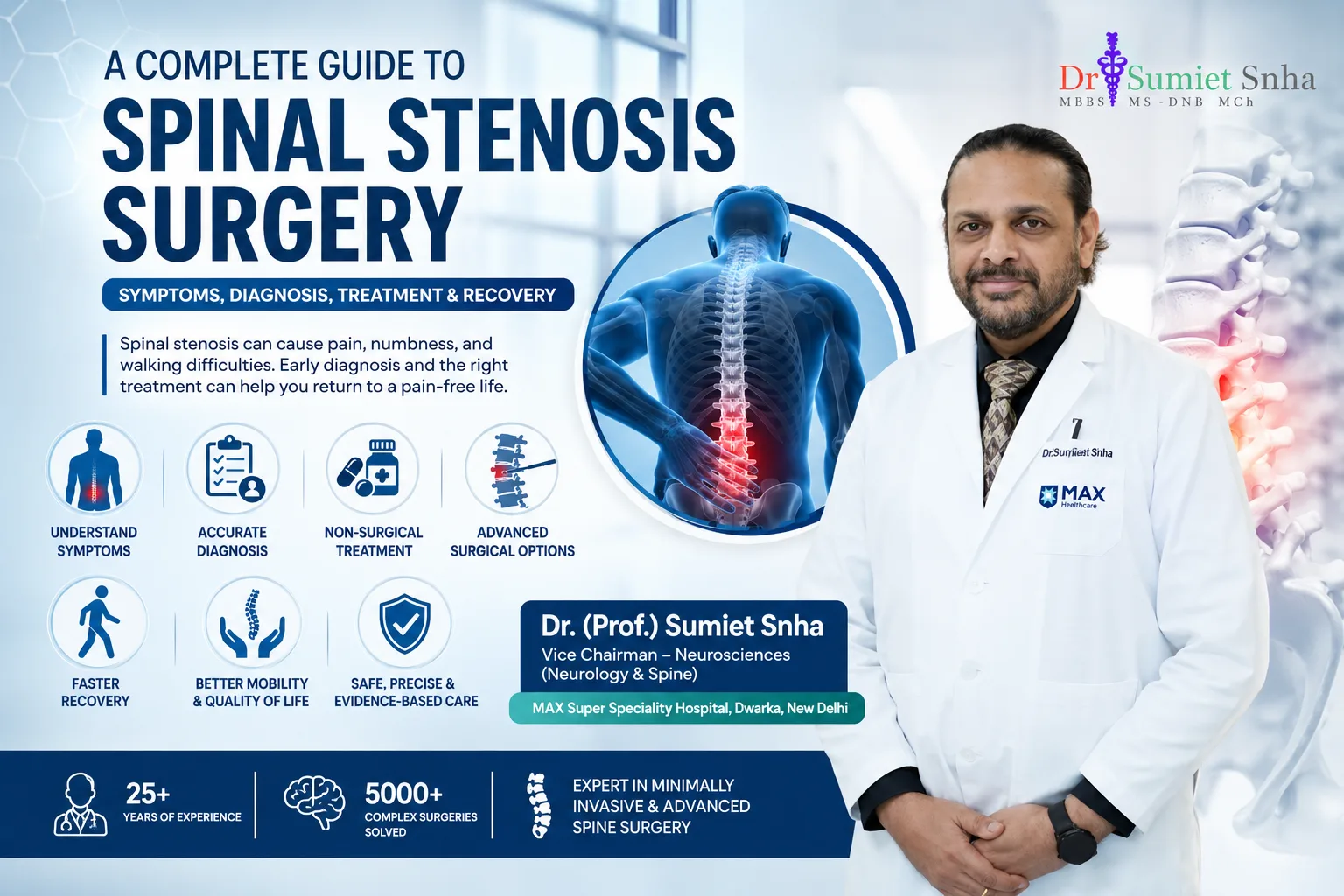
Spinal stenosis is a common spinal condition that develops when the spaces within the spine become narrower, placing pressure on the spinal cord or nearby nerves. Spinal Stenosis Surgery is a frequently searched treatment option by people experiencing persistent back pain, leg pain, numbness, or difficulty walking after conservative treatments have failed to provide lasting relief. Although many patients respond well to medication, physiotherapy, and lifestyle modifications, severe nerve compression or progressive neurological symptoms may make surgery the most effective option to restore mobility and improve quality of life.
Spinal stenosis most commonly affects the lower back (lumbar spine) and neck (cervical spine), where narrowing of the spinal canal can interfere with normal nerve function. This pressure may cause chronic pain, tingling, muscle weakness, balance problems, and difficulty standing or walking for long periods. Modern spinal decompression surgery, minimally invasive spine surgery, and advanced imaging techniques have significantly improved the precision and safety of treatment for suitable patients.
Early diagnosis plays a crucial role in preventing permanent nerve damage and preserving spinal function. Recognizing symptoms early and consulting a qualified spine specialist allows for an accurate diagnosis and personalized treatment plan. Whether treatment involves conservative care or Spinal Stenosis Surgery, timely medical intervention offers the best opportunity for pain relief, improved mobility, and long-term spinal health.
Understanding Spinal Stenosis
What is Spinal Stenosis?
Spinal stenosis is a condition in which the spaces inside the spinal canal become narrower, placing pressure on the spinal cord or the nerves that travel through the spine. This narrowing usually develops gradually and is one of the most common causes of chronic back pain and leg pain in older adults. Although many patients respond well to conservative treatment, Spinal Stenosis Surgery may become necessary when symptoms continue to worsen or significantly affect mobility and daily activities. Understanding how spinal stenosis develops helps patients recognize symptoms early and seek appropriate treatment before permanent nerve damage occurs.
Types of Spinal Stenosis
There are three main types of spinal stenosis based on the affected area of the spine. Lumbar spinal stenosis is the most common type and affects the lower back, often causing leg pain, numbness, weakness, and difficulty walking. Cervical spinal stenosis develops in the neck and may lead to neck pain, arm weakness, balance problems, and reduced hand coordination. Thoracic spinal stenosis, although less common, affects the middle portion of the spine and can produce back pain, numbness, or weakness below the affected level.
Causes of Spinal Stenosis
Several factors contribute to the development of spinal stenosis. The most common cause is the natural aging process, during which spinal discs lose height, joints become enlarged because of arthritis, and ligaments gradually thicken. Other causes include herniated discs, bone spurs, spinal injuries, congenital spinal canal narrowing, scoliosis, spinal tumors, and inflammatory conditions that reduce the available space around the nerves.
Risk Factors for Spinal Stenosis
Certain risk factors increase the likelihood of developing spinal stenosis. Advancing age, obesity, poor posture, physically demanding occupations, repetitive heavy lifting, previous spinal injuries, smoking, and a family history of spinal disorders all contribute to spinal degeneration. A sedentary lifestyle and weak core muscles may also place additional stress on the spine and accelerate wear and tear.
Progression of Spinal Stenosis Over Time
Without timely treatment, spinal stenosis often progresses slowly over several years. Initially, patients may experience mild back or neck discomfort, but as nerve compression increases, symptoms such as leg pain while walking, numbness, tingling, muscle weakness, reduced balance, and difficulty standing for prolonged periods may become more severe. In advanced cases, Spinal Stenosis Surgery, including spinal decompression surgery or minimally invasive spine surgery, may be recommended to relieve nerve pressure, improve mobility, and restore quality of life. Early diagnosis and individualized treatment remain the most effective ways to slow disease progression and achieve better long-term outcomes.
Symptoms of Spinal Stenosis
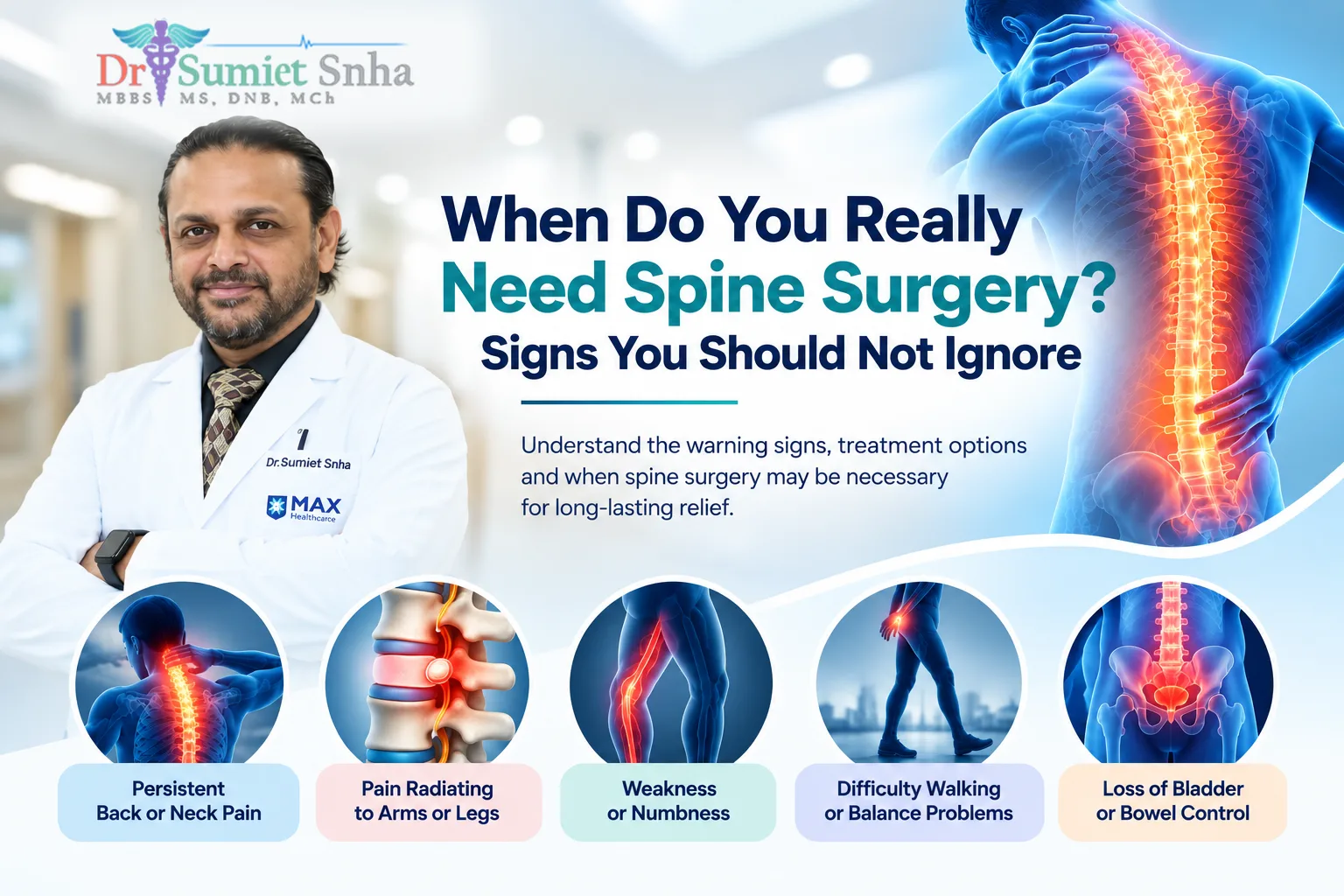
The symptoms of spinal stenosis usually develop gradually and become more noticeable as the narrowing of the spinal canal increases. In the early stages, many people experience mild discomfort that comes and goes, but over time, pressure on the spinal cord or nerve roots can lead to persistent pain and reduced mobility. Recognizing these symptoms early is important because timely treatment can slow disease progression and improve quality of life. While many patients benefit from conservative care, Spinal Stenosis Surgery may be recommended when symptoms become severe, progressive, or significantly interfere with daily activities.
Persistent Back Pain
One of the most common symptoms is continuous pain in the lower back or neck. The discomfort may worsen with prolonged standing, walking, or physical activity and improve temporarily with sitting or bending forward.
Neck Pain and Stiffness
Patients with cervical spinal stenosis often experience chronic neck pain, stiffness, reduced range of motion, and discomfort that may spread to the shoulders or upper back.
Leg Pain While Walking (Neurogenic Claudication)
A hallmark symptom of lumbar spinal stenosis is pain, heaviness, cramping, or weakness in the legs while walking or standing. These symptoms usually improve after resting or leaning forward.
Pain Radiating to the Arms or Legs
Compression of spinal nerves may cause sharp or burning pain that travels from the neck into the arms or from the lower back into the buttocks and legs, depending on the affected spinal region.
Numbness, Tingling, and Muscle Weakness
Many patients develop numbness, tingling sensations, or reduced muscle strength in the arms, hands, legs, or feet because compressed nerves cannot transmit signals normally.
Difficulty Walking and Balance Problems
As spinal stenosis progresses, walking long distances may become difficult. Some patients experience poor balance, reduced coordination, or an unsteady gait, increasing the risk of falls.
Loss of Bladder or Bowel Control
Although uncommon, sudden loss of bladder or bowel control is a medical emergency that may indicate severe nerve compression. Immediate medical evaluation is essential to prevent permanent neurological damage.
When to Consult a Spine Specialist
You should consult a spine specialist if back or neck pain persists for several weeks, symptoms worsen despite treatment, or you develop numbness, weakness, difficulty walking, or radiating pain. Early evaluation allows accurate diagnosis and timely management through medication, physiotherapy, or Spinal Stenosis Surgery when necessary. Modern spinal decompression surgery, minimally invasive spine surgery, and other advanced treatment options can effectively relieve nerve compression, reduce pain, restore mobility, and improve long-term spinal health.
Diagnosis of Spinal Stenosis
An accurate diagnosis is the most important step in planning effective treatment for spinal stenosis. Many spinal conditions produce similar symptoms, including back pain, leg pain, numbness, and weakness, making a comprehensive medical evaluation essential before deciding on the best treatment approach. While some patients improve with conservative care, Spinal StenosisSurgery should only be considered after confirming the diagnosis through clinical examination and advanced imaging studies. A precise diagnosis helps identify the location and severity of nerve compression and allows the spine specialist to recommend the most appropriate treatment for each patient.
Diagnostic Tests Used for Spinal Stenosis
- Medical History and Symptom Evaluation: The spine specialist carefully reviews the patient's symptoms, pain pattern, medical history, previous injuries, daily activities, and how symptoms affect mobility and quality of life.
- Physical Examination: A detailed examination assesses posture, spinal alignment, flexibility, range of motion, muscle tenderness, and areas of discomfort to identify possible spinal abnormalities.
- Neurological Assessment: Muscle strength, reflexes, sensation, balance, and walking ability are evaluated to determine whether spinal nerves or the spinal cord are being compressed.
- MRI (Magnetic Resonance Imaging): MRI is considered the most valuable imaging test for spinal stenosis because it clearly shows narrowing of the spinal canal, herniated discs, ligaments, nerves, and soft tissues.
- CT (Computed Tomography) Scan: CT scans provide detailed images of the spinal bones and are particularly useful when evaluating bone spurs, fractures, or complex spinal anatomy.
- Digital X-rays: X-rays help identify arthritis, spinal alignment problems, instability, scoliosis, spondylolisthesis, and degenerative changes affecting the vertebrae.
- EMG and Nerve Conduction Studies (NCS): These specialized tests evaluate nerve and muscle function and help determine whether symptoms are caused by nerve compression or another neurological condition.
Accurate diagnosis is essential before recommending Spinal Stenosis Surgery because not every patient requires an operation. A thorough evaluation helps determine whether spinal decompression surgery, minimally invasive spine surgery, medication, physiotherapy, or other spinal stenosis treatment options are most appropriate. Early diagnosis and evidence-based treatment planning improve pain relief, protect nerve function, enhance mobility, and lead to better long-term outcomes.
Non-Surgical Treatment for Spinal Stenosis
Many patients diagnosed with spinal stenosis experience significant improvement without requiring surgery. Conservative treatment is usually the first step because it aims to relieve pain, reduce inflammation, improve mobility, and enhance quality of life while delaying or avoiding the need for Spinal Stenosis Surgery. The most appropriate treatment depends on the severity of symptoms, the degree of nerve compression, and the patient's overall health. A personalized treatment plan often combines medication, rehabilitation, lifestyle changes, and pain management techniques to achieve the best results.
Common Non-Surgical Treatment Options
- Medications: Anti-inflammatory medicines, pain relievers, and muscle relaxants may help reduce pain, swelling, and muscle spasms associated with spinal stenosis.
- Physiotherapy: A structured rehabilitation program strengthens the muscles supporting the spine, improves flexibility, enhances posture, and helps restore normal movement.
- Lifestyle Modifications: Maintaining proper posture, avoiding prolonged sitting or standing, and performing regular low-impact activities can reduce stress on the spine and improve daily function.
- Weight Management: Maintaining a healthy body weight reduces pressure on the spinal joints and nerves, helping decrease pain and slow further spinal degeneration.
- Activity Modification: Limiting activities that worsen symptoms while gradually increasing safe physical activity can improve comfort and prevent further irritation of compressed nerves.
- Exercise and Stretching: Gentle stretching and strengthening exercises improve spinal flexibility, core stability, balance, and overall mobility while reducing stiffness.
- Epidural Steroid Injections: In selected patients, image-guided steroid injections around the affected nerves may reduce inflammation and provide temporary pain relief, making rehabilitation easier.
- Pain Management Techniques: Heat therapy, cold therapy, supervised exercise programs, and other non-invasive pain management approaches may help control symptoms and improve function.
When Is Conservative Treatment Effective?
Conservative treatment is often effective for patients with mild to moderate spinal stenosis who do not have severe nerve damage or progressive neurological deficits. Many individuals experience improved mobility and reduced pain by consistently following their treatment plan. However, if symptoms continue to worsen despite appropriate conservative care, or if significant weakness, balance problems, or loss of bladder or bowel control develops, Spinal Stenosis Surgery, including spinal decompression surgery or minimally invasive spine surgery, may become the most appropriate option to relieve nerve compression and restore quality of life.
When Is Spinal Stenosis Surgery Needed?
Most patients with spinal stenosis improve with medications, physiotherapy, lifestyle modifications, and other conservative treatments. However, when these approaches no longer provide adequate relief or neurological symptoms continue to worsen, Spinal Stenosis Surgery may become the most effective treatment option. The primary goal of surgery is to relieve pressure on the spinal cord or compressed nerves, reduce pain, restore mobility, and prevent permanent nerve damage. The decision to proceed with surgery is based on a detailed clinical evaluation, neurological examination, MRI findings, and the patient's overall health and functional limitations.
Failure of Non-Surgical Treatment
Conservative treatment is usually recommended for several weeks or months. If pain, numbness, or mobility problems continue despite medications, physiotherapy, epidural steroid injections, and activity modification, surgery may be considered to provide lasting relief.
Progressive Nerve Compression
Ongoing pressure on the spinal nerves can lead to worsening neurological symptoms. If nerve compression continues to progress despite treatment, Spinal Stenosis Surgery may help prevent permanent nerve damage and improve nerve function.
Severe Spinal Canal Narrowing
Advanced narrowing of the spinal canal, confirmed through MRI or CT imaging, may significantly reduce the space available for the spinal cord and nerves. In these situations, spinal decompression surgery is often recommended to create more space and relieve pressure.
Persistent Leg Pain and Numbness
Patients with lumbar spinal stenosis frequently experience persistent pain, tingling, or numbness in one or both legs. If these symptoms interfere with walking, standing, sleeping, or daily activities despite conservative care, surgery may provide significant symptom relief.
Muscle Weakness
Weakness in the legs, feet, arms, or hands caused by nerve compression is an important warning sign. Progressive muscle weakness may indicate worsening nerve damage and should be evaluated promptly by a spine specialist.
Difficulty Walking
Many patients develop neurogenic claudication, characterized by pain, heaviness, or weakness in the legs while walking or standing for prolonged periods. When walking distance becomes progressively limited and quality of life is significantly affected, surgery may help restore mobility.
Loss of Bladder or Bowel Control
Sudden loss of bladder or bowel control is a medical emergency and may indicate severe spinal nerve compression, such as cauda equina syndrome. Immediate surgical evaluation is essential to reduce the risk of permanent neurological impairment.
Who Is an Ideal Candidate for Surgery?
An ideal candidate for Spinal Stenosis Surgery is someone with imaging-confirmed spinal stenosis whose symptoms closely match the clinical findings and who has not achieved sufficient improvement with non-surgical treatment. Patients with progressive neurological deficits, severe spinal canal narrowing, persistent leg pain, muscle weakness, difficulty walking, or reduced quality of life often benefit most from surgery. Modern minimally invasive spine surgery and spinal decompression surgery can effectively relieve nerve compression, improve function, reduce pain, and help many patients return to their normal daily activities with a better quality of life.
Types of Spinal Stenosis Surgery
When conservative treatment no longer provides adequate relief, Spinal Stenosis Surgery may be recommended to reduce pressure on the spinal cord or nerve roots and improve mobility. The choice of procedure depends on the location of the spinal stenosis, the severity of nerve compression, spinal stability, and the patient's overall health. Modern surgical techniques focus on relieving symptoms while preserving as much of the normal spinal anatomy as possible. Your spine specialist will recommend the most appropriate procedure after reviewing your symptoms, neurological examination, and imaging studies.
Common Types of Spinal Stenosis Surgery
- Laminectomy (Spinal Decompression Surgery):
This is the most commonly performed procedure for spinal stenosis. The surgeon removes part of the lamina (the back portion of the vertebra) to create more space within the spinal canal, relieving pressure on the spinal cord and nerve roots. - Laminotomy:
Unlike a laminectomy, only a small portion of the lamina is removed. This minimally invasive approach preserves more of the normal spinal structure while relieving localized nerve compression. - Foraminotomy:
This procedure enlarges the opening (foramen) where spinal nerves exit the spine. It is recommended when narrowing of the foramen compresses a nerve, causing pain, numbness, or weakness in the arms or legs. - Spinal Fusion:
If spinal stenosis is associated with spinal instability, spondylolisthesis, or severe degeneration, spinal fusion may be performed to permanently join two or more vertebrae and provide long-term spinal stability. - Endoscopic Spine Surgery:
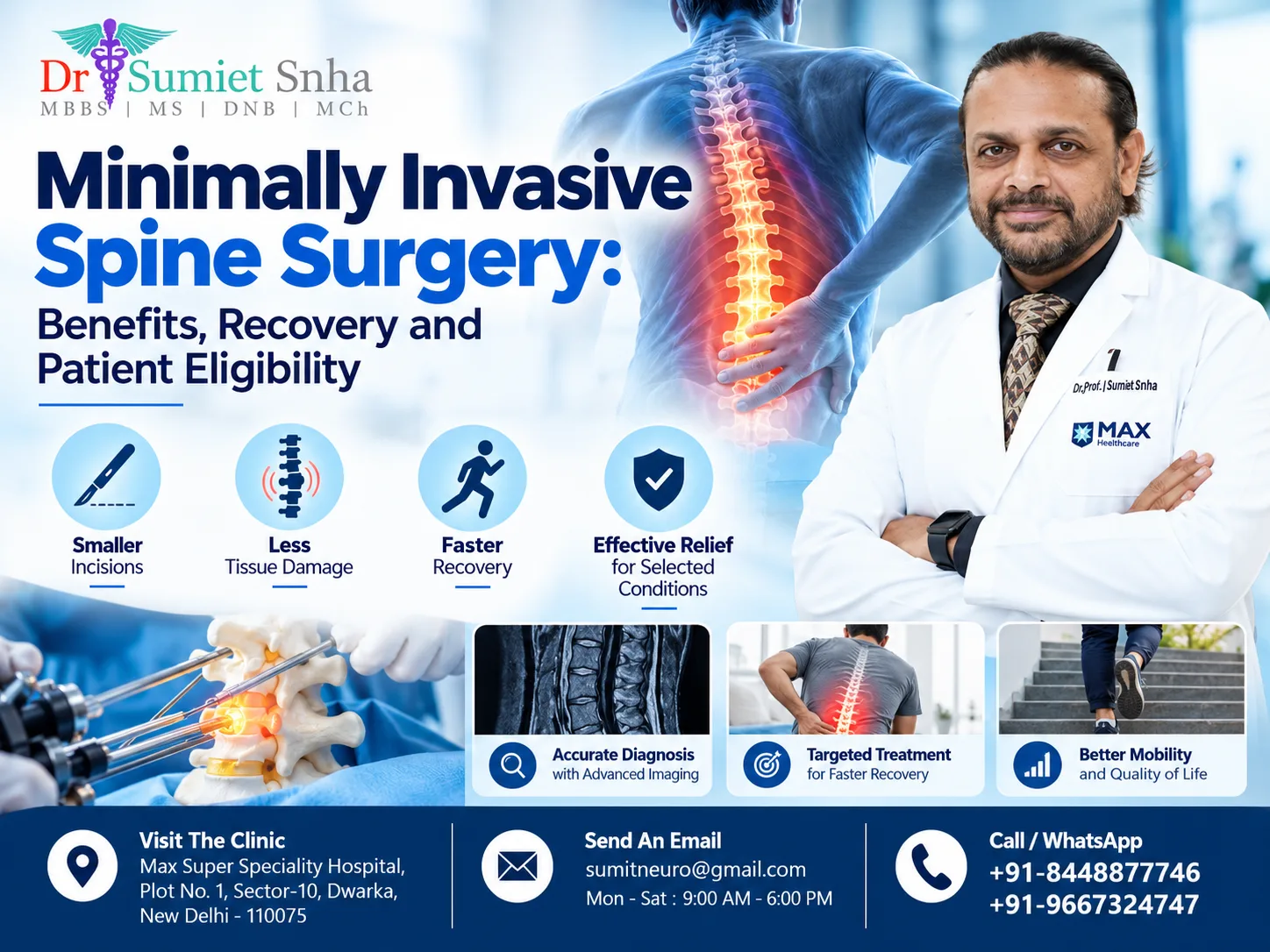
This advanced minimally invasive technique uses a high-definition endoscope and specialized instruments through a very small incision. It minimizes muscle damage, reduces blood loss, shortens hospital stay, and often allows faster recovery in carefully selected patients. - Minimally Invasive Spine Surgery (MISS):
MISS uses specialized instruments and image-guided technology to treat spinal stenosis through smaller incisions than traditional open surgery. Benefits may include less postoperative pain, reduced tissue damage, quicker rehabilitation, and earlier return to daily activities.
Which Surgical Procedure Is Right for You?
The best surgical approach depends on several important factors, including:
- The location of spinal stenosis (lumbar, cervical, or thoracic spine).
- The severity of spinal canal narrowing and nerve compression.
- The presence of spinal instability or conditions such as spondylolisthesis.
- Your age, general health, and activity level.
- Your symptoms, neurological findings, and MRI or CT scan results.
- Your response to non-surgical treatment.
There is no single procedure that is suitable for every patient. An experienced spine specialist will carefully evaluate your condition and recommend the most appropriate Spinal Stenosis Surgery, whether that involves spinal decompression surgery, Endoscopic Spine Surgery, minimally invasive spine surgery, or spinal fusion. Choosing the right procedure based on an accurate diagnosis offers the best chance of relieving pain, restoring nerve function, improving mobility, and achieving long-term spinal health.
Spinal Stenosis Surgery Procedure: Step-by-Step
When conservative treatments no longer relieve symptoms, Spinal Stenosis Surgery may be recommended to decompress the spinal nerves and improve mobility. Modern surgical techniques are carefully planned to maximize safety, reduce complications, and achieve the best possible outcome. The exact procedure varies depending on the location of spinal stenosis, the severity of nerve compression, and the patient's overall health. Understanding each stage of the surgical process helps patients prepare both physically and mentally for treatment.
Pre-operative Evaluation
Before surgery, the spine specialist performs a comprehensive medical assessment. This includes reviewing the patient's medical history, current symptoms, previous treatments, medications, allergies, and overall health. Blood tests, heart evaluation, and fitness for anesthesia are also completed to ensure the patient is medically prepared for surgery.
Imaging and Surgical Planning
Advanced imaging plays a crucial role in planning Spinal Stenosis Surgery. MRI scans clearly identify the location and severity of nerve compression, while CT scans and digital X-rays provide detailed information about the spinal bones and alignment. Using these findings, the surgeon develops a personalized surgical plan to achieve the safest and most effective decompression.
Type of Anesthesia
Most spinal stenosis procedures are performed under general anesthesia, allowing the patient to remain completely asleep and comfortable throughout the operation. In selected minimally invasive procedures, other anesthesia techniques may be considered depending on the patient's condition and the complexity of the surgery.
How the Surgery Is Performed
After anesthesia is administered, the surgeon makes a carefully planned incision over the affected area of the spine. Depending on the diagnosis, procedures such as laminectomy, laminotomy, foraminotomy, Endoscopic Spine Surgery, or minimally invasive spine surgery may be performed to remove bone, thickened ligaments, or other tissues compressing the spinal nerves. If spinal instability is present, spinal fusion may also be carried out to stabilize the affected vertebrae.
Duration of Surgery
The duration of Spinal Stenosis Surgery varies according to the complexity of the condition and the surgical technique used. Most procedures are completed within one to three hours, although more complex surgeries involving multiple spinal levels or spinal fusion may require additional operating time.
What Happens Immediately After Surgery?
Following surgery, patients are closely monitored in the recovery room while the effects of anesthesia wear off. Pain management begins immediately, and vital signs are carefully observed. Many patients are encouraged to stand and walk with assistance within the first day, depending on the type of procedure performed. Before discharge, the healthcare team provides detailed instructions regarding wound care, medications, physical activity, physiotherapy, follow-up appointments, and the recovery process. Following these recommendations carefully helps promote healing, reduces the risk of complications, and supports a successful long-term recovery after Spinal Stenosis Surgery.
Benefits and Risks of Spinal Stenosis Surgery
Spinal Stenosis Surgery is performed to relieve pressure on the spinal cord or compressed nerve roots when conservative treatments no longer provide adequate relief. Modern techniques such as spinal decompression surgery, Endoscopic Spine Surgery, and minimally invasive spine surgery have improved surgical precision and recovery for many patients. Although surgery offers significant benefits, every surgical procedure also carries potential risks. Understanding both the advantages and possible complications helps patients make informed treatment decisions in consultation with their spine specialist.
Benefits of Spinal Stenosis Surgery
- Relieves pressure on compressed spinal nerves and the spinal cord.
- Significantly reduces persistent back pain and leg pain.
- Improves walking ability and reduces symptoms of neurogenic claudication.
- Restores muscle strength and improves nerve function in many patients.
- Enhances mobility and allows patients to return to daily activities more comfortably.
- Improves overall quality of life by reducing pain and increasing independence.
- Minimally invasive spine surgery and Endoscopic Spine Surgery may offer smaller incisions, less blood loss, reduced muscle damage, shorter hospital stays, and faster recovery in suitable patients.
Potential Risks of Spinal Stenosis Surgery
- Infection at the surgical site.
- Bleeding during or after surgery.
- Formation of blood clots in the legs or lungs.
- Injury to nearby nerves or, rarely, the spinal cord.
- Persistent or recurrent symptoms despite surgery.
- Scar tissue formation around spinal nerves.
- Need for additional or revision surgery in selected cases.
Benefits vs. Potential Risks
|
Benefits of Spinal Stenosis Surgery |
Potential Risks of Spinal Stenosis Surgery |
|
Relieves nerve compression |
Infection |
|
Reduces back and leg pain |
Bleeding |
|
Improves walking and balance |
Blood clots |
|
Restores mobility and daily function |
Nerve injury |
|
Improves quality of life |
Persistent or recurrent symptoms |
|
Faster recovery with minimally invasive techniques |
Revision surgery may be required in some patients |
For most appropriately selected patients, the benefits of Spinal Stenosis Surgery outweigh the potential risks, particularly when symptoms significantly affect mobility, independence, or neurological function. Careful patient selection, accurate diagnosis, experienced surgical care, and adherence to post-operative rehabilitation play an important role in achieving successful long-term outcomes.
Recovery After Spinal Stenosis Surgery
Recovery after Spinal Stenosis Surgery varies from one patient to another and depends on the severity of the spinal condition, the type of procedure performed, and the patient's overall health. Modern spinal decompression surgery, Endoscopic Spine Surgery, and minimally invasive spine surgery often allow faster recovery compared with traditional open procedures. Following your surgeon's instructions, participating in rehabilitation, and maintaining healthy lifestyle habits are essential for achieving the best long-term results.
Recovery Timeline
Most patients begin walking within 24 hours after surgery with medical supervision. Light daily activities are usually resumed within 2–6 weeks, while complete recovery may take 3–6 months, depending on the complexity of the procedure and individual healing.
Hospital Stay
Patients undergoing minimally invasive procedures often return home within 1–2 days, whereas more extensive surgeries, such as spinal fusion, may require a slightly longer hospital stay for monitoring and recovery.
Pain Management
Some discomfort after surgery is expected and is usually managed with prescribed pain medications, anti-inflammatory medicines, cold therapy, and gradual movement. Pain generally improves as healing progresses.
Rehabilitation and Physiotherapy
A personalized rehabilitation program helps strengthen the back and core muscles, improve flexibility, restore balance, and safely increase physical activity. Regular physiotherapy also reduces the risk of future spinal problems.
Activity Restrictions
During the initial healing period, patients should avoid heavy lifting, bending, twisting, prolonged sitting, and high-impact activities. Walking is usually encouraged because it promotes circulation and supports recovery.
Nutrition for Healing
A balanced diet rich in protein, calcium, vitamin D, vitamin C, zinc, and adequate fluids supports wound healing, strengthens bones, and promotes tissue repair. Maintaining a healthy weight also reduces stress on the recovering spine.
Lifestyle Modifications
Good posture, regular low-impact exercise, quitting smoking, maintaining an appropriate body weight, and following ergonomic practices help protect the spine and improve long-term surgical outcomes.
Warning Signs During Recovery
Patients should contact their healthcare provider immediately if they experience increasing pain, persistent fever, wound redness or drainage, severe numbness or weakness, difficulty walking that worsens, or loss of bladder or bowel control, as these may indicate complications requiring urgent evaluation.
Tips for Faster Healing
- Follow all post-operative instructions carefully.
- Attend scheduled physiotherapy sessions.
- Walk regularly as advised by your spine specialist.
- Eat a nutritious, protein-rich diet and stay well hydrated.
- Avoid smoking and alcohol during recovery.
- Take prescribed medications exactly as directed.
- Avoid lifting heavy objects until cleared by your surgeon.
- Attend all follow-up appointments to monitor healing.
With proper rehabilitation, healthy lifestyle choices, and regular follow-up care, most patients experience significant pain relief, improved mobility, and a better quality of life after Spinal Stenosis Surgery.Choosing the Right Spine Surgeon and Hospital
Choosing the right spine surgeon and hospital is one of the most important decisions for patients considering Spinal Stenosis Surgery. The success of treatment depends not only on the surgical procedure but also on accurate diagnosis, careful surgical planning, advanced technology, and comprehensive post-operative care. An experienced spine specialist evaluates each patient individually and recommends surgery only when it is clinically appropriate, ensuring the treatment plan is tailored to the patient's specific spinal condition.
Qualifications and Experience to Consider
A qualified spine surgeon should have specialized training in spine surgery along with extensive experience in treating conditions such as lumbar spinal stenosis, cervical spinal stenosis, nerve compression, and other complex spinal disorders. An experienced specialist is better equipped to determine whether Spinal Stenosis Surgery, spinal decompression surgery, or minimally invasive spine surgery is the most suitable treatment option.
Importance of Advanced Diagnostic and Surgical Technology
Modern spine care relies on advanced diagnostic tools such as MRI, CT scans, digital X-rays, and neurological assessment to accurately identify the source of nerve compression. Hospitals equipped with high-definition imaging systems, operating microscopes, endoscopic technology, and minimally invasive surgical equipment help improve surgical precision, reduce tissue damage, and support faster recovery.
Hospital Infrastructure and Rehabilitation Services
A well-equipped hospital should provide modern operation theatres, experienced anesthesia teams, intensive care facilities, advanced infection-control protocols, and dedicated physiotherapy and rehabilitation services. Comprehensive rehabilitation plays an important role in restoring strength, mobility, and long-term spinal function after surgery.
Questions Patients Should Ask Before Surgery
Before deciding to undergo Spinal Stenosis Surgery, patients should discuss several important questions with their spine surgeon, including the exact diagnosis, the reason surgery is recommended, available non-surgical alternatives, the type of procedure planned, expected benefits, possible risks, recovery timeline, rehabilitation requirements, and long-term outcomes. Understanding these aspects helps patients make informed decisions and prepare confidently for treatment.
Why Choosing an Experienced Spine Surgeon Improves Surgical Outcomes
The expertise of the surgeon is one of the most significant factors influencing the success of spinal surgery. Patients seeking specialized care may consult Dr. (Prof.) Sumiet Snha, Vice Chairman – Neurosciences (Neurology & Spine), who has more than 25 years of experience in diagnosing and treating complex spinal disorders. He is currently associated with MAX Super Speciality Hospital, Dwarka, New Delhi, where he provides comprehensive spine care using evidence-based treatment protocols and advanced surgical techniques, including minimally invasive spine surgery and spinal decompression surgery when appropriate. His patient-centered approach emphasizes accurate diagnosis, individualized treatment planning, and comprehensive rehabilitation, helping patients achieve lasting pain relief, improved mobility, and better long-term spinal health after Spinal Stenosis Surgery.
1. What is spinal stenosis?
Spinal stenosis is a condition in which the spinal canal becomes narrower, placing pressure on the spinal cord or spinal nerves. It most commonly affects the lower back (lumbar spine) and neck (cervical spine), causing pain, numbness, weakness, and difficulty walking.
2. What causes spinal stenosis?
The most common cause is age-related degeneration of the spine. Other causes include arthritis, herniated discs, bone spurs, thickened ligaments, spinal injuries, congenital spinal canal narrowing, scoliosis, spinal tumors, and previous spine surgery.
3. Can spinal stenosis be treated without surgery?
Yes. Many patients improve with medications, physiotherapy, exercise, weight management, lifestyle modifications, activity modification, and epidural steroid injections. Surgery is generally considered only when conservative treatments fail or neurological symptoms continue to worsen.
4. When is spinal stenosis surgery recommended?
Spinal Stenosis Surgery is recommended when persistent back or leg pain, numbness, muscle weakness, difficulty walking, or nerve compression continues despite appropriate non-surgical treatment, or when symptoms significantly affect daily activities and quality of life.
5. What types of surgery are used for spinal stenosis?
The most common procedures include laminectomy (spinal decompression surgery), laminotomy, foraminotomy, spinal fusion, Endoscopic Spine Surgery, and minimally invasive spine surgery. The choice depends on the location and severity of spinal stenosis.
6. Is minimally invasive spinal stenosis surgery safe?
Yes. For appropriately selected patients, minimally invasive spine surgery is considered safe and effective when performed by an experienced spine surgeon. It often results in smaller incisions, reduced blood loss, less postoperative pain, and faster recovery compared with traditional surgery.
7. How long does spinal stenosis surgery take?
Most Spinal Stenosis Surgery procedures take approximately 1 to 3 hours, depending on the complexity of the condition, the number of spinal levels involved, and the type of surgery performed.
8. What is the recovery time after spinal stenosis surgery?
Recovery varies according to the surgical procedure and the patient's overall health. Many patients begin walking within a day after surgery, return to light activities within a few weeks, and continue improving over 3 to 6 months with rehabilitation.
9. What are the risks of spinal stenosis surgery?
Although generally safe, potential risks include infection, bleeding, blood clots, nerve injury, persistent symptoms, spinal fluid leakage, and, in some cases, the need for revision surgery. Careful surgical planning and experienced medical care help minimize these risks.
10. Can spinal stenosis return after surgery?
Most patients experience long-lasting symptom relief. However, age-related degeneration may continue over time, and some individuals may develop new narrowing at the same or different spinal levels. Maintaining a healthy lifestyle and attending regular follow-up visits can help reduce future spinal problems.
11. How do I prepare for spinal stenosis surgery?
Preparation includes completing medical evaluations, reviewing medications with your surgeon, undergoing necessary imaging and laboratory tests, stopping smoking if applicable, arranging post-operative support at home, and carefully following all pre-operative instructions provided by your healthcare team.
12. How do I choose the best spine surgeon for spinal stenosis surgery?
Choose a spine surgeon with specialized training, extensive experience in treating spinal stenosis, access to advanced diagnostic and surgical technology, and a hospital with comprehensive rehabilitation services. Discuss the diagnosis, treatment options, expected outcomes, possible risks, and recovery plan before making your decision.
Spinal stenosis is a progressive condition that can significantly affect mobility, independence, and overall quality of life by placing pressure on the spinal cord and surrounding nerves. Early symptoms such as back pain, leg pain, numbness, tingling, muscle weakness, and difficulty walking should never be ignored, as timely diagnosis often leads to better treatment outcomes. Modern diagnostic techniques allow spine specialists to accurately identify the severity of nerve compression and develop an individualized treatment plan based on each patient's condition.
Many patients achieve excellent symptom relief through non-surgical treatments such as medication, physiotherapy, lifestyle modifications, exercise, and pain management procedures. However, when conservative treatment no longer provides sufficient relief or neurological symptoms continue to progress, Spinal Stenosis Surgery may become the most effective option. Advanced techniques such as spinal decompression surgery, Endoscopic Spine Surgery, and minimally invasive spine surgery can relieve nerve compression, reduce pain, improve mobility, and support a faster recovery in appropriately selected patients.
Successful outcomes depend on early diagnosis, accurate clinical evaluation, personalized treatment planning, and a structured rehabilitation program. Patients experiencing persistent back pain, leg pain, numbness, muscle weakness, or difficulty walking should seek prompt evaluation from an experienced spine specialist rather than delaying treatment.
Patients seeking specialized spine care may consult Dr. (Prof.) Sumiet Snha, Vice Chairman – Neurosciences (Neurology & Spine) at MAX Super Speciality Hospital, Dwarka, New Delhi, who has more than 25 years of experience in advanced spine surgery and minimally invasive spine care. With informed treatment decisions, modern surgical techniques, healthy lifestyle habits, and dedicated rehabilitation, patients can achieve lasting pain relief, restore mobility, and enjoy a healthier, more active quality of life.

0 Comments