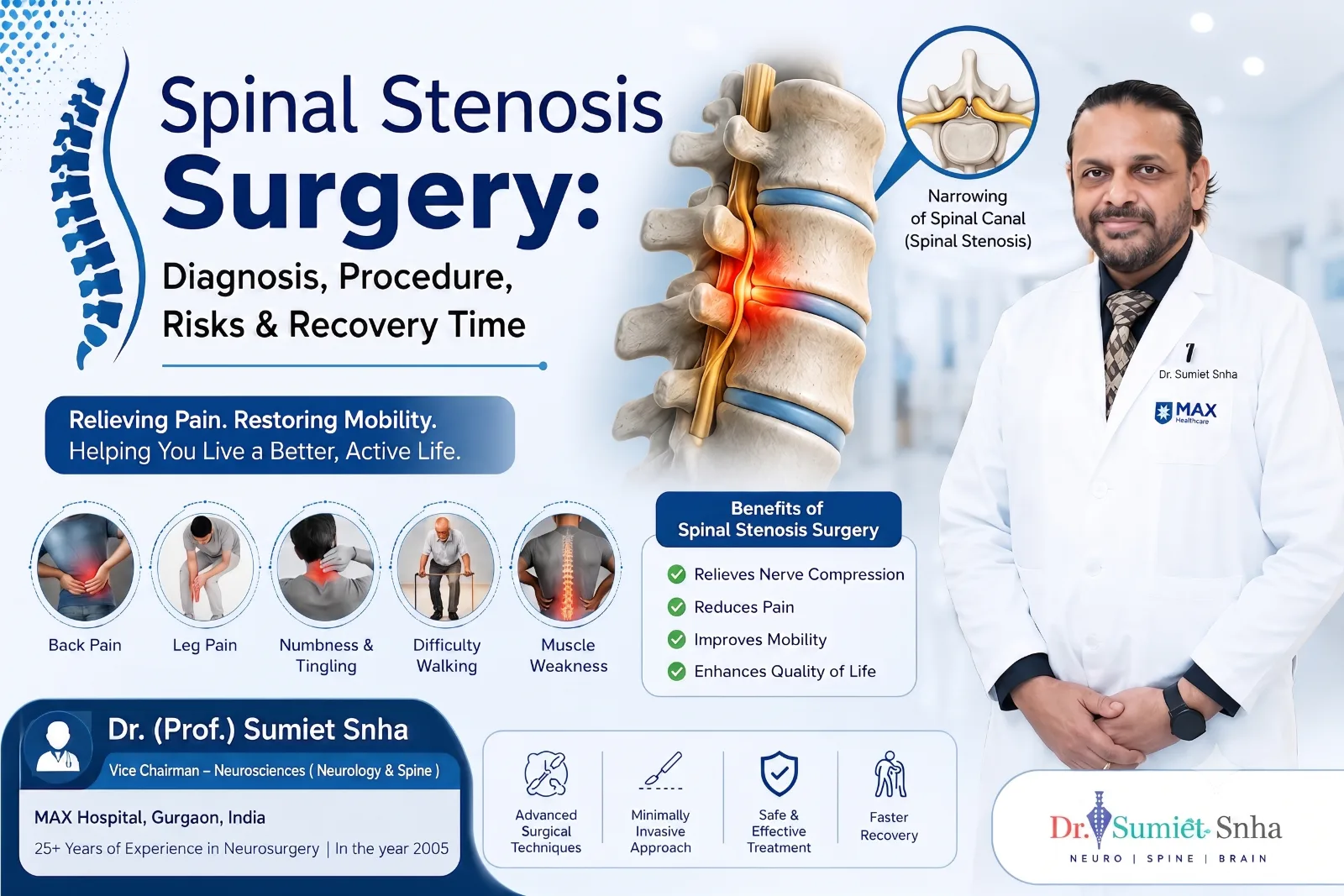
Spinal stenosis is a condition in which the spaces within the spine become narrower, placing pressure on the spinal cord or nearby nerves. Spinal Stenosis Surgery may be considered when persistent pain, numbness, weakness, or difficulty walking continues despite medications, physiotherapy, lifestyle changes, and other conservative treatments. Thanks to advances in modern Spine Surgery, many patients now benefit from minimally invasive techniques that can reduce tissue damage, shorten hospital stays, and support a faster recovery.
Understanding when surgery is appropriate is essential for making informed healthcare decisions. This comprehensive guide explains the causes and symptoms of spinal stenosis, how the condition is diagnosed, the different surgical procedures available, possible risks, expected recovery time, and practical recovery tips. Whether you are experiencing lumbar or cervical spinal stenosis, this article provides evidence-based, patient-focused information to help you discuss the most suitable treatment options with an experienced spine specialist in Delhi NCR or Dwarka.
What Is Spinal Stenosis?
Understanding Spinal Stenosis
Spinal stenosis is a condition in which the spinal canal becomes narrower than normal, reducing the available space for the spinal cord and surrounding spinal nerves. As the canal narrows, the nerves may become compressed, leading to symptoms such as back pain, neck pain, numbness, tingling, muscle weakness, and difficulty walking. The condition usually develops gradually and is most commonly associated with age-related degeneration of the spine. Factors such as arthritis, bone spurs, thickened ligaments, and degenerative disc disease can contribute to this narrowing over time. Although spinal stenosis is more common in adults over the age of 50, younger individuals may also develop it due to congenital spinal abnormalities, injuries, or certain medical conditions.
Types of Spinal Stenosis
The two most common types of spinal stenosis are Lumbar Stenosis and Cervical Stenosis. Lumbar stenosis affects the lower back and is the most frequently diagnosed form. It often causes lower back pain, leg pain, sciatica, numbness, or weakness that worsens while standing or walking and improves with sitting or bending forward. Cervical stenosis occurs in the neck region and may lead to neck pain, pain radiating to the shoulders or arms, hand weakness, poor balance, and coordination problems. Early diagnosis is important because timely treatment can help relieve nerve compression, improve mobility, and reduce the likelihood of complications. When non-surgical treatments fail to provide lasting relief, Spinal Stenosis Surgery may be recommended to decompress the affected nerves and restore function.
Common Causes of Spinal Stenosis
Age-Related Changes
The most common cause of spinal stenosis is the natural aging process. As people grow older, the spine undergoes gradual wear and tear, which can reduce the space within the spinal canal and place pressure on nearby nerves. Common age-related causes include:
- Arthritis, which damages the spinal joints and leads to inflammation.
- Bone spurs that develop as the body responds to joint degeneration.
- Disc degeneration, where spinal discs lose height and flexibility, contributing to nerve compression.
Other Causes
Besides aging, several other conditions can also lead to spinal canal narrowing, including:
- Herniated disc pressing against spinal nerves.
- Thickened ligaments that reduce the available space in the spinal canal.
- Spinal injuries caused by falls, sports injuries, or road accidents.
- Congenital spinal canal narrowing, where individuals are born with a naturally narrow spinal canal.
- Spine tumors (rare) that occupy space within the spinal canal and compress surrounding nerves.
Identifying the underlying cause is essential for choosing the most appropriate treatment, whether through conservative care or Spinal Stenosis Surgery when symptoms become severe.
Symptoms That May Require Spinal Stenosis Surgery
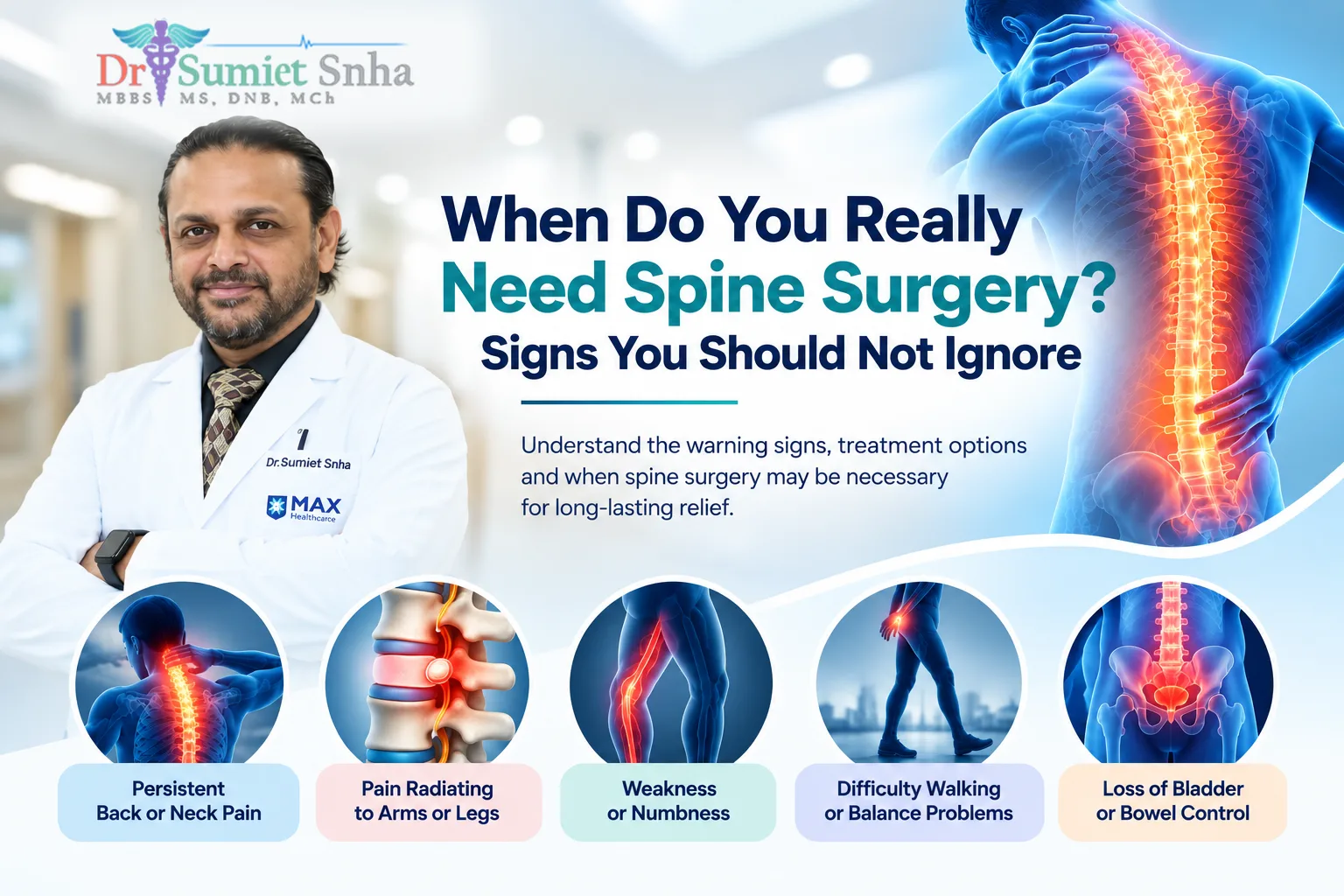
The symptoms of spinal stenosis often develop gradually and may worsen over time as pressure on the spinal nerves increases. While many people experience relief with medications, physiotherapy, and lifestyle modifications, persistent or progressive symptoms may indicate the need for Spinal Stenosis Surgery. Common warning signs include:
- Persistent back pain that does not improve with conservative treatment.
- Neck pain accompanied by stiffness or reduced movement.
- Leg pain while walking, often relieved by sitting or bending forward.
- Arm pain caused by cervical nerve compression.
- Tingling sensation or numbness in the arms, hands, legs, or feet.
- Muscle weakness, difficulty walking, or balance problems.
- Loss of bladder or bowel control, which is a medical emergency requiring immediate evaluation.
How Is Spinal Stenosis Diagnosed?
Medical Evaluation
Diagnosing spinal stenosis begins with a detailed medical evaluation. A spine specialist reviews the patient's medical history, including the duration of symptoms, pain pattern, previous injuries, and overall health. This is followed by a physical examination to assess posture, spinal movement, muscle strength, and flexibility. A neurological examination is also performed to check reflexes, sensation, balance, and nerve function, helping identify the extent of nerve compression.
Imaging Tests
To confirm the diagnosis and determine the severity of the condition, imaging tests are recommended. Common investigations include X-ray to evaluate bone changes, an MRI Scan to visualize nerves, discs, and soft tissues, and a CT Scan for detailed bone imaging. In selected cases, an EMG (Electromyography) may be performed to assess nerve and muscle function. These findings help determine whether Spinal Stenosis Surgery is the most appropriate treatment option
When Is Spinal Stenosis Surgery Recommended?
Spinal Stenosis Surgery is generally recommended when non-surgical treatments no longer provide adequate relief and symptoms continue to interfere with daily activities. Most patients are initially treated with medications, physiotherapy, exercise, and lifestyle modifications. However, surgery may be considered if the condition progresses or causes significant nerve damage. Common situations where surgery is advised include:
- Failure of medications to control persistent pain.
- Failed physiotherapy despite completing a structured rehabilitation program.
- Severe nerve compression confirmed through clinical evaluation and imaging.
- Progressive muscle weakness in the arms or legs.
- Difficulty walking due to pain, numbness, or balance problems.
- Loss of bladder or bowel function, which requires immediate medical attention.
- Reduced quality of life, making routine activities difficult despite conservative care.
The decision to undergo surgery is based on the severity of symptoms, imaging findings, overall health, and the patient's functional limitations.
Types of Spinal Stenosis Surgery
The choice of Spinal Stenosis Surgery depends on the severity of nerve compression, spinal stability, the affected spinal region, and the patient's overall health. The primary goal of surgery is to relieve pressure on the spinal nerves, reduce pain, and improve mobility. Modern Spine Surgery techniques offer several surgical options, ranging from traditional decompression procedures to advanced minimally invasive approaches.
|
Surgery Type |
Purpose |
Key Benefits |
|
Laminectomy |
Removes part or all of the lamina to create more space for the spinal nerves. |
Effective nerve decompression, improved leg and back pain, better mobility. |
|
Laminotomy |
Removes only a small portion of the lamina while preserving more of the spinal structure. |
Less bone removal, maintains spinal stability, shorter recovery in selected patients. |
|
Spinal Fusion |
Joins two or more vertebrae to stabilize the spine after decompression. |
Improves spinal stability, reduces abnormal movement, relieves pain caused by instability. |
|
Endoscopic Surgery |
Uses a tiny camera and specialized instruments through a small incision to decompress affected nerves. |
Less pain, minimal muscle damage, reduced scarring, and faster recovery. |
|
Minimally Invasive Surgery (MISS) |
Performs decompression using specialized instruments through smaller incisions. |
Less tissue damage, reduced blood loss, lower infection risk, shorter hospital stay, and quicker return to daily activities. |
The most suitable procedure is determined after a comprehensive clinical evaluation and imaging studies, ensuring that the treatment is tailored to the patient's symptoms, spinal condition, and long-term recovery goals.
Step-by-Step Procedure of Spinal Stenosis Surgery
The exact procedure for Spinal Stenosis Surgery depends on the location and severity of nerve compression. However, most surgeries follow a structured process designed to safely relieve pressure on the spinal nerves while preserving spinal stability whenever possible. Below are the typical steps involved:
|
Step |
Procedure |
|
1. Pre-operative Assessment |
The patient undergoes a detailed medical evaluation, including a physical examination, blood tests, ECG, and imaging studies such as MRI or CT scans to plan the surgery. |
|
2. Anesthesia |
General anesthesia is usually administered to ensure the patient remains comfortable and pain-free throughout the procedure. |
|
3. Small or Traditional Incision |
Depending on the surgical technique, the surgeon makes either a small incision for minimally invasive surgery or a larger incision for conventional surgery. |
|
4. Decompression of Nerves |
The surgeon carefully relieves pressure on the compressed spinal nerves by creating additional space within the spinal canal. |
|
5. Removal of Bone Spurs or Damaged Tissue |
Bone spurs, thickened ligaments, or damaged disc material causing nerve compression are removed to restore normal nerve function. |
|
6. Spinal Stabilization (If Required) |
If spinal instability is present, a spinal fusion or other stabilization procedure may be performed to support the affected vertebrae. |
|
7. Wound Closure |
The incision is closed using sutures or surgical staples, and a sterile dressing is applied to reduce the risk of infection. |
|
8. Recovery Room Monitoring |
After surgery, the patient is closely monitored in the recovery area until the effects of anesthesia wear off. Pain control, neurological function, and vital signs are carefully assessed before transfer to the hospital room. |
The duration of Spinal Stenosis Surgery varies depending on the complexity of the procedure, but many patients begin walking within a day under medical supervision and continue recovery with a personalized rehabilitation plan.
Risks and Possible Complications
Like any surgical procedure, Spinal Stenosis Surgery carries certain risks. However, serious complications are relatively uncommon, especially when the procedure is performed by an experienced Spine Surgeon using advanced surgical techniques and appropriate patient selection. Understanding these potential risks helps patients make informed decisions and prepare for surgery.
Some possible complications include:
- Infection at the surgical site, which may require antibiotics or additional treatment.
- Bleeding during or after the procedure, although significant blood loss is uncommon.
- Blood clots in the legs (deep vein thrombosis) that can occasionally travel to the lungs.
- Nerve injury, which may result in temporary or, rarely, permanent weakness or numbness.
- Dural tear, where the protective covering of the spinal cord is accidentally opened, causing a cerebrospinal fluid leak.
- Persistent pain if the underlying condition is severe or multiple spinal problems are present.
- Failed Back Surgery Syndrome (FBSS), where pain continues or returns despite surgery.
- Need for revision surgery if symptoms recur or additional spinal instability develops.
The overall risk of complications is generally lower when surgery is performed by an experienced Spine Surgeon using minimally invasive or advanced spine surgery techniques, along with careful pre-operative planning and appropriate post-operative rehabilitation.
Recovery Time After Spinal Stenosis Surgery
Recovery after Spinal Stenosis Surgery varies depending on the type of procedure performed, the patient's overall health, and adherence to the rehabilitation plan. Many patients experience gradual improvement in pain and mobility over the following weeks and months. Following medical advice and participating in rehabilitation are essential for achieving the best possible outcome.
First Week
During the first week, patients are encouraged to begin walking under medical supervision to improve circulation and reduce the risk of complications. Pain management with prescribed medications helps control discomfort, while proper wound care keeps the surgical incision clean and promotes healing. Heavy lifting and strenuous activities should be avoided during this period.
First Month
By the first month, most patients begin a structured physiotherapy program to strengthen spinal muscles and improve flexibility. Gradual improvement in mobility allows patients to perform light daily activities, although strenuous exercise should still be postponed until approved by the surgeon.
Long-Term Recovery
Long-term recovery focuses on safely returning to work, following a personalized exercise program, and attending regular follow-up visits to monitor healing. Maintaining a healthy lifestyle, proper posture, and consistent rehabilitation can help improve long-term outcomes and reduce the risk of future spinal problems.
Tips for Faster Recovery
A successful recovery after Spinal Stenosis Surgery depends not only on the surgical procedure but also on following a well-planned rehabilitation program. Adopting healthy habits can speed up healing, reduce the risk of complications, and help restore strength and mobility. Consider the following recovery tips:
- Follow your doctor's advice and take medications exactly as prescribed.
- Walk daily for short distances to improve blood circulation and gradually increase mobility.
- Maintain proper posture while sitting, standing, and sleeping to reduce stress on the spine.
- Attend physiotherapy sessions regularly to rebuild muscle strength, flexibility, and balance.
- Eat a healthy diet rich in protein, vitamins, calcium, and minerals to support tissue healing.
- Avoid smoking, as it can delay wound healing and affect bone recovery.
- Avoid heavy lifting and sudden twisting movements until your surgeon approves these activities.
- Maintain a healthy weight to reduce pressure on the spine and improve long-term outcomes.
- Perform spine-strengthening exercises recommended by your healthcare provider to enhance stability and prevent future spinal problems.
Following these recommendations consistently can help promote a smoother recovery, improve overall spinal function, and support a safe return to normal daily activities.
When Should You Consult a Spine Specialist?
Early evaluation by a Spine Specialist is important when back or neck symptoms persist despite rest, medications, or physiotherapy. Delaying treatment may allow nerve compression to worsen, increasing the risk of permanent nerve damage and reduced mobility. While not every patient requires Spinal Stenosis Surgery, timely medical assessment helps identify the most appropriate treatment before the condition progresses.
You should seek medical advice if you experience:
- Severe back pain that interferes with daily activities.
- Persistent leg pain, especially pain that worsens while walking or standing.
- Progressive weakness in the arms or legs.
- Difficulty walking or frequent loss of balance.
- Numbness or tingling that continues or becomes more severe.
- Bladder or bowel dysfunction, which is a medical emergency requiring immediate attention.
- Symptoms lasting more than 6 weeks despite appropriate conservative treatment.
If these symptoms are present, consulting an experienced Spine Specialist can help ensure an accurate diagnosis and a personalized treatment plan based on your condition and imaging findings
Frequently Asked Questions
1. What is Spinal Stenosis Surgery?
Spinal Stenosis Surgery is a procedure performed to relieve pressure on the spinal cord or compressed nerves caused by narrowing of the spinal canal. The goal is to reduce pain, improve mobility, and restore nerve function.
2. Is surgery the only treatment for spinal stenosis?
No. Most patients are initially treated with medications, physiotherapy, exercise, lifestyle modifications, and spinal injections. Surgery is usually considered only when these treatments fail to provide lasting relief or neurological symptoms worsen.
3. How long does spinal stenosis surgery take?
The duration depends on the type of procedure and the complexity of the condition. In most cases, surgery takes 1 to 3 hours, although more complex procedures may require additional time.
4. Is spinal stenosis surgery painful?
The surgery itself is performed under anesthesia, so patients do not feel pain during the procedure. Mild to moderate discomfort after surgery is common and is usually managed effectively with prescribed pain medications.
5. What is the recovery time after spinal stenosis surgery?
Recovery varies according to the surgical technique and the patient's overall health. Many patients resume light daily activities within a few weeks, while complete recovery may take 3 to 6 months.
6. What are the risks of spinal stenosis surgery?
Possible risks include infection, bleeding, blood clots, nerve injury, dural tear, persistent pain, and the need for additional surgery. These complications are relatively uncommon when surgery is performed by an experienced spine surgeon.
7. Can spinal stenosis return after surgery?
Although surgery effectively relieves nerve compression, age-related spinal degeneration may continue over time. Following your rehabilitation plan and maintaining a healthy lifestyle can help reduce the risk of future spinal problems.
8. When can I walk after spinal stenosis surgery?
Many patients are encouraged to begin walking within 24 hours after surgery under medical supervision. Walking promotes circulation, supports healing, and helps reduce the risk of complications.
9. Is minimally invasive surgery better than open surgery?
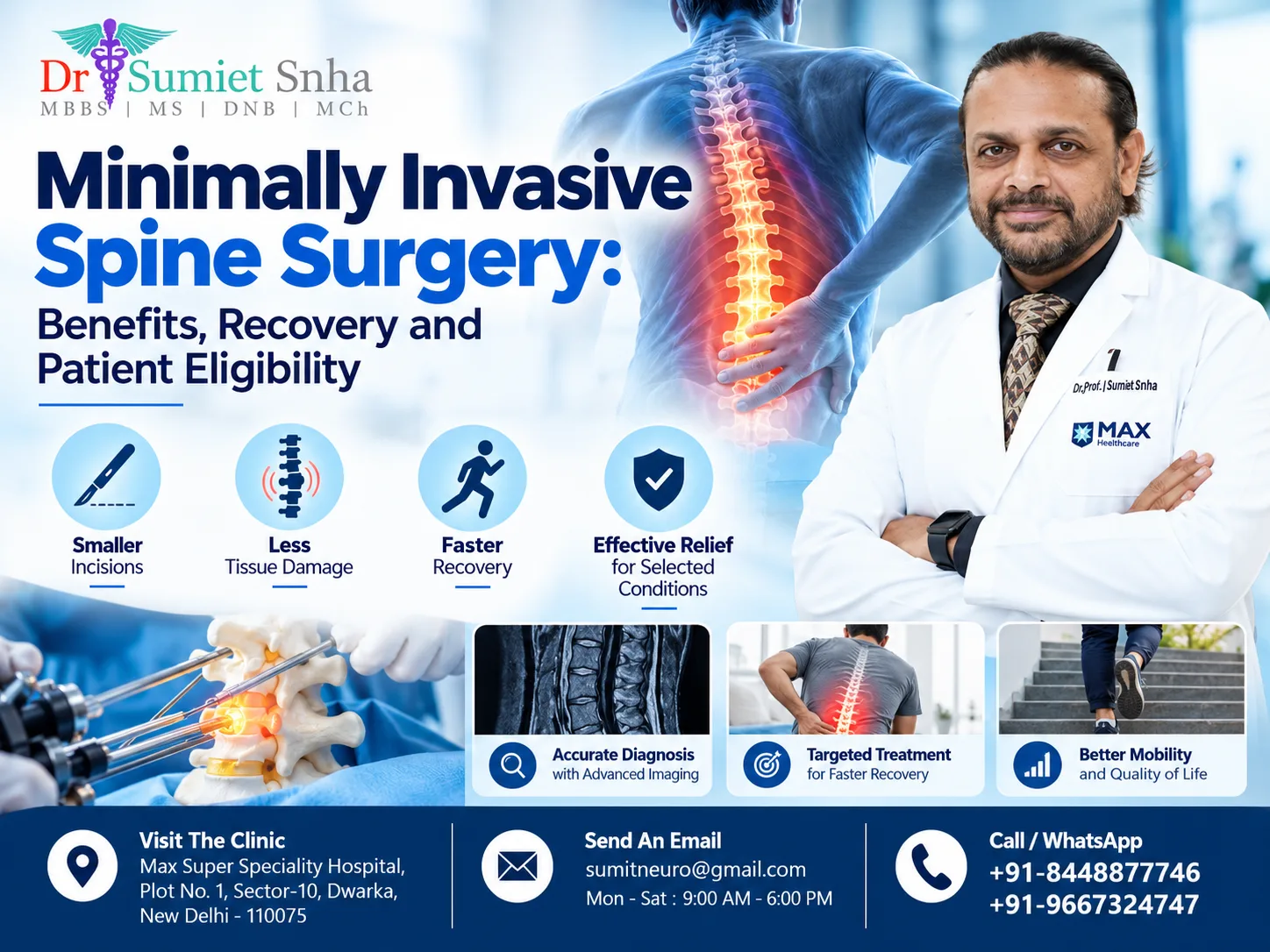
Minimally invasive spine surgery offers benefits such as smaller incisions, less muscle damage, reduced blood loss, shorter hospital stays, and faster recovery. However, the most suitable procedure depends on the patient's individual condition.
10. When should I consult a spine specialist?
You should seek medical evaluation if you experience persistent back or neck pain, progressive weakness, numbness, difficulty walking, or bladder and bowel dysfunction. Early diagnosis often leads to more effective treatment.
11. How do I choose the right spine surgeon?
Choose a specialist with extensive experience in diagnosing and treating spinal disorders, expertise in both minimally invasive and conventional spine surgery, access to advanced diagnostic facilities, and a patient-centered approach to care.
12. Who is Dr. (Prof.) Sumiet Sinha?
Dr. (Prof.) Sumiet Sinha is the Vice Chairman – Neurosciences (Neurology & Spine) at MAX Hospital, Gurgaon, India. He has more than 25 years of experience in the field of neurosurgery and has been associated with advanced neurosurgical and spine care since 2005. His clinical expertise includes the evaluation and management of complex brain and spine disorders using evidence-based treatment approaches.
Conclusion
Spinal stenosis is a progressive condition that can significantly affect mobility and quality of life if left untreated. Fortunately, not every patient requires Spinal Stenosis Surgery, as many individuals improve with medications, physiotherapy, exercise, and lifestyle modifications. Surgery is generally recommended only when conservative treatments fail or when severe nerve compression, progressive weakness, or bladder and bowel dysfunction develops.
An accurate diagnosis and a personalized treatment plan are essential for achieving the best possible outcome. Consulting an experienced Spine Specialist can help determine whether non-surgical treatment or surgery is the most appropriate option. Dr. (Prof.) Sumiet Sinha, Vice Chairman – Neurosciences (Neurology & Spine) at MAX Hospital, Gurgaon, India, has 25+ years of experience in neurosurgery and has been providing advanced spine care since 2005. Making informed decisions with expert medical guidance can improve recovery, restore function, and support long-term spinal health.

0 Comments