Neurological health plays a critical role in maintaining the proper functioning of the human body, and even minor symptoms should never be ignored. If you are experiencing unusual headaches, nerve pain, dizziness, or weakness, it may be time to consult the best neurosurgeon in Delhi, as early evaluation can prevent serious complications.
Neurological symptoms should never be ignored, because they can indicate underlying issues related to the brain, spine, or nervous system that may worsen over time if left untreated. Early diagnosis and timely treatment are essential to prevent permanent damage and improve recovery outcomes.
When it comes to complex brain and spine conditions, consulting the best neurosurgeon in Delhi can make a significant difference in ensuring accurate diagnosis and advanced treatment options. A skilled neurosurgeon can identify the root cause of symptoms and recommend the most effective medical or surgical approach when needed.
Early medical attention not only improves treatment success but also enhances the patient’s quality of life by reducing long-term risks and complications.
What Does a Neurosurgeon Do?
A neurosurgeon is a highly trained medical specialist who diagnoses and treats conditions related to the brain, spine, and nervous system. In many complex cases, patients are referred to the best neurosurgeon in Delhi to ensure accurate evaluation and advanced treatment for neurological disorders. Neurosurgeons play a crucial role in managing both surgical and non-surgical conditions that affect the nervous system.
Understanding the Role of a Neurosurgeon
The primary role of a neurosurgeon is to identify and treat disorders that impact the nervous system, including the brain, spinal cord, and peripheral nerves. These specialists are trained to perform delicate surgical procedures when necessary, but they also focus on non-surgical treatment options depending on the patient’s condition.
Key responsibilities include:
- Diagnosing brain and spine disorders using advanced imaging techniques
- Treating nerve compression, injuries, and neurological diseases
- Performing complex brain and spine surgeries when required
- Managing trauma cases involving the nervous system
Conditions Affecting the Brain, Spine, and Nervous System
Neurosurgeons treat a wide range of conditions that can significantly affect a patient’s health and quality of life. Early consultation with the best neurosurgeon in Delhi is important for proper diagnosis and treatment planning.
Common conditions include:
- Brain tumors and head injuries
- Spinal cord disorders and herniated discs
- Nerve compression syndromes
- Epilepsy and seizure-related disorders (in selected surgical cases)
These conditions often require detailed evaluation through MRI, CT scans, and neurological assessments to determine the best course of treatment.
Difference Between a Neurologist and a Neurosurgeon
Although both specialists deal with neurological conditions, their roles are different. A neurologist focuses mainly on diagnosis and medical (non-surgical) treatment, while a neurosurgeon is trained to perform surgical procedures when necessary.
Simple comparison:
- Neurologist → Treats neurological diseases with medication and therapy
- Neurosurgeon → Performs surgery for brain, spine, and nerve conditions when required
In many cases, neurologists and neurosurgeons work together to provide comprehensive care, ensuring patients receive the most effective treatment approach. Consulting the best neurosurgeon in Delhi becomes essential when surgical intervention or advanced neurological care is needed.
Common Symptoms That May Indicate You Need a Neurosurgeon
Recognizing early warning signs of neurological problems is very important, as timely treatment can prevent serious complications. If you are experiencing persistent or unusual symptoms, consulting the best neurosurgeon in Delhi can help in accurate diagnosis and effective management of brain, spine, and nerve-related conditions. These symptoms often indicate underlying neurological issues that should not be ignored.
Persistent or Severe Headaches
Frequent or intense headaches that do not improve with regular medication may be a sign of an underlying neurological condition. When headaches become severe, recurring, or different from usual patterns, medical evaluation is necessary to rule out serious brain-related issues.
Chronic Neck or Back Pain
Ongoing neck or back pain that affects daily life may be linked to spinal disorders such as disc problems or nerve compression. If pain limits movement or worsens over time, neurosurgical assessment becomes important for proper treatment planning.
Numbness, Tingling, or Weakness in the Limbs
Unexplained sensations like numbness, tingling, or weakness in arms or legs may indicate nerve damage or spinal cord compression. These symptoms should never be ignored, as early diagnosis can prevent permanent nerve damage.
Balance Problems and Difficulty Walking
Difficulty in maintaining balance or walking steadily may suggest issues related to the brain, spine, or inner nervous system. Such coordination problems require immediate neurological evaluation to identify the root cause.
Frequent Dizziness or Vertigo
Repeated dizziness or spinning sensations can be linked to brain or nerve disorders. Proper diagnosis is essential, as untreated conditions may lead to worsening neurological health.
Seizures or Sudden Loss of Consciousness
Seizures or fainting episodes are serious symptoms that may indicate brain abnormalities. Immediate medical attention is required, and consultation with the best neurosurgeon in Delhi is often recommended for advanced care.
Memory Loss or Cognitive Changes
Gradual memory loss, confusion, or difficulty concentrating may signal neurological disorders affecting brain function. Early evaluation helps in detecting conditions at an initial stage and improves treatment outcomes.
Loss of Bladder or Bowel Control
Sudden or unexplained loss of bladder or bowel control can be a warning sign of spinal cord compression. This is a medical emergency, and urgent neurosurgical consultation is necessary to prevent long-term damage.
Conditions Commonly Treated by Neurosurgeons
Neurosurgeons diagnose and manage a wide range of complex conditions affecting the brain, spine, and nervous system. Patients are often advised to consult the best neurosurgeon in Delhi when symptoms become severe or when advanced medical or surgical intervention is required. These conditions can significantly impact daily life if not treated at the right time.
Brain Disorders
Brain-related conditions require careful evaluation and often specialized treatment to prevent long-term complications. Neurosurgeons play a vital role in managing these disorders through advanced techniques and surgical expertise.
Common brain disorders include:
- Brain tumors
- Hydrocephalus
- Traumatic brain injuries
These conditions may cause symptoms such as headaches, vomiting, vision problems, or loss of coordination, and early diagnosis is crucial for effective treatment and recovery.
Spine Conditions
Spinal disorders are among the most common reasons patients seek neurosurgical care. These conditions can lead to chronic pain, nerve compression, and mobility issues if not treated properly.
Common spine conditions include:
- Herniated discs
- Spinal stenosis
- Degenerative spine diseases
Timely medical attention can prevent worsening of symptoms and improve quality of life, especially when guided by an experienced specialist like the best neurosurgeon in Delhi.
Nerve Disorders
Nerve-related conditions often cause pain, weakness, or abnormal sensations in different parts of the body. Neurosurgeons help diagnose and treat these issues using both surgical and non-surgical methods.
Common nerve disorders include:
- Peripheral nerve injuries
- Trigeminal neuralgia
- Carpal tunnel syndrome
Proper diagnosis is essential to avoid permanent nerve damage and long-term disability.
When Should You See a Neurosurgeon?
You should consider consulting a neurosurgeon when neurological symptoms become persistent, severe, or interfere with daily life. Early intervention plays a critical role in preventing complications and improving treatment success.
Seeking care from the best neurosurgeon in Delhi ensures access to advanced diagnostic tools, expert evaluation, and personalized treatment plans. This leads to better outcomes and faster recovery for patients dealing with brain, spine, or nerve-related conditions.
How a Neurosurgeon Diagnoses Neurological Conditions
Accurate diagnosis is the most important step in treating brain, spine, and nerve-related disorders. A neurosurgeon carefully evaluates each patient to understand the root cause of symptoms before recommending any treatment. Many patients are referred to the best neurosurgeon in Delhi when symptoms become complex or require advanced neurological assessment and care.
Medical History and Physical Examination
The diagnostic process begins with a detailed review of the patient’s medical history, lifestyle factors, and current symptoms. This helps the specialist understand how long the condition has been present and how it is affecting daily life. A physical and neurological examination is also performed to check reflexes, muscle strength, coordination, and sensory response. This step is essential to identify early signs of brain, spine, or nerve disorders.
MRI, CT Scans, and Other Diagnostic Tests
Advanced imaging techniques such as MRI and CT scans play a crucial role in detecting internal abnormalities in the brain and spine. These tests help the neurosurgeon visualize tumors, nerve compression, spinal damage, or brain injuries with high accuracy. In some cases, additional tests like nerve conduction studies or EEG may also be recommended. These diagnostic tools ensure precise identification of neurological problems for effective treatment planning.
Personalized Treatment Planning
After completing the diagnosis, the neurosurgeon develops a customized treatment plan based on the patient’s condition, age, and overall health. Treatment may include medication, physiotherapy, or surgical intervention depending on severity. Consulting the best neurosurgeon in Delhi ensures access to advanced treatment options and expert guidance throughout the recovery process.
A personalized approach improves treatment success, reduces risks, and helps patients achieve better long-term neurological health outcomes.
Choosing the Best Neurosurgeon in Delhi
Selecting the right specialist for brain, spine, or nerve-related conditions is a crucial decision that directly affects treatment outcomes and recovery. When searching for the best neurosurgeon in Delhi, patients should carefully evaluate several important factors such as qualifications, experience, and clinical success rates to ensure they receive the highest standard of neurological care.
Qualifications and Experience to Look For
A highly skilled neurosurgeon must have strong academic training, specialized neurosurgical education, and years of practical experience in handling complex cases. Experience plays a vital role in managing delicate brain and spine surgeries with precision and safety. Patients should always prefer specialists who have worked in reputed medical institutions and have extensive exposure to advanced neurological procedures.
Importance of Advanced Surgical Expertise
Modern neurosurgery requires advanced surgical skills supported by the latest technology and techniques. A neurosurgeon with strong expertise in minimally invasive and complex brain-spine procedures can significantly improve recovery outcomes and reduce risks. This is one of the key reasons why choosing the best neurosurgeon in Delhi is essential for patients dealing with serious neurological conditions.
Patient Reviews and Treatment Outcomes
Patient feedback and treatment success rates provide valuable insight into a neurosurgeon’s expertise and approach to care. Positive outcomes, successful surgeries, and patient satisfaction reflect the quality and reliability of treatment provided by the specialist.
Hospital Facilities and Technology
Advanced hospital infrastructure, modern operation theatres, and cutting-edge diagnostic tools are essential for effective neurosurgical treatment. Better facilities ensure accurate diagnosis, safer surgeries, and improved recovery rates for patients.
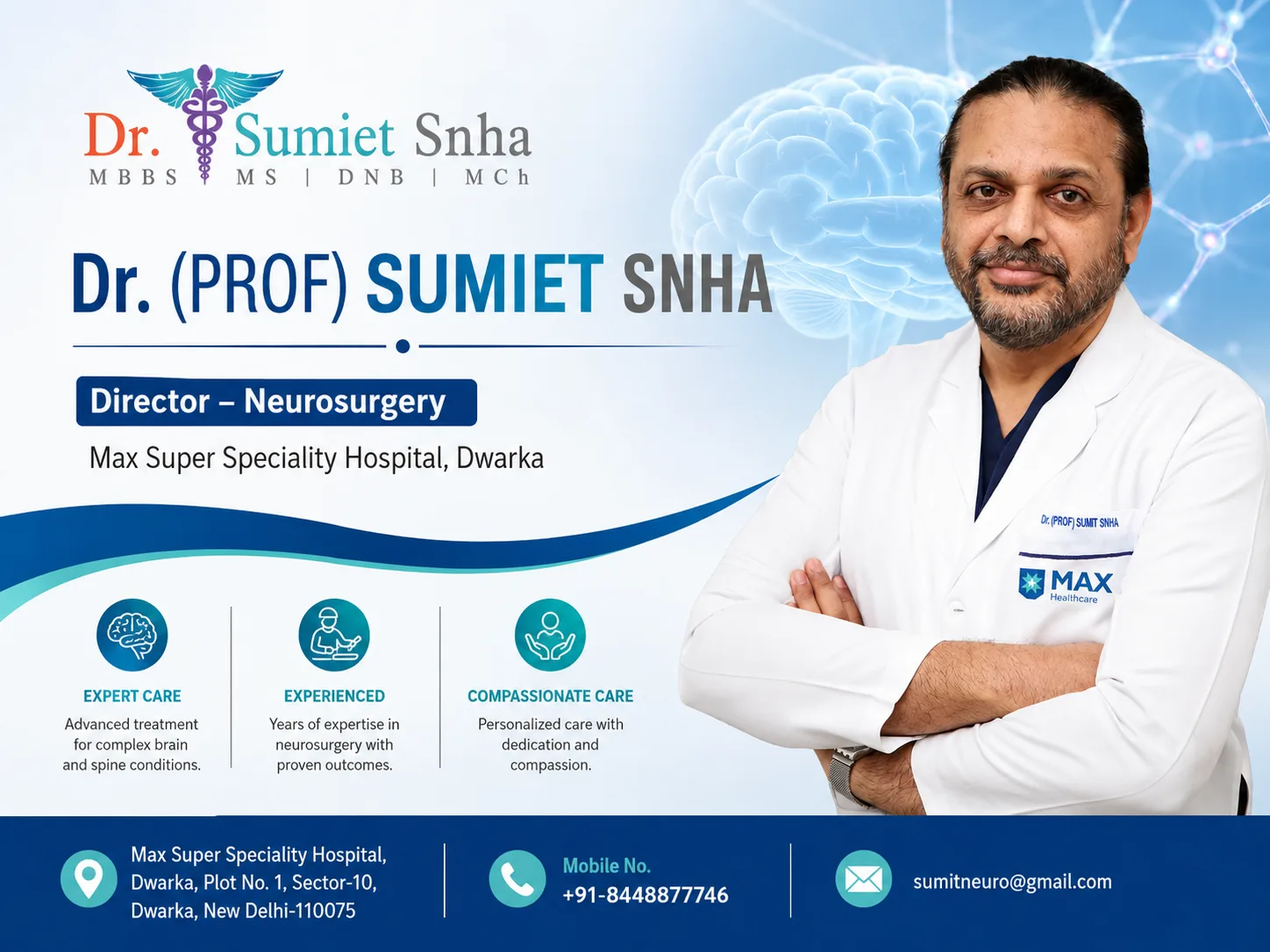
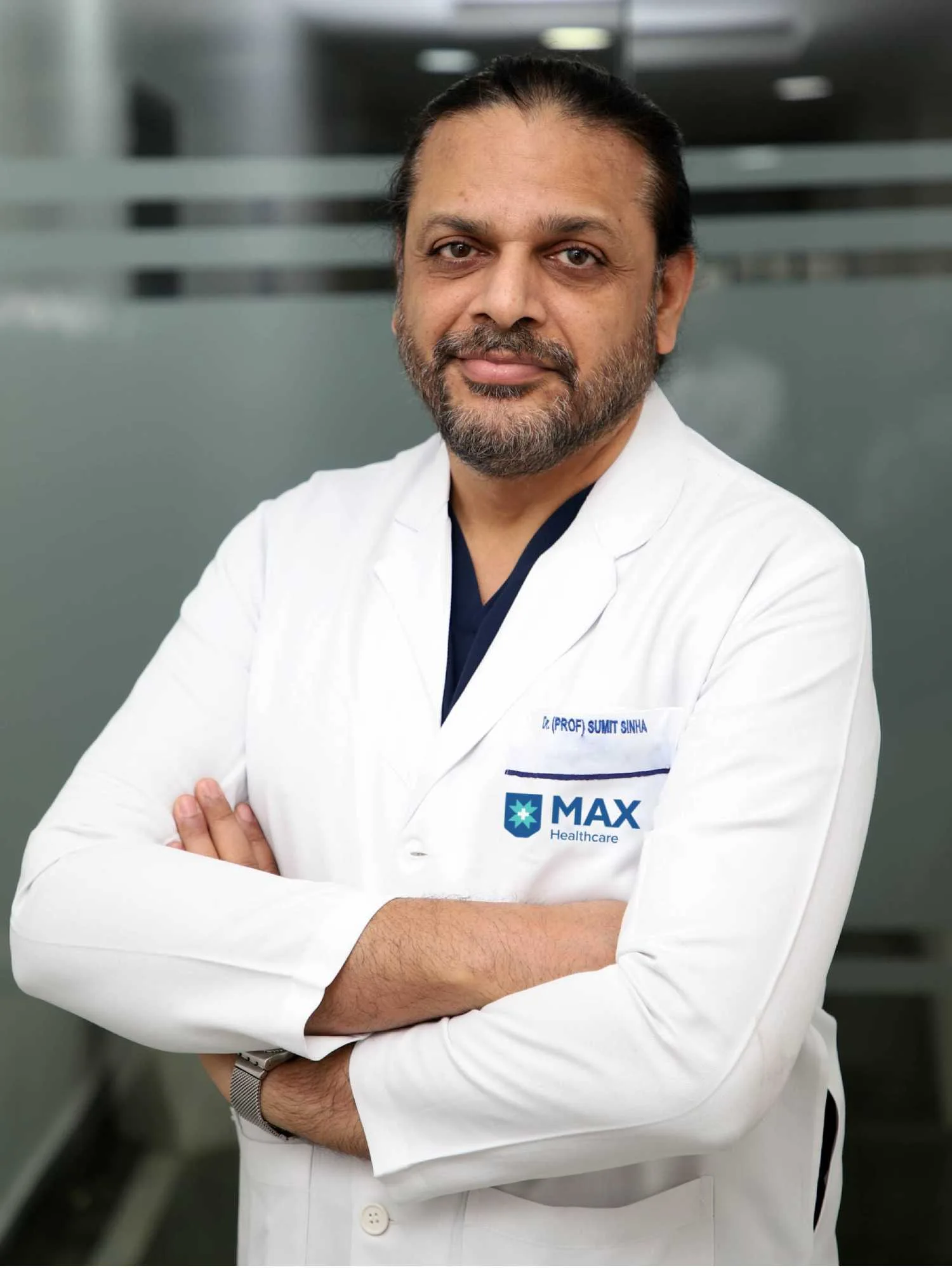
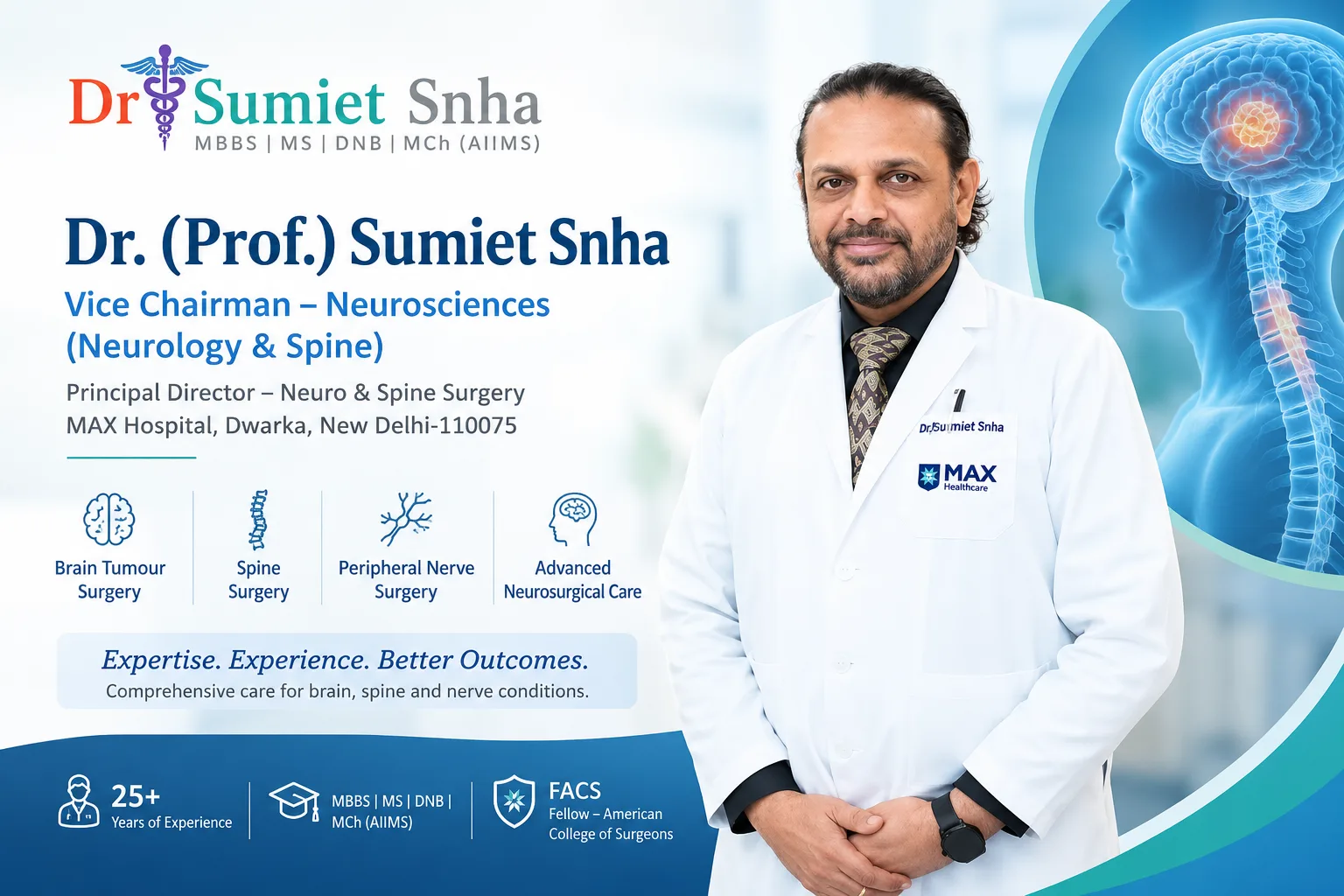
About Dr. (Prof.) Sumiet Snha
Dr. (Prof.) Sumiet Snha, Vice Chairman – Neurosciences (Neurology & Spine), is a highly experienced neurosurgeon with over 25+ years of expertise in the field of neurosurgery. He completed his neurosurgical training from the prestigious All India Institute of Medical Sciences (AIIMS), New Delhi, India, one of the most reputed medical institutes in the country.
After completing his degree, he was appointed as faculty at AIIMS in 2005, demonstrating his exceptional academic and clinical excellence. Over the years, Dr. Snha has gained international exposure and advanced training by working with renowned neurosurgical experts across the world, including Prof. Hiroshi Sano (Japan), Prof. Louise Vialle (Brazil), and Prof. B. Meyer (Germany).
Currently associated with MAX Hospital, Gurgaon, India, he is widely recognized for his expertise in complex brain and spine surgeries. With vast experience and global exposure, he is regarded as one of the best neurosurgeons in Delhi and Gurgaon (India), known for delivering advanced, patient-focused neurological care.
Choosing an experienced specialist like Dr. (Prof.) Sumiet Snha ensures accurate diagnosis, advanced treatment, and better recovery outcomes for patients seeking the best neurosurgeon in Delhi.
Frequently Asked Questions (FAQs)
1. Can a neurosurgeon treat conditions without surgery?
Yes, a neurosurgeon can treat many conditions without surgery. In fact, surgery is recommended only when necessary. Many patients consulting the best neurosurgeon in Delhi receive medication, physiotherapy, or lifestyle-based treatment plans depending on their condition.
2. What symptoms require immediate neurosurgical attention?
Severe headaches, seizures, sudden weakness, loss of balance, or loss of bladder control require immediate evaluation. These symptoms may indicate serious brain or spine disorders that need urgent care.
3. How do I know if I need a neurologist or a neurosurgeon?
If your condition requires medication and diagnosis, a neurologist is appropriate. If surgical intervention may be needed for brain, spine, or nerve issues, you should consult a neurosurgeon. In complex cases, both specialists often work together for better outcomes.
4. What tests does a neurosurgeon perform?
A neurosurgeon may recommend MRI scans, CT scans, X-rays, EEG, or nerve conduction studies. These tests help in accurate diagnosis of neurological conditions affecting the brain and spine.
5. How can I find the best neurosurgeon in Delhi?
You can find the best neurosurgeon in Delhi by checking qualifications, experience, hospital reputation, patient reviews, and success rates. Choosing a highly experienced specialist ensures safe and effective treatment.
6. Are all brain problems treated with surgery?
No, many brain conditions are managed without surgery. Treatment depends on the severity and type of condition. Surgery is recommended only when absolutely necessary.
7. What is the recovery time after neurosurgery?
Recovery time varies depending on the type of surgery and patient health. Some patients recover in weeks, while others may take months for full recovery.
8. Is back pain always treated by a neurosurgeon?
Not always. Mild back pain can be treated with medication or physiotherapy. However, chronic or severe spine problems may require neurosurgical evaluation.
9. What causes neurological disorders?
Neurological disorders can be caused by injuries, infections, tumors, genetic factors, or age-related degeneration. Early diagnosis helps in better treatment outcomes.
10. Can children also need a neurosurgeon?
Yes, children may require neurosurgical care for congenital brain or spine conditions. Pediatric neurosurgery is a specialized field for treating such cases.
11. Is MRI always required before seeing a neurosurgeon?
Not always, but MRI and CT scans are commonly used for accurate diagnosis. Your neurosurgeon will decide the necessary tests based on symptoms.
12. When should I follow up after treatment?
Follow-up depends on the treatment plan. Regular check-ups are important to monitor recovery and prevent complications.
Conclusion
Neurological symptoms should never be ignored, as they may indicate serious brain, spine, or nerve-related conditions. Early recognition of warning signs such as persistent headaches, numbness, weakness, or balance issues is essential for timely treatment and better outcomes.
Timely medical evaluation plays a critical role in preventing complications and improving recovery chances. Consulting the best neurosurgeon in Delhi ensures access to accurate diagnosis, advanced treatment options, and expert neurological care.
If symptoms persist or worsen, seeking help from an experienced neurosurgeon is strongly recommended for proper diagnosis, effective treatment, and long-term neurological health.
0 Comments