
A brain tumor is a serious medical condition that occurs when abnormal cells grow within or around the brain, potentially affecting vital neurological functions. Consulting theBest Neurosurgeon in Delhiat the earliest signs of a problem can significantly improve diagnosis, treatment outcomes, and overall recovery. While some brain tumors are benign (non-cancerous), others can be malignant and require immediate medical attention.
One of the biggest challenges with brain tumor symptoms is that they often develop gradually and may resemble common health issues such as headaches, fatigue, or stress. As a result, many people ignore early warning signs, allowing the condition to progress unnoticed. Persistent headaches, unexplained nausea, seizures, vision changes, memory problems, and difficulty maintaining balance are some symptoms that should never be overlooked. Recognizing these early signs of a brain tumor can play a crucial role in ensuring timely medical intervention.
Delayed diagnosis can reduce treatment options and increase the risk of complications that affect brain function, mobility, speech, and quality of life. Modern advancements in brain tumor diagnosis, brain tumor treatment, and neurosurgery treatment have made it possible to manage many brain tumors effectively when detected early. Seeking expert evaluation from an experienced neurosurgeon in Delhi is essential for accurate diagnosis and personalized care.
In this article, we will discuss the most common brain cancer symptoms, warning signs, diagnostic methods, and when you should consult a brain tumor specialist to protect your neurological health.
What Is a Brain Tumor?
Understanding Brain Tumors
A brain tumor is an abnormal growth of cells within the brain or the tissues surrounding it. These growths can vary in size, location, and severity, and they may interfere with the brain's ability to perform essential functions such as movement, memory, speech, vision, and coordination. Since the brain controls nearly every activity in the body, even a small tumor can lead to significant neurological symptoms if it affects critical areas.
Generally speaking, there are two primary types of brain tumors: benign and malignant. A benign brain tumor is non-cancerous and usually grows slowly, but it can still cause serious health complications by putting pressure on nearby brain structures. In contrast, a malignant brain tumor is cancerous, tends to grow more aggressively, and may invade surrounding tissues, requiring prompt brain tumor treatment and specialized medical care.
Types of Brain Tumors
There are two primary types of brain tumors:
Primary Brain Tumors: These tumors originate in the brain itself and develop from brain cells, nerves, or surrounding tissues.
Secondary (Metastatic) Brain Tumors: These occur when cancer from another part of the body, such as the lungs, breast, or kidneys, spreads to the brain.
Common Causes and Risk Factors
While the exact cause of many brain tumors remains unclear, several factors may increase the risk. These include genetic mutations, exposure to high levels of radiation, a family history of certain neurological conditions, and age-related risks. Early recognition of brain tumor symptoms and consultation with the Best Neurosurgeon in Delhi can help ensure accurate brain tumor diagnosis, timely intervention, and improved treatment outcomes.
Why Early Detection of Brain Tumor Symptoms Is Crucial
Recognizing brain tumor symptoms at an early stage can make a significant difference in the success of treatment and long-term health outcomes. Because the brain controls essential functions such as movement, memory, speech, vision, and coordination, any abnormal growth can gradually interfere with these functions if left untreated. Symptoms such as persistent headaches, seizures, vision changes, balance problems, and memory difficulties should never be ignored, especially when they occur frequently or worsen over time.
Importance of Recognizing Symptoms Early
Early identification of a brain tumor often leads to better treatment outcomes and a higher likelihood of successful management. When a tumor is detected in its initial stages, doctors can develop a personalized treatment plan before the condition progresses further. Early diagnosis is also associated with increased survival rates, particularly in cases where prompt intervention prevents the tumor from affecting critical areas of the brain. Additionally, timely medical care can help prevent serious neurological complications, including loss of speech, mobility issues, cognitive decline, and permanent nerve damage.
Benefits of Early Diagnosis
One of the greatest advantages of early brain tumor diagnosis is access to a wider range of treatment options. Patients may benefit from less invasive treatment possibilities, including advanced neurosurgical techniques and targeted therapies that can reduce recovery time and complications. Early intervention also contributes to an improved quality of life, allowing individuals to maintain their daily activities and independence. If you experience persistent neurological symptoms, consulting the Best Neurosurgeon in Delhi can help ensure accurate diagnosis, timely brain tumor treatment, and expert guidance throughout your care journey.
Early Signs of Brain Tumors You Should Never Ignore
Identifying brain tumor symptoms at an early stage is essential for timely diagnosis and effective treatment. While symptoms can vary depending on the tumor's size, type, and location, certain warning signs should never be overlooked. Seeking medical evaluation from the Best Neurosurgeon in Delhi when these symptoms persist can help ensure early brain tumor diagnosis and improve treatment outcomes.
Persistent Headaches
Headaches are among the most common early signs of a brain tumor, but they are often mistaken for migraines or stress-related discomfort. Brain tumor headaches tend to be more persistent, may worsen in the morning, and often become more severe over time. Unlike regular headaches, they may not improve with routine medications and can be accompanied by nausea, vision problems, or neurological symptoms. If headaches become frequent, progressively worse, or interfere with daily life, they should be evaluated by a qualified neurosurgeon in Delhi.
Frequent Nausea and Vomiting
Unexplained nausea and vomiting, particularly in the morning, can sometimes indicate increased pressure inside the skull. This symptom occurs when a growing tumor affects the normal circulation of cerebrospinal fluid or creates pressure on surrounding brain tissues. Persistent nausea without digestive illness should never be ignored, especially when combined with headaches or balance issues.
Seizures
Experiencing a seizure for the first time as an adult is a significant neurological warning sign that requires immediate medical attention. Brain tumors can disrupt normal electrical activity in the brain, leading to seizures. These may appear as full-body convulsions, sudden muscle jerks, staring spells, or temporary loss of awareness. Early assessment and brain tumor treatment can help identify the underlying cause and prevent further complications.
Vision Problems
Changes in vision can occur when a tumor affects areas of the brain responsible for visual processing. Common symptoms include:
- Blurred vision
- Double vision
- Loss of peripheral vision
- Difficulty focusing on objects
These symptoms may develop gradually and can interfere with daily activities such as reading, driving, or working. Any unexplained visual disturbance should be assessed promptly by a healthcare professional.
Hearing Difficulties
Some brain tumors can affect the nerves responsible for hearing and balance. Warning signs may include:
- Ringing in the ears (tinnitus)
- Partial or complete hearing loss
- Difficulty understanding conversations
- Increased sensitivity to sound
Persistent hearing changes should be evaluated, especially when accompanied by dizziness or balance problems.
Balance and Coordination Issues
The cerebellum and other brain regions play a crucial role in maintaining balance and coordination. When affected by a tumor, individuals may experience:
- Difficulty walking
- Frequent falls
- Unsteady movements
- Loss of coordination
These symptoms can gradually worsen and increase the risk of injury. Early consultation with the Best Neurosurgeon in Delhi can help determine whether neurological abnormalities are contributing to these issues.
Memory and Cognitive Changes
A brain tumor can affect cognitive function, leading to noticeable changes in thinking and memory. Common symptoms include:
- Difficulty concentrating
- Confusion
- Short-term memory loss
- Trouble completing familiar tasks
These changes may initially appear subtle but can progressively impact work performance, learning ability, and daily responsibilities. Timely brain tumor diagnosis is essential when cognitive symptoms persist.
Personality and Behavioral Changes
Tumors affecting the frontal lobe can influence emotions, behavior, and decision-making abilities. Family members often notice these changes before the affected individual does. Warning signs may include:
- Mood swings
- Depression
- Increased irritability
- Social withdrawal
- Changes in judgment or behavior
Because these symptoms can resemble psychological conditions, a thorough neurological evaluation is important to identify any underlying medical cause.
Weakness or Numbness
Brain tumors can interfere with nerve signals, resulting in weakness or numbness in different parts of the body. Symptoms may include:
- Weakness in one arm
- Weakness in one leg
- Facial numbness
- Reduced grip strength
- Difficulty performing routine movements
These symptoms often affect only one side of the body and may worsen gradually as the tumor grows.
Speech and Language Difficulties
Speech-related problems are another important warning sign of a brain tumor. Depending on the tumor's location, individuals may experience:
- Slurred speech
- Difficulty finding the right words
- Trouble understanding conversations
- Problems reading or writing
Language difficulties can significantly affect communication and quality of life. Seeking prompt evaluation from a brain tumor specialist can help determine the cause and guide appropriate treatment.
When to Seek Medical Attention
Although these symptoms do not always indicate a brain tumor, persistent or worsening neurological changes should never be ignored. Early consultation with the Best Neurosurgeon in Delhi can lead to accurate diagnosis, advanced imaging tests, and timely neurosurgery treatment if required. Recognizing these warning signs early improves the chances of successful brain tumor treatment, minimizes complications, and helps preserve long-term neurological health.
Symptoms Based on Brain Tumor Location
The symptoms of a brain tumor often depend on the specific area of the brain affected. Since each region of the brain controls different functions, the location of the tumor can influence the type and severity of brain tumor symptoms experienced by a patient. Understanding these location-specific signs can support early brain tumor diagnosis and help individuals seek timely care from the Best Neurosurgeon in Delhi.
Frontal Lobe Tumors
The frontal lobe is responsible for personality, behavior, decision-making, problem-solving, and voluntary movement. Tumors in this region may cause noticeable personality changes, including increased irritability, mood swings, or social withdrawal. Patients may also experience difficulty making decisions, poor judgment, reduced concentration, and changes in behavior. In some cases, weakness on one side of the body may also occur.
Temporal Lobe Tumors
The temporal lobe plays a key role in memory, language comprehension, and emotional processing. Tumors affecting this area can lead to memory issues, particularly short-term memory problems and difficulty recalling recent events. Patients may also develop speech and language difficulties, such as trouble understanding conversations or finding the correct words while speaking. Some individuals may experience unusual sensations, confusion, or seizures.
Parietal Lobe Tumors
The parietal lobe processes sensory information, including touch, temperature, and spatial awareness. Tumors in this region can cause sensory disturbances, such as numbness, tingling sensations, or difficulty identifying objects through touch. Patients may also struggle with spatial awareness, reading, writing, or recognizing familiar objects and surroundings.
Occipital Lobe Tumors
The occipital lobe is the brain's primary visual processing center. Tumors in this area commonly produce vision-related symptoms, including blurred vision, loss of peripheral vision, visual field defects, and difficulty recognizing objects. Early evaluation is important when unexplained visual changes occur.
Cerebellum Tumors
The cerebellum controls balance, posture, and coordination. Tumors in this region often result in balance problems, dizziness, unsteady walking, and poor coordination. Individuals may experience frequent falls, difficulty performing precise movements, and challenges with everyday activities. Prompt consultation with a brain tumor specialist or neurosurgeon in Delhi can help ensure accurate diagnosis and appropriate brain tumor treatment before symptoms worsen.
When Should You See a Neurosurgeon?
Recognizing when to seek specialized medical care is crucial for protecting your neurological health. While occasional headaches or dizziness may not always indicate a serious condition, certain brain tumor symptoms and neurological changes require immediate evaluation. Early consultation can lead to faster brain tumor diagnosis, timely treatment, and better long-term outcomes.
Warning Signs That Require Immediate Medical Attention
You should seek urgent medical attention if you experience:
- Sudden seizures, especially if you have never had a seizure before.
- Persistent unexplained headaches that worsen over time, occur frequently, or are accompanied by nausea and vomiting.
- Progressive neurological symptoms such as weakness, numbness, vision changes, balance difficulties, memory problems, or speech disturbances.
- Sudden changes in behavior, confusion, or loss of coordination.
These symptoms may indicate increased pressure within the brain or an underlying neurological condition that requires prompt assessment and treatment.
Importance of Expert Evaluation
An experienced neurosurgeon plays a vital role in identifying the cause of neurological symptoms and developing an appropriate treatment plan. Through detailed clinical examinations and advanced imaging techniques, a specialist can accurately diagnose conditions affecting the brain, spine, and nervous system.
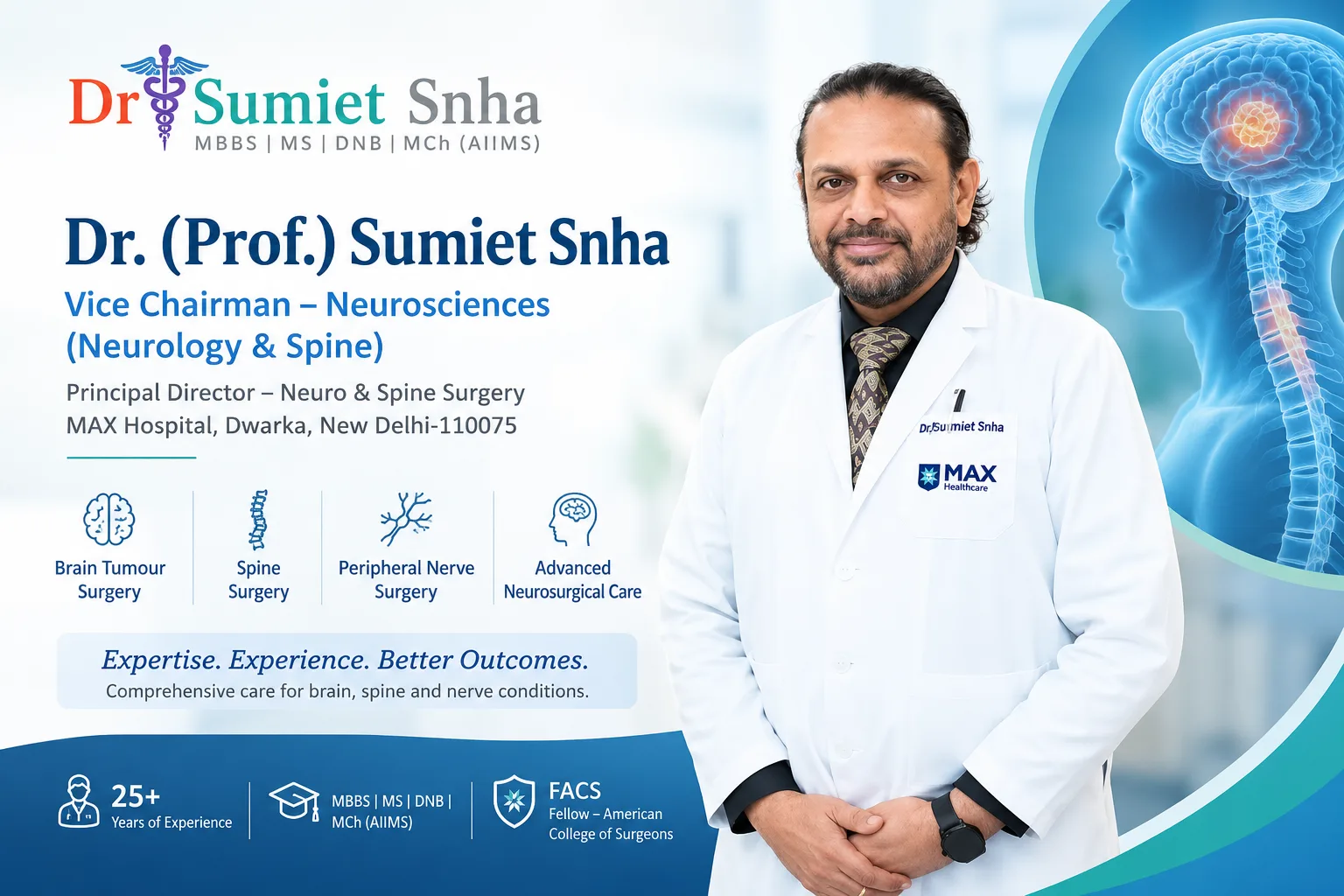
For individuals seeking expert care, consulting the Best Neurosurgeon in Delhi can provide access to advanced diagnostic facilities and evidence-based treatment options. Dr. (Prof.) Sumiet Snha Principal Director, Neuro & Spine Surgery at MAX Healthcare, Dwarka, New Delhi, is recognized for his expertise in managing complex brain and spine disorders. An experienced specialist can help determine whether symptoms are related to a brain tumor, nerve disorder, or another neurological condition and recommend the most suitable brain tumor treatment or neurosurgery treatment based on the patient's specific needs.
Timely evaluation by a qualified neurosurgeon in Delhi can significantly improve treatment outcomes and reduce the risk of long-term neurological complications.
How Brain Tumors Are Diagnosed
Accurate and timely brain tumor diagnosis is essential for determining the type, size, location, and severity of a tumor. Since many brain tumor symptoms can resemble other neurological conditions, a comprehensive evaluation is necessary to ensure the most effective treatment plan. Consulting the Best Neurosurgeon in Delhi at the earliest sign of persistent neurological symptoms can help facilitate prompt diagnosis and improve treatment outcomes.
Medical History and Neurological Examination
The diagnostic process usually begins with a detailed review of the patient's medical history and symptoms. A neurosurgeon will assess factors such as headache patterns, seizures, vision changes, memory problems, and balance difficulties. This is followed by a comprehensive neurological examination to evaluate brain function, reflexes, muscle strength, coordination, sensation, vision, hearing, and cognitive abilities. These assessments help identify which areas of the brain may be affected.
Advanced Diagnostic Tests
To confirm the diagnosis and gather detailed information, specialists may recommend several advanced imaging and laboratory tests:
MRI Scan
Magnetic Resonance Imaging (MRI) is one of the most effective tools for detecting brain tumors. It produces detailed images of the brain and helps identify the exact location, size, and characteristics of the tumor.
CT Scan
A Computed Tomography (CT) Scan uses X-rays to create cross-sectional images of the brain. It is often used in emergency situations or when rapid evaluation is required.
PET Scan
A Positron Emission Tomography (PET) Scan helps assess the metabolic activity of brain tissues and can assist in distinguishing active tumor cells from healthy tissue.
Biopsy
A biopsy involves collecting a small tissue sample from the tumor for laboratory analysis. This test provides definitive information about whether the tumor is benign or malignant and helps guide brain tumor treatment decisions.
Importance of Accurate Diagnosis
An accurate diagnosis is the foundation of successful treatment. It enables the neurosurgeon in Delhi to develop a personalized care plan based on the patient's condition and tumor type. Early and precise diagnosis not only improves treatment effectiveness but also increases the chances of preserving neurological function and enhancing overall quality of life.
Treatment Options for Brain Tumors
The choice of brain tumor treatment depends on several factors, including the tumor's type, size, location, growth rate, and the patient's overall health. Advances in modern medicine have significantly improved treatment outcomes, allowing many patients to receive highly effective and personalized care. Seeking treatment from the Best Neurosurgeon in Delhi can help ensure access to advanced technologies and evidence-based treatment strategies.
Surgery
Role of Brain Tumor Surgery
Surgery is often the primary treatment for many brain tumors. The main objective is to remove as much of the tumor as safely possible while preserving normal brain function. In some cases, complete removal may be achievable, while in others, partial removal can help relieve symptoms and improve the effectiveness of additional therapies.
Benefits of Surgical Removal
Brain tumor surgery can provide several benefits, including:
- Reduction of pressure within the skull
- Relief from symptoms such as headaches and seizures
- Improved neurological function
- Accurate tissue diagnosis through biopsy
- Enhanced effectiveness of radiation or chemotherapy
An experienced neurosurgeon in Delhi carefully evaluates each case to determine the safest surgical approach.
Radiation Therapy
Radiation therapy uses high-energy beams to destroy tumor cells or prevent them from growing. It is commonly recommended when complete surgical removal is not possible or when residual tumor cells remain after surgery. Advanced radiation techniques can target tumor tissue while minimizing damage to surrounding healthy brain structures.
Chemotherapy
Chemotherapy involves the use of specialized medications to destroy cancer cells or slow their growth. Depending on the type of tumor, chemotherapy may be used alone or in combination with surgery and radiation therapy. Treatment plans are tailored according to the patient's diagnosis and overall condition.
Targeted Therapy
Targeted therapy is a modern treatment approach that focuses on specific molecular characteristics of tumor cells. Unlike traditional treatments, it aims to attack cancer cells while reducing harm to healthy tissues. This approach can improve treatment effectiveness for certain types of brain tumors.
Minimally Invasive Neurosurgery
Technological advancements have enabled many patients to benefit from minimally invasive neurosurgery. These techniques use smaller incisions, advanced imaging guidance, and specialized instruments to access tumors with greater precision. Benefits often include reduced pain, shorter hospital stays, faster recovery, and a lower risk of complications.
Personalized Treatment Plans
Every brain tumor is unique, which is why individualized treatment planning is essential. A comprehensive evaluation, including imaging studies and pathology results, helps specialists create a customized treatment strategy. Consulting the Best Neurosurgeon in Delhi ensures that patients receive expert guidance, accurate diagnosis, and personalized neurosurgery treatment designed to achieve the best possible outcomes while preserving neurological health and quality of life.
Choosing the Best Neurosurgeon in Delhi for Brain Tumor Treatment
Selecting the Best Neurosurgeon in Delhi is one of the most important decisions for patients diagnosed with a brain tumor. The expertise of the treating specialist can significantly influence the accuracy of brain tumor diagnosis, treatment success, recovery, and long-term neurological outcomes. Since every brain tumor case is unique, patients should carefully evaluate several factors before choosing a specialist.
Factors to Consider
Experience and Qualifications
A highly experienced neurosurgeon brings valuable clinical expertise in managing both common and complex neurological conditions. Patients should consider the surgeon's educational background, years of practice, and experience in performing advanced neurosurgical procedures.
Specialized Expertise in Brain Tumor Surgery
Brain tumor surgery requires precision, technical expertise, and in-depth knowledge of brain anatomy. A specialist with extensive experience in brain tumor treatment can provide personalized care and recommend the most appropriate treatment strategy based on the patient's condition.
Advanced Hospital Facilities
Modern diagnostic and surgical technologies play a crucial role in improving treatment outcomes. Choosing a neurosurgeon associated with a well-equipped hospital ensures access to advanced imaging, minimally invasive techniques, and comprehensive post-operative care.
Patient Reviews and Outcomes
Patient experiences, treatment outcomes, and professional reputation can provide valuable insights into a neurosurgeon's expertise and quality of care.
One of the leading names in the field is Dr. (Prof.) Sumiet Snha , Principal Director, Neuro & Spine Surgery at MAX Healthcare, Dwarka, New Delhi. He completed his neurosurgical training at the prestigious All India Institute of Medical Sciences (AIIMS), New Delhi, and has more than 25 years of experience in neurosurgery. Throughout his career, he has trained and collaborated with internationally renowned neurosurgical experts, including Prof. Hiroshi Sano (Japan), Prof. Louise Vialle (Brazil), and Prof. B. Meyer (Germany), further enhancing his expertise in advanced neurosurgical procedures.
Why Timely Treatment Matters
Early consultation with the Best Neurosurgeon in Delhi improves the chances of successful treatment and recovery. Timely intervention can help prevent tumor progression, preserve neurological function, and reduce the risk of serious complications. Prompt brain tumor treatment often results in better recovery outcomes, fewer treatment-related challenges, and an improved quality of life for patients facing neurological disorders.
Tips for Monitoring Neurological Symptoms
Monitoring neurological symptoms carefully can help support early brain tumor diagnosis and timely medical intervention. If you experience persistent brain tumor symptoms, maintaining a detailed record of your health changes can provide valuable information to your healthcare provider.
Keep a Symptom Journal
Record the frequency, duration, and severity of symptoms such as headaches, dizziness, vision changes, memory problems, or balance difficulties. A symptom journal can help identify patterns and assist specialists in evaluating your condition accurately.
Track Headaches and Seizures
Pay close attention to recurring headaches and any seizure activity. Note when symptoms occur, how long they last, and whether they are becoming more frequent or severe. This information is important for assessing potential neurological disorders.
Report Changes Promptly
Do not ignore new or worsening symptoms, including weakness, numbness, speech difficulties, or cognitive changes. Early reporting allows for faster evaluation and appropriate brain tumor treatment if required.
Schedule Regular Medical Check-Ups
Routine neurological evaluations can help detect problems at an early stage. Consulting the Best Neurosurgeon in Delhi for persistent or unexplained symptoms ensures access to expert assessment, accurate diagnosis, and personalized neurosurgery treatment to protect long-term neurological health.
Frequently Asked Questions (FAQs)
1. Can a headache always indicate a brain tumor?
No. Most headaches are not caused by brain tumors. However, persistent headaches that worsen over time, occur frequently, or are accompanied by symptoms such as nausea, vision changes, or seizures should be evaluated by a medical professional.
2. What are the first warning signs of a brain tumor?
Common early brain tumor symptoms include persistent headaches, unexplained nausea, seizures, memory problems, balance difficulties, vision changes, and speech-related issues. Symptoms vary depending on the tumor's location and size.
3. Are brain tumors always cancerous?
No. Brain tumors can be either benign (non-cancerous) or malignant (cancerous). Even benign tumors may require treatment if they affect important areas of the brain.
4. Can brain tumors be treated without surgery?
Yes. Depending on the type, size, and location of the tumor, treatment may include radiation therapy, chemotherapy, targeted therapy, or careful monitoring. The most suitable brain tumor treatment is determined after a thorough evaluation.
5. How is a brain tumor diagnosed?
A brain tumor diagnosis typically involves a neurological examination, MRI scan, CT scan, PET scan, and in some cases, a biopsy to determine the tumor type and guide treatment planning.
6. When should I see a neurosurgeon for headaches?
You should consult a neurosurgeon in Delhi if headaches become persistent, progressively worsen, occur with neurological symptoms, or do not respond to standard treatments.
7. What is the recovery time after brain tumor surgery?
Recovery varies depending on the type of surgery, tumor location, and overall health of the patient. Some individuals recover within weeks, while others may require longer rehabilitation and follow-up care.
8. How do I find the Best Neurosurgeon in Delhi?
Look for a specialist with extensive experience, advanced neurosurgical training, expertise in brain tumor surgery, access to modern treatment technologies, and a strong record of patient outcomes.
9. Can children develop brain tumors?
Yes. Brain tumors can occur in both children and adults. Early diagnosis and specialized treatment are essential to achieve the best possible outcomes.
10. What lifestyle changes help during brain tumor treatment?
Maintaining a healthy diet, getting adequate rest, staying physically active as advised by your doctor, managing stress, and attending regular follow-up appointments can support recovery and overall well-being.
11. Are seizures always a sign of a brain tumor?
No. Seizures can result from various neurological conditions. However, a first-time seizure, particularly in adults, should be investigated promptly to determine the underlying cause.
12. Can brain tumors return after treatment?
Yes. Some brain tumors can recur after treatment. Regular follow-up imaging and neurological evaluations help monitor for recurrence and ensure timely intervention if needed.
Conclusion
Recognizing brain tumor symptoms early can play a critical role in achieving successful treatment outcomes and protecting long-term neurological health. Symptoms such as persistent headaches, seizures, vision changes, balance problems, memory difficulties, weakness, and speech disturbances should never be ignored, especially when they become more frequent or progressively worsen. Because these symptoms can often resemble less serious conditions, timely medical evaluation is essential.
Early brain tumor diagnosis allows specialists to identify the condition before significant neurological damage occurs, providing access to a wider range of treatment options and improving recovery prospects. Advances in modern brain tumor treatment and neurosurgery treatment have significantly enhanced

0 Comments