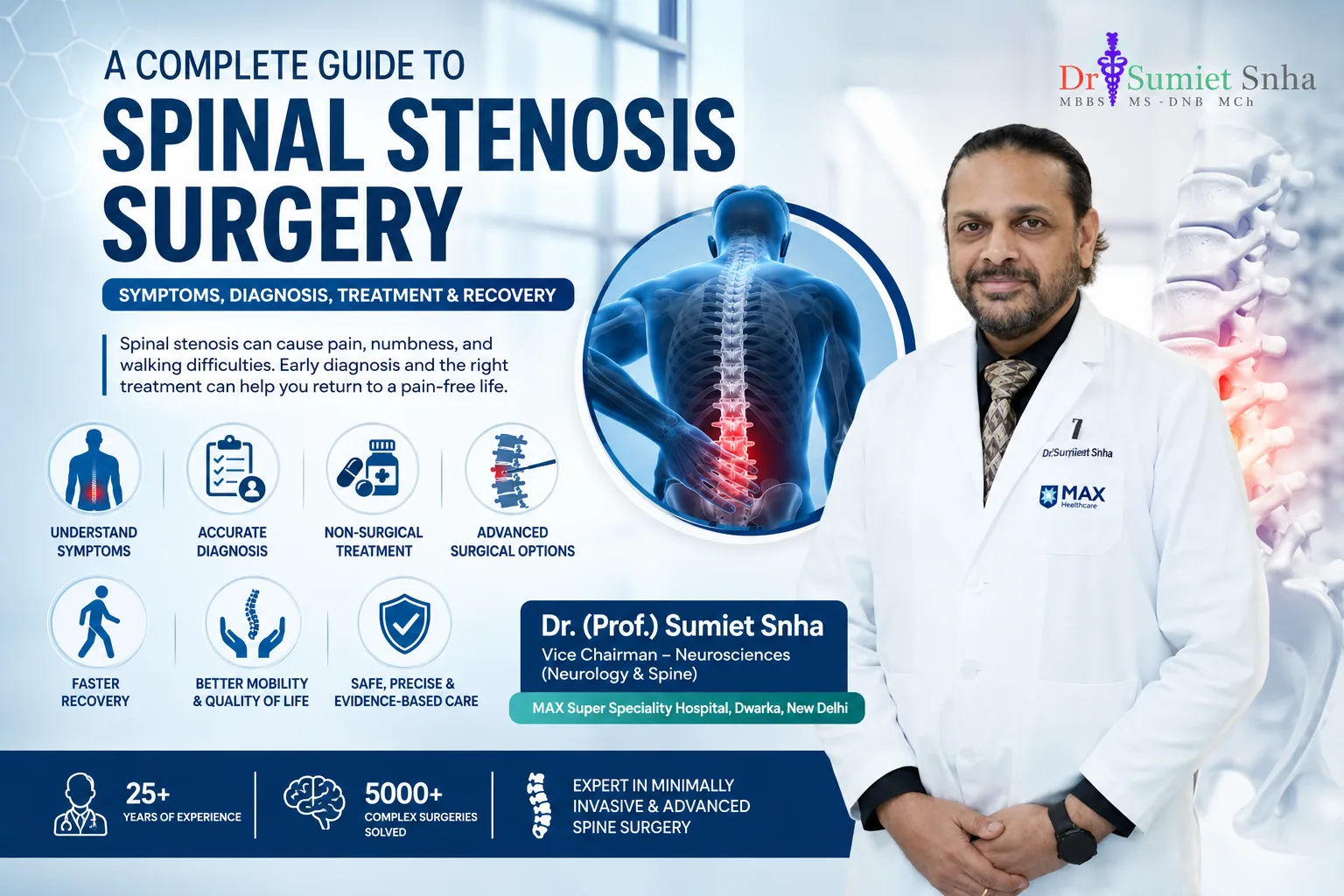
In today’s fast-paced world, maintaining a healthy brain has become more important than ever because our lifestyle directly affects our mental and neurological well-being. The best neurosurgeon in Dwarka emphasizes that a healthy brain is the foundation of a healthy life, helping us manage emotions, memory, movement, decision-making, and overall body functions.
Modern habits such as constant stress, lack of proper sleep, unhealthy eating patterns, and excessive screen exposure are gradually impacting brain performance. Many people experience headaches, memory problems, anxiety, poor concentration, and spine-related issues due to lifestyle changes. Neurological conditions are no longer limited to older adults; younger generations are also facing increasing brain and spine health concerns because of work pressure, sedentary routines, and poor self-care.
With 25+ years of experience in neurosurgery, Dr. Sumiet Snha has treated numerous complex brain and spine conditions and believes that awareness and preventive care play a major role in protecting neurological health. Through this article, he shares expert insights on simple habits that can support brain function, improve quality of life, and reduce the risk of serious neurological problems.
Early awareness, timely medical guidance, balanced nutrition, regular physical activity, and proper lifestyle choices can help protect your brain and spine for a healthier future.
Understanding the Brain: The Control Center of Your Body
The human brain is one of the most complex and powerful organs of the body. It controls almost every function that allows us to live a normal and active life, including movement, memory, emotions, communication, learning ability, and decision-making. A healthy brain helps us perform daily activities efficiently, maintain balance, and respond properly to different situations. According to Best Neurosurgeon in Dwarka, protecting brain health should be a lifelong priority because small lifestyle changes can create a major impact on neurological wellness.
The brain works through billions of nerve cells that communicate continuously with the rest of the body. Protecting these brain cells is essential for maintaining strong memory, concentration, and emotional stability. Improving brain function is not only about treating diseases but also about following preventive habits that support long-term health. Dr. Sumiet Snha, with 25+ years of experience in neurosurgery, explains that early awareness and healthy routines can help reduce the risk of many neurological problems.
Several modern lifestyle factors can gradually affect brain performance. Chronic stress is one of the major concerns today, as constant pressure can impact sleep, mood, and concentration. Lack of proper sleep prevents the brain from recovering and organizing memories, which may lead to tiredness and reduced mental focus.
Other habits such as smoking and alcohol consumption can negatively affect blood circulation and damage brain health over time. Similarly, poor nutrition may deprive the brain of essential nutrients required for proper functioning. A diet lacking vitamins, minerals, and healthy fats can weaken overall brain support.
In addition, physical inactivity has become common due to desk jobs and excessive screen time. Regular movement improves blood flow, supports nerve health, and contributes to better brain and spine health. The guidance of an experienced neurosurgeon in Delhi can help people understand the importance of prevention and timely care.
A healthy brain is the foundation of a healthy body, and simple daily habits can protect your neurological health for years to come.
Daily Habits Recommended by a Neurosurgeon for a Healthy Brain
A healthy brain is not only the result of medical treatment; it is also built through daily lifestyle choices. According to Best Neurosurgeon in Dwarka, small improvements in food habits, sleep patterns, and physical activity can significantly support brain function and overall neurological health. With 25+ years of experience in neurosurgery, Dr. Sumiet Snha believes that preventive care and healthy routines play an important role in protecting the brain and spine from future complications.
A. Maintain a Brain-Friendly Diet
Nutrition has a direct connection with brain performance. The brain requires essential nutrients to maintain nerve connections, improve concentration, and support memory. A balanced diet can help protect brain cells and improve cognitive function naturally.
Include brain-supporting foods such as:
- Green vegetables: Vegetables like spinach, broccoli, and leafy greens contain important vitamins and antioxidants that support brain health.
- Nuts and seeds: Almonds, walnuts, flaxseeds, and other healthy seeds provide nutrients that help maintain proper brain function.
- Fresh fruits: Fruits rich in vitamins and antioxidants help protect the brain from oxidative stress.
- Omega-3 rich foods: Foods containing omega-3 fatty acids support nerve health and may contribute to better memory and brain activity.
Along with healthy food choices, proper hydration is equally important for brain function. The brain depends on sufficient water levels to maintain focus, energy, and communication between nerve cells. Even mild dehydration can affect concentration and mental performance.
B. Prioritize Quality Sleep for Better Brain Health
Sleep is a natural recovery process that allows the brain to repair, refresh, and organize information. During quality sleep, the brain strengthens memory, balances emotions, and removes unnecessary stress from daily activities.
Poor sleep habits can increase the risk of memory problems, mood changes, and reduced mental alertness. Many people ignore sleep problems due to busy schedules, but long-term sleep deprivation may negatively impact neurological health.
Some healthy sleep habits include:
- Maintaining a regular sleep schedule
- Avoiding excessive screen exposure before bedtime
- Creating a calm sleeping environment
- Limiting caffeine late in the day
A neurosurgeon in Delhi often advises patients that good sleep is one of the simplest yet most effective ways to support brain and nervous system health.
C. Stay Physically Active for Brain and Spine Wellness
Physical activity is another important part of maintaining a healthy brain. Regular exercise improves blood circulation, increases oxygen supply, and supports communication between brain cells.
Simple activities like walking, yoga, stretching, and light exercises can improve both brain and spine health. Movement also helps maintain posture, flexibility, and reduces stress on the spinal system.
Benefits of regular physical activity include:
- Better blood flow to the brain
- Improved mood and stress control
- Stronger muscles supporting the spine
- Reduced risk of lifestyle-related health issues
A healthy brain and a healthy spine work together to maintain a better quality of life. Following these daily habits, along with expert guidance from an experienced Best Neurosurgeon in Dwarka, can help individuals protect their neurological health and stay active for years.
Mental Fitness: Keep Your Brain Active and Strong
A healthy brain is not only about avoiding diseases; it is also about keeping your mind active, flexible, and ready to handle daily challenges. Just like physical exercise strengthens the body, mental stimulation strengthens brain connections and supports long-term neurological health. According to the Best Neurosurgeon in Dwarka, maintaining mental fitness is an important part of preventing cognitive decline and improving overall quality of life.
With 25+ years of experience in neurosurgery, Dr. Sumiet Snha explains that the brain continuously adapts throughout life. Regular mental activities help improve memory, concentration, problem-solving skills, and emotional balance. A strong and active mind can better manage stress, maintain focus, and support a healthier nervous system.
Activities That Improve Brain Power
1. Reading for Better Brain Function
Reading is one of the simplest ways to keep the brain engaged. Whether it is books, articles, or educational content, reading activates different areas of the brain responsible for understanding, imagination, and memory.
Regular reading can improve concentration, increase knowledge, and keep the brain mentally active. It also helps reduce stress by creating a relaxing mental space.
2. Learning New Skills
The brain grows stronger when it experiences something new. Learning a new language, developing a hobby, or gaining a new skill encourages the formation of new neural connections.
Continuous learning keeps the brain flexible and improves cognitive strength at every age. It is an effective way to support long-term brain health and maintain mental sharpness.
3. Puzzles and Brain Exercises
Activities such as puzzles, memory games, and problem-solving exercises challenge the brain and improve thinking ability.
Brain exercises help improve attention, logical thinking, and memory skills. Making these activities a part of daily life can support better mental performance.
4. Meditation and Stress Management
Stress is one of the biggest challenges affecting modern lifestyles. Long-term stress can impact sleep quality, concentration, and emotional health. Managing stress is essential for better neurological health and overall brain function.
Meditation, deep breathing exercises, and mindfulness practices help calm the mind and support emotional balance. These habits can also improve focus and reduce mental fatigue.
A neurosurgeon in Delhi often recommends combining medical awareness with healthy lifestyle practices to protect brain and spine health. A calm, active, and well-trained mind plays a major role in maintaining a healthy nervous system.
By including reading, learning, brain exercises, meditation, and stress control in daily life, individuals can strengthen their mental fitness and take a positive step toward lifelong brain wellness.
Protecting Your Spine for Better Brain and Nerve Health
The spine plays a very important role in maintaining overall neurological health because it acts as a protective structure for the spinal cord, which connects the brain with the entire body. The brain and spine work together through a complex network of nerves that control movement, sensation, balance, and daily activities. A healthy spine supports better nerve communication and helps maintain proper body function.
According to the guidance of the Best Neurosurgeon in Dwarka, protecting spinal health should be an essential part of a healthy lifestyle. With 25+ years of experience in neurosurgery, Dr. Sumiet Snha explains that many spine-related problems can be reduced through awareness, correct habits, and early attention to symptoms. His experience in treating complex brain and spine conditions highlights the importance of prevention along with timely medical care.
Modern lifestyle changes have increased the number of people experiencing spine-related concerns. Long working hours, excessive screen use, and reduced physical activity can gradually put stress on the spinal system.
Some common spine problems include:
Neck Pain
Neck pain is becoming increasingly common due to poor posture, prolonged mobile phone use, and sitting for extended periods. Continuous pressure on the neck muscles and nerves can lead to stiffness, discomfort, and reduced movement.
Slipped Disc
A slipped disc occurs when the soft cushioning material between spinal bones becomes damaged or displaced. This condition may cause back pain, numbness, tingling, or weakness depending on the affected nerve.
Ignoring persistent back or neck symptoms may allow a small problem to become a more serious spine condition.
Poor Posture and Spine Stress
Poor sitting and standing habits can gradually affect spinal alignment. Working on laptops, using phones for long periods, or sitting without proper support can increase strain on the spine.
To maintain better spine and nerve health, simple daily habits can make a significant difference:
1. Maintain Correct Sitting Posture
Keeping your back straight, shoulders relaxed, and screen at eye level helps reduce unnecessary pressure on the spine. Proper posture supports the neck and back muscles and prevents long-term discomfort.
2. Include Regular Movement
The spine needs regular movement to stay flexible and strong. Walking, stretching, and light exercises improve blood circulation and help maintain spinal mobility.
3. Avoid Unnecessary Strain
Heavy lifting with incorrect techniques, sudden movements, and ignoring body signals can increase the risk of injury. Listening to your body and following safe movement practices protects your spine in the long term.
A healthy spine contributes to better nerve function, mobility, and quality of life. Brain health and spine health are deeply connected, and taking care of both helps support a stronger and healthier future. With expert awareness from an experienced neurosurgeon in Delhi, individuals can take proactive steps toward protecting their neurological wellness.
Early Warning Signs That Your Brain Needs Medical Attention
The brain controls every important function of the body, including movement, memory, emotions, speech, and coordination. Because of this, any unusual change in brain function should be taken seriously. Many neurological conditions can become more manageable when they are identified at an early stage. According to the Best Neurosurgeon inDwarka, understanding warning signs and seeking timely medical advice can help protect long-term brain health.
With 25+ years of experience in neurosurgery, Dr. Sumiet Snha explains that people often ignore small symptoms thinking they are caused by stress, tiredness, or daily routine. However, some signs may indicate an underlying neurological concern that requires proper evaluation. Early diagnosis can improve treatment outcomes and help prevent complications.
Some important warning signs that should not be ignored include:
1. Frequent or Severe Headaches
Occasional headaches are common, but repeated, severe, or unusual headaches may require medical attention. Headaches that become more intense over time, occur suddenly, or are associated with vomiting, vision problems, or weakness should be evaluated by a specialist.
2. Sudden Weakness or Numbness
A sudden feeling of weakness, numbness, or loss of control in the face, arms, or legs can be a serious neurological warning sign. Immediate medical attention is important when these symptoms appear suddenly.
These changes may affect nerve communication between the brain, spinal cord, and body.
3. Memory Problems and Confusion
Everyone forgets things occasionally, but frequent memory issues, confusion, difficulty concentrating, or changes in thinking ability should not be ignored. These symptoms may affect daily life and require proper neurological assessment.
4. Vision Changes
Sudden blurred vision, double vision, loss of vision, or unusual visual disturbances may indicate problems related to the brain or nervous system.
Changes in vision combined with headaches or balance problems need careful evaluation.
5. Balance Difficulties and Coordination Problems
The brain helps control body balance and movement. Frequent dizziness, difficulty walking, poor coordination, or unexplained falls may suggest problems affecting the nervous system.
6. Seizures
Seizures can occur due to abnormal electrical activity in the brain. A first-time seizure or repeated seizure episodes should always be medically evaluated to identify the underlying cause and proper treatment approach.
7. Changes in Speech or Behavior
Difficulty speaking, understanding words, sudden personality changes, unusual behavior, or emotional changes can be important neurological signs.
The brain affects not only physical abilities but also communication and personality, so noticeable changes deserve attention.
A neurosurgeon in Delhi often emphasizes that awareness is the first step toward better neurological health. People should avoid delaying consultation when symptoms continue or become worse. Listening to your body, recognizing early warning signs, and getting timely medical guidance can make a major difference in brain and spine health.
Maintaining a healthy lifestyle, regular checkups when needed, and expert evaluation can help individuals protect their nervous system and enjoy a better quality of life.
Common Brain Conditions Treated Through Modern Neurosurgery
The brain is one of the most complex organs of the human body, and any problem affecting its structure or function can impact a person’s movement, memory, communication, and quality of life. Modern neurosurgery has developed significantly, helping specialists diagnose and treat various brain and spine conditions with greater safety and accuracy. According to the BestNeurosurgeon in Dwarka, timely evaluation and advanced treatment approaches can improve recovery chances for many neurological conditions.
With 25+ years of experience in neurosurgery, Dr. Sumiet Snha explains that every patient requires a personalized approach because brain and nerve-related problems can vary from person to person. The goal of modern neurosurgery is not only to treat the condition but also to protect healthy brain function and support long-term recovery.
Some common conditions treated through advanced neurosurgical care include:
1. Brain Tumors
A brain tumor occurs when abnormal cells grow inside the brain or surrounding areas. Depending on the type, size, and location of the tumor, it may affect speech, movement, memory, or other brain functions.
Modern brain surgery techniques help surgeons carefully remove tumors while protecting important areas of the brain. Advanced imaging, precise surgical planning, and improved monitoring methods support safer procedures and better outcomes.
2. Head Injuries and Brain Trauma
Head injuries can happen due to accidents, falls, or other unexpected situations. Severe trauma may cause bleeding, swelling, or pressure inside the brain.
Early diagnosis and timely treatment are essential in preventing long-term neurological complications. Modern neurosurgical methods help manage brain injuries effectively by reducing pressure and protecting brain tissue.
3. Stroke-Related Problems
A stroke occurs when blood flow to part of the brain is interrupted or when bleeding occurs inside the brain. It can lead to weakness, speech difficulties, balance problems, or changes in awareness.
Quick medical attention plays a major role in stroke management. Advanced treatments focus on restoring function, reducing damage, and supporting recovery through proper rehabilitation.
4. Spine Disorders Affecting Nerves
The brain and spine work together as a connected nervous system. Problems in the spine can affect nerves and cause pain, weakness, numbness, or movement difficulties.
Common spine-related conditions include:
- Disc problems
- Spinal cord compression
- Nerve pressure
- Degenerative spine changes
Proper spine care helps maintain nerve communication between the brain and the body.
5. Nerve Compression Conditions
When nerves become compressed, they may cause pain, tingling, numbness, or weakness. Conditions affecting the neck and lower back are common examples.
Modern neurosurgery uses advanced techniques to relieve pressure on affected nerves and improve patient comfort and mobility.
How Advanced Neurosurgical Techniques Help Patients Recover Safely
Today’s neurosurgical procedures are supported by improved technology, detailed imaging, and careful surgical planning. These advancements allow specialists to perform treatments with better precision and reduced risks.
Modern approaches focus on preserving healthy tissues, improving recovery time, and helping patients return to their normal activities safely.
A neurosurgeon in Delhi with extensive experience evaluates each case carefully and recommends treatment based on the patient’s specific condition. Awareness, early diagnosis, and the right medical guidance can make a significant difference in managing brain and spine health.
Taking care of neurological health through healthy habits, regular attention to symptoms, and timely consultation can help protect the brain and nervous system for a healthier future.
Expert Neurosurgical Care: Choosing the Right Specialist
Choosing the right specialist for brain and spine-related problems is an important decision because the nervous system controls almost every function of the human body. Neurological conditions often require detailed evaluation, accurate diagnosis, and a carefully planned treatment approach. According to the Best Neurosurgeon in Dwarka, experience, medical knowledge, and advanced treatment methods play a major role in achieving safer outcomes for patients.
With 25+ years of experience in neurosurgery, Dr. Sumiet Snha has managed a wide range of complex brain and spine conditions. His experience highlights that every patient is different, and successful treatment depends on understanding the individual’s symptoms, medical history, and specific neurological needs.
Importance of Experience in Complex Brain and Spine Procedures
Brain and spine surgeries require a high level of precision because even small areas of the nervous system can affect movement, speech, memory, and daily activities. An experienced neurosurgeon can better understand complex cases and make informed decisions during diagnosis and treatment.
Conditions such as brain tumors, spinal disorders, nerve compression, and traumatic injuries may require specialized care. Years of surgical experience help doctors manage challenging situations while focusing on protecting healthy brain and nerve functions.
Role of Advanced Technology in Modern Neurosurgery
Medical technology has transformed the way brain surgery and spine treatments are performed. Advanced imaging, improved surgical tools, and modern monitoring techniques help specialists plan procedures with greater accuracy.
Technology allows neurosurgeons to identify affected areas more clearly and perform treatments with better precision. These advancements support safer procedures, improved recovery, and better patient outcomes.
Modern brain and spine surgery focuses not only on treating the disease but also on preserving the patient’s quality of life. A combination of medical expertise and advanced techniques helps patients return to their daily activities with confidence.
Patient-Focused Treatment Approach
Every neurological condition requires a personalized approach. A good specialist spends time understanding the patient’s concerns, explaining treatment options, and creating a care plan according to their needs.
Patient-focused neurosurgical care includes proper diagnosis, clear communication, careful treatment planning, and follow-up support. This approach helps patients feel informed and comfortable throughout their healthcare journey.
Why Consulting an Experienced Specialist Matters
Ignoring neurological symptoms or delaying treatment can sometimes allow a condition to become more complicated. Symptoms such as persistent headaches, numbness, weakness, balance problems, or spine-related pain should be evaluated properly.
A neurosurgeon in Delhi with extensive experience can help identify the cause of symptoms and suggest suitable treatment options. Early consultation often provides better chances for effective management and recovery.
Selecting the right specialist means choosing someone who combines expertise, experience, modern technology, and a patient-centered approach. The right guidance can make a significant difference in brain health, spine health, and overall quality of life.
Tips from 25+ Years of Neurosurgical Experience
Taking care of your brain and spine is not only about treatment when a problem appears; it is about building healthy habits that protect your nervous system throughout life. Based on 25+ years of experience in neurosurgery, Dr. Sumiet Snha believes that awareness, prevention, and timely medical attention are key factors in maintaining long-term neurological health.
The brain and spine control important functions such as movement, memory, balance, emotions, and communication. Small changes in lifestyle and early attention to symptoms can help prevent serious neurological complications. A healthy routine combined with expert guidance can support better brain and spine health at every stage of life.
1. Never Ignore Neurological Symptoms
Many people delay medical advice because they think symptoms like headaches, dizziness, numbness, or weakness will disappear on their own. However, persistent or unusual neurological symptoms should never be ignored.
Signs that may require medical evaluation include:
- Frequent or severe headaches
- Sudden weakness or numbness
- Memory changes
- Difficulty speaking or understanding
- Balance or coordination problems
- Unexplained seizures
According to the Best Neurosurgeon in Dwarka, early evaluation can help identify problems at an initial stage and may improve treatment possibilities. Listening to your body and responding quickly is an important part of protecting brain health.
2. Maintain Preventive Healthcare Habits
Prevention plays a major role in reducing the risk of brain and spine problems. A healthy lifestyle supports the nervous system and helps maintain normal body functions.
Important preventive habits include:
- Eating a balanced and nutritious diet
- Staying physically active
- Getting enough quality sleep
- Managing daily stress
- Avoiding harmful habits
Healthy daily choices help protect brain cells, support nerve function, and maintain spinal strength.
3. Regular Health Checkups When Required
Regular health awareness helps detect possible concerns before they become complicated. People with ongoing symptoms or risk factors should consider proper medical evaluation.
A neurosurgeon in Delhi can assess symptoms, understand the underlying cause, and recommend appropriate steps when needed. Timely consultation can reduce unnecessary delays and help patients make informed decisions about their health.
4. Follow a Balanced Lifestyle for Long-Term Brain and Spine Health
A balanced lifestyle is one of the strongest foundations for neurological wellness. Simple habits such as maintaining good posture, exercising regularly, staying hydrated, and keeping the mind active contribute to overall well-being.
Brain health and spine health are closely connected, and both require consistent care. Regular movement, proper nutrition, mental relaxation, and healthy routines help maintain better nerve communication and body function.
The experience gained from years of treating complex neurological conditions shows that prevention, awareness, and responsible health choices can make a meaningful difference. Taking care of your brain and spine today helps create a healthier and more active tomorrow.
Frequently Asked Questions
1. Why is brain health important for overall well-being?
Brain health is important because the brain controls memory, emotions, movement, communication, and other essential body functions. A healthy brain helps improve quality of life, supports better decision-making, and maintains proper coordination between the body and nervous system.
2. What daily habits can improve brain health?
Simple habits like eating a balanced diet, getting enough sleep, exercising regularly, staying mentally active, and managing stress can support brain function. Small lifestyle improvements can provide long-term benefits for brain and spine health.
3. How does sleep affect brain function?
Quality sleep allows the brain to recover, process information, strengthen memory, and maintain emotional balance. Regular sleep problems may affect concentration, mood, and overall neurological health.
4. Which foods are beneficial for brain health?
Foods such as green vegetables, fruits, nuts, seeds, and omega-3-rich foods support brain function. A nutritious diet provides essential vitamins and minerals that help protect brain cells and maintain nerve health.
5. Can stress affect the brain and nervous system?
Yes, long-term stress can impact memory, sleep quality, concentration, and emotional health. Managing stress through meditation, relaxation techniques, and healthy routines helps maintain better neurological wellness.
6. What are the early warning signs of brain problems?
Symptoms such as frequent severe headaches, sudden weakness, numbness, memory issues, vision changes, seizures, balance problems, or speech difficulties should not be ignored. Early medical attention can help identify problems at an earlier stage.
7. How is spine health connected to brain health?
The brain and spine are connected through the nervous system. The spine protects the spinal cord, which carries messages between the brain and the rest of the body. A healthy spine supports proper nerve communication and movement.
8. When should someone consult a neurosurgeon?
A person should consider consulting a neurosurgeon if they experience persistent neurological symptoms, severe headaches, nerve-related pain, weakness, numbness, or spine-related problems. Timely evaluation helps in understanding the cause and choosing the right treatment approach
9. What conditions are treated through modern neurosurgery?
Modern neurosurgery helps manage conditions such as brain tumors, head injuries, stroke-related problems, spine disorders, and nerve compression conditions. Advanced techniques focus on safe treatment while protecting important brain and nerve functions.
10. How can people protect their spine in daily life?
Maintaining correct posture, avoiding unnecessary strain, staying physically active, and taking regular movement breaks can help protect the spine. Healthy spine habits reduce stress on muscles, bones, and nerves.
11. Why is experience important when choosing a neurosurgeon?
Brain and spine procedures require precision and detailed knowledge. An experienced neurosurgeon can better evaluate complex conditions, plan suitable treatment, and provide patient-focused care. Dr. Sumiet Snha, with 25+ years of experience in neurosurgery, emphasizes the importance of awareness and early care.
12. How can a person maintain long-term brain and spine health?
Long-term brain and spine health depends on a balanced lifestyle, regular physical activity, proper nutrition, quality sleep, and attention to warning signs. Guidance from an experienced specialist, such as the Best Neurosurgeon in Dwarka, can help people make informed decisions about their neurological health.
Conclusion
A healthy brain is the foundation of a healthy and active life. It controls our thoughts, emotions, movements, memory, and every important function of the body. Protecting brain health is not something that should begin only after a problem appears; it requires daily care, awareness, and consistent healthy choices.
Throughout life, simple habits such as maintaining a balanced diet, getting proper sleep, staying physically active, managing stress, and protecting spine health can create long-term benefits. Small lifestyle changes made today can help improve brain function, support nerve health, and reduce the risk of future neurological problems.
With 25+ years of experience in neurosurgery, Dr. Sumiet Snha explains that many serious brain and spine conditions can be managed more effectively when people recognize symptoms early and seek the right medical guidance. Early awareness and timely evaluation play an important role in protecting the nervous system and improving treatment outcomes.
The connection between the brain and spine is essential for overall well-being. A strong spine supports healthy nerve communication, while a healthy brain helps maintain movement, balance, and quality of life. Following preventive habits and understanding your body’s signals can make a meaningful difference.
For individuals looking for trusted guidance, the Best Neurosurgeon in Dwarka emphasizes that every person should focus on prevention, healthy routines, and informed healthcare decisions.


0 Comments