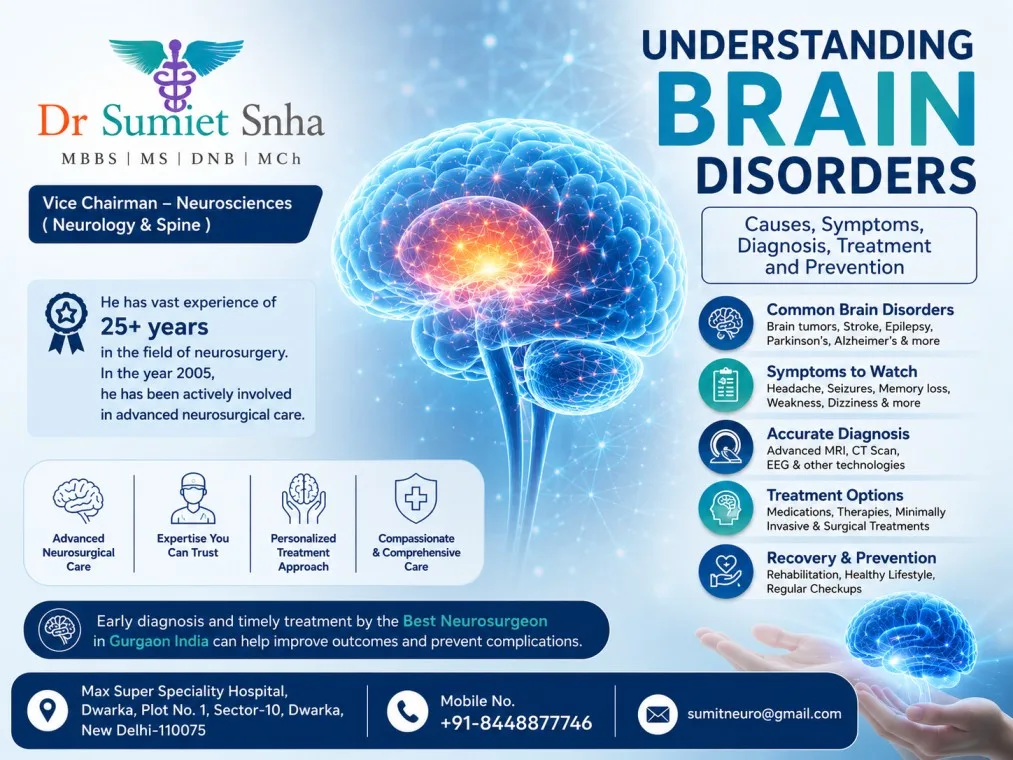
Brain health plays a vital role in every aspect of daily life, influencing memory, concentration, movement, emotions, and overall well-being. Best Neurosurgeon in Gurgaon India is a commonly searched term among people seeking expert care for brain disorders, neurological diseases, and complex nervous system conditions. As neurological health becomes a growing concern worldwide, understanding the warning signs of brain-related problems and seeking timely medical attention has become more important than ever.
Brain disorders can affect individuals of all ages and may develop due to genetics, aging, trauma, infections, stroke, brain tumors, or other underlying medical conditions. Symptoms such as persistent headaches, seizures, memory loss, dizziness, weakness, speech difficulties, and balance problems can significantly impact daily life if left untreated. Conditions involving the brain and nervous system often require evaluation by an experienced neurosurgeon in Gurgaon, brain specialist in Gurgaon, or neurological treatment expert to ensure accurate diagnosis and appropriate care.
Early diagnosis plays a crucial role in improving treatment outcomes and preventing complications. Modern advances in brain disorder diagnosis, brain tumor treatment, stroke management, neurosurgery, and neurological care have made it possible to detect and treat many conditions at an earlier stage. Consulting the Best Neurosurgeon in Gurgaon India at the first sign of neurological symptoms can help patients receive timely treatment, personalized care, and the best possible opportunity for recovery.
This comprehensive guide will help patients understand common brain disorders, their causes, symptoms, diagnostic tests, treatment options, and practical steps to maintain long-term brain health.
Understanding Brain Disorders
Brain disorders are medical conditions that affect the brain, spinal cord, or nervous system and can interfere with normal body functions. These conditions may impact memory, movement, speech, vision, emotions, and overall quality of life. Common neurological disorders include brain tumors, stroke, epilepsy, Parkinson s disease, Alzheimer s disease, and traumatic brain injuries. Early diagnosis and treatment by the Best Neurosurgeon in Gurgaon India can help improve outcomes and prevent complications.
What Are Brain Disorders?
Brain disorders occur when there is damage, disease, or abnormal activity within the brain. They can develop due to aging, genetics, infections, injuries, blood vessel problems, or other medical conditions. Symptoms may include headaches, seizures, memory loss, weakness, dizziness, or difficulty speaking. Proper brain disorder diagnosis is essential for identifying the exact cause and choosing the right treatment.
How the Brain Controls Body Functions
The brain acts as the body s control center, sending and receiving signals through the nervous system. It controls movement, thinking, emotions, memory, breathing, heart rate, and sensory functions. When a neurological condition affects the brain, these functions may become impaired, requiring evaluation by an experienced brain specialist in Gurgaon or neurosurgeon in Gurgaon.
Common Categories of Neurological Conditions
The most common neurological conditions include:
- Brain Tumors – Abnormal growths within the brain.
- Stroke – Reduced blood supply causing brain cell damage.
- Epilepsy – Recurrent seizures due to abnormal brain activity.
- Neurodegenerative Diseases – Such as Alzheimer s and Parkinson s disease.
- Traumatic Brain Injuries – Damage caused by accidents or head trauma.
- Brain Infections – Conditions like meningitis and encephalitis.
Recognizing symptoms early and consulting the Best Neurosurgeon in Gurgaon India can help patients receive timely neurological treatment, accurate diagnosis, and appropriate care for long-term brain health.
Common Types of Brain Disorders
Brain disorders can affect people of all ages and may impact memory, movement, speech, coordination, and overall quality of life. Understanding the most common neurological conditions helps patients recognize symptoms early and seek appropriate medical care. Early evaluation by the Best Neurosurgeon in Gurgaon India can improve diagnosis, treatment outcomes, and long-term neurological health.
Brain Tumors
A brain tumor is an abnormal growth of cells within the brain. Tumors may be benign (non-cancerous) or malignant (cancerous). Common symptoms include persistent headaches, seizures, vision problems, nausea, balance difficulties, and changes in personality or memory. Modern brain tumor treatment options may include surgery, radiation therapy, chemotherapy, or a combination of treatments depending on the tumor type and location.
Stroke
A stroke occurs when blood flow to a part of the brain is interrupted or reduced, causing brain cells to become damaged. Warning signs may include sudden weakness on one side of the body, speech difficulties, facial drooping, vision changes, and severe headaches. Stroke is a medical emergency that requires immediate attention. Early diagnosis and treatment can significantly reduce the risk of permanent disability.
Epilepsy
Epilepsy is a neurological disorder characterized by recurrent seizures caused by abnormal electrical activity in the brain. Seizures can vary from brief episodes of staring to severe convulsions. Treatment often involves medications, lifestyle management, and in some cases, advanced neurosurgery when seizures cannot be controlled through medication alone.
Parkinson s Disease
Parkinson s disease is a progressive neurological condition that affects movement and coordination. Common symptoms include tremors, muscle stiffness, slow movement, balance problems, and difficulty performing routine tasks. Although there is currently no cure, early diagnosis and proper treatment can help manage symptoms and improve quality of life.
Alzheimer s Disease and Dementia
Alzheimer s disease is the most common cause of dementia and primarily affects memory, thinking abilities, and behavior. Patients may experience forgetfulness, confusion, difficulty recognizing familiar people, and challenges with daily activities. Early diagnosis allows patients and families to plan treatment strategies and supportive care more effectively.
Traumatic Brain Injuries
Traumatic brain injuries (TBIs) occur when a sudden impact or injury damages the brain. Common causes include road accidents, falls, sports injuries, and workplace accidents. Symptoms may range from mild headaches and dizziness to severe memory loss, confusion, and unconsciousness. Prompt evaluation by a brain specialist in Gurgaon or neurosurgeon in Gurgaon is essential to assess the severity of the injury and prevent complications.
Recognizing the symptoms of these common brain disorders and seeking timely care from the Best Neurosurgeon in Gurgaon India can help patients receive accurate brain disorder diagnosis, effective neurological treatment, and personalized care for better long-term health outcomes.
What Causes Brain Disorders?
Brain disorders can develop for many different reasons, and in many cases, multiple factors contribute to the condition. Understanding the underlying causes is important because it helps patients recognize potential risks, take preventive measures, and seek timely medical care. Early evaluation by the Best Neurosurgeon in Gurgaon India can help identify the root cause of neurological symptoms and guide appropriate treatment.
Genetic Factors
Some brain disorders are linked to inherited genetic changes that can be passed from one generation to another. Conditions such as certain forms of epilepsy, Huntington s disease, and some neurodegenerative disorders may have a genetic component. Individuals with a family history of neurological diseases should be particularly aware of early symptoms and consider regular neurological evaluations.
Age-Related Changes
As people grow older, the brain naturally undergoes structural and functional changes. Aging increases the risk of conditions such as Alzheimer s disease, dementia, Parkinson s disease, and stroke. While aging itself is unavoidable, maintaining a healthy lifestyle and seeking regular medical checkups can help support long-term brain health and reduce certain risks.
Head Injuries
Traumatic brain injuries can occur due to road accidents, falls, sports injuries, or workplace incidents. Even a seemingly minor head injury may cause long-term neurological complications if not properly evaluated. Symptoms can include headaches, memory problems, dizziness, difficulty concentrating, and behavioral changes. Prompt assessment by a neurosurgeon in Gurgaon is important following significant head trauma.
Infections
Certain infections can directly affect the brain and nervous system. Conditions such as meningitis, encephalitis, and brain abscesses can cause inflammation and damage to brain tissue. These infections often require urgent medical treatment to prevent serious complications and long-term neurological deficits.
Lifestyle and Environmental Factors
Modern lifestyle habits can significantly influence brain health. Smoking, excessive alcohol consumption, poor nutrition, lack of exercise, chronic stress, inadequate sleep, and exposure to harmful toxins may increase the risk of various neurological conditions. Adopting healthy habits can help lower the likelihood of developing many preventable brain-related disorders.
Vascular and Metabolic Conditions
Diseases that affect blood circulation and metabolism can also contribute to brain disorders. High blood pressure, diabetes, high cholesterol, obesity, and heart disease can increase the risk of stroke and other neurological complications. Poor blood flow to the brain may damage brain cells and affect cognitive function over time.
Understanding these risk factors can help individuals take proactive steps toward protecting their neurological health. If symptoms such as persistent headaches, seizures, memory loss, weakness, or balance problems occur, consulting the Best Neurosurgeon in Gurgaon India for accurate brain disorder diagnosis, advanced neurological treatment, and expert brain care can help ensure timely intervention and better long-term outcomes.
Early Warning Signs and Symptoms of Brain Disorders
Brain disorders often develop gradually, and the body may show warning signs long before a serious condition is diagnosed. Unfortunately, many people ignore these symptoms, assuming they are caused by stress, fatigue, or aging. Recognizing early neurological symptoms and seeking timely medical attention can play a crucial role in preventing complications and improving treatment outcomes. Consulting the Best Neurosurgeon in Gurgaon India at the right time can help ensure accurate brain disorder diagnosis and effective neurological treatment.
Some of the most common warning signs of brain disorders include:
Persistent Headaches
Occasional headaches are common, but headaches that are severe, frequent, or progressively worsening should not be ignored. Persistent headaches may sometimes be associated with brain tumors, increased pressure within the brain, vascular disorders, or other neurological conditions.
Memory Loss
Difficulty remembering recent events, forgetting familiar names, confusion, or trouble concentrating may indicate underlying neurological problems. While mild forgetfulness can occur with age, persistent memory issues may require evaluation by a brain specialist in Gurgaon.
Seizures
A seizure occurs when abnormal electrical activity develops in the brain. Sudden shaking movements, loss of awareness, unusual sensations, or staring spells should always be assessed by a medical professional, especially if they occur without a known cause.
Vision Problems
Blurred vision, double vision, partial vision loss, or sudden changes in eyesight may be linked to neurological disorders affecting the brain, optic nerves, or blood vessels supplying the visual system.
Speech Difficulties
Trouble speaking clearly, difficulty understanding language, slurred speech, or finding the right words can sometimes be early indicators of stroke, brain injury, or other neurological conditions.
Weakness or Numbness
Sudden weakness, tingling sensations, or numbness in the face, arms, or legs should never be ignored. These symptoms may indicate nerve dysfunction, stroke, spinal cord problems, or other serious neurological disorders.
Key Symptoms That Require Immediate Medical Attention
- Sudden weakness on one side of the body
- Unexplained seizures or loss of consciousness
- Severe and persistent headaches
- Sudden vision loss or double vision
- Difficulty speaking or understanding speech
- Rapid memory decline or confusion
- Loss of balance and coordination
- Numbness or tingling that worsens over time
Early detection remains one of the most effective ways to improve outcomes in neurological care. If you experience any of these symptoms, consulting the Best Neurosurgeon in Gurgaon India can help identify the underlying cause through advanced brain imaging, accurate neurological evaluation, and personalized treatment planning. Prompt intervention often leads to better recovery, improved quality of life, and reduced risk of long-term neurological complications.
How Brain Disorders Are Diagnosed
Accurate diagnosis is the foundation of effective treatment for any neurological condition. Brain disorders can produce symptoms that are often similar to other medical problems, making a thorough evaluation essential. Modern diagnostic techniques allow specialists to identify the exact cause of symptoms and develop a personalized treatment plan. Consulting the Best Neurosurgeon in Gurgaon India can help patients receive a comprehensive assessment and timely neurological care.
Medical History Evaluation
The diagnostic process usually begins with a detailed review of the patient s medical history. Doctors assess current symptoms, their duration and severity, family history of neurological diseases, previous illnesses, medications, and lifestyle factors. This information helps identify potential risk factors and guides further testing.
Neurological Examination
A neurological examination evaluates how well the brain, spinal cord, and nerves are functioning. During this assessment, a specialist may check:
- Muscle strength and coordination
- Reflexes and balance
- Vision and eye movements
- Speech and language abilities
- Sensory responses
- Memory and cognitive function
These findings often provide important clues about the location and nature of a neurological problem.
Brain Imaging Techniques
Advanced imaging technologies play a crucial role in brain disorder diagnosis and help specialists visualize abnormalities within the brain.
Common imaging tests include:
- MRI (Magnetic Resonance Imaging): Provides detailed images of brain structures.
- CT Scan (Computed Tomography): Useful for detecting bleeding, stroke, and traumatic injuries.
- PET Scan: Evaluates brain activity and metabolic function.
- Angiography: Examines blood vessels supplying the brain.
These tests are commonly used in diagnosing conditions such as brain tumors, stroke, epilepsy, and other neurological disorders.
Laboratory Tests
Blood tests and other laboratory investigations help identify infections, autoimmune conditions, metabolic disorders, nutritional deficiencies, and other medical issues that may affect brain function. In certain situations, additional tests such as cerebrospinal fluid analysis may be recommended to investigate neurological diseases more thoroughly.
Cognitive and Neurological Assessments
Patients experiencing memory loss, confusion, concentration difficulties, or behavioral changes may undergo specialized cognitive testing. These assessments evaluate:
- Memory and learning ability
- Attention and concentration
- Problem-solving skills
- Language function
- Decision-making ability
Such evaluations are particularly valuable in diagnosing Alzheimer s disease, dementia, and other cognitive disorders.
Why Early Diagnosis Matters
- Identifies neurological conditions before complications develop
- Helps create a targeted treatment plan
- Improves recovery and long-term outcomes
- Reduces the risk of permanent neurological damage
- Supports better quality of life for patients and families
Early and accurate diagnosis is essential for effective neurological treatment. If symptoms such as persistent headaches, seizures, memory loss, weakness, or speech difficulties occur, seeking evaluation from the Best Neurosurgeon inGurgaon India can help ensure prompt diagnosis, advanced brain imaging, expert neurological assessment, and appropriate treatment for long-term brain health.
Advanced Diagnostic Tests Used in Neurology
Modern neurology relies on advanced diagnostic tests to accurately identify brain, nerve, and spinal disorders. These tests help specialists determine the exact cause of symptoms and develop the most effective treatment plan. The Best Neurosurgeon in Gurgaon India often uses a combination of neurological examinations and advanced imaging technologies to diagnose conditions such as brain tumors, stroke, epilepsy, nerve disorders, and traumatic brain injuries.
Comparison of Common Neurological Diagnostic Tests
|
Diagnostic Test |
Primary Purpose |
Commonly Used For |
|
MRI Scan |
Creates detailed images of brain tissues |
Brain tumors, stroke, multiple sclerosis |
|
CT Scan |
Provides rapid cross-sectional brain images |
Head injuries, bleeding, stroke |
|
EEG (Electroencephalogram) |
Records electrical activity of the brain |
Epilepsy, seizures, sleep disorders |
|
PET Scan |
Evaluates brain metabolism and function |
Dementia, Alzheimer s disease, brain tumors |
|
Nerve Conduction Studies |
Measures nerve signal transmission |
Peripheral neuropathy, nerve damage |
|
Angiography |
Examines blood vessels in the brain |
Aneurysms, vascular malformations, stroke |
MRI Scan (Magnetic Resonance Imaging)
MRI is one of the most advanced and widely used imaging techniques in neurology. It provides highly detailed images of the brain, spinal cord, and surrounding structures without using radiation. MRI is commonly used for diagnosing brain tumors, stroke, multiple sclerosis, infections, and other neurological disorders.
CT Scan (Computed Tomography)
A CT scan uses X-rays to create detailed cross-sectional images of the brain. It is often the first imaging test performed in emergency situations because it is quick and effective in detecting bleeding, fractures, and acute stroke-related changes.
EEG (Electroencephalogram)
EEG measures the brain s electrical activity through sensors placed on the scalp. This test is particularly useful for diagnosing epilepsy, seizure disorders, sleep abnormalities, and certain neurological conditions affecting brain function.
PET Scan (Positron Emission Tomography)
A PET scan helps evaluate how different parts of the brain are functioning by measuring metabolic activity. It is commonly used in the assessment of Alzheimer s disease, dementia, certain brain tumors, and complex neurological disorders.
Nerve Conduction Studies
Nerve conduction studies measure how quickly electrical signals travel through peripheral nerves. These tests help diagnose nerve injuries, neuropathy, carpal tunnel syndrome, and other conditions affecting nerve function.
Angiography
Angiography is a specialized imaging procedure used to examine blood vessels supplying the brain. It plays an important role in diagnosing aneurysms, blocked arteries, vascular malformations, and stroke-related conditions.
Accurate diagnosis is essential for successful treatment. Advanced neurological testing allows the Best Neurosurgeon in Gurgaon India to identify the underlying cause of symptoms, provide precise brain disorder diagnosis, and recommend the most appropriate neurological treatment for each patient.
Treatment Options for Brain Disorders
Brain disorders require personalized treatment based on the type of condition, severity of symptoms, and overall health of the patient. Early diagnosis and timely intervention by the Best Neurosurgeon in Gurgaon India can significantly improve treatment outcomes and quality of life. Modern neurological treatment combines medication, rehabilitation, lifestyle changes, and advanced surgical techniques to help patients manage symptoms and recover effectively.
Medications
Medications are commonly used to control symptoms and slow the progression of neurological disorders. They may help manage seizures, headaches, Parkinson s disease symptoms, inflammation, and stroke-related complications. Treatment plans are customized according to each patient s condition and medical history.
Lifestyle Modifications
Healthy lifestyle habits can support brain function and reduce the risk of neurological complications. Proper nutrition, regular exercise, quality sleep, stress management, and avoiding smoking or excessive alcohol consumption are important components of long-term brain health.
Rehabilitation Therapies
Rehabilitation therapies play a vital role in recovery after brain injuries, stroke, or neurological diseases. Physical therapy, speech therapy, and cognitive rehabilitation help improve mobility, communication skills, memory, and independence in daily activities.
Minimally Invasive Procedures and Surgery
Certain neurological conditions may require advanced procedures or surgery. Minimally invasive techniques offer faster recovery and reduced complications. In cases involving brain tumors, aneurysms, severe epilepsy, or traumatic brain injuries, surgical treatment may be necessary. The Best Neurosurgeon in Gurgaon India can determine the most appropriate treatment approach based on accurate diagnosis and individual patient needs.
Brain Surgery: When Is It Needed?
Brain surgery is recommended when non-surgical treatments are unable to effectively manage a neurological condition or when immediate intervention is necessary to protect brain function and overall health. Advances in modern neurosurgery have made many procedures safer, more precise, and more effective than ever before. The decision to undergo surgery is based on a thorough evaluation, detailed imaging studies, and expert clinical assessment by the Best Neurosurgeon in Gurgaon India.
Conditions Requiring Surgery
Brain surgery may be required for several serious neurological conditions, including brain tumors, aneurysms, epilepsy that does not respond to medication, traumatic brain injuries, hydrocephalus, and certain vascular abnormalities. In some cases, surgery is also performed to relieve pressure within the brain, remove abnormal growths, or repair damaged blood vessels. Early intervention can often prevent further neurological damage and improve long-term outcomes.
Benefits of Modern Neurosurgical Techniques
Modern neurosurgical procedures utilize advanced technologies such as neuronavigation, high-resolution imaging, microsurgery, and minimally invasive techniques. These innovations allow surgeons to operate with greater accuracy while minimizing damage to surrounding healthy brain tissue. As a result, many patients experience shorter hospital stays, faster recovery times, and improved treatment success rates.
Risks and Recovery Expectations
Like any major medical procedure, brain surgery carries certain risks, including infection, bleeding, neurological complications, or reactions to anesthesia. However, careful surgical planning and modern technology have significantly reduced these risks. Recovery time varies depending on the type of surgery, the patient s overall health, and the complexity of the condition. Rehabilitation and follow-up care are often important parts of the recovery process.
Importance of Experienced Neurosurgical Care
The success of brain surgery depends greatly on accurate diagnosis, advanced surgical planning, and the expertise of the treating surgeon. Consulting the Best Neurosurgeon in Gurgaon India ensures access to specialized knowledge, modern treatment techniques, and comprehensive care throughout the surgical journey. Experienced neurosurgical care can help patients achieve better outcomes, reduce complications, and improve their overall quality of life after treatment.
Recovery and Rehabilitation After Treatment
Recovery is an essential part of the treatment journey for patients with brain disorders. Whether treatment involves medication, surgery, or other neurological interventions, rehabilitation helps patients regain independence, improve daily functioning, and enhance their overall quality of life. The recovery process varies depending on the condition, the severity of symptoms, and the individual s overall health. Under the guidance of the Best Neurosurgeon in Gurgaon India, a structured rehabilitation plan can significantly improve long-term outcomes.
Physical Therapy
Physical therapy focuses on restoring strength, balance, coordination, and mobility. It is especially beneficial for patients recovering from stroke, brain injury, or neurological surgery. Regular therapy sessions help improve movement and reduce physical limitations.
Occupational Therapy
Occupational therapy helps patients regain the ability to perform everyday tasks such as dressing, eating, writing, and personal care. The goal is to improve independence and confidence in daily life.
Speech Therapy
Some neurological conditions can affect speech, language, and swallowing abilities. Speech therapy helps patients improve communication skills and safely manage eating and drinking difficulties.
Cognitive Rehabilitation
Cognitive rehabilitation focuses on improving memory, attention, concentration, problem-solving, and decision-making skills. This therapy is often recommended for patients experiencing cognitive difficulties after brain injury or neurological illness.
Long-Term Follow-Up Care
Regular follow-up appointments are important to monitor recovery progress, manage symptoms, and adjust treatment plans when necessary. Long-term neurological care helps prevent complications and supports ongoing brain health.
Benefits of Rehabilitation
- Improves physical strength and mobility
- Enhances communication and speech abilities
- Supports memory and cognitive function
- Promotes independence in daily activities
- Helps patients adapt to long-term neurological challenges
- Improves overall quality of life and recovery outcomes
Comprehensive rehabilitation combined with expert medical supervision from the Best Neurosurgeon in Gurgaon India can help patients achieve the best possible recovery and return to a more active and fulfilling life.
Preventing Brain Disorders and Maintaining Brain Health
While not all brain disorders can be prevented, many neurological conditions can be managed or their risk significantly reduced through healthy lifestyle choices and proactive healthcare. Maintaining good brain health is essential for preserving memory, concentration, emotional well-being, and overall quality of life. Experts, including the Best Neurosurgeon in Gurgaon India, emphasize that prevention is often one of the most effective strategies for protecting long-term neurological function.
Healthy Diet
A balanced and nutritious diet provides the brain with the essential nutrients it needs to function properly. Foods rich in antioxidants, vitamins, minerals, healthy fats, and omega-3 fatty acids help support brain cells and reduce inflammation. Fresh fruits, vegetables, whole grains, nuts, seeds, and fish are commonly recommended as part of a brain-friendly diet. Proper hydration is equally important for maintaining optimal cognitive performance.
Regular Exercise
Physical activity improves blood circulation throughout the body, including the brain. Regular exercise helps deliver oxygen and nutrients to brain tissue while supporting cardiovascular health. It may also reduce the risk of stroke, cognitive decline, and certain neurological disorders. Activities such as walking, cycling, swimming, and yoga can contribute to better brain function and overall wellness.
Quality Sleep
Sleep plays a critical role in memory formation, mental clarity, and brain repair. During sleep, the brain processes information, removes waste products, and restores essential functions. Chronic sleep deprivation may increase the risk of memory problems, cognitive decline, and other neurological concerns. Maintaining a consistent sleep schedule can help support long-term brain health.
Stress Management
Long-term stress can negatively affect both mental and neurological health. Chronic stress may contribute to memory difficulties, anxiety, depression, and impaired concentration. Relaxation techniques such as meditation, deep breathing exercises, mindfulness practices, and regular physical activity can help reduce stress levels and promote emotional well-being.
Avoiding Smoking and Excessive Alcohol
Smoking and excessive alcohol consumption can damage blood vessels, reduce oxygen supply to the brain, and increase the risk of stroke and other neurological conditions. Limiting alcohol intake and avoiding tobacco products can significantly improve overall brain health and reduce long-term neurological risks.
Regular Neurological Checkups
Routine health screenings and neurological evaluations can help identify potential problems before they become serious. Individuals with a family history of neurological disorders, persistent headaches, memory concerns, seizures, or other neurological symptoms should consider regular consultations with a qualified brain specialist in Gurgaon or the Best Neurosurgeon in Gurgaon India. Early detection often leads to more effective treatment and better outcomes.
Maintaining brain health requires consistent attention to lifestyle habits, preventive care, and early recognition of symptoms. By making informed choices and seeking timely medical guidance, individuals can take important steps toward reducing their risk of neurological disorders and preserving cognitive function throughout life.
Some of the most common brain disorders include stroke, brain tumors, epilepsy, Parkinson s disease, Alzheimer s disease, dementia, and traumatic brain injuries. These conditions can affect memory, movement, speech, and overall neurological function.
2. What symptoms indicate a serious neurological problem?
Persistent headaches, seizures, sudden weakness or numbness, speech difficulties, vision changes, memory loss, and balance problems may indicate a serious neurological condition and should be evaluated promptly.
3. When should I consult a neurosurgeon?
You should consult a neurosurgeon if you experience ongoing neurological symptoms, have been diagnosed with a brain or spine condition, or require expert evaluation for brain tumors, head injuries, nerve disorders, or spinal problems.
4. Can brain disorders be treated without surgery?
Yes. Many neurological conditions can be managed through medications, rehabilitation therapies, lifestyle modifications, and regular medical monitoring. Surgery is typically recommended only when necessary.
5. How accurate are MRI and CT scans in diagnosing brain conditions?
MRI and CT scans are highly effective diagnostic tools that help specialists identify brain tumors, stroke, bleeding, infections, and other neurological disorders with a high degree of accuracy.
6. What are the warning signs of a brain tumor?
Common warning signs include persistent headaches, seizures, vision problems, nausea, memory difficulties, personality changes, and weakness in certain parts of the body.
7. Can lifestyle changes improve brain health?
Yes. A healthy diet, regular exercise, quality sleep, stress management, and avoiding smoking and excessive alcohol consumption can significantly support brain health and reduce neurological risks.
8. What is the recovery time after brain surgery?
Recovery varies depending on the type of surgery, the patient s health, and the underlying condition. Some patients recover within weeks, while others may require several months of rehabilitation and follow-up care.
9. Are brain disorders hereditary?
Certain neurological conditions have a genetic component and may run in families. However, many brain disorders are influenced by a combination of genetic, environmental, and lifestyle factors.
10. How can I reduce my risk of neurological diseases?
Maintaining a healthy lifestyle, controlling blood pressure and diabetes, staying physically active, getting regular health checkups, and seeking early medical advice for neurological symptoms can help reduce risk.
Brain disorders can affect individuals of any age and may have a significant impact on daily life, mobility, memory, communication, and overall well-being. Understanding the causes, symptoms, diagnostic methods, and treatment options is essential for making informed healthcare decisions. Early diagnosis remains one of the most important factors in achieving successful treatment outcomes and preventing long-term neurological complications.
Recognizing warning signs such as persistent headaches, seizures, memory loss, speech difficulties, vision changes, and weakness can help patients seek medical attention before conditions become more serious. Advances in neurological diagnosis, rehabilitation, and modern neurosurgery have greatly improved the ability to manage many brain disorders effectively.
Preventive healthcare also plays a crucial role in maintaining long-term brain health. Healthy lifestyle habits, regular exercise, proper nutrition, stress management, quality sleep, and routine neurological evaluations can help reduce the risk of many neurological conditions.
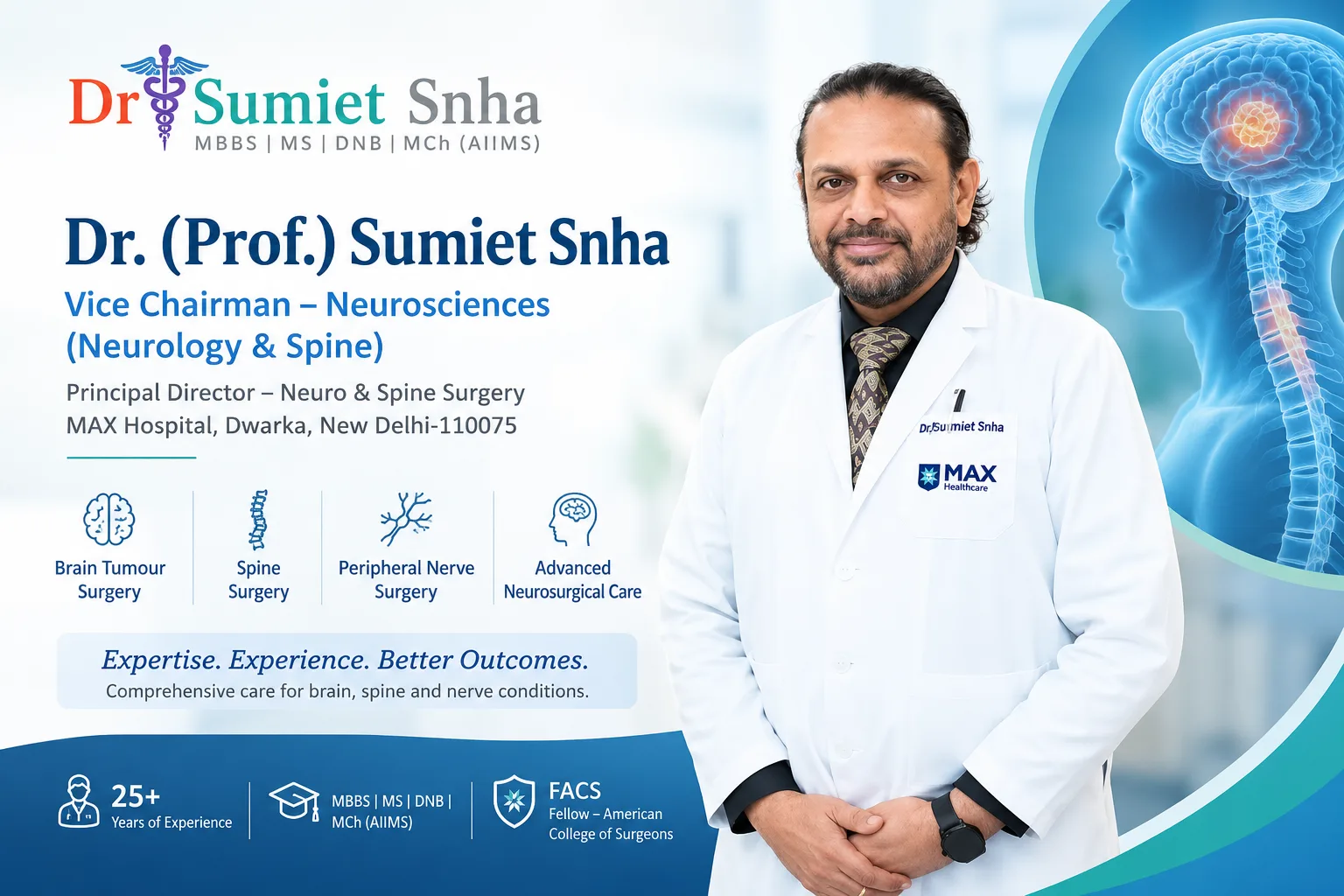
Dr.(Prof.) Sumiet Snha, Vice Chairman – Neurosciences (Neurology & Spine), brings over 25 years of neurosurgical experience and has been dedicated to providing advanced neurological and spine care since 2005. Seeking expert neurological guidance for persistent symptoms can lead to timely diagnosis, effective treatment, and improved quality of life while supporting long-term brain wellness.
0 Comments