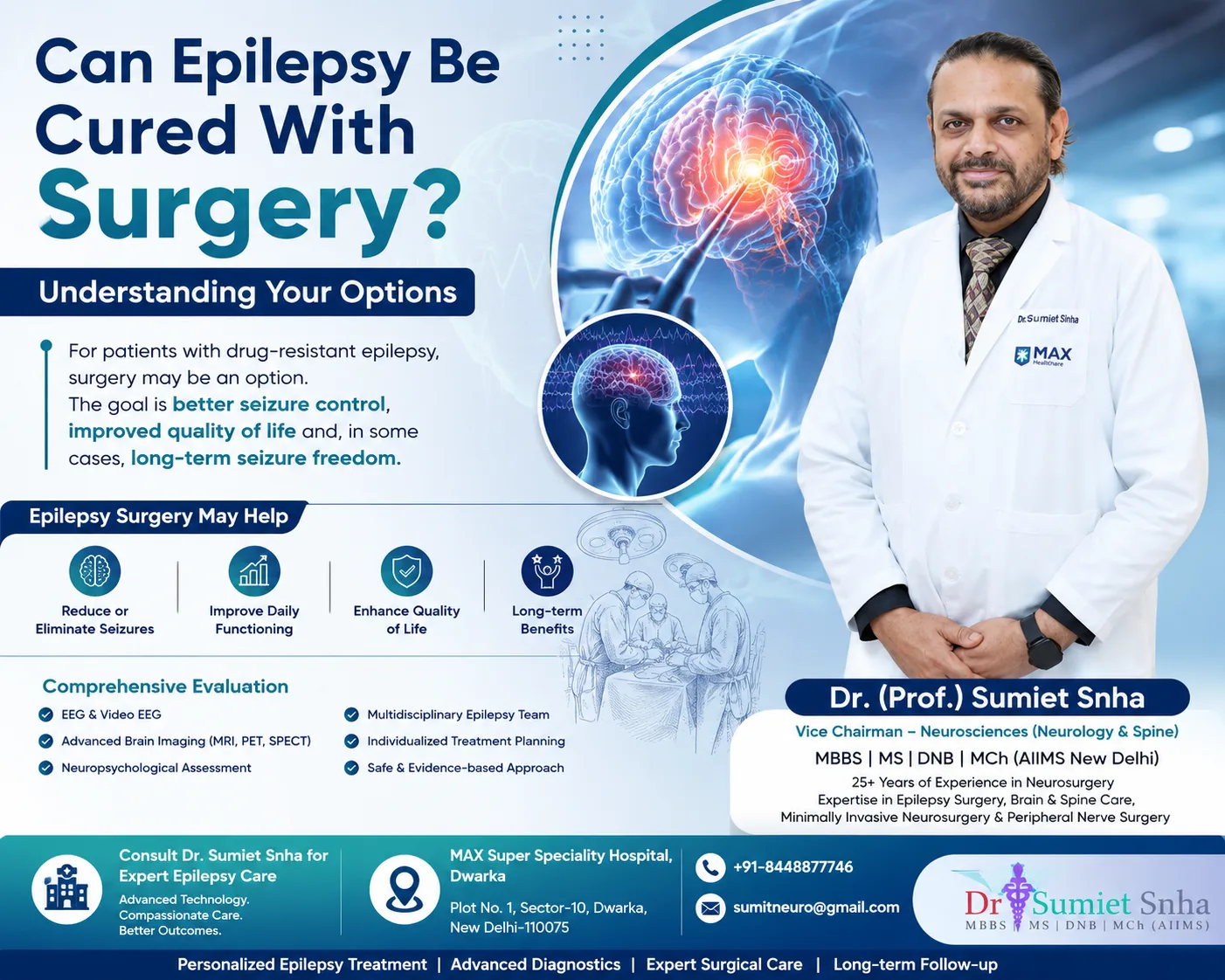
Epilepsy is a neurological disorder in which abnormal electrical activity in the brain can cause recurrent seizures. While anti-seizure medicines are commonly used as the first line of epilepsy treatment, some people continue to experience seizures despite appropriate medical therapy. In such cases, a detailed evaluation may determine whether epilepsy surgery is a suitable option. Epilepsy treatment Delhi may involve medication management, advanced diagnostic testing, and surgical evaluation for carefully selected patients. Epilepsy surgery can sometimes achieve long-term seizure freedom, particularly when doctors can accurately identify and safely treat the area of the brain where seizures begin. However, surgery is not a guaranteed cure for every patient, and suitability depends on individual clinical factors.
Can Epilepsy Be Cured With Surgery?
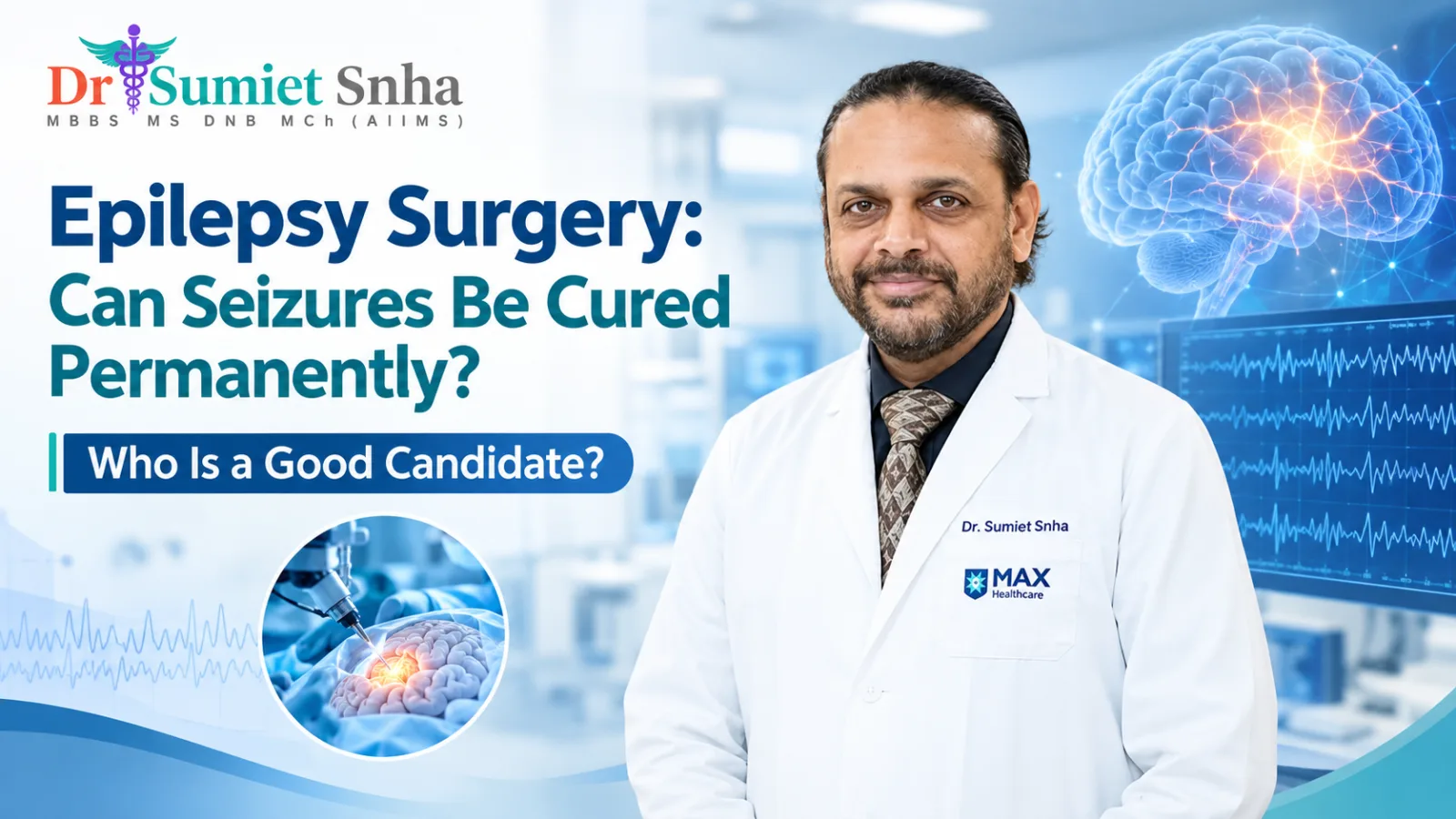
Epilepsy surgery can help some carefully selected patients achieve significant seizure control and, in certain cases, long-term seizure freedom. However, it is not considered a guaranteed cure for every person with epilepsy. The main goal is to reduce or eliminate seizures while protecting important brain functions. During epilepsy treatment, specialists first determine whether seizures consistently begin in a specific and safely treatable area of the brain. When such a seizure focus can be identified, surgery may become an appropriate seizure treatment option, particularly when medicines have not provided adequate control.
When Can Epilepsy Surgery Help?
Epilepsy surgery may be considered when seizures originate from a clearly identified region that can be treated without causing unacceptable neurological risks. The potential outcome depends on the type and location of seizures, the affected brain region, overall health, and the specific surgical approach. A comprehensive pre-surgical evaluation is therefore essential before making any treatment decision.
When Is Epilepsy Surgery Considered?
Epilepsy surgery may be considered when seizures remain uncontrolled despite appropriate medical treatment and significantly affect a person’s daily life. Doctors do not recommend surgery simply because one or more medicines have failed. Instead, they assess the seizure pattern, underlying cause, brain imaging, EEG findings, overall health, and whether the seizure-producing area can be treated safely. This careful approach helps determine whether surgery is likely to provide meaningful benefit.
Drug Resistant Epilepsy
Drug resistant epilepsy refers to epilepsy in which seizures continue despite appropriate trials of suitable anti-seizure medicines. Recurrent uncontrolled seizures may prompt referral to a specialized epilepsy team for further evaluation. For patients seeking epilepsy treatment Delhi, a comprehensive assessment can help determine whether medication adjustment, additional therapies, or surgical evaluation is appropriate for their individual condition.
How Doctors Evaluate a Patient for Epilepsy Surgery
Before considering surgery, doctors perform a detailed epilepsy surgery evaluation to understand where seizures begin, what may be causing them, and whether the suspected brain area can be treated safely. This process is important because epilepsy diagnosis and treatment must be individualized rather than based on seizures alone.
Tests Used Before Epilepsy Surgery
Depending on the patient’s condition, the evaluation may include:
- Medical and seizure history: Doctors review seizure frequency, symptoms, triggers, previous treatments, and medication response.
- Neurological examination: This helps assess brain and nervous-system function.
- EEG and video EEG: These tests record brain activity and help identify patterns associated with seizures.
- MRI brain: Detailed imaging can reveal structural abnormalities that may be linked to seizures.
- PET or SPECT scans: These may provide additional information when the seizure source remains unclear.
- Neuropsychological assessment: Memory, attention, language, and other cognitive functions may be evaluated.
- Additional specialized tests: Further investigations may be recommended when needed to support safe surgical planning.
Together, these assessments help doctors develop an appropriate seizure disorder treatment strategy and determine whether epilepsy surgery is suitable.
What Types of Epilepsy Surgery Are Available?
The type of epilepsy surgery treatment depends on where seizures begin, their pattern, and whether the affected brain area can be treated safely. Surgery is planned only after detailed evaluation, and not every patient is suitable for the same procedure.
Resective Epilepsy Surgery
Resective surgery involves removing the brain tissue responsible for seizures when the seizure-producing area can be clearly identified and safely accessed. It is one of the established approaches to brain surgery for epilepsy.
Laser or Minimally Invasive Approaches
Some carefully selected patients may be candidates for minimally invasive techniques, including laser-based procedures. These approaches aim to treat the seizure focus while limiting disruption to surrounding brain tissue.
Disconnection and Other Surgical Procedures
Certain operations work by interrupting abnormal pathways through which seizures spread rather than removing the seizure-producing tissue itself. The appropriate procedure depends on the individual epilepsy pattern.
Neuromodulation Treatments
Neuromodulation uses electrical stimulation to influence abnormal brain activity and differs from surgery that removes a seizure focus. Options may be considered when resective surgery is unsuitable or when seizures arise from areas that cannot be safely removed. Patients exploring epilepsy surgery in Delhi should undergo specialist evaluation before deciding which approach, if any, is appropriate.
What Is the Success Rate of Epilepsy Surgery?
There is no single success rate that applies to every patient undergoing epilepsy surgery. Epilepsy surgery success depends on several clinical and surgical factors, so outcomes should be discussed individually with an epilepsy specialist. The primary goal may be complete seizure freedom, but reducing seizure frequency and severity can also represent an important treatment benefit.
Why Results Differ Between Patients
Outcomes can vary according to:
- Type of epilepsy: Different seizure disorders respond differently to surgery.
- Seizure focus: Results may depend on how clearly the seizure-producing area can be identified.
- Surgical procedure: Different procedures have different expected outcomes.
- Safety of treatment: Surgery must be possible without unacceptable damage to important brain functions.
- Individual factors: Overall health, age, previous treatments, and other clinical considerations may influence recovery and outcomes.
A specialist can explain the expected benefits, limitations, and risks of epilepsy surgery treatment after completing an appropriate pre-surgical evaluation.
What Are the Risks and Possible Complications?
Epilepsy surgery is a major medical decision that requires careful assessment of potential benefits and risks. Although surgery may help reduce seizures in appropriately selected patients, complications can occur depending on the procedure and the area of the brain being treated.
Understanding the Risks Before Surgery
Possible risks may include:
- Bleeding or blood-clot-related complications
- Infection
- Neurological problems
- Memory, speech, or language changes in selected cases
- Recurrence or persistence of seizures
- Risks associated with anesthesia or the specific surgical technique
|
Potential Risk |
What It May Involve |
Why Individual Assessment Matters |
|
Bleeding |
Bleeding around or within the surgical area |
Risk varies with the procedure and surgical site |
|
Infection |
Infection at the wound or deeper tissues |
Preventive measures and monitoring are important |
|
Neurological changes |
Possible effects on movement, sensation, speech, or other functions |
Depends largely on the brain region involved |
|
Memory or language changes |
Changes in selected cognitive functions |
More relevant when surgery involves areas associated with these functions |
|
Seizure recurrence |
Seizures may continue or return after surgery |
Long-term outcome varies between patients |
|
Anesthesia-related risks |
Reactions or complications associated with anesthesia |
Depends on overall health and procedure |
The treating medical team should explain the expected benefits, possible complications, and individual risks before any surgical decision is made.
What Is Recovery Like After Epilepsy Surgery?
Epilepsy surgery recovery varies according to the type of procedure, the area treated, and the patient’s overall health. Some patients may require close hospital monitoring immediately after surgery before continuing recovery at home. Follow-up appointments help doctors assess healing, neurological function, and seizure control.
Follow-Up and Long-Term Monitoring
Anti-seizure medicines may still be required after surgery and should never be stopped or changed without medical guidance. Regular follow-up is an important part of seizure treatment, allowing the medical team to monitor seizure activity, manage medications, assess recovery, and address any concerns that develop over time.
Epilepsy Treatment Options Beyond Surgery
Surgery is only one option within a broader epilepsy treatment plan. The most appropriate approach depends on the seizure type, underlying cause, overall health, and response to previous treatment.
Medicines and Other Treatment Approaches
Treatment may include:
- Anti-seizure medicines: Often the initial approach for controlling seizures.
- Dietary therapies: Certain specialized diets may be considered for selected patients.
- Neuromodulation: Vagus nerve stimulation and other stimulation-based treatments may be options when appropriate.
- Epilepsy surgery: May be considered for carefully selected patients after comprehensive evaluation.
- Lifestyle management: Identifying individual seizure triggers, maintaining adequate sleep, and following the prescribed treatment plan may support overall seizure management.
Treatment decisions should be individualized and discussed with an appropriately qualified medical professional.
Choosing Epilepsy Treatment in Delhi
When considering epilepsy treatment Delhi, patients should focus on the quality of evaluation, diagnostic facilities, treatment options, and continuity of care rather than relying only on rankings or promotional claims.
What Patients Should Look For
A suitable epilepsy care team may offer:
- Experience in epilepsy diagnosis and management
- Access to EEG, video EEG, MRI, and other relevant investigations
- Multidisciplinary epilepsy surgery evaluation when required
- Neurosurgical expertise for patients being considered for surgery
- Individualized treatment planning based on seizure type and medical history
- Appropriate long-term follow-up for monitoring seizure control and treatment response
Consulting an experienced epilepsy specialist in Delhi can help patients understand their diagnosis and discuss treatment options appropriate to their individual circumstances.
About the Medical Expert
Expertise and Patient-Centred Care
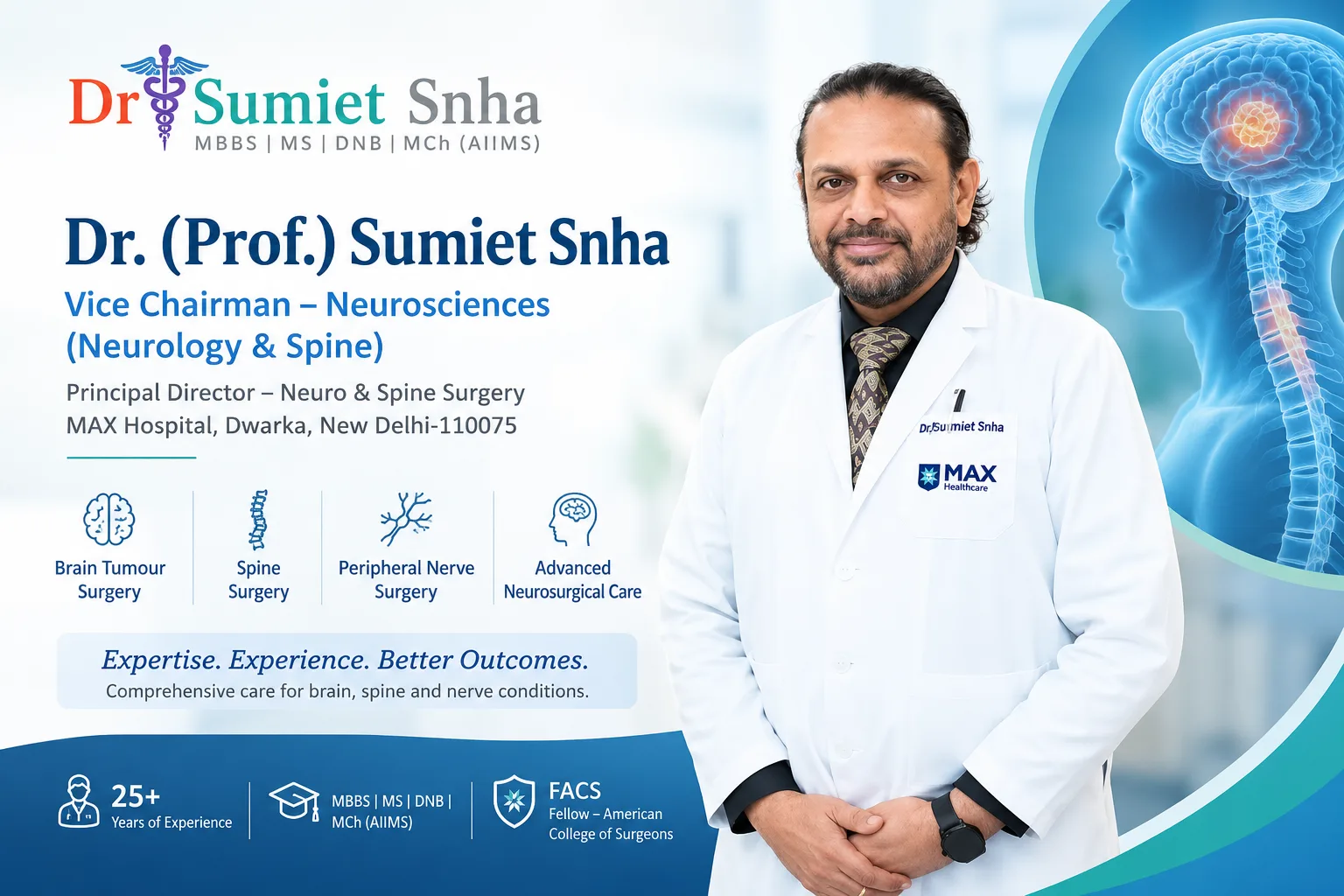
Dr. (Prof.) Sumiet Snha is a neurosurgeon with 25+ years of experience and neurosurgical training from AIIMS, New Delhi. His qualifications include MBBS, MS, DNB and MCh (AIIMS). His clinical interests include neurosurgery, spine care, minimally invasive spine procedures, peripheral nerve surgery, and neurological conditions requiring specialized evaluation and treatment.
Frequently Asked Questions About Epilepsy Surgery
Can epilepsy be completely cured by surgery?
Epilepsy surgery can help some carefully selected patients achieve long-term seizure freedom, but it does not guarantee a complete cure for everyone.
Who may be a candidate for epilepsy surgery?
Patients with persistent seizures despite appropriate anti-seizure medicines may be evaluated for surgery, particularly when the seizure focus can potentially be identified and safely treated.
Is epilepsy surgery safe?
Epilepsy surgery has potential risks. Safety depends on the procedure, seizure location, brain functions involved, and the patient’s overall health.
Can seizures return after epilepsy surgery?
Yes. Some patients may experience seizure recurrence after surgery. Regular follow-up helps doctors monitor seizure control and adjust treatment when necessary.
When is epilepsy considered drug resistant?
Epilepsy may be considered drug resistant when appropriate anti-seizure medicines fail to provide adequate seizure control. Further specialist evaluation may then be appropriate.
What tests are performed before epilepsy surgery?
Evaluation may include medical history, neurological examination, EEG or video EEG, MRI, and selected patients may require PET, SPECT, neuropsychological testing, or other specialized investigations.
Does every person with epilepsy need surgery?
No. Many people can manage epilepsy with medicines and other treatments. Surgery is considered only when a detailed evaluation indicates that it may provide meaningful benefit.
Can epilepsy surgery reduce seizure frequency?
Yes, surgery may reduce seizure frequency or severity in appropriately selected patients. The expected outcome depends on the type of epilepsy, seizure focus, procedure, and individual clinical factors.
Will I need medicines after epilepsy surgery?
Some patients continue anti-seizure medicines after surgery. Medication should only be reduced or stopped under the supervision of the treating medical team.
How long does recovery from epilepsy surgery take?
Recovery varies according to the surgical procedure, the brain area treated, and the patient’s overall health. Follow-up appointments are important for monitoring healing and seizure control.
What should I consider when seeking epilepsy treatment in Delhi?
Consider the doctor’s relevant experience, diagnostic facilities, access to comprehensive epilepsy evaluation, surgical expertise when required, individualized treatment planning, and long-term follow-up.
How can Dr. (Prof.) Sumiet Snha help with epilepsy care?
Dr. (Prof.) Sumiet Snha is a neurosurgeon with 25+ years of experience and neurosurgical training from AIIMS, New Delhi. His qualifications include MBBS, MS, DNB and MCh (AIIMS). Patients can discuss their symptoms and treatment options with a qualified medical professional to determine whether further neurological or surgical evaluation is appropriate.
Conclusion
Epilepsy surgery can be an effective treatment option for carefully selected patients, particularly when seizures remain uncontrolled despite appropriate medical therapy. A detailed evaluation is essential before considering surgery. For those exploring epilepsy treatment Delhi, consultation with an experienced epilepsy and neurosurgical team can help determine the most appropriate treatment approach based on individual medical needs.

0 Comments