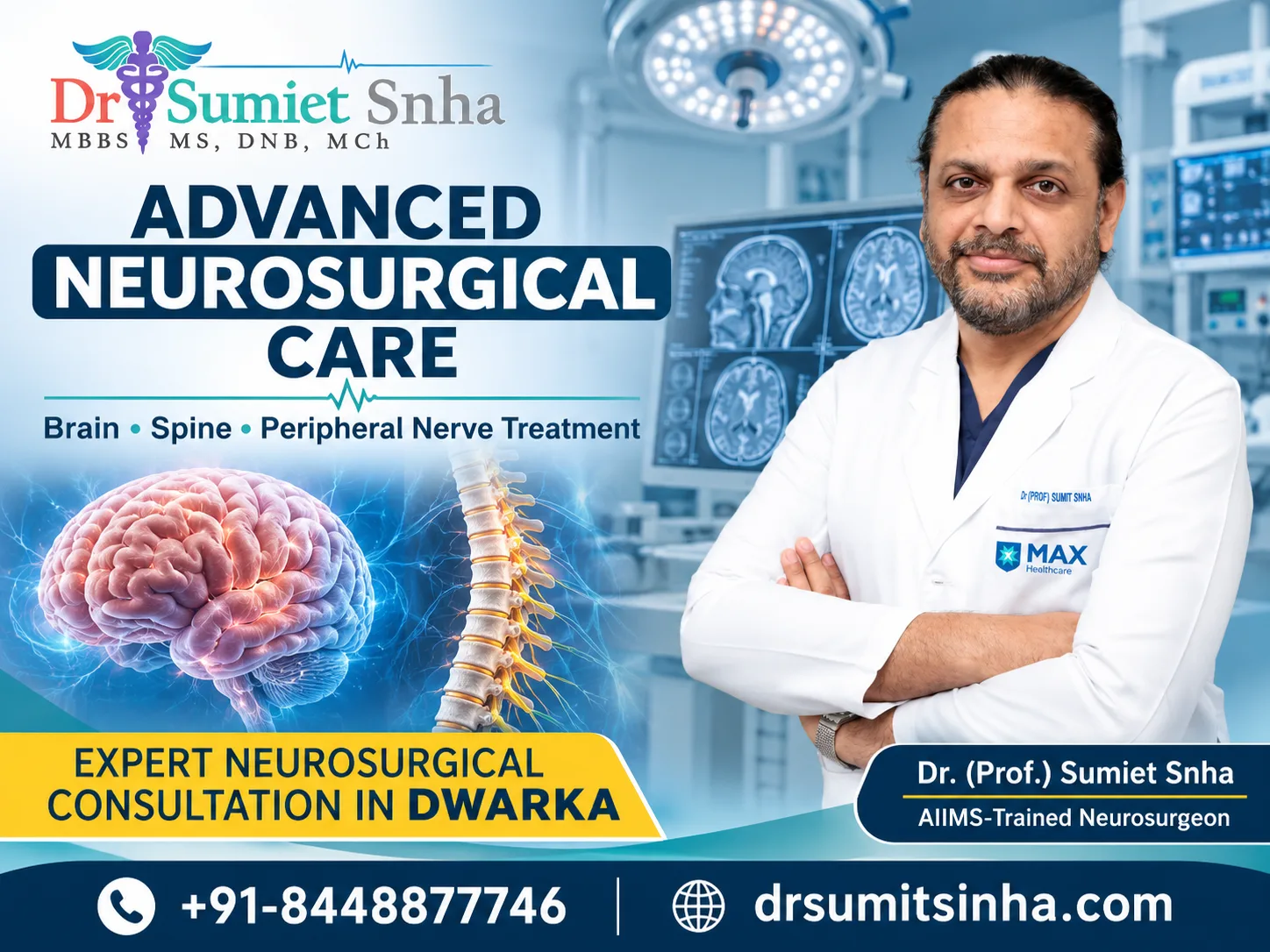
Choosing the Best Neurosurgeon in Dwarka is an important decision when dealing with complex neurological conditions that affect the brain, spine, or peripheral nerves. The nervous system controls almost every function of the human body, including movement, sensation, coordination, memory, and communication. Therefore, neurological problems require careful diagnosis, experienced medical guidance, and an appropriate treatment approach.
Neurosurgery is a specialised branch of medicine that focuses on diagnosing and treating disorders involving the brain, spinal cord, and nervous system. Modern advancements in medical technology have introduced several treatment options, including minimally invasive procedures, endoscopic surgery, keyhole techniques, and advanced surgical navigation systems.
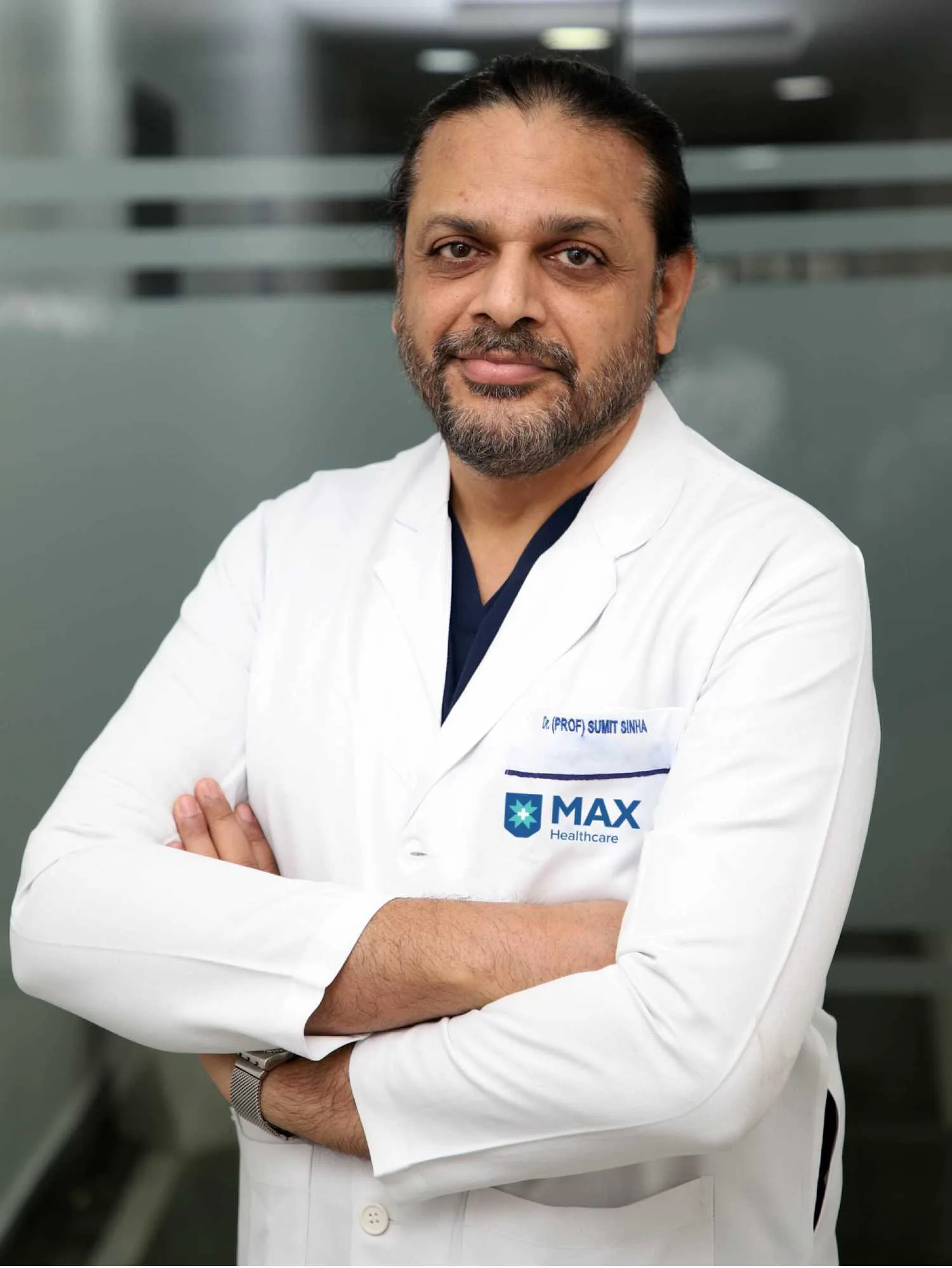
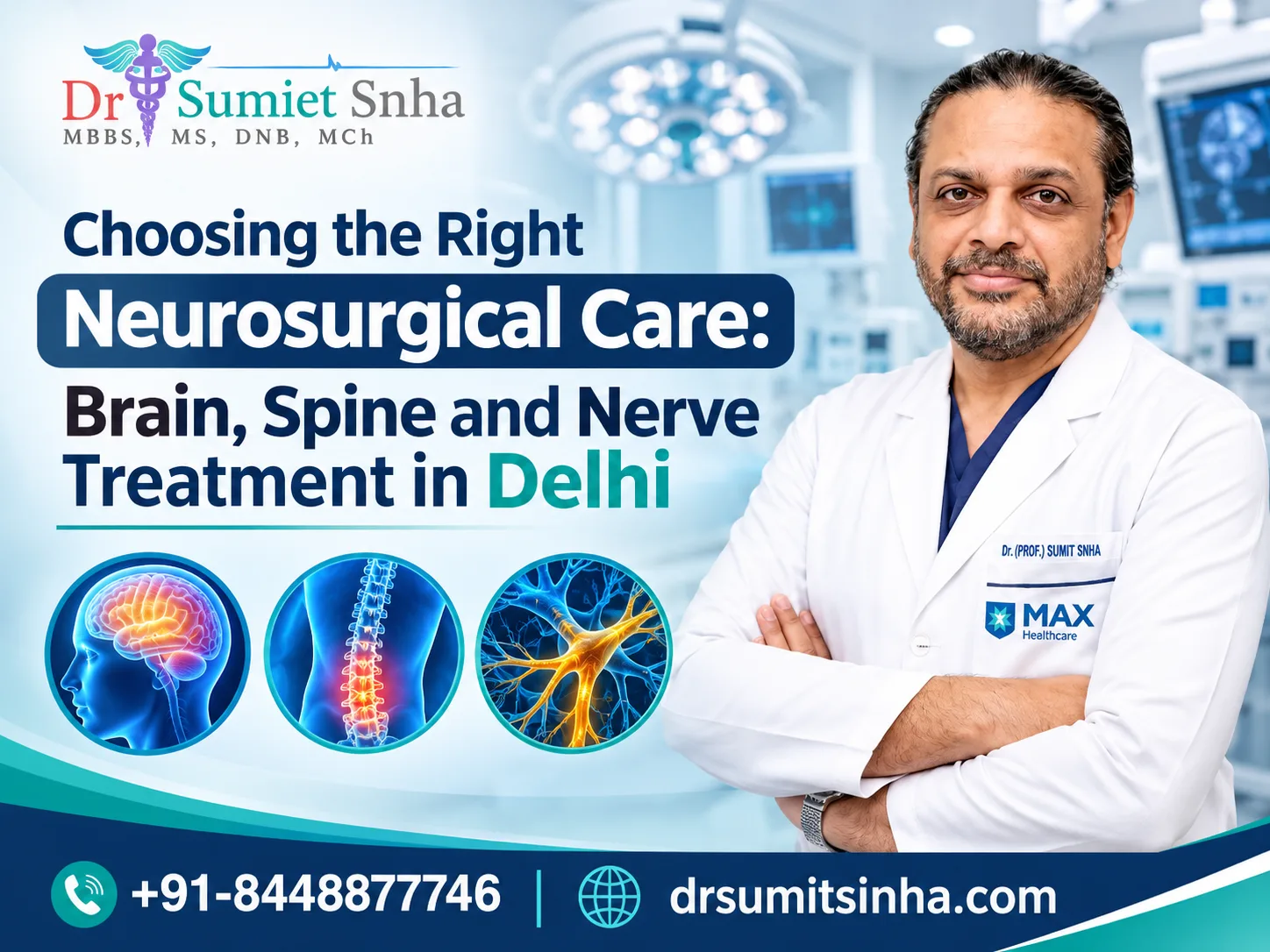
For patients in Dwarka and other parts of Delhi NCR, access to experienced neurosurgical care is particularly important. Dr. (Prof.) Sumiet Snha, an AIIMS-trained neurosurgeon and former Professor of Neurosurgery at AIIMS, New Delhi, provides specialised care for complex brain, spine, and peripheral nerve conditions at Max Super Speciality Hospital, Dwarka.
His professional experience, academic background, and expertise in advanced surgical techniques contribute to a comprehensive approach to neurological treatment.
Understanding the Importance of Neurosurgical Care
The brain, spinal cord, and peripheral nerves form an interconnected communication network that controls essential bodily activities. Any injury, abnormal growth, compression, or disease affecting these structures can interfere with normal functioning.
Neurological conditions may develop gradually or appear suddenly. Some patients experience persistent headaches, dizziness, numbness, weakness, or difficulty walking, while others may develop symptoms following accidents or traumatic injuries.
An experienced neurosurgeon evaluates these symptoms through clinical examinations, medical history, neurological assessments, and diagnostic investigations.
The purpose of neurosurgical consultation is not necessarily to recommend an operation. In many cases, medication, rehabilitation, observation, and other non-surgical treatments may be appropriate.
However, when surgery becomes necessary, selecting the right surgical approach is essential for managing the condition and reducing potential complications.
Meet Dr. (Prof.) Sumiet Snha: Experience and Professional Expertise
Dr. (Prof.) Sumiet Snha is an experienced neurosurgeon specialising in brain surgery, spine surgery, minimally invasive neurosurgery, and peripheral nerve procedures.
He completed his neurosurgical training at the prestigious All India Institute of Medical Sciences (AIIMS), New Delhi, and subsequently joined its faculty. During his academic career, he progressed to the position of Professor of Neurosurgery at the JPNA Trauma Centre and AIIMS.
His professional journey includes extensive clinical experience in managing complex neurological conditions and performing advanced surgical procedures.
Dr. Snha's qualifications include:
MBBS
MS
DNB
MCh in Neurosurgery from AIIMS, New Delhi
Fellow of the American College of Surgeons (FACS)
He has also received international training and worked with renowned specialists, including Professor Hiroshi Sano from Japan, Professor Louis Vialle from Brazil, and Professor B. Meyer from Germany.
His professional contributions extend beyond clinical practice. He has been associated with several national neurosurgical organisations and academic initiatives, including leadership roles in the Neurotrauma Society of India and the Indian Society of Peripheral Nerve Surgery.
He has also contributed to medical education through teaching and faculty responsibilities associated with AO Spine International and Advanced Trauma Life Support (ATLS).
Patients interested in understanding his qualifications and professional journey can visit the official profile of Dr. (Prof.) Sumiet Snha.
Brain Conditions Requiring Neurosurgical Evaluation
Brain-related disorders can affect memory, movement, behaviour, speech, and other important neurological functions. Early diagnosis and appropriate treatment planning are important for managing these conditions.
Some of the major brain conditions evaluated and treated through specialised neurosurgical care include:
1. Brain Tumours
Brain tumours develop when abnormal cells grow within or around the brain. They may be benign or malignant and can produce symptoms depending on their location, size, and growth pattern.
Common symptoms include persistent headaches, seizures, vision disturbances, vomiting, and changes in neurological functioning.
Treatment depends on the tumour type and individual patient factors. Available approaches may include observation, medication, surgery, radiation therapy, and other specialised treatments.
Endoscopic and keyhole brain tumour surgery may be considered in appropriately selected cases to access specific areas while limiting unnecessary tissue disruption.
2. Brain Aneurysms and Vascular Malformations
A brain aneurysm is an abnormal bulging of a blood vessel, while an arteriovenous malformation (AVM) involves an abnormal connection between arteries and veins.
These vascular conditions may remain undetected until symptoms develop. In certain cases, an aneurysm can rupture and cause a serious brain haemorrhage.
Diagnosis may involve CT angiography, MRI, or digital subtraction angiography. Treatment options depend on the vascular abnormality and may include microsurgery, endovascular procedures, or observation.
3. Hydrocephalus
Hydrocephalus occurs when cerebrospinal fluid accumulates abnormally within the brain's ventricular system.
Patients may experience headaches, nausea, balance problems, visual disturbances, or changes in mental functioning.
Depending on the underlying cause, treatment may involve a shunt procedure or Endoscopic Third Ventriculostomy (ETV).
The appropriate treatment is determined after evaluating the patient's age, symptoms, imaging findings, and overall medical condition.
4. Acoustic Neuroma
Acoustic neuroma, also known as vestibular schwannoma, is generally a benign tumour that develops from the nerve responsible for hearing and balance.
Common symptoms include hearing loss, ringing in the ears, and balance difficulties.
Treatment options may include regular monitoring, radiation treatment, or surgical removal, depending on tumour characteristics and patient requirements.
Advanced Spine Surgery and Treatment in Dwarka
Spinal disorders can significantly affect everyday activities. The spine supports the body, protects the spinal cord, and enables movement and flexibility.
Problems involving spinal discs, vertebrae, joints, or nerves may produce chronic back pain, neck pain, numbness, tingling, and weakness in the arms or legs.
Dr. (Prof.) Sumiet Snha provides specialised evaluation and treatment for several spinal conditions.
1. Slip Disc and Sciatica
A slipped disc occurs when the soft inner material of an intervertebral disc moves beyond its normal boundaries and may compress nearby nerves.
Patients frequently experience lower back pain, radiating leg pain, numbness, or tingling.
Most cases initially receive conservative treatment, including appropriate medication and physiotherapy. When symptoms persist or neurological deficits develop, surgical evaluation may be necessary.
Endoscopic discectomy is a minimally invasive surgical technique that may be suitable for selected patients requiring nerve decompression.
2. Cervical Disc Disorders
Cervical disc problems affect the neck region and may cause pain extending towards the shoulders, arms, and fingers.
In certain cases, disc degeneration or herniation can compress the spinal cord, producing symptoms such as hand weakness, difficulty walking, or reduced coordination.
Depending on the diagnosis, treatment may include medication, physiotherapy, endoscopic procedures, anterior cervical discectomy and fusion (ACDF), or cervical disc replacement.
3. Spinal Canal Stenosis
Spinal stenosis refers to the narrowing of the spinal canal or nerve passageways, which can place pressure on the spinal cord or spinal nerves.
It commonly develops due to age-related degeneration, thickening of spinal ligaments, or changes in the intervertebral discs.
Symptoms may include back pain, leg discomfort, numbness, and difficulty walking for extended periods.
Minimally invasive spinal decompression may help relieve nerve compression in appropriately selected patients.
4. Spinal Tumours
Spinal tumours may develop within the spinal cord, around the nerves, or in the surrounding vertebral structures.
Their symptoms depend on location and size and may include persistent back pain, weakness, sensory changes, and difficulty walking.
Treatment planning involves detailed imaging and neurological evaluation. Surgery may be considered to remove or reduce the tumour and protect neurological function.
5. Spinal Fractures and Spinal Tuberculosis
Spinal fractures can occur following road accidents, falls, or osteoporosis-related weakening of the vertebrae.
Spinal tuberculosis is an infection that can damage vertebral structures and, in some cases, compress the spinal cord.
Both conditions require careful assessment. Depending on their severity, treatment may include medication, immobilisation, decompression, stabilisation, or other specialised procedures.
Peripheral Nerve Disorders and Surgical Treatment
Peripheral nerves connect the brain and spinal cord with the remaining parts of the body. They are responsible for transmitting signals that control muscle movement and sensation.
Damage to these nerves can interfere with daily activities and reduce physical independence.
Dr. Snha has specialised experience in managing complex peripheral nerve conditions, including brachial plexus injuries and nerve tumours.
Brachial Plexus Injuries
The brachial plexus is a network of nerves connecting the spinal cord with the shoulder, arm, and hand.
Injuries may occur during road accidents, sports injuries, or childbirth. Severe damage can result in weakness, loss of sensation, or paralysis of the affected arm.
Treatment depends on the location and severity of the injury. Selected patients may benefit from nerve repair, nerve grafting, or nerve transfer procedures.
Peripheral Nerve Injuries
Peripheral nerve damage may occur due to trauma, compression, or surgical injuries.
Common conditions include:
Wrist drop
Foot drop
Carpal tunnel syndrome
Peripheral nerve compression
Traumatic nerve injuries
Nerve-related weakness and sensory disturbances
Early evaluation can help determine whether observation, rehabilitation, medication, or surgical intervention is appropriate.
Nerve Tumours
Nerve sheath tumours develop from the protective tissues surrounding nerves. Some are benign, while others may require more complex treatment.
Patients may experience a noticeable lump, localised pain, tingling, or weakness depending on the affected nerve.
Treatment planning aims to address the tumour while preserving important nerve functions wherever possible.
Benefits of Minimally Invasive and Endoscopic Neurosurgery
Medical technology has significantly changed the way several brain and spine conditions are treated.
Traditional open surgery remains important for many complex neurological disorders. However, minimally invasive techniques offer alternative surgical approaches for selected patients.
Minimally invasive neurosurgery involves specialised instruments, smaller incisions, and advanced visualisation technologies to access the affected area.
Some potential advantages include:
Smaller surgical incisions in suitable procedures.
Reduced disruption to surrounding tissues.
Potentially less blood loss.
Reduced postoperative discomfort in selected cases.
Earlier mobilisation in appropriately selected patients.
Potentially shorter hospital stays.
Improved visualisation through specialised endoscopic equipment.
Endoscopic procedures use a camera-equipped instrument that allows surgeons to view specific anatomical structures during surgery.
Keyhole techniques may also provide access to certain brain and spine conditions through carefully planned surgical openings.
However, it is important to understand that minimally invasive surgery is not suitable for every neurological condition. The surgeon must consider the patient's diagnosis, anatomy, medical history, and surgical requirements before recommending a particular technique.
How to Choose the Right Neurosurgeon in Dwarka
Selecting a neurosurgeon involves more than searching for a specialist online. Patients and their families should evaluate several important factors before making a treatment decision.
1. Educational Qualifications: Check whether the surgeon has completed recognised neurosurgical training and possesses relevant specialist qualifications.
2. Clinical Experience: Experience in treating specific brain, spine, or nerve disorders is an important consideration, particularly for complex cases.
3. Surgical Expertise: Understand whether the surgeon has experience with conventional, minimally invasive, endoscopic, and other relevant surgical techniques.
4. Hospital Infrastructure: Neurosurgical treatment may require advanced imaging, modern operating theatres, neuro-navigation, intraoperative monitoring, and specialised intensive care facilities.
5. Clear Communication: A good consultation should include an explanation of the diagnosis, available treatment options, potential risks, expected recovery, and alternatives to surgery.
6. Second Opinions: Before undergoing a major operation, patients may consider obtaining another specialist opinion to understand whether surgery is necessary and which treatment approach is appropriate.
These considerations can help patients make more informed decisions about their neurological health.
Neurosurgical Facilities at Max Super Speciality Hospital, Dwarka
Hospital infrastructure plays an important role in supporting complex neurological treatment.
Max Super Speciality Hospital, Dwarka, provides access to specialised medical facilities and diagnostic technologies that support brain and spine care.
Important facilities include:
Advanced Operating Theatres: Equipped for specialised brain and spine procedures.
Operating Microscopes: Support detailed visualisation during microsurgical procedures.
Neuro-navigation: Helps surgeons plan and perform selected procedures using image-guided technology.
Intraoperative Neuromonitoring: Allows monitoring of selected neurological functions during surgery.
Advanced Imaging: MRI, CT, CT angiography, and other diagnostic investigations support treatment planning.
Neuro-ICU: Provides specialised critical care for patients requiring intensive neurological monitoring.
Rehabilitation Services: Physiotherapy and other rehabilitation support may assist recovery following neurological injuries and surgery.
The availability of appropriate facilities, combined with experienced medical professionals, supports a comprehensive approach to neurosurgical management.
Why Patients from Delhi NCR Consider Dr. (Prof.) Sumiet Snha
Patients looking for specialised neurological treatment often want a combination of clinical experience, advanced surgical knowledge, and transparent communication.
Dr. (Prof.) Sumiet Snha brings together an academic background at AIIMS, professional experience in complex neurosurgical procedures, and expertise in minimally invasive brain, spine, and peripheral nerve surgery.
His approach focuses on understanding each patient's condition and discussing appropriate treatment options.
Some important aspects of his professional practice include:
Extensive neurosurgical experience.
Advanced training from AIIMS, New Delhi.
Former Professor of Neurosurgery at AIIMS.
Fellowship of the American College of Surgeons (FACS).
Experience in brain, spine, and peripheral nerve surgery.
Special interest in endoscopic and minimally invasive techniques.
Involvement in neurosurgical education and professional organisations.
Emphasis on explaining surgical and non-surgical treatment options.
For patients in Dwarka, Janakpuri, Palam, Uttam Nagar, Najafgarh, and other parts of Delhi NCR, consulting an experienced neurosurgeon can help establish a suitable treatment plan.
When Should You Consult a Neurosurgeon?
Not every headache or backache requires a neurosurgical consultation. However, certain symptoms should not be ignored.
Consider seeking medical evaluation if you experience:
Persistent or worsening headaches.
Repeated seizures.
Progressive weakness in an arm or leg.
Numbness or tingling associated with neurological symptoms.
Persistent neck or back pain radiating into the limbs.
Difficulty walking or maintaining balance.
Loss of coordination or unexplained changes in movement.
Symptoms following a head or spinal injury.
Sudden facial drooping, arm weakness, speech difficulty, sudden severe headache, or loss of consciousness requires immediate emergency medical attention. Do not delay emergency care while arranging a routine specialist appointment.
Early assessment can help identify the underlying problem and determine the appropriate next steps.
Frequently Asked Questions (FAQs)
1. Who is a neurosurgeon?
A neurosurgeon is a specialist trained to diagnose and treat disorders affecting the brain, spinal cord, and peripheral nervous system. Treatment may involve medication, observation, rehabilitation, or surgery.
2. How can I find the Best Neurosurgeon in Dwarka?
Look for a qualified neurosurgeon with recognised specialist training, relevant clinical experience, expertise in treating your particular condition, and access to appropriate hospital facilities. Clear communication and transparent treatment planning are also important.
3. Does every brain or spine condition require surgery?
No. Many neurological and spinal conditions can be managed through medication, physiotherapy, rehabilitation, and observation. Surgery is recommended only when clinically appropriate.
4. What is minimally invasive spine surgery?
Minimally invasive spine surgery uses specialised instruments and smaller incisions to treat selected spinal conditions. It may reduce tissue disruption and support recovery in suitable patients.
5. Which conditions does Dr. (Prof.) Sumiet Snha treat?
His areas of expertise include brain tumours, aneurysms, hydrocephalus, spinal disorders, slip disc, spinal stenosis, brachial plexus injuries, peripheral nerve injuries, and nerve tumours.
6. Where can I consult Dr. (Prof.) Sumiet Snha in Dwarka?
Dr. (Prof.) Sumiet Snha practises at Max Super Speciality Hospital, Dwarka, New Delhi. Patients can contact the hospital or his consultation team for appointment information.
7. Should I seek a second opinion before brain or spine surgery?
Obtaining a second opinion before major surgery can help patients understand their diagnosis, evaluate alternative treatments, and make an informed decision.
Conclusion
Neurological conditions require specialised attention, accurate diagnosis, and carefully planned treatment. Whether the concern involves a brain tumour, spinal disorder, nerve injury, or another neurological condition, consulting an experienced specialist is an important step towards understanding available treatment options.
For patients seeking the Best Neurosurgeon in Dwarka, Delhi, Dr. (Prof.) Sumiet Snha offers extensive neurosurgical experience, AIIMS training, and expertise in advanced brain, spine, and peripheral nerve procedures at Max Super Speciality Hospital, Dwarka.
His approach combines clinical evaluation, modern surgical techniques, and individualised treatment planning, with an emphasis on recommending surgery only when medically necessary.
To learn more about his professional background, qualifications, and areas of expertise, visit the official profile of Dr. (Prof.) Sumiet Snha.
0 Comments