Best Neurosurgeon in Delhi is an important search for patients and families looking for experienced medical care for complex brain, spine and nerve-related conditions. Neurosurgical disorders can affect a person's mobility, memory, coordination, physical strength and overall quality of life. Finding an experienced specialist who can accurately diagnose the condition and recommend an appropriate treatment plan is therefore an important step towards better healthcare.
Delhi has several reputed hospitals and experienced neurosurgical specialists who provide treatment for a wide range of neurological conditions. However, choosing the right doctor requires more than simply considering a hospital's reputation. A patient's decision should also involve the surgeon's qualifications, clinical experience, areas of specialisation, available surgical techniques and approach towards patient care.
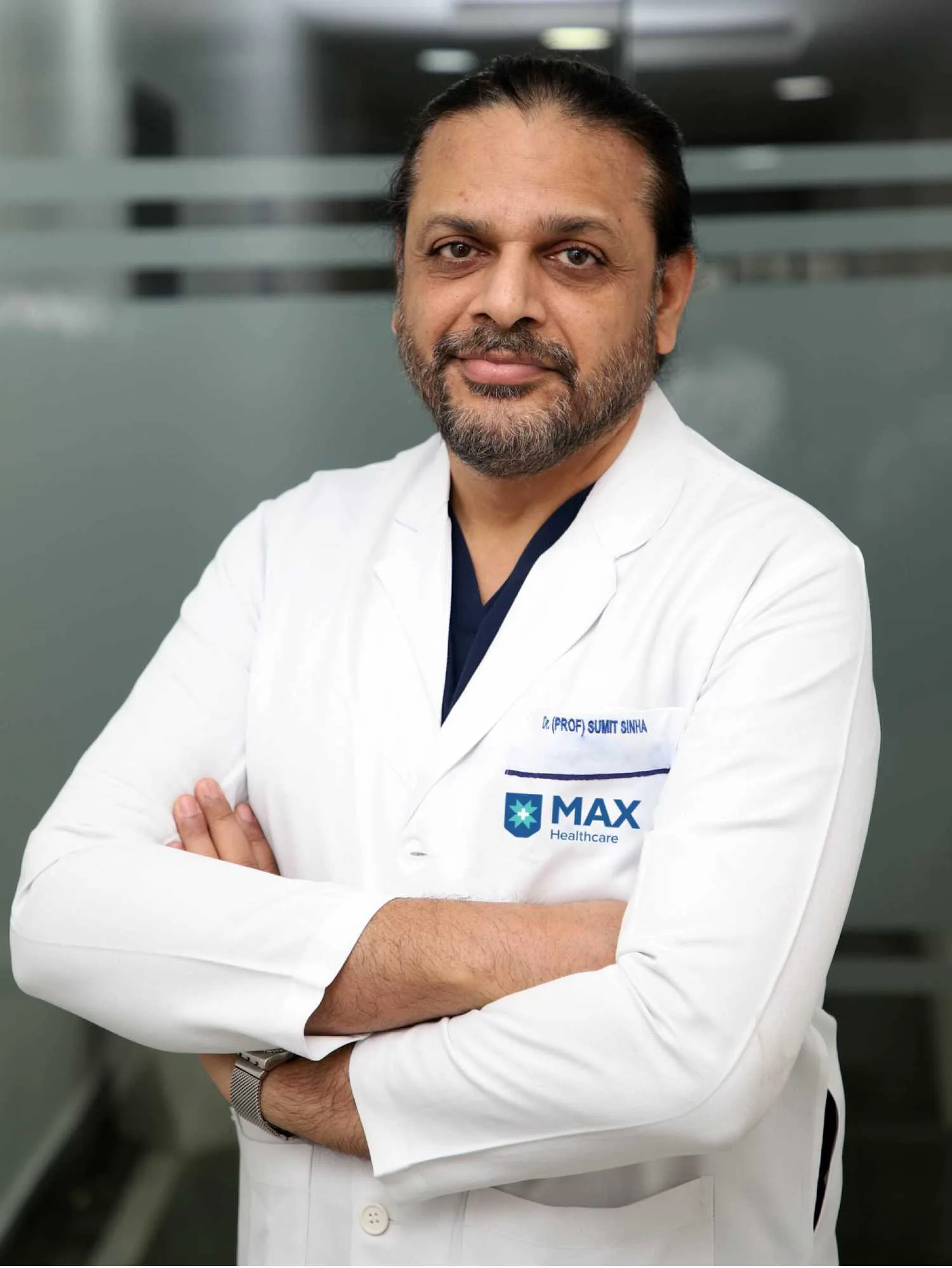
Dr. (Prof.) Sumiet Snha is an AIIMS-trained neurosurgeon with extensive experience in brain, spine and peripheral nerve surgery. Having served as a Professor of Neurosurgery at AIIMS, New Delhi, he brings academic experience and surgical expertise to his clinical practice. He currently serves as Principal Director – Neurosurgery & Spine Surgery at Max Super Speciality Hospital, Dwarka, Delhi.
This article explains the importance of specialised neurosurgical care, commonly treated conditions, modern treatment approaches and factors patients should consider when selecting a neurosurgeon in Delhi.
Understanding the Role of a Neurosurgeon
A neurosurgeon is a medical specialist trained to diagnose and treat disorders affecting the brain, spinal cord, spine and peripheral nerves. Neurosurgery is a specialised medical field that involves both surgical and non-surgical management of neurological conditions.
Patients sometimes assume that neurosurgeons only perform brain operations. However, their clinical responsibilities cover several areas of the nervous system, including:
Brain tumours: Diagnosis and treatment of benign and malignant brain tumours.
Spinal disorders: Management of slipped discs, spinal stenosis and nerve compression.
Cerebrovascular conditions: Treatment of selected aneurysms, arteriovenous malformations and other vascular abnormalities.
Peripheral nerve injuries: Management of nerve damage, brachial plexus injuries and nerve compression.
Head injuries: Evaluation and surgical management of selected traumatic brain injuries.
Functional neurosurgery: Treatment of certain movement disorders, epilepsy and neurological pain conditions.
A Best Neurosurgeon in Delhi should be able to evaluate the patient's symptoms, understand the underlying condition and explain whether medication, observation, rehabilitation or surgery is appropriate.
Not every neurological condition requires an operation. A responsible treatment approach considers the patient's individual needs and recommends surgery only when the potential benefits justify the associated risks.
Brain Conditions That Require Neurosurgical Evaluation
The brain controls essential functions such as movement, memory, speech, sensation and coordination. Conditions affecting brain structures may require specialised neurological or neurosurgical evaluation.
Some commonly treated brain conditions include:
1. Brain Tumours
Brain tumours develop when abnormal cells grow within or around the brain. They may be benign or malignant and can affect different neurological functions depending on their location and size.
Common types include:
Meningiomas
Gliomas
Pituitary tumours
Metastatic brain tumours
Skull base tumours
Acoustic neuromas
Symptoms may include persistent headaches, seizures, vision problems, weakness, balance difficulties and changes in speech or memory.
Treatment options depend on the tumour's type, location and size. They may include regular monitoring, surgery, radiation therapy or a combination of treatments.
2. Brain Aneurysms and Vascular Abnormalities
A brain aneurysm is an abnormal bulging of a blood vessel. Certain aneurysms may rupture and cause bleeding around the brain, requiring emergency medical attention.
Other vascular conditions include Arteriovenous Malformations (AVMs) and cavernous malformations. These conditions require detailed imaging and individualised treatment planning.
Depending on the diagnosis, treatment may involve microsurgery, endovascular procedures, radiosurgery or observation.
3. Hydrocephalus
Hydrocephalus occurs when cerebrospinal fluid accumulates within the brain's ventricular system. This can increase pressure inside the skull and affect normal brain function.
Treatment may involve a shunt procedure or Endoscopic Third Ventriculostomy (ETV) in appropriately selected patients.
4. Head Injuries and Brain Haemorrhage
Road accidents, falls and other traumatic incidents can cause bleeding, swelling or structural damage to the brain.
Severe headache, repeated vomiting, seizures, confusion, loss of consciousness or weakness following a head injury require immediate emergency assessment.
An experienced neurosurgical team can evaluate the injury and determine whether observation, medical treatment or surgery is necessary.
Spine Disorders and Modern Treatment Options
Spinal conditions are another major area of neurosurgical practice. The spine supports the body, protects the spinal cord and helps transmit nerve signals between the brain and different body parts.
Long working hours, sedentary habits, age-related changes, injuries and degenerative conditions can contribute to spinal problems.
Common spine disorders include:
1. Slip Disc: A herniated disc can press against nearby nerves, resulting in back pain, leg pain, numbness or weakness.
2. Sciatica: Compression or irritation of the sciatic nerve can cause pain radiating from the lower back towards the legs.
3. Cervical Spondylosis: Age-related changes in the neck's discs and joints can cause neck stiffness, discomfort and sometimes nerve compression.
4. Spinal Stenosis: Narrowing of the spinal canal can place pressure on the spinal cord or nerves, leading to pain, weakness and walking difficulties.
5. Spondylolisthesis: This condition involves one vertebra slipping over another, potentially causing spinal instability and nerve compression.
6. Spinal Tumours: Abnormal growths within or around the spinal structures may require specialised evaluation and treatment.
A Best Neurosurgeon in Delhi should assess the patient's symptoms, physical examination and MRI or CT findings before recommending a treatment strategy.
Depending on the condition, treatment may include medication, physiotherapy, activity modification, injections or surgery.
Minimally Invasive and Endoscopic Neurosurgery
Medical technology has significantly influenced modern neurosurgical procedures. Minimally invasive techniques allow surgeons to access selected areas through smaller incisions and specialised instruments.
These procedures may offer several potential advantages:
Smaller surgical incisions.
Reduced tissue disruption.
Less blood loss in suitable cases.
Reduced post-operative discomfort.
Earlier mobilisation for selected patients.
Potentially shorter hospital stays.
1. Endoscopic Spine Surgery
Endoscopic spine surgery uses a small camera and specialised instruments to access the affected spinal area. It may be suitable for selected patients with slipped discs and certain types of nerve compression.
2. Keyhole Brain Surgery
Keyhole neurosurgery uses carefully planned, smaller surgical openings to reach specific brain lesions. The approach depends on the tumour's location, size and surrounding structures.
3. Endoscopic Brain Surgery
Endoscopic techniques are used for selected conditions, including certain pituitary tumours and hydrocephalus.
However, minimally invasive surgery is not appropriate for every patient. The safest and most effective surgical approach depends on the diagnosis, anatomy and overall medical condition.
When consulting a Best Neurosurgeon in Delhi, patients should discuss whether minimally invasive treatment is suitable and understand the potential benefits and limitations.
Peripheral Nerve and Brachial Plexus Surgery
Peripheral nerves carry messages between the brain, spinal cord and different parts of the body. Damage to these nerves can affect sensation, muscle strength and movement.
Common peripheral nerve conditions include:
Brachial plexus injuries.
Wrist drop and foot drop.
Peripheral nerve compression.
Nerve sheath tumours.
Traumatic nerve injuries.
Carpal tunnel syndrome.
Brachial plexus injuries are particularly important because they affect the network of nerves responsible for movement and sensation in the shoulder, arm and hand.
These injuries may occur following road accidents, falls, sports injuries or birth-related complications.
Depending on the severity and type of injury, treatment may involve rehabilitation, nerve repair, nerve grafting or nerve transfer procedures.
Early specialist evaluation can help determine the extent of nerve damage and identify appropriate treatment options.
Why Experience and Specialisation Matter When Choosing a Neurosurgeon
Neurosurgery involves delicate anatomical structures and requires extensive specialised training. Patients should carefully evaluate a surgeon's professional background before making a treatment decision.
When looking for the Best Neurosurgeon in Delhi, consider the following factors:
Educational Qualifications: Check whether the doctor has completed recognised specialist training in neurosurgery, including appropriate postgraduate qualifications.
Clinical Experience: Experience in managing different neurological conditions can help a surgeon evaluate complex cases and understand suitable treatment approaches.
Area of Expertise: Brain tumour surgery, vascular neurosurgery, spine surgery and peripheral nerve surgery involve different specialised skills.
Surgical Techniques: Understanding conventional, minimally invasive, endoscopic and microsurgical approaches can help patients make informed decisions.
Hospital Infrastructure: Appropriate imaging facilities, operating theatres, neuro-ICU support and rehabilitation services are important components of comprehensive neurosurgical care.
Communication and Transparency: A good surgeon should explain the diagnosis, treatment alternatives, possible complications and expected recovery in understandable language.
Second Opinion: For major procedures, seeking another qualified medical opinion can help patients better understand their treatment choices.
These considerations are more meaningful than relying only on online rankings or promotional claims.
Meet Dr. (Prof.) Sumiet Snha – Experienced Neurosurgeon in Delhi
Dr. (Prof.) Sumiet Snha is an experienced neurosurgeon specialising in brain, spine and peripheral nerve surgery. His professional background includes advanced neurosurgical training at the All India Institute of Medical Sciences (AIIMS), New Delhi, followed by academic and clinical responsibilities at the institution.
He previously served as Professor of Neurosurgery at AIIMS and has professional experience spanning more than three decades.
His qualifications include:
MBBS
MS
DNB
MCh in Neurosurgery (AIIMS)
Fellow of the American College of Surgeons (FACS)
He currently serves as Principal Director – Neurosurgery & Spine Surgery at Max Super Speciality Hospital, Dwarka, New Delhi.
His areas of clinical expertise include:
Brain tumour and skull base surgery.
Keyhole and endoscopic neurosurgery.
Minimally invasive spine surgery.
Slip disc and spinal stenosis treatment.
Acoustic neuroma treatment.
Cerebral bypass and vascular neurosurgery.
Brachial plexus and peripheral nerve surgery.
Hydrocephalus management.
Neurotrauma and selected complex neurological conditions.
Patients searching for a Best Neurosurgeon in Delhi can explore his professional background, treatment areas and consultation information through his official neurosurgeon profile.
What to Expect During a Neurosurgical Consultation
A consultation is an important opportunity to understand the medical condition and discuss available treatment options.
During the appointment, the neurosurgeon generally evaluates several aspects of the patient's health.
Medical History: The doctor reviews symptoms, previous illnesses, ongoing medications, previous surgeries and relevant family history.
Neurological Examination: Depending on the complaint, the examination may assess muscle strength, reflexes, sensation, coordination, balance and other neurological functions.
Medical Imaging: MRI, CT scans, X-rays or specialised vascular imaging may be recommended depending on the suspected condition.
Diagnosis: The doctor combines the patient's symptoms, examination findings and investigation reports to understand the underlying problem.
Treatment Planning: Available options are discussed, including non-surgical management, observation, rehabilitation and surgery where appropriate.
Before visiting a Best Neurosurgeon in Delhi, patients should bring their previous medical records, investigation reports, medication details and relevant scan images.
It is also helpful to prepare questions about treatment outcomes, possible complications, recovery time and follow-up requirements.
Importance of Timely Diagnosis and Emergency Care
Neurological symptoms should never be ignored when they are sudden, severe or progressively worsening.
Certain symptoms require immediate emergency medical attention rather than waiting for a routine appointment.
These include:
Sudden weakness or numbness affecting one side of the body.
Sudden difficulty speaking or understanding speech.
Sudden loss of vision or severe balance problems.
A sudden, extremely severe headache.
Seizures or loss of consciousness.
Repeated vomiting or increasing drowsiness following a head injury.
New severe weakness involving the arms or legs.
These symptoms may indicate a stroke, brain haemorrhage, traumatic injury or another serious neurological emergency.
In such situations, patients should seek emergency hospital care immediately.
Early evaluation can help identify the underlying cause and allow the medical team to begin appropriate treatment without unnecessary delay.
Comprehensive Neurosurgical Care at Max Super Speciality Hospital, Dwarka
Access to appropriate hospital infrastructure is an important consideration when selecting a neurosurgical centre.
Max Super Speciality Hospital, Dwarka, provides a hospital environment where patients can access specialist consultations, diagnostic investigations and multidisciplinary medical services.
Important facilities supporting neurosurgical treatment may include:
Modern operating theatres.
Operating microscopes and neuro-endoscopic equipment.
Image-guided neuro-navigation.
Intraoperative neuromonitoring.
Advanced MRI and CT imaging.
Dedicated neuro-intensive care facilities.
Physiotherapy and rehabilitation services.
The availability of these facilities helps the medical team plan and deliver treatment according to the patient's individual requirements.
For patients considering a Best Neurosurgeon in Delhi, evaluating both the surgeon's expertise and the hospital's supporting facilities can help them make a more informed decision.
Patient-Centred Treatment and Long-Term Recovery
Successful neurosurgical care involves more than the operation itself. Diagnosis, treatment planning, post-operative monitoring and rehabilitation all contribute to the patient's recovery journey.
Every patient has different medical requirements. Factors such as age, general health, neurological condition, severity of the disease and response to treatment can influence recovery.
Following medical advice is essential during the recovery period. Patients may need to attend follow-up appointments, take prescribed medication, participate in rehabilitation and gradually return to normal activities.
Families also play an important role by providing emotional support and helping patients follow their recovery plans.
An experienced neurosurgeon should explain realistic treatment expectations and provide guidance throughout the relevant stages of care.
Conclusion
Choosing the right specialist is an important decision when dealing with complex brain, spine and nerve conditions. Patients should consider the surgeon's qualifications, experience, clinical expertise, treatment approach and access to appropriate hospital facilities before proceeding with major treatment.
Dr. (Prof.) Sumiet Snha, with his AIIMS background, academic experience and expertise in brain, spine and peripheral nerve surgery, provides specialised neurosurgical consultation at Max Super Speciality Hospital, Dwarka, New Delhi.
Patients looking for the Best Neurosurgeon in Delhi can explore his professional profile and seek a consultation to understand their diagnosis and available treatment options.
0 Comments