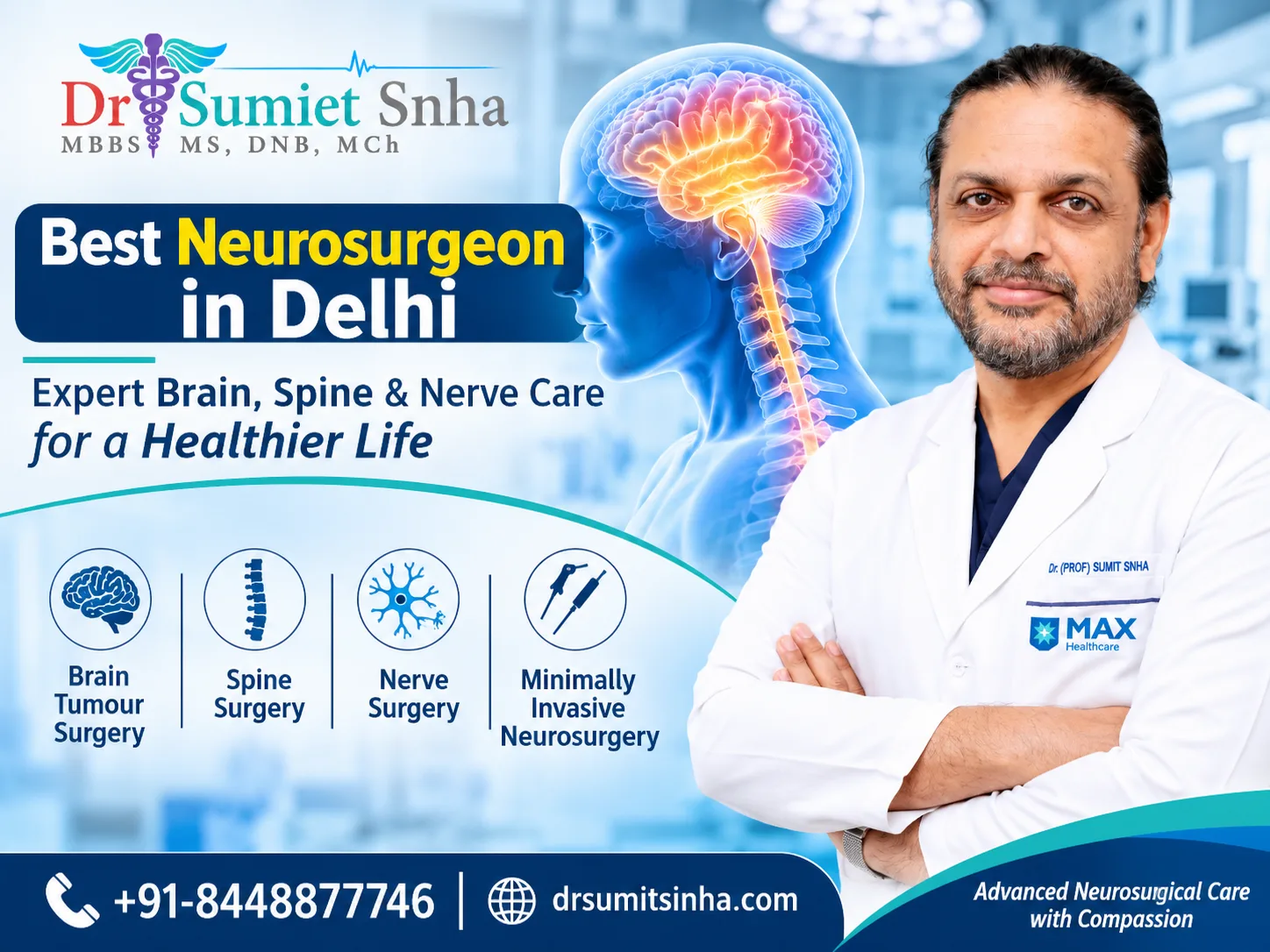
Best Neurosurgeon in Delhi is an important search for patients and families looking for specialised medical care for brain disorders, spinal conditions, nerve injuries, and other complex neurological problems. Choosing the right neurosurgeon requires more than simply looking at a doctor's name or hospital. It involves understanding their qualifications, surgical experience, areas of expertise, treatment approach, and ability to recommend the most appropriate medical solution for each patient.
The brain, spinal cord, and peripheral nerves control essential functions such as movement, memory, communication, sensation, and coordination. Conditions affecting these structures can significantly influence everyday life. Some neurological disorders can be managed through medication and regular monitoring, while others may require specialised neurosurgical procedures.
Delhi is an important destination for advanced neurological treatment, with established medical institutions and specialised healthcare facilities. Patients from Delhi NCR and other parts of India visit the capital to seek expert opinions and treatment for complicated brain and spine conditions.
Dr. (Prof.) Sumiet Snha, an AIIMS-trained neurosurgeon and former Professor of Neurosurgery at AIIMS, New Delhi, provides specialised brain, spine, and peripheral nerve care at Max Super Speciality Hospital, Dwarka, New Delhi. His clinical expertise includes minimally invasive, endoscopic, and keyhole neurosurgical techniques for appropriately selected patients.
Understanding the importance of experience, diagnosis, and modern surgical approaches can help patients make informed decisions when selecting a neurosurgeon.
What Does a Neurosurgeon Do?
A neurosurgeon is a medical specialist trained to diagnose and treat disorders affecting the brain, spinal cord, spine, and peripheral nerves. Neurosurgical treatment may involve medication-based management, observation, minimally invasive procedures, or complex surgical operations.
Unlike common misconceptions, neurosurgeons do not recommend surgery for every neurological problem. Many conditions can be managed without an operation, depending on their severity and progression.
Some important areas of neurosurgical practice include:
Brain Tumour Surgery: Evaluation and surgical management of abnormal growths affecting the brain.
Spine Surgery: Treatment of slipped discs, spinal stenosis, spinal fractures, and other spinal disorders.
Vascular Neurosurgery: Management of selected brain aneurysms, arteriovenous malformations, and vascular abnormalities.
Endoscopic Neurosurgery: Treatment of selected brain and spinal conditions using specialised cameras and instruments.
Peripheral Nerve Surgery: Management of nerve injuries, nerve compression, and nerve tumours.
Neurotrauma: Treatment of head injuries and other traumatic neurological conditions.
Epilepsy Surgery: Surgical evaluation and treatment of selected patients with drug-resistant epilepsy.
A detailed clinical assessment helps determine whether a patient requires surgery, further investigations, or conservative treatment.
How to Choose the Best Neurosurgeon in Delhi?
Selecting a neurosurgeon is an important healthcare decision, particularly when dealing with conditions that may affect the brain or spinal cord.
Patients should consider several factors before choosing a specialist.
1. Educational Qualifications and Professional Training
A neurosurgeon's educational background provides information about their medical training and specialised knowledge.
Look for recognised medical qualifications, postgraduate surgical training, and specialised neurosurgical education.
Training from established institutions such as the All India Institute of Medical Sciences (AIIMS), New Delhi, represents an important part of a specialist's professional background.
2. Clinical and Surgical Experience
Neurosurgical procedures can be highly complex and require detailed anatomical knowledge, technical precision, and sound clinical judgement.
Experience in managing different types of neurological conditions helps a specialist evaluate treatment options and understand the challenges associated with individual cases.
3. Specialisation in Brain and Spine Conditions
Not every neurosurgical condition requires the same expertise. Patients should consider whether the specialist has experience relevant to their particular diagnosis.
For example, someone with a brain tumour may require a different treatment approach from someone experiencing spinal cord compression or a peripheral nerve injury.
4. Access to Modern Surgical Techniques
Modern neurosurgery includes several specialised techniques, such as:
Minimally invasive spine surgery.
Endoscopic brain surgery.
Keyhole neurosurgery.
Microsurgical procedures.
Advanced spinal fixation techniques.
Image-guided neurosurgical procedures.
The availability of these techniques can expand treatment options for appropriately selected patients.
5. Honest Medical Advice
An experienced neurosurgeon should explain the diagnosis, available treatment alternatives, potential risks, and expected outcomes.
Patients should feel comfortable asking questions and seeking a second opinion before undergoing major surgery.
Importantly, surgery should be recommended only when the expected benefits justify the risks.
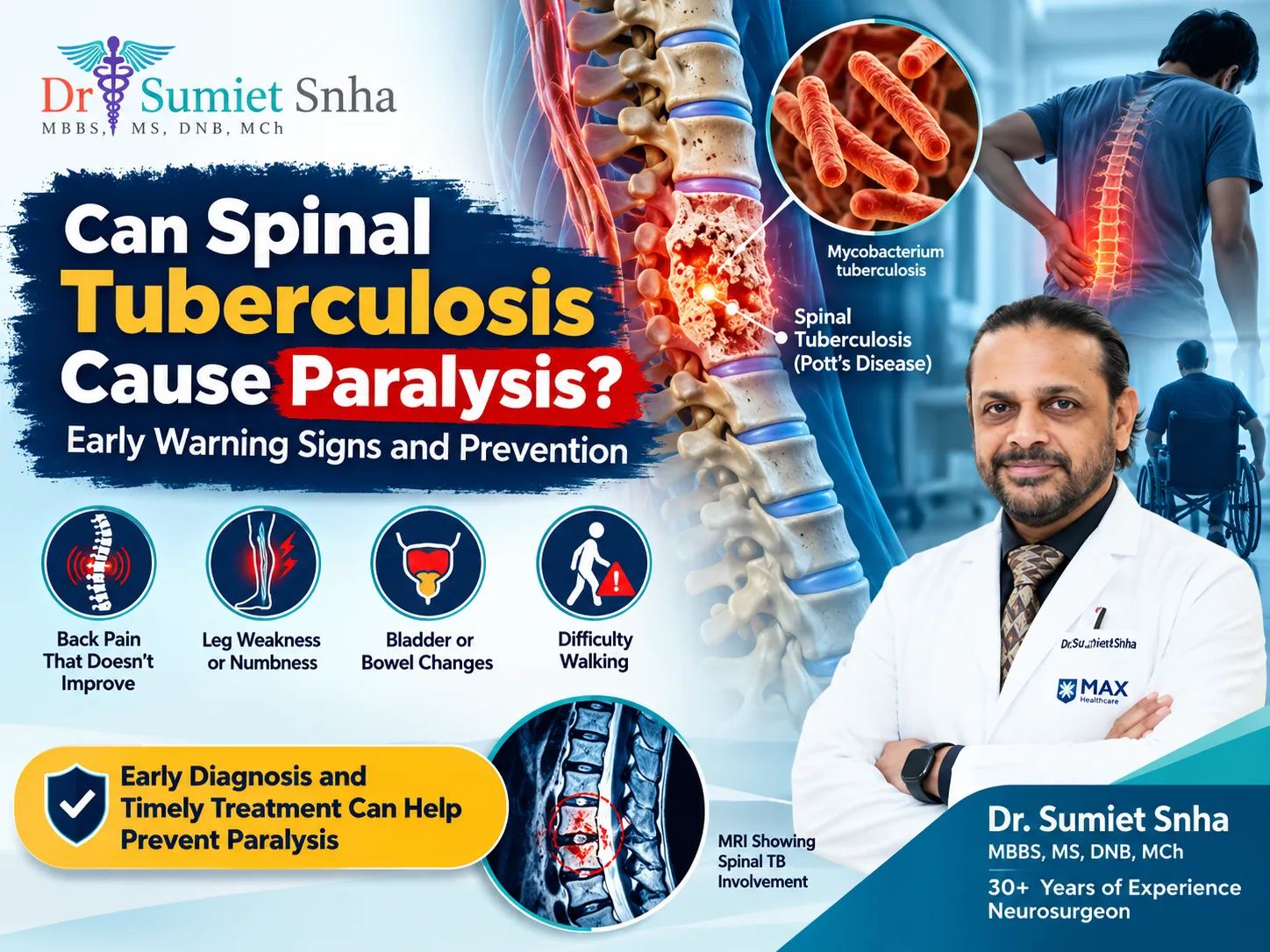
Meet Dr. (Prof.) Sumiet Snha – Neurosurgeon at Max Hospital, Dwarka
Dr. (Prof.) Sumiet Snha is an AIIMS-trained neurosurgeon with more than 30 years of professional experience in brain, spine, and peripheral nerve surgery.
He completed his neurosurgical training at the prestigious All India Institute of Medical Sciences (AIIMS), New Delhi, where he subsequently served as a Professor of Neurosurgery at the JPNA Trauma Center and AIIMS.
He is currently associated with Max Super Speciality Hospital, Dwarka, New Delhi, in a senior leadership role in Robotics, Neurosurgery and Spine Services.
His professional qualifications include:
MBBS
MS
DNB
MCh in Neurosurgery (AIIMS, New Delhi)
Fellow of the American College of Surgeons (FACS)
His professional journey also includes international training and academic exposure with renowned specialists in Japan, Brazil, and Germany.
Dr. Snha has performed thousands of complex neurosurgical procedures involving the brain, spine, and peripheral nerves. His clinical practice includes minimally invasive, endoscopic, and keyhole surgical approaches wherever medically appropriate.
His professional leadership and contributions include involvement with the Neurotrauma Society of India and the Indian Society of Peripheral Nerve Surgery.
Brain Conditions Treated by an Experienced Neurosurgeon
The brain controls numerous essential functions, and neurological disorders can affect different areas of the nervous system. Accurate diagnosis is necessary to determine the most suitable treatment.
Some common brain conditions requiring neurosurgical evaluation include:
1. Brain Tumours
Brain tumours develop when abnormal cells grow within or around the brain. They may be benign or malignant and can affect neurological functions depending on their location and size.
Common symptoms include:
Persistent or worsening headaches.
Seizures.
Changes in vision.
Difficulty speaking.
Weakness in the arms or legs.
Problems with memory and coordination.
Treatment may involve observation, surgery, radiotherapy, chemotherapy, or a combination of approaches.
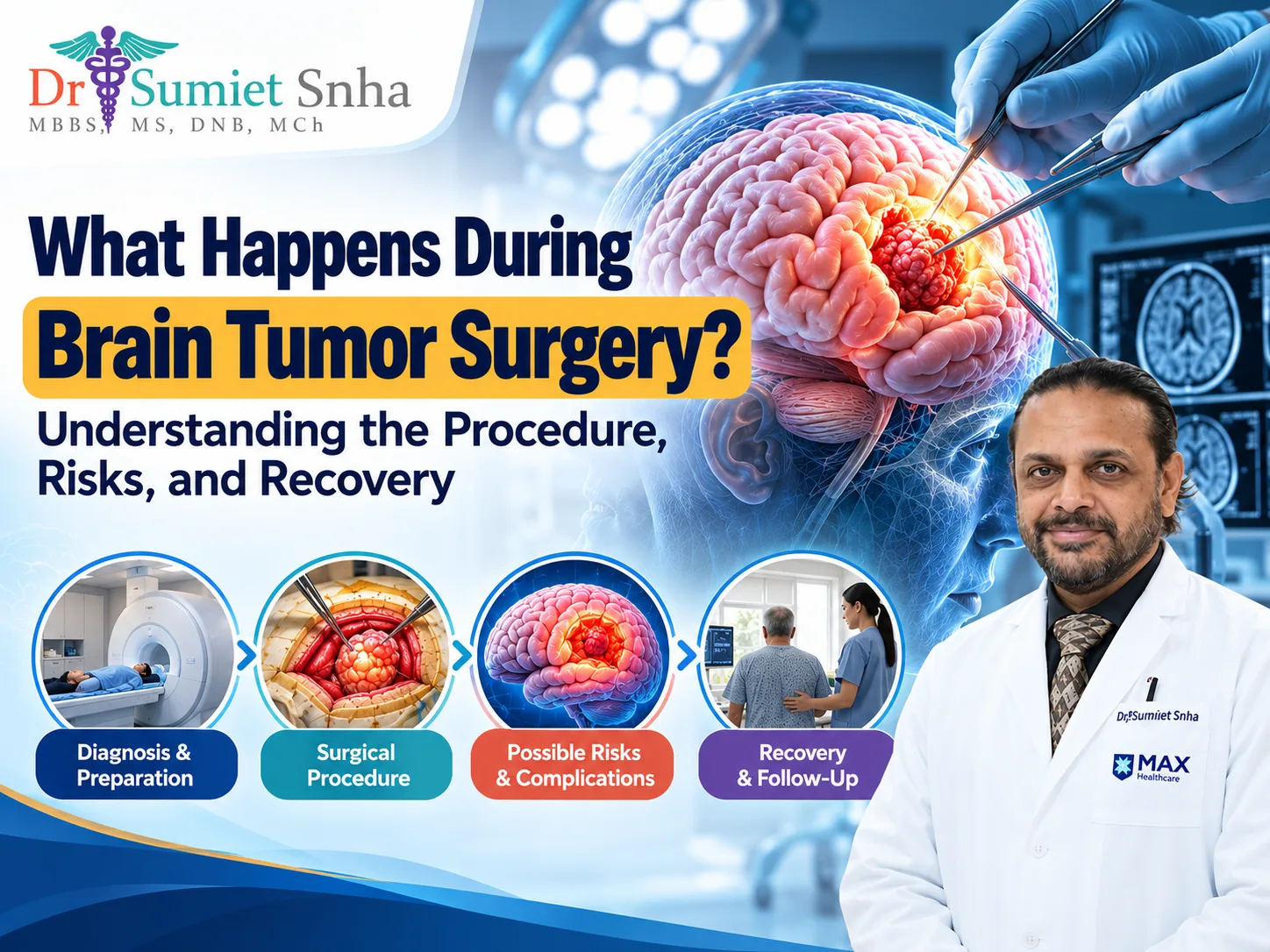
Brain tumour surgery aims to remove or obtain tissue from the tumour while preserving surrounding healthy brain structures.
2. Brain Aneurysms
A brain aneurysm is an abnormal bulging or ballooning of a blood vessel in the brain. Some aneurysms remain asymptomatic, while others may rupture and cause life-threatening bleeding.
Treatment depends on the aneurysm's size, location, shape, and rupture risk. Selected cases may require microsurgical clipping or endovascular treatment.
3. Hydrocephalus
Hydrocephalus develops when cerebrospinal fluid accumulates excessively within the brain's ventricles.
Symptoms may include headaches, vomiting, balance problems, and changes in neurological function.
Depending on the underlying condition, treatment may involve Ventriculoperitoneal (VP) Shunt Surgery or Endoscopic Third Ventriculostomy (ETV).
4. Epilepsy
Epilepsy is a neurological disorder characterised by recurrent seizures.
Most patients initially receive medical treatment. However, selected individuals with drug-resistant epilepsy may benefit from specialised surgical evaluation.
The decision depends on seizure characteristics, diagnostic findings, and the identification of the brain region responsible for seizure activity.
5. Acoustic Neuroma
An acoustic neuroma, also known as vestibular schwannoma, is generally a benign tumour involving the vestibulocochlear nerve.
It may cause hearing loss, tinnitus, balance problems, and dizziness.
Treatment options include observation, stereotactic radiosurgery, and microsurgical removal depending on tumour size, growth, symptoms, and patient-specific factors.
Advanced Spine Surgery and Treatment Options
Spinal conditions can affect mobility, posture, sensation, and everyday activities. A neurosurgeon with spine surgery expertise evaluates the underlying cause and recommends suitable treatment.
Dr. (Prof.) Sumiet Snha's areas of spine surgery include the following:
1. Slipped Disc and Sciatica
A slipped or herniated disc occurs when the inner material of an intervertebral disc protrudes through its outer covering and may compress nearby nerves.
Symptoms can include back pain, neck pain, tingling, numbness, and pain radiating into the arms or legs.
Treatment may involve medication, physiotherapy, activity modification, or surgery in selected cases.
Endoscopic Discectomy is a minimally invasive surgical technique used to remove the portion of the disc compressing a nerve.
2. Spinal Stenosis
Spinal stenosis refers to narrowing of the spinal canal or nerve passageways, which can put pressure on the spinal cord or nerve roots.
Patients may experience:
Back or neck pain.
Numbness in the legs or arms.
Difficulty walking.
Muscle weakness.
Pain that increases during certain activities.
Treatment depends on the severity of compression and may include medication, rehabilitation, or surgical decompression.
3. Spinal Tumours
Spinal tumours may develop within the vertebrae, spinal canal, or surrounding tissues.
Depending on their location, they can compress the spinal cord and cause pain, weakness, numbness, and difficulty walking.
Treatment may involve microsurgical tumour removal, spinal stabilisation, radiotherapy, or other specialised therapies.
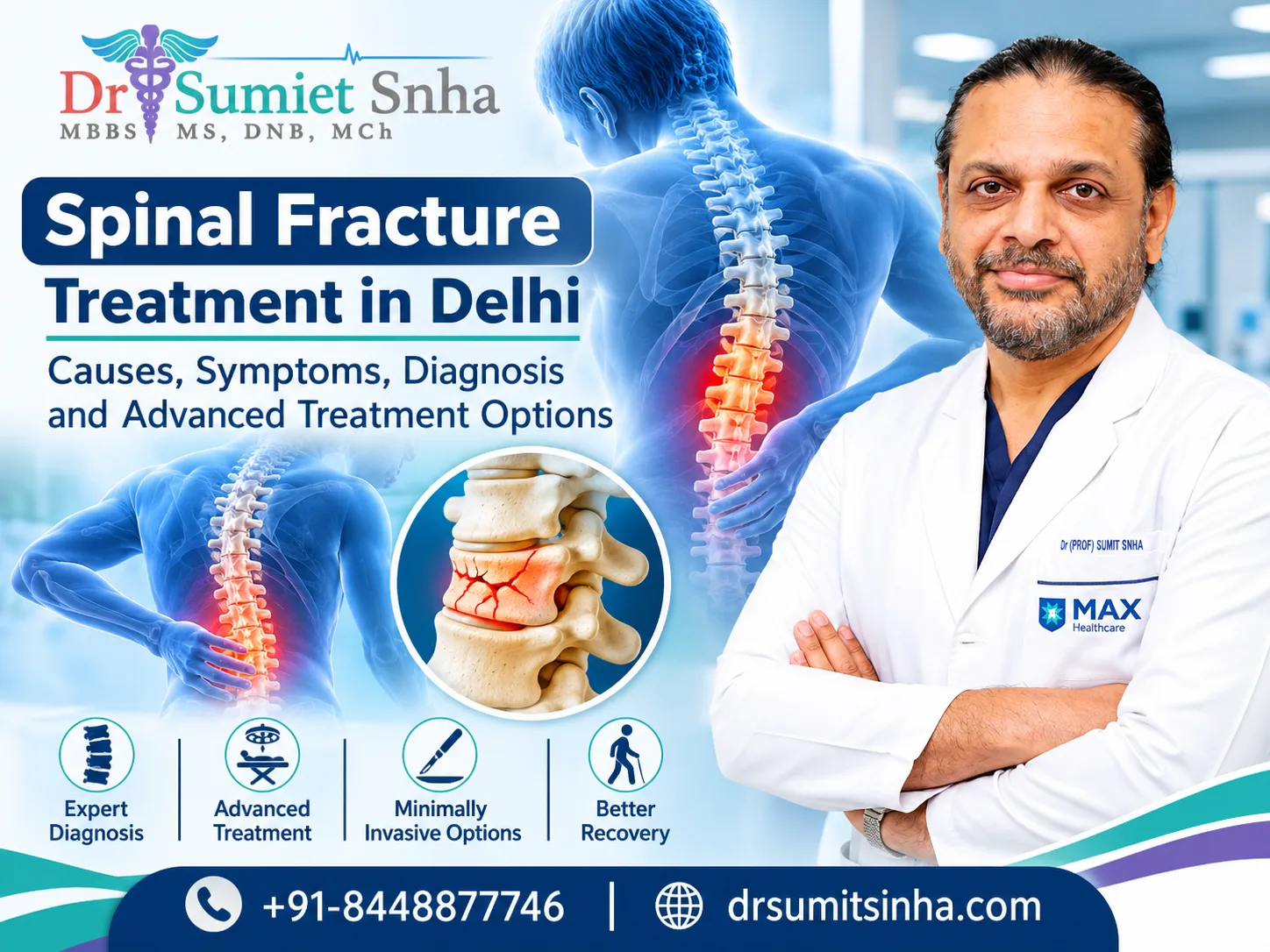
4. Spinal Fractures
Spinal fractures can occur due to road accidents, falls, sports injuries, or weakened bones associated with osteoporosis.
Some fractures can be managed using medication and spinal braces, while unstable fractures may require surgical stabilisation.
Procedures may include spinal fixation, kyphoplasty, or vertebroplasty in appropriately selected patients.
5. Cervical Spine Disorders
Cervical spine conditions affect the neck region and may cause pain, stiffness, and nerve compression.
Depending on the diagnosis, treatment options may include cervical decompression, anterior cervical discectomy and fusion (ACDF), or cervical disc replacement.
Peripheral Nerve Surgery and Brachial Plexus Treatment
Peripheral nerves connect the brain and spinal cord with muscles, organs, and other body structures. Damage to these nerves can affect movement, strength, and sensation.
Dr. (Prof.) Sumiet Snha also has expertise in peripheral nerve and brachial plexus surgery.
Some conditions requiring specialised nerve treatment include:
Brachial Plexus Injuries: Damage to the network of nerves responsible for movement and sensation in the shoulder, arm, and hand.
Peripheral Nerve Injuries: Nerve damage resulting from accidents, trauma, or other medical conditions.
Nerve Tumours: Abnormal growths involving peripheral nerve structures.
Nerve Compression: Pressure on nerves, including conditions such as carpal tunnel syndrome.
Foot Drop and Wrist Drop: Weakness affecting the ability to lift the foot or extend the wrist.
Spasticity: Increased muscle stiffness that may develop following neurological injuries.
Treatment may include nerve repair, nerve grafting, nerve transfers, decompression, or other specialised surgical techniques depending on the condition.
What Are the Benefits of Minimally Invasive Neurosurgery?
Minimally Invasive Neurosurgery involves specialised techniques that allow surgeons to access selected brain or spinal structures through smaller openings compared with conventional approaches.
These techniques may help reduce unnecessary disruption to surrounding tissues.
Potential advantages in appropriately selected patients include:
Smaller Incisions: Reduced surgical exposure in selected procedures.
Less Muscle Disruption: Particularly relevant in minimally invasive spine surgery.
Reduced Blood Loss: Some procedures may involve less intraoperative bleeding.
Reduced Postoperative Discomfort: Smaller surgical approaches may help improve patient comfort.
Earlier Mobilisation: Certain patients may be able to resume movement sooner.
Recovery Support: Selected procedures may allow shorter hospital stays.
However, minimally invasive surgery is not suitable for every neurological condition. Conventional surgery may be more appropriate when it provides safer or more effective treatment.
The surgical approach should always be selected according to the patient's medical requirements.
Why Patients Consider Dr. (Prof.) Sumiet Snha in Dwarka
Patients searching for the Best Neurosurgeon in Dwarka often want access to specialised brain, spine, and nerve treatment without having to travel to different locations for every neurological concern.
Dr. (Prof.) Sumiet Snha is associated with Max Super Speciality Hospital, Dwarka, New Delhi, where patients can seek consultation and evaluation for various neurosurgical conditions.
Some important aspects of his professional profile include:
AIIMS Training: Completed specialised neurosurgical training at AIIMS, New Delhi.
Former AIIMS Professor: Served as Professor of Neurosurgery at AIIMS and JPNA Trauma Center.
30+ Years of Experience: Extensive professional experience in neurosurgical practice.
20,000+ Surgeries: Surgical experience across complex brain, spine, and nerve conditions, as stated in his professional profile.
FACS Qualification: Fellow of the American College of Surgeons.
Minimally Invasive Expertise: Special interest and expertise in endoscopic and keyhole neurosurgery.
Professional Leadership: Involvement in national neurosurgical and peripheral nerve surgery organisations.
His approach focuses on detailed diagnosis, explaining available treatment options, and recommending surgery when clinically necessary.
Patients can also seek an expert second opinion before making decisions about complex brain or spinal procedures.
When Should You Consult a Neurosurgeon?
Certain neurological symptoms require prompt medical evaluation. Ignoring persistent or progressive symptoms can delay the diagnosis of an underlying condition.
Consult a neurosurgeon if you experience:
Persistent or severe headaches.
Recurrent seizures.
Sudden weakness or numbness.
Neck pain with radiating arm pain.
Persistent back pain with leg symptoms.
Difficulty walking or maintaining balance.
Loss of bladder or bowel control associated with spinal symptoms.
Symptoms following a head or spinal injury.
Progressive neurological changes.
Sudden facial drooping, arm weakness, speech difficulty, loss of consciousness, or a severe sudden headache requires emergency medical attention.
Early evaluation helps identify the underlying problem and determine the appropriate treatment pathway.
Frequently Asked Questions
1. How do I choose the best neurosurgeon in Delhi?
Consider the surgeon's qualifications, specialised training, experience with your particular condition, treatment approach, and access to appropriate medical facilities. An informed consultation is an important first step.
2. What conditions does Dr. (Prof.) Sumiet Snha treat?
His areas of expertise include brain tumours, hydrocephalus, aneurysms, epilepsy, slipped discs, spinal stenosis, spinal fractures, spinal tumours, brachial plexus injuries, and peripheral nerve disorders.
3. Where does Dr. Sumiet Snha practise in Delhi?
Dr. (Prof.) Sumiet Snha is associated with Max Super Speciality Hospital, Dwarka, New Delhi.
4. Does every brain or spine condition require surgery?
No. Many neurological conditions can be managed through medication, observation, and rehabilitation. Surgery is recommended when clinically appropriate.
5. What is minimally invasive neurosurgery?
It involves specialised surgical techniques using smaller openings and instruments to access selected brain or spinal structures. It may reduce tissue disruption in suitable cases.
6. Can I get a second opinion before brain or spine surgery?
Yes. A second opinion can help patients understand their diagnosis, compare treatment options, and make informed decisions before undergoing major surgery.
Conclusion
Choosing the right neurosurgeon is an important step towards receiving appropriate treatment for brain, spine, and peripheral nerve conditions. Qualifications, clinical experience, specialised expertise, diagnostic accuracy, and honest medical advice should all be considered before making a healthcare decision.
Modern neurosurgery offers several treatment approaches, including endoscopic procedures, minimally invasive spine surgery, microsurgery, and complex brain and nerve operations. The most suitable option depends on the patient's diagnosis and individual medical requirements.
Dr. (Prof.) Sumiet Snha, an AIIMS-trained neurosurgeon and former Professor of Neurosurgery at AIIMS, New Delhi, provides specialised brain, spine, and peripheral nerve care at Max Super Speciality Hospital, Dwarka.
Patients looking for the Best Neurosurgeon in Delhi or Best Neurosurgeon in Dwarka can explore his professional background, areas of expertise, and consultation information before scheduling an appointment.
0 Comments