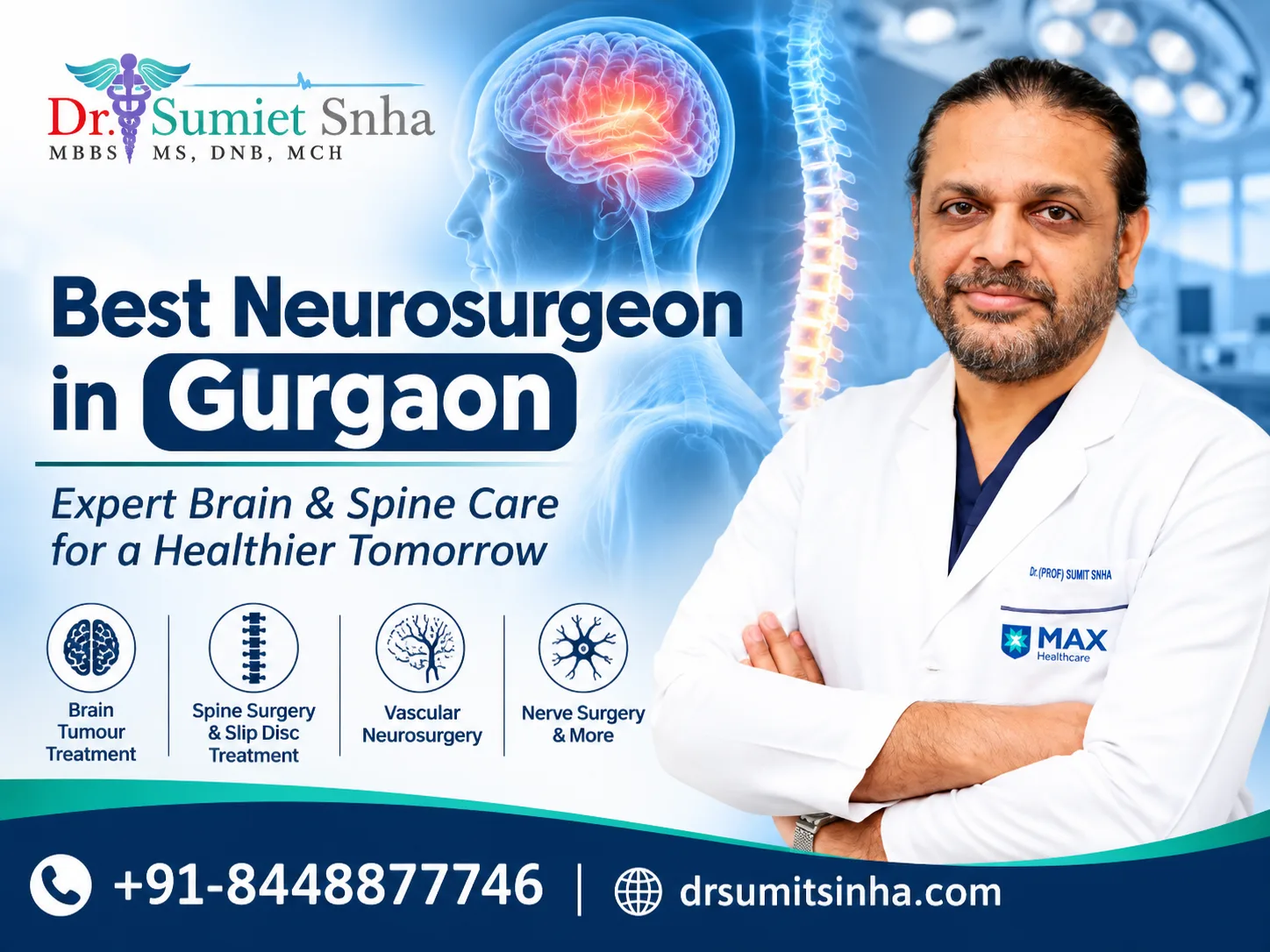
Best Neurosurgeon in Gurgaon is an important consideration for patients experiencing brain, spine, or nerve-related conditions that require specialised medical attention. Neurosurgical problems can affect mobility, memory, coordination, communication, and overall quality of life. Choosing an experienced neurosurgeon who understands complex neurological conditions and provides an individualised treatment approach can make an important difference in the patient's treatment journey.
Gurgaon (Gurugram) has developed into an important healthcare destination, offering access to modern diagnostic facilities, specialised hospitals, and experienced medical professionals. However, selecting the right specialist requires more than simply searching for a nearby doctor. Patients should consider professional qualifications, clinical experience, surgical expertise, diagnostic capabilities, and the doctor's approach towards patient care.
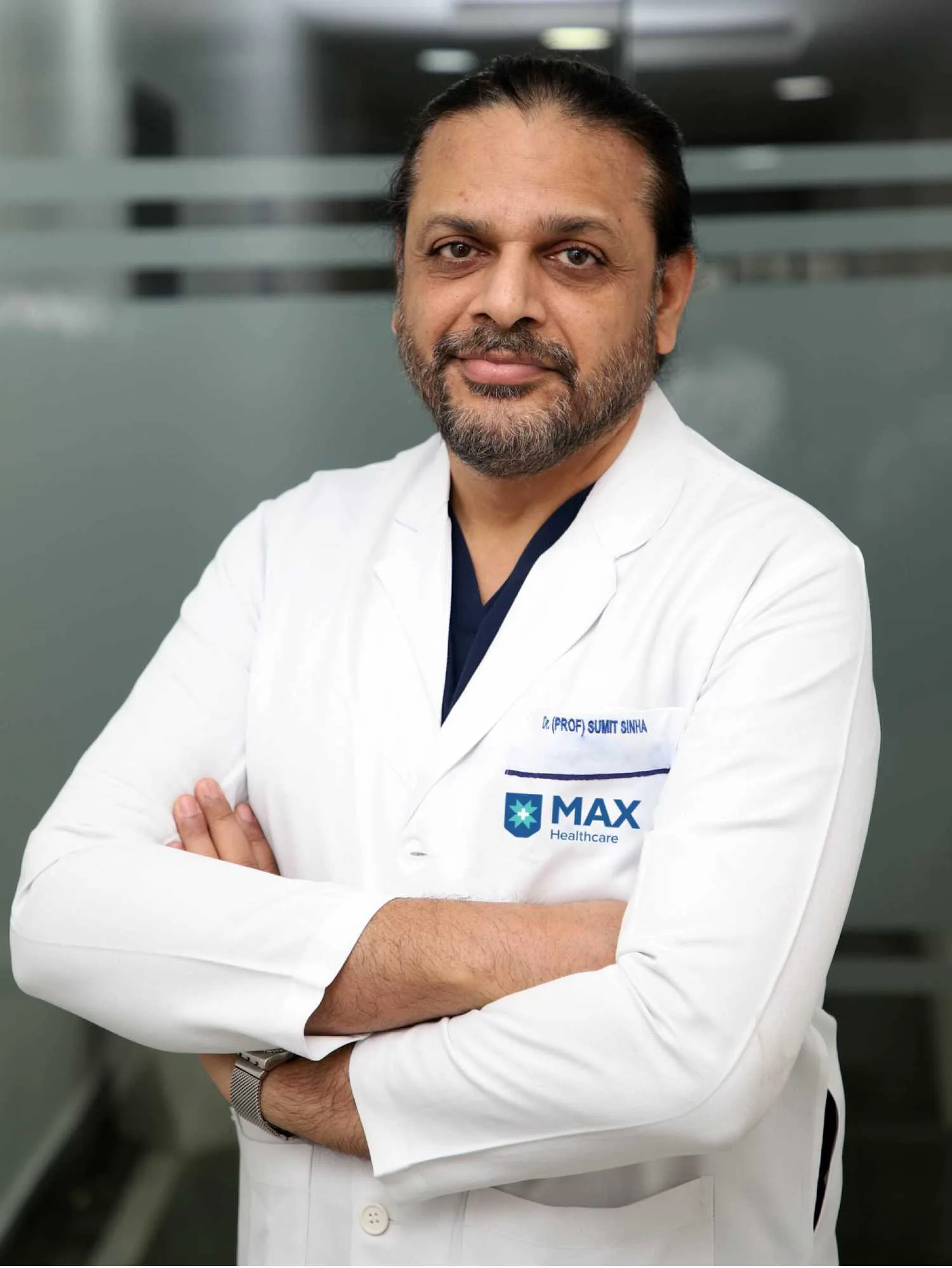
Dr. (Prof.) Sumiet Snha is an experienced neurosurgeon and spine surgeon with more than 25 years of experience in neurosurgery. Trained at the prestigious All India Institute of Medical Sciences (AIIMS), New Delhi, and a former Professor of Neurosurgery at AIIMS, he specialises in minimally invasive, endoscopic, brain, spine, and peripheral nerve surgeries.
His approach focuses on accurate diagnosis, appropriate treatment planning, surgical precision, and patient-centred care.
Understanding the Role of a Neurosurgeon
A neurosurgeon is a medical specialist trained to diagnose and treat conditions affecting the brain, spinal cord, spine, and peripheral nerves. These structures form an essential part of the nervous system and control several important functions, including movement, sensation, balance, memory, and coordination.
A neurosurgeon in Gurgaon evaluates neurological problems through clinical examinations, medical history, imaging investigations, and other diagnostic tests. Depending on the condition, treatment may involve medication, observation, rehabilitation, injections, or surgery.
Not every neurological condition requires an operation. An experienced specialist first determines the underlying cause of the symptoms and recommends the most appropriate treatment.
Neurosurgical expertise is particularly important in conditions such as:
Brain tumours and spinal tumours.
Slip disc and herniated disc.
Spinal canal stenosis.
Brain aneurysms and vascular malformations.
Head injuries and spinal trauma.
Epilepsy requiring surgical evaluation.
Peripheral nerve injuries.
Hydrocephalus.
Cervical and lumbar spine disorders.
Degenerative spinal conditions.
Consulting the Best Neurosurgeon in Gurgaon can help patients understand their diagnosis, available treatment options, possible risks, and expected recovery process.
Dr. (Prof.) Sumiet Snha – Experienced Brain and Spine Surgeon
Dr. (Prof.) Sumiet Snha is a recognised name in the field of neurosurgery and spine surgery, with extensive clinical, academic, and surgical experience. His professional journey includes advanced neurosurgical training, teaching responsibilities, international exposure, and involvement in specialised neurological organisations.
He completed his neurosurgical training at the All India Institute of Medical Sciences (AIIMS), New Delhi, one of India's leading medical institutions. Following his MCh qualification, he joined the AIIMS faculty and subsequently served as a Professor in the Department of Neurosurgery at the JPNA Trauma Centre and AIIMS.
His professional qualifications include MBBS, MS, DNB, MCh (AIIMS), and FACS.
During his professional career, he has also gained international exposure by working and training with renowned neurosurgical experts, including Prof. Hiroshi Sano from Japan, Prof. Louis Vialle from Brazil, and Prof. B. Meyer from Germany.
Dr. Snha has contributed to neurosurgical education, research, and professional organisations. His leadership and academic involvement include associations with the Neurotrauma Society of India, Indian Society of Peripheral Nerve Surgery, and Neuroendoscopic Society of India.
His areas of specialisation include:
Minimally Invasive Neurosurgery
Endoscopic Brain Surgery
Complex Spine Surgery
Brain Tumour Surgery
Peripheral Nerve Surgery
Vascular Neurosurgery
Spinal Injury Management
Paediatric Neurosurgery
To learn more about his qualifications, professional journey, and achievements, visit the official profile of Dr. (Prof.) Sumiet Snha.
Why Choose an Experienced Neurosurgeon in Gurgaon?
Selecting a neurosurgeon is an important decision, particularly when dealing with conditions involving the brain, spinal cord, or major nerves. Neurosurgical procedures require detailed anatomical knowledge, careful planning, and the ability to manage complex medical situations.
Here are some important factors patients should consider when choosing a specialist.
1. Professional Qualifications and Training
A neurosurgeon's educational background provides information about their medical training and specialisation. Qualifications such as MCh in Neurosurgery, DNB, and relevant fellowships demonstrate specialised professional education.
Dr. (Prof.) Sumiet Snha completed his neurosurgical training at AIIMS, New Delhi, and holds the FACS fellowship of the American College of Surgeons.
2. Clinical and Surgical Experience
Experience in treating different neurological conditions helps a specialist evaluate complex cases and understand the available treatment approaches.
Patients searching for the Best Neurosurgeon in Gurgaon should consider experience in both routine and complex brain and spine procedures.
3. Expertise in Modern Surgical Techniques
Minimally invasive and endoscopic procedures have expanded treatment options for selected brain and spine conditions. These approaches may involve smaller incisions, specialised instruments, and improved visualisation of the surgical area.
However, the suitability of a particular technique depends on the patient's diagnosis, anatomy, and overall health.
4. Individualised Treatment Planning
Every patient has different medical requirements. An appropriate treatment plan should consider symptoms, investigation reports, age, medical history, and lifestyle.
A responsible neurosurgeon explains the available options and helps patients understand the benefits and limitations of each approach.
5. Post-Treatment Guidance
Neurosurgical care does not end with the procedure. Follow-up consultations, rehabilitation, medication management, and monitoring are important parts of the recovery process.
Major Conditions Treated by Dr. (Prof.) Sumiet Snha
The nervous system can be affected by several medical conditions. The treatment approach depends on the location, severity, and progression of the problem.
1. Brain Tumour Treatment
A brain tumour develops when abnormal cells grow within the brain or surrounding structures. Brain tumours may be benign or malignant and can produce symptoms depending on their size and location.
Common symptoms include:
Persistent or worsening headaches.
Seizures.
Changes in vision.
Difficulty speaking.
Weakness in the arms or legs.
Memory and behavioural changes.
Balance and coordination problems.
Diagnosis generally involves MRI, CT scans, and other investigations when required.
Brain tumour surgery may be recommended when removal or tissue diagnosis is necessary. The surgical objective is to treat the tumour while preserving important neurological functions as much as possible.
Dr. (Prof.) Sumiet Snha has expertise in conventional, keyhole, and endoscopic approaches to selected brain tumour conditions.
2. Slip Disc and Herniated Disc Treatment
A herniated disc occurs when the soft inner material of an intervertebral disc protrudes through its outer covering. This may compress nearby nerves and cause pain, tingling, numbness, or weakness.
A slip disc specialist in Gurgaon evaluates the affected spinal region and identifies the extent of nerve compression.
Treatment may include:
Medication for pain management.
Physiotherapy and rehabilitation.
Activity modification.
Selected spinal injections.
Surgical decompression when necessary.
Endoscopic spine surgery may be considered for suitable patients who require surgical treatment.
3. Cervical and Lumbar Spine Disorders
Cervical spine disorders affect the neck region, while lumbar spine disorders involve the lower back. These conditions may develop due to disc degeneration, nerve compression, injuries, or age-related changes.
Patients may experience neck pain, back pain, stiffness, radiating pain, numbness, and muscle weakness.
An experienced spine surgeon in Gurgaon evaluates the condition and recommends treatment according to the underlying problem.
4. Spinal Canal Stenosis
Spinal stenosis refers to narrowing of the spinal canal, which can place pressure on the spinal cord or nerves.
Common symptoms include:
Pain in the back or neck.
Tingling or numbness in the limbs.
Leg weakness.
Difficulty walking for extended periods.
Symptoms that worsen during standing or walking.
Treatment depends on the severity of nerve compression. Physiotherapy, medication, and lifestyle modifications may help selected patients. Surgery may be recommended when significant compression causes persistent symptoms or neurological problems.
5. Brain Aneurysm and Vascular Neurosurgery
Brain aneurysms are abnormal bulges in blood vessel walls. Some aneurysms remain asymptomatic, while others can rupture and cause serious bleeding inside or around the brain.
Vascular neurosurgery involves the diagnosis and treatment of conditions affecting cerebral blood vessels, including aneurysms and arteriovenous malformations (AVMs).
Treatment decisions depend on the size, location, shape, rupture status, and individual patient factors.
6. Peripheral Nerve Injuries
Peripheral nerves carry signals between the brain, spinal cord, and the rest of the body. Injuries to these nerves can affect movement, sensation, and muscle function.
Brachial plexus injuries are particularly complex because they involve the network of nerves responsible for movement and sensation in the shoulder, arm, and hand.
Dr. (Prof.) Sumiet Snha has specialised experience in peripheral nerve surgery, including brachial plexus injuries, nerve reconstruction, and nerve transfer procedures.
7. Epilepsy and Surgical Evaluation
Epilepsy is a neurological condition characterised by recurrent seizures. Although many patients achieve seizure control through medication, some continue experiencing seizures despite appropriate medical treatment.
For selected patients with drug-resistant epilepsy, a specialised evaluation may help determine whether epilepsy surgery is appropriate.
The decision requires detailed investigations and assessment by a multidisciplinary medical team.
Minimally Invasive and Endoscopic Neurosurgery
Modern neurosurgery increasingly includes minimally invasive techniques for selected neurological and spinal conditions.
Minimally invasive neurosurgery aims to treat the underlying problem while limiting unnecessary disruption to surrounding tissues.
Endoscopic surgery uses a specialised instrument equipped with a camera and light source, allowing the surgeon to view the surgical area through a small access point.
Potential advantages in suitable cases include:
Smaller surgical incisions.
Reduced muscle and soft-tissue disruption.
Less postoperative discomfort in selected procedures.
Shorter hospital stays in some cases.
Earlier mobilisation for suitable patients.
Potentially faster recovery.
However, these benefits are not guaranteed for every patient. Conventional surgery may still be more appropriate for certain complex conditions.
Dr. (Prof.) Sumiet Snha has extensive experience in endoscopic brain surgery, minimally invasive spine surgery, and keyhole neurosurgical procedures.
Importance of Early Diagnosis and Timely Treatment
Neurological symptoms should not be ignored, particularly when they are persistent, progressive, or associated with weakness and changes in sensation.
Early medical assessment can help identify the underlying cause and determine whether treatment is required.
For example, persistent back pain accompanied by leg weakness may indicate nerve compression. Similarly, recurring headaches with seizures, visual disturbances, or other neurological symptoms require proper evaluation.
Patients should seek immediate emergency medical attention for sudden facial drooping, speech difficulty, one-sided weakness, a sudden extremely severe headache, or loss of consciousness.
Consulting the Best Neurosurgeon in Gurgaon at the appropriate time can help patients understand their condition and avoid unnecessary delays in evaluation.
Neurosurgical Consultation and Treatment in Gurgaon
Patients from Gurgaon, Dwarka, Delhi, and other parts of the NCR may seek specialised brain and spine consultations with Dr. (Prof.) Sumiet Snha.
He is associated with Max Hospital, Dwarka, New Delhi, and Gurugram, Haryana, where his professional responsibilities include neurosurgery and spine services.
During a consultation, patients may be advised to bring:
Previous MRI or CT scan reports.
Medical prescriptions.
Previous surgical records.
Relevant blood investigation reports.
A history of current symptoms.
Details of ongoing medication.
The consultation helps the specialist understand the medical history, review investigations, and discuss appropriate treatment options.
Patients should understand that treatment recommendations depend on individual clinical findings rather than the location of the hospital or a particular surgical technique.
Frequently Asked Questions (FAQs)
1. Who is the Best Neurosurgeon in Gurgaon?
Dr. (Prof.) Sumiet Snha is an experienced neurosurgeon and spine surgeon with more than 25 years of experience. He received his neurosurgical training from AIIMS, New Delhi, and specialises in brain, spine, endoscopic, minimally invasive, and peripheral nerve surgery.
2. What conditions does a neurosurgeon treat?
A neurosurgeon treats conditions involving the brain, spinal cord, spine, and peripheral nerves. These include brain tumours, slip disc, spinal stenosis, aneurysms, head injuries, nerve injuries, and selected cases of epilepsy.
3. Does every brain or spine condition require surgery?
No. Many neurological and spinal conditions can be managed through medication, physiotherapy, observation, and other non-surgical treatments. Surgery is recommended only when clinically appropriate.
4. What is minimally invasive spine surgery?
Minimally invasive spine surgery uses specialised instruments and smaller surgical access points to treat selected spinal conditions. It may reduce tissue disruption and support recovery in appropriate patients.
5. When should I consult a neurosurgeon for back pain?
You should seek medical evaluation if back pain persists, radiates into the legs, or is associated with numbness, tingling, or weakness. New bladder or bowel control problems or saddle-area numbness require emergency assessment.
6. Where can I consult Dr. (Prof.) Sumiet Snha?
Dr. (Prof.) Sumiet Snha is associated with Max Hospital, Dwarka, New Delhi, and Gurugram, Haryana. Patients can contact his team at +91-8448877746 for consultation-related information.
Conclusion
Choosing the right neurosurgeon is an important step towards receiving appropriate treatment for brain, spine, and nerve-related conditions. Professional qualifications, surgical experience, accurate diagnosis, modern treatment approaches, and individualised medical guidance should all be considered before making a decision.
Dr. (Prof.) Sumiet Snha brings more than 25 years of neurosurgical experience, AIIMS training, academic expertise, and specialised knowledge of minimally invasive, endoscopic, brain, spine, and peripheral nerve surgery.
For patients exploring options for the Best Neurosurgeon in Gurgaon, understanding the available treatment approaches and consulting an experienced specialist can help them make informed healthcare decisions.
0 Comments