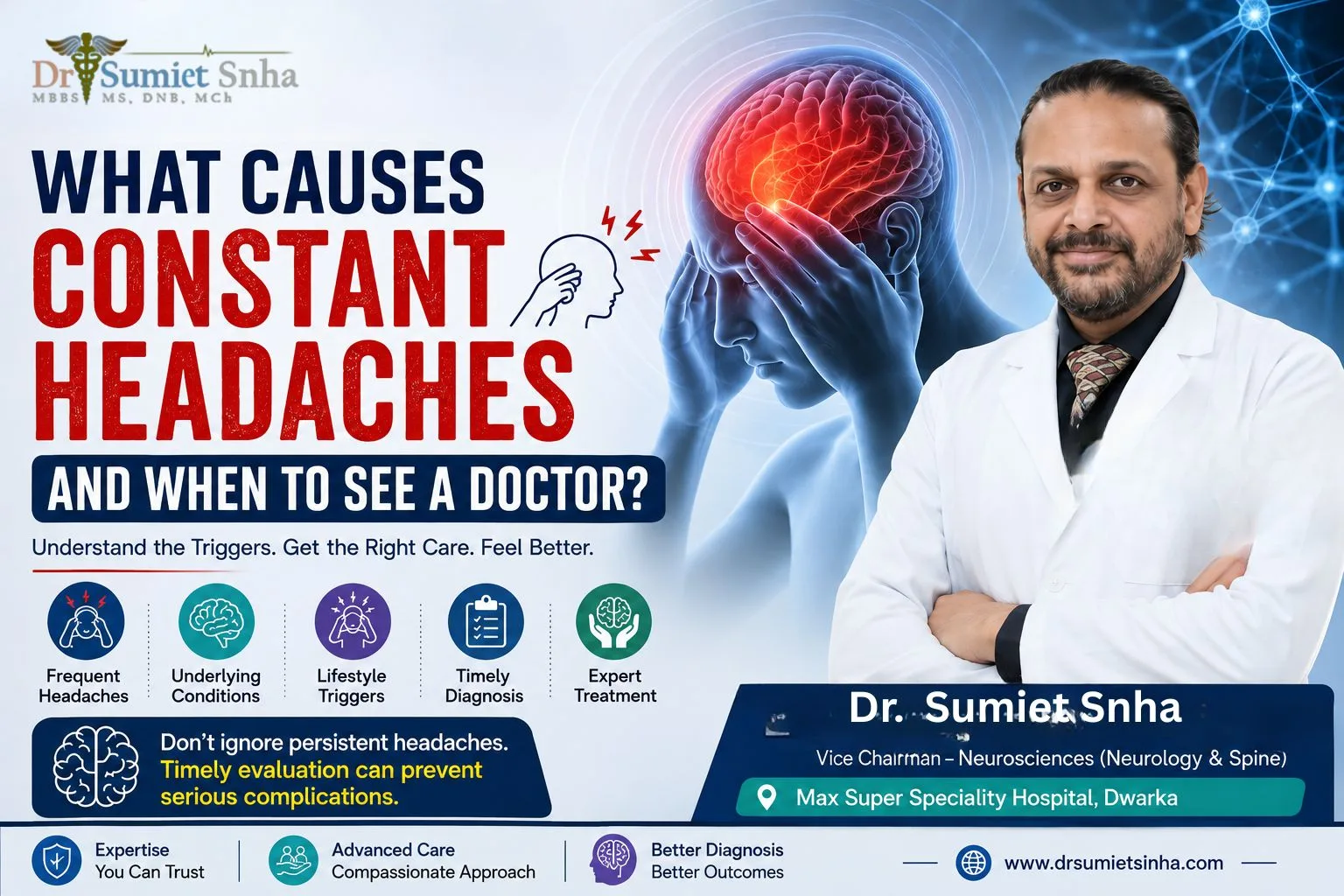
A persistent headache can be more than a temporary discomfort, especially when the pain keeps returning or continues for days or weeks. While occasional headaches are common, frequent headaches may be linked to factors such as stress, sleep problems, migraine, medication overuse, or other underlying conditions. Understanding the pattern, intensity, and associated symptoms is an important first step toward appropriate chronic headache treatment. Treatment should be based on the suspected cause rather than simply masking the pain. If headaches are becoming more frequent, unusually severe, or affecting daily life, a medical evaluation can help identify the cause and guide the right treatment approach.
What Is a Constant or Chronic Headache?
A chronic headache refers to headaches that occur frequently over an extended period rather than appearing occasionally. A persistent headache may feel continuous, recur regularly, or gradually become more disruptive to daily life. Unlike an occasional headache that usually settles with rest or appropriate care, recurring headaches may affect sleep, concentration, work, exercise, and routine activities. Common headache symptoms can vary from pressure or throbbing pain to sensitivity to light, nausea, or fatigue. Understanding the headache pattern can help doctors identify possible triggers and determine whether further evaluation is needed.
What Causes Constant Headaches?
There are several possible constant headache causes, and the pattern of pain can provide useful clues. Some headaches are related to lifestyle factors, while others may require medical evaluation. Common causes include:
Tension-Type Headaches
A tension headache may develop with prolonged stress, poor posture, neck or scalp muscle tension, or inadequate sleep. The pain is often described as pressure or tightness around the head.
Migraine
Migraine can cause moderate to severe, often throbbing pain and may occur with nausea or increased sensitivity to light and sound. The appropriate migraine treatment depends on the individual's symptoms, frequency, and triggers.
Medication-Overuse Headache
Regular or frequent use of certain pain-relief medicines may sometimes contribute to recurring headaches. A doctor can help determine whether medication overuse is involved.
Other Possible Causes
Dehydration, prolonged screen use or eye strain, sinus-related problems, hormonal changes, and sleep disorders can also contribute to frequent headaches. Persistent or worsening symptoms should be assessed by a qualified healthcare professional.
Could Constant Headaches Be a Sign of a Neurological Problem?
Persistent headaches can occasionally be associated with an underlying neurological condition, but having a constant headache does not automatically mean there is a serious brain disorder. The nature, duration, frequency, and accompanying symptoms help doctors determine whether further investigation is necessary.
Some possible neurological causes of headache may include:
- Increased pressure inside the skull
- Certain blood vessel or vascular problems
- Brain or spinal fluid-related conditions
- Infections or inflammation affecting the nervous system
- Other structural or neurological disorders
A proper headache diagnosis involves reviewing the patient's medical history, symptoms, and neurological examination. Severe headache causes should be evaluated promptly when the pain is sudden, unusually intense, progressively worsening, or accompanied by symptoms such as confusion, weakness, seizures, or vision changes.
When Should You See a Doctor for Constant Headaches?
Knowing when to see a doctor for headache symptoms is important when pain becomes persistent, changes in pattern, or starts affecting normal life. Medical evaluation is advisable when:
- Headaches are becoming more frequent, intense, or difficult to manage.
- A persistent headache continues despite appropriate rest or usual measures.
- Pain disrupts sleep, work, concentration, or daily activities.
- A new or unusual headache pattern develops, especially in later adulthood.
- Headache symptoms occur with repeated vomiting, vision changes, weakness, numbness, confusion, fainting, seizures, or difficulty speaking.
A sudden, extremely severe headache that reaches peak intensity rapidly should receive urgent medical assessment, as it can sometimes indicate a medical emergency.
How Are Chronic Headaches Diagnosed?
Accurate headache diagnosis usually begins with a detailed discussion about the pain, its duration, frequency, triggers, associated symptoms, and medical history. A doctor may perform a physical and neurological examination and review current medicines to identify possible contributing factors. Keeping a headache diary can also help reveal useful patterns. Depending on the symptoms and examination findings, additional tests such as an MRI or CT scan may be recommended. These investigations are not routinely required for every patient with chronic headaches. A headache specialist can determine whether further testing is appropriate and help guide treatment.
Chronic Headache Treatment Options
The right chronic headache treatment depends on the type of headache, its frequency, triggers, and any underlying health condition. A personalized plan may include:
- Improving sleep routines and maintaining regular daily habits
- Drinking enough fluids and avoiding skipped meals
- Identifying and reducing individual headache triggers
- Using appropriate medicines as advised by a healthcare professional
- Migraine-specific medicines when clinically appropriate
- Preventive treatment for people experiencing frequent or disabling headaches
- Treating an underlying neurological or medical condition when one is identified
Effective headache treatment is not the same for everyone. Patients with persistent, unexplained, or difficult-to-manage headaches may benefit from assessment by a qualified headache specialist or neurospecialist. Migraine treatment should also be selected according to the patient's symptoms and medical history.
How Can You Prevent Frequent Headaches?
Simple daily habits may help reduce frequent headaches and improve overall wellbeing. Try to:
- Follow a consistent sleep and wake schedule.
- Drink enough water throughout the day.
- Eat regular, balanced meals without long gaps.
- Use relaxation techniques to manage stress.
- Take regular breaks during prolonged screen use.
- Maintain a headache diary to identify personal triggers.
- Avoid unnecessary or excessive use of pain-relief medicines.
These headache prevention measures may be particularly helpful for people experiencing recurring or chronic headaches.
When to Consult a Neurosurgeon for Headaches?
Most headaches can be managed without surgery and may not require neurosurgical care. However, a neurosurgical evaluation may be appropriate when a medical assessment suggests a structural brain or neurological problem that could require specialist management. Patients searching for the best neurosurgeon in Delhi NCR should consider qualifications, clinical experience, diagnostic approach, and evidence-based recommendations rather than promotional claims. A headache specialist can first assess symptoms and identify possible neurological causes of headache, referring for neurosurgical care when clinically appropriate.
About Dr. Sumiet Snha
Dr.(Prof.) Sumiet Snha, Vice Chairman – Neurosciences (Neurology & Spine), is a highly experienced neurosurgeon with 25+ years of experience in neurosurgery. He completed his advanced neurosurgical training at AIIMS, New Delhi, and has gained further clinical exposure with renowned neurosurgical experts in Japan, Brazil, and Germany. His areas of expertise include brain and spine surgery, minimally invasive spine procedures, spinal injuries, brachial plexus, and peripheral nerve surgery. He has performed more than 250 complex nerve injury procedures and is involved in teaching, research, and professional training. He has also served as faculty and professor at AIIMS, New Delhi.
Frequently Asked Questions About Constant Headaches
1. Why do I have a headache every day?
Daily headaches can have several possible causes, including tension, migraine, sleep problems, dehydration, medication overuse, or other medical conditions. If headaches occur regularly or are becoming more difficult to manage, a healthcare professional can assess the pattern and determine whether further evaluation is needed.
2. Can stress cause constant headaches?
Yes. Ongoing stress can contribute to tension-type headaches by increasing muscle tension and affecting sleep, relaxation, and daily habits. Identifying stress triggers and improving sleep, hydration, physical activity, and relaxation may help reduce headache frequency.
3. When is a headache considered chronic?
A headache may be described as chronic when it occurs frequently over a prolonged period. Doctors consider factors such as the number of headache days, duration, symptoms, and headache pattern when making a diagnosis. Keeping a headache diary can help provide useful information during evaluation.
4. Can migraines cause headaches for several days?
A migraine episode can sometimes last for an extended period and may be accompanied by nausea or sensitivity to light and sound. If a severe headache continues unusually long, repeatedly occurs, or differs from previous migraine episodes, medical advice is recommended.
5. What tests are used to diagnose chronic headaches?
Headache diagnosis usually begins with a detailed medical history and physical and neurological examination. Depending on the symptoms and clinical findings, a doctor may recommend investigations such as MRI or CT imaging. Not every person with chronic headaches needs brain imaging.
6. When should I see a doctor for a constant headache?
You should know when to see a doctor for headache symptoms that are persistent, worsening, unusually severe, or interfering with daily life. Medical assessment is particularly important when headaches occur with weakness, confusion, seizures, vision changes, repeated vomiting, fainting, or other concerning neurological symptoms.
Conclusion
Constant headaches can result from many different factors, ranging from lifestyle triggers and migraine to conditions requiring medical evaluation. Rather than repeatedly treating the pain without understanding its cause, proper assessment can help guide appropriate chronic headache treatment. Seek medical advice if headaches persist, worsen, change suddenly, or occur with concerning symptoms.




0 Comments