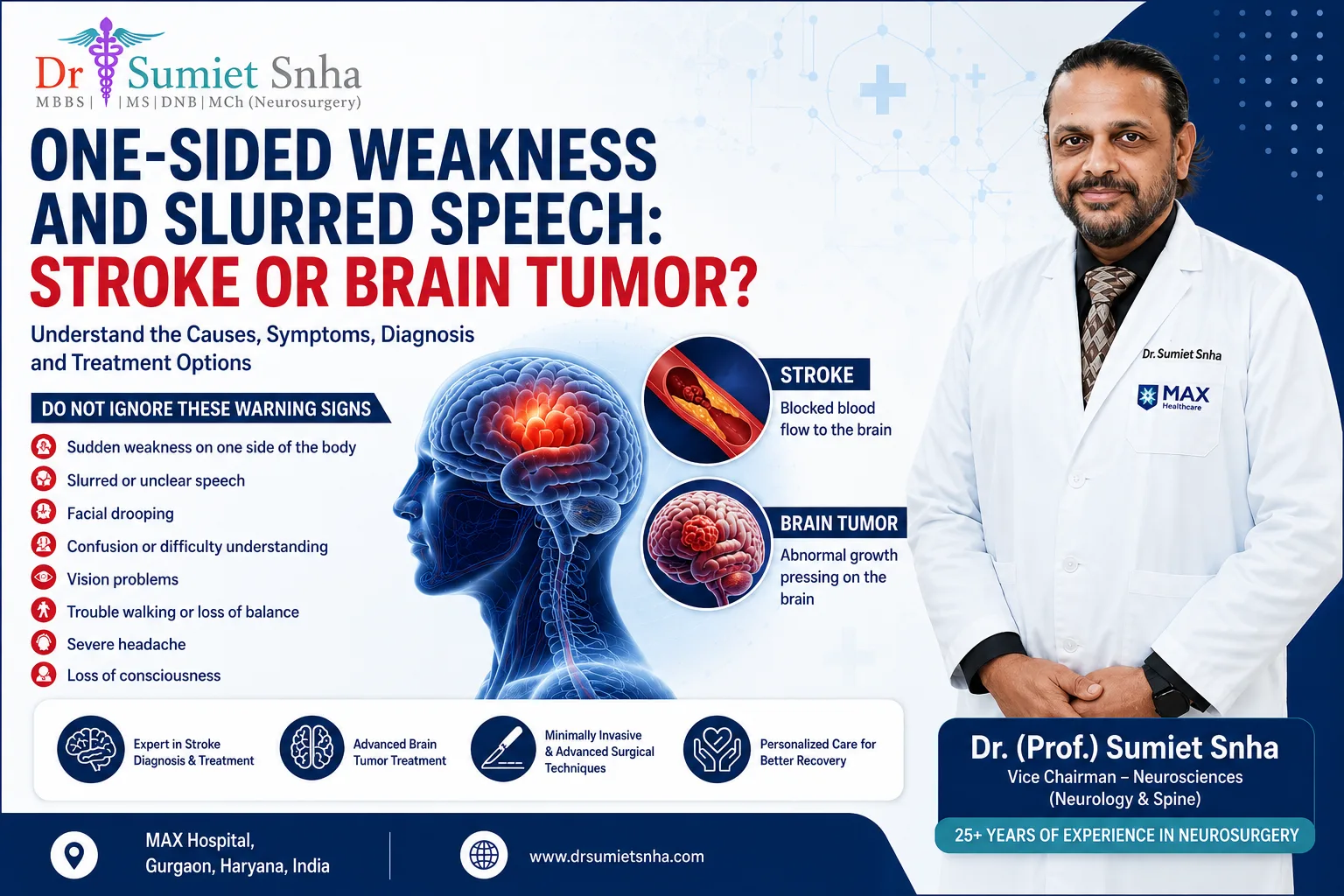
One-sided weakness and slurred speech are warning signs that should never be ignored, as they may indicate a serious neurological emergency requiring immediate medical attention. One sided weakness and slurred speech causes can range from a temporary disruption of blood flow to the brain to more complex conditions such as a stroke, brain tumor, or other disorders affecting the nervous system. Identifying the underlying cause without delay is essential to reduce the risk of permanent brain damage and improve the chances of successful treatment.
Understanding the stroke vs brain tumor symptoms can help patients and their families recognize when urgent medical evaluation is needed. Whether you experience sudden weakness in one side body, difficulty speaking, facial drooping, or changes in coordination, early diagnosis by an experienced neurosurgeon can make a significant difference in recovery. This guide explains the possible causes, key differences, diagnostic methods, treatment options, and when to seek expert neurological care, helping readers make informed decisions about their health.
What Do One-Sided Weakness and Slurred Speech Mean?
One-sided weakness refers to reduced strength or loss of movement affecting one side of the body, such as the arm, leg, or face. Slurred speech occurs when the muscles responsible for speaking do not work properly, making words sound slow, unclear, or difficult to understand. Many one sided weakness and slurred speech causes are linked to neurological disorders that affect the brain's ability to control movement and communication. These symptoms should always be treated as potential medical emergencies because they may indicate damage to important brain regions.
How the Brain Controls Movement and Speech
The brain coordinates body movement and speech through specialized areas that send electrical signals to muscles. If these areas are affected by reduced blood flow, abnormal tissue growth, or nerve damage, one sided body weakness and speech difficulties can occur together. Common slurred speech causes include stroke, brain tumors, traumatic brain injury, and other neurological conditions. Because these symptoms often develop from the same underlying brain problem, prompt medical evaluation and accurate diagnosis are essential for protecting brain function and improving recovery outcomes.
Common One Sided Weakness and Slurred Speech Causes
Several neurological conditions can lead to one sided weakness and slurred speech causes, and identifying the exact reason is essential for timely treatment. While some conditions require emergency care, others develop gradually and still need prompt medical evaluation by a qualified specialist.
Stroke
A stroke occurs when blood flow to the brain is interrupted by a blocked blood vessel (ischemic stroke) or bleeding in the brain (hemorrhagic stroke). Without oxygen, brain cells begin to die within minutes, making immediate treatment critical. Common stroke symptoms include sudden weakness in one side of the body, facial drooping, slurred speech, confusion, vision changes, and difficulty walking. Remember the FAST warning signs: Face drooping, Arm weakness, Speech difficulty, Time to call emergency services to recognize a stroke quickly and improve recovery outcomes.
Brain Tumor
A brain tumor may be benign (non-cancerous) or malignant (cancerous). As the tumor grows, it can place pressure on brain tissue, affecting areas responsible for movement and speech. Unlike a stroke, brain tumor symptoms often develop gradually over weeks or months. Depending on the diagnosis, brain tumor treatment may include surgery, radiation therapy, chemotherapy, targeted therapy, or a combination of these approaches.
Other Possible Causes
Other neurological conditions that may cause one-sided weakness and speech problems include:
- Transient Ischemic Attack (TIA): A temporary interruption of blood flow, often called a "mini-stroke."
- Multiple Sclerosis (MS): Damage to the protective covering of nerve fibers affecting movement and coordination.
- Brain Infections: Conditions such as encephalitis or brain abscess can impair neurological function.
- Seizures: Some seizures may leave temporary weakness or speech difficulties afterward.
- Head Injury: Trauma to the brain can affect movement, balance, and communication.
- Migraine with Aura: In rare cases, severe migraines may temporarily mimic stroke-like neurological symptoms.
Stroke vs Brain Tumor Symptoms
Understanding stroke vs brain tumor symptoms is essential because both conditions can cause one-sided weakness, slurred speech, and other neurological problems. However, the way these symptoms develop is often different. A stroke usually occurs suddenly because blood flow to the brain is blocked or a blood vessel ruptures. In contrast, a brain tumor generally grows over time, causing symptoms that gradually become more noticeable as pressure on the brain increases. Recognizing these differences can help patients seek the right medical care without delay. Although a brain tumor also requires prompt evaluation, stroke warning signs demand immediate emergency treatment because every minute of delayed care can lead to permanent brain damage.
|
Feature |
Stroke |
Brain Tumor |
|
Onset |
Sudden |
Gradual |
|
Weakness |
Immediate one-sided weakness |
Slowly worsening weakness |
|
Speech |
Sudden slurred speech |
Speech problems that worsen over weeks or months |
|
Headache |
Sometimes present |
Often persistent and progressively severe |
|
Seizures |
Less common at the beginning |
More common, especially in certain tumor types |
|
Vision Problems |
Sudden blurred or lost vision |
Progressive vision changes |
|
Balance Issues |
Sudden dizziness or loss of balance |
Gradual difficulty with coordination |
|
Medical Emergency |
Urgent medical evaluation, but symptoms usually develop over time |
While this comparison can help identify possible differences, it cannot replace a professional diagnosis. If you or someone experiences sudden weakness, slurred speech, facial drooping, or other stroke warning signs, seek emergency medical attention immediately. Early diagnosis through brain imaging and neurological evaluation is the most effective way to determine whether the symptoms are caused by a stroke, a brain tumor, or another neurological condition.
Symptoms That Require Immediate Emergency Care
Certain neurological symptoms should never be ignored because they may indicate a stroke, bleeding in the brain, or another life-threatening condition. Seeking immediate medical attention can significantly improve recovery and reduce the risk of permanent brain damage. If any of the following symptoms appear suddenly, do not wait for them to improve on their own.
- Sudden weakness in one side body affecting the arm, leg, or face.
- Slurred speech or difficulty speaking and understanding words.
- Facial drooping, especially on one side of the face.
- Sudden confusion or trouble understanding simple conversations.
- Vision loss or blurred vision in one or both eyes.
- Difficulty walking, loss of balance, dizziness, or poor coordination.
- Severe, sudden headache, particularly if it is unlike any previous headache.
- Loss of consciousness, fainting, or unresponsiveness.
These symptoms may develop within minutes and can rapidly worsen if treatment is delayed. Time is critical, especially when a stroke is suspected, as early intervention can help preserve brain function and improve the chances of recovery.
If you or someone nearby experiences any of these warning signs, call emergency medical services immediately instead of driving to the hospital yourself. Prompt evaluation by emergency physicians and neurologists, followed by urgent brain imaging, is essential to determine the underlying cause and begin the most appropriate treatment without delay.
How Doctors Diagnose the Cause
When a patient experiences one-sided weakness, slurred speech, or other neurological symptoms, doctors perform a thorough evaluation to identify the underlying cause. An accurate stroke diagnosis or confirmation of another neurological disorder is essential for starting the right treatment as quickly as possible. The diagnostic process often includes several clinical examinations and imaging tests.
Physical Neurological Examination
The evaluation begins with a neurological examination to assess muscle strength, reflexes, balance, coordination, vision, sensation, and speech. Doctors also check mental alertness and cognitive function to determine which areas of the brain may be affected.
CT Scan
A CT (Computed Tomography) scan is usually the first imaging test performed in emergency situations. It helps detect bleeding in the brain, major strokes, head injuries, or other structural abnormalities, allowing doctors to make rapid treatment decisions.
MRI Brain
An MRI (Magnetic Resonance Imaging) provides highly detailed images of the brain and is particularly useful for detecting early strokes, brain tumors, nerve damage, inflammation, and other conditions that may not be clearly visible on a CT scan.
Blood Tests
Blood tests help identify medical conditions that may contribute to neurological symptoms, such as infections, diabetes, blood clotting disorders, electrolyte imbalances, or inflammatory diseases. These tests also support treatment planning.
Speech Assessment
If speech is affected, a speech-language pathologist evaluates communication, language comprehension, pronunciation, and swallowing ability. This assessment helps determine the severity of speech impairment and guides rehabilitation.
Additional Brain Imaging
Depending on the suspected condition, doctors may recommend advanced imaging such as CT angiography (CTA), MR angiography (MRA), or cerebral angiography to examine blood vessels in the brain. These specialized tests assist in stroke diagnosis, detecting blocked or narrowed arteries, aneurysms, vascular malformations, or other abnormalities, ensuring patients receive the most appropriate neurological treatment.
Treatment Options
The treatment for one-sided weakness and slurred speech depends on the underlying diagnosis. Once doctors identify whether the symptoms are caused by a stroke, brain tumor, or another neurological condition, they develop a personalized treatment plan to protect brain function, relieve symptoms, and improve recovery.
Stroke Treatment
Early treatment is critical because every minute counts during a stroke. Common treatment options include:
- Clot-busting medicines (Thrombolytic Therapy): Medications such as tissue plasminogen activator (tPA) may be used to dissolve blood clots if given within the recommended treatment window.
- Mechanical Thrombectomy: A minimally invasive procedure in which specialists remove a blood clot from a blocked brain artery using a catheter, helping restore blood flow.
- Blood Pressure Management: Careful control of blood pressure helps reduce the risk of further brain damage and prevents additional complications.
- Rehabilitation: Physical therapy, occupational therapy, and speech therapy help patients regain movement, communication skills, balance, and independence after a stroke.
Brain Tumor Treatment
The most appropriate brain tumor treatment depends on the tumor's type, size, location, and whether it is benign or malignant. Treatment may include one or more of the following:
- Surgery: Removing all or part of the tumor to relieve pressure on the brain and improve neurological function.
- Radiation Therapy: High-energy radiation is used to destroy remaining tumor cells or slow tumor growth after surgery.
- Chemotherapy: Anti-cancer medications help eliminate cancer cells or control tumor progression in selected cases.
- Targeted Therapy: Advanced medications specifically target certain tumor cells while minimizing damage to healthy tissue.
- Rehabilitation: Comprehensive rehabilitation, including physical, occupational, and speech therapy, supports recovery and helps patients regain daily functioning after treatment.
When Should You Consult a Neurosurgeon?
Knowing when to see a neurosurgeon is essential if neurological symptoms persist, worsen, or return after initial treatment. While some conditions can be managed with medication, others require specialized evaluation and advanced surgical expertise. Consulting an experienced neurosurgeon Delhi can help identify the underlying cause early and ensure timely treatment, reducing the risk of permanent neurological damage.
You should seek specialist care if you experience any of the following:
- Persistent one-sided weakness that does not improve or gradually becomes worse.
- Recurrent slurred speech or repeated episodes of difficulty speaking or understanding language.
- Brain tumor diagnosis requiring expert evaluation for surgery or advanced treatment planning.
- Stroke recovery when ongoing neurological deficits require specialized assessment or rehabilitation guidance.
- Seizures, especially if they occur for the first time or become more frequent without a known cause.
- Brain swelling caused by injury, stroke, infection, or a tumor that requires close monitoring and treatment.
- Progressive neurological symptoms, including worsening balance problems, memory changes, severe headaches, vision disturbances, numbness, or muscle weakness.
Choosing the best neurosurgeon in Delhi can make a significant difference in diagnosing complex neurological disorders and creating a personalized treatment plan. If you notice any persistent or rapidly worsening neurological symptoms, do not delay medical evaluation. Early consultation with a qualified neurosurgeon improves the chances of accurate diagnosis, timely intervention, and better long-term recovery.
Prevention Tips
Although not every neurological condition can be prevented, adopting a healthy lifestyle can significantly reduce the risk of stroke and other disorders that may lead to one-sided weakness and slurred speech. Managing underlying health conditions and making positive daily habits can help protect brain function and improve long-term neurological health.
- Control Blood Pressure: High blood pressure is one of the leading risk factors for stroke. Monitor your blood pressure regularly and follow your doctor's treatment plan if it is elevated.
- Manage Diabetes: Keeping blood sugar levels under control helps reduce damage to blood vessels and lowers the risk of stroke and other neurological complications.
- Stop Smoking: Smoking damages blood vessels, reduces oxygen supply, and increases the likelihood of blood clots. Quitting smoking is one of the most effective ways to improve brain and cardiovascular health.
- Follow a Healthy Diet: Eat plenty of fruits, vegetables, whole grains, lean proteins, and healthy fats while limiting processed foods, excess salt, and added sugars to support healthy brain function.
- Exercise Regularly: Aim for at least 150 minutes of moderate physical activity each week. Regular exercise helps maintain healthy blood circulation, controls weight, and reduces stroke risk.
- Maintain a Healthy Weight: Achieving and maintaining a healthy body weight lowers the chances of developing high blood pressure, diabetes, and heart disease, which are major contributors to neurological disorders.
- Limit Alcohol Consumption: Excessive alcohol intake can increase blood pressure and negatively affect brain health. Drink in moderation or avoid alcohol whenever possible.
- Schedule Routine Health Checkups: Regular medical examinations help detect conditions such as hypertension, diabetes, high cholesterol, and heart disease early, allowing timely treatment before serious neurological complications develop.
By following these preventive measures and seeking prompt medical care for any warning signs, you can reduce the risk of serious neurological conditions and support long-term brain health.
About Dr. (Prof.) Sumiet Snha
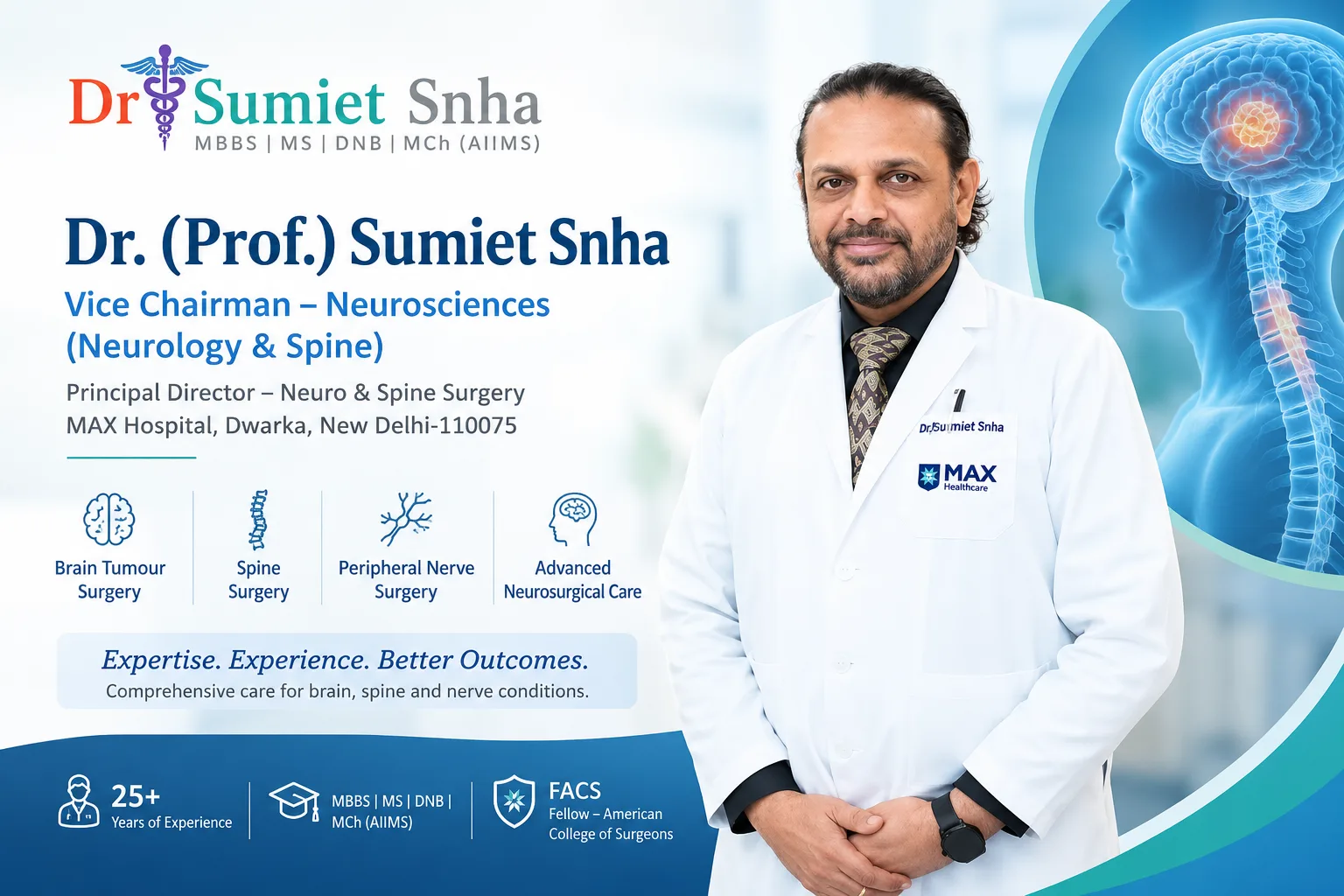
Dr. (Prof.) Sumiet Snha is the Vice Chairman – Neurosciences (Neurology & Spine) and is currently practicing at MAX Hospital, Gurgaon, India. With over 25 years of experience in neurosurgery, he specializes in diagnosing and treating complex neurological disorders, including stroke, brain tumors, spinal disorders, and traumatic brain injuries. His expertise includes advanced minimally invasive spine and brain surgery, helping patients experience less pain, reduced surgical trauma, and faster recovery. Dr. Snha has served as Principal Director of Neuro & Spine Surgery at MAX Hospital, Dwarka, Director at Paras Health, and Professor of Neurosurgery at AIIMS, New Delhi. Patients experiencing one sided weakness and slurred speech causes or other neurological symptoms are encouraged to seek timely consultation for an accurate diagnosis and personalized treatment plan.
Frequently Asked Question
1. What are the most common one sided weaknesses and slurred speech causes?
The most common one sided weakness and slurred speech causes include stroke, brain tumors, transient ischemic attack (TIA), traumatic brain injury, multiple sclerosis, brain infections, and certain neurological disorders. Immediate medical evaluation is essential to determine the exact cause.
2. Can one-sided weakness be caused by something other than a stroke?
Yes. Although stroke is one of the most common causes, one-sided weakness can also result from brain tumors, seizures, multiple sclerosis, migraines with aura, head injuries, or nerve-related conditions.
3. How do stroke vs brain tumor symptoms differ?
Stroke vs brain tumor symptoms mainly differ in how they develop. Stroke symptoms usually appear suddenly, while brain tumor symptoms often progress gradually over weeks or months as the tumor grows.
4. Is sudden weakness in one side of the body always an emergency?
Yes. Sudden weakness in one side of the body should always be treated as a medical emergency because it may be an early sign of a stroke or another serious neurological condition requiring immediate treatment.
5. Can a brain tumor cause slurred speech?
Yes. A brain tumor can affect the areas of the brain responsible for speech and muscle control, leading to slurred speech, difficulty speaking, or problems understanding language.
6. What tests diagnose the cause of one-sided weakness?
Doctors may perform a neurological examination, CT scan, MRI brain, blood tests, speech assessment, and specialized brain imaging such as CT angiography or MR angiography to determine the underlying cause.
7. How quickly should I seek medical attention?
You should seek emergency medical attention immediately if symptoms appear suddenly. Early diagnosis and treatment significantly improve recovery and reduce the risk of permanent brain damage.
8. Can stroke symptoms improve after treatment?
Yes. Many patients experience significant improvement with timely stroke treatment followed by rehabilitation, including physical therapy, occupational therapy, and speech therapy. Recovery depends on the severity of the stroke and how quickly treatment begins.
9. What treatments are available for brain tumors?
Treatment options include surgery, radiation therapy, chemotherapy, targeted therapy, and rehabilitation. The treatment plan depends on the tumor's size, location, type, and overall patient health.
10. When should I consult a neurosurgeon Delhi specialist?
You should consult a neurosurgeon Delhi specialist if you have persistent one-sided weakness, recurrent slurred speech, seizures, worsening neurological symptoms, a diagnosed brain tumor, or require expert evaluation after a stroke.
11. Can younger adults develop stroke or brain tumors?
Yes. Although these conditions are more common in older adults, younger individuals can also develop strokes or brain tumors due to genetic factors, vascular abnormalities, infections, trauma, or other medical conditions.
12. Can one-sided weakness and slurred speech be prevented?
While not all cases are preventable, maintaining healthy blood pressure, controlling diabetes, avoiding smoking, exercising regularly, eating a balanced diet, limiting alcohol, and attending routine health checkups can lower the risk of many neurological disorders.
Conclusion
One sided weakness and slurred speech causes should never be ignored, as they may indicate a stroke, brain tumor, or another serious neurological disorder requiring urgent medical attention. Understanding stroke vs brain tumor symptoms and recognizing sudden weakness on one side body can help patients seek emergency care before permanent brain damage occurs. Early diagnosis, advanced imaging, and timely treatment greatly improve recovery and long-term outcomes. If you or a loved one experiences these warning signs, consult an experienced neurosurgeon Delhi without delay to receive an accurate diagnosis, personalized treatment, and the best possible neurological care.

0 Comments