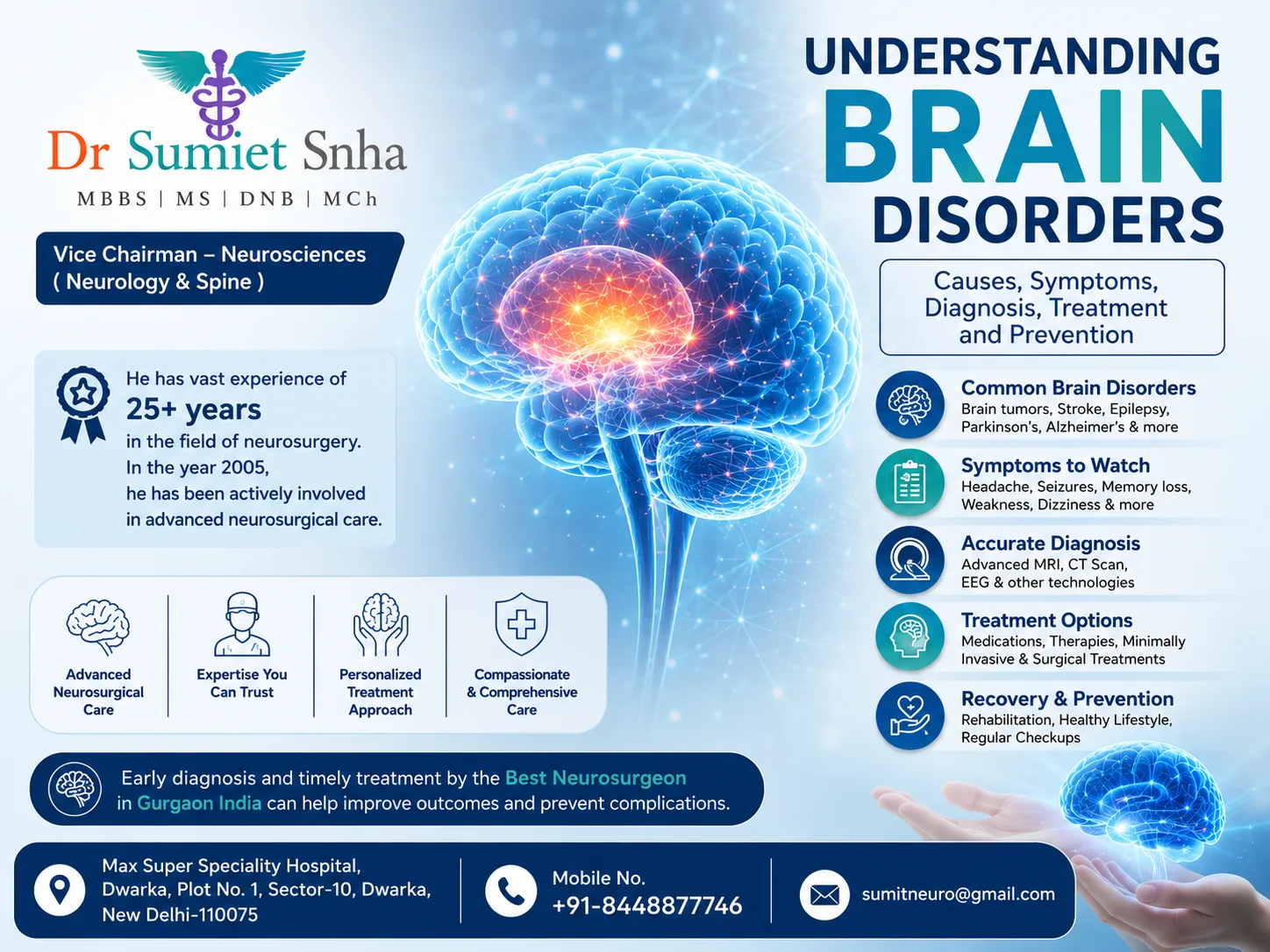
Brain surgery is one of the most advanced and specialized fields of modern medicine, designed to diagnose, treat, and manage conditions affecting the brain, nervous system, and surrounding structures. Best Neurosurgeon in Gurgaon experts emphasize that brain surgery is not only performed to treat life-threatening conditions but also to improve neurological function, relieve symptoms, and enhance a patient's quality of life. With continuous advancements in medical technology, brain surgery has become safer, more precise, and more effective than ever before.
Brain surgery may be recommended for a variety of conditions, including brain tumors, traumatic brain injuries, epilepsy, aneurysms, stroke-related complications, and certain neurological disorders. The primary goal is to address the underlying problem while preserving healthy brain tissue and maintaining important functions such as movement, speech, memory, and coordination.
Over the past few decades, modern neurosurgery has evolved significantly through the use of advanced imaging systems, minimally invasive techniques, computer-assisted navigation, and improved surgical planning. These innovations have helped reduce surgical risks, shorten recovery times, and improve patient outcomes.
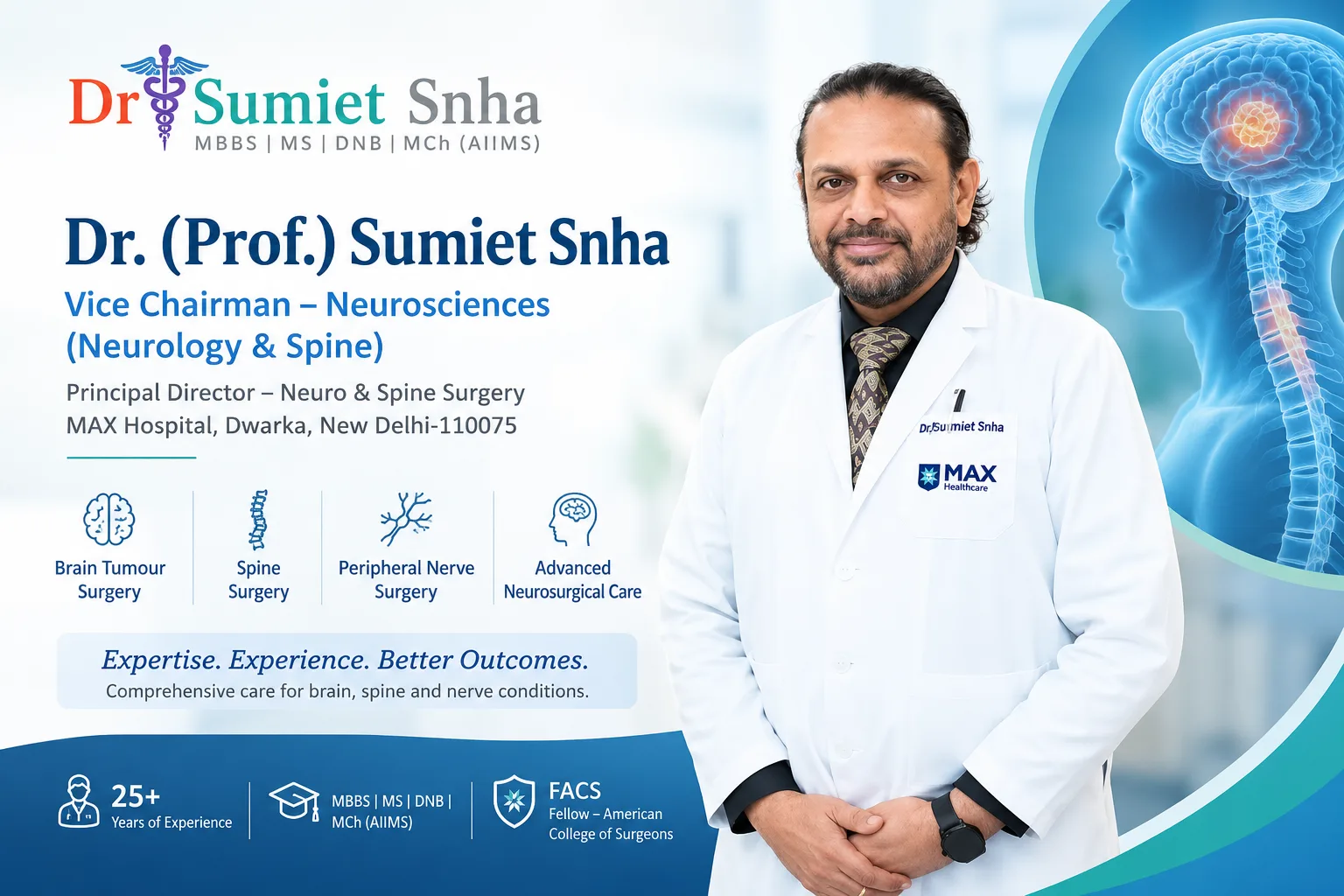
According to Dr. (Prof.) Sumiet Snha, who has more than 25+ years of experience in neurosurgery and has treated thousands of complex brain and spine cases, early diagnosis and expert surgical care often play a crucial role in successful treatment. Choosing an experienced neurosurgeon is one of the most important decisions a patient can make, as expertise, technology, and individualized treatment planning contribute significantly to long-term recovery and neurological health.
Today, brain surgery continues to offer hope and improved outcomes for patients facing complex neurological conditions, helping many individuals return to healthier and more active lives.
What Is Brain Surgery?
Understanding the Purpose of Brain Surgery
Brain surgery is a specialized medical procedure performed to diagnose, treat, or manage conditions affecting the brain, surrounding tissues, blood vessels, or nervous system. It is one of the most complex areas of medicine because the brain controls nearly every function of the human body, from movement and speech to memory, emotions, and decision-making. Modern brain surgery is designed not only to treat serious neurological conditions but also to preserve brain function and improve a patient's overall quality of life.
According to specialists and the Best Neurosurgeon in Gurgaon, advances in medical science have made brain surgery significantly safer and more effective than in the past. Today, neurosurgeons use sophisticated imaging technology, computer-guided navigation systems, and minimally invasive techniques to accurately identify and treat brain disorders while minimizing damage to healthy tissues.
Definition of Brain Surgery
Brain surgery, also known as neurosurgery, refers to surgical procedures performed on the brain to treat various neurological conditions. These procedures may be required to remove brain tumors, repair blood vessel abnormalities, control epilepsy, treat traumatic injuries, relieve pressure within the brain, or address other complex neurological disorders.
The primary goal of brain surgery is to correct the underlying problem while preserving important brain functions whenever possible. Every procedure is carefully planned based on the patient's condition, medical history, and the location of the affected area within the brain.
How Neurosurgeons Access and Treat Brain Conditions
The approach used during brain surgery depends on the type and location of the condition being treated. Neurosurgeons utilize detailed MRI scans, CT scans, and advanced imaging techniques to create a precise surgical plan before the procedure begins.
Modern neurosurgical techniques may involve traditional open surgery, minimally invasive procedures, endoscopic surgery, or image-guided interventions. These advanced methods allow surgeons to reach affected areas with greater accuracy while reducing risks and supporting faster recovery.
Precision is one of the most important aspects of brain surgery because even small areas of the brain are responsible for critical functions such as speech, movement, memory, and sensation. Careful surgical planning helps improve safety and treatment outcomes.
How the Brain Functions
The brain serves as the body's control center, continuously processing information and coordinating activities throughout the body. It receives signals from the senses, controls muscle movements, regulates emotions, stores memories, and manages essential functions such as breathing, heart rate, and balance.
Different regions of the brain perform specialized tasks. Some areas control movement and coordination, while others are responsible for language, memory, vision, behavior, and decision-making. Because each part of the brain has a unique function, damage or disease affecting a specific region can lead to a wide range of symptoms.
Why Brain Conditions Require Specialized Treatment
Brain disorders often require specialized care because of the complexity of the nervous system. Conditions such as brain tumors, aneurysms, epilepsy, traumatic brain injuries, and neurological disorders can affect multiple aspects of a person's health and daily life.
Early diagnosis, accurate evaluation, and expert treatment are essential for achieving the best possible outcomes. Specialized neurosurgical care focuses on protecting healthy brain tissue while addressing the condition causing symptoms. With continued advancements in modern neurosurgery, many patients are able to receive effective treatment and return to normal activities with improved neurological function.
Understanding the purpose of brain surgery helps patients and families make informed decisions about treatment while appreciating the remarkable progress that modern neurosurgery has achieved in improving patient care and recovery.
Brain surgery is not recommended for every neurological condition. In many cases, medications, rehabilitation, and other non-surgical treatments may be effective. However, certain brain disorders require surgical intervention when symptoms become severe, progressive, or life-threatening. According to neurological experts and the Best Neurosurgeon in Gurgaon, timely diagnosis and treatment are essential because delaying care can sometimes lead to permanent neurological damage.
Modern brain surgery is performed to remove abnormal growths, repair damaged blood vessels, reduce pressure inside the skull, control seizures, or treat conditions affecting normal brain function. Understanding the warning signs that require medical evaluation can help patients seek treatment at the right time.
Symptoms That May Require Medical Evaluation
The brain controls movement, speech, memory, vision, balance, and many other essential functions. When something affects the brain, the body may produce warning signs that should never be ignored.
Persistent Severe Headaches
Headaches are common, but headaches that are unusually severe, become more frequent, or continue for an extended period may require medical attention. Persistent headaches accompanied by nausea, vomiting, vision changes, or neurological symptoms should be evaluated by a specialist.
In some cases, recurring headaches may be associated with increased pressure inside the brain, brain tumors, or vascular abnormalities.
Seizures
Seizures occur when abnormal electrical activity develops within the brain. A seizure may cause sudden body movements, loss of awareness, unusual sensations, or temporary confusion.
A first-time seizure should always be medically investigated, as it may indicate an underlying neurological condition requiring further evaluation or treatment.
Weakness or Numbness
Sudden weakness, loss of sensation, or numbness affecting the face, arms, or legs may signal a serious neurological problem. These symptoms can interfere with daily activities and may be associated with stroke-related conditions, nerve damage, or other brain disorders.
Speech Difficulties
The brain plays a major role in communication. Difficulty speaking, slurred speech, trouble finding words, or difficulty understanding language may indicate problems affecting specific regions of the brain.
Speech changes should never be ignored, especially when they develop suddenly.
Vision Problems
Vision disturbances such as blurred vision, double vision, partial vision loss, or unexplained visual changes may occur when brain structures responsible for vision are affected.
Because vision problems can sometimes indicate serious neurological conditions, prompt evaluation is important.
Memory and Behavioral Changes
Changes in memory, personality, concentration, judgment, or behavior may develop gradually or suddenly depending on the underlying condition.
Unexplained cognitive or behavioral changes can sometimes be early signs of neurological disorders that require specialized treatment.
Conditions Commonly Treated with Brain Surgery
Modern neurosurgery is used to treat a wide range of neurological conditions. Surgical treatment is recommended when it offers the best opportunity to improve symptoms, prevent complications, or protect brain function.
Brain Tumors
Brain tumorsoccur when abnormal cells grow within the brain. Depending on their size and location, tumors may cause headaches, seizures, weakness, speech problems, or vision changes.
Brain tumor surgery is often performed to remove or reduce the tumor while preserving healthy brain tissue whenever possible.
Brain Aneurysms
A brain aneurysm is a weakened area in a blood vessel wall that may enlarge and potentially rupture. If left untreated, a ruptured aneurysm can cause life-threatening bleeding within the brain.
Surgical treatment helps reduce the risk of rupture and serious complications.
Epilepsy
Some patients with epilepsy continue to experience seizures despite medication. In selected cases, epilepsy surgery may help control seizures by targeting the area of the brain responsible for abnormal electrical activity.
Traumatic Brain Injuries
Head injuries caused by accidents, falls, or trauma may result in bleeding, swelling, or pressure within the skull.
Emergency brain surgery may be necessary to relieve pressure, remove blood clots, or prevent further damage to brain tissue.
Stroke-Related Complications
Certain stroke-related conditions may require surgical intervention to restore blood flow, relieve pressure, or manage complications resulting from bleeding inside the brain.
Hydrocephalus
Hydrocephalus is a condition in which excess fluid accumulates within the brain. Increased fluid pressure can affect brain function and may lead to headaches, balance problems, memory issues, and other symptoms.
Surgical treatment helps drain excess fluid and restore normal pressure levels.
Brain Infections
Serious infections affecting the brain or surrounding tissues may occasionally require surgery to remove infected material or relieve pressure caused by inflammation.
Movement Disorders
Certain movement disorders, including advanced Parkinson's disease and other neurological conditions, may benefit from specialized neurosurgical procedures such as Deep Brain Stimulation (DBS).
Why Early Evaluation Matters
Many neurological conditions can become more difficult to treat when diagnosis is delayed. Early medical evaluation improves the chances of successful treatment and may help prevent permanent neurological complications. Consulting an experienced specialist, such as the Best Neurosurgeon in Gurgaon, can help patients understand their symptoms, receive an accurate diagnosis, and explore the most appropriate treatment options.
With advances in modern brain surgery and neurological care, many patients are able to achieve better outcomes, improved quality of life, and greater long-term neurological health.
Modern brain surgery has evolved significantly over the years, allowing neurosurgeons to treat complex neurological conditions with greater accuracy and safety. Depending on the location, severity, and nature of a brain disorder, different surgical techniques may be recommended. According to specialists and the Best Neurosurgeon in Gurgaon, selecting the most appropriate surgical approach is essential for achieving the best possible outcomes while preserving healthy brain function.
Advancements in neurosurgery, medical imaging, and surgical technology have made it possible to perform highly specialized procedures with improved precision, reduced complications, and faster recovery for many patients.
Craniotomy
What Is a Craniotomy?
A craniotomy is one of the most commonly performed brain surgery procedures. During this operation, a neurosurgeon temporarily removes a section of the skull to access the brain and treat the underlying condition. Once the procedure is completed, the bone flap is carefully repositioned and secured.
When Is a Craniotomy Used?
A craniotomy may be recommended for several neurological conditions, including:
- Brain tumors
- Brain aneurysms
- Traumatic brain injuries
- Brain infections
- Blood clots within the brain
- Certain neurological disorders
A craniotomy provides direct access to the brain, allowing surgeons to perform complex procedures with precision.
Recovery Expectations
Recovery after a craniotomy varies depending on the patient's condition, overall health, and the complexity of the procedure. Some individuals may return to normal activities within weeks, while others may require longer rehabilitation. Follow-up care and neurological monitoring play an important role in recovery.
Minimally Invasive Brain Surgery
Understanding Minimally Invasive Techniques
Minimally invasive brain surgery uses smaller incisions and specialized surgical instruments to reach affected areas of the brain with less disruption to surrounding tissues. This approach has become increasingly popular due to its potential benefits for patients.
Benefits of Smaller Incisions
One of the major advantages of minimally invasive procedures is the reduction in tissue trauma. Smaller surgical openings often result in less discomfort and lower risk of complications.
Minimally invasive brain surgery can help reduce hospital stays, minimize scarring, and support a smoother recovery process.
Faster Recovery
Because these procedures involve less disruption to healthy tissues, many patients experience shorter recovery periods and can return to daily activities sooner compared to traditional surgical methods.
Endoscopic Brain Surgery
How Endoscopic Techniques Work
Endoscopic brain surgery involves the use of a thin tube equipped with a camera and specialized surgical instruments. The camera provides high-definition images that allow neurosurgeons to view and treat specific areas within the brain.
This approach often requires only small openings, making it a less invasive option for selected conditions.
Conditions Commonly Treated
Endoscopic procedures may be used for:
- Certain brain tumors
- Hydrocephalus
- Pituitary gland disorders
- Ventricular abnormalities
- Cyst removal
Endoscopic neurosurgery offers enhanced visualization while minimizing damage to surrounding brain structures.
Awake Brain Surgery
Why Patients Remain Awake During Certain Procedures
Awake brain surgery is a specialized technique used when a brain condition is located near areas responsible for speech, movement, memory, or other important functions.
During specific portions of the surgery, patients may remain awake and responsive while surgeons monitor brain function in real time. This helps identify and protect critical areas of the brain during treatment.
Benefits and Safety
Although the concept may sound intimidating, awake brain surgery is carefully planned and performed under controlled conditions.
The primary advantage is the ability to maximize treatment effectiveness while preserving essential neurological functions. Modern anesthesia and monitoring techniques make this procedure safe and effective for selected patients.
Deep Brain Stimulation (DBS)
Conditions Treated with DBS
Deep Brain Stimulation (DBS) is a specialized neurosurgical procedure commonly used to treat movement disorders and certain neurological conditions that do not respond adequately to medication.
Conditions that may benefit from DBS include:
- Parkinson's disease
- Essential tremor
- Dystonia
- Certain movement disorders
Procedure Overview
During DBS, thin electrodes are implanted into specific areas of the brain. These electrodes deliver controlled electrical signals that help regulate abnormal brain activity.
DBS does not destroy brain tissue and can often be adjusted over time to optimize symptom control. It has become an important treatment option for many patients with movement disorders.
Stereotactic Brain Surgery
Precision-Guided Treatment
Stereotactic brain surgery is one of the most advanced forms of neurosurgical treatment. This technique uses detailed imaging, computer-assisted navigation, and three-dimensional mapping to accurately target specific areas of the brain.
Role in Tumor and Neurological Disorder Management
Stereotactic procedures are frequently used for:
- Brain tumor biopsies
- Targeted tumor treatments
- Movement disorders
- Functional neurosurgery
- Deep Brain Stimulation placement
The high level of precision provided by stereotactic technology helps improve treatment accuracy while reducing the impact on healthy brain tissue.
Choosing the Right Surgical Approach
Every neurological condition is unique, and no single surgical technique is suitable for all patients. Factors such as the type of condition, its location within the brain, overall health status, and treatment goals influence the choice of procedure.
Advances in modern brain surgery have provided neurosurgeons with multiple treatment options, allowing care to be tailored to each patient's needs. Consulting an experienced specialist, such as the Best Neurosurgeon in Gurgaon, can help patients understand the available options and choose the most appropriate path toward recovery and long-term neurological health.
Preparing for brain surgery is an important step that can influence both the safety of the procedure and the recovery process. Modern brain surgery involves careful planning, detailed medical assessments, and personalized treatment strategies to ensure the best possible outcomes. According to neurological specialists and the Best Neurosurgeon in Gurgaon, proper preparation helps patients understand the procedure, reduce anxiety, and improve their readiness for surgery.
Whether the surgery is being performed for a brain tumor, aneurysm, epilepsy, or another neurological condition, patients undergo several evaluations before entering the operating room. These assessments help the surgical team understand the patient's overall health and create a treatment plan tailored to their specific condition.
Medical Evaluation Before Surgery
Before any neurosurgical procedure, a comprehensive medical evaluation is performed to determine the most appropriate treatment approach. These assessments help identify potential risks and ensure that the patient is physically prepared for surgery.
Neurological Examination
A neurological examination is one of the first and most important steps in pre-surgical planning. During this assessment, specialists evaluate brain and nervous system function by examining movement, balance, coordination, reflexes, memory, speech, sensation, and cognitive abilities.
The neurological examination provides valuable information about how the condition is affecting brain function and helps establish a baseline for recovery after surgery.
Imaging Tests
Advanced imaging plays a critical role in modern neurosurgery. Detailed scans allow surgeons to visualize the brain, identify abnormalities, and determine the safest surgical pathway.
Common imaging studies may include:
- Magnetic Resonance Imaging (MRI)
- Computed Tomography (CT Scan)
- Functional Brain Imaging
- Angiography for blood vessel assessment
These imaging technologies provide highly detailed views of the brain and help improve surgical precision and patient safety.
Blood Investigations
Blood tests are routinely performed before brain surgery to evaluate overall health and identify any conditions that may affect the procedure or recovery.
These investigations may assess:
- Blood cell counts
- Kidney and liver function
- Blood clotting ability
- Electrolyte balance
- Signs of infection
The results help the medical team ensure that the patient is medically stable and prepared for surgery.
Important Questions Patients Should Ask
Patients and their families should actively participate in treatment planning by discussing important aspects of the procedure with their healthcare team.
Understanding the Risks and Benefits
Every surgical procedure carries potential risks and benefits. Patients should understand why surgery is being recommended and how it may improve their condition.
Important questions may include:
- What are the expected benefits of surgery?
- What risks are associated with the procedure?
- What complications are possible?
- How successful is this type of surgery?
Being informed helps patients make confident and well-informed healthcare decisions.
Discussing the Recovery Timeline
Recovery varies depending on the type of brain surgery and the patient's overall health. Understanding the expected recovery process allows patients and caregivers to plan appropriately.
Patients may wish to ask:
- How long will hospitalization be required?
- When can normal activities resume?
- Will rehabilitation be necessary?
- What restrictions should be followed during recovery?
Exploring Treatment Alternatives
In some situations, surgery may be one of several treatment options available. Patients should discuss whether non-surgical treatments, medications, radiation therapy, or minimally invasive procedures may also be appropriate.
Understanding all available treatment options ensures that the chosen approach aligns with the patient's needs and goals.
Lifestyle Preparations Before Surgery
In addition to medical evaluations, healthy lifestyle habits can help prepare the body for surgery and support recovery afterward.
Nutrition and Physical Health
Good nutrition plays an important role in healing and recovery. A balanced diet helps support immune function, maintain energy levels, and promote tissue repair.
Patients are often encouraged to:
- Eat nutrient-rich foods
- Stay properly hydrated
- Maintain a healthy weight
- Follow any dietary instructions provided by their healthcare team
Proper nutrition helps the body prepare for surgery and may contribute to a smoother recovery process.
Medication Management
Certain medications and supplements may affect surgery and recovery. Patients should provide a complete list of all prescription medications, over-the-counter drugs, vitamins, and herbal supplements they are taking.
Doctors may recommend temporary adjustments to medications before surgery to reduce the risk of complications.
Patients should never stop or change medications without guidance from their medical team.
Mental and Emotional Preparation
Facing brain surgery can be emotionally challenging for patients and their families. Feelings of anxiety, uncertainty, and concern are natural before any major procedure.
Mental preparation may include:
- Learning about the procedure
- Discussing concerns with healthcare providers
- Seeking support from family and friends
- Practicing relaxation techniques
A positive and informed mindset can help patients feel more confident and prepared for the treatment journey ahead.
The Importance of Careful Surgical Planning
Successful brain surgery begins long before the operation itself. Thorough medical evaluations, advanced imaging, lifestyle preparation, and open communication with healthcare professionals all contribute to safer procedures and improved outcomes.
Modern advances in brain surgery, combined with detailed pre-operative planning, have significantly improved patient safety and recovery rates. Consulting an experienced specialist such as the Best Neurosurgeon in Gurgaon can help ensure that patients receive comprehensive guidance and individualized care throughout every stage of treatment.
Modern brain surgery has transformed the treatment of complex neurological conditions, offering patients safer procedures and better outcomes than ever before. According to experts and the Best Neurosurgeon in Gurgaon, advances in neurosurgery have significantly improved both survival rates and quality of life for patients facing serious brain disorders.
Improved Quality of Life
One of the most significant benefits of modern brain surgery is the improvement in a patient's overall quality of life. Many neurological conditions can affect movement, memory, speech, balance, and daily activities. By treating the root cause of these problems, surgery can help patients regain independence and confidence.
Relief from Symptoms
Brain surgery can help reduce or eliminate symptoms such as chronic headaches, seizures, dizziness, weakness, numbness, and vision disturbances. Effective treatment often allows patients to return to normal daily activities with improved comfort and functionality.
Better Neurological Function
Modern neurosurgical techniques focus on preserving healthy brain tissue while addressing the underlying condition. This approach helps improve neurological performance and supports better long-term outcomes.
Treatment of Life-Threatening Conditions
Brain surgery plays a crucial role in managing serious neurological conditions that may pose significant health risks if left untreated.
Brain Tumors
Surgical removal of brain tumors can help relieve pressure on the brain, improve symptoms, and prevent further complications.
Brain Aneurysms
Brain surgery can repair weakened blood vessels before rupture occurs, reducing the risk of potentially life-threatening bleeding.
Brain Bleeding
Emergency surgical intervention may be necessary to remove blood accumulation and relieve pressure inside the skull, helping protect brain function.
Advanced Surgical Precision
Modern technology has revolutionized the way brain surgery is performed, making procedures safer and more accurate.
Modern Technology
Advanced imaging systems, computer-assisted navigation, and real-time monitoring allow surgeons to visualize the brain with exceptional detail.
Better Outcomes
Greater precision helps reduce surgical risks, protect critical brain structures, and improve treatment success rates.
Minimally Invasive Advantages
Many neurological conditions can now be treated using minimally invasive techniques that reduce trauma to surrounding tissues.
Reduced Hospital Stay
Smaller incisions and advanced surgical methods often allow patients to spend less time in the hospital after surgery.
Faster Recovery
Minimally invasive brain surgery can support quicker healing, reduced discomfort, and a faster return to everyday activities.
With continuous advancements in brain surgery and neurosurgical treatment, patients today benefit from safer procedures, improved recovery experiences, and better long-term neurological health.
Modern brain surgery has become significantly safer due to advances in medical technology, surgical techniques, and neurological care. However, like any major medical procedure, brain surgery carries certain risks and potential complications. According to experts and the Best Neurosurgeon in Gurgaon, understanding these risks helps patients make informed decisions and prepare for treatment with realistic expectations.
While most patients recover successfully, the likelihood of complications depends on factors such as the patient's overall health, the complexity of the condition, and the type of surgical procedure being performed.
Understanding Surgical Risks
Every surgical procedure involves some degree of risk. In brain surgery, these risks are carefully evaluated before treatment, and extensive precautions are taken to minimize complications.
Infection
Although strict sterilization protocols are followed during neurosurgery, there is still a small possibility of infection. Infections may occur at the surgical site or, in rare cases, affect deeper tissues surrounding the brain.
Early detection and prompt treatment are important for preventing more serious complications.
Bleeding
Bleeding is a potential risk during and after brain surgery because the brain contains a complex network of blood vessels. Excessive bleeding may require additional treatment or monitoring.
Modern surgical techniques and advanced imaging technologies help surgeons reduce this risk significantly.
Swelling
Temporary swelling of brain tissue can occur following surgery. Because the brain is enclosed within the skull, swelling must be carefully monitored to prevent increased pressure inside the head.
Specialized medications and post-operative care are commonly used to manage swelling and support recovery.
Neurological Risks
Since brain surgery involves operating near areas responsible for important functions, certain neurological complications may occur depending on the location of the condition being treated.
Speech Difficulties
Some patients may experience temporary or, in rare situations, longer-lasting speech challenges following surgery, particularly when procedures involve areas associated with language processing.
Memory Issues
The brain plays a vital role in memory storage and retrieval. Certain surgical procedures may affect memory function, especially when treatment involves regions associated with learning and cognition.
Weakness
Temporary weakness affecting the arms, legs, or facial muscles may occur after surgery. Rehabilitation and physical therapy often help patients regain strength and mobility during recovery.
Balance Problems
Because some parts of the brain help control coordination and balance, surgery involving these regions may occasionally result in temporary dizziness or balance-related difficulties.
Most neurological symptoms improve with proper rehabilitation, follow-up care, and recovery support.
Factors That Influence Risk
The level of risk associated with brain surgery varies from patient to patient. Several factors influence both surgical safety and recovery outcomes.
Age
Older adults may face additional challenges during recovery because of age-related changes in healing and overall health. However, many elderly patients successfully undergo brain surgery with appropriate evaluation and care.
Overall Health
Existing medical conditions such as diabetes, heart disease, high blood pressure, or immune system disorders may increase the risk of complications during and after surgery.
Type of Surgery
Different brain procedures carry different levels of risk. Minimally invasive procedures often involve fewer complications compared to more extensive surgical operations.
Complexity of the Condition
The location, size, and nature of a brain disorder play a major role in determining surgical complexity. Conditions involving critical brain structures may require more advanced planning and monitoring.
How Neurosurgeons Minimize Risks
Modern neurosurgical care focuses heavily on reducing complications and improving patient safety through advanced technologies and detailed planning.
Advanced Imaging
High-resolution MRI scans, CT scans, and specialized brain imaging provide detailed information about the condition before surgery.
These technologies allow neurosurgeons to identify critical brain structures and plan safer surgical pathways.
Surgical Planning
Every brain surgery is carefully planned based on the patient's medical history, neurological condition, and imaging results. Detailed preparation helps improve accuracy and reduce unnecessary risks.
Intraoperative Monitoring
During surgery, advanced monitoring systems help track important neurological functions in real time. These systems allow surgeons to identify and protect critical brain areas responsible for movement, speech, and sensation.
Intraoperative monitoring has become an important tool for improving safety and preserving neurological function during complex brain procedures.
Balancing Risks and Benefits
While brain surgery carries potential risks, it is often performed because the benefits outweigh the dangers associated with leaving the condition untreated. Brain tumors, aneurysms, epilepsy, traumatic injuries, and other serious neurological disorders may cause significant health problems if not properly managed.
With modern brain surgery, advanced technology, and the expertise of the Best Neurosurgeon in Gurgaon, many patients achieve successful outcomes with reduced complications and improved quality of life. Understanding both the risks and benefits allows patients and families to make informed decisions and approach treatment with confidence.
Modern brain surgery follows a carefully planned process designed to maximize safety and treatment success. According to experts and the Best Neurosurgeon in Gurgaon, every procedure begins with anesthesia, ensuring the patient remains comfortable throughout the operation. Once anesthesia takes effect, the neurosurgeon creates safe surgical access to reach the affected area of the brain.
The treatment procedure then focuses on addressing the specific condition, such as removing a brain tumor, repairing an aneurysm, or relieving pressure within the brain. Throughout the surgery, advanced monitoring techniques help track vital functions and protect important brain areas responsible for movement, speech, and memory.
Role of Modern Technology
Modern neurosurgery relies heavily on advanced technology to improve accuracy and patient outcomes. Navigation systems act like GPS for the brain, helping surgeons reach the target area with precision. MRI-guided imaging provides detailed real-time views of brain structures, while robotic assistance enhances surgical accuracy in selected procedures. These innovations have made brain surgery safer, more precise, and more effective than ever before.
Recovery after brain surgery varies from person to person and depends on the type of procedure performed, overall health, and the condition being treated. According to experts and the Best Neurosurgeon in Gurgaon, the recovery process begins immediately after surgery with close ICU monitoring, where vital signs and neurological functions are carefully observed. Effective pain management and early rehabilitation help support healing and improve recovery outcomes.
Recovery Timeline
First Week
During the first week, patients may experience fatigue, mild discomfort, swelling, or headaches. Medical teams focus on monitoring progress and preventing complications.
First Month
Most patients gradually regain strength and begin returning to routine activities, depending on their condition and treatment plan.
Three to Six Months
Neurological recovery continues during this period, with improvements in mobility, speech, coordination, and overall function.
Long-Term Recovery
Long-term recovery focuses on maintaining brain health, rehabilitation, and regular follow-up care. With proper support, rehabilitation, and advanced neurosurgical treatment, many patients achieve significant improvements and return to active, productive lives.
Rehabilitation is an essential part of recovery after brain surgery and helps patients regain independence, improve neurological function, and enhance their quality of life. According to specialists and the Best Neurosurgeon in Gurgaon, a structured rehabilitation program supports both physical and cognitive recovery following neurosurgical treatment.
Physical Rehabilitation
Physical therapy focuses on mobility improvement and strength recovery. Patients work on balance, coordination, walking ability, and muscle strength to safely return to daily activities.
Speech Therapy
Some patients may experience communication difficulties after brain surgery. Speech therapy helps improve speaking, understanding language, and overall communication skills, allowing patients to interact more confidently.
Cognitive Rehabilitation
Cognitive rehabilitation is designed to strengthen brain function through memory training and concentration exercises. These activities help improve attention, problem-solving abilities, and everyday mental performance.
Emotional and Psychological Support
Recovery can be emotionally challenging. Professional support helps patients in managing anxiety, adapting to lifestyle changes, and building confidence during the healing process.
Comprehensive rehabilitation plays a crucial role in maximizing recovery and helping patients achieve the best possible long-term neurological outcomes.
Recovery after brain surgery does not end when a patient leaves the hospital. Following healthy lifestyle habits can support healing, improve neurological function, and help patients regain strength more effectively. According to specialists and the Best Neurosurgeon in Gurgaon, proper nutrition, physical activity, quality sleep, and stress management play important roles in successful recovery after neurosurgical treatment.
Healthy Nutrition
A balanced diet provides essential nutrients needed for healing. Brain-supporting foods such as fruits, vegetables, whole grains, nuts, and protein-rich foods help repair tissues and maintain energy levels. Proper hydration is equally important, as it supports brain function and overall recovery.
Physical Activity
Safe exercises and gentle movement help improve circulation and prevent weakness. Patients should follow a gradual activity progression plan recommended by their healthcare team.
Sleep and Brain Healing
Quality sleep allows the brain to recover, process information, and repair damaged tissues, making it a crucial part of neurological healing.
Stress Management
Practicing meditation, deep breathing, and relaxation techniques can help reduce anxiety and support emotional well-being. Healthy lifestyle choices can significantly improve recovery outcomes and promote long-term brain health.
Choosing the Right Neurosurgeon
Selecting the right specialist is one of the most important decisions for patients considering brain surgery. According to healthcare experts, the Best Neurosurgeon in Gurgaon combines extensive experience, advanced surgical skills, and patient-centered care to achieve the best possible outcomes.
Why Experience Matters
Complex brain procedures require exceptional precision and decision-making. An experienced neurosurgeon is better equipped to manage challenging cases, identify potential risks, and create personalized treatment plans. Experience often plays a crucial role in improving patient safety and surgical success.
Importance of Hospital Infrastructure
Modern neurosurgery depends on advanced technology and a multidisciplinary approach. Hospitals equipped with high-resolution imaging, modern operating rooms, intensive care facilities, and specialized rehabilitation services can significantly improve treatment quality and recovery outcomes.
Questions to Ask Before Surgery
Patients should discuss important aspects of treatment before making a decision. Questions may include the surgeon's experience with similar cases, expected outcomes, possible risks, and recovery plans.
Dr. (Prof.) Sumiet Snha, with 25+ years of neurosurgical experience and expertise in managing complex brain and spine conditions, emphasizes the importance of informed decision-making, advanced medical care, and personalized treatment planning for achieving optimal neurological outcomes.
Many misconceptions surround brain surgery, causing unnecessary fear among patients and families. One common myth is that brain surgery is always dangerous. In reality, advances in modern neurosurgery have made many procedures significantly safer and more precise. Another misconception is that recovery takes years, whereas many patients begin improving within weeks or months, depending on their condition.
Some people believe that all patients lose memory after surgery, but memory outcomes depend on the location and type of procedure, and many patients experience no significant memory problems. It is also untrue that every brain tumor requires open surgery. Modern techniques such as minimally invasive and image-guided procedures are available for selected cases. Dr. (Prof.) Sumiet Snha, recognized by many as the Best Neurosurgeon in Gurgaon, emphasizes that accurate information and expert consultation are essential for making informed treatment decisions.
The future of brain surgery is being shaped by rapid advancements in technology and medical innovation. Artificial Intelligence (AI) is helping neurosurgeons analyze complex data, improve diagnosis, and plan procedures with greater accuracy. Robotic-assisted brain surgery is enhancing surgical precision, allowing for more controlled and minimally invasive procedures. Advanced imaging technologies provide highly detailed views of brain structures, helping specialists perform safer and more effective treatments.
Another exciting development is personalized treatment planning, where therapies are tailored to each patient's unique condition and neurological needs. According to Dr. (Prof.) Sumiet Snha, recognized by many as the Best Neurosurgeon in Gurgaon, these innovations are transforming modern neurosurgery, improving patient safety, reducing recovery times, and creating better long-term outcomes for individuals with complex neurological disorders.
1. Is brain surgery always necessary for brain tumors?
No. Treatment depends on the tumor's type, size, location, and growth rate. Some tumors may be monitored, while others require surgery, radiation therapy, or a combination of treatments.
2. How long does brain surgery take?
The duration varies depending on the complexity of the procedure. Most brain surgeries can take anywhere from a few hours to several hours.
3. Is brain surgery painful?
Patients do not feel pain during surgery because anesthesia is used. Some discomfort during recovery is normal and is managed with appropriate medications.
4. What is the success rate of brain surgery?
Success rates depend on the condition being treated, overall health, and the surgical approach used. Modern brain surgery has achieved significantly improved outcomes due to technological advancements.
5. How long is the hospital stay after brain surgery?
Hospital stays vary based on the procedure and recovery progress. Many patients remain in the hospital for several days, while complex cases may require longer observation.
6. Can patients return to normal life after brain surgery?
Many patients successfully return to work, family activities, and daily routines after recovery. Rehabilitation and follow-up care play an important role in achieving the best outcomes.
7. What foods help during brain surgery recovery?
A balanced diet rich in fruits, vegetables, lean proteins, whole grains, healthy fats, and adequate hydration supports healing and neurological recovery.
8. Are there alternatives to brain surgery?
Depending on the condition, alternatives may include medication, radiation therapy, rehabilitation programs, or minimally invasive treatments. The most suitable option depends on individual circumstances.
9. What are the warning signs after brain surgery?
Persistent headaches, fever, worsening weakness, seizures, confusion, vision changes, speech difficulties, or signs of infection should be reported to a healthcare provider immediately.
10. How safe is modern brain surgery?
Modern neurosurgery is safer than ever due to advanced imaging, surgical navigation systems, intraoperative monitoring, and minimally invasive techniques that help reduce risks.
11. Can older adults undergo brain surgery?
Yes. Age alone does not determine eligibility. Overall health, neurological condition, and surgical goals are carefully evaluated before treatment decisions are made.
12. How do I choose the right neurosurgeon for brain surgery?
Patients should consider experience, expertise in similar procedures, hospital infrastructure, treatment outcomes, patient care approach, and access to advanced technology when selecting a specialist.
Brain surgery has become one of the most advanced and effective treatment options for managing serious neurological conditions. From brain tumors and aneurysms to epilepsy and traumatic brain injuries, modern brain surgery can help improve symptoms, restore neurological function, and enhance quality of life.
One of the most important factors in achieving successful outcomes is early diagnosis and timely treatment. Advances in modern neurosurgery have introduced highly precise surgical techniques, advanced imaging systems, robotic assistance, and minimally invasive procedures that make treatment safer and more effective than ever before.
Recovery after brain surgery is a gradual process that requires proper medical care, rehabilitation, healthy lifestyle habits, and ongoing follow-up. Physical therapy, cognitive rehabilitation, emotional support, and patient commitment all contribute to long-term recovery and improved neurological health.
According to Dr. (Prof.) Sumiet Snha, recognized by many patients as the Best Neurosurgeon in Gurgaon, informed decision-making and access to expert neurological care are essential when facing complex brain conditions. With the right treatment approach, advanced medical technology, and comprehensive recovery support, many patients can successfully return to active and fulfilling lives.
0 Comments