The number of people affected by neurological disorders has increased significantly in recent years, making brain health a growing healthcare concern worldwide. Best Neurosurgeon in Delhi specialists emphasize that conditions affecting the brain and nervous system can have a major impact on a person's quality of life, influencing memory, movement, speech, emotions, and overall physical functioning. As lifestyles become more stressful and life expectancy continues to increase, the need for advanced neurological care has become more important than ever.
The brain serves as the body's central control system, coordinating every activity from basic survival functions to complex thinking and decision-making. When neurological disorders such as brain tumors, epilepsy, aneurysms, traumatic brain injuries, or other brain conditions develop, timely medical attention becomes essential. Protecting brain health is not only important for preventing disease but also for maintaining long-term physical, mental, and emotional well-being.
Modern neurosurgery has transformed the treatment of complex brain conditions through innovations such as advanced imaging, minimally invasive procedures, neuronavigation systems, and precision-guided surgical techniques. These advancements have improved patient safety, reduced recovery times, and enhanced treatment outcomes.
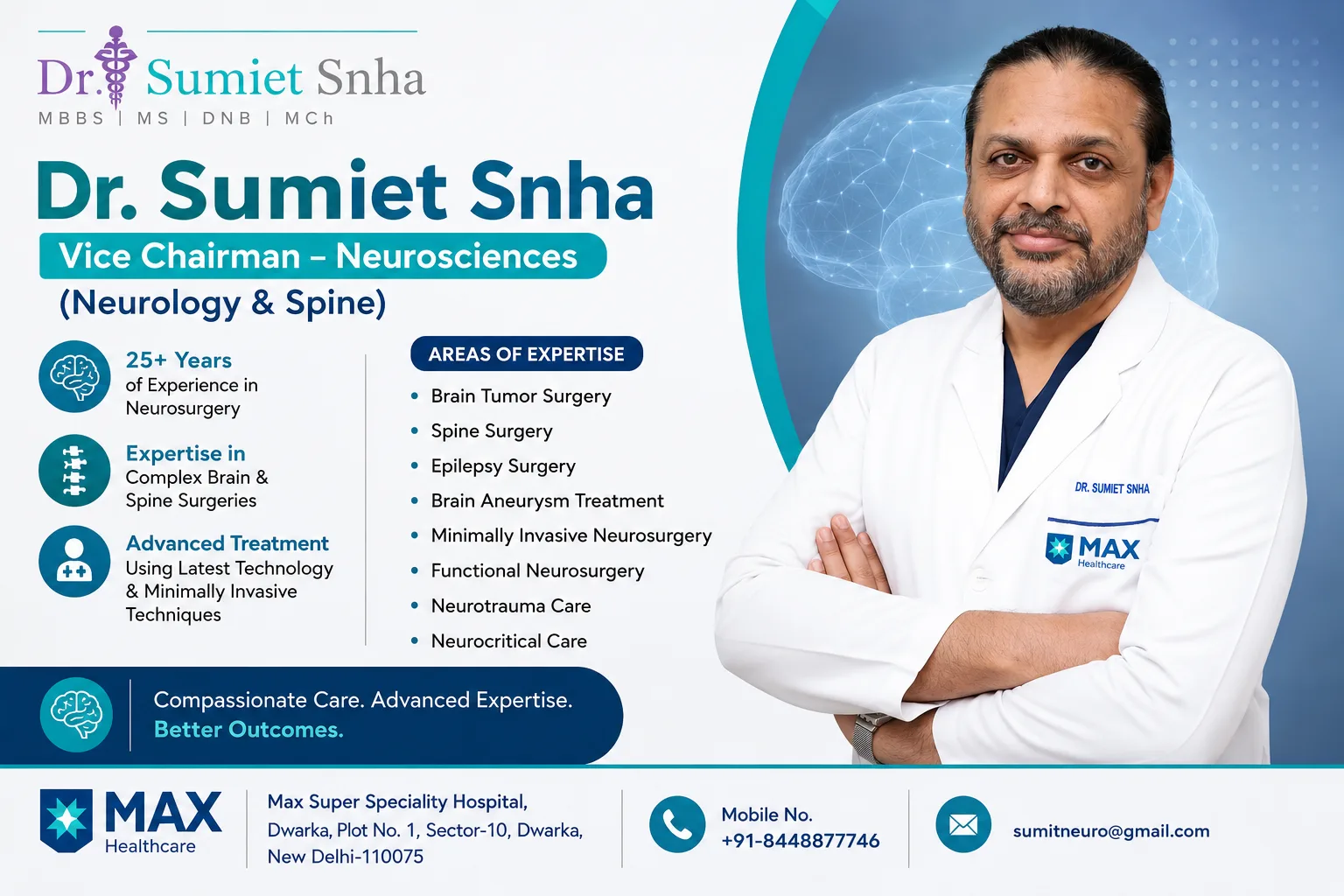
According to Dr. (Prof.) Sumiet Snha, who has more than 25+ years of experience in neurosurgery, early diagnosis and specialized treatment remain among the most important factors in successful neurological care. With continued advancements in brain surgery, neurosurgical treatment, and neurological rehabilitation, patients today have access to safer and more effective solutions that can significantly improve their quality of life and long-term brain health.
Understanding Neurosurgery
What Is Neurosurgery?
Neurosurgery is a highly specialized branch of medicine focused on the diagnosis, treatment, and surgical management of disorders affecting the brain, spinal cord, nerves, and nervous system. It plays a critical role in treating conditions that can significantly impact a person's physical, mental, and neurological health. According to experts and the Best Neurosurgeon in Delhi, modern neurosurgery combines advanced medical technology, precise surgical techniques, and comprehensive patient care to achieve the best possible outcomes.
The scope of neurosurgery extends far beyond brain surgery alone. It includes the treatment of brain tumors, spinal disorders, aneurysms, epilepsy, traumatic brain injuries, nerve compression syndromes, hydrocephalus, movement disorders, and many other complex neurological conditions. The primary goal of neurosurgery is to restore function, relieve symptoms, and improve the patient's overall quality of life while protecting healthy neurological structures.
Difference Between Neurology and Neurosurgery
Although neurology and neurosurgery are closely related fields, they serve different purposes. Neurologists primarily diagnose and manage neurological disorders through medications, rehabilitation, and non-surgical treatments. Neurosurgeons, on the other hand, are specially trained to perform surgical procedures when a condition requires operative intervention.
For example, a patient with epilepsy may initially receive treatment from a neurologist, but if seizures remain uncontrolled, a neurosurgeon may evaluate whether surgery could provide a better long-term solution.
Conditions Treated by Neurosurgeons
Neurosurgeons treat a wide range of conditions, including:
- Brain tumors
- Brain aneurysms
- Epilepsy
- Traumatic brain injuries
- Hydrocephalus
- Brain hemorrhage
- Stroke-related complications
- Spinal cord disorders
- Nerve compression conditions
- Movement disorders such as Parkinson's disease
Many of these conditions require highly specialized care because they directly affect critical brain and nervous system functions.
Why Neurosurgery Is Important
Neurosurgery plays a vital role in modern healthcare because it provides treatment options for serious neurological conditions that may otherwise lead to disability, permanent neurological damage, or even loss of life.
Treating Life-Threatening Neurological Conditions
Many neurological disorders develop suddenly and require urgent medical attention. Conditions such as brain hemorrhage, severe head trauma, ruptured aneurysms, and rapidly growing brain tumors can place immense pressure on the brain and threaten essential body functions.
Timely neurosurgical intervention can help save lives, prevent complications, and protect neurological function. Advances in brain surgery, minimally invasive procedures, and image-guided techniques have significantly improved the safety and effectiveness of these treatments.
Improving Quality of Life and Neurological Function
Beyond emergency treatment, neurosurgery also helps patients regain independence and improve their daily lives. Successful treatment can reduce chronic pain, control seizures, improve mobility, restore speech, relieve pressure on the nervous system, and enhance cognitive function.
Modern brain surgery and neurosurgical treatment are increasingly focused on preserving healthy tissue while maximizing functional recovery. This patient-centered approach allows many individuals to return to work, family activities, and normal daily routines following treatment.
As medical science continues to advance, neurosurgery remains one of the most important specialties for treating complex brain and nervous system disorders, offering hope, improved outcomes, and better long-term neurological health for patients facing challenging conditions.
Understanding Complex Brain Conditions
What Are Complex Brain Disorders?
Complex brain disorders are medical conditions that affect the structure, function, or communication systems of the brain. These conditions can interfere with the brain's ability to control movement, memory, speech, emotions, vision, balance, and other essential body functions. According to specialists and the Best Neurosurgeon in Delhi, many neurological disorders require early diagnosis and specialized treatment because they can progress over time and significantly affect a person's quality of life.
The brain is the most sophisticated organ in the human body, responsible for processing information and coordinating activities throughout the nervous system. When diseases, injuries, tumors, abnormal blood vessels, infections, or other neurological problems affect the brain, normal function may become disrupted. Conditions such as brain tumors, epilepsy, aneurysms, traumatic brain injuries, hydrocephalus, and other neurological disorders are often considered complex because they require advanced evaluation and highly specialized care.
Understanding the early signs of brain disorders is essential because prompt treatment can improve outcomes and help protect long-term neurological health.
Impact on Daily Life and Neurological Health
Complex brain conditions can affect every aspect of daily living. Depending on the area of the brain involved, individuals may experience difficulties with communication, concentration, memory, mobility, coordination, or emotional well-being.
Some neurological conditions develop gradually, while others appear suddenly and require urgent medical attention. In many cases, untreated brain disorders can lead to progressive symptoms, reduced independence, and long-term complications. This is why experts in brain surgery and neurosurgical treatment emphasize the importance of early diagnosis and timely intervention.
Common Symptoms of Serious Brain Conditions
The symptoms of brain disorders vary depending on the underlying cause, but certain warning signs should never be ignored.
Persistent Headaches
Frequent or severe headaches that continue for long periods or become progressively worse may indicate an underlying neurological issue. Headaches associated with vision changes, vomiting, or neurological symptoms require prompt medical evaluation.
Seizures
Seizures occur when abnormal electrical activity develops within the brain. They may cause involuntary movements, loss of awareness, unusual sensations, or temporary confusion. A first-time seizure should always be investigated by a healthcare professional.
Memory Problems
Difficulty remembering information, confusion, forgetfulness, or changes in concentration may sometimes indicate neurological dysfunction. While occasional forgetfulness can be normal, persistent cognitive changes deserve medical attention.
Speech Difficulties
Problems with speaking, understanding language, finding words, or slurred speech can occur when areas of the brain responsible for communication are affected. Sudden speech changes should never be ignored because they may signal a serious neurological condition.
Vision Changes
Blurred vision, double vision, partial vision loss, or unexplained visual disturbances may be associated with brain-related disorders. Changes in vision can occur when neurological pathways responsible for visual processing become affected.
Weakness and Numbness
Weakness, tingling, or numbness affecting the face, arms, or legs may occur when communication between the brain and nervous system becomes disrupted. These symptoms can interfere with movement, coordination, and daily activities.
Balance and Coordination Issues
The brain plays a critical role in maintaining balance and controlling movement. Individuals with certain neurological disorders may experience dizziness, difficulty walking, poor coordination, or frequent falls.
Persistent balance problems can sometimes indicate disorders affecting important regions of the brain and nervous system.
Why Early Recognition Matters
Recognizing symptoms early is one of the most important steps in protecting brain health. Many complex brain conditions respond more effectively to treatment when diagnosed in their early stages. Modern neurosurgery, advanced imaging techniques, and specialized neurological care have significantly improved the ability to diagnose and manage these conditions.
By understanding the warning signs and seeking timely medical evaluation, patients can access appropriate treatment, reduce the risk of complications, and improve their chances of maintaining healthy neurological function and a better quality of life.
Modern neurosurgery plays a vital role in diagnosing and treating a wide range of complex brain disorders that can affect neurological function, quality of life, and overall health. According to specialists and the Best Neurosurgeon in Delhi, advancements in brain surgery and neurological care have significantly improved outcomes for patients facing serious brain conditions. Early diagnosis and specialized treatment are often essential for preventing complications and preserving brain function.
Brain Tumors
Brain tumors occur when abnormal cells grow within or around the brain. These tumors may be classified as benign (non-cancerous) or malignant (cancerous). While benign tumors typically grow more slowly, they can still cause serious problems by placing pressure on surrounding brain structures. Malignant tumors tend to grow more aggressively and may require urgent treatment.
Common Symptoms of Brain Tumors
The symptoms often depend on the tumor's size and location. Patients may experience:
- Persistent headaches
- Seizures
- Vision disturbances
- Memory problems
- Weakness or numbness
- Balance difficulties
Treatment Approaches
Treatment options may include surgical removal, radiation therapy, chemotherapy, or a combination of therapies. The primary goal is to remove or control the tumor while protecting healthy brain tissue.
Brain Aneurysms
What Is a Brain Aneurysm?
A brain aneurysm is a weakened area in the wall of a blood vessel that causes it to bulge or balloon. While some aneurysms remain stable, others may rupture and cause life-threatening bleeding within the brain.
Risks and Complications
A ruptured aneurysm can lead to:
- Severe headache
- Loss of consciousness
- Neurological damage
- Stroke
- Life-threatening complications
Surgical Management
Modern neurosurgical treatment may involve surgical clipping or endovascular procedures designed to prevent rupture and protect brain function. Early detection significantly improves treatment outcomes.
Epilepsy
Epilepsy is a neurological disorder characterized by recurrent seizures caused by abnormal electrical activity within the brain.
Causes of Seizures
Seizures may develop due to:
- Brain injuries
- Brain tumors
- Genetic factors
- Stroke
- Infections affecting the brain
When Surgery Becomes Necessary
While many patients respond well to medication, some continue to experience uncontrolled seizures. In such cases, brain surgery may be considered to remove or modify the area responsible for abnormal electrical activity.
Traumatic Brain Injuries
Traumatic brain injuries (TBI) occur when an external force damages the brain.
Causes and Symptoms
Common causes include:
- Road traffic accidents
- Falls
- Sports injuries
- Workplace accidents
Symptoms may range from mild headaches and dizziness to severe neurological impairment, confusion, loss of consciousness, and memory problems.
Emergency Neurosurgical Intervention
Severe brain injuries may require immediate surgery to remove blood clots, relieve pressure, repair skull fractures, or prevent further damage to brain tissue. Timely intervention can be life-saving and improve long-term recovery.
Hydrocephalus
Hydrocephalus is a condition in which excess cerebrospinal fluid accumulates within the brain, increasing pressure on surrounding tissues.
Excess Fluid in the Brain
The buildup of fluid can interfere with normal brain function and may lead to:
- Headaches
- Balance problems
- Memory difficulties
- Vision changes
- Cognitive impairment
Surgical Treatment Options
Treatment often involves procedures designed to drain excess fluid and restore normal pressure levels. Shunt systems and endoscopic techniques are among the most commonly used approaches.
Brain Hemorrhage and Stroke-Related Conditions
Brain hemorrhage occurs when bleeding develops within or around the brain, often requiring urgent medical attention.
Causes
Common causes include:
- High blood pressure
- Ruptured aneurysms
- Head trauma
- Blood vessel abnormalities
- Certain stroke-related conditions
Surgical Management
In some cases, surgery may be necessary to remove accumulated blood, relieve pressure on the brain, repair damaged blood vessels, or prevent further neurological injury. Prompt treatment is critical because delayed intervention can increase the risk of permanent neurological damage.
Importance of Specialized Neurosurgical Care
Complex brain conditions require accurate diagnosis, advanced treatment planning, and expert management. Modern neurosurgery combines cutting-edge technology, minimally invasive techniques, and specialized expertise to treat challenging neurological disorders with greater safety and precision.
Recognizing symptoms early and seeking timely evaluation can significantly improve outcomes for patients facing serious brain conditions. With continued advancements in neurological care, many individuals are now able to achieve better recovery, improved neurological function, and a higher quality of life following treatment.
How Neurosurgery Helps Treat Complex Brain Conditions
Modern neurosurgery plays a critical role in the diagnosis, treatment, and management of complex brain disorders. According to specialists and the Best Neurosurgeon in Delhi, advancements in medical technology have significantly improved the ability to identify neurological conditions at earlier stages and treat them with greater precision. Whether a patient is dealing with a brain tumor, epilepsy, traumatic injury, or a vascular disorder, modern brain surgery offers treatment options that aim to preserve neurological function while improving quality of life.
Accurate Diagnosis and Evaluation
Successful treatment begins with a thorough understanding of the underlying condition. Before recommending any procedure, neurosurgeons conduct detailed assessments to determine the exact cause of symptoms and the most appropriate treatment strategy.
Neurological Examinations
A neurological examination helps evaluate important brain functions, including:
- Memory and cognitive abilities
- Muscle strength and coordination
- Vision, speech, and sensation
These assessments provide valuable information about how a neurological condition is affecting the patient.
Advanced Imaging Techniques
Modern diagnostic tools such as MRI scans, CT scans, functional brain imaging, and angiography allow specialists to obtain detailed images of the brain. These technologies help identify abnormalities with remarkable accuracy and support effective treatment planning.
Treatment Planning
Every neurological condition is unique. Neurosurgeons carefully analyze imaging results, medical history, and neurological findings to develop a personalized treatment approach that maximizes safety and treatment success.
Surgical Removal of Abnormal Tissue
One of the primary goals of neurosurgical treatment is the removal of abnormal tissue that interferes with normal brain function.
Brain Tumor Surgery
Brain tumors can place pressure on surrounding structures and affect vital neurological functions. Surgical removal helps reduce symptoms, improve neurological performance, and prevent further complications.
Lesion Removal
Certain lesions, abnormal tissue growths, or structural abnormalities within the brain may require surgical treatment. Removing these areas can help reduce symptoms and improve overall brain health.
Improving Neurological Function
By eliminating or reducing the source of neurological dysfunction, brain surgery often helps patients regain strength, improve mobility, and restore important cognitive functions.
Restoring Normal Brain Function
Many neurological disorders affect the brain's ability to communicate effectively with the rest of the body. Modern neurosurgery aims to restore this communication whenever possible.
Reducing Pressure on the Brain
Conditions such as tumors, fluid accumulation, bleeding, or swelling can increase pressure inside the skull. Surgical intervention may be necessary to relieve this pressure and protect healthy brain tissue.
Treating Seizure Disorders
For patients with epilepsy that does not respond adequately to medication, surgery may help control seizures by targeting the area responsible for abnormal electrical activity.
Improving Quality of Life
Successful neurosurgical treatment can significantly reduce symptoms such as headaches, seizures, weakness, speech difficulties, and balance problems. Many patients experience greater independence and a better quality of life following treatment.
Emergency Life-Saving Procedures
Some neurological conditions require immediate intervention to prevent permanent brain damage or life-threatening complications.
Trauma Care
Severe head injuries resulting from accidents, falls, or sports-related incidents may require emergency brain surgery to remove blood clots, repair fractures, or relieve dangerous pressure within the skull.
Brain Bleeding Treatment
Bleeding inside the brain can rapidly become a medical emergency. Neurosurgeons may perform urgent procedures to control bleeding, remove accumulated blood, and prevent further neurological injury.
Emergency Neurosurgery
Conditions such as ruptured aneurysms, severe traumatic brain injuries, and acute brain swelling often require immediate surgical treatment. Rapid intervention can be the difference between recovery and permanent neurological damage.
The Impact of Modern Neurosurgery
The field of brain surgery continues to evolve through innovations in imaging, minimally invasive techniques, neuronavigation systems, and real-time monitoring. These advances allow neurosurgeons to treat complex brain disorders with greater precision while reducing risks and improving recovery outcomes.
Today, neurosurgery offers hope for patients facing some of the most challenging neurological conditions, helping restore function, improve quality of life, and support long-term brain health.
Modern neurosurgery has evolved significantly over the past few decades, allowing specialists to treat complex brain disorders with greater precision, safety, and effectiveness. According to experts and the Best Neurosurgeon in Delhi, advanced surgical technologies have improved patient outcomes while reducing complications and recovery time. These innovations are transforming the way brain surgery is performed and helping patients achieve better neurological recovery.
Minimally Invasive Neurosurgery
Minimally invasive neurosurgery uses smaller incisions and specialized instruments to access the affected area of the brain. This approach causes less disruption to surrounding tissues and often results in faster recovery, reduced pain, shorter hospital stays, and fewer complications compared to traditional surgery.
Endoscopic Brain Surgery
Endoscopic brain surgery involves the use of a thin tube equipped with a camera and surgical instruments. This technique allows neurosurgeons to treat certain brain conditions through small openings with improved visualization and precision. It is commonly used for selected tumors, cysts, and fluid-related disorders.
Awake Brain Surgery
During awake brain surgery, patients remain conscious for specific parts of the procedure. This allows surgeons to monitor speech, movement, and other critical functions in real time. The technique helps preserve important brain functions while safely removing abnormal tissue.
Stereotactic Neurosurgery
Stereotactic neurosurgery uses advanced imaging and computer-guided navigation to deliver highly precise treatment. It is particularly valuable for treating deep-seated brain lesions, tumors, and complex neurological disorders where accuracy is essential.
Deep Brain Stimulation (DBS)
Deep Brain Stimulation (DBS) is an advanced procedure used to manage movement disorders such as Parkinson's disease, essential tremor, and dystonia. The technique involves implanting electrodes in specific areas of the brain to regulate abnormal nerve signals. DBS can improve movement control, reduce symptoms, and enhance overall quality of life for selected patients.
These advanced neurosurgical treatment techniques demonstrate how modern medicine continues to improve patient care, offering safer procedures, better outcomes, and new hope for individuals living with complex neurological conditions.
Technology has revolutionized the field of neurosurgery, making the diagnosis and treatment of complex brain disorders safer, more accurate, and more effective. According to specialists and the Best Neurosurgeon in Delhi, modern technological innovations have significantly improved surgical planning, precision, and patient outcomes. Today, advanced tools help neurosurgeons treat conditions that were once considered highly challenging while minimizing risks to healthy brain tissue.
Advanced MRI and CT Imaging
Modern MRI and CT imaging systems provide highly detailed views of the brain and nervous system. These scans help identify tumors, aneurysms, bleeding, nerve disorders, and other neurological conditions with exceptional accuracy. Early and accurate diagnosis is one of the most important factors in successful neurosurgical treatment.
Neuronavigation Systems
Neuronavigation technology functions like a GPS system for the brain. By combining imaging data with real-time surgical guidance, it helps neurosurgeons navigate complex brain structures with remarkable precision. This improves accuracy and reduces the risk of damage to critical areas.
Intraoperative Brain Monitoring
During brain surgery, intraoperative monitoring tracks important neurological functions such as movement, sensation, and speech. This technology allows surgeons to make immediate adjustments and helps protect essential brain functions during complex procedures.
Artificial Intelligence in Neurosurgery
Artificial Intelligence (AI) is increasingly being used to analyze medical images, support diagnosis, assist treatment planning, and predict surgical outcomes. AI helps specialists make more informed decisions and improve patient care.
Robotic-Assisted Neurosurgical Procedures
Robotic-assisted systems enhance surgical precision by allowing highly controlled movements during delicate procedures. These technologies are particularly useful in complex neurological operations where millimeter-level accuracy is required.
How Technology Improves Patient Outcomes
Modern technology has transformed neurosurgery by improving safety, increasing surgical precision, reducing complications, shortening recovery time, and enhancing long-term treatment outcomes. As advancements continue to evolve, patients benefit from more personalized, effective, and minimally invasive approaches to neurological care and brain surgery.
Modern neurosurgery has transformed the treatment of complex brain disorders, providing patients with effective solutions that can significantly improve both health and quality of life. According to specialists and the Best Neurosurgeon in Delhi, advances in brain surgery and neurological care have made it possible to treat many serious conditions with greater precision, improved safety, and better long-term outcomes. For many patients, neurosurgical treatment offers the opportunity to regain independence, restore neurological function, and reduce the impact of debilitating symptoms.
Relief from Symptoms
One of the most significant benefits of neurosurgery is its ability to address the root cause of neurological symptoms rather than simply managing them.
Headaches
Persistent headaches caused by brain tumors, abnormal pressure within the skull, or vascular disorders may improve significantly after appropriate neurosurgical treatment.
Seizures
For patients with epilepsy that does not respond to medication, surgery can help reduce seizure frequency or, in some cases, eliminate seizures altogether.
Weakness
Neurological conditions that affect movement and muscle strength can sometimes improve when pressure on the brain or nervous system is relieved.
Vision Problems
Certain brain disorders can interfere with vision. Treating the underlying condition may help preserve or improve visual function and reduce further complications.
Improved Neurological Function
A major goal of neurosurgical treatment is to restore normal brain function whenever possible. By removing tumors, repairing damaged blood vessels, relieving pressure, or treating seizure-causing abnormalities, neurosurgery can help improve movement, coordination, memory, speech, and cognitive abilities.
Improved neurological function often allows patients to return to daily activities with greater confidence and independence.
Better Quality of Life
Many individuals experience significant improvements in their overall quality of life following successful brain surgery. Reduced symptoms, better mobility, improved cognitive performance, and increased emotional well-being can positively impact both personal and professional life.
Reduced Risk of Future Complications
Early and appropriate neurosurgical intervention may help prevent serious complications such as permanent neurological damage, recurrent seizures, progressive weakness, stroke-related disability, or worsening brain function.
Addressing neurological conditions at the right time often reduces long-term health risks and supports better recovery outcomes.
Increased Long-Term Survival in Certain Conditions
For patients with specific brain tumors, aneurysms, hemorrhages, and other serious neurological disorders, timely neurosurgery can significantly improve survival rates. Advances in modern brain surgery, minimally invasive techniques, and precision-guided procedures have enhanced treatment effectiveness while reducing complications.
Why Neurosurgery Matters
The field of neurosurgery continues to evolve through technological innovation, advanced diagnostics, and personalized treatment planning. By relieving symptoms, restoring neurological function, improving quality of life, and reducing future health risks, neurosurgery plays a critical role in helping patients overcome complex brain conditions and achieve better long-term health outcomes.
Recovery After Neurosurgery
Recovery is an important phase of the treatment journey following neurosurgery. While every patient's recovery experience is unique, proper post-operative care, rehabilitation, and medical follow-up play a crucial role in achieving the best possible outcome. According to specialists and the Best Neurosurgeon in Delhi, advances in brain surgery and post-surgical rehabilitation have significantly improved recovery rates and long-term neurological outcomes for patients with complex brain conditions.
Immediate Post-Surgical Care
The first few days after surgery are focused on monitoring the patient's condition and supporting the healing process.
ICU Monitoring
Many patients are initially cared for in an Intensive Care Unit (ICU), where healthcare professionals closely monitor vital signs, neurological function, and overall recovery. Continuous monitoring helps identify and manage potential complications at an early stage.
Medical Observation
Doctors carefully assess speech, movement, memory, vision, and other neurological functions after surgery. Pain management, infection prevention, and wound care are also important aspects of immediate recovery.
Rehabilitation Process
Rehabilitation helps patients regain physical, cognitive, and functional abilities that may have been affected by their neurological condition or surgery.
Physical Therapy
Physical therapy focuses on improving strength, balance, coordination, flexibility, and mobility. For many patients, it plays a key role in returning to daily activities and maintaining independence.
Speech Therapy
If a neurological condition has affected communication skills, speech therapy can help improve speaking, understanding language, and swallowing functions.
Cognitive Rehabilitation
Cognitive rehabilitation is designed to strengthen memory, concentration, problem-solving skills, and overall brain function. These therapies help patients adapt to challenges and improve their quality of life.
Long-Term Recovery Expectations
Recovery continues long after hospital discharge and often requires patience, consistency, and ongoing medical guidance.
Returning to Daily Activities
Many patients gradually return to work, family responsibilities, social activities, and exercise as their recovery progresses. The timeline varies depending on the condition treated and the complexity of the surgery.
Follow-Up Care
Regular follow-up appointments are essential for monitoring recovery, evaluating neurological function, and identifying any concerns that may require additional treatment. Advanced imaging and neurological assessments may also be performed when necessary.
The Importance of Comprehensive Recovery
Modern neurosurgical treatment extends beyond the operating room. Successful recovery depends on a combination of expert medical care, rehabilitation, healthy lifestyle habits, and ongoing follow-up support. With proper recovery planning, many patients experience significant improvements in neurological function, independence, and overall well-being after brain surgery
Selecting the Best Neurosurgeon in Delhi NCR is one of the most important decisions for patients dealing with complex brain and neurological conditions. Neurosurgical treatment often involves highly specialized procedures that require precision, experience, and access to advanced medical technology. Whether a patient is facing a brain tumor, aneurysm, epilepsy, traumatic brain injury, or another neurological disorder, choosing the right specialist can have a significant impact on treatment outcomes and recovery.
Why Experience Matters
Experience plays a critical role in modern neurosurgery because every brain condition presents unique challenges. Complex neurological disorders often require careful planning, accurate diagnosis, and advanced surgical expertise.
Complex Brain Surgeries
Brain surgery involves working around delicate structures that control speech, movement, memory, sensation, and vital body functions. An experienced neurosurgeon is better equipped to manage these challenges while minimizing risks and protecting healthy brain tissue.
Better Clinical Decision-Making
Successful treatment is not only about performing surgery. It also involves selecting the most appropriate treatment strategy, determining whether surgery is necessary, and developing a personalized recovery plan. Strong clinical judgment can significantly improve patient outcomes and long-term neurological health.
Advanced Hospital Infrastructure
The quality of hospital facilities is another important factor when choosing a neurosurgeon.
Modern Operating Rooms
Advanced operating rooms equipped with high-resolution imaging systems, neuronavigation technology, intraoperative monitoring, and minimally invasive surgical tools support safer and more precise procedures.
Neurocritical Care Units
Specialized neurocritical care units provide continuous monitoring and expert management following surgery. These facilities are essential for handling complex neurological cases and supporting successful recovery.
Questions Patients Should Ask
Before proceeding with treatment, patients should have a clear understanding of the surgeon's expertise and treatment approach.
Experience With Similar Cases
Patients should ask about the surgeon's experience in managing conditions similar to their own, including complex brain surgeries and advanced neurological procedures.
Success Rates
Understanding treatment outcomes and the surgeon's experience can help patients make informed healthcare decisions.
Recovery Expectations
Patients should discuss rehabilitation requirements, expected recovery timelines, and possible long-term outcomes before treatment begins.
Importance of Personalized Care
Every neurological condition is different, and treatment should never follow a one-size-fits-all approach. Personalized care focuses on the individual patient's medical history, symptoms, treatment goals, and recovery needs. This approach helps ensure that treatment plans are tailored to achieve the best possible results.
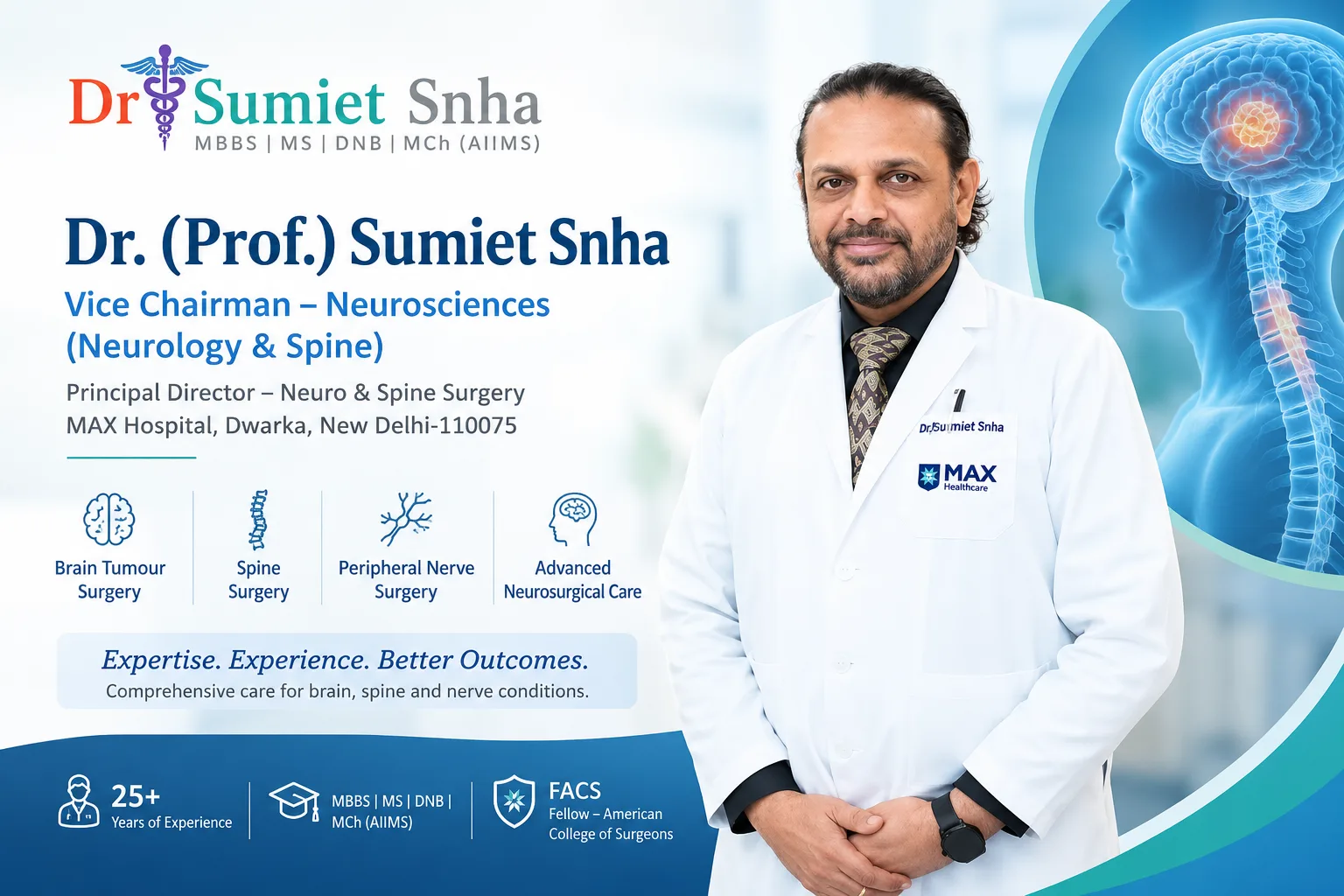
Many patients seeking the Best Neurosurgeon in Delhi NCR consider factors such as surgical expertise, hospital infrastructure, patient-focused care, and long-term treatment outcomes. Dr. (Prof.) Sumiet Snha, Vice Chairman – Neurosciences (Neurology & Spine), brings more than 25 years of neurosurgical experience and has successfully managed thousands of complex brain and spine cases. His approach emphasizes accurate diagnosis, evidence-based treatment planning, advanced neurosurgical techniques, and comprehensive patient care to support optimal neurological recovery.
Ultimately, choosing the right neurosurgeon is about finding a specialist who combines experience, technology, clinical expertise, and compassionate care.The right decision can make a meaningful difference in treatment success, recovery, and long-term quality of life.
Tips for Maintaining Brain Health
Maintaining good brain health is essential for preserving memory, concentration, emotional well-being, and overall neurological function. According to experts and the Best Neurosurgeon in Delhi, simple lifestyle habits can play a significant role in protecting the brain and reducing the risk of neurological disorders.
A healthy diet rich in fruits, vegetables, whole grains, nuts, seeds, and omega-3 fatty acids provides important nutrients that support brain function and nerve health. Regular physical activity improves blood circulation to the brain, enhances cognitive performance, and supports overall neurological wellness.
Quality sleep is equally important because the brain uses this time to repair, organize memories, and restore energy. Managing stress through meditation, relaxation techniques, and healthy work-life balance can also help protect long-term brain health.
Avoiding smoking and excessive alcohol consumption is essential, as both can negatively affect brain cells and blood vessels over time. In addition, regular neurological checkups can help detect potential concerns early and support timely treatment when needed.
Dr. (Prof.) Sumiet Snha, with more than 25 years of experience in neurosurgery, emphasizes that preventive care, healthy lifestyle choices, and early medical evaluation are key to maintaining strong brain health and overall well-being throughout life.
The future of neurosurgery is being shaped by rapid technological advancements that are making the diagnosis and treatment of complex neurological disorders more precise, personalized, and effective. According to experts and the Best Neurosurgeon in Delhi, emerging innovations are transforming patient care and creating new possibilities for treating conditions that were once considered highly challenging.
One of the most promising developments is Artificial Intelligence (AI) and precision medicine, which help specialists analyze complex medical data, improve diagnostic accuracy, and develop individualized treatment plans. Robotic neurosurgery is also advancing rapidly, allowing surgeons to perform delicate procedures with enhanced precision and control.
Another important innovation is advanced brain mapping, which provides detailed information about critical brain functions before and during surgery. This technology helps protect areas responsible for speech, movement, memory, and cognition. In addition, personalized neurological treatments are becoming more common, enabling therapies to be tailored to each patient's unique condition and medical needs.
Future innovations are expected to improve patient safety, reduce recovery times, increase surgical accuracy, and enhance long-term outcomes. According to Dr. (Prof.) Sumiet Snha, who has more than 25 years of experience in neurosurgery, these advancements represent an exciting new era in neurological care, offering greater hope and improved quality of life for patients with complex brain disorders.
1. What conditions are commonly treated through neurosurgery?
Neurosurgery is used to treat a wide range of neurological conditions, including brain tumors, brain aneurysms, epilepsy, traumatic brain injuries, hydrocephalus, spinal disorders, nerve compression syndromes, and stroke-related complications.
2. When should I consult a neurosurgeon?
You should seek medical evaluation if you experience persistent headaches, seizures, unexplained weakness, memory problems, speech difficulties, vision changes, balance issues, or symptoms that affect normal neurological function.
3. Is brain surgery always required for brain tumors?
No. Treatment depends on the type, size, location, and growth rate of the tumor. Some patients may require surgery, while others may benefit from observation, radiation therapy, chemotherapy, or a combination of treatments.
4. How safe is modern neurosurgery?
Modern neurosurgery has become significantly safer due to advanced imaging systems, neuronavigation technology, intraoperative monitoring, minimally invasive techniques, and improved surgical planning.
5. What is minimally invasive brain surgery?
Minimally invasive brain surgery uses smaller incisions and specialized instruments to access affected areas with less disruption to surrounding tissues, often resulting in faster recovery and reduced complications.
6. How long does recovery take after neurosurgery?
Recovery varies depending on the condition treated, the complexity of the procedure, and individual health factors. Some patients recover within weeks, while others may require several months of rehabilitation.
7. Can epilepsy be treated with surgery?
Yes. For patients whose seizures are not adequately controlled with medication, surgery may help reduce seizure frequency or provide long-term seizure control.
8. What are the warning signs of a brain aneurysm?
Common warning signs may include severe headaches, vision problems, neck pain, nausea, sensitivity to light, and sudden neurological symptoms. Immediate medical attention is important if an aneurysm is suspected.
9. Does neurosurgery affect memory or speech?
The impact depends on the location of the condition and the type of procedure. Modern surgical techniques aim to preserve important brain functions whenever possible.
10. What technologies are used in modern neurosurgery?
Advanced MRI, CT imaging, neuronavigation systems, intraoperative monitoring, robotic-assisted surgery, artificial intelligence, and brain mapping technologies are commonly used in modern neurosurgical care.
11. How can I maintain good brain health?
A healthy diet, regular exercise, quality sleep, stress management, avoiding smoking and excessive alcohol consumption, and regular medical checkups all contribute to long-term brain health.
12. How do I choose the Best Neurosurgeon in Delhi NCR?
Patients should consider the surgeon's experience, expertise in similar cases, hospital infrastructure, treatment outcomes, access to advanced technology, and commitment to personalized patient care.
Modern neurosurgery has transformed the treatment of complex brain disorders, providing effective solutions for conditions that once carried significant risks and limited treatment options. From brain tumors and aneurysms to epilepsy and traumatic brain injuries, neurosurgical advancements continue to improve patient outcomes and quality of life.
Early diagnosis remains one of the most important factors in successful neurological treatment. Timely medical evaluation allows specialists to identify conditions at an earlier stage and develop appropriate treatment strategies before complications occur.
Advances in brain surgery, artificial intelligence, neuronavigation systems, robotic-assisted procedures, and minimally invasive techniques have significantly improved surgical precision, patient safety, and recovery outcomes. These innovations are helping patients return to healthier and more active lives.
Recovery is an essential part of the treatment journey and often involves rehabilitation, follow-up care, healthy lifestyle choices, and ongoing neurological monitoring. A comprehensive recovery plan can play a major role in achieving long-term neurological health and independence.
According to Dr. (Prof.) Sumiet Snha, Vice Chairman – Neurosciences (Neurology & Spine), with more than 25 years of experience in neurosurgery, informed decision-making and access to expert care are essential for achieving the best possible outcomes. Consulting the Best Neurosurgeon in Delhi can help patients receive timely diagnosis, advanced treatment, and personalized care for complex neurological disorders.
As technology continues to advance, the future of neurosurgery offers even greater hope, precision, and improved quality of life for patients facing challenging brain conditions.
0 Comments