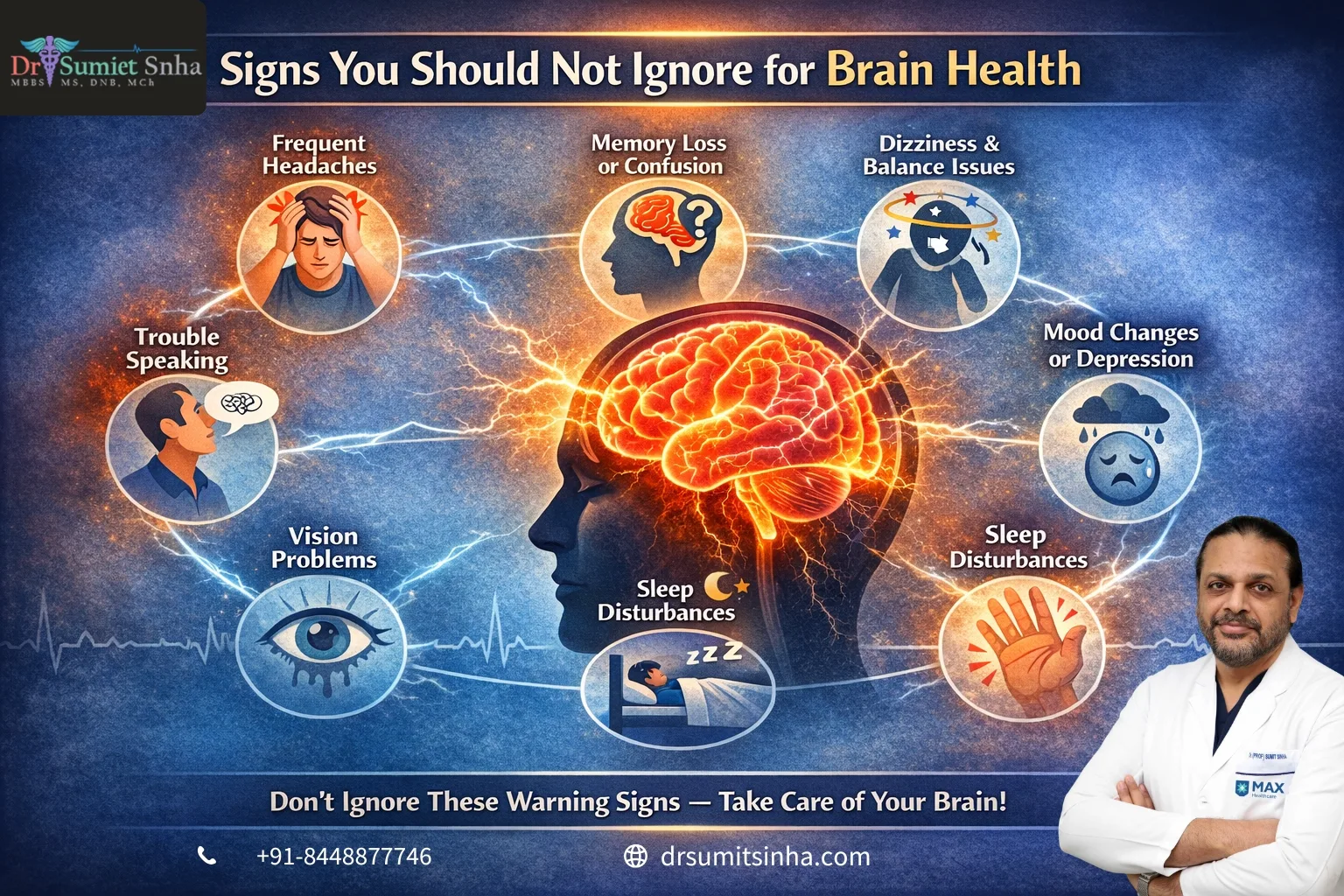
Maintaining good brain health is essential for living a balanced, active, and productive life. The brain acts as the body’s control center, managing everything from movement and memory to emotions, breathing, and decision-making. Even minor changes in brain function can affect daily activities, making awareness and preventive care extremely important. Consulting experienced specialists, including the best brain specialist in delhi can help ensure accurate diagnosis and timely management of neurological concerns when symptoms first appear.
The brain controls vital body functions through a complex network of nerves and signals that regulate physical actions, cognitive abilities, and overall wellbeing. When this system is disrupted due to injury, illness, or neurological disorders, the body often shows warning signs that should never be ignored. Symptoms such as persistent headaches, dizziness, memory problems, or sudden weakness may indicate underlying conditions requiring medical attention.
Early recognition of neurological symptoms plays a crucial role in successful treatment and recovery. Seeking medical evaluation at the right time not only helps prevent complications but also improves treatment outcomes, allowing individuals to maintain better brain health and quality of life.
Why Brain Health Should Be a Priority
Brain health plays a vital role in maintaining overall physical, emotional, and cognitive wellbeing. Every action we perform — from thinking and learning to moving and communicating — depends on proper brain function. A healthy brain allows individuals to stay focused, make decisions effectively, and carry out daily activities without difficulty. When brain health is compromised, it can impact not only mental abilities but also essential bodily functions such as coordination, balance, and sensory responses. Seeking guidance from the best brain specialist in delhi can help individuals receive expert evaluation and timely care for neurological concerns.
In today’s fast-paced lifestyle, factors such as stress, lack of sleep, poor nutrition, and prolonged screen exposure are increasingly affecting neurological health. Additionally, conditions like high blood pressure, diabetes, and aging can increase the risk of brain-related disorders. Prioritizing brain health through regular checkups, healthy habits, and awareness of warning signs can significantly reduce these risks.
Focusing on prevention and early care helps detect potential neurological problems before they become severe. By understanding the importance of brain health and responding promptly to unusual symptoms, individuals can protect their cognitive abilities, maintain independence, and improve long-term quality of life.
Common Warning Signs You Should Not Ignore
The brain communicates problems through various physical and cognitive symptoms. While some signs may appear mild at first, ignoring them can sometimes lead to serious neurological complications. Recognizing these warning signs early and consulting experienced specialists, such as the best brain specialist in delhi, can help ensure proper diagnosis and timely treatment.
Persistent or Severe Headaches
Frequent headaches, especially those that are intense, sudden, or different from usual headaches, should not be ignored. Persistent headaches may sometimes be linked to underlying neurological conditions that require medical evaluation.
Memory Loss or Difficulty Concentrating
Occasional forgetfulness can be normal, but frequent memory problems or difficulty focusing on daily tasks may indicate changes in brain function. If memory issues begin to interfere with everyday activities, medical advice is recommended.
Dizziness or Loss of Balance
Feeling dizzy, unsteady, or having difficulty maintaining balance can sometimes be related to problems in the brain or nervous system. Repeated episodes of dizziness should be properly assessed.
Changes in Vision or Speech
Blurred vision, double vision, or difficulty speaking clearly may signal neurological issues. Sudden changes in speech or vision should always be taken seriously.
Numbness or Weakness in the Body
Tingling sensations, numbness, or weakness in the face, arms, or legs—especially on one side of the body—can be important warning signs that require immediate medical attention.
Recognizing these symptoms early and seeking professional evaluation can significantly improve treatment outcomes and help protect long-term brain health.
add more content in subheadings
Possible Conditions Behind These Symptoms
Many neurological symptoms may appear mild at first, but they can sometimes be linked to underlying brain or nervous system conditions. Identifying the cause of these warning signs is essential for proper diagnosis and treatment. Consulting experienced specialists, such as the best brain specialist in delhi, can help determine whether these symptoms are related to temporary issues or more serious neurological disorders.
Brain Tumors
Brain tumors occur when abnormal cells grow within the brain or surrounding tissues. These tumors can be benign (non-cancerous) or malignant (cancerous). Depending on their location and size, brain tumors may cause symptoms such as persistent headaches, vision problems, seizures, memory issues, or difficulty with balance and coordination. Early detection and advanced neurosurgical care play a critical role in effective treatment and recovery.
Stroke
A stroke occurs when the blood supply to a part of the brain is suddenly interrupted or reduced. This lack of oxygen can damage brain cells within minutes. Common symptoms of stroke include sudden weakness on one side of the body, difficulty speaking, confusion, severe headache, or vision problems. Immediate medical attention is crucial because early treatment significantly improves recovery chances.
Neurological Disorders
Various neurological disorders affect the brain, spinal cord, or nerves. Conditions such as epilepsy, Parkinson’s disease, or multiple sclerosis can cause symptoms like tremors, seizures, memory problems, muscle weakness, or coordination difficulties. Proper evaluation by a neurological specialist helps determine the exact cause and the most effective treatment plan.
Infections Affecting the Brain
Certain infections can directly affect the brain and nervous system. Conditions such as meningitis or encephalitis may cause symptoms including severe headache, fever, confusion, seizures, or sensitivity to light. These infections require immediate medical attention to prevent complications and protect long-term brain health.
When Should You Consult a Neurosurgeon?
Recognizing the right time to consult a neurosurgeon is essential for protecting brain health and preventing complications. While some neurological symptoms may appear minor initially, persistent or worsening signs should never be ignored. Early consultation with experienced specialists, including the best brain specialist in delhi, helps ensure accurate diagnosis and timely treatment for complex neurological conditions.
Persistent Symptoms That Do Not Improve
If symptoms such as headaches, dizziness, memory problems, or numbness continue for several days or gradually worsen, professional medical evaluation becomes necessary. Ongoing symptoms may indicate underlying neurological conditions that require specialized care from the best brain specialist in delhi to determine the correct diagnosis and treatment plan.
Sudden or Severe Neurological Changes
Immediate consultation is important when symptoms appear suddenly. Warning signs such as sudden weakness, loss of coordination, speech difficulty, confusion, or vision disturbances may indicate serious conditions that need urgent medical attention and expert evaluation.
Recurring Seizures or Blackouts
Experiencing seizures, fainting episodes, or unexplained loss of consciousness should always be evaluated by a neurosurgeon or neurological specialist. Early diagnosis can help identify the cause and reduce potential health risks.
After Head Injury or Trauma
Even mild head injuries can sometimes lead to delayed complications. Symptoms like persistent headache, vomiting, confusion, or unusual drowsiness after a head injury should be examined promptly to rule out internal brain problems.
When Recommended by a Physician
In many cases, general physicians or neurologists may refer patients to the best brain specialist in delhi for advanced neurological evaluation or surgical treatment. Consulting an experienced specialist ensures access to modern diagnostic technology and effective treatment approaches.
Expert Care and Advanced Neurosurgery
Modern neurosurgery has advanced significantly with innovative technology and specialized treatment approaches. Expert medical care ensures accurate diagnosis, effective treatment planning, and improved recovery outcomes. Consulting the best brain specialist in delhi allows patients to benefit from advanced procedures designed to treat complex neurological conditions safely and efficiently.
Advanced Technology in Neurosurgery
Today’s neurosurgical treatments use cutting-edge technology to enhance precision and safety. High-resolution MRI and CT imaging, neuronavigation systems, and computer-assisted surgical planning help specialists identify problem areas accurately. These technologies reduce surgical risks and improve overall treatment success.
Minimally Invasive Surgical Techniques
Minimally invasive neurosurgery has transformed patient care by allowing surgeons to perform complex procedures through smaller incisions. This approach helps reduce pain, minimize blood loss, shorten hospital stays, and promote faster recovery compared to traditional surgical methods.
Personalized Treatment Planning
Every neurological condition is unique, which is why individualized treatment plans are essential. Specialists evaluate the patient’s symptoms, medical history, and diagnostic reports to design a customized treatment strategy that ensures the best possible outcomes.
Experience and Expertise of Dr. Sumeit Sinha
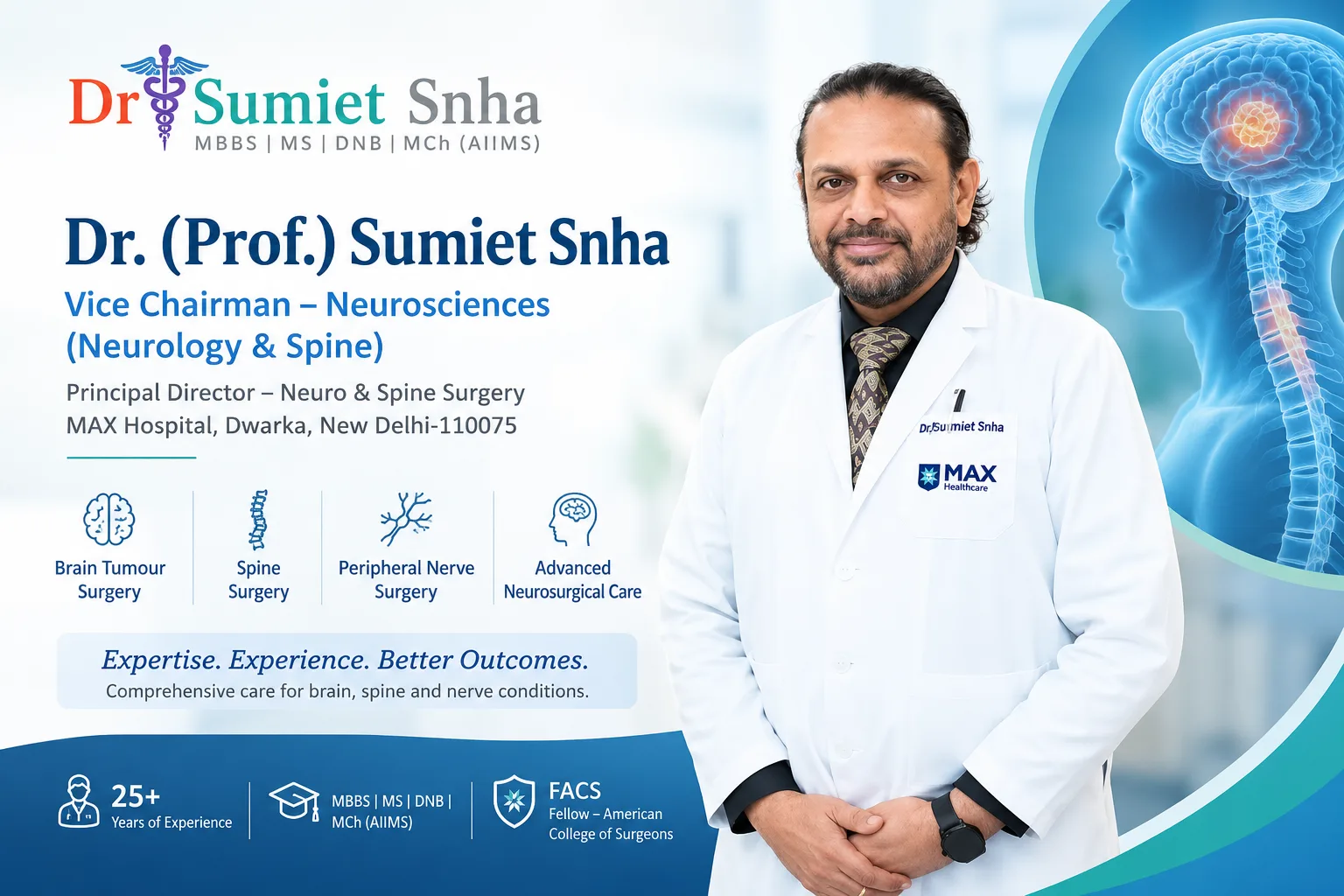
Dr. Sumeit Sinha brings over 25 years of experience in neurosurgery, successfully treating a wide range of complex brain and spine conditions. With 10,000+ successful surgeries, he is recognized for his precision, advanced surgical skills, and patient-focused approach. His commitment to excellence and use of modern neurosurgical techniques have helped thousands of patients regain their health and quality of life.
Comprehensive Pre- and Post-Surgical Care
Expert neurosurgical care extends beyond the operation itself. Proper pre-surgical evaluation, detailed patient counseling, and structured post-operative rehabilitation play a vital role in ensuring smooth recovery and long-term neurological wellness.
Diagnosis and Evaluation Methods
Accurate diagnosis is the first and most important step in identifying neurological conditions and planning the right treatment. When patients experience symptoms related to brain health, specialists conduct detailed evaluations to understand the root cause. Consulting the best brain specialist in delhi ensures access to advanced diagnostic tools and expert medical assessment, which helps in detecting brain-related conditions at an early stage.
Neurological Examination
A neurological examination is usually the first step in evaluating brain and nervous system health. During this assessment, the specialist checks reflexes, muscle strength, coordination, balance, vision, and cognitive functions such as memory and concentration. This helps doctors understand how well the brain and nerves are functioning.
MRI (Magnetic Resonance Imaging)
MRI scans provide detailed images of the brain and surrounding tissues. This advanced imaging technique helps detect abnormalities such as tumors, swelling, nerve damage, or structural changes in the brain. MRI is widely used because it offers highly accurate and clear diagnostic results.
CT Scan (Computed Tomography)
A CT scan uses X-rays and computer technology to create cross-sectional images of the brain. It is commonly used to detect conditions such as brain injuries, bleeding, fractures, or stroke. CT scans are often performed in emergency situations because they provide quick results.
Brain Function and Nerve Tests
Additional tests may be recommended to evaluate brain activity and nerve function. These tests help identify conditions like seizures, nerve damage, or other neurological disorders. Such evaluations allow specialists to create a precise and effective treatment plan for the patient.
Tips to Maintain Good Brain Health
Maintaining brain health is essential for overall wellbeing and long-term quality of life. While medical treatment is important for neurological conditions, adopting healthy daily habits can significantly reduce the risk of brain-related problems. Experts, including the best brain specialist in delhi, emphasize preventive care and lifestyle improvements to support optimal brain function.
Follow a Balanced and Nutritious Diet
A healthy diet plays a key role in brain function. Foods rich in antioxidants, vitamins, healthy fats, and omega-3 fatty acids help support memory, concentration, and nerve health. Including fruits, vegetables, nuts, whole grains, and lean proteins in daily meals can improve cognitive performance.
Exercise Regularly
Physical activity improves blood circulation to the brain and helps maintain healthy nerve function. Regular exercise such as walking, yoga, or light workouts supports memory, reduces stress, and lowers the risk of neurological disorders.
Get Quality Sleep
Adequate sleep allows the brain to rest, repair, and process information. Poor sleep habits may lead to reduced concentration, mood changes, and memory problems. Adults should aim for consistent and sufficient sleep each night for optimal brain health.
Manage Stress Effectively
Chronic stress can negatively affect brain function and emotional wellbeing. Practices such as meditation, deep breathing exercises, and relaxation techniques help maintain mental balance and improve focus.
Keep Your Mind Active
Engaging in activities like reading, puzzles, learning new skills, or social interaction helps stimulate brain activity. Mental exercises strengthen cognitive abilities and may reduce the risk of age-related neurological decline.
Regular Health Checkups
Routine medical checkups help detect early signs of neurological or lifestyle-related conditions. Early monitoring and professional guidance can prevent complications and support long-term brain wellness.
Importance of Early Treatment
Early treatment plays a crucial role in managing neurological conditions effectively and preventing long-term complications. Many brain-related disorders develop gradually, and symptoms may initially appear mild or temporary. However, delaying medical attention can allow underlying conditions to progress, making treatment more complex. Consulting the best brain specialist in delhi at the right time helps ensure accurate diagnosis and timely intervention.
Improved Treatment Outcomes
When neurological conditions are diagnosed early, treatment options are often more effective and less invasive. Early medical care increases the chances of successful recovery and helps patients return to their normal routines faster.
Prevention of Serious Complications
Ignoring warning signs may lead to worsening symptoms or permanent neurological damage. Early intervention helps prevent complications such as loss of mobility, cognitive decline, or severe health emergencies.
Faster Recovery and Rehabilitation
Timely treatment allows patients to begin rehabilitation sooner, improving physical and cognitive recovery. Early care also reduces hospitalization time and supports smoother healing after treatment or surgery.
Better Quality of Life
Addressing neurological problems at an early stage helps individuals maintain independence, mental clarity, and emotional wellbeing. Proper treatment enables patients to continue daily activities with confidence and improved health.
Conclusion
Brain health is essential for maintaining a healthy, active, and productive life. The brain controls nearly every function in the body, including movement, memory, emotions, and decision-making. When the brain is affected by injury, illness, or neurological disorders, it can significantly impact daily activities and overall wellbeing. Recognizing early warning signs such as persistent headaches, dizziness, memory problems, vision changes, or numbness in the body is extremely important.
Ignoring these symptoms may lead to serious complications, which is why timely medical attention plays a vital role in protecting brain health. Early diagnosis allows doctors to identify underlying neurological conditions and provide the most effective treatment options. With modern diagnostic tools and advanced surgical techniques, many brain-related conditions can now be treated safely and successfully.
Consulting experienced specialists, including the best brain specialist in delhi, ensures patients receive expert evaluation, personalized treatment plans, and advanced neurosurgical care. Professionals like Dr. Sumeit Sinha, with over 25 years of experience and more than 10,000 successful surgeries, have helped thousands of patients recover from complex brain and spine conditions.
Taking brain health seriously, recognizing symptoms early, and seeking professional care can significantly improve treatment outcomes and help individuals maintain a better quality of life.

0 Comments