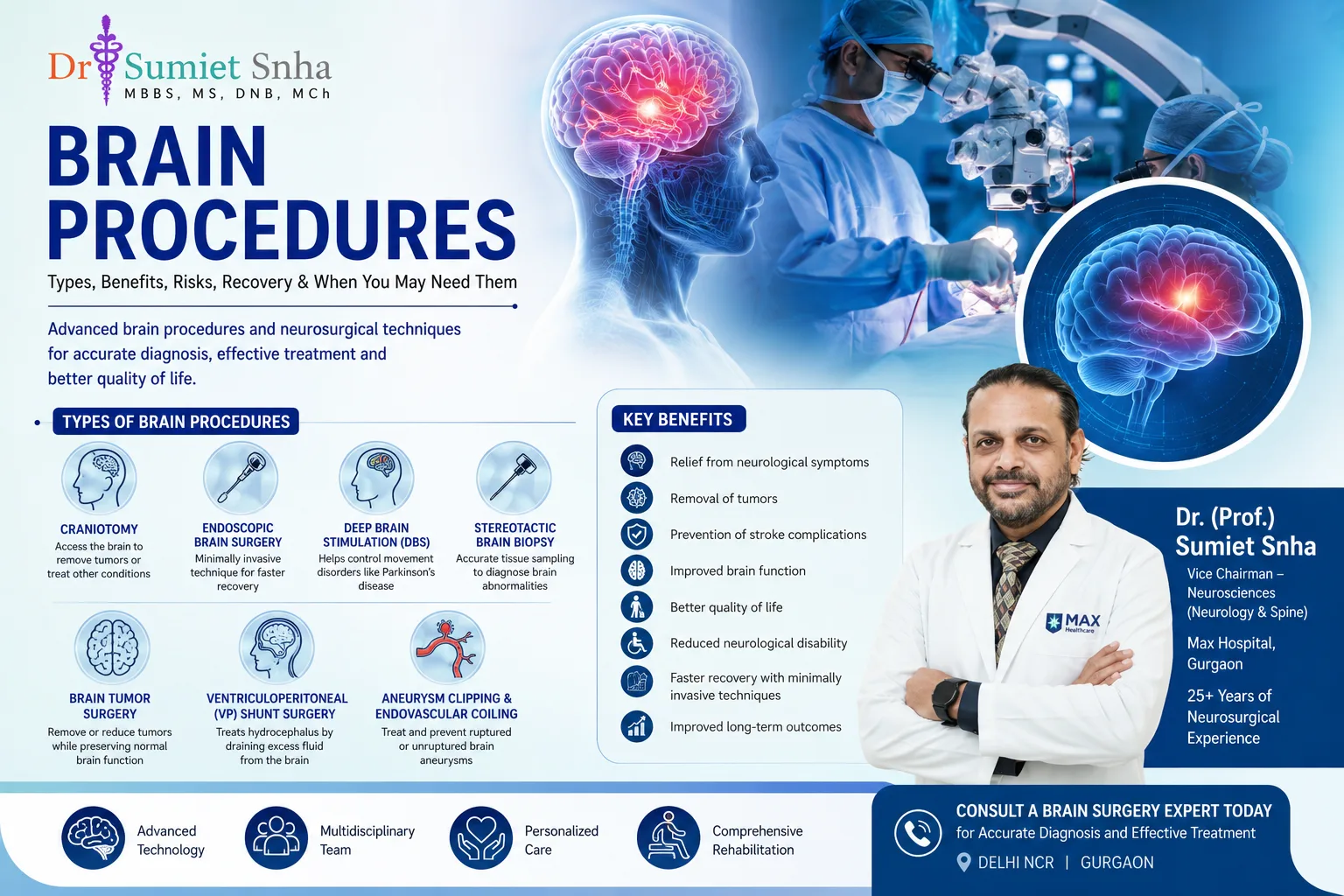
The brain is the body's central control system, responsible for regulating movement, memory, emotions, speech, sensation, and vital functions that keep every organ working together. Brain Surgery in Delhi has become increasingly advanced, offering patients access to modern neurosurgical techniques for a wide range of complex neurological conditions. Disorders affecting the brain can develop due to tumors, stroke, traumatic injuries, aneurysms, epilepsy, infections, or congenital abnormalities, and some cases may require specialized brain procedures to protect neurological function and improve quality of life.
It is important to understand that not every brain condition requires surgery. The most appropriate treatment depends on a thorough clinical evaluation, neurological examination, and advanced imaging tests such as MRI or CT scans. Many conditions can be managed with medications or other non-surgical treatments, while surgery is recommended only when medically necessary. This guide explains the different types of brain procedures, their benefits, possible risks, recovery process, and the warning signs that indicate when consultation with an experienced neurosurgical specialist may be needed.
What Are Brain Procedures?
Brain procedures are specialized medical interventions used to diagnose, monitor, or treat disorders affecting the brain and surrounding structures. These procedures are broadly classified into diagnostic and surgical categories. Diagnostic procedures, such as advanced brain imaging, angiography, or biopsies, help doctors identify the exact cause, location, and severity of a neurological condition before deciding on treatment. Surgical procedures are performed to treat the underlying problem by removing abnormal tissue, repairing damaged blood vessels, relieving pressure inside the skull, or restoring normal brain function. The primary goal of any brain procedure is to preserve healthy brain tissue, reduce symptoms, prevent further neurological damage, and improve the patient's overall quality of life through safe, evidence-based care.
Why Brain Procedures Are Performed
Brain procedures may be recommended when conservative treatments are unlikely to provide sufficient benefit or when a neurological condition requires immediate intervention. They are commonly performed to remove brain tumors, control internal bleeding after trauma or stroke, relieve increased pressure within the skull, manage drug-resistant epilepsy, repair aneurysms or other abnormal blood vessels, and restore or preserve neurological function. Depending on the diagnosis, modern brain procedures may also help reduce symptoms, prevent serious complications, and support long-term recovery while protecting essential brain functions.
What Are Brain Procedures?
Brain procedures are specialized medical interventions used to diagnose, monitor, or treat conditions affecting the brain and surrounding structures. These procedures are broadly classified into diagnostic procedures, which help identify the exact cause of neurological disorders through imaging, biopsies, or other evaluations, and surgical procedures, which are performed to correct or manage specific brain conditions. Depending on the diagnosis, a Brain Surgery in Delhi specialist may recommend the most appropriate treatment plan using advanced neurosurgical techniques. The primary goals of brain procedures are to preserve brain function, reduce neurological symptoms, improve quality of life, and prevent disease progression while minimizing risks through personalized care.
Why Brain Procedures Are Performed
Brain procedures may be recommended for a variety of medical conditions when conservative treatment alone is not sufficient. Common reasons include removing brain tumors, treating brain hemorrhage, relieving pressure caused by swelling or fluid buildup, controlling drug-resistant epilepsy, repairing damaged or weakened blood vessels such as brain aneurysms, and restoring normal neurological function. Modern brain surgery, including endoscopic brain surgery, craniotomy, and other neurosurgical procedures, focuses on achieving the best possible outcomes with greater precision and improved patient safety whenever surgery becomes necessary.
Types of Brain Procedures
Modern brain procedures are selected based on the patient's diagnosis, overall health, and the location of the neurological condition. An experienced specialist providing Brain Surgery in Delhi recommends the most suitable procedure only after a comprehensive neurological evaluation and advanced imaging studies.
Craniotomy
A craniotomy involves temporarily removing a small section of the skull to access the brain. It is commonly recommended for removing brain tumors, treating traumatic brain injuries, repairing aneurysms, or relieving pressure within the skull. Its major advantage is that it allows surgeons direct access to complex brain structures with high surgical precision.
Endoscopic Brain Surgery
Endoscopic Brain Surgery is a minimally invasive technique performed through small openings using a high-definition endoscope. It is recommended for selected brain tumors, cysts, hydrocephalus, and certain ventricular conditions. Smaller incisions, reduced tissue disruption, shorter hospital stays, and faster recovery are some of its key benefits.
Deep Brain Stimulation (DBS)
Deep Brain Stimulation (DBS) uses implanted electrodes to regulate abnormal brain signals. It is typically recommended for movement disorders such as Parkinson's disease, essential tremor, and dystonia when medications no longer provide adequate symptom control. DBS can significantly improve movement, reduce disabling symptoms, and enhance quality of life.
Stereotactic Brain Biopsy
A Stereotactic Brain Biopsy is a highly accurate procedure used to collect a small tissue sample from an abnormal brain lesion for laboratory examination. It is recommended when imaging alone cannot confirm the diagnosis. The main advantage is obtaining precise diagnostic information while minimizing damage to surrounding brain tissue.
Brain Tumor Surgery
Brain Tumor Surgery aims to remove as much of a brain tumor as safely possible while preserving normal neurological function. It is recommended for both benign and malignant tumors causing symptoms or increasing in size. Successful tumor removal may relieve headaches, seizures, neurological deficits, and improve the effectiveness of additional treatments such as radiation or chemotherapy.
Ventriculoperitoneal (VP) Shunt Surgery
Ventriculoperitoneal (VP) Shunt Surgery is performed to treat hydrocephalus by diverting excess cerebrospinal fluid from the brain to the abdominal cavity. It is recommended when fluid accumulation increases pressure inside the skull. This procedure helps protect brain tissue, relieve symptoms, and restore normal fluid circulation.
Aneurysm Clipping and Endovascular Coiling
These advanced neurosurgical procedures are used to treat brain aneurysms and reduce the risk of life-threatening bleeding. Aneurysm clipping seals the weakened blood vessel through open surgery, while endovascular coiling is a minimally invasive technique performed through blood vessels. Both procedures help prevent aneurysm rupture, protect neurological function, and improve long-term outcomes depending on the patient's condition.
Benefits of Brain Procedures
Modern brain procedures are designed to treat neurological conditions safely while preserving as much normal brain function as possible. When recommended after a thorough evaluation, Brain Surgery in Delhi can help patients achieve significant symptom relief and improve long-term neurological health. Advances in brain surgery, endoscopic brain surgery, and other neurosurgical procedures have made many treatments more precise, reducing tissue damage and supporting a smoother recovery.
Some of the key benefits include:
- Relief from persistent neurological symptoms such as severe headaches, seizures, weakness, and balance problems.
- Safe removal or reduction of brain tumors while protecting healthy brain tissue.
- Prevention of serious complications associated with stroke, brain aneurysms, and intracranial bleeding.
- Improvement in brain function, movement, speech, memory, and coordination whenever possible.
- Reduced risk of permanent neurological disability through timely intervention.
- Faster recovery, less postoperative pain, and shorter hospital stays with selected minimally invasive brain surgery techniques.
- Better quality of life by restoring independence and improving daily activities.
- Improved long-term outcomes through personalized treatment plans, rehabilitation, and regular neurological follow-up.
Risks and Possible Complications of Brain Procedures
Like any major medical intervention, brain procedures carry certain risks, although modern surgical techniques, advanced imaging, and experienced neurosurgical teams have significantly improved patient safety. The likelihood of complications varies depending on the patient's overall health, the underlying neurological condition, and the specific type of brain surgery being performed. Before recommending Brain Surgery in Delhi, specialists carefully evaluate the potential benefits and risks to develop the safest treatment plan.
Possible complications may include:
- Infection at the surgical site
- Bleeding during or after the procedure
- Blood clots
- Brain swelling (cerebral edema)
- Temporary neurological deficits, such as weakness or speech difficulties
- Seizures
- Cerebrospinal fluid (CSF) leak
- Stroke due to changes in blood flow
- Anesthesia-related complications
It is important to remember that not every patient experiences these complications. Careful preoperative planning, advanced neurosurgical procedures, and appropriate postoperative monitoring play a vital role in reducing risks and supporting a safe recovery.
How Doctors Diagnose Brain Conditions Before Surgery
Before recommending Brain Surgery in Delhi, specialists perform a detailed evaluation to accurately identify the underlying neurological condition and determine the most appropriate treatment plan. A precise diagnosis helps avoid unnecessary procedures and ensures that every patient receives personalized care based on their medical needs.
|
Diagnostic Test |
Purpose |
|
Medical History |
Reviews symptoms, previous illnesses, medications, family history, and overall health. |
|
Neurological Examination |
Assesses memory, speech, vision, reflexes, muscle strength, balance, coordination, and sensory function. |
|
MRI Scan |
Produces detailed images of the brain to detect tumors, infections, nerve disorders, and structural abnormalities. |
|
CT Scan |
Helps identify bleeding, fractures, stroke, swelling, and emergency brain conditions. |
|
PET Scan |
Evaluates brain activity and assists in diagnosing tumors, epilepsy, and certain neurological disorders. |
|
Cerebral Angiography |
Examines blood vessels to detect aneurysms, vascular malformations, or blocked arteries. |
|
EEG (Electroencephalogram) |
Records electrical activity in the brain to diagnose epilepsy and seizure disorders. |
|
Blood Investigations |
Detects infections, clotting disorders, metabolic conditions, and assess overall fitness for brain surgery. |
Accurate diagnosis using these advanced investigations enables neurosurgeons to choose the safest and most effective brain procedures, improving surgical planning, reducing potential risks, and supporting better long-term outcomes
Recovery After Brain Procedures
Recovery after brain procedures varies depending on the patient's condition, the type of surgery performed, and overall health. Following Brain Surgery in Delhi, a structured recovery plan helps promote healing, restore neurological function, and reduce the risk of complications. Close medical supervision and active participation in rehabilitation are essential for achieving the best possible long-term outcomes.
First 24 Hours
Patients are closely monitored in the intensive care unit (ICU) or recovery unit. Doctors assess neurological function, control pain, monitor vital signs, and watch for any early complications.
Hospital Stay
The length of hospitalization depends on the complexity of the brain surgery and the patient's recovery. During this period, medications, wound care, and early mobilization are carefully managed.
Rehabilitation
A personalized rehabilitation program may include:
- Physiotherapy to improve strength, balance, and mobility.
- Occupational therapy to regain independence in daily activities.
- Speech therapy for patients experiencing communication or swallowing difficulties.
- Follow-up MRI or CT scans to monitor healing and treatment outcomes.
- Strict adherence to prescribed medications to prevent complications and support recovery.
Returning to Daily Activities
Most patients gradually resume routine activities after medical clearance. Important lifestyle recommendations include:
- Follow your neurosurgeon's recovery instructions.
- Avoid heavy lifting and strenuous activities until advised.
- Eat a balanced diet and stay well hydrated.
- Get adequate rest and maintain regular sleep patterns.
- Attend scheduled follow-up appointments and imaging studies.
- Adopt healthy lifestyle modifications, including avoiding smoking and limiting alcohol, to support long-term brain health.
When Should You Consult a Brain Surgeon?
Certain neurological symptoms should never be ignored, especially if they are persistent, worsening, or occur suddenly. Seeking timely medical evaluation can help identify serious brain conditions and allow treatment before complications develop. A specialist in Brain Surgery in Delhi can determine whether your condition requires medication, further investigations, or advanced brain procedures based on a detailed neurological assessment.
Warning signs that require prompt consultation include:
- Persistent or severe headaches that do not improve with treatment
- Recurrent seizures or unexplained loss of consciousness
- Sudden weakness or numbness in the face, arm, or leg
- Vision changes, including blurred or double vision
- Difficulty speaking or understanding speech
- Memory loss, confusion, or changes in behavior
- Loss of balance, dizziness, or difficulty walking
- Head injury followed by vomiting, seizures, drowsiness, or other neurological symptoms
Early diagnosis and appropriate treatment can improve outcomes and help protect long-term brain function.
Choosing the Right Brain Surgeon in Delhi
Selecting the right specialist is an important step when considering Brain Surgery in Delhi. Patients should look for a neurosurgeon with recognized qualifications, extensive training, and experience in managing complex brain procedures, including brain tumor surgery, aneurysm treatment, and minimally invasive neurosurgery. Access to advanced imaging, modern operating facilities, and a multidisciplinary team can further enhance the quality of care.
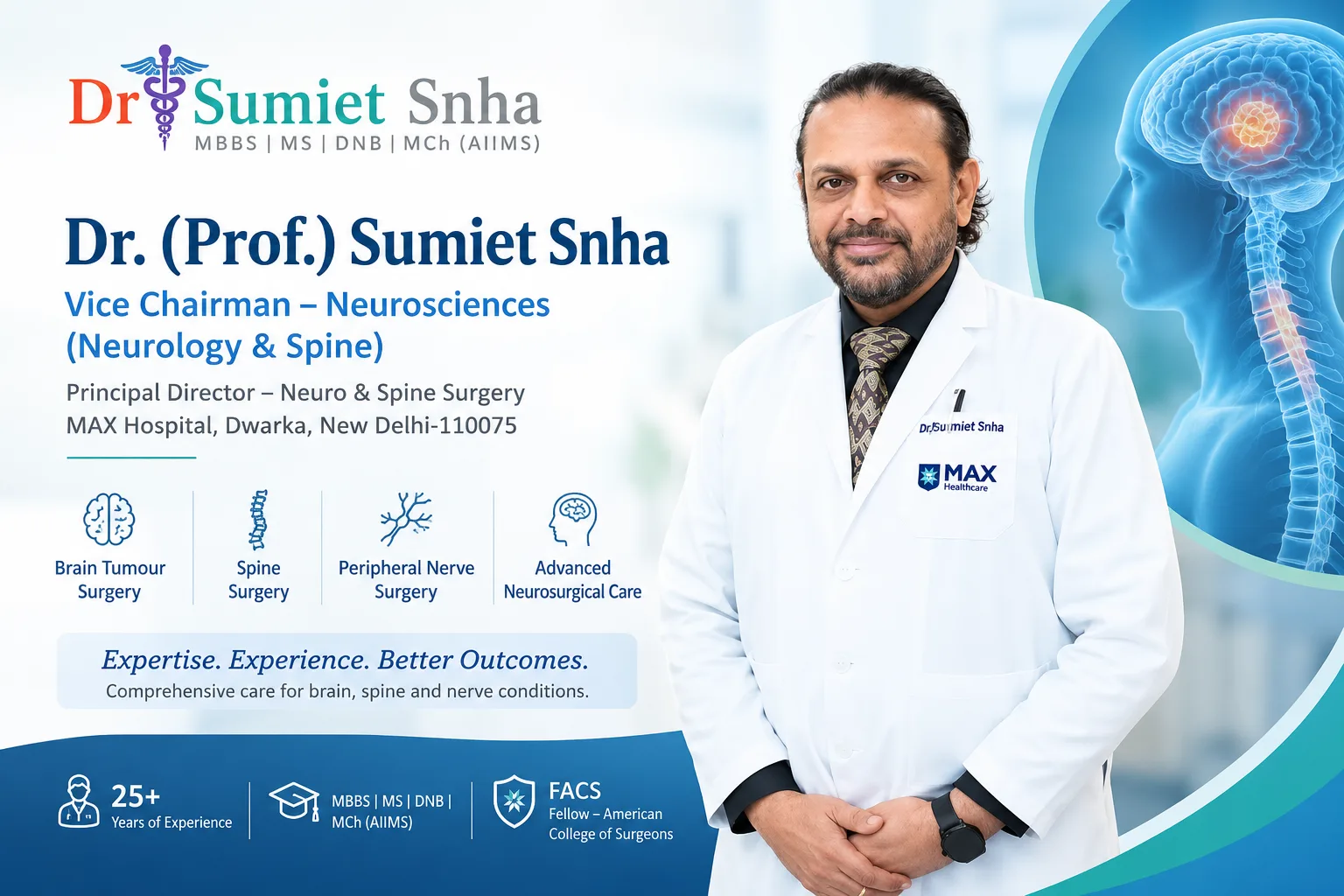
For example, Dr. (Prof.) Sumiet Snha, Vice Chairman – Neurosciences (Neurology & Spine) at Max Hospital, Gurgaon, has more than 25+ years of neurosurgical experience in treating a wide range of neurological conditions. Regardless of the specialist chosen, patients should seek a clinician who emphasizes accurate diagnosis, evidence-based treatment planning, clear communication, and structured post-operative rehabilitation to support the best possible recovery
Frequently Asked Questions (FAQs)
1. What are the most common brain procedures?
Common brain procedures include craniotomy, endoscopic brain surgery, brain tumor surgery, Deep Brain Stimulation (DBS), stereotactic brain biopsy, ventriculoperitoneal (VP) shunt surgery, and aneurysm clipping or endovascular coiling. The appropriate procedure depends on the patient's diagnosis and overall health.
2. When is brain surgery necessary?
Brain surgery may be recommended when medications or other non-surgical treatments are ineffective, or when conditions such as brain tumors, aneurysms, severe head injuries, hydrocephalus, epilepsy, or brain hemorrhage require surgical treatment to prevent further neurological damage.
3. Are all brain procedures considered major surgery?
No. While some procedures are major operations, others are minimally invasive or diagnostic. Advances in neurosurgical techniques have made many brain procedures less invasive, allowing selected patients to recover more quickly with fewer complications.
4. How long does brain surgery usually take?
The duration varies depending on the type and complexity of the procedure. Some surgeries may take two to four hours, while more complex operations can take considerably longer. Your neurosurgeon will explain the expected duration before surgery.
5. What is the recovery time after brain surgery?
Recovery depends on the condition being treated, the surgical technique, and the patient's general health. Some individuals resume normal activities within a few weeks, while others require several months of rehabilitation, follow-up care, and therapy.
6. Is brain surgery safe?
Modern brain surgery is generally safer than ever because of advanced imaging, neuronavigation systems, surgical microscopes, and minimally invasive techniques. Although every surgery carries some risk, careful planning and experienced neurosurgical teams help improve patient safety.
7. What are the risks of brain procedures?
Possible risks include infection, bleeding, swelling, seizures, stroke, cerebrospinal fluid leakage, temporary neurological deficits, and anesthesia-related complications. The actual risk varies according to the patient's medical condition and the type of procedure performed.
8. Can brain tumors be treated without surgery?
Yes. Some brain tumors can be managed with observation, medications, radiation therapy, chemotherapy, or targeted treatments. Surgery is considered when it offers the best chance of relieving symptoms, confirming the diagnosis, or removing the tumor safely.
9. How do doctors decide which brain procedure is best?
Doctors evaluate the patient's symptoms, medical history, neurological examination, MRI or CT findings, laboratory tests, and overall health before selecting the most appropriate treatment. The goal is to choose the safest and most effective approach for each individual.
10. When should I consult a brain surgeon in Delhi?
You should seek medical advice if you experience persistent severe headaches, recurrent seizures, sudden weakness, difficulty speaking, vision changes, balance problems, memory disturbances, or neurological symptoms following a head injury. Early consultation with an experienced specialist in Brain Surgery in Delhi can help ensure timely diagnosis and appropriate treatment.
Conclusion
The brain plays a vital role in controlling every major function of the body, making early recognition and treatment of neurological disorders essential. Not every neurological condition requires surgery, and many patients benefit from medications, rehabilitation, or other non-surgical treatments after a thorough evaluation. When surgery is necessary, modern brain procedures offer greater precision, improved safety, and better recovery outcomes through advanced technology and minimally invasive techniques. Seeking timely medical advice and making informed treatment decisions with an experienced specialist in Brain Surgery in Delhi can help protect neurological function, reduce the risk of complications, and support a better quality of life.
0 Comments