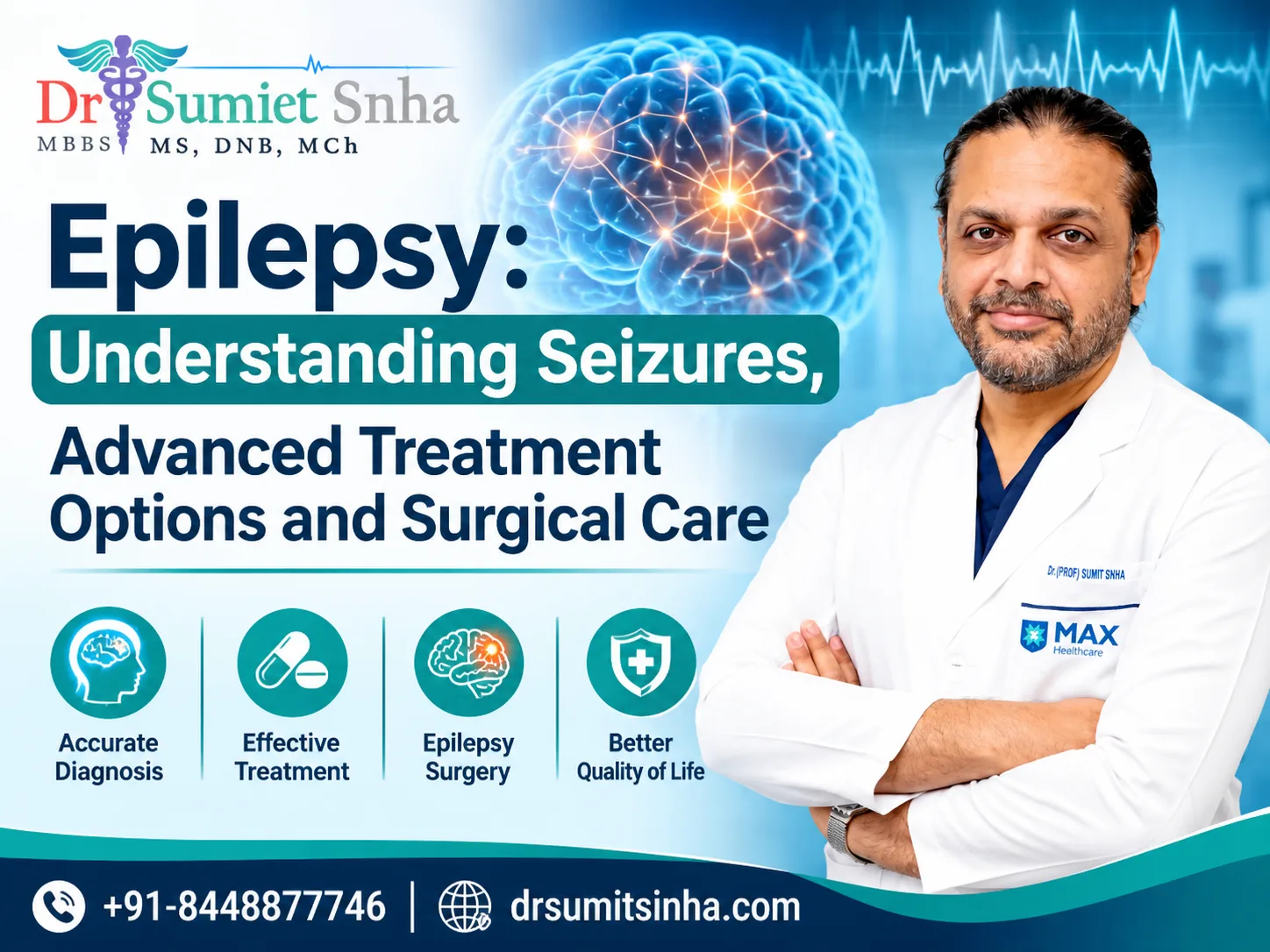
Epilepsy Surgery & Treatment in Delhi involves a comprehensive approach to diagnosing seizures, identifying their underlying causes and selecting appropriate medical or surgical treatment to improve seizure control and quality of life. Epilepsy is a neurological condition that affects the brain's electrical activity and can cause repeated seizures, affecting a person's physical health, emotional well-being and everyday activities.
Seizures can occur in different forms, ranging from brief episodes of staring or unusual sensations to uncontrolled body movements and temporary loss of awareness. While many patients achieve good seizure control with medication, some continue experiencing seizures despite appropriate medical treatment. In such cases, specialised evaluation may help determine whether epilepsy surgery or another advanced treatment option is suitable.
With developments in brain imaging, electroencephalography, microsurgical techniques and minimally invasive procedures, the management of epilepsy has become more individualised. Patients seeking Epilepsy Surgery & Treatment in Delhi should receive a detailed neurological assessment to understand the type of epilepsy, seizure origin and most appropriate treatment strategy.
What Is Epilepsy?
Epilepsy is a neurological disorder characterised by an enduring tendency to experience recurrent unprovoked seizures. It develops due to abnormal electrical activity in the brain, which temporarily affects normal communication between brain cells.
The brain controls essential functions such as movement, memory, sensation, speech, behaviour and consciousness. When abnormal electrical activity occurs in a particular brain region or spreads across different areas, it can produce different types of seizures.
Epilepsy can affect people of all ages, including children, adults and older individuals. Some patients experience seizures occasionally, while others may have frequent episodes that interfere with daily life.
The condition can develop due to several reasons, including:
Previous brain injuries or head trauma.
Structural abnormalities in the brain.
Brain tumours or other space-occupying lesions.
Previous stroke or brain infections.
Genetic factors.
Developmental abnormalities of the brain.
Conditions such as hippocampal sclerosis.
Unknown causes where investigations do not identify a specific reason.
Identifying the underlying cause is an important part of planning Epilepsy Surgery & Treatment in Delhi, particularly when seizures continue despite medication.
Different Types of Epileptic Seizures
Epileptic seizures are classified according to where abnormal electrical activity begins and how it spreads through the brain.
1. Focal Seizures
Focal seizures begin in a specific region of one side of the brain. Their symptoms depend on the area involved.
Patients may experience:
Sudden unusual sensations.
Repeated involuntary movements.
Tingling or numbness.
Changes in smell, taste or vision.
Sudden feelings of fear or anxiety.
Temporary difficulty speaking.
Altered awareness or responsiveness.
Some focal seizures occur without affecting consciousness, while others involve impaired awareness.
2. Generalised Seizures
Generalised seizures involve networks on both sides of the brain from the beginning of the seizure.
Common types include:
Tonic-clonic seizures: Involve stiffening of muscles followed by rhythmic jerking movements, often with loss of consciousness.
Absence seizures: Cause brief episodes of staring and reduced awareness.
Myoclonic seizures: Produce sudden, brief muscle jerks.
Atonic seizures: Cause sudden loss of muscle tone, sometimes resulting in falls.
Tonic seizures: Involve sudden muscle stiffening.
Correct classification is essential because different seizure types require different treatment approaches.
3. Unknown-Onset Seizures
Sometimes the beginning of a seizure is not witnessed or cannot be established through available investigations. These episodes may initially be classified as unknown-onset seizures until further evaluation provides more information.
Common Symptoms of Epilepsy
Epilepsy symptoms vary according to the type of seizure and the brain region involved. Some patients experience noticeable physical movements, while others have subtle changes in awareness or behaviour.
Common warning signs and symptoms include:
1. Uncontrolled Body Movements: Repeated jerking, muscle stiffening or sudden movements may occur during certain seizures.
2. Temporary Loss of Awareness: Patients may become unresponsive or appear disconnected from their surroundings.
3. Staring Episodes: Brief periods of staring without responding may occur in certain seizure types.
4. Unusual Sensations: Some patients experience tingling, strange smells, unusual tastes or visual disturbances.
5. Sudden Emotional Changes: Unexpected fear, anxiety or unusual emotional sensations may occur before or during certain focal seizures.
6. Confusion After Seizures: Patients may experience temporary confusion, tiredness, headache or difficulty remembering the episode.
7. Sudden Falls: Certain seizures can cause loss of muscle control, increasing the risk of injuries.
Repeated unexplained episodes should be evaluated by a qualified medical professional. Not every episode of loss of consciousness or involuntary movement is caused by epilepsy, making accurate diagnosis important.
What Is Drug-Resistant Epilepsy?
Some patients continue experiencing seizures even after receiving appropriate anti-seizure medications.
This condition is known as drug-resistant epilepsy or medically refractory epilepsy.
The International League Against Epilepsy (ILAE) defines drug-resistant epilepsy as a failure of adequate trials of two tolerated, appropriately chosen and appropriately used antiseizure medication schedules, whether as monotherapy or in combination, to achieve sustained seizure freedom.
Patients with drug-resistant epilepsy may experience:
Frequent or unpredictable seizures.
Difficulty maintaining normal daily activities.
Increased risk of seizure-related injuries.
Problems with education or professional responsibilities.
Emotional stress and anxiety.
Reduced independence and quality of life.
For these patients, simply continuing the same treatment approach may not be sufficient.
A detailed evaluation can help determine whether Epilepsy Surgery & Treatment in Delhi should include surgical intervention, medication optimisation or other specialised therapies.
How Is Epilepsy Diagnosed?
Accurate diagnosis is essential because treatment depends on the seizure type, underlying cause and location of abnormal electrical activity.
A comprehensive assessment may include the following investigations.
1. Neurological Examination
The doctor reviews the patient's medical history, seizure episodes, medication use and family history.
A neurological examination may assess:
Muscle strength.
Reflexes.
Coordination and balance.
Memory and cognitive function.
Speech and sensory responses.
Information from family members or eyewitnesses can also help establish what happens during a seizure.
2. Electroencephalography (EEG)
Electroencephalography (EEG) is an important investigation that records the electrical activity of the brain.
Small electrodes are placed on the scalp to detect electrical patterns. EEG findings may help identify abnormal electrical discharges and support the classification of seizures.
3. Video EEG Monitoring
Video EEG monitoring combines continuous brain electrical recordings with video observation.
It allows specialists to compare physical seizure symptoms with electrical changes occurring in the brain.
This investigation is particularly useful when evaluating patients with uncontrolled seizures or considering epilepsy surgery.
4. MRI Brain
Magnetic Resonance Imaging (MRI) provides detailed images of brain structures.
It can help identify abnormalities such as:
Hippocampal sclerosis.
Brain tumours.
Cortical developmental abnormalities.
Vascular malformations.
Previous brain injuries.
Other structural lesions.
MRI findings are especially important during the evaluation of patients being considered for epilepsy surgery.
5. Neuropsychological Assessment
Neuropsychological testing evaluates memory, language, attention and other cognitive functions.
It helps doctors understand how epilepsy affects brain function and assess potential cognitive risks associated with surgery.
6. Advanced Functional Imaging
In selected patients, additional investigations such as PET scans, SPECT scans or functional MRI may be recommended.
These tests provide further information about brain activity and functional areas, helping specialists plan treatment more accurately.
Treatment Options for Epilepsy
The treatment of epilepsy depends on seizure type, frequency, underlying cause and response to medication.
The primary objective is to achieve the best possible seizure control while minimising medication-related side effects.
1. Anti-Seizure Medications
Anti-seizure medications (ASMs) are generally the first-line treatment for epilepsy.
Different medicines are prescribed depending on the seizure classification and individual patient requirements.
Treatment selection considers:
Type of epilepsy.
Patient's age.
Other medical conditions.
Potential medication interactions.
Side effects and tolerability.
Pregnancy-related considerations where applicable.
Many patients achieve good seizure control with appropriate medication.
Patients should never discontinue or change their medication without consulting their treating doctor, as sudden withdrawal can increase seizure risk.
2. Epilepsy Surgery
Epilepsy surgery may be considered for carefully selected patients whose seizures remain uncontrolled despite appropriate medication treatment.
The purpose of surgery is to remove, disconnect or otherwise treat the brain region responsible for initiating seizures while protecting essential neurological functions.
Depending on the patient's condition, surgical approaches may include:
Temporal lobe surgery.
Lesionectomy.
Focal cortical resection.
Selected disconnection procedures.
Other specialised surgical interventions.
The choice of procedure depends on detailed presurgical investigations and the location of the seizure-producing brain tissue.
3. Minimally Invasive Epilepsy Procedures
Certain patients may be suitable for minimally invasive treatment options.
These may include selected laser-based ablative procedures or stereotactic approaches that target abnormal brain tissue.
Such procedures are not suitable for every patient. Their use depends on the seizure focus, surrounding brain structures and available specialised facilities.
4. Neuromodulation
When conventional surgery is unsuitable or cannot safely remove the seizure-generating area, selected patients may be considered for neuromodulation.
Treatment options may include:
Vagus Nerve Stimulation (VNS): Uses electrical stimulation of the vagus nerve to help reduce seizure frequency in selected patients.
Deep Brain Stimulation (DBS): Uses electrical stimulation of specific brain structures to help manage certain forms of drug-resistant epilepsy.
Responsive Neurostimulation (RNS): Detects abnormal electrical activity and delivers stimulation in response in selected patients.
These treatments generally aim to reduce seizure frequency and severity rather than guarantee complete seizure freedom.
When Is Epilepsy Surgery Recommended?
Epilepsy surgery is not required for every patient. It is considered when investigations suggest that seizures originate from a brain region that can be treated safely.
Surgical evaluation may be recommended when:
Seizures continue despite two appropriately selected and tolerated medication schedules.
MRI identifies a potentially treatable brain abnormality.
EEG findings support a localised seizure origin.
Seizures significantly affect daily activities and quality of life.
The expected benefits of surgery may outweigh the potential risks.
The International League Against Epilepsy recommends offering surgical evaluation to appropriate patients with drug-resistant epilepsy as soon as drug resistance is established.
Importantly, referral for evaluation does not mean that surgery is automatically necessary. It helps determine whether surgery or another treatment option is appropriate.
What Happens During Epilepsy Surgery?
The surgical procedure depends on the location and type of epilepsy.
Before surgery, the medical team carefully reviews imaging findings, EEG recordings, cognitive assessments and other relevant investigations.
During selected procedures, the neurosurgeon identifies and treats the abnormal brain tissue responsible for generating seizures.
The primary objectives include:
Identifying the seizure-generating region.
Protecting important brain functions.
Minimising injury to surrounding healthy tissue.
Reducing seizure frequency or achieving seizure freedom where possible.
Improving the patient's overall quality of life.
Modern surgical planning may involve neuronavigation, intraoperative monitoring and other specialised technologies depending on the procedure.
Recovery After Epilepsy Surgery
Recovery depends on the type of operation, the patient's general health and the location of the treated brain region.
Some patients require a short hospital stay, while others may need additional monitoring and rehabilitation.
The recovery process may include:
Regular neurological assessments.
Postoperative imaging when required.
Wound care and medication management.
Cognitive or physical rehabilitation when indicated.
Follow-up EEG or other investigations.
Continued monitoring of seizure activity.
Anti-seizure medications should not be stopped immediately after surgery unless specifically advised by the treating specialist.
Some patients may continue medication for an extended period, even after successful surgery.
Possible Risks and Complications of Epilepsy Surgery
Like other brain surgeries, epilepsy surgery carries potential risks. These vary according to the procedure and the brain region involved.
Possible complications include:
Infection or bleeding.
Temporary or permanent weakness.
Changes in memory or language.
Visual disturbances.
Seizure recurrence.
Cognitive or behavioural changes.
Anaesthesia-related complications.
Careful presurgical evaluation and surgical planning help assess and minimise these risks. However, no procedure can guarantee complete seizure freedom or the absence of complications.
Why Choose Dr. (Prof.) Sumiet Snha for Epilepsy Surgery & Treatment in Delhi?
Managing epilepsy, particularly drug-resistant epilepsy, requires a detailed understanding of brain anatomy, seizure-related abnormalities and available treatment approaches.
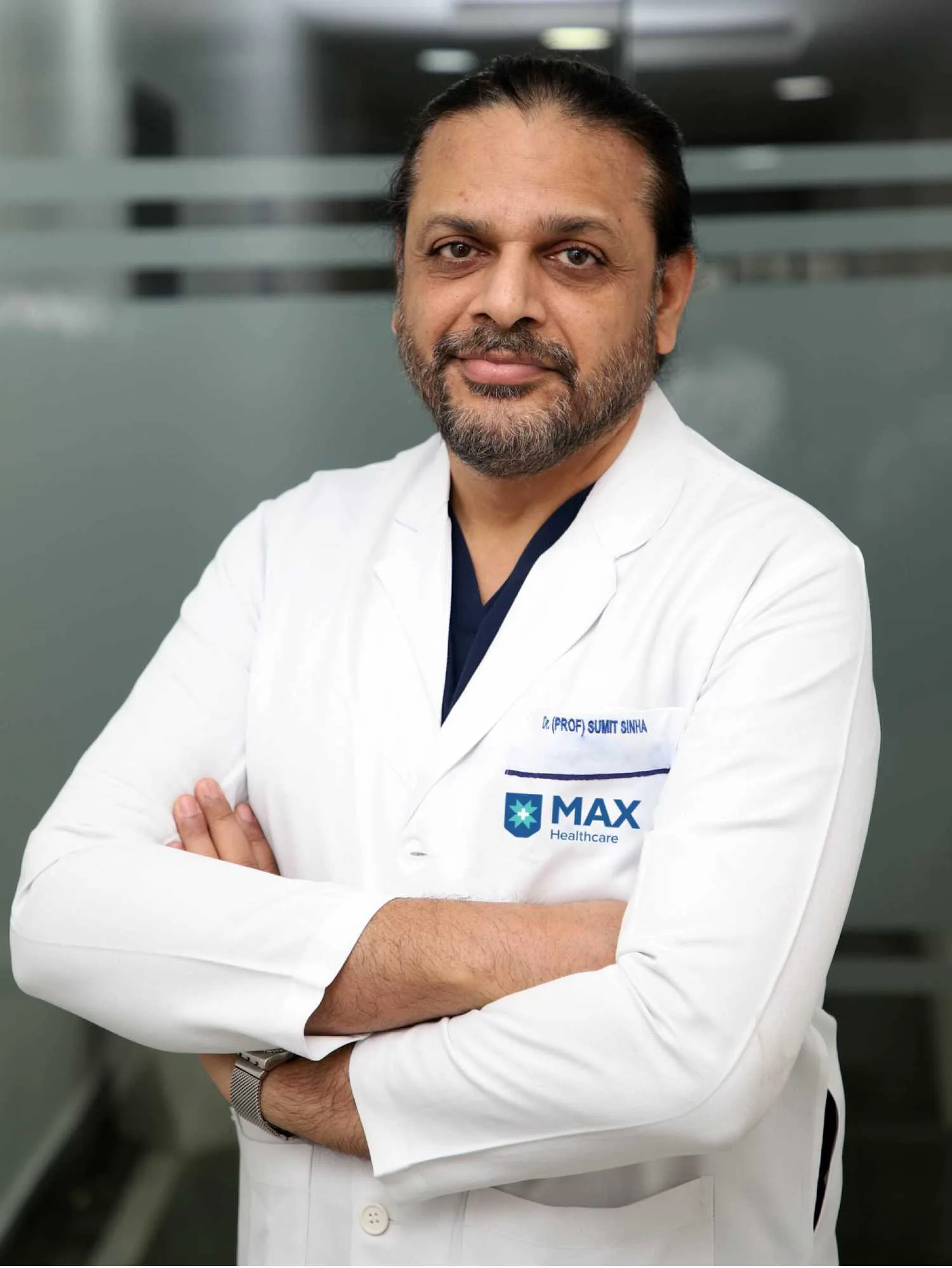
Dr. (Prof.) Sumiet Snha is a neurosurgeon associated with Max Super Speciality Hospital, Dwarka, New Delhi. His professional background includes advanced neurosurgical training at AIIMS, New Delhi, and experience in complex brain and spine surgery.
His professional credentials and areas of experience include:
MBBS, MS, DNB and MCh from AIIMS, New Delhi.
Former Professor of Neurosurgery at AIIMS, New Delhi.
More than 25 years of neurosurgical experience.
Experience in complex brain and spine procedures.
Expertise in microsurgical and minimally invasive neurosurgical techniques.
Professional involvement in neurosurgical education and research.
Patients considering Epilepsy Surgery & Treatment in Delhi should undergo an individualised assessment to establish the seizure type, review previous treatment and determine whether surgical intervention is appropriate.
The final treatment recommendation should be based on clinical findings, presurgical investigations and the patient's individual needs.
Frequently Asked Questions (FAQs)
1. Can epilepsy be completely cured?
Some patients achieve long-term seizure freedom with medication or surgery. However, outcomes depend on the underlying cause, seizure type and treatment response. Not every patient can be completely cured.
2. When is epilepsy surgery required?
Surgery may be considered when seizures remain uncontrolled despite two appropriately selected and tolerated antiseizure medication schedules, provided the patient is suitable after comprehensive evaluation.
3. Is epilepsy surgery safe?
Epilepsy surgery can be beneficial for carefully selected patients, but it carries risks like other brain procedures. A detailed assessment helps evaluate the potential benefits and complications.
4. Can epilepsy be treated without surgery?
Yes. Many patients achieve good seizure control through medication. Selected patients may also benefit from dietary therapies or neuromodulation.
5. What tests are needed before epilepsy surgery?
Presurgical evaluation may include MRI brain, EEG, video EEG monitoring, neuropsychological assessment and selected functional imaging investigations.
6. Can brain tumours cause epilepsy?
Yes. Certain brain tumours can irritate surrounding brain tissue and trigger seizures. Treatment depends on the tumour type, location and seizure characteristics.
7. How long does recovery take after epilepsy surgery?
Recovery varies according to the procedure and individual health. Patients may require postoperative monitoring, medication management and rehabilitation.
8. Will I need medication after epilepsy surgery?
Many patients continue anti-seizure medication after surgery. Any changes should be made gradually under the guidance of the treating specialist.
9. Can children undergo epilepsy surgery?
Yes. Children with drug-resistant epilepsy may be considered for specialised surgical evaluation. The decision requires careful assessment of brain development, seizure origin and potential treatment benefits.
10. Where can I consult for Epilepsy Surgery & Treatment in Delhi?
Patients can consult Dr. (Prof.) Sumiet Snha at Max Super Speciality Hospital, Dwarka, New Delhi, for an assessment of their neurosurgical condition and discussion of appropriate treatment options.
Conclusion
Epilepsy is a neurological condition that can significantly affect everyday life, particularly when seizures remain uncontrolled despite medication. Early diagnosis, accurate seizure classification and appropriate treatment planning are essential for managing the condition effectively.
While medication remains the primary treatment for many patients, epilepsy surgery can provide an additional treatment option for carefully selected individuals with drug-resistant epilepsy. Modern imaging, video EEG monitoring, advanced surgical planning and specialised neurosurgical techniques help doctors evaluate suitable treatment approaches.
If you or a family member experiences recurrent seizures or has been diagnosed with drug-resistant epilepsy, seeking specialist medical advice can help identify the next appropriate step.
For Epilepsy Surgery & Treatment in Delhi, consult Dr. (Prof.) Sumiet Snha at Max Super Speciality Hospital, Dwarka, New Delhi, for an individualised assessment and guidance regarding available treatment options.

0 Comments