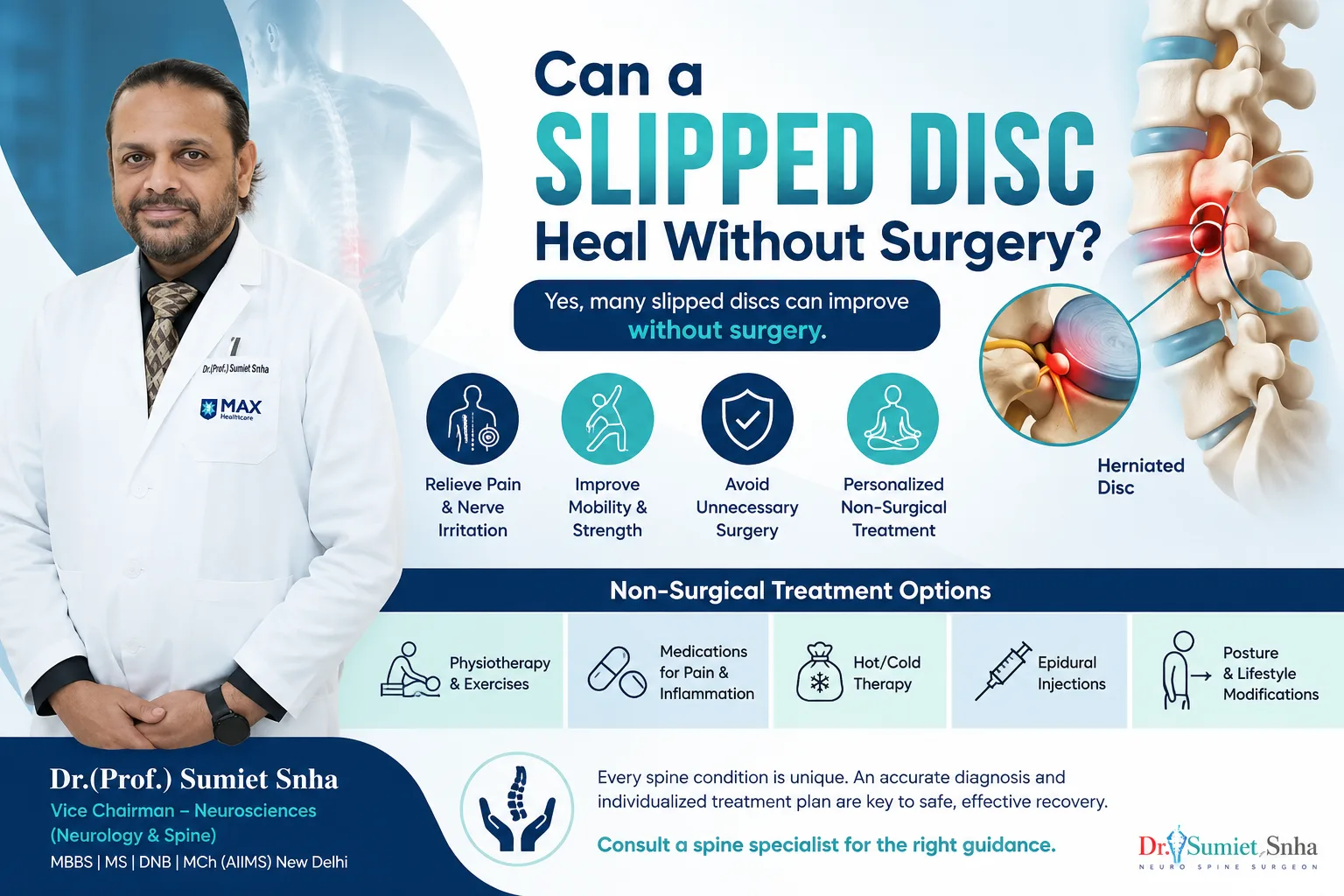
Yes, many people with a slipped disc can improve without surgery, particularly when symptoms are manageable and there is no serious nerve damage. A slipped disc occurs when the soft inner material of a spinal disc pushes through a weakened outer layer and may irritate nearby nerves. With appropriate slipped disc treatment, inflammation can settle and, in some cases, the body may gradually break down and reabsorb part of the displaced disc material. This can support slipped disc recovery over time. In this guide, we’ll explore non-surgical treatment options, expected recovery, warning signs, and when surgical evaluation may become necessary.
What Is a Slipped Disc?
A slipped disc, medically known as a herniated disc, occurs when the soft inner portion of a spinal disc pushes through a weakened or damaged outer layer. These discs act as flexible cushions between the vertebrae, helping the spine absorb movement and pressure. When displaced disc material irritates or compresses a nearby nerve, it can cause herniated disc symptoms that vary in intensity. Spinal disc herniation most commonly affects the lower back (lumbar disc herniation) or neck (cervical disc herniation). Depending on the affected nerve, symptoms may include back or neck pain, pain extending into an arm or leg, numbness, tingling, or muscle weakness. A proper clinical assessment helps determine the cause and appropriate treatment.
Can a Slipped Disc Heal Naturally Without Surgery?
Yes, a slipped disc can often improve without surgery, particularly when symptoms are mild to moderate and there is no progressive nerve damage. Slipped disc recovery without surgery does not necessarily mean the disc instantly returns to its original shape. Instead, healing may involve reduced pain, decreased inflammation, gradual reabsorption or shrinkage of some herniated disc material, and better nerve function.
How Natural Healing Happens in a Slipped Disc
For many patients, natural slipped disc recovery begins with appropriate activity modification, physiotherapy, targeted exercises, and other forms of non-surgical disc treatment recommended by a qualified healthcare professional. The recovery process can vary depending on the disc's location, degree of nerve irritation, overall health, and duration of symptoms. Although herniated disc recovery is possible without an operation, not every case follows the same course. Persistent or worsening weakness, severe neurological symptoms, or other warning signs require prompt medical evaluation to determine whether additional treatment is needed.
Best Non-Surgical Slipped Disc Treatment Options
For many people, non-surgical slipped disc treatment can help control pain, improve movement, and support a gradual return to normal activities. The right approach depends on the location of the disc problem, symptoms, nerve involvement, and overall health. A qualified specialist can recommend a treatment plan based on individual needs.
Physical Therapy and Targeted Exercises
Slipped disc physiotherapy may improve mobility, posture, flexibility, and muscle strength. A physiotherapist can recommend slipped disc exercises such as controlled core strengthening and nerve-friendly movements based on the patient's condition. Exercises should be individualized rather than performed without professional guidance.
Medicines for Pain and Inflammation
Doctors may recommend suitable pain-relieving or anti-inflammatory medicines to manage symptoms during recovery. Medication should be taken only according to professional advice, especially when other health conditions or medicines are involved.
Activity Modification and Rest
Short periods of relative rest may reduce irritation, but prolonged bed rest can contribute to stiffness and reduced strength. When appropriate, gradually returning to normal movement can support recovery.
Hot or Cold Therapy
Cold or heat applications may provide temporary relief from pain, muscle tightness, and discomfort for some people.
Epidural Steroid Injections
An epidural injection for slipped disc may sometimes reduce inflammation around an irritated spinal nerve and provide temporary symptom relief. However, it does not permanently repair the underlying disc herniation.
Lifestyle and Posture Changes
Maintaining a healthy weight, using proper lifting techniques, improving workplace ergonomics, maintaining supportive posture, and avoiding movements that significantly aggravate symptoms can complement conservative treatment for herniated disc.
Slipped Disc Treatment: Surgery vs Non-Surgical Care
Choosing between non-surgical slipped disc treatment and slipped disc surgery depends on the severity of symptoms, nerve involvement, response to conservative care, and overall clinical findings. Surgery is not automatically necessary simply because an MRI shows a herniated disc. A specialist can assess the patient's symptoms alongside examination and imaging to determine the most appropriate slipped disc treatment options.
|
Treatment Approach |
Common Purpose |
When It May Be Considered |
Main Consideration |
|
Conservative care |
Reduce pain and improve function |
Many uncomplicated cases |
Recovery may take time |
|
Physical therapy |
Improve strength, mobility, and movement |
Stiffness, weakness, or reduced function |
Requires an individualized plan |
|
Medication |
Manage pain and inflammation |
Short-term symptom control |
Should be used with medical guidance |
|
Injection |
Reduce inflammation around an irritated nerve |
Selected persistent nerve symptoms |
Relief may be temporary |
|
Surgery |
Relieve significant nerve compression |
Selected severe or persistent cases |
Requires specialist evaluation |
In many cases, treatment begins conservatively and is adjusted according to the patient's progress. However, significant or worsening neurological symptoms may require prompt surgical assessment.
How Long Does It Take for a Slipped Disc to Heal?
The slipped disc recovery time varies from person to person. Some people experience meaningful improvement within a few weeks, while others may need several months, depending on the severity of the condition and how the nerves are affected. Herniated disc healing time should therefore be viewed as an individual process rather than a fixed deadline.
Factors That Can Affect Recovery
- Location and size of the herniation: Larger or strategically positioned disc herniations may cause more significant symptoms.
- Nerve compression: The degree of nerve irritation or compression can influence recovery.
- Overall physical condition: General fitness and existing health factors may affect rehabilitation.
- Activity level: Appropriate movement and gradual activity can support functional recovery.
- Treatment adherence: Following the recommended physiotherapy, medication, exercise, and lifestyle plan may improve progress.
It's also important to understand that reduced pain does not necessarily mean the disc has completely returned to its original shape. How long does a slipped disc take to heal depends on the individual, so persistent or worsening symptoms should be professionally assessed.
When Does a Slipped Disc Need Surgery?
A herniated disc does not automatically mean surgery is necessary. In many cases, symptoms can improve with appropriate non-surgical care. However, when slipped disc surgery is required depending on the severity of symptoms, nerve involvement, physical examination, and response to treatment. A specialist may consider surgery when there is significant or persistent nerve compression or when symptoms are substantially affecting daily function.
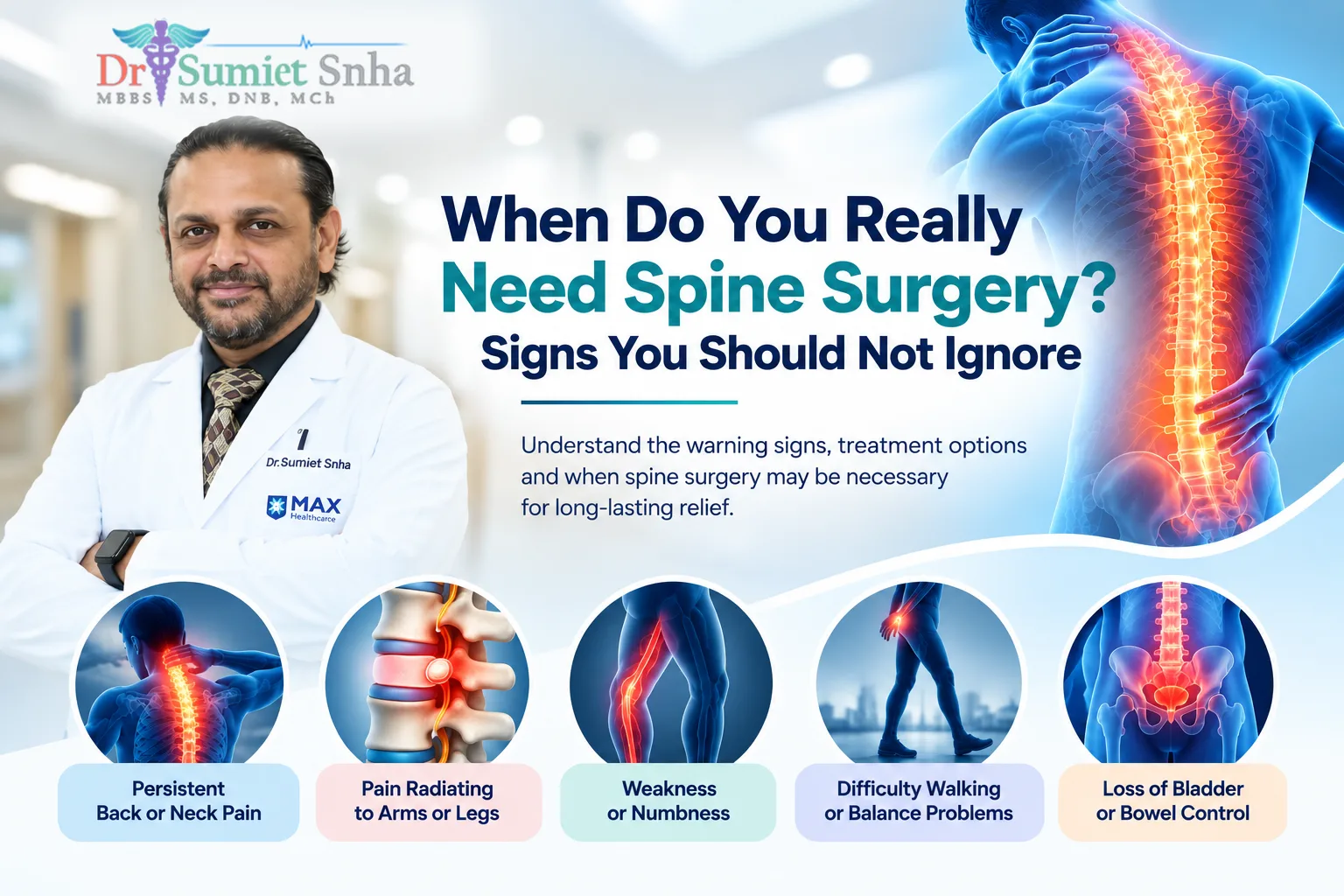
Situations That May Require Surgical Assessment
- Progressive muscle weakness in an arm or leg
- Persistent severe pain or symptoms despite an appropriate course of conservative treatment
- Significant nerve compression confirmed through clinical assessment and, when appropriate, imaging
- Difficulty walking or performing normal daily activities because of neurological symptoms
Emergency Warning Signs
Seek urgent medical assessment if a slipped disc is accompanied by:
- Loss of bladder or bowel control
- Numbness around the groin, inner thighs, or saddle region
- Severe or rapidly worsening muscle weakness
These symptoms can indicate serious nerve compression and should not be ignored. The slipped disc surgery indications are determined individually, rather than by an MRI finding alone.
Who Is a Good Candidate for Non-Surgical Slipped Disc Treatment?
People with manageable pain, stable symptoms, and no serious neurological complications may often begin with conservative slipped disc treatment. A non-surgical herniated disc treatment plan should be individualized after a clinical evaluation, considering symptoms, physical findings, and medical history. Self-diagnosis is not enough because similar symptoms can have different causes. If pain, numbness, tingling, or weakness persists or worsens, consulting a qualified slipped disc specialist can help determine the appropriate next step.
How to Support Recovery From a Slipped Disc
Following practical slipped disc recovery tips can help support mobility, comfort, and back pain recovery while the condition is being managed.
- Follow the treatment plan recommended by your healthcare professional.
- Stay gently active when medically appropriate.
- Avoid prolonged bed rest unless specifically advised.
- Use safe lifting techniques and avoid sudden heavy loads.
- Maintain good sitting and standing posture.
- Complete prescribed physiotherapy and exercises consistently.
- Avoid movements that significantly increase your symptoms.
- Seek reassessment if pain, numbness, or weakness worsens.
Consistent slipped disc care should focus on gradual recovery rather than pushing through severe symptoms
About Dr. (Prof.) Sumiet Snha
Vice Chairman – Neurosciences (Neurology & Spine)
Dr. (Prof.) Sumiet Snha is a neurosurgeon with 25+ years of experience in neurosurgery, with training from AIIMS, New Delhi. He has expertise in spine conditions, slipped discs, nerve compression, and minimally invasive spine surgery. As Principal Director – Neuro & Spine Surgery at MAX Hospital, Dwarka, New Delhi, he evaluates patients carefully before recommending conservative care or surgery, making individualized diagnosis central to slipped disc treatment in Delhi.
Frequently Asked Questions
FAQ 1. Can a slipped disc heal without surgery?
Yes. Many slipped discs improve with non-surgical slipped disc treatment, particularly when symptoms are manageable and there is no progressive neurological problem.
FAQ 2. What is the best slipped disc treatment?
The appropriate slipped disc treatment depends on the disc's location, symptom severity, nerve involvement, medical history, and response to initial care.
FAQ 3. How long does a slipped disc take to heal?
Recovery varies. Some people improve within weeks, while others may need several months depending on the severity and nerve irritation.
FAQ 4. Can exercise fix a slipped disc?
Appropriate exercises may improve strength, flexibility, mobility, and symptoms. However, exercises should be selected according to the individual's condition and should not significantly worsen pain.
FAQ 5. Is walking good for a slipped disc?
Gentle walking may help maintain mobility for many people, provided it does not increase pain, numbness, or other symptoms.
FAQ 6. Can physiotherapy treat a slipped disc?
Yes. Physiotherapy can support herniated disc treatment by addressing movement, posture, flexibility, muscle strength, and functional recovery.
FAQ 7. When should I see a doctor for a slipped disc?
Seek professional evaluation when pain persists, or when numbness, tingling, weakness, or difficulty with normal activities develops or worsens.
FAQ 8. Is surgery always required for a herniated disc?
No. Surgery is not required in every case. Many patients can initially be managed with appropriate conservative treatment.
FAQ 9. What happens if a slipped disc is left untreated?
Some cases may improve naturally, but persistent nerve compression can cause ongoing pain, numbness, weakness, or functional problems and should be medically assessed.
FAQ 10. What are the warning signs of a serious slipped disc?
Progressive weakness, loss of bladder or bowel control, or numbness around the groin or saddle region requires urgent medical assessment.
FAQ 11. Can a slipped disc come back after treatment?
Yes, recurrence is possible. Maintaining appropriate strength, posture, lifting habits, activity, and overall spinal health may help reduce future problems.
FAQ 12. How do I choose the right slipped disc treatment?
A qualified spine specialist should assess your symptoms and neurological findings rather than relying on an imaging report alone. The treatment plan should be individualized.
Conclusion
Yes, many people can achieve slipped disc recovery without surgery through appropriate conservative care, including physiotherapy, targeted exercises, activity modification, and symptom management. However, treatment should be based on the individual's symptoms and neurological status. Surgery may be appropriate when significant or persistent nerve compression causes serious or worsening problems. If your symptoms persist, worsen, or include weakness or other neurological warning signs, consult a qualified spine specialist for an accurate evaluation and personalized slipped disc treatment plan.

0 Comments