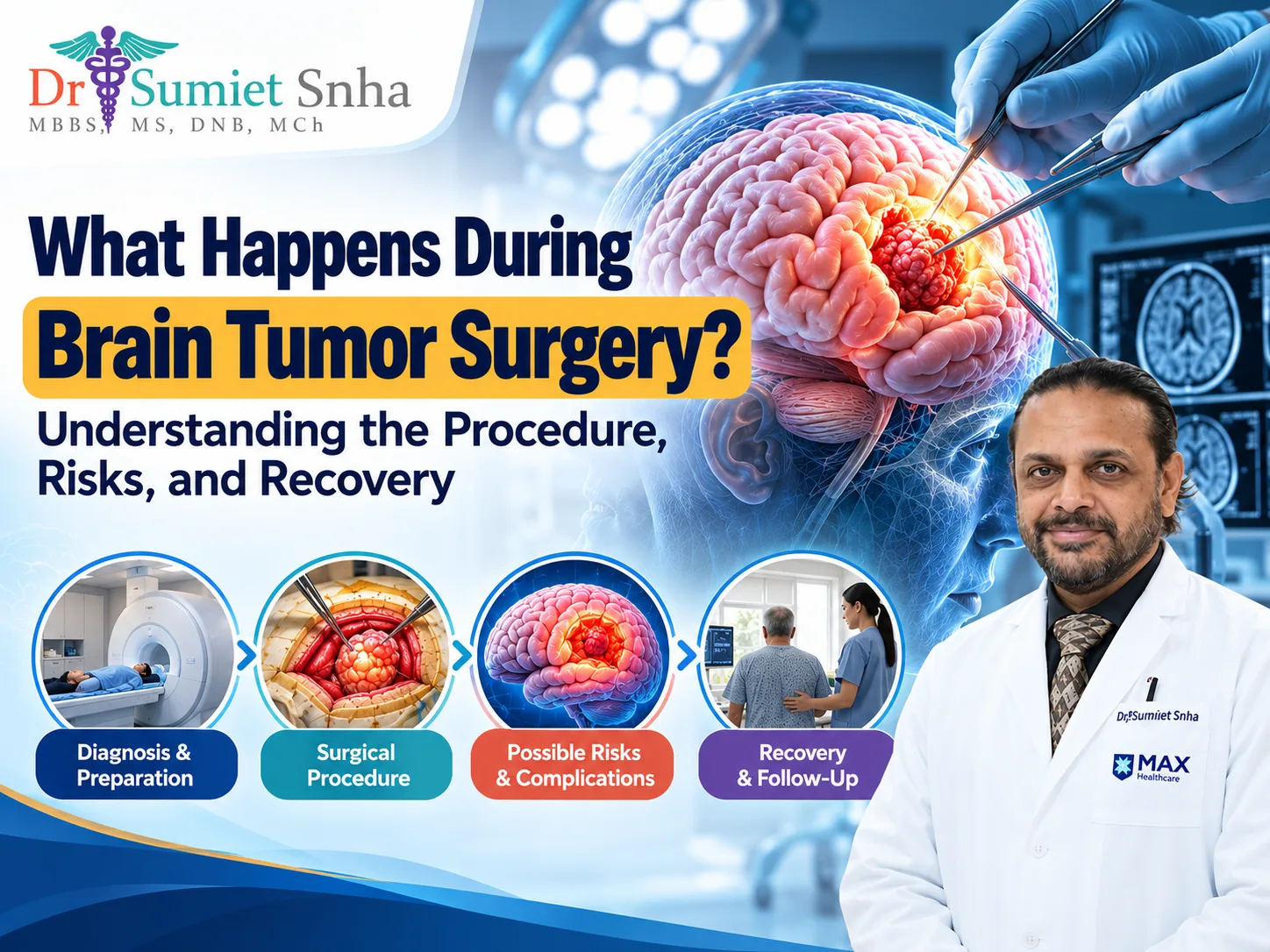
Being diagnosed with a brain tumor can raise many questions. Patients and their families often want to know whether surgery is necessary, how the operation is performed, what complications may occur, and how long recovery might take.
The brain tumor surgery procedure involves carefully planned surgical techniques to remove all or part of a tumor, obtain tissue for diagnosis, or relieve pressure on surrounding brain structures. The approach depends on the tumor's size, location, type, and relationship to important brain functions.
Not every brain tumor requires immediate surgery. Some can be monitored, while others may need medication, radiation therapy, surgery, or a combination of treatments.
Understanding the process can help patients prepare for discussions with their medical team and make informed decisions about their care.
What Is Brain Tumor Surgery?
Brain tumor surgery is a neurosurgical procedure performed to remove or obtain a sample of an abnormal growth located within or near the brain.
Brain tumors may be benign (noncancerous) or malignant (cancerous). However, even a benign tumor can cause serious problems if it presses against important brain structures.
The objectives of surgery may include:
Tumor removal: Removing as much abnormal tissue as safely possible.
Diagnosis: Obtaining tissue for microscopic and molecular examination.
Pressure relief: Reducing pressure on surrounding brain structures.
Symptom management: Addressing symptoms associated with tumor growth or pressure.
Treatment planning: Providing information that helps guide additional treatment.
The surgical goal is determined individually. Complete removal may not be possible when a tumor involves areas responsible for essential neurological functions.
When Is Brain Tumor Surgery Necessary?
The need for surgery depends on the tumor's characteristics, symptoms, imaging findings, and overall health of the patient.
When a Tumor Causes Neurological Symptoms
A brain tumor may interfere with normal brain function and cause symptoms such as:
Persistent or progressively worsening headaches
Seizures
Weakness in an arm or leg
Changes in speech or vision
Difficulty maintaining balance
Memory or concentration problems
Personality or behavioral changes
These symptoms can occur with many other medical conditions and do not necessarily indicate a brain tumor.
When Imaging Shows Tumor Growth
A tumor that increases in size may require further assessment, particularly if it threatens nearby brain structures.
When Tissue Diagnosis Is Required
Imaging can suggest the nature of a tumor, but tissue examination is often needed to establish an accurate diagnosis.
When Pressure on the Brain Becomes Significant
Some tumors cause swelling, obstruct cerebrospinal fluid circulation, or increase pressure within the skull.
In such cases, timely treatment may be necessary.
What Are the Different Types of Brain Tumor Surgery?
Several surgical techniques are available. The choice depends on the tumor's location, accessibility, and treatment objectives.
Craniotomy for Brain Tumor Removal
A craniotomy is a procedure in which a neurosurgeon temporarily removes a section of skull bone to access the brain.
The surgeon uses specialized instruments and magnification to identify and remove tumor tissue while attempting to preserve healthy structures.
The bone section is generally replaced and secured after the operation.
Awake Brain Tumor Surgery
Awake craniotomy may be recommended when a tumor is located near brain regions involved in speech, language, or movement.
During selected stages, the patient performs simple tasks that help the surgical team assess neurological function.
The patient receives appropriate anesthesia and pain control throughout the procedure.
Endoscopic Brain Tumor Surgery
Endoscopic techniques use a small camera and specialized instruments to access certain tumors through narrow surgical pathways.
These approaches are suitable for selected locations and are not appropriate for every brain tumor.
Stereotactic Brain Biopsy
When complete removal is unsafe or unnecessary, a stereotactic biopsy may be performed.
This procedure uses imaging guidance to obtain a small tissue sample for diagnosis.
How Do Doctors Prepare Patients for Brain Tumor Surgery?
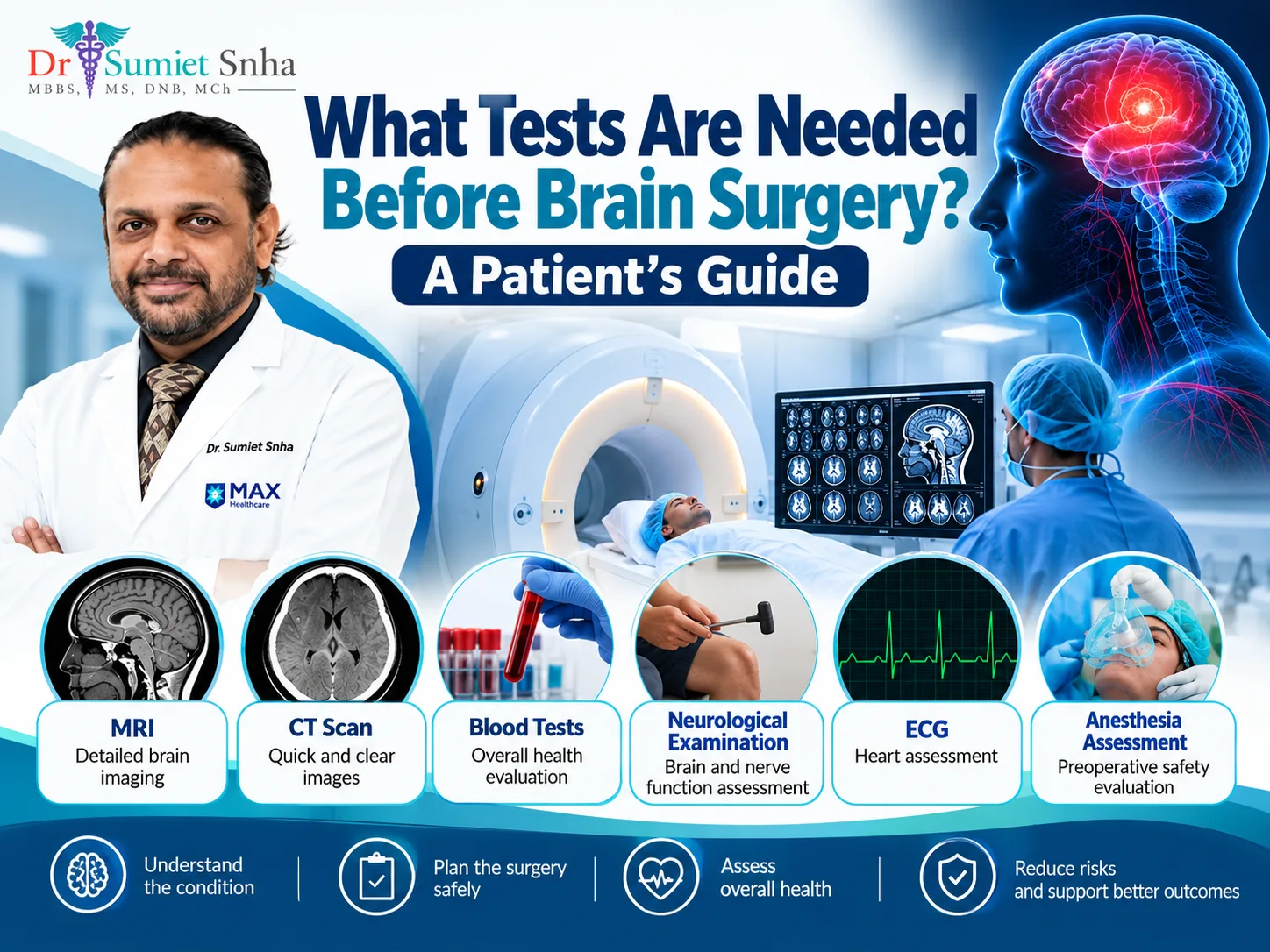
Preoperative preparation helps the medical team understand the tumor and evaluate the patient's surgical risks.
Neurological Examination
Doctors assess movement, speech, coordination, vision, sensation, and cognitive function.
These findings provide a baseline for postoperative evaluation.
MRI and Other Imaging Tests
MRI is commonly used to determine the tumor's location, size, and relationship to surrounding structures.
Additional imaging may be recommended when the tumor lies close to important blood vessels or functional brain pathways.
Blood Tests and Medical Evaluation
Blood tests and other investigations help assess general health and identify conditions that could influence anesthesia or recovery.
Medication Review
The medical team reviews prescription medicines, supplements, and drugs that may affect bleeding or other surgical risks.
Patients should not stop prescribed medication without medical guidance.
Surgical Planning
The neurosurgeon explains the intended procedure, potential benefits, limitations, and complications.
Patients are encouraged to discuss their concerns before providing informed consent.
What Happens During the Brain Tumor Surgery Procedure?
Although individual operations differ, the brain tumor surgery procedure generally involves several carefully coordinated stages.
Step 1: Anesthesia and Patient Positioning
Most brain tumor operations are performed under general anesthesia.
The anesthesia team monitors breathing, heart function, blood pressure, and other vital signs.
The patient's head is positioned to provide safe access to the surgical area.
Step 2: Accessing the Tumor
For a conventional craniotomy, the surgeon makes a scalp incision and temporarily removes a section of skull bone.
The protective covering of the brain is carefully opened.
Step 3: Identifying the Tumor
The surgeon uses preoperative imaging, anatomical landmarks, and specialized equipment to locate the tumor.
Depending on the case, surgical navigation, ultrasound, microscopy, or functional monitoring may be used.
Step 4: Removing Tumor Tissue
The neurosurgeon carefully separates and removes tumor tissue while attempting to preserve nearby healthy brain structures.
The amount removed depends on tumor characteristics and the risk of neurological injury.
Maximum safe resection means removing as much tumor as reasonably possible without accepting unnecessary damage to essential neurological functions.
Step 5: Controlling Bleeding and Closing the Surgical Site
After the planned removal, the team controls bleeding and closes the protective tissues.
In a craniotomy, the skull bone is usually replaced and secured.
The scalp incision is then closed.
Step 6: Postoperative Monitoring
The patient is transferred to a recovery area, neurosurgical ward, or intensive care unit according to clinical needs.
The team monitors neurological function and watches for early complications.
How Long Does Brain Tumor Surgery Take?
There is no fixed duration for brain tumor surgery.
Some procedures take a few hours, while complex operations may require substantially longer.
Factors influencing surgical duration include:
Tumor size and location
Relationship to important blood vessels
Proximity to speech or movement pathways
Surgical technique
Need for brain mapping or monitoring
Unexpected findings during the operation
The surgical team can provide an estimated duration after reviewing the individual case.
A longer operation does not automatically mean that complications have occurred.
What Are the Possible Risks of Brain Tumor Surgery?
Like other major neurosurgical procedures, brain tumor surgery carries potential risks.
The likelihood of complications depends on the tumor's characteristics, the patient's health, and the complexity of surgery.
Bleeding
Bleeding may occur during or after surgery. Significant bleeding can require urgent medical or surgical treatment.
Infection
Infection may involve the wound or deeper tissues. Appropriate surgical precautions and postoperative monitoring help reduce this risk.
Neurological Changes
Depending on the tumor's location, patients may experience:
Weakness
Speech or language difficulties
Vision changes
Coordination problems
Sensory disturbances
Cognitive changes
Some neurological problems improve during recovery, while others may be permanent.
Brain Swelling
Temporary swelling can occur after surgery and may require medication or additional treatment.
Seizures
Seizures may occur before or after brain tumor surgery. Medication may be prescribed when clinically appropriate.
Other Complications
Additional risks include cerebrospinal fluid leakage, blood clots, anesthesia-related problems, and, rarely, life-threatening complications.
Patients should discuss their individual risks with the treating neurosurgeon.
What Happens Immediately After Brain Tumor Surgery?
The early postoperative period focuses on neurological assessment and identifying complications.
Neurological Monitoring
Medical staff regularly assess consciousness, pupil responses, limb strength, speech, and other relevant functions.
Pain and Symptom Management
Headache, nausea, fatigue, and discomfort around the incision may occur.
Medication and supportive care are provided according to the patient's needs.
Postoperative Imaging
MRI or CT may be performed to assess the surgical area, evaluate tumor removal, or identify complications.
Tissue Examination
Removed tumor tissue is examined by a pathologist.
The final diagnosis may include microscopic and molecular findings that help determine the next stage of treatment.
How Long Does Brain Tumor Surgery Recovery Take?
Brain tumor surgery recovery varies considerably from one patient to another.
Recovery depends on the tumor's location, the extent of surgery, preoperative neurological function, and any postoperative complications.
Recovery During Hospitalization
Patients are monitored until their neurological condition and general health are sufficiently stable for discharge.
Some require a longer hospital stay or rehabilitation.
Recovery at Home
Fatigue, reduced stamina, and incision discomfort may continue after discharge.
Patients are usually advised to increase activity gradually according to their medical team's instructions.
Returning to Daily Activities
The timing of returning to work, driving, exercise, or other activities depends on recovery and the presence of symptoms such as seizures.
Patients should obtain specific medical clearance rather than follow a fixed timetable.
What Precautions Should Patients Follow During Recovery?
Following discharge instructions can support recovery and help identify complications early.
Important precautions may include:
Keeping the surgical wound clean and following dressing instructions
Taking prescribed medicines as directed
Avoiding strenuous activities until medically cleared
Attending scheduled follow-up appointments
Maintaining adequate nutrition and hydration
Participating in recommended rehabilitation
Reporting new or worsening neurological symptoms promptly
Emergency medical attention is necessary for sudden weakness, new seizures, severe or worsening headache, reduced consciousness, or other acute neurological changes.
Fever, wound discharge, or increasing redness around the incision also requires prompt medical assessment.
Can a Brain Tumor Return After Surgery?
Yes. Some brain tumors can recur or continue growing after treatment.
The likelihood depends on factors such as tumor type, grade, molecular characteristics, and the amount of tumor that could be safely removed.
Why Is Follow-Up Imaging Important?
Regular MRI scans may help doctors identify residual tumor tissue, recurrence, or changes that require further assessment.
The imaging schedule is individualized.
Is Additional Treatment Always Necessary?
No. Some patients need observation after surgery, while others may require radiotherapy, chemotherapy, targeted treatment, or another approach.
The treatment plan is based on the final diagnosis and the patient's overall condition.
About Dr. Sumiet Snha
Dr. Sumiet Snha is a neurosurgeon with 30+ years of experience in the evaluation and management of neurological and neurosurgical conditions.
He is associated with Max Super Speciality Hospital, Dwarka, New Delhi, and Max Hospital, Gurugram.
Brain tumor management requires careful assessment of imaging findings, neurological symptoms, overall health, and treatment objectives.
Understanding the available surgical techniques, possible complications, and recovery requirements can help patients and families participate more effectively in treatment discussions.
Frequently Asked Questions About Brain Tumor Surgery
1. What is the main purpose of brain tumor surgery?
Brain tumor surgery may be performed to remove tumor tissue, obtain a diagnosis, relieve pressure on surrounding structures, or improve selected symptoms.
2. Is brain tumor surgery always necessary?
No. Some tumors can be monitored, while others require surgery or alternative treatment depending on their characteristics and clinical effects.
3. How is brain tumor surgery performed?
The procedure often involves a craniotomy, during which the surgeon accesses the tumor and removes as much tissue as safely possible.
4. Is brain tumor surgery painful?
Patients undergoing surgery under general anesthesia do not experience the operation consciously. Postoperative discomfort is managed with appropriate medication.
5. How long does brain tumor surgery take?
The duration varies according to tumor size, location, surgical complexity, and the techniques required.
6. Can a brain tumor be removed completely?
Some tumors can be removed completely, while others cannot be safely separated from important brain structures.
7. What are the major risks of brain tumor surgery?
Possible risks include bleeding, infection, seizures, neurological injury, brain swelling, and anesthesia-related complications.
8. How long does recovery take after brain tumor surgery?
Recovery varies from weeks to months or longer, depending on the operation, neurological condition, and individual progress.
9. Will a patient need rehabilitation after brain tumor removal?
Some patients benefit from physiotherapy, occupational therapy, speech therapy, or cognitive rehabilitation.
10. Can brain tumor surgery affect memory or speech?
Yes. Surgery near brain networks involved in language or cognition may affect these functions temporarily or permanently.
11. Can a brain tumor grow back after surgery?
Yes. Recurrence is possible, depending on tumor type, grade, molecular features, and the extent of removal.
12. What happens if the entire brain tumor cannot be removed?
The medical team may recommend observation, radiotherapy, chemotherapy, or other treatments based on the final diagnosis and remaining tumor.
Conclusion
The brain tumor surgery procedure is a carefully planned treatment that may help remove abnormal tissue, establish a diagnosis, or reduce pressure on important brain structures.
The surgical approach depends on tumor location, size, type, and the patient's neurological condition. While modern surgical techniques can support precise treatment planning, complications remain possible, and complete tumor removal is not always achievable.
Recovery is an individual process that may involve medical monitoring, rehabilitation, follow-up imaging, and additional treatment.
Patients and caregivers should discuss the expected benefits, risks, alternatives, and long-term care requirements with their neurosurgical team before making treatment decisions.

0 Comments