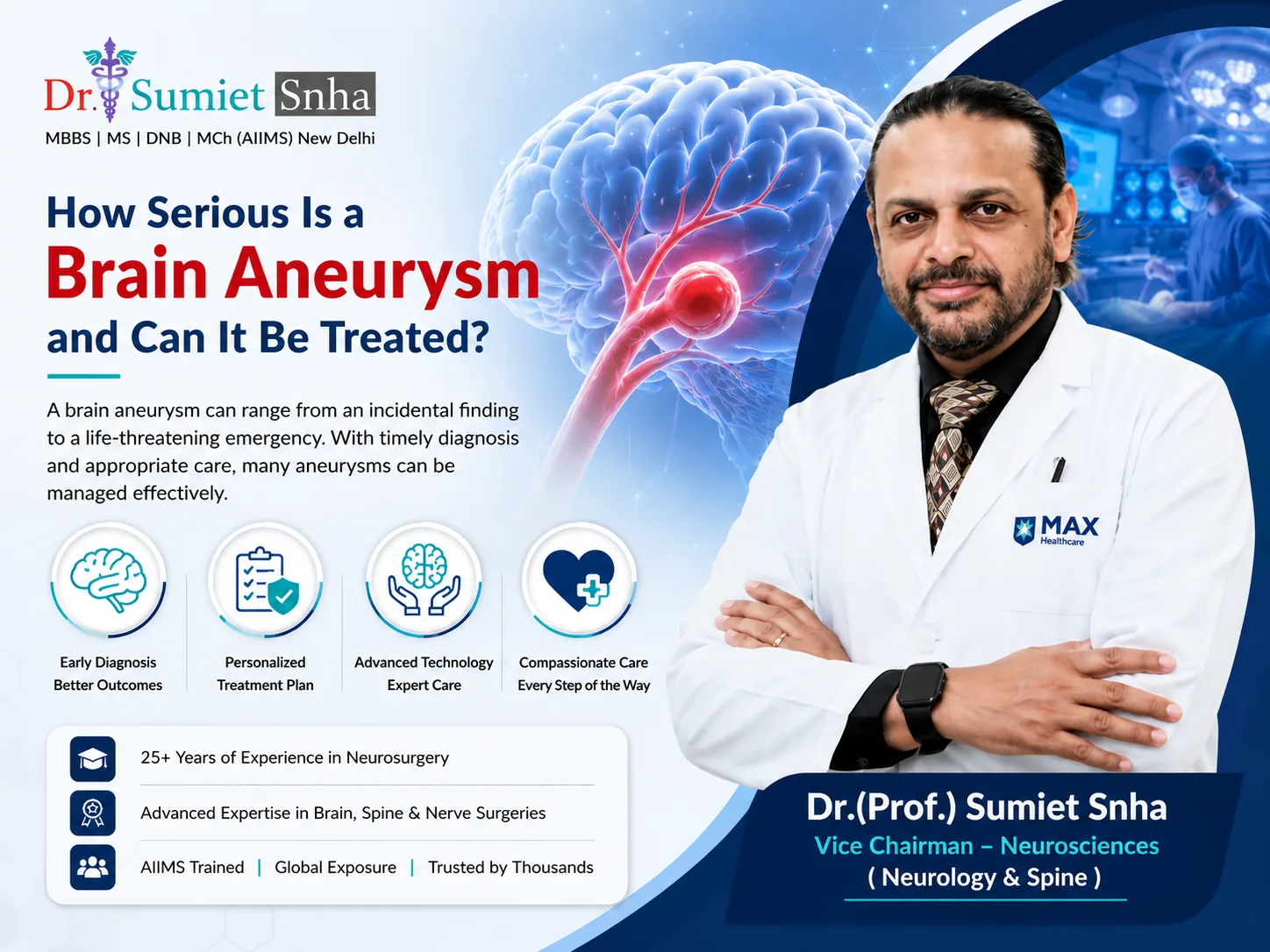
A brain aneurysm, also called a cerebral aneurysm, is a weakened area in a blood vessel in the brain that can form a bulging or balloon-like shape. Brain aneurysm treatment may be considered depending on the aneurysm’s size, location, shape, growth, and the person’s overall health. An unruptured brain aneurysm may remain stable without causing noticeable symptoms, while a ruptured brain aneurysm can cause bleeding around the brain and become a life-threatening emergency. The seriousness of an aneurysm therefore varies from person to person. Early diagnosis, appropriate monitoring, and timely medical care can help doctors assess the potential risks and determine the most suitable management approach for each individual.
What Is a Brain Aneurysm?
A brain aneurysm is a weakened area in the wall of a blood vessel in the brain that gradually develops a bulge or balloon-like swelling. It is also known as a cerebral aneurysm and can vary in size, shape, and location. Some aneurysms remain unruptured for years and may not cause any noticeable symptoms, while others can grow or eventually rupture. A ruptured aneurysm can lead to bleeding around the brain and requires immediate medical attention. Because the risk can differ between individuals, doctors may recommend regular imaging and clinical follow-up for certain unruptured aneurysms. Timely evaluation helps assess changes in the aneurysm and supports informed decisions about monitoring or treatment when necessary.
How Serious Is a Brain Aneurysm?
A brain aneurysm can range from a condition that requires careful monitoring to a life-threatening medical emergency. Its seriousness depends on whether it has ruptured and on factors such as its size, location, shape, and growth pattern.
- Ruptured brain aneurysm: When an aneurysm bursts, it can cause bleeding around the brain, known as a subarachnoid hemorrhage. This can lead to severe neurological complications and requires immediate emergency medical care.
- Unruptured brain aneurysm: An unruptured aneurysm may not cause symptoms or immediate danger, but some aneurysms can enlarge or develop characteristics that increase the risk of rupture.
- Aneurysm characteristics: Size, location, shape, and evidence of growth can influence the likelihood of complications.
- Individual health factors: Age, blood pressure, smoking history, family history, and other health factors may also affect overall risk.
Early evaluation helps doctors determine whether monitoring or treatment is appropriate.
What Are the Symptoms of a Brain Aneurysm?
Symptoms of an Unruptured Brain Aneurysm
Many unruptured brain aneurysms do not cause noticeable symptoms and may be discovered incidentally during brain imaging. When symptoms occur, they may result from pressure on nearby nerves or brain structures. Possible brain aneurysm symptoms include persistent headache, visual changes, pain around the eye, or problems with eye movement.
Symptoms of a Ruptured Brain Aneurysm
A ruptured aneurysm can cause sudden and severe symptoms that require immediate emergency medical attention. The most characteristic warning sign is a sudden, extremely severe headache that may feel unlike previous headaches.
- Nausea or vomiting
- Neck stiffness or pain
- Loss of consciousness
- Seizures
- Confusion or significant neurological changes
A sudden severe headache, particularly when accompanied by these symptoms, should never be ignored. Prompt emergency evaluation is essential because a ruptured aneurysm can cause bleeding around the brain and serious complications.
What Causes a Brain Aneurysm and Who Is at Risk?
A brain aneurysm develops when a weakened area of a blood vessel wall gradually becomes thin and begins to bulge. The exact brain aneurysm causes are not always clear, and having a risk factor does not mean an aneurysm will definitely develop.
- High blood pressure: Long-term elevated blood pressure can place additional stress on blood vessel walls.
- Smoking: Tobacco use can damage blood vessels and may increase aneurysm-related risks.
- Family history: Having close relatives with brain aneurysms may increase an individual’s risk.
- Inherited conditions: Certain inherited disorders affecting blood vessels or connective tissue may be associated with a higher risk.
- Age and other factors: Risk can also vary with age, vascular health, and individual medical history.
Understanding these brain aneurysm risk factors can help guide appropriate evaluation and preventive care.
How Is a Brain Aneurysm Diagnosed?
Doctors evaluate a suspected brain aneurysm by reviewing symptoms, medical history, and appropriate brain and blood-vessel imaging. Brain aneurysm diagnosis helps determine the aneurysm’s size, location, shape, and other characteristics that may influence management.
- CT angiography (CTA): Uses CT imaging with contrast to create detailed pictures of brain blood vessels.
- MR angiography (MRA): Uses magnetic resonance imaging to examine blood vessels and identify certain aneurysms.
- Cerebral angiography: A specialized imaging test that can provide highly detailed views of blood vessels when more precise assessment is needed.
The choice of imaging depends on the individual situation, symptoms, and clinical findings. Accurate diagnosis allows the medical team to assess potential risks and decide whether monitoring or treatment may be appropriate.
Can a Brain Aneurysm Be Treated?
Yes, brain aneurysms can often be treated, but the appropriate approach depends on the individual aneurysm and patient factors. The decision may consider its size, location, shape, growth, rupture status, and the person’s overall health. Some unruptured aneurysms may be monitored rather than treated immediately when the potential risks of intervention outweigh the expected benefits.
Aneurysm Clipping
Aneurysm clipping is a surgical procedure in which a neurosurgeon places a small clip across the neck of the aneurysm. This blocks blood from entering the bulging area and helps prevent further filling or rupture. The procedure may be considered for aneurysms with suitable characteristics.
Endovascular Coiling
Endovascular coiling is a minimally invasive approach in which a catheter is guided through a blood vessel to reach the aneurysm. Soft coils are placed inside the aneurysm to reduce blood flow into it and encourage clot formation, helping isolate the aneurysm from normal circulation.
Other Endovascular Approaches
Some aneurysms may require other endovascular devices or techniques, depending on their size, location, shape, neck width, and surrounding blood-vessel anatomy.
Observation and Monitoring
Not every unruptured aneurysm requires immediate intervention. In selected cases, doctors may recommend regular imaging to monitor changes in size or appearance while addressing modifiable risk factors such as high blood pressure and smoking. The appropriate treatment for brain aneurysm should be determined through individualized assessment, balancing the risk of rupture against the potential risks of treatment
How Is the Right Brain Aneurysm Treatment Decided?
The right brain aneurysm treatment is determined on an individual basis after evaluating the aneurysm and the person’s overall health. Doctors may consider several factors before recommending monitoring or intervention, including:
- Aneurysm size, location, shape, and morphology
- Whether the aneurysm has ruptured
- The patient’s age and overall health
- Any previous bleeding from an aneurysm
- Family history of brain aneurysms
- Relevant medical conditions and individual risk factors
This personalized assessment helps the medical team balance the potential risk of aneurysm rupture against the possible risks and benefits of treatment.
Brain Aneurysm Recovery and Follow-Up
Brain aneurysm recovery varies depending on whether the aneurysm ruptured, the treatment used, and the person’s overall health. Some people recover relatively quickly, while others may need longer rehabilitation. Follow-up imaging and neurological monitoring may be recommended to assess healing, detect changes, and guide ongoing care.
When Should You Seek Emergency Medical Help?
Sudden, extremely severe headache, particularly when accompanied by vomiting, seizures, loss of consciousness, confusion, weakness, or other neurological changes, requires immediate emergency medical evaluation. These symptoms should not be used to self-diagnose an aneurysm. Seeking urgent medical care allows doctors to identify or rule out potentially serious causes promptly.
About Dr. (Prof.) Sumiet Snha
Dr. (Prof.) Sumiet Snha, Vice Chairman – Neurosciences (Neurology & Spine), is a neurosurgeon with 25+ years of experience. He completed his neurosurgical training at AIIMS, New Delhi, and has worked with renowned neurosurgical experts internationally. His areas of expertise include brain and spine surgery, spinal injuries, peripheral nerve surgery, and minimally invasive spine procedures. He has also been involved in teaching, research, and advanced surgical training. His professional experience includes academic and leadership roles at leading medical institutions. Dr. Sumiet Snha has treated complex neurosurgical conditions with an emphasis on individualized assessment, appropriate surgical planning, and patient-focused care.
Frequently Asked Questions
1. What is a brain aneurysm?
A brain aneurysm is a weakened area in a blood vessel in the brain that develops a bulge. Some aneurysms remain unruptured and may not cause symptoms, while others can rupture and cause bleeding around the brain.
2. How serious is a brain aneurysm?
The seriousness depends on factors such as whether the aneurysm has ruptured, its size, location, shape, growth, and the person’s overall health. A ruptured aneurysm is a medical emergency because it can cause bleeding around the brain and serious neurological complications.
3. Can a brain aneurysm be treated?
Yes, many brain aneurysms can be treated or monitored depending on their individual characteristics. Brain aneurysm treatment may include surgical clipping, endovascular coiling, other endovascular techniques, or observation with regular imaging.
4. What are the symptoms of a brain aneurysm?
Many unruptured aneurysms cause no symptoms. When symptoms occur, they may include headache, visual changes, or pain around the eye. A ruptured aneurysm can cause a sudden, extremely severe headache, vomiting, neck stiffness, seizures, loss of consciousness, or other neurological symptoms.
5. What happens if a brain aneurysm ruptures?
A ruptured aneurysm can cause bleeding around the brain, particularly subarachnoid hemorrhage. This can result in serious complications and requires immediate emergency medical evaluation and treatment.
6. How is a brain aneurysm diagnosed?
Doctors may use imaging tests such as CT angiography (CTA), MR angiography (MRA), or cerebral angiography. These tests can help determine the aneurysm’s size, location, shape, and other characteristics.
7. What factors increase the risk of a brain aneurysm?
Risk may be influenced by factors such as smoking, high blood pressure, family history, certain inherited conditions, age, and other aspects of vascular health. Having a risk factor does not necessarily mean that a person will develop an aneurysm.
8. What is aneurysm clipping?
Aneurysm clipping is a surgical procedure in which a small clip is placed across the neck of an aneurysm to prevent blood from entering it. Whether clipping is appropriate depends on the aneurysm’s characteristics and the patient’s individual circumstances.
9. What is endovascular coiling?
Endovascular coiling is a minimally invasive procedure in which soft coils are delivered through a catheter into the aneurysm. The coils help reduce blood flow into the aneurysm and can prevent it from filling normally.
10. Does every unruptured brain aneurysm require surgery?
No. Some unruptured aneurysms may be monitored with periodic imaging instead of being treated immediately. The decision depends on factors such as aneurysm size, location, morphology, growth, rupture risk, and the patient’s overall health.
11. How long does brain aneurysm recovery take?
Brain aneurysm recovery varies considerably. Recovery may depend on whether the aneurysm ruptured, the treatment performed, neurological complications, and overall health. Follow-up imaging and neurological assessments may be recommended during recovery.
12. When should someone seek emergency help for a possible brain aneurysm?
A sudden, extremely severe headache, especially when accompanied by vomiting, seizures, loss of consciousness, confusion, weakness, or other neurological changes, requires immediate emergency medical evaluation. These symptoms should not be used for self-diagnosis, as several serious conditions can cause similar symptoms.
Conclusion
A brain aneurysm can range from an incidental finding that requires careful monitoring to a life-threatening emergency if it ruptures. Its overall risk depends on factors such as size, location, shape, growth, rupture status, and the individual’s health. Brain aneurysm treatment is therefore tailored to each patient and may involve monitoring, surgical clipping, endovascular coiling, or other appropriate approaches. Early diagnosis and specialist evaluation can help determine the safest management strategy. If a person develops a sudden, extremely severe headache or other symptoms suggestive of aneurysm rupture, immediate emergency medical attention is essential.




0 Comments