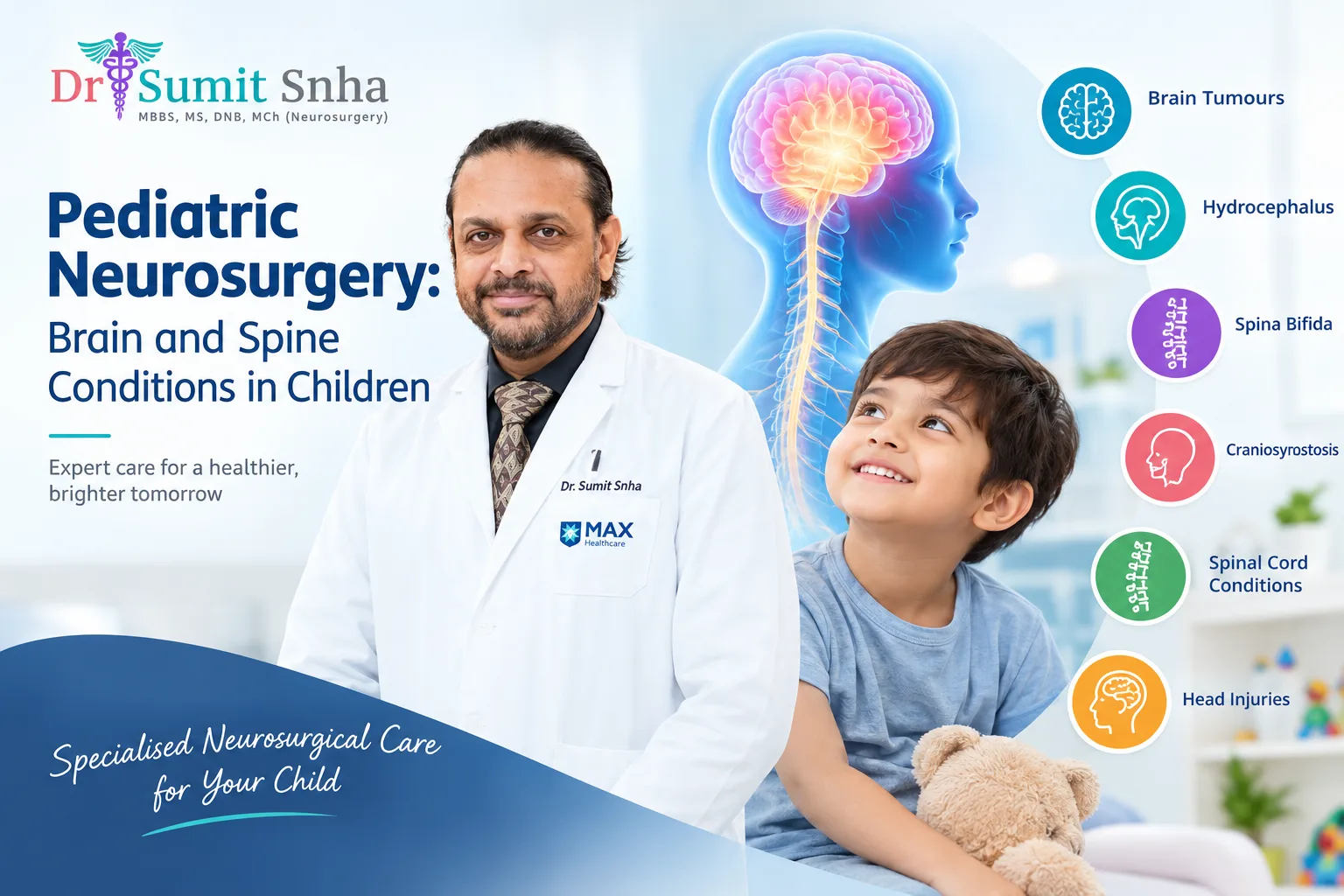
When a child experiences persistent headaches, unusual head growth, difficulty walking, or symptoms related to the brain or spine, parents naturally have questions and concerns. Some conditions may require medication and monitoring, while others need specialised surgical care. Understanding the problem early can help families seek the right medical advice without unnecessary delay.
Pediatric neurosurgery focuses on diagnosing and treating conditions affecting the brain, spine, spinal cord, and nervous system in infants, children, and adolescents. A pediatric neurosurgeon evaluates whether a child needs observation, medication, further investigations, or surgery. In selected cases, pediatric brain surgery may be recommended to treat an underlying condition and protect neurological function.
What Conditions Does Pediatric Neurosurgery Treat?
Children can develop neurological conditions for different reasons. Some are present at birth, while others develop because of an injury, infection, or an abnormal growth. Treatment depends on the child's age, symptoms, diagnosis, and overall health.
1. Hydrocephalus in Infants and Children
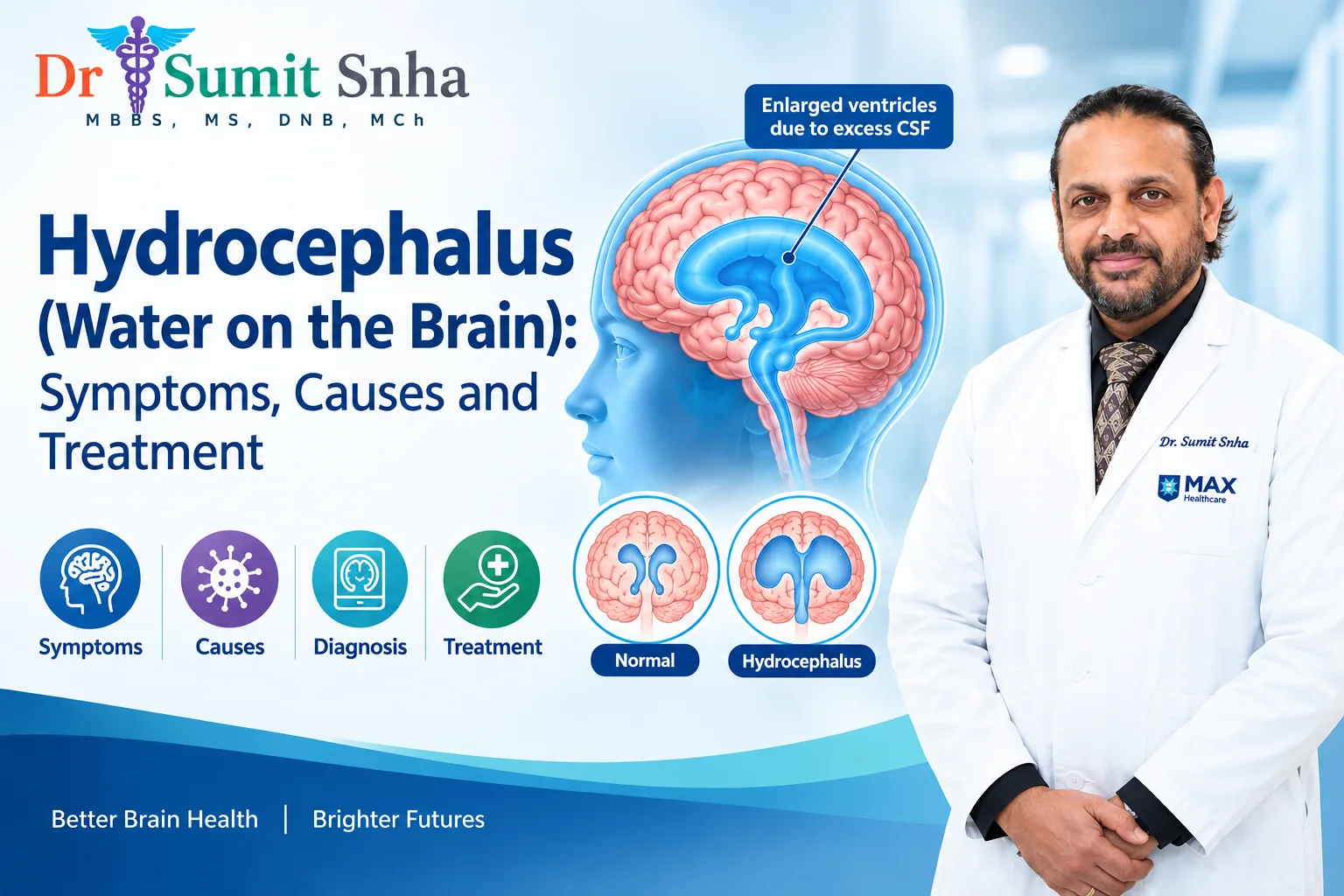
Hydrocephalus occurs when cerebrospinal fluid builds up inside the brain's fluid-filled spaces, called ventricles. This can increase pressure inside the skull and may affect brain development if not managed appropriately.
In infants, possible signs include an unusually rapid increase in head size, a bulging soft spot, vomiting, irritability, or difficulty feeding. Older children may experience headaches, nausea, vision problems, or changes in balance.
Doctors may recommend brain imaging and regular monitoring. Depending on the cause and severity, treatment can involve a shunt or a procedure called endoscopic third ventriculostomy (ETV).
2. Brain Tumours in Children
Brain tumours can be benign or malignant, and their effects depend on their location, size, and growth pattern. Some tumours interfere with normal brain function or obstruct the flow of cerebrospinal fluid.
Warning signs may include persistent or worsening headaches, repeated vomiting, new seizures, changes in vision, difficulty walking, or developmental changes. These symptoms can have many causes, so they do not automatically indicate a tumour.
Evaluation may include an MRI scan and other tests. Treatment can involve surgery, chemotherapy, radiation therapy, or a combination, depending on the tumour type and the child's individual needs.
3. Spina Bifida and Other Congenital Conditions
Spina bifida is a condition in which the spine and its surrounding structures do not develop completely before birth. The effects vary widely, depending on the type and severity.
Some children may experience weakness in the legs, problems with bladder or bowel control, or associated hydrocephalus. Certain forms require early specialist assessment and surgical treatment.
Other congenital conditions affecting the skull, brain, or spinal cord may also require evaluation by a specialist team.
4. Craniosynostosis
Craniosynostosis occurs when one or more of the joints between a baby's skull bones close too early. This can affect the shape of the head and, in some cases, restrict normal skull growth.
Parents may notice an unusual head shape or a ridge along a skull suture. Not every difference in head shape is craniosynostosis, so medical assessment is important.
Treatment depends on the type of condition, the child's age, and whether there are signs of pressure on the brain. Selected children may benefit from surgery to allow more normal skull growth.
5. Spinal Cord and Nerve Conditions
Some children develop conditions affecting the spinal cord or nerves, including tethered cord syndrome and certain spinal abnormalities. Symptoms can include back or leg pain, weakness, changes in walking, or bladder and bowel difficulties.
A specialist may recommend a neurological examination and MRI when appropriate. Treatment depends on the underlying condition and whether symptoms are progressing.
6. Head Injuries in Children
Falls, road accidents, and sports injuries can cause head trauma. Many minor injuries do not require surgery, but serious injuries can result in bleeding, skull fractures, or swelling inside the skull.
Seek emergency medical care if a child has worsening drowsiness, repeated vomiting, a seizure, confusion, weakness, difficulty waking, or a severe or worsening headache after a head injury.
A doctor will determine whether observation, imaging, or urgent treatment is necessary. Do not wait for symptoms to worsen if a serious injury is suspected.
What Warning Signs Should Parents Look Out For?
Children may not always be able to explain what they are experiencing. Changes in behaviour, movement, or development can sometimes provide important clues.
Consider seeking medical assessment if your child has:
Persistent or worsening headaches, particularly with vomiting.
New seizures or episodes of unexplained loss of awareness.
Unusual head growth or a changing head shape in infancy.
Difficulty walking, new weakness, or poor coordination.
Changes in vision or balance.
Developmental regression or a significant change in normal abilities.
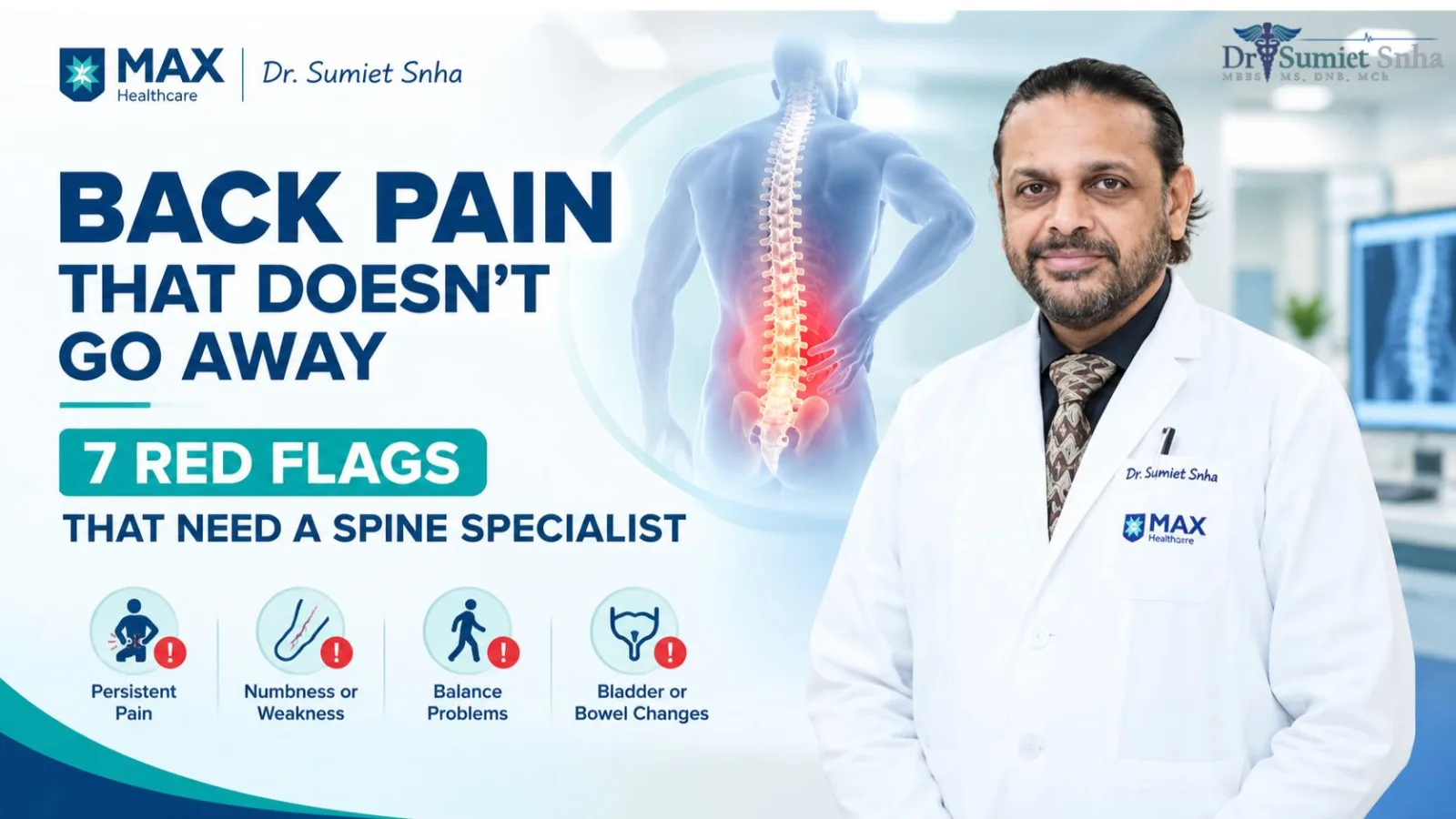
Back pain accompanied by weakness or bladder or bowel problems.
These symptoms do not necessarily mean surgery is required. They do, however, deserve appropriate assessment. Sudden weakness, reduced consciousness, a first seizure, or signs of a serious head injury require emergency medical attention.
How Are Brain and Spine Conditions Diagnosed in Children?
Diagnosis begins with understanding the child's symptoms and medical history. The doctor may ask when the symptoms started, whether they are getting worse, and whether there have been changes in movement, behaviour, or development.
Depending on the suspected condition, investigations may include:
MRI scan: Provides detailed images of the brain and spinal cord.
CT scan: May be used when rapid assessment is needed, particularly after certain head injuries or when bleeding is suspected.
Neurological examination: Assesses movement, strength, reflexes, coordination, and other neurological functions.
Developmental assessment: Helps evaluate age-appropriate skills and identify possible developmental concerns.
Not every child needs every test. The medical team selects investigations according to the symptoms and clinical findings, while considering the benefits and risks of each procedure.
When Does a Child Need Neurosurgery?
A diagnosis involving the brain or spine does not automatically mean that an operation is necessary. Some conditions can be managed through regular monitoring, medication, or other non-surgical treatments.
Neurosurgery may be considered when a condition causes pressure on the brain, blocks cerebrospinal fluid flow, affects spinal cord function, requires removal of a tumour, or presents another problem that cannot be managed adequately without a procedure.
The final decision should follow a careful evaluation of the child's condition, the potential benefits of treatment, and the possible risks. Parents should feel comfortable asking the treating team about alternatives, expected recovery, and follow-up care.
What Happens After Pediatric Neurosurgery?
Recovery varies depending on the procedure, the child's age, and the underlying condition. Some children need a short hospital stay, while others require more intensive monitoring or a longer rehabilitation programme.
Follow-up appointments help doctors monitor healing and identify any complications. Depending on the child's needs, recovery may include physiotherapy, occupational therapy, developmental support, or other specialist services.
Parents can support recovery by following discharge instructions, giving prescribed medicines as directed, attending follow-up visits, and reporting new or worsening symptoms promptly.
It is also important to provide emotional reassurance. Children may feel anxious about hospital visits or changes in their daily routine. Age-appropriate explanations and a supportive home environment can make the recovery process easier for the whole family.
About Dr. (Prof.) Sumiet Snha
Dr. (Prof.) Sumiet Snha is presented in this profile as a neurosurgeon with 30+ years of experience, based on the professional information provided for this article. When a child has a condition affecting the brain or spine, an appropriate specialist assessment can help the family understand the diagnosis and available treatment options.
Pediatric neurological care often involves collaboration between neurosurgeons, pediatricians, neurologists, radiologists, and rehabilitation professionals. The treatment plan should be tailored to the child's age, condition, and individual needs.
The hospital affiliation and professional credentials should be confirmed before publication. If his current affiliation is verified, the profile may mention Max Super Speciality Hospital, Dwarka, New Delhi.
Frequently Asked Questions About Pediatric Neurosurgery
1. What is pediatric neurosurgery?
Pediatric neurosurgery deals with conditions affecting the brain, spine, spinal cord, and related structures in children. Treatment may involve monitoring, surgery, or coordination with other medical specialists.
2. Does every child with a brain condition need surgery?
No. Many conditions can be managed with monitoring, medication, or other treatments. Surgery is considered when the expected benefits outweigh the risks for that particular child.
3. What are the common reasons a child may need a neurosurgical assessment?
Possible reasons include hydrocephalus, certain brain tumours, craniosynostosis, congenital spinal conditions, selected spinal cord disorders, and serious head injuries.
4. Is pediatric brain surgery safe?
All operations carry risks, and the level of risk depends on the condition, the procedure, and the child's overall health. The treating team should explain the expected benefits, possible complications, alternatives, and recovery requirements before surgery.
5. How long does a child take to recover after neurosurgery?
Recovery varies considerably. It depends on the procedure, the underlying condition, and whether rehabilitation is required. The treating team can provide a more realistic recovery plan for the individual child.
6. When should parents seek emergency medical help?
Seek emergency care for reduced consciousness, a first seizure, sudden weakness, repeated vomiting with worsening symptoms after a head injury, or other signs of a serious neurological emergency. Do not delay emergency assessment while trying to arrange a routine specialist appointment.
Conclusion
Pediatric neurosurgery can help manage a range of conditions affecting children's brains and spines, from hydrocephalus and congenital abnormalities to selected tumours and serious injuries. Recognising warning signs, obtaining an accurate diagnosis, and understanding the available treatment options can help parents make informed decisions.
Dr. (Prof.) Sumiet Snha may be considered for neurosurgical guidance when an appropriate specialist assessment is needed. Every child's condition is different, so treatment should be based on individual clinical findings and a discussion of the potential benefits and risks.


0 Comments