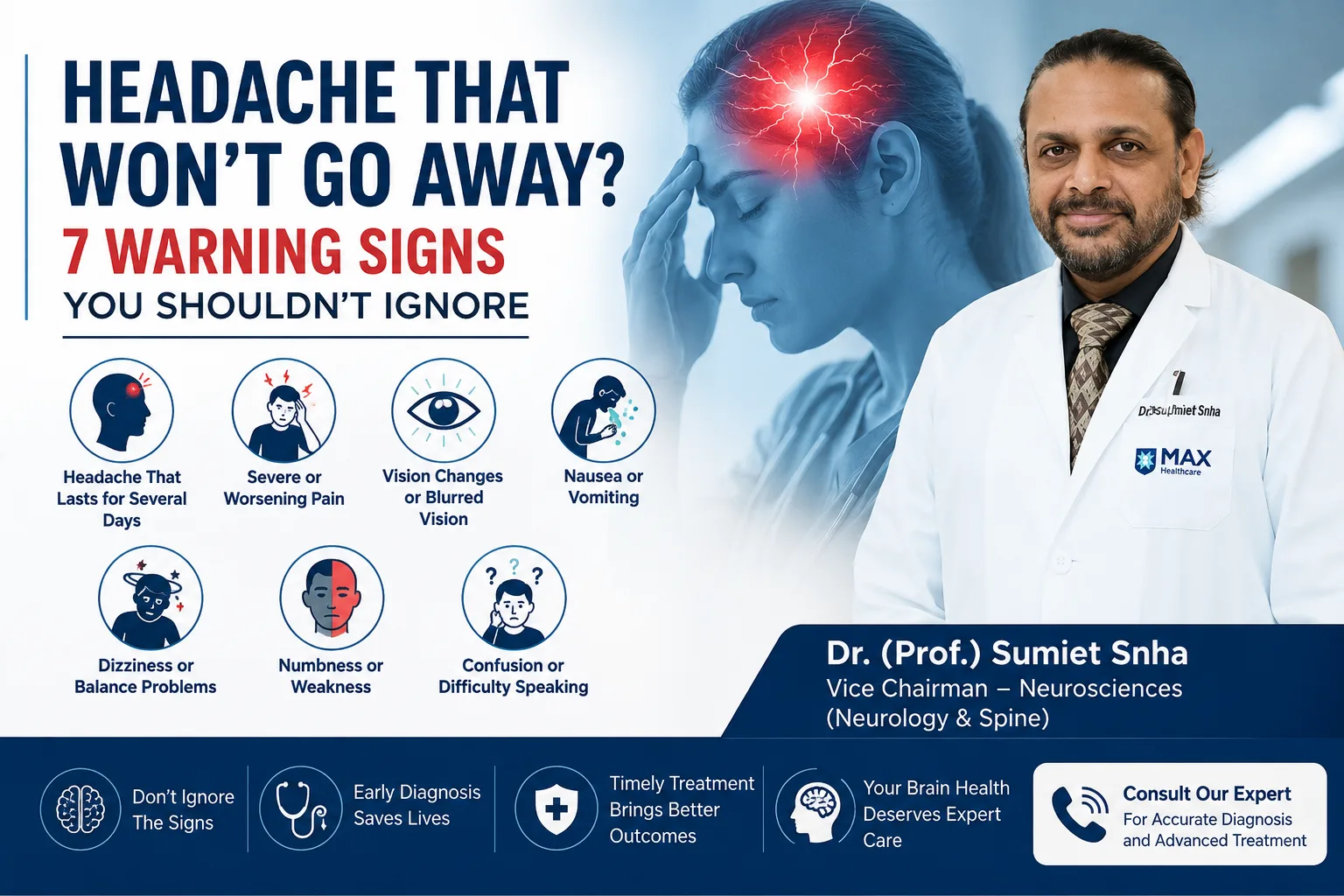
Headaches are one of the most common health complaints, and in many cases they improve with rest, hydration, or appropriate medication. However, a persistent headache that lasts for several days, keeps returning, or gradually becomes more severe should never be ignored. While stress, dehydration, lack of sleep, and migraines are frequent causes, a headache that won't go away may sometimes be linked to an underlying neurological condition that requires prompt medical evaluation. Understanding the warning signs can help you recognize when professional care is needed. In this guide, we'll discuss seven important red flags, explore chronic headache symptoms, and explain why early diagnosis plays a vital role in identifying the cause and improving treatment outcomes.
What Is a Persistent Headache?
A persistent headache is a headache that continues for several days, occurs repeatedly over weeks, or does not improve as expected with rest or standard treatment. Unlike an occasional headache triggered by temporary factors such as stress or lack of sleep, persistent headaches may indicate an ongoing health issue that deserves medical attention. The constant headache causes can range from migraines, tension headaches, and sinus problems to high blood pressure, medication overuse, or certain neurological disorders. Although many causes of persistent headaches are treatable, a headache that becomes more frequent, more intense, or is accompanied by symptoms such as vision changes, weakness, or confusion should be evaluated promptly by a qualified healthcare professional for an accurate diagnosis and appropriate treatment.
Comparison Table: Normal Headache vs Persistent Headache
|
Feature |
Normal Headache |
Persistent Headache |
|
Duration |
Usually lasts from 30 minutes to a few hours |
Persists for several days or recurs frequently over weeks or months |
|
Frequency |
Occurs occasionally due to temporary triggers |
Happens repeatedly, daily, or becomes increasingly frequent |
|
Pain Intensity |
Mild to moderate and manageable |
Moderate to severe, often affecting daily activities |
|
Common Causes |
Stress, dehydration, lack of sleep, eye strain |
Migraines, chronic tension headaches, medication overuse, neurological disorders, high blood pressure, or other underlying medical conditions |
|
Response to Medication |
Generally improves with hydration, rest, or over-the-counter pain relievers |
May provide only temporary relief or fail to improve despite medication |
|
Associated Symptoms |
Usually limited to head pain |
May occur with nausea, vomiting, blurred vision, dizziness, numbness, weakness, confusion, or balance problems |
|
Impact on Daily Life |
Minimal and short-lived |
Can interfere with work, sleep, concentration, and overall quality of life |
|
When to Seek Medical Care |
Usually not necessary unless headaches become frequent |
Prompt medical evaluation is recommended, especially if accompanied by neurological symptoms or a sudden change in headache pattern |
Key Takeaway: An occasional headache is often related to temporary lifestyle factors and usually resolves with simple measures. In contrast, a persistent headache that continues, worsens over time, or occurs alongside neurological symptoms should never be ignored, as it may indicate an underlying medical condition requiring timely diagnosis and treatment.
7 Warning Signs You Shouldn't Ignore
1. Headache That Lasts for Several Days
A headache that won't go away despite rest, hydration, or prescribed medication should never be overlooked. A persistent headache that becomes more frequent or gradually worsens may be a sign of an underlying medical condition requiring professional evaluation.
Warning signs include:
- Headache lasting several days without improvement
- Pain returning soon after taking medication
- Increasing intensity or frequency
- Difficulty carrying out daily activities
- Persistent pain accompanied by nausea or fatigue
2. Sudden Severe Headache
A sudden, extremely intense headache—often called a thunderclap headache—is one of the most important severe headache warning signs. Because it can indicate a medical emergency such as bleeding in the brain or a stroke, immediate medical attention is essential.
Emergency headache symptoms include:
- Sudden "worst headache of your life"
- Pain reaching maximum intensity within seconds or minutes
- Neck stiffness
- Loss of consciousness
- Seizures
- Confusion or difficulty speaking
3. Headache With Vision Changes
A headache accompanied by blurred vision, double vision, or temporary vision loss may indicate increased pressure inside the skull or another neurological disorder. These neurological headache symptoms should always be assessed promptly.
Serious headache symptoms include:
- Blurred vision
- Double vision
- Temporary or permanent vision loss
- Sensitivity to light
- Eye pain with headache
- Difficulty focusing on objects
4. Headache With Weakness or Numbness
If a headache occurs together with weakness, numbness, facial drooping, or difficulty speaking, it may represent headache and stroke symptoms or another neurological emergency. These symptoms require urgent medical evaluation.
Seek immediate care if you experience:
- Weakness on one side of the body
- Numbness in the face, arm, or leg
- Slurred speech
- Difficulty understanding conversations
- Facial drooping
- Loss of balance or coordination
5. Headache With Persistent Vomiting
Repeated vomiting together with a severe headache may suggest increased pressure inside the brain or another serious neurological condition. While dehydration can also contribute to headaches, persistent vomiting should never be ignored.
Important headache warning signs include:
- Vomiting without stomach illness
- Headache worsening after vomiting
- Difficulty keeping food or fluids down
- Severe nausea lasting several hours
- Dizziness or extreme weakness
- Reduced alertness
6. Headache That Wakes You From Sleep
A headache that repeatedly wakes you during the night or is most severe early in the morning may require medical investigation. Although there are several possible causes, it can sometimes be associated with increased intracranial pressure or brain tumor headache signs.
Watch for these symptoms:
- Early morning headaches
- Headaches that interrupt sleep
- Pain worsening when coughing or bending
- Persistent morning nausea
- Progressive increase in headache severity
- Other headache and brain tumor symptoms, such as vision changes or balance problems
7. Headache With Confusion or Memory Problems
When a headache is accompanied by confusion, memory loss, personality changes, or difficulty concentrating, it should be evaluated by a healthcare professional. These neurological headache symptoms may indicate a condition affecting normal brain function.
Symptoms to watch for include:
- Confusion or disorientation
- Difficulty remembering recent events
- Poor concentration
- Personality or behavior changes
- Trouble speaking clearly
- Increased drowsiness or reduced alertness
What Causes a Persistent Headache?
The causes of persistent headaches vary widely, ranging from common headache disorders to underlying medical conditions that require prompt diagnosis and treatment. While many headaches are not life-threatening, a persistent headache or unexplained headache that continues to recur or becomes more severe should be evaluated by a healthcare professional to identify its underlying cause.
Primary Headaches
Primary headaches are conditions in which the headache itself is the main disorder rather than a symptom of another illness. Common types include:
- Migraine: Often causes moderate to severe throbbing pain, usually on one side of the head, and may be accompanied by nausea, vomiting, or sensitivity to light and sound.
- Tension Headache: The most common type, typically causing a dull, tight, or pressure-like pain around the forehead or back of the head and neck.
- Cluster Headache: Characterized by sudden, extremely intense pain around one eye or one side of the head, often occurring in repeated cycles over several weeks.
Secondary Headaches
Secondary headaches develop because of another underlying medical condition. Identifying these conditions early is important, especially when headaches are persistent or associated with neurological symptoms.
- Brain Tumor: A growing brain tumor may cause headaches that gradually worsen over time and are often accompanied by vision changes, vomiting, or balance problems.
- Stroke: A sudden, severe headache with weakness, numbness, or difficulty speaking requires immediate emergency medical care.
- Brain Infection: Conditions such as meningitis or encephalitis can cause severe headache, fever, neck stiffness, and confusion.
- High Blood Pressure: Severely elevated blood pressure may trigger headaches, particularly when accompanied by dizziness or blurred vision.
- Head Injury: Persistent headaches following a fall or accident may indicate a concussion or other traumatic brain injury.
- Medication Overuse: Frequent use of pain-relieving medications can lead to rebound headaches, causing headaches to become more frequent and difficult to control.
Recognizing the underlying cause is essential because timely diagnosis and appropriate treatment can prevent complications and improve long-term health outcomes.
When Should You Seek Emergency Medical Care?
Knowing when to worry about a headache can help prevent serious complications. While many headaches improve with rest or medication, certain emergency headache symptoms require immediate medical attention because they may indicate a stroke, brain bleeding, a severe infection, or another life-threatening neurological condition. Do not delay seeking emergency care if you experience any of the following:
- A sudden, severe headache often described as the worst headache of your life
- A headache that develops after a fall, accident, or head injury
- Fever accompanied by a stiff neck
- Sudden blurred vision or vision loss
- Seizures or loss of consciousness
- Weakness or numbness, especially on one side of the body
- Difficulty speaking, understanding speech, or facial drooping
- Persistent vomiting that does not improve
- Confusion, unusual drowsiness, or changes in mental status
Prompt medical evaluation can help identify the underlying cause and ensure timely treatment, improving the chances of a better recovery.
How Is a Persistent Headache Diagnosed?
An accurate headache diagnosis begins with a detailed medical evaluation to determine the underlying cause of a persistent headache. Your healthcare provider will assess your symptoms, headache pattern, and overall health before recommending the most appropriate tests. The goal is to distinguish common headache disorders from conditions that require urgent treatment.
The diagnostic process may include:
- Medical History: Questions about the duration, frequency, severity, triggers, medications, and associated symptoms of your headache.
- Neurological Examination: Assessment of muscle strength, reflexes, coordination, balance, sensation, vision, and cognitive function.
- MRI Brain: Provides detailed images of the brain to detect tumors, inflammation, structural abnormalities, or other neurological conditions.
- CT Scan: Often performed in emergency situations to identify bleeding, stroke, skull fractures, or other acute brain conditions.
- Blood Tests: Help identify infections, inflammation, metabolic disorders, or other medical conditions that may contribute to headaches.
- Eye Examination: Evaluates vision and checks for increased pressure inside the eye or swelling of the optic nerve that may indicate elevated intracranial pressure.
- Additional Investigations: Depending on your symptoms, your doctor may recommend specialized tests such as a lumbar puncture (spinal tap), vascular imaging, or other diagnostic procedures to confirm the cause.
A timely and comprehensive headache diagnosis is essential for identifying the underlying condition and developing an effective treatment plan that addresses both the symptoms and their root cause.
Treatment Options for Persistent Headache
The most effective headache treatment options depend on the underlying cause of the persistent headache. After a thorough diagnosis, your healthcare provider will recommend a personalized treatment plan to relieve symptoms, address the root cause, and reduce the risk of future headaches.
Medical Treatment
Medical treatment focuses on managing pain and treating the condition responsible for the headache. Depending on the diagnosis, your doctor may recommend:
- Pain-relieving medications for short-term symptom control
- Migraine-specific medicines to reduce the frequency and severity of migraine attacks
- Blood pressure medications if uncontrolled hypertension is contributing to headaches
- Antibiotics, antivirals, or other appropriate treatments for infections affecting the brain or surrounding tissues
Lifestyle Changes
Healthy daily habits can play an important role in preventing recurring headaches and improving overall well-being. Helpful lifestyle measures include:
- Staying well hydrated throughout the day
- Maintaining a regular sleep schedule
- Practicing stress management techniques such as meditation or relaxation exercises
- Following a balanced and nutritious diet
- Exercising regularly, as advised by your healthcare provider
- Identifying and avoiding personal headache triggers, including certain foods, alcohol, or prolonged screen time
Advanced Treatment
Some persistent headaches are caused by serious neurological conditions that require specialized care. In these situations, treatment may include:
- Surgery to remove or manage a brain tumor when clinically appropriate
- Stroke management, including emergency treatment and rehabilitation, depending on the type of stroke
- Neurosurgical care for conditions such as brain hemorrhage, hydrocephalus, or other structural abnormalities requiring expert intervention
Early diagnosis and timely treatment improve the likelihood of effective symptom control and better long-term health outcomes.
Tips to Prevent Frequent Headaches
Although not every headache can be prevented, adopting healthy lifestyle habits can significantly reduce the risk of developing frequent or persistent headaches. Simple daily changes can improve overall brain health and help minimize common headache triggers.
- Stay hydrated by drinking enough water throughout the day.
- Get enough sleep and maintain a consistent sleep schedule.
- Reduce stress through meditation, deep breathing, or yoga.
- Limit excessive screen time and take regular breaks to reduce eye strain.
- Exercise regularly to improve blood circulation and overall health.
- Maintain healthy posture, especially while working at a desk or using digital devices.
- Keep a headache diary to identify patterns, triggers, and symptoms, helping your healthcare provider recommend the most effective treatment plan.
Why Early Diagnosis Matters
Early diagnosis is essential when a headache is persistent, changes in pattern, or is accompanied by neurological symptoms. Prompt medical evaluation can help identify underlying conditions such as migraines, stroke, brain tumors, infections, or other neurological disorders before they become more serious. Timely treatment not only helps prevent complications but also improves recovery, reduces the risk of long-term disability, and enhances overall quality of life. If your headache persists, worsens over time, or is associated with warning signs, consult a qualified neurologist or neurosurgeon for an accurate diagnosis and appropriate treatment plan.
About Dr. (Prof.) Sumiet Snha
Dr. (Prof.) Sumiet Snha is the Vice Chairman – Neurosciences (Neurology & Spine) with over 25 years of experience in neurosurgery and spine care. He completed his MCh in Neurosurgery from AIIMS, New Delhi, and has received advanced training from internationally renowned neurosurgeons in Japan, Brazil, and Germany. An expert in minimally invasive brain and spine surgery, he specializes in brain tumors, spinal disorders, traumatic brain injuries, and complex peripheral nerve surgeries. Dr. Snha has performed more than 250 advanced nerve injury surgeries, actively contributes to medical research and education, and is recognized for delivering evidence-based, patient-focused neurological care.
Frequently Asked Questions (FAQs)
1. What causes a persistent headache?
A persistent headache can result from migraines, tension headaches, cluster headaches, medication overuse, dehydration, or sinus problems. In some cases, it may be linked to more serious conditions such as high blood pressure, brain infections, stroke, or a brain tumor. A medical evaluation helps determine the exact cause.
2. When should I worry about a headache?
You should seek medical attention if a headache is severe, lasts for several days, keeps returning, or is accompanied by vision changes, weakness, numbness, confusion, seizures, persistent vomiting, or difficulty speaking. These symptoms may indicate a serious neurological condition that requires prompt diagnosis and treatment.
3. Can a persistent headache be a sign of a brain tumor?
Yes, although most headaches are not caused by brain tumors. A brain tumor may cause a persistent headache that gradually worsens over time and is often associated with symptoms such as blurred vision, nausea, vomiting, balance problems, or weakness. Imaging tests such as an MRI help confirm the diagnosis.
4. What tests diagnose chronic headaches?
Doctors diagnose chronic headaches by reviewing your medical history and performing a neurological examination. Depending on your symptoms, they may recommend an MRI brain scan, CT scan, blood tests, eye examination, or other investigations to identify the underlying cause and rule out serious neurological disorders.
5. Can stress cause a persistent headache?
Yes. Chronic stress is one of the most common triggers for tension headaches and migraines. Ongoing stress can lead to frequent headaches, muscle tightness, poor sleep, and fatigue. Managing stress through relaxation techniques, regular exercise, and adequate sleep can help reduce headache frequency.
6. Should I visit a neurologist for frequent headaches?
If your headaches occur frequently, become more severe, do not improve with treatment, or are accompanied by neurological symptoms, you should consult a neurologist. Early evaluation can help identify the underlying cause and ensure you receive the most appropriate treatment before complications develop.
7. How long is too long for a headache to last?
A headache that lasts longer than 48 hours, recurs frequently, or continues despite medication should not be ignored. Persistent or worsening headaches require medical assessment to determine whether an underlying medical or neurological condition is responsible.
8. Can dehydration cause a persistent headache?
Yes. Dehydration can trigger headaches by reducing fluid balance and affecting blood flow to the brain. Drinking enough water throughout the day and replacing lost fluids during hot weather or exercise can help prevent dehydration-related headaches.
9. Can high blood pressure cause headaches?
Severely elevated blood pressure may cause headaches, particularly when accompanied by blurred vision, dizziness, chest pain, or shortness of breath. Although mild hypertension often causes no symptoms, sudden severe headaches with very high blood pressure require immediate medical attention.
10. What lifestyle changes help prevent frequent headaches?
Healthy habits such as staying hydrated, getting enough sleep, managing stress, exercising regularly, limiting excessive screen time, maintaining good posture, and avoiding known headache triggers can significantly reduce the frequency of recurring headaches.
11. Can headaches be prevented without medication?
Many headaches can be reduced through lifestyle modifications, including regular sleep, proper hydration, balanced nutrition, stress management, and avoiding triggers such as alcohol, skipped meals, or prolonged screen use. However, some people may still require medical treatment depending on the underlying cause.
12. When should I see a neurosurgeon for a persistent headache?
A neurosurgical consultation may be recommended if imaging studies reveal conditions such as a brain tumor, hydrocephalus, or other structural abnormalities, or if a persistent headache is associated with neurological symptoms like weakness, seizures, vision changes, or progressive worsening despite treatment.
Conclusion
A persistent headache is often caused by common conditions such as migraines, tension headaches, or lifestyle factors, but it should never be ignored if it becomes more frequent, worsens over time, or is accompanied by warning signs like vision changes, weakness, confusion, or persistent vomiting. Seeking timely medical evaluation is essential to identify the underlying cause and begin appropriate treatment. Early diagnosis not only helps detect serious neurological conditions at an earlier stage but also improves treatment outcomes, reduces the risk of complications, and supports better long-term brain health and quality of life.




0 Comments