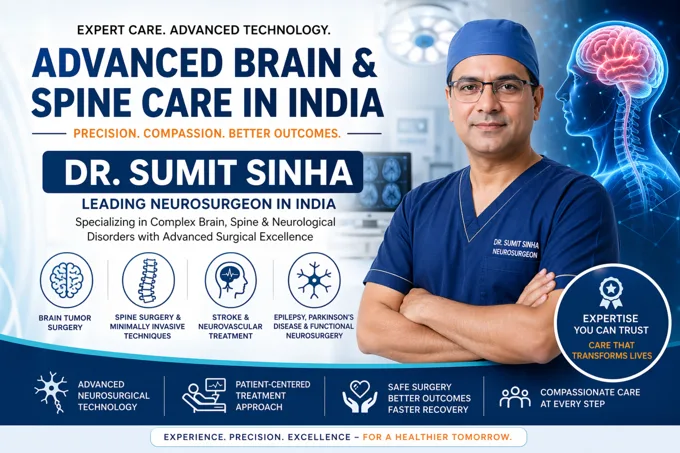
When it comes to advanced neurological care and brain surgery in India, choosing the right specialist can be life-changing. Brain-related disorders require not only medical precision but also years of surgical expertise, advanced technology, and patient-centered care. Among the leading neurosurgeons in India, Dr. Sumit Sinha stands out as a trusted name for comprehensive neurological treatment and complex brain surgeries.
India has emerged as a global hub for neurosurgery, with highly qualified specialists trained at premier institutions and experienced in handling complex cases. Neurosurgery involves the diagnosis and treatment of disorders related to the brain, spine, and nervous system, requiring exceptional skill and precision. Leading neurosurgeons in India are known for performing advanced procedures such as minimally invasive brain surgery, tumor removal, and spinal surgeries.
In this detailed article, we will explore everything about Dr. Sumit Sinha, including his qualifications, experience, specialties, treatment approach, and why he is considered one of the top brain specialists in India.
Who is Dr. Sumit Sinha?
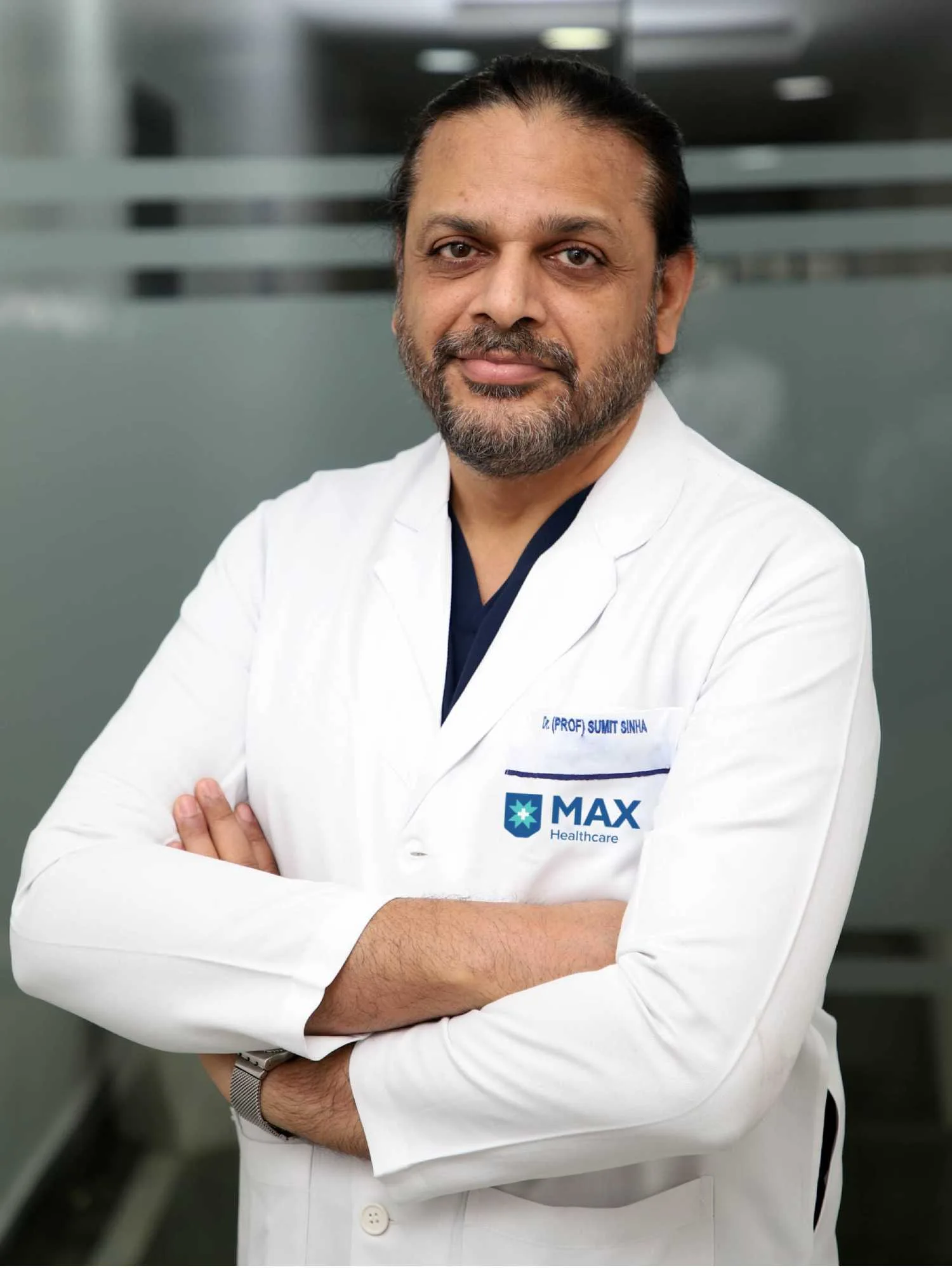
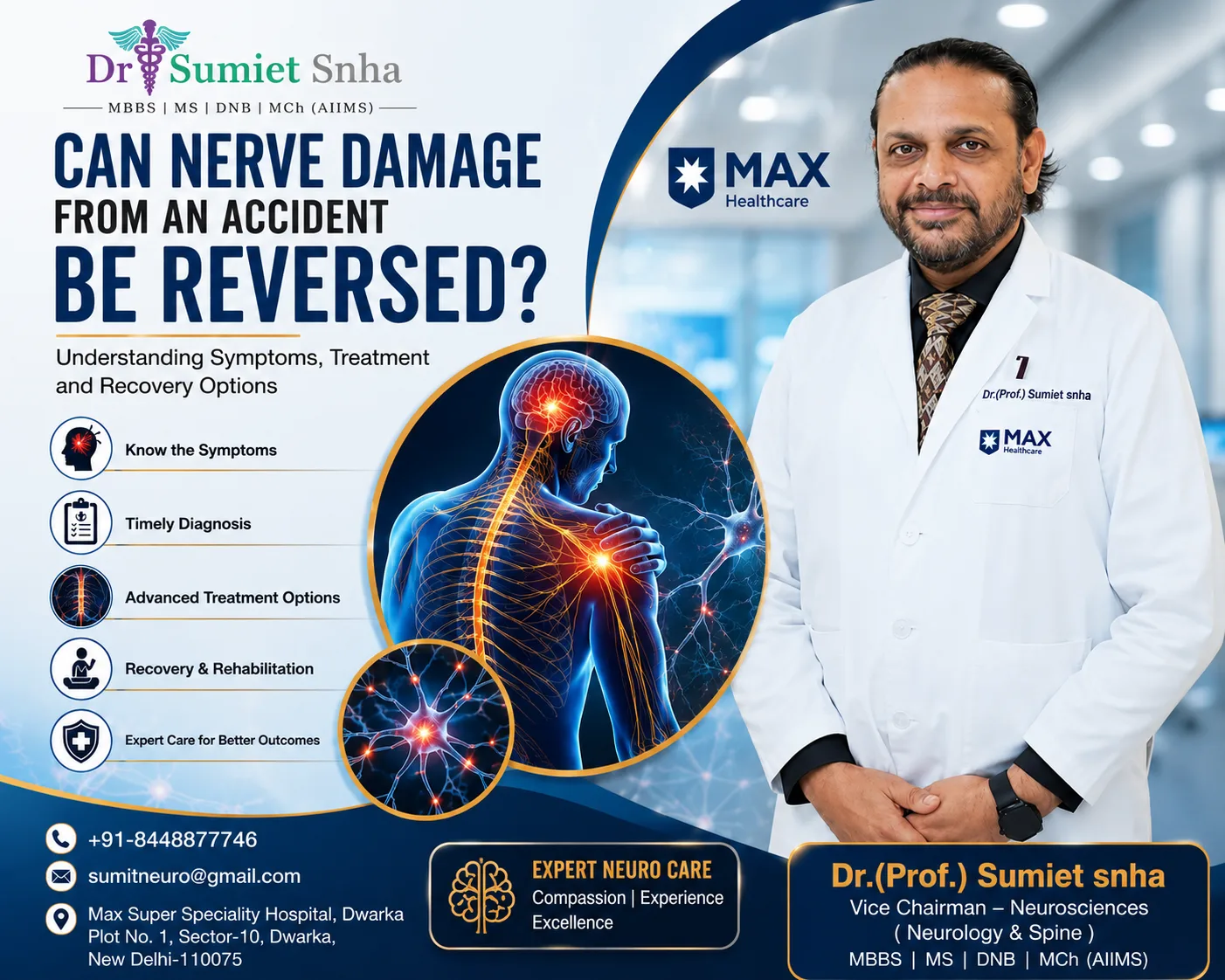
Dr. Sumit Sinha is a highly experienced and reputed neurosurgeon in India, known for his expertise in treating complex neurological conditions and performing advanced brain and spine surgeries. With years of clinical experience and a strong academic background, he has built a reputation for delivering successful outcomes in even the most challenging cases.
He is recognized for:
- Advanced neurosurgical techniques
- Precision-driven brain surgeries
- Patient-focused treatment planning
- Use of modern medical technologies
His commitment to excellence and patient safety has made him a preferred choice for both Indian and international patients seeking neurological care.
Educational Qualifications & Medical Training
A top neurosurgeon’s foundation lies in rigorous education and specialized training. Like other leading neurosurgeons in India, such as Ashish Suri, who is known for advanced neurosurgical innovations, top specialists undergo extensive academic and surgical training.
Dr. Sumit Sinha’s Academic Background
- MBBS – Bachelor of Medicine and Bachelor of Surgery
- MS – General Surgery
- MCh – Neurosurgery (Super-specialization)
His advanced training in neurosurgery enables him to handle critical and life-threatening neurological disorders with precision.
Professional Experience
Experience is one of the most important factors when choosing a brain specialist. Neurosurgery is a field where practical expertise plays a crucial role in patient outcomes.
Years of Experience
Dr. Sumit Sinha has extensive experience in:
- Brain tumor surgeries
- Spine surgeries
- Neuro-trauma cases
- Complex neurological disorders
Top neurosurgeons in India often have decades of experience in treating brain disorders and performing complex procedures. For example, Veer Singh Mehta is known for pioneering brain and spinal surgeries in India.
Similarly, Dr. Sinha has built his expertise through years of hands-on surgical practice and patient care.
Areas of Specialization
Dr. Sumit Sinha specializes in a wide range of neurological treatments and surgical procedures. His expertise covers both routine and highly complex cases.
1. Brain Tumor Surgery
- Removal of benign and malignant tumors
- Skull base tumor surgery
- Advanced microsurgical techniques
2. Spine Surgery
- Slip disc treatment
- Spinal tumors
- Minimally invasive spine surgery
3. Neuro-Trauma Care
- Head injury management
- Emergency brain surgeries
- Critical care neurosurgery
4. Stroke & Vascular Disorders
- Brain hemorrhage treatment
- Aneurysm surgery
- AVM (Arteriovenous Malformation) treatment
5. Functional Neurosurgery
- Epilepsy surgery
- Parkinson’s disease treatment
- Deep brain stimulation
Modern neurosurgery has evolved significantly, allowing specialists to perform minimally invasive procedures with improved accuracy and faster recovery.
Advanced Technologies Used
One of the reasons why Dr. Sumit Sinha is considered among the best brain specialists in India is his use of advanced medical technologies.
Key Technologies
- Neuro-navigation systems
- Microsurgical instruments
- Endoscopic brain surgery
- Image-guided surgery
These technologies help in:
- Accurate diagnosis
- Reduced surgical risk
- Faster recovery
- Better patient outcomes
Treatment Approach & Philosophy
Dr. Sumit Sinha follows a patient-first approach, focusing on personalized care and evidence-based treatment.
Key Principles
- Accurate diagnosis before treatment
- Minimal invasive procedures whenever possible
- Clear communication with patients
- Holistic recovery planning
His approach ensures that patients receive not only surgical care but also emotional and psychological support during treatment.
Why Choose Dr. Sumit Sinha?
Choosing the right neurosurgeon is critical. Here’s why Dr. Sumit Sinha is a top choice:
1. Expertise in Complex Cases
He handles high-risk and complicated neurological conditions with confidence and precision.
2. Advanced Surgical Skills
Use of modern techniques ensures better success rates.
3. Patient-Centric Care
Focus on comfort, safety, and long-term recovery.
4. Proven Track Record
Successful outcomes in brain and spine surgeries.
Neurological Care in India – A Growing Hub
India is now recognized globally for advanced neurological treatment due to:
- Highly skilled neurosurgeons
- Affordable treatment costs
- Advanced medical infrastructure
The legacy of neurosurgery in India dates back to pioneers like Jacob Chandy, who established the foundation of modern neurosurgical practices in the country.
Today, specialists like Dr. Sumit Sinha continue this legacy by offering world-class treatment.
Conditions Treated by Dr. Sumit Sinha
Patients consult Dr. Sinha for various neurological conditions, including:
- Brain tumors
- Spine disorders
- Stroke
- Epilepsy
- Parkinson’s disease
- Head injuries
- Nerve disorders
Each condition requires a tailored treatment plan, which he carefully designs based on patient needs.
Success Rate & Patient Outcomes
Success in neurosurgery depends on:
- Surgeon’s expertise
- Technology used
- Early diagnosis
- Post-operative care
Dr. Sumit Sinha is known for delivering high success rates and improved patient recovery through a combination of advanced techniques and personalised care.
Understanding Neurosurgery: Definition & Importance
Before exploring the advanced work of Dr Sumit Sinha, it’s important to clearly understand what neurosurgery actually involves.
What is Neurosurgery?
Neurosurgery is a specialised branch of Medicine that focuses on the diagnosis, treatment, and surgical management of disorders affecting the nervous system.
The nervous system includes:
- The brain (control center of the body)
- The spinal cord (communication pathway)
- The peripheral nerves (network connecting body parts)
In Simple Terms
Neurosurgery deals with conditions that affect how the brain and nerves function — including movement, memory, sensation, and overall body control.
Why Neurosurgery is Critical
- The brain controls every function in the body
- Even minor errors can lead to serious complications
- Requires extreme precision and expertise
That’s why specialists like Dr. Sumit Sinha are trained for years to perform these delicate procedures.
Brain Tumor Surgery – Complete
What is a Brain Tumor?
A brain tumor is an abnormal growth of cells in the brain that can interfere with normal brain function.
It can be:
- Benign (non-cancerous) – grows slowly
- Malignant (cancerous) – aggressive and spreads quickly
Types of Brain Tumors
- Primary brain tumors (originating in the brain)
- Secondary tumors (spread from other parts of the body)
Symptoms of Brain Tumors
- Persistent headaches
- Seizures
- Vision or speech problems
- Memory loss
- Weakness in limbs
What is Brain Tumor Surgery?
Brain tumor surgery is a medical procedure performed to:
- Remove the tumor completely or partially
- Reduce pressure on the brain
- Improve neurological function
Types of Brain Tumor Surgery
1. Craniotomy
A surgical procedure where a portion of the skull is temporarily removed to access the brain.
2. Minimally Invasive Brain Surgery
- Uses small incisions
- Faster recovery
- Less pain and complications
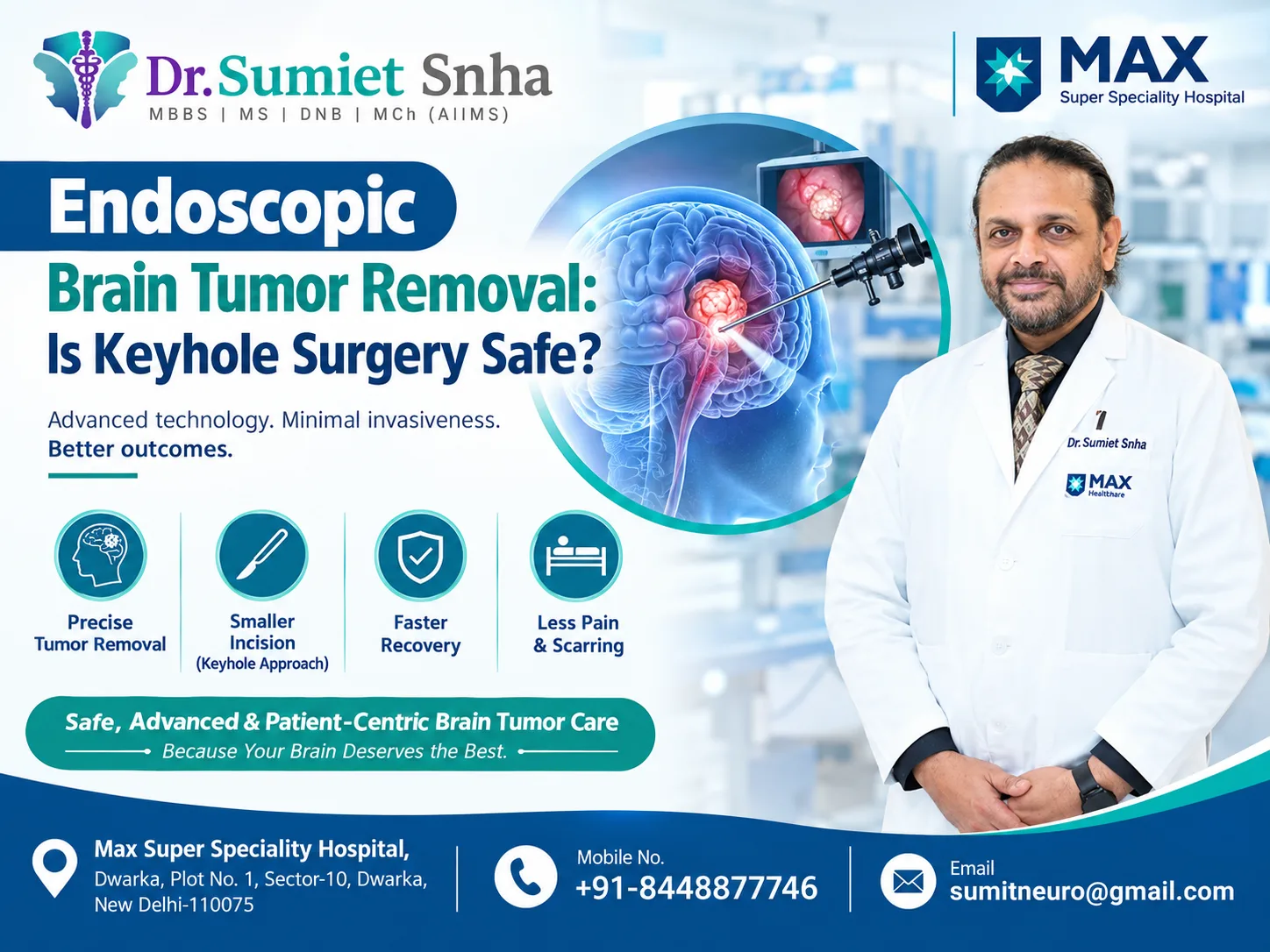
3. Endoscopic Brain Surgery
Performed using a thin tube with a camera (endoscope) for precision.
How Dr. Sumit Sinha Performs Brain Tumor Surgery
Dr. Sinha uses:
- Advanced imaging for accurate tumor mapping
- Microsurgical techniques for precision
- Neuro-navigation systems to avoid damage to healthy tissue
This ensures:
- Maximum tumor removal
- Minimal complications
- Faster patient recovery
Spine Surgery – In-Depth Explanation
What is Spine Surgery?
Spine surgery is a procedure used to treat disorders affecting the spinal column, including bones, discs, and nerves.
Common Spine Conditions Treated
- Herniated disc (slipped disc)
- Spinal stenosis (narrowing of spinal canal)
- Spinal tumors
- Degenerative disc disease
What is a Herniated Disc?
A herniated disc occurs when the soft inner material of a spinal disc pushes out through its outer layer, pressing on nearby nerves.
Symptoms
- Back pain
- Numbness
- Weakness in limbs
- Sciatica (pain radiating down the leg)
Types of Spine Surgery
1. Discectomy
Removal of the damaged disc to relieve nerve pressure.
2. Spinal Fusion
Joining two or more vertebrae to stabilize the spine.
3. Minimally Invasive Spine Surgery
- Smaller incisions
- Less blood loss
- Faster healing
Dr. Sumit Sinha’s Approach to Spine Surgery
- Focus on non-surgical treatment first
- Uses minimally invasive techniques when possible
- Ensures long-term spinal stability
Neuro-Trauma Care
What is Neuro-Trauma?
Neuro-trauma refers to injuries affecting the brain, spinal cord, or nerves due to external force.
Common Causes
- Road accidents
- Falls
- Sports injuries
- Physical trauma
Types of Neuro-Trauma
1. Traumatic Brain Injury (TBI)
Damage to the brain caused by a sudden impact.
2. Spinal Cord Injury
Damage that affects movement and sensation below the injury site.
Symptoms of Neuro-Trauma
- Loss of consciousness
- Severe headache
- Paralysis
- Confusion
Emergency Care by Dr. Sumit Sinha
- Rapid diagnosis using CT/MRI scans
- Immediate surgical intervention if needed
- Critical care management
His expertise ensures life-saving decisions under pressure, which is crucial in trauma cases.
Stroke & Vascular Brain Disorders
What is a Stroke?
A stroke occurs when blood flow to the brain is interrupted, leading to brain cell damage.
Types of Stroke
1. Ischemic Stroke
Caused by a blockage in blood vessels.
2. Hemorrhagic Stroke
Caused by bleeding in the brain.
Symptoms of Stroke
- Sudden weakness
- Slurred speech
- Loss of balance
- Facial drooping
What is an Aneurysm?
An aneurysm is a bulge in a blood vessel that can rupture and cause life-threatening bleeding.
Treatment Methods Used
- Clipping surgery
- Coiling procedure
- Advanced neurovascular surgery
Dr. Sinha ensures timely intervention to prevent permanent damage.
Functional Neurosurgery – Advanced Explanation
What is Functional Neurosurgery?
Functional neurosurgery focuses on treating disorders that affect brain function rather than structure.
Conditions Treated
- Parkinson’s Disease
- Epilepsy
- Movement disorders
What is Deep Brain Stimulation (DBS)?
DBS is an advanced surgical procedure where electrodes are implanted in specific areas of the brain to regulate abnormal signals.
Benefits of DBS
- Reduces tremors
- Improves movement
- Enhances quality of life
Advanced Neurosurgical Technologies
1. Neuro-Navigation System
A computer-assisted technology that acts like a GPS for the brain during surgery.
Benefits:
- High precision
- Reduced risk
- Better outcomes
2. Microsurgery
A technique that uses high-powered microscopes to perform delicate brain surgeries.
3. Endoscopic Surgery
A minimally invasive method using a camera and specialized instruments.
4. Image-Guided Surgery
Uses real-time imaging (MRI/CT) to guide surgical procedures.
Patient Journey: Step-by-Step Process
1. Initial Consultation
- Detailed medical history
- Neurological examination
2. Diagnosis
- MRI / CT scan
- Blood tests
3. Treatment Planning
- Personalized treatment approach
- Discussion with patient and family
4. Surgery (if required)
- Performed using advanced techniques
5. Post-Operative Care
- Monitoring
- Rehabilitation
Importance of Early Diagnosis in Neurological Disorders
Why Early Detection Matters
- Prevents disease progression
- Improves treatment success
- Reduces complications
Common Warning Signs
- Chronic headaches
- Sudden weakness
- Memory issues
- Seizures
Early consultation with experts like Dr. Sumit Sinha can significantly improve outcomes.
Awards, Achievements & Professional Recognition
When evaluating a top neurosurgeon like Dr. Sumit Sinha, awards and recognitions are not just decorative titles—they are indicators of clinical excellence, peer recognition, and contribution to the medical field.
What are Medical Achievements?
Medical achievements refer to recognitions earned by a doctor for excellence in patient care, surgical success, research contributions, and innovation in treatment techniques.
These achievements usually come from:
- Medical institutions
- Healthcare organizations
- Academic bodies
- Peer-reviewed contributions
Key Professional Highlights of Dr. Sumit Sinha
While individual recognitions may vary over time, Dr. Sinha is widely acknowledged for:
1. Excellence in Neurosurgery
This refers to consistently performing complex brain and spine surgeries with high precision and success rates.
2. Advanced Surgical Expertise
He is known for applying modern neurosurgical techniques, including minimally invasive procedures and image-guided surgeries.
3. Contribution to Patient Care
His approach focuses on:
- Accurate diagnosis
- Personalized treatment
- Ethical medical practice
Why Achievements Matter for Patients
Achievements are important because they reflect:
- Trustworthiness of the doctor
- Proven clinical experience
- Ability to handle critical cases
In simple terms, a highly awarded neurosurgeon is more likely to deliver safe and effective treatment outcomes.
Patient Testimonials & Real-Life Experience
What are Patient Testimonials?
Patient testimonials are real-life experiences shared by individuals who have undergone treatment, describing their journey, results, and satisfaction level.
Why Testimonials are Important
They help new patients understand:
- Doctor’s behavior and communication
- Treatment effectiveness
- Hospital experience
- Recovery process
Common Patient Feedback for Dr. Sumit Sinha
Patients often highlight:
1. Clear Communication
Dr. Sinha explains complex neurological conditions in simple language, helping patients make informed decisions.
2. Confidence & Trust
His calm and confident approach reassures patients, especially during critical conditions.
3. Successful Outcomes
Many patients report improvement in:
- Pain relief
- Mobility
- Overall quality of life
What Defines a Good Patient Experience?
A good patient experience includes:
- Proper diagnosis
- Transparent communication
- Safe surgery
- Post-treatment support
Dr. Sinha focuses on all these aspects to ensure holistic care.
Comprehensive Neurological Care
What is Comprehensive Care?
Comprehensive neurological care refers to a complete treatment approach that covers every stage of the patient journey, from diagnosis to recovery.
Components of Comprehensive Care
1. Diagnosis
Accurate identification of the problem using:
- MRI scans
- CT scans
- Neurological tests
2. Treatment Planning
A customized plan based on:
- Patient condition
- Medical history
- Severity of disease
Depending on the condition:
- Medication
- Therapy
- Surgery
4. Rehabilitation
Recovery process that includes:
- Physiotherapy
- Cognitive therapy
- Lifestyle changes
Dr. Sumit Sinha’s Role in Comprehensive Care
He ensures:
- End-to-end patient support
- Coordination with medical teams
- Continuous monitoring
Importance of Choosing the Right Brain Specialist
What is a Brain Specialist?
A brain specialist, also known as a neurosurgeon, is a doctor who specialises in treating disorders of the brain and nervous system, often through surgical procedures.
Factors to Consider While Choosing a Neurosurgeon
1. Experience
Experience refers to the number of years a doctor has practiced and the variety of cases handled.
2. Expertise
Expertise means specialized knowledge in specific procedures like tumor removal or spine surgery.
3. Technology Usage
Modern tools improve:
- Accuracy
- Safety
- Recovery time
4. Patient Reviews
Feedback helps assess real-world performance.
Why Dr. Sumit Sinha is a Trusted Choice
- Strong academic background
- Extensive surgical experience
- Advanced technology usage
- Patient-first philosophy
Common Neurological Disorders
Understanding these conditions helps patients seek timely treatment.
1. Brain Tumor
An abnormal growth of cells in the brain that disrupts normal functioning.
2. Stroke
A condition where blood supply to the brain is interrupted, leading to cell damage.
3. Parkinson’s Disease
A progressive disorder affecting movement, causing tremors, stiffness, and slow motion.
4. Epilepsy
A neurological condition characterized by repeated seizures due to abnormal brain activity.
5. Spinal Disorders
Conditions affecting the spine that may cause pain, weakness, or mobility issues.
Future of Neurosurgery in India
India is rapidly advancing in the field of neurosurgery due to:
- Technological innovation
- Skilled specialists
- Affordable healthcare
Emerging Trends
- Robotic-assisted surgery
- AI-based diagnosis
- Minimally invasive procedures
Doctors like Dr. Sumit Sinha are contributing to this advancement by adopting modern techniques.
FAQs:
1. Who is Dr. Sumit Sinha?
Dr. Sumit Sinha is a skilled neurosurgeon in India specializing in brain and spine treatments, known for handling complex neurological cases with advanced techniques.
2. What conditions does he treat?
He treats brain tumors, stroke, spine disorders, head injuries, and conditions like Epilepsy and Parkinson’s Disease.
3. What is neurosurgery?
Neurosurgery is a medical field focused on treating brain, spine, and nerve disorders through surgical procedures when other treatments are not enough.
4. When should I consult a brain specialist?
Consult a specialist if you have symptoms like frequent headaches, seizures, weakness, or memory issues, as early diagnosis improves treatment outcomes.
5. Is brain surgery safe?
Brain surgery is generally safe when performed by experienced neurosurgeons using modern technology and proper care.
6. What is minimally invasive surgery?
It is a modern surgical method using small incisions, which helps reduce pain, risk, and recovery time compared to traditional surgery.
Conclusion
Choosing the right neurosurgeon is a critical decision when dealing with brain and spine conditions. Dr. Sumit Sinha stands out as a trusted name in India due to his strong expertise, advanced surgical skills, and patient-focused approach. His ability to manage complex neurological disorders with precision and care makes him a preferred choice for many patients.
From accurate diagnosis to advanced treatment and post-surgery recovery, Dr. Sinha ensures comprehensive neurological care. With the use of modern technology and a commitment to delivering safe and effective outcomes, he continues to set high standards in neurosurgery.
If you are looking for a reliable brain specialist in India, Dr. Sumit Sinha offers the experience, skill, and dedication needed for quality neurological treatment and long-term recovery.
0 Comments