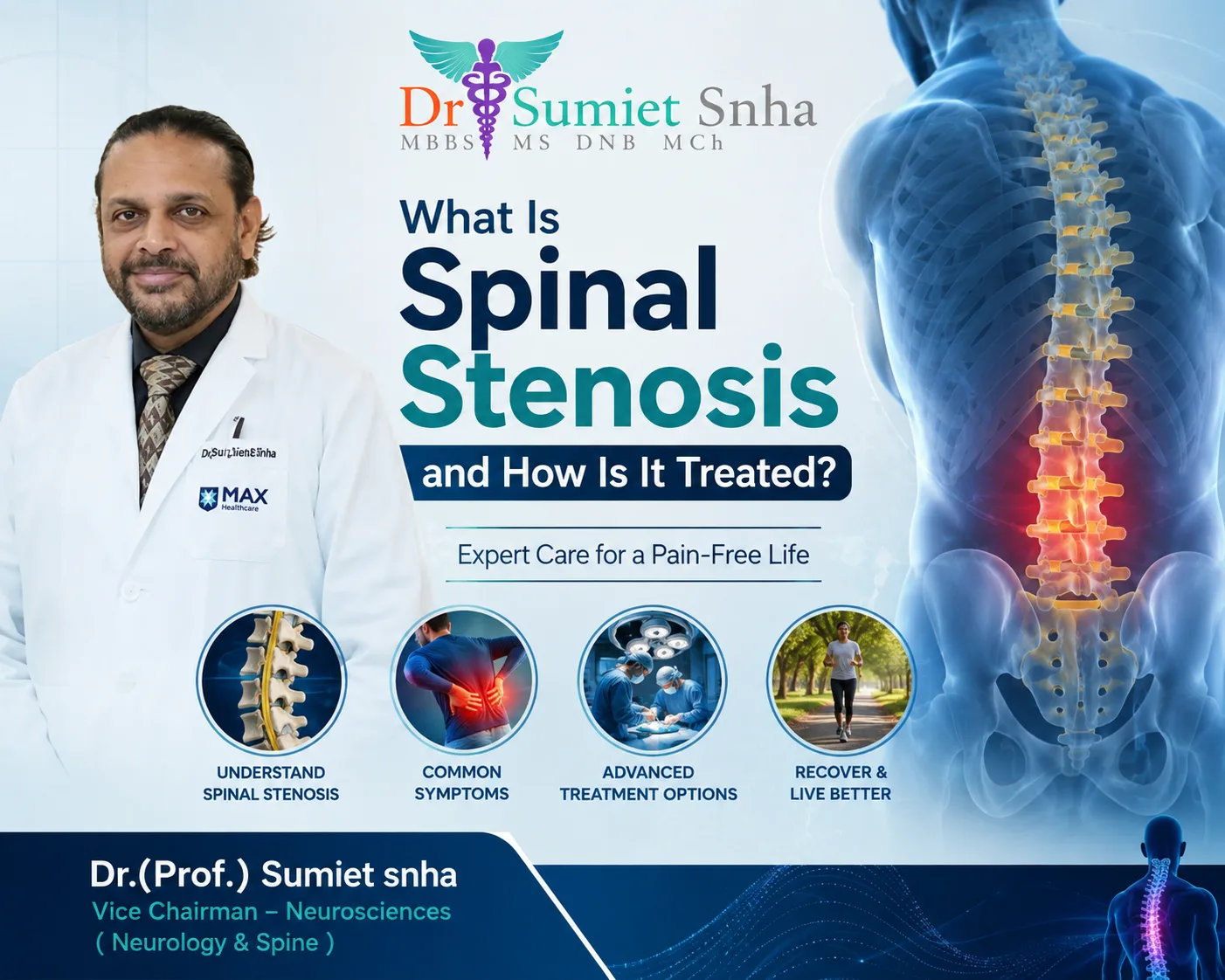
Spinal stenosis is a condition in which the spinal canal or nerve passageways become narrowed, potentially putting pressure on the spinal cord or nerves. It commonly develops due to age-related changes, arthritis, bone spurs, disc problems, or thickened spinal ligaments. Symptoms may include back or neck pain, numbness, tingling, weakness, and difficulty walking. Spinal stenosis treatment depends on the location and severity of narrowing, the symptoms and neurological findings, and how well a person responds to non-surgical care. With an accurate diagnosis and an individualized treatment plan, many patients can achieve meaningful symptom relief and improved mobility.
What Is Spinal Stenosis?
Spinal stenosis occurs when the spaces within the spine become narrower than normal, reducing room for the spinal cord or the nerves that travel through the spine. This spinal canal narrowing may gradually place pressure on nearby nerves, causing pain, numbness, tingling, or weakness. The condition most commonly affects the lower back, known as lumbar spinal stenosis, or the neck, called cervical spinal stenosis. It often develops gradually because of age-related changes such as arthritis, disc degeneration, or bone-spur formation. The symptoms and their severity can vary depending on the location and degree of nerve compression.
Where Can Spinal Stenosis Occur?
- Neck — Cervical spine: May affect the spinal cord or nerves supplying the arms and hands.
- Lower back — Lumbar spine: Can cause back pain and symptoms extending into the buttocks or legs.
- Thoracic spine: Less common, but narrowing can occur in the middle portion of the spine.
What Causes Spinal Stenosis?
The spinal stenosis causes can vary from natural ageing to structural changes affecting the spine. In many people, gradual wear and tear leads to narrowing of the spaces around the spinal cord and nerves. Common causes include arthritis, bone-spur formation, herniated or bulging discs, and thickened spinal ligaments. Some individuals are born with a naturally narrow spinal canal, increasing their risk of symptoms. Previous spinal injuries or surgery may also contribute to narrowing. Conditions such as spondylolisthesis, where one vertebra shifts relative to another, can further reduce available space and contribute to nerve compression.
What Are the Symptoms of Spinal Stenosis?
The spinal stenosis symptoms can differ depending on whether narrowing affects the neck or lower back and how much pressure is placed on the nerves or spinal cord. Some people have mild symptoms, while others experience significant limitations in daily activities.
Common Symptoms
- Back or neck pain
- Pain radiating into the legs or arms
- Numbness or tingling
- Muscle weakness
- Difficulty standing or walking for extended periods
- Leg heaviness, cramping, or discomfort
- Balance or coordination problems, particularly with cervical stenosis
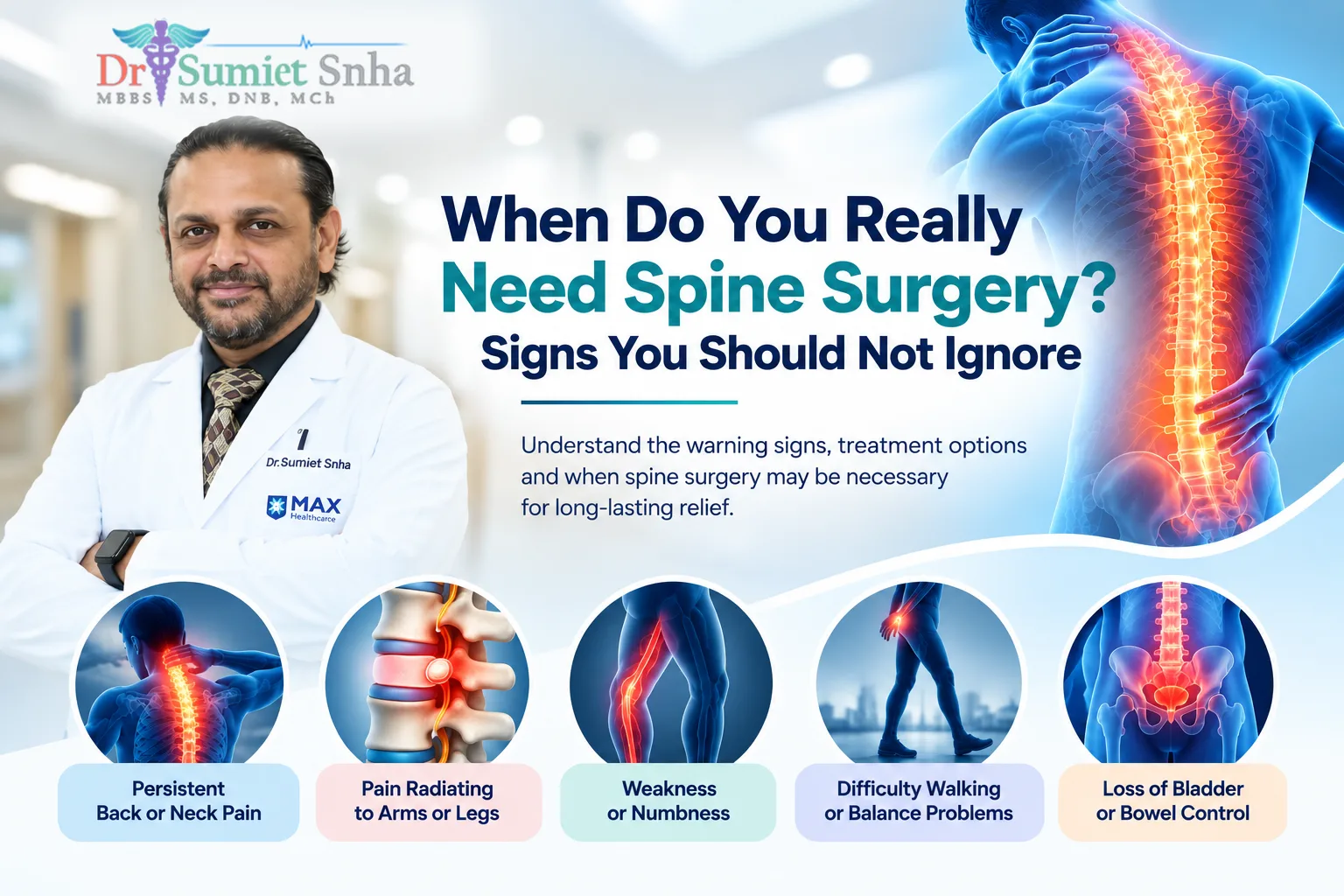
Early medical assessment can help identify the cause and guide appropriate spinal stenosis pain relief. Progressive weakness, severe walking difficulty, or new bladder or bowel problems require prompt medical evaluation.
How Is Spinal Stenosis Diagnosed?
An accurate spinal stenosis diagnosis begins with a detailed clinical assessment to understand symptoms, their duration, and how they affect movement and daily activities. A doctor may evaluate the spine and perform neurological tests to check strength, sensation, reflexes, and coordination.
Diagnostic Evaluation
- Medical history: Reviews symptoms, previous injuries, and relevant health conditions.
- Neurological examination: Assesses nerve and spinal cord function.
- X-rays: Can identify alignment changes, arthritis, or bone abnormalities.
- MRI: Provides detailed images of the spinal cord, nerves, discs, and surrounding tissues.
- CT scan: May provide additional information about bones and spinal structures.
- Nerve-related tests: Used selectively when further evaluation of nerve function is needed.
Importantly, imaging findings should always be considered alongside symptoms and examination results because spinal narrowing may be present without causing symptoms.
What Is the Best Spinal Stenosis Treatment?
The appropriate spinal stenosis treatment depends on symptom severity, neurological involvement, spinal level, overall health, and response to non-surgical treatment. There is no single treatment suitable for every patient. A specialist usually develops an individualized plan based on the underlying cause and functional limitations.
Non-Surgical Treatment for Spinal Stenosis
For many patients, initial care focuses on reducing symptoms and maintaining mobility. Non-surgical treatment for spinal stenosis may include:
- Activity modification to avoid movements that aggravate symptoms
- Medications for pain or inflammation when medically appropriate
- Spinal stenosis physiotherapy to improve strength, flexibility, and mobility
- Supervised strengthening and flexibility exercises
- Posture and movement guidance
- Weight management when appropriate
- Selected injections to provide temporary relief from persistent symptoms
Regular follow-up helps determine whether conservative treatment is providing sufficient improvement or whether further evaluation is needed. Patients should avoid starting exercises or medications without appropriate medical guidance, particularly when neurological symptoms are present.
When Is Spinal Stenosis Surgery Needed?
Spinal stenosis surgery is not necessary for everyone. Many patients can manage symptoms with appropriate non-surgical care, particularly when neurological function remains stable. Surgery may be considered when symptoms continue to significantly affect daily life despite conservative treatment or when nerve or spinal cord compression becomes severe.
Surgery May Be Considered When:
- Pain or other symptoms remain disabling despite appropriate treatment
- Progressive neurological weakness develops
- Significant nerve or spinal cord compression is identified
- Walking ability becomes substantially limited
- Severe symptoms interfere with normal daily activities
- Structural problems require decompression or spinal stabilization
The surgical approach depends on the affected spinal level, the cause and extent of narrowing, and the patient's overall condition. In selected cases, minimally invasive spine surgery may be an option when appropriate. A spine specialist can determine whether surgery is suitable after reviewing clinical findings and imaging.
Spinal Stenosis Treatment: Non-Surgical Care vs Surgery
The right spinal stenosis treatment depends on the severity of symptoms, neurological findings, spinal stability, and the patient's response to conservative care. Non-surgical approaches are often considered first, while surgery may be recommended when significant nerve or spinal cord compression causes persistent or progressive problems.
|
Treatment Approach |
Main Purpose |
When It May Be Used |
Key Consideration |
|
Physiotherapy & exercises |
Improve strength and mobility |
Mild to moderate symptoms |
Requires consistency |
|
Medicines |
Manage pain and inflammation |
Symptom control |
Should be medically appropriate |
|
Injections |
Provide temporary symptom relief in selected cases |
Persistent nerve-related pain |
Benefits vary |
|
Decompression surgery |
Relieve nerve or spinal cord pressure |
Significant or persistent compression |
Requires specialist assessment |
|
Stabilization surgery |
Address spinal instability |
Selected structural problems |
Not required in every patient |
Treatment should be individualized rather than based solely on imaging findings. A specialist can assess the underlying cause, symptom severity, neurological status, and overall health before recommending the most appropriate approach.
How Long Does Spinal Stenosis Recovery Take?
Spinal stenosis recovery varies from person to person and depends on several factors. The severity and duration of nerve compression, chosen spinal stenosis treatment, age, overall health, presence of neurological deficits, and rehabilitation needs can all influence progress. Some patients experience symptom improvement with conservative care, while others may require surgery and structured rehabilitation. It is also important to understand that pain or mobility may improve before the underlying spinal changes fully stabilize. Regular follow-up helps monitor progress and adjust treatment when necessary.
What Happens If Spinal Stenosis Is Left Untreated?
Untreated spinal stenosis does not necessarily cause complications in every person, but symptoms may gradually become more limiting. Possible spinal stenosis complications include increasing pain, reduced mobility, persistent numbness, muscle weakness, and difficulty walking. In severe cases, ongoing nerve or spinal cord compression may lead to progressive neurological problems. Persistent or worsening weakness, walking difficulties, or other neurological changes should be evaluated promptly by a qualified spine specialist.
About the Specialist / Doctor
Dr. (Prof.) Sumiet Snha, Vice Chairman – Neurosciences (Neurology & Spine), is a neurosurgical and spine specialist with 25+ years of experience. He completed his neurosurgical training at AIIMS, New Delhi, and holds MBBS, MS, DNB, and MCh (AIIMS) qualifications. His expertise includes spine surgery, spinal injuries, and minimally invasive spine procedures. He has also received international training with leading neurosurgical specialists in Japan, Brazil, and Germany, supporting an individualized, patient-focused approach to diagnosis and treatment.
Frequently Asked Questions About Spinal Stenosis
1. What is spinal stenosis?
Spinal stenosis occurs when the spaces within the spine become narrowed, potentially putting pressure on the spinal cord or nerves. This narrowing may cause pain, numbness, weakness, or walking difficulties.
2. What causes spinal stenosis?
Common causes include age-related spinal degeneration, arthritis, bone spurs, herniated or bulging discs, thickened ligaments, congenital narrowing, previous injuries, and structural changes such as spondylolisthesis.
3. What are the common symptoms of spinal stenosis?
Symptoms may include back or neck pain, numbness, tingling, muscle weakness, pain extending into the arms or legs, leg heaviness, and difficulty standing or walking for prolonged periods.
4. Can spinal stenosis be treated without surgery?
Yes, many patients can initially receive non-surgical care. Depending on their symptoms and neurological findings, treatment may include physiotherapy, exercise, activity modification, appropriate medicines, and selected injections.
5. What is the best spinal stenosis treatment?
The best spinal stenosis treatment depends on the individual's symptoms, spinal level, severity of nerve compression, neurological status, and response to conservative care. Options may include physiotherapy, medicines, injections, or surgery.
6. Can exercises help spinal stenosis?
Yes, supervised spinal stenosis exercises may help improve flexibility, muscle strength, posture, and mobility. A physiotherapist or specialist can recommend exercises based on the patient's symptoms and physical condition.
7. When does spinal stenosis require surgery?
Surgery may be considered when symptoms remain disabling despite appropriate non-surgical treatment, or when there is progressive neurological weakness, significant nerve or spinal cord compression, or substantial difficulty walking.
8. Is spinal stenosis a serious condition?
Spinal stenosis varies in severity. Mild cases may cause manageable symptoms, while significant nerve or spinal cord compression can lead to weakness, walking problems, or other neurological complications requiring timely medical assessment.
9. Can spinal stenosis cause difficulty walking?
Yes. Lumbar spinal stenosis can compress nerves supplying the legs, causing pain, heaviness, numbness, weakness, or cramping during standing and walking. Symptoms may improve when sitting or changing position.
10. Can spinal stenosis get worse over time?
Degenerative spinal narrowing can progress gradually, although the course varies between individuals. Symptoms may remain stable in some people, while others develop increasing pain, weakness, numbness, or mobility limitations.
11. How long does spinal stenosis recovery take?
Recovery varies according to symptom severity, duration of nerve compression, overall health, treatment approach, neurological involvement, and rehabilitation needs. Conservative treatment and surgical recovery can follow very different timelines.
12. Can spinal stenosis be cured permanently?
Spinal stenosis can often be effectively managed, but treatment does not always reverse the underlying structural narrowing. Selected patients may benefit from surgery to relieve significant compression and improve function.
Conclusion
Spinal stenosis involves narrowing around the spinal cord or nerves and can produce symptoms ranging from pain to weakness and difficulty walking. Treatment depends on the severity and underlying cause. Many patients begin with non-surgical care, while surgery may be appropriate for significant or persistent compression. A qualified spine or neurosurgical specialist can provide an individualized evaluation and treatment plan

0 Comments