Mon - Sat : 9:00 AM - 6:00 PM
- +91-8448877746
- sumitneuro@gmail.com
 25 Nov
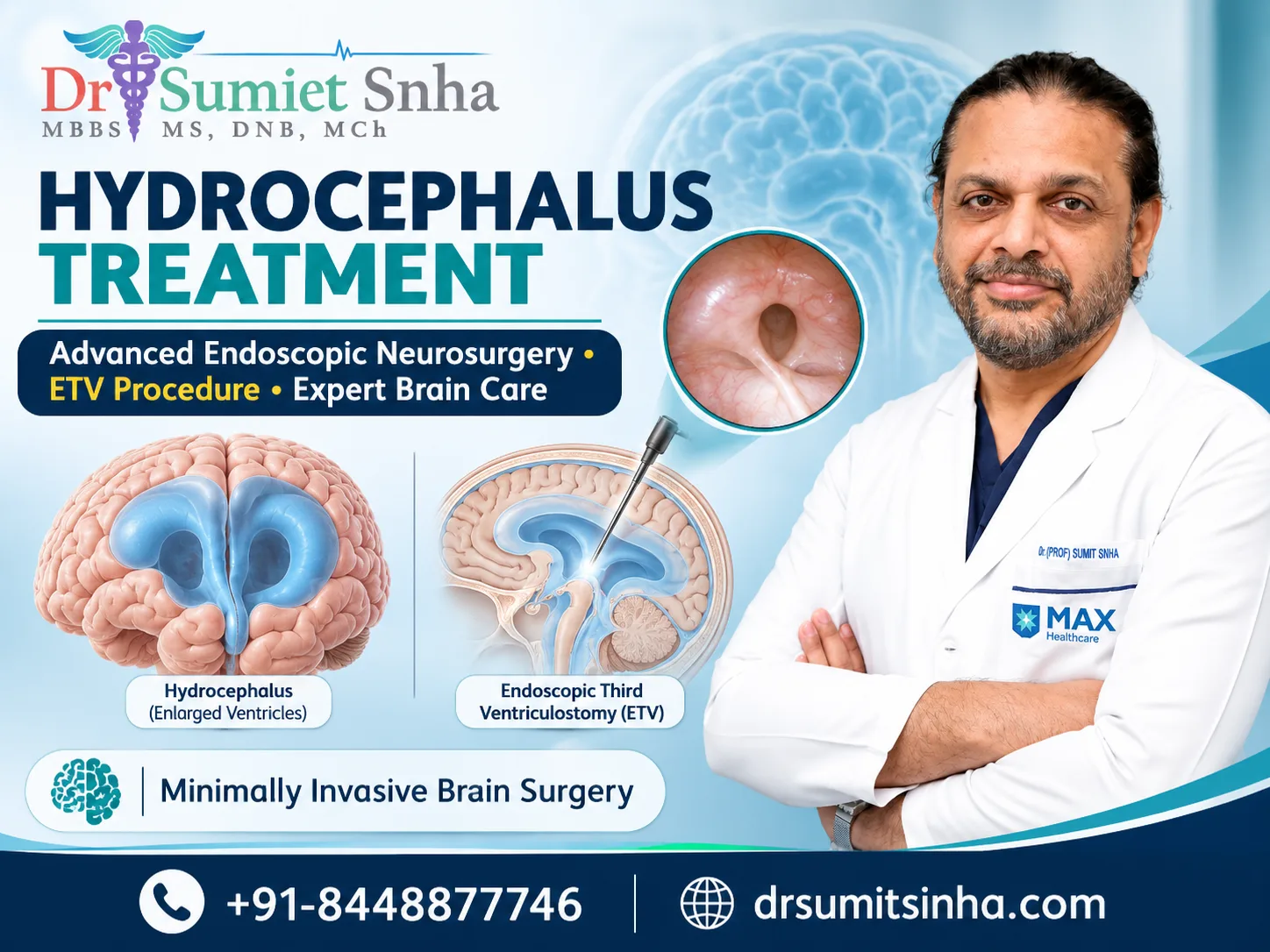
Hydrocephalus: Understanding Brain Fluid Accumulation, Diagnosis and Advanced Endoscopic Treatment
Learn about hydrocephalus, its symptoms, causes, diagnosis and advanced endoscopic treatment options, including ETV and VP shunt…
Read More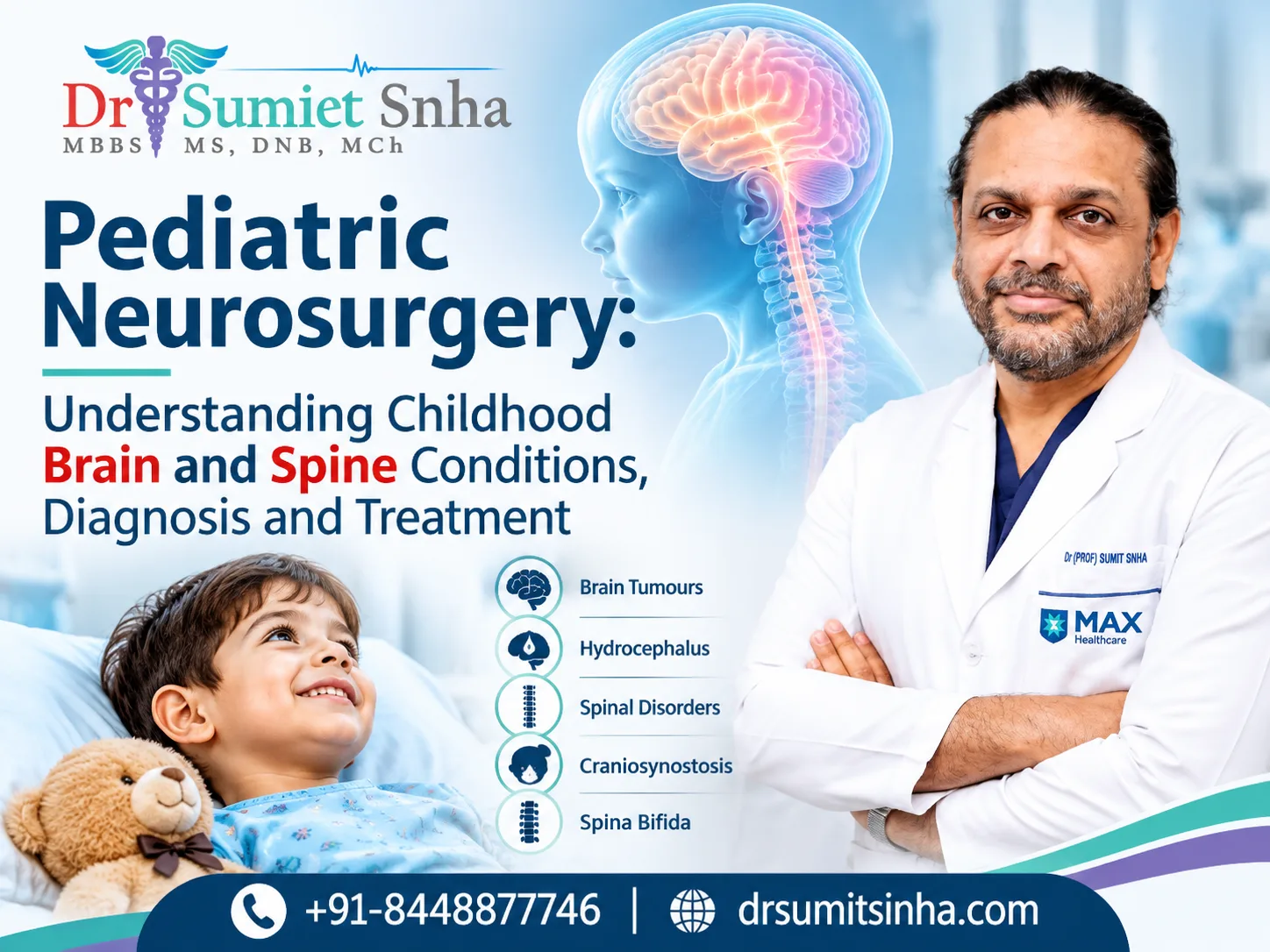 20 Nov
Pediatric Neurosurgery: Understanding Childhood Brain and Spine Conditions, Diagnosis and Treatment
Learn about pediatric brain and spine conditions, their symptoms, diagnosis, and treatment options. Discover how specialised…
Read More 16 Nov
Epilepsy: Understanding Seizures, Advanced Treatment Options and Surgical Care
Understand epilepsy symptoms, seizure types, diagnosis and modern treatment options. Explore epilepsy surgery and specialised…
Read More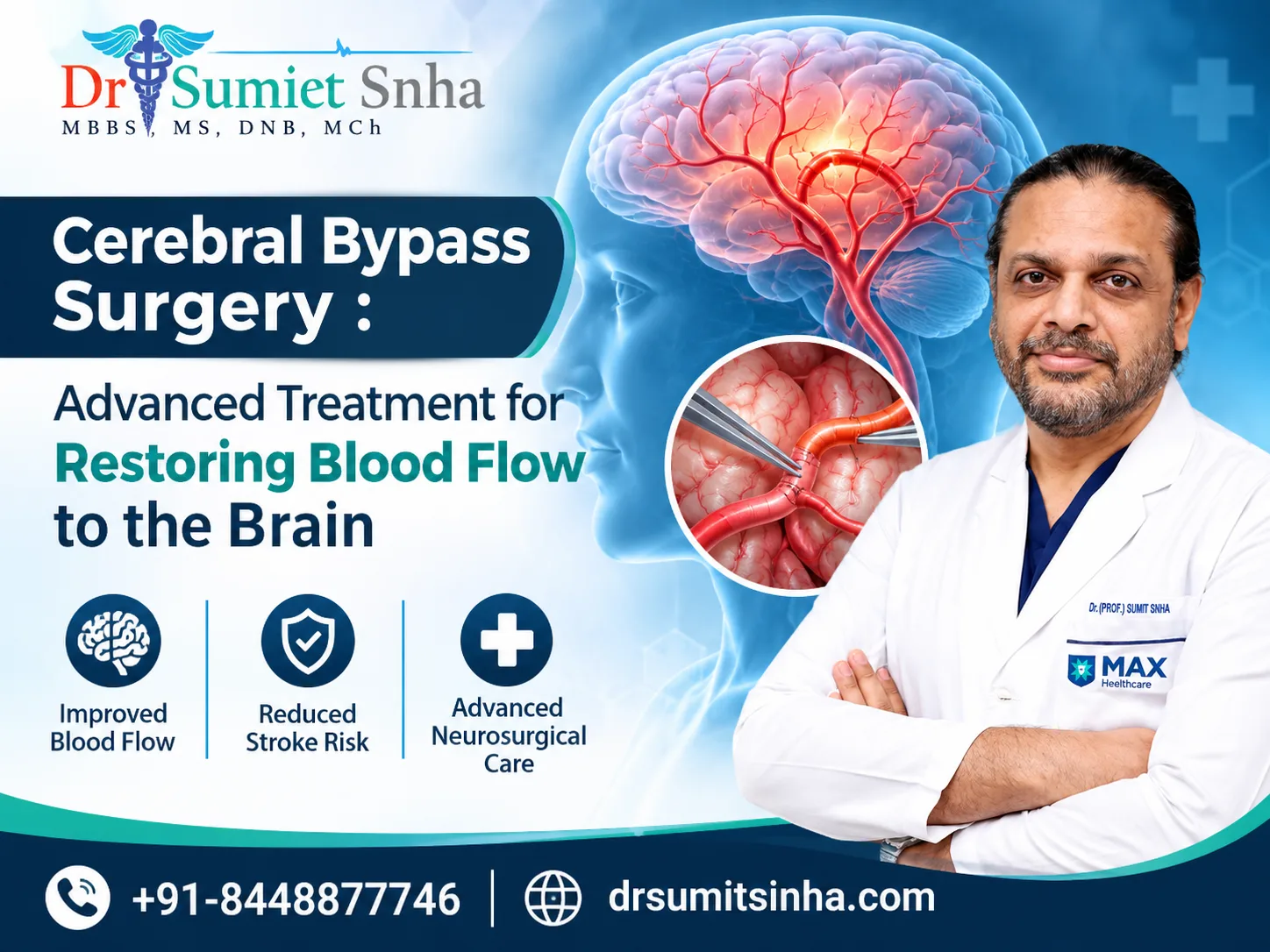 11 Nov
Cerebral Bypass Surgery : Advanced Treatment for Restoring Blood Flow to the Brain
Explore cerebral bypass surgery, an advanced microsurgical procedure that helps restore blood flow to the brain. Learn about its…
Read More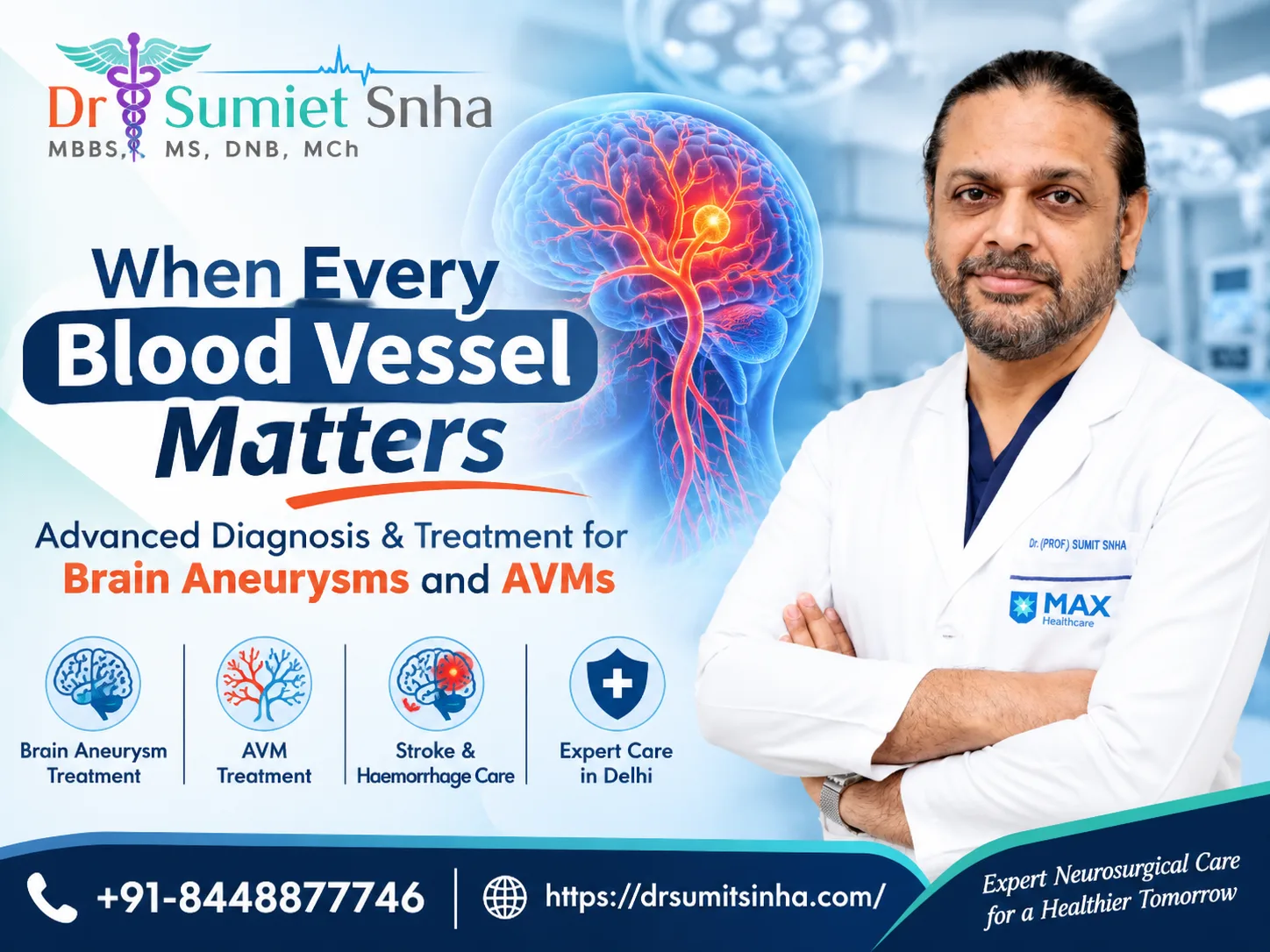 05 Nov
Vascular Neurosurgery : Advanced Treatment for Brain Aneurysms and AVMs
Explore advanced brain vascular care, including brain aneurysms and AVMs. Learn about diagnosis and treatment approaches with Dr.…
Read More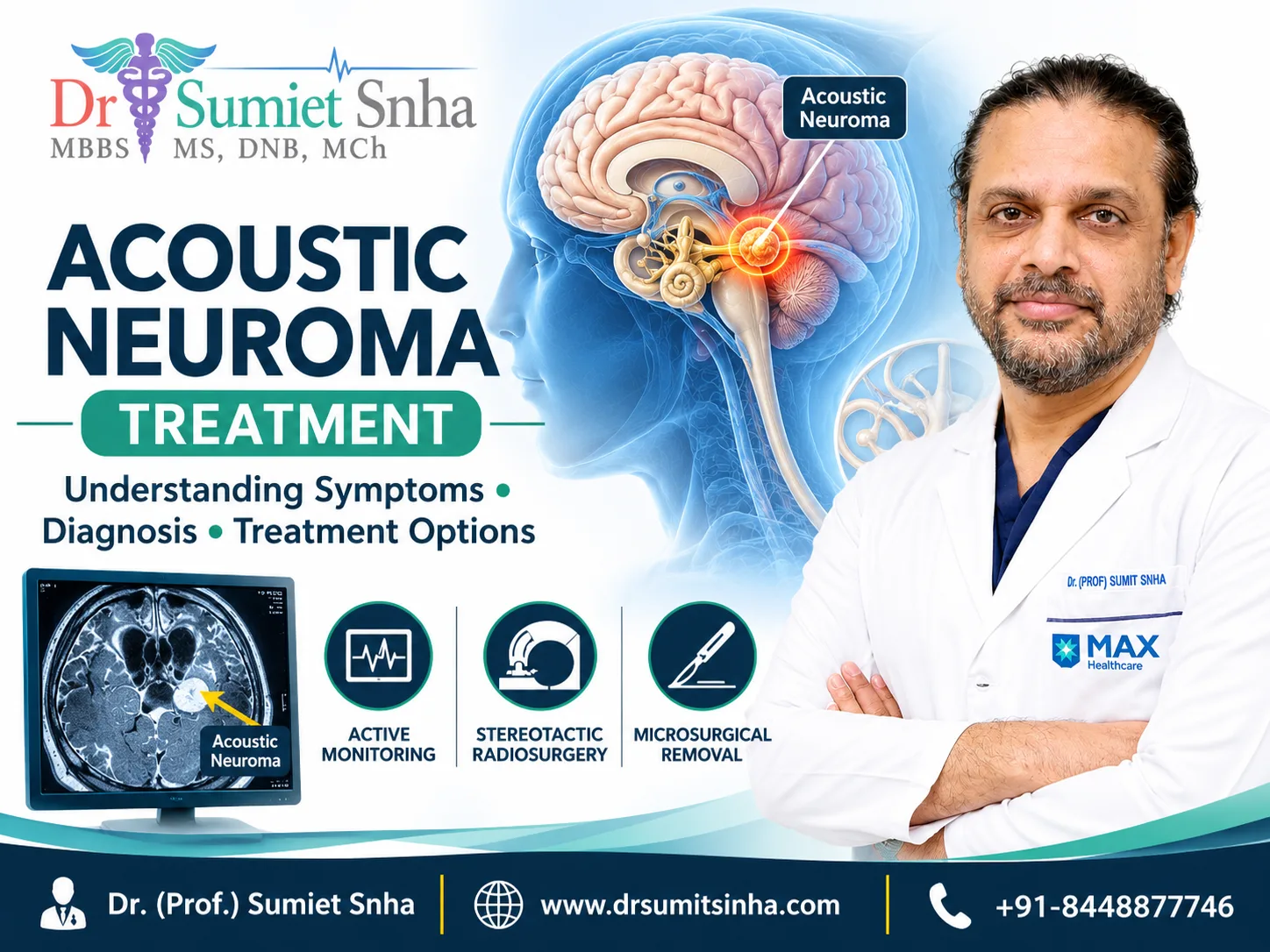 02 Nov
Acoustic Neuroma: Understanding Treatment Choices, Hearing Preservation and Recovery
Understand acoustic neuroma, its symptoms, diagnosis and treatment options, including active monitoring, stereotactic…
Read More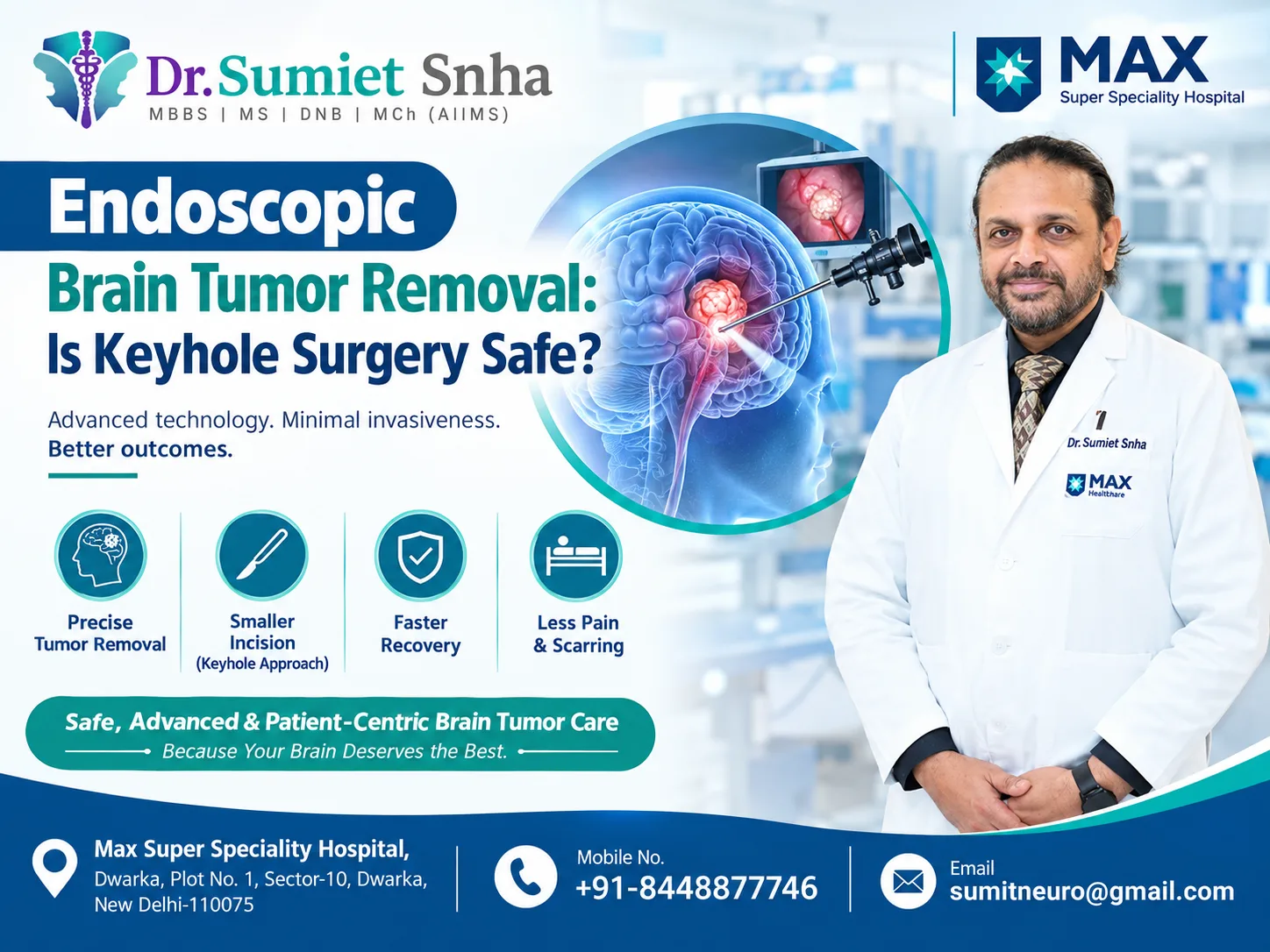 14 Sep
Endoscopic Brain Tumor Surgery Delhi | Is Keyhole Surgery Safe?
Yes, endoscopic brain tumor surgery can be a safe and effective option for carefully selected patients, but it is not suitable…
Read More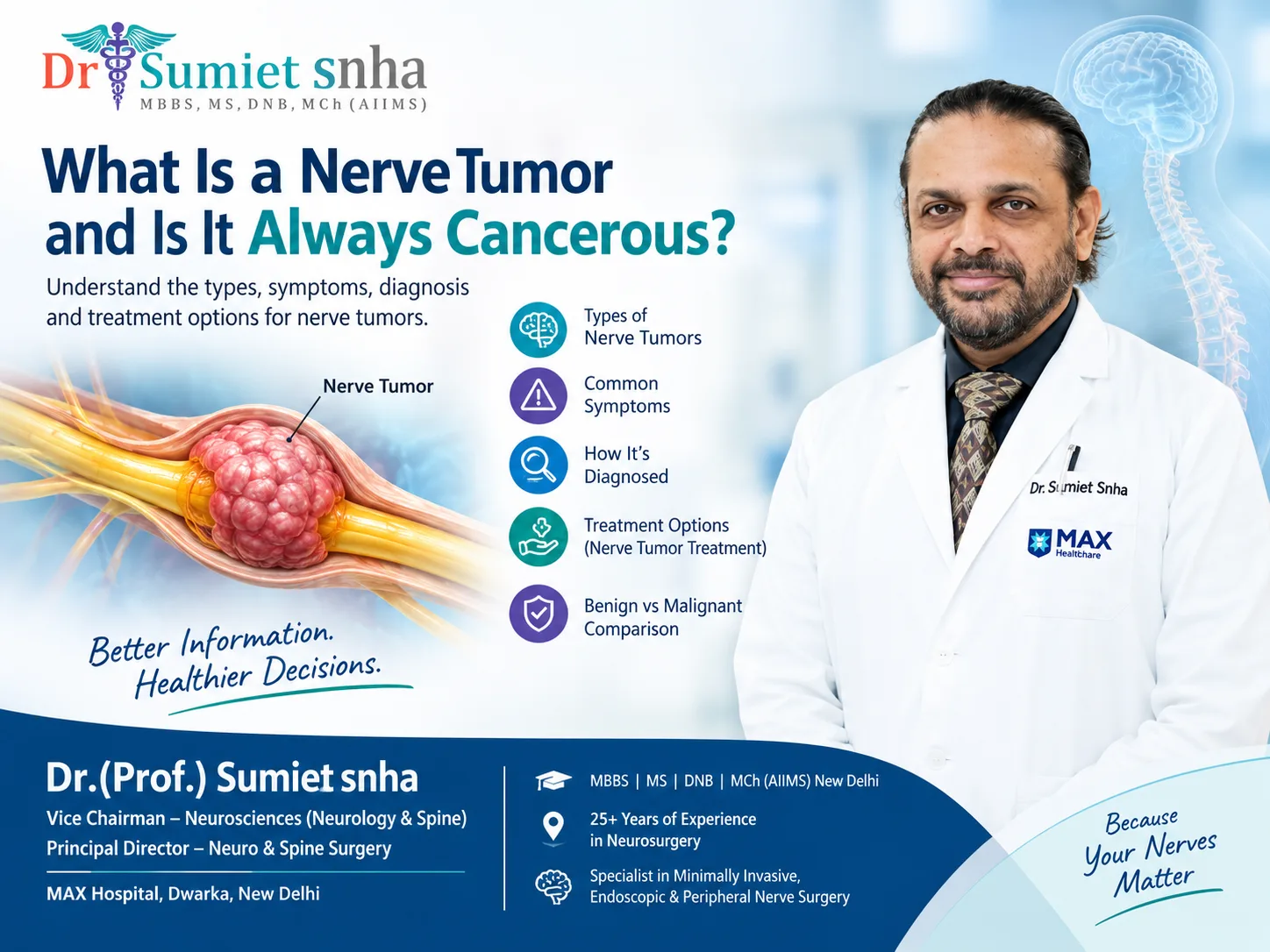 10 Sep
What Is a Nerve Tumor and Is It Always Cancerous
Finding a lump near a nerve can understandably cause concern, especially when the word “tumor” is involved. But a nerve tumor…
Read More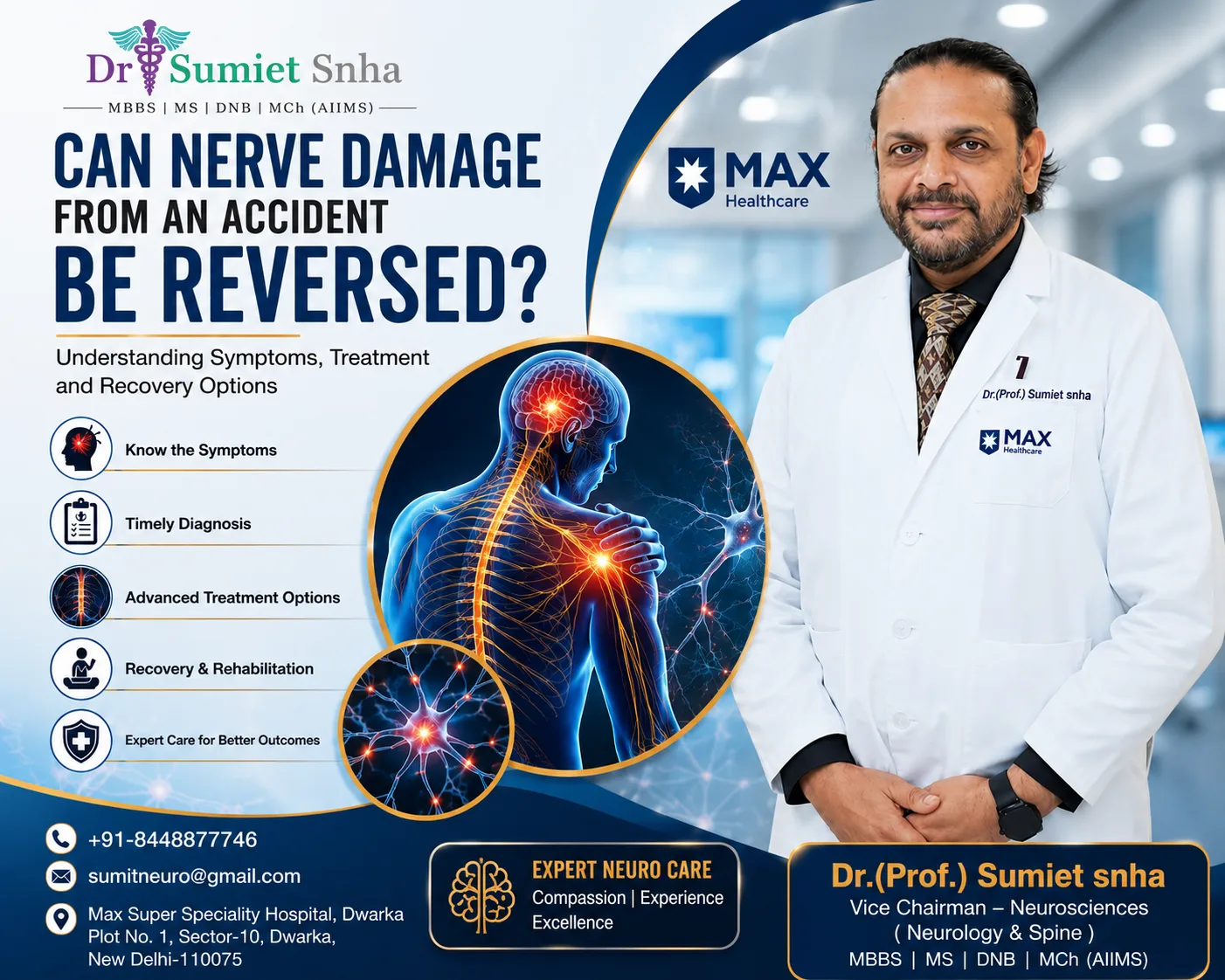 29 Aug
Can Nerve Damage From an Accident Be Reversed?
Accidents can damage nerves through crushing, stretching, compression, or direct trauma, causing symptoms such as numbness,…
Read MoreFrequently Asked Questions
Quick answers to common questions patients ask before consulting Dr. (Prof.) Sumiet Snha.
View All FAQsDr. (Prof.) Sumiet Snha (also known as Dr. Sumit Sinha) is an AIIMS-trained Neurosurgeon and Spine Surgeon with 25+ years of experience. He is the Principal Director - Neurosurgery & Spine Surgery at Max Hospital, Dwarka, New Delhi, and an ex-Professor of Neurosurgery at AIIMS, New Delhi.
Dr. Snha consults at Max Super Speciality Hospital, Plot No. 1, Sector-10, Dwarka, New Delhi-110075, from Monday to Saturday, 9:00 AM to 6:00 PM. Video consultation is also available on request.
You can book an appointment by calling +91-8448877746, sending a WhatsApp message, or filling the online appointment form on this website. Our team will call you back to confirm the slot.
In minimally invasive (keyhole) or endoscopic spine surgery, the surgeon treats the problem through a very small incision using an endoscope and special instruments. It usually means less pain, less blood loss, a shorter hospital stay and a faster return to routine activities compared with open surgery.
No. Most patients with slip disc or back pain improve with medicines, physiotherapy and lifestyle changes. Surgery is advised only when there is severe or persistent pain, weakness, numbness or loss of bladder/bowel control, or when conservative treatment fails.
Brain tumors, pituitary tumors, acoustic neuroma, aneurysms and AVMs, epilepsy, hydrocephalus, paediatric neurosurgical problems, slip disc, spinal stenosis, spinal fractures, spinal tumors, spine tuberculosis, atlanto-axial dislocation, brachial plexus and peripheral nerve injuries, nerve tumors, trigeminal neuralgia and spasticity.
Suffering from back pain, a brain or nerve problem?
Get an expert opinion from Dr. (Prof.) Sumiet Snha — Vice Chairman, Robotics, Neurosurgery & Spine Services, Max Hospital · Ex-Professor, AIIMS · 30+ years of experience.