Mon - Sat : 9:00 AM - 6:00 PM
- +91-8448877746
- sumitneuro@gmail.com
 25 Aug
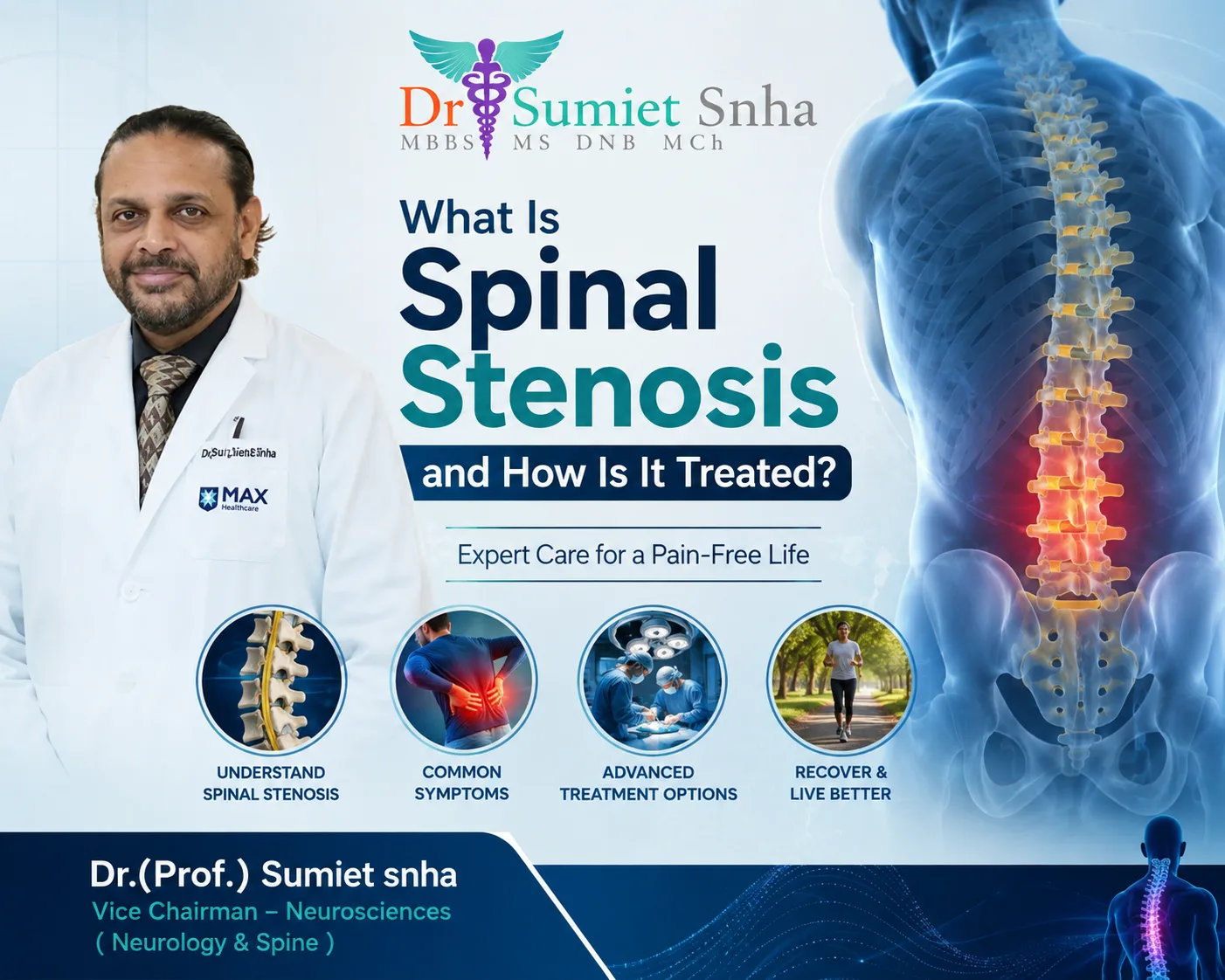
What Is Spinal Stenosis and How Is It Treated?
Spinal stenosis is a condition in which the spinal canal or nerve passageways become narrowed, potentially putting pressure on…
Read More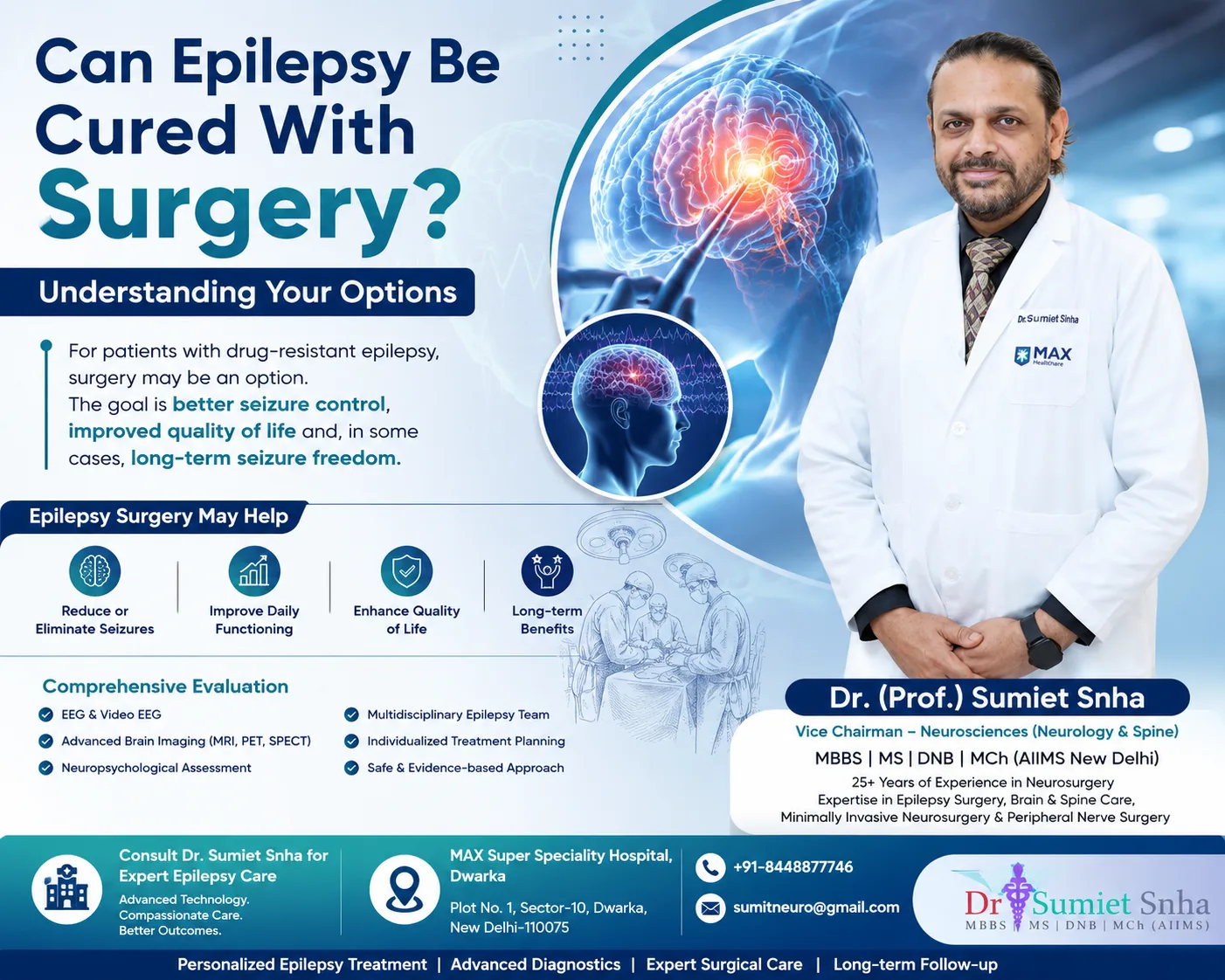 24 Aug
Can Epilepsy Be Cured With Surgery and Treatment Options
Epilepsy is a neurological disorder in which abnormal electrical activity in the brain can cause recurrent seizures. While…
Read More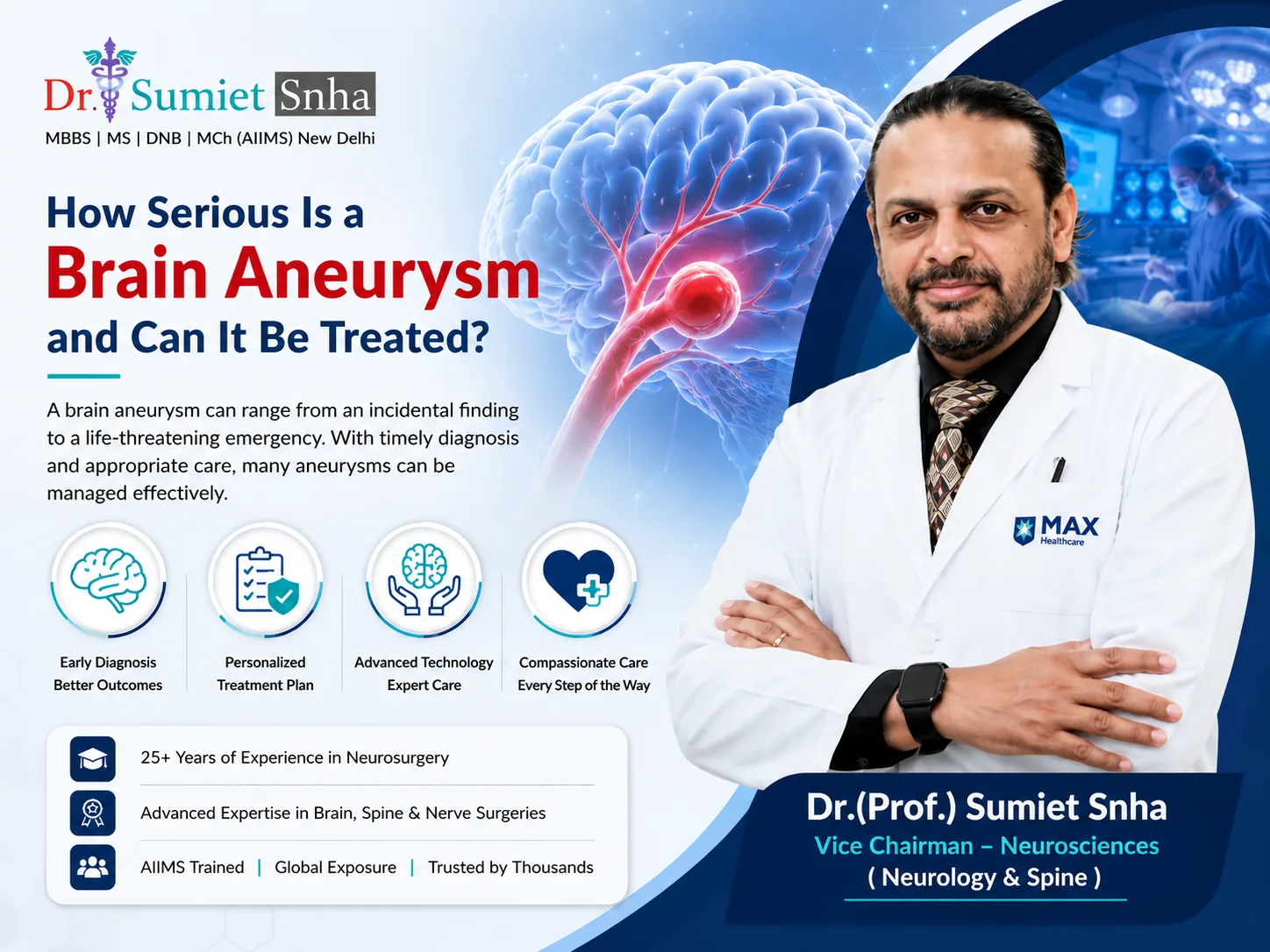 22 Aug
How Serious Is a Brain Aneurysm and Can It Be Treated
A brain aneurysm, also called a cerebral aneurysm, is a weakened area in a blood vessel in the brain that can form a bulging or…
Read More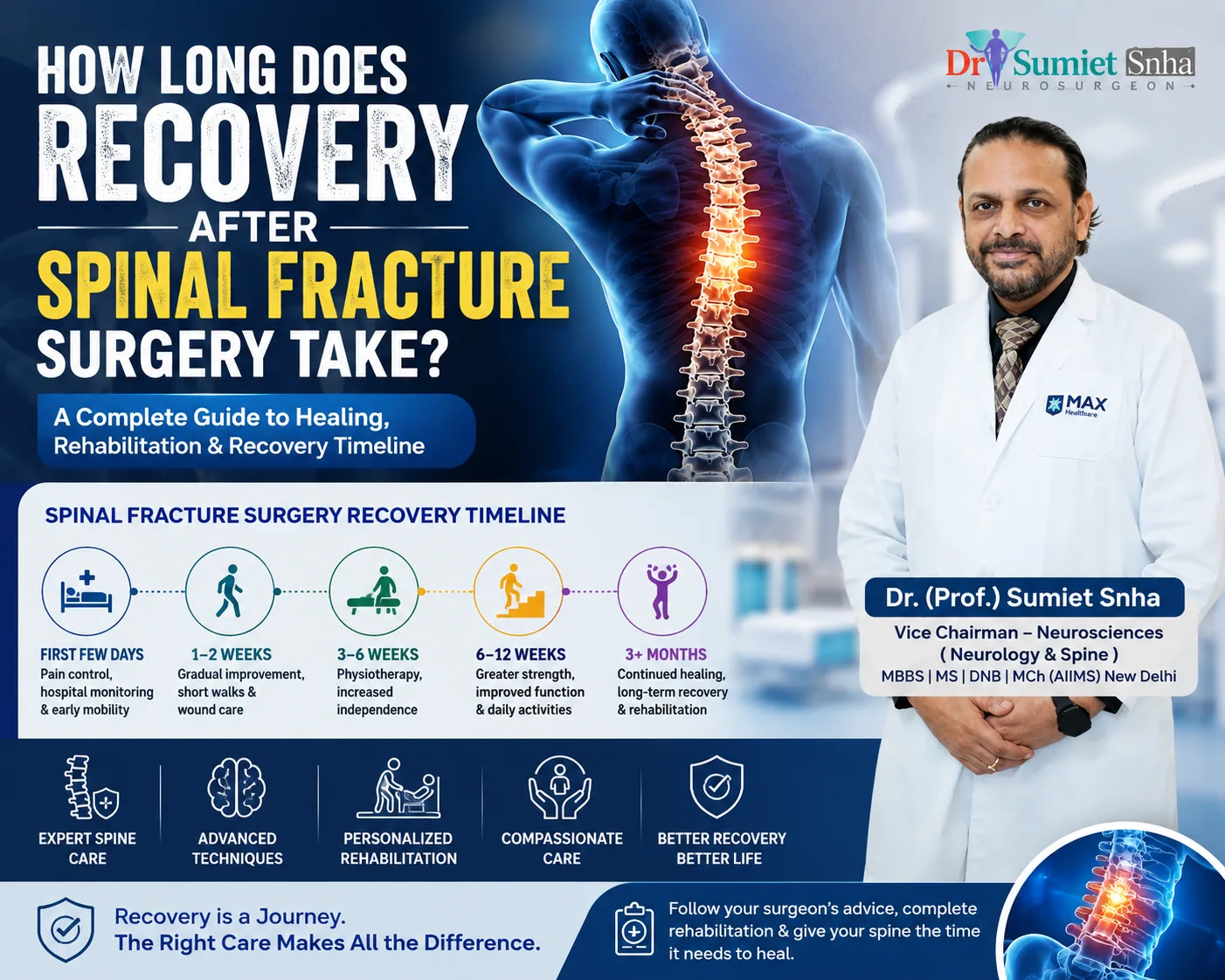 21 Aug
How Long Is Recovery After Spinal Fracture Surgery
Recovery after spinal fracture surgery varies from person to person and depends on the type and location of the fracture, the…
Read More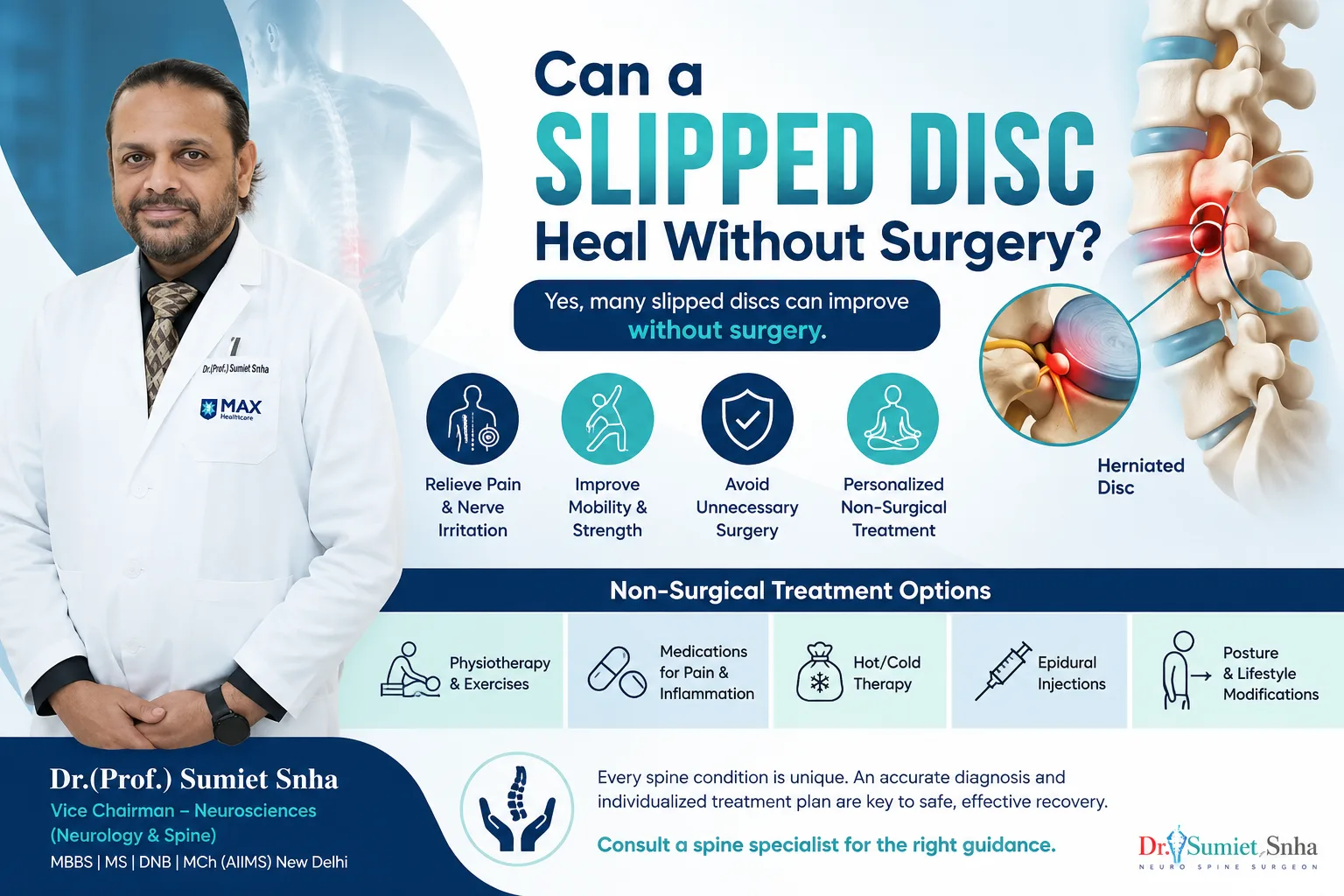 20 Aug
Can a Slipped Disc Heal Without Surgery
Yes, many people with a slipped disc can improve without surgery, particularly when symptoms are manageable and there is no…
Read More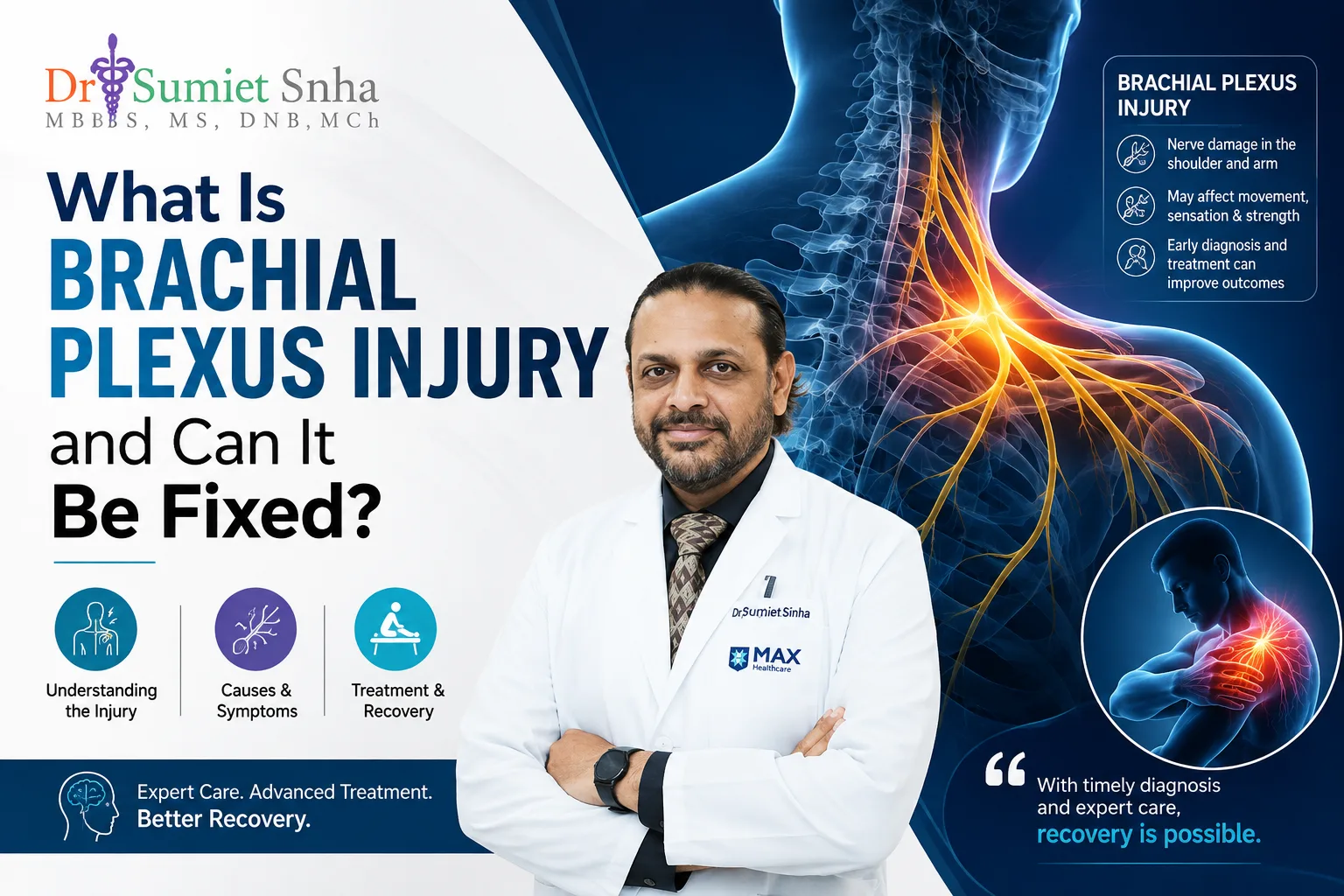 19 Aug
What Is Brachial Plexus Injury and Can It Be Fixed
The brachial plexus is a group of nerves that connects the spinal cord with the shoulder, arm, and hand, helping control movement…
Read More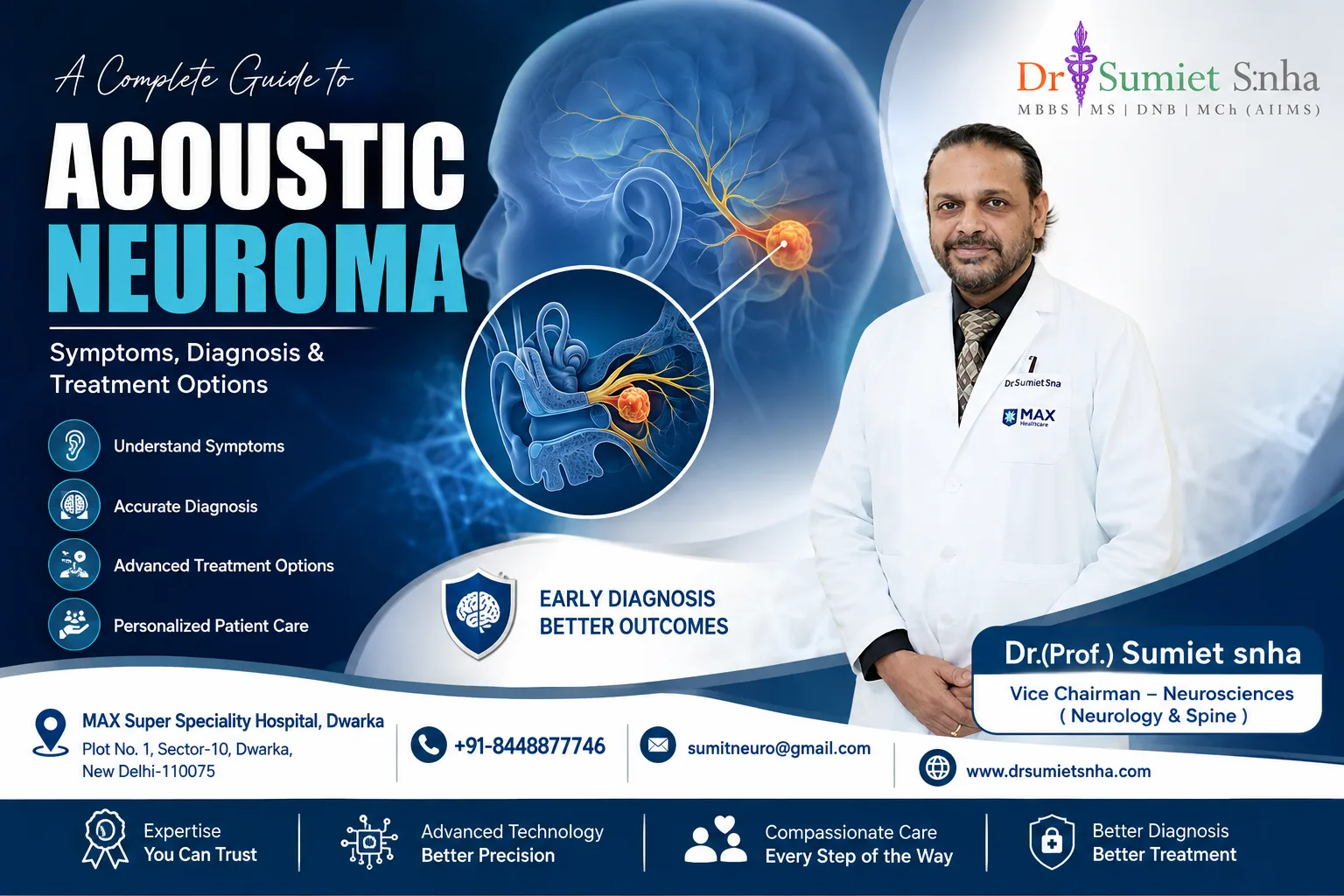 18 Aug
Acoustic Neuroma Treatment: Symptoms, Diagnosis & Options
An acoustic neuroma, medically known as a vestibular schwannoma , is a usually slow-growing, non-cancerous tumor that develops…
Read More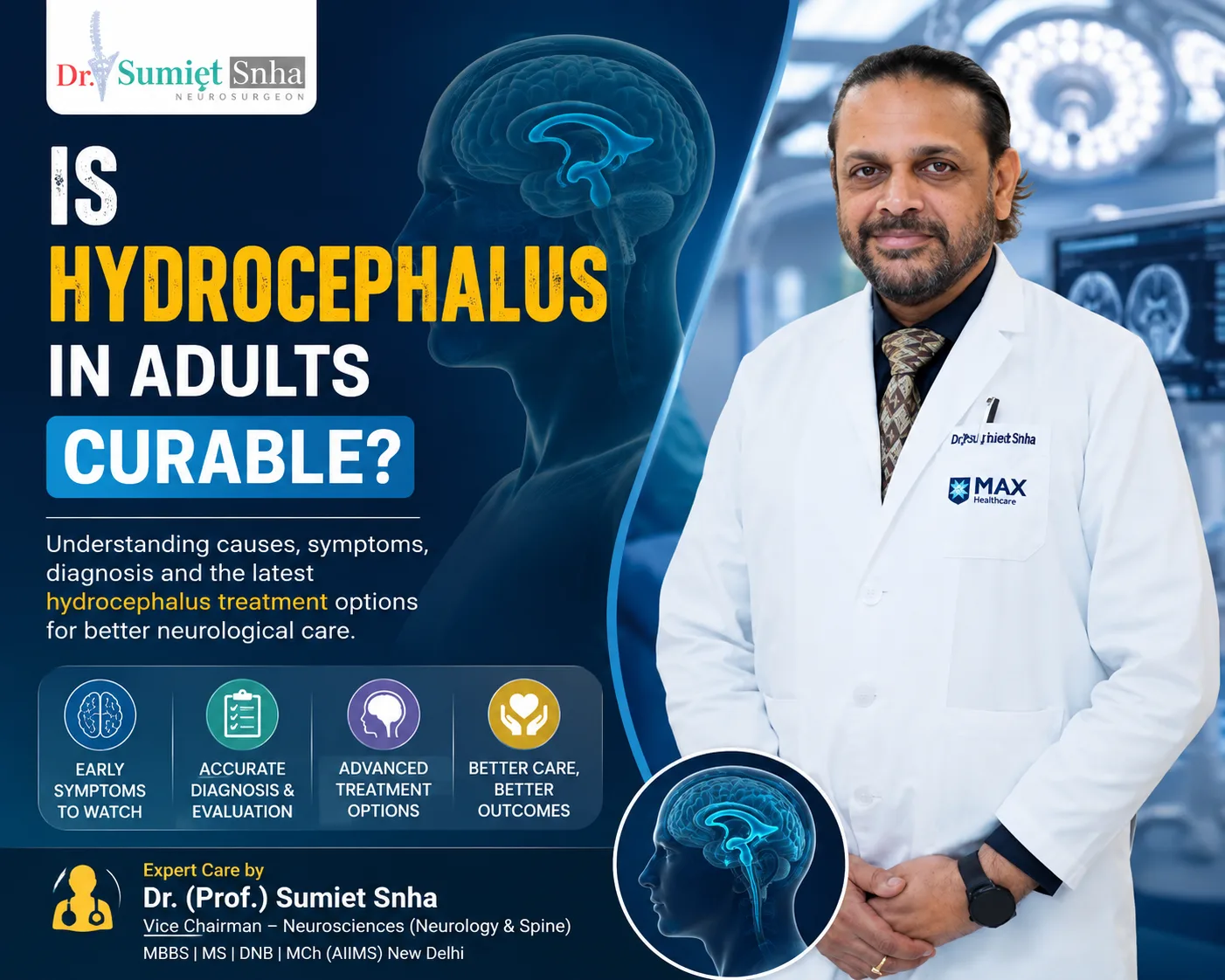 17 Aug
Is Hydrocephalus in Adults Curable Treatment Options
Hydrocephalus is a neurological condition in which excess cerebrospinal fluid accumulates within the spaces of the brain,…
Read More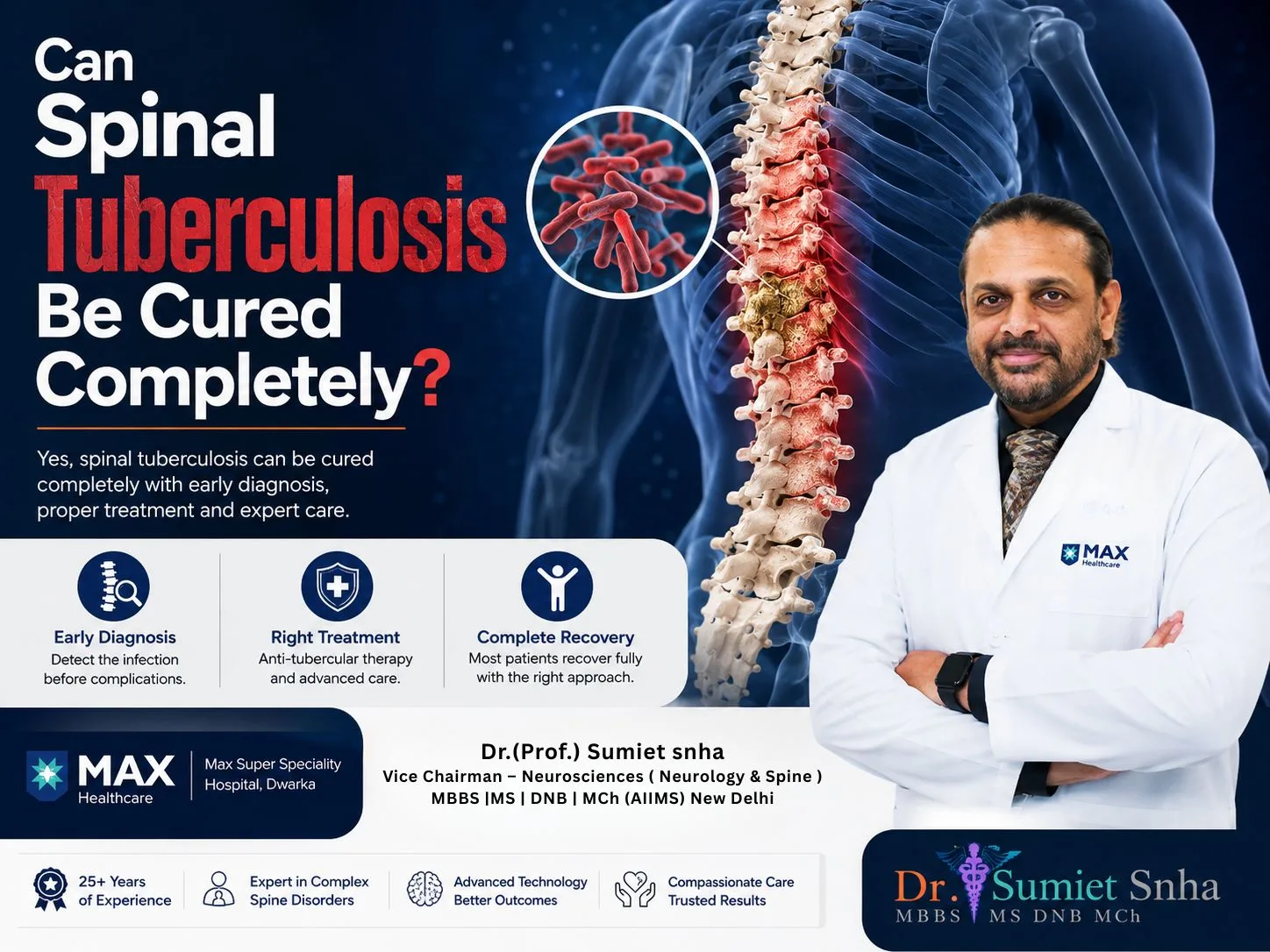 13 Aug
Can Spinal Tuberculosis Be Cured Completely
Yes, spinal tuberculosis can often be cured completely when diagnosed early and treated appropriately. Spinal tuberculosis…
Read MoreFrequently Asked Questions
Quick answers to common questions patients ask before consulting Dr. (Prof.) Sumiet Snha.
View All FAQsDr. (Prof.) Sumiet Snha (also known as Dr. Sumit Sinha) is an AIIMS-trained Neurosurgeon and Spine Surgeon with 25+ years of experience. He is the Principal Director - Neurosurgery & Spine Surgery at Max Hospital, Dwarka, New Delhi, and an ex-Professor of Neurosurgery at AIIMS, New Delhi.
Dr. Snha consults at Max Super Speciality Hospital, Plot No. 1, Sector-10, Dwarka, New Delhi-110075, from Monday to Saturday, 9:00 AM to 6:00 PM. Video consultation is also available on request.
You can book an appointment by calling +91-8448877746, sending a WhatsApp message, or filling the online appointment form on this website. Our team will call you back to confirm the slot.
In minimally invasive (keyhole) or endoscopic spine surgery, the surgeon treats the problem through a very small incision using an endoscope and special instruments. It usually means less pain, less blood loss, a shorter hospital stay and a faster return to routine activities compared with open surgery.
No. Most patients with slip disc or back pain improve with medicines, physiotherapy and lifestyle changes. Surgery is advised only when there is severe or persistent pain, weakness, numbness or loss of bladder/bowel control, or when conservative treatment fails.
Brain tumors, pituitary tumors, acoustic neuroma, aneurysms and AVMs, epilepsy, hydrocephalus, paediatric neurosurgical problems, slip disc, spinal stenosis, spinal fractures, spinal tumors, spine tuberculosis, atlanto-axial dislocation, brachial plexus and peripheral nerve injuries, nerve tumors, trigeminal neuralgia and spasticity.
Suffering from back pain, a brain or nerve problem?
Get an expert opinion from Dr. (Prof.) Sumiet Snha — Vice Chairman, Robotics, Neurosurgery & Spine Services, Max Hospital · Ex-Professor, AIIMS · 30+ years of experience.